Biography
Clint Eastwood
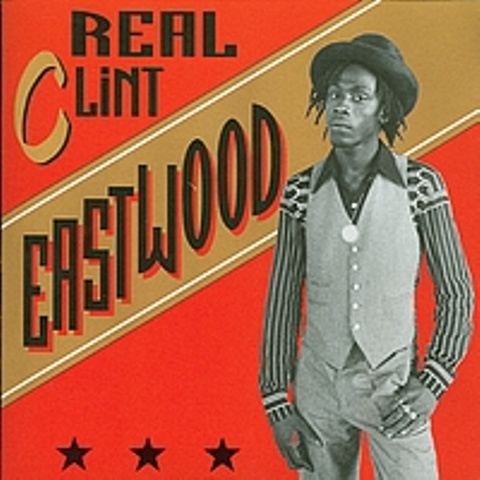
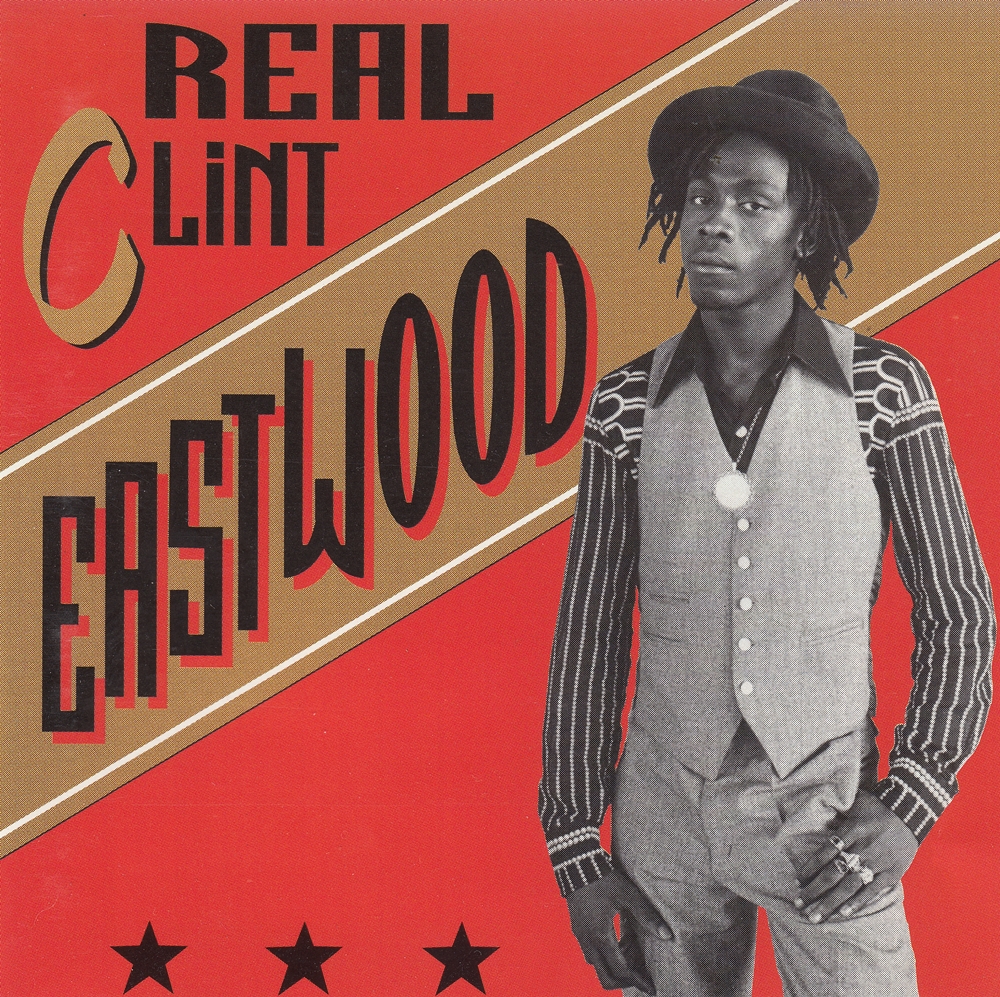
In 1978, in the Kingston studios, a young singer decided to call himself Clint Eastwood — after the mythical actor of spaghetti westerns. While his peers drew from Rastafari culture, he sought his identity from Sergio Leone. This choice announced a turning point: Robert Anthony Brammer, under this stage name, would become one of the architects of the passage between the cultural chants of the 70s and the impertinent oral style of dancehall.
In brief
| Stage name | Clint Eastwood |
| Birth name | Robert Anthony Brammer |
| Birth | 18 September 1957, Kingston (Jamaica) |
| Genre | Reggae / Dancehall — deejay (oral art on riddim, close to rap) |
| Notable works | African Youth, Two Bad D.J., “Stop That Train” |
| Awards | Top 5 of the UK Independent Chart; UK Singles Chart (#81) |
Key dates
| Year | Event |
|---|---|
| 1957 | Birth in Kingston; brother of deejay Trinity |
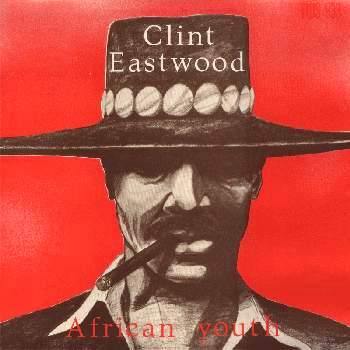
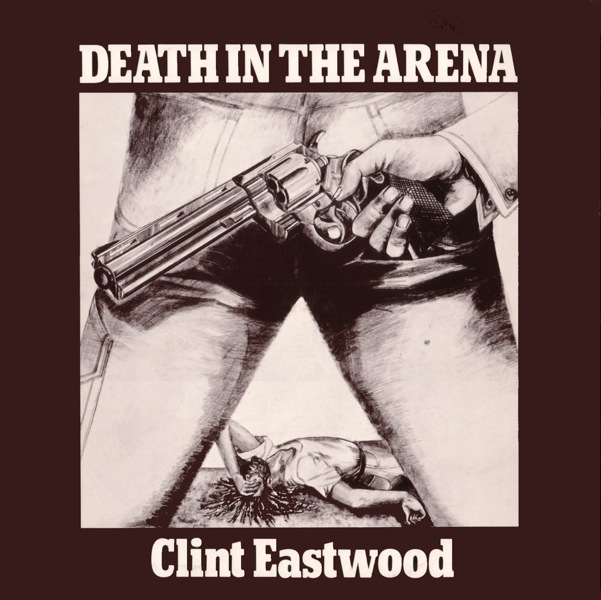
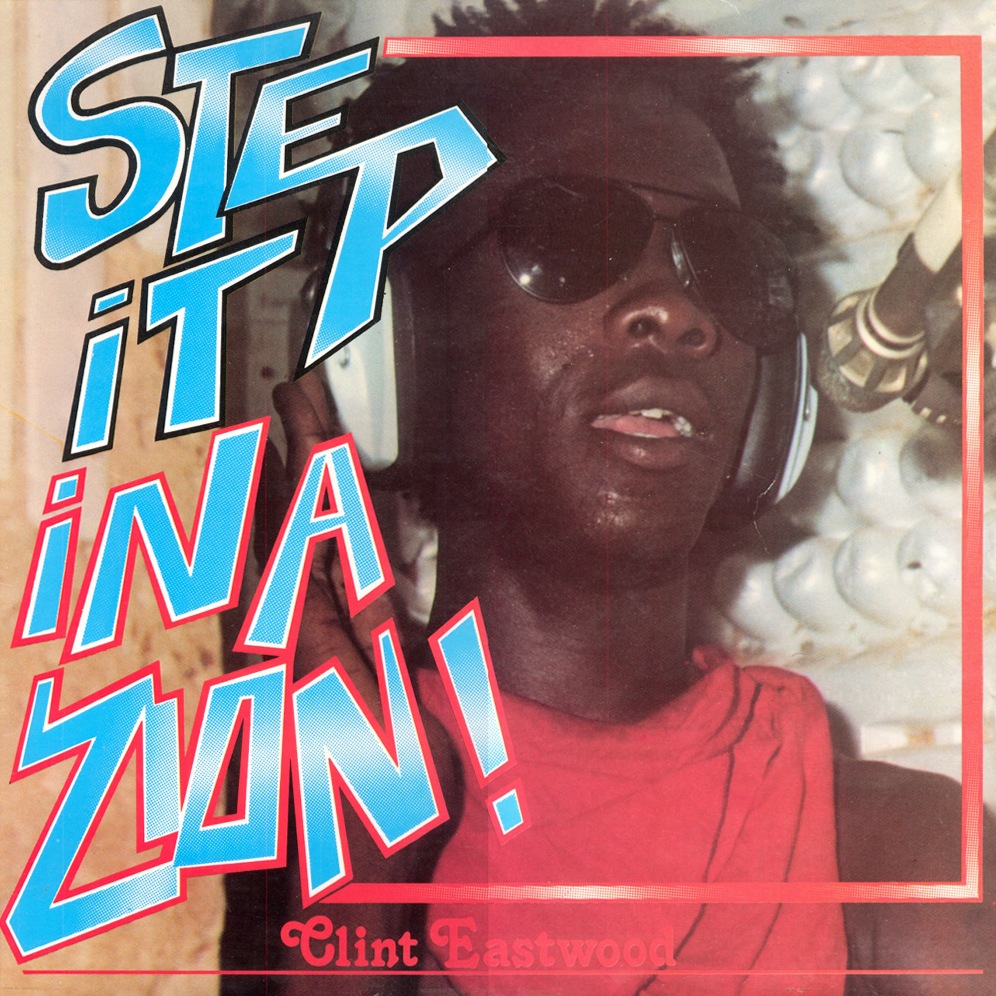
| 1978 | First albums: African Youth and Step It in a Zion (Bunny Lee), Death in the Arena (Channel One) |
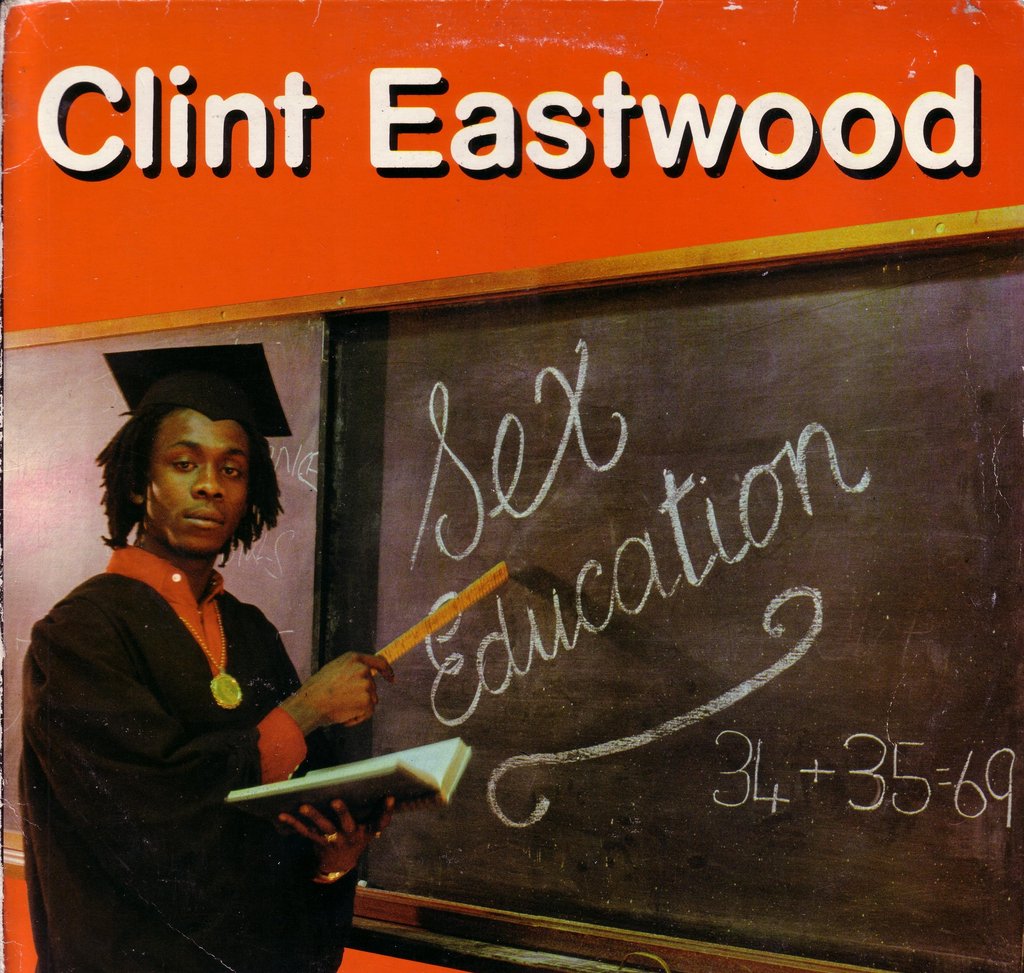
| 1980 | Sex Education for Greensleeves, emblem of the transition to dancehall |
| 1981 | Duo with General Saint; Two Bad D.J.; live in London with Dillinger |
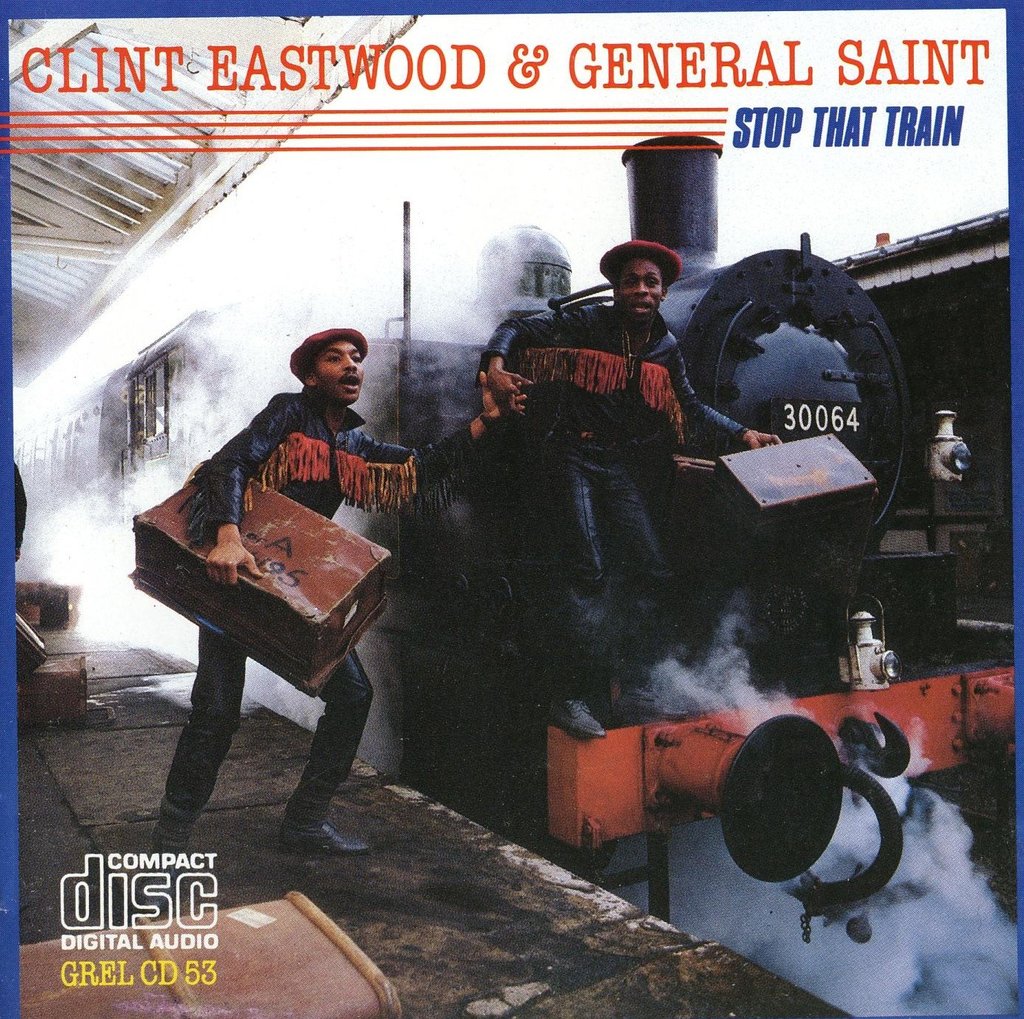
| 1983 | Stop That Train; hit single (#81 UK Singles Chart) |
| 2011 | Resumption of joint tour in the United Kingdom |
Birth of a style and British conquest
Robert Brammer grew up in Kingston in a household where reggae resonated from all the speakers. His older brother, Trinity, was already a deejay — this Jamaican term designates the artist who improvises oral lyrics on a riddim (the instrumental track). Clint took an unusual direction: while the reggae scene of the 70s was dominated by cultural chants imbued with Rastafari spirituality, he drew inspiration from Italian westerns. His first impact occurred in 1978, a blazing year: he recorded African Youth and Step It in a Zion with the legendary producer Bunny Lee, then Death in the Arena via Channel One. The speed with which he released three albums in one year testifies to exceptional creative fertility.
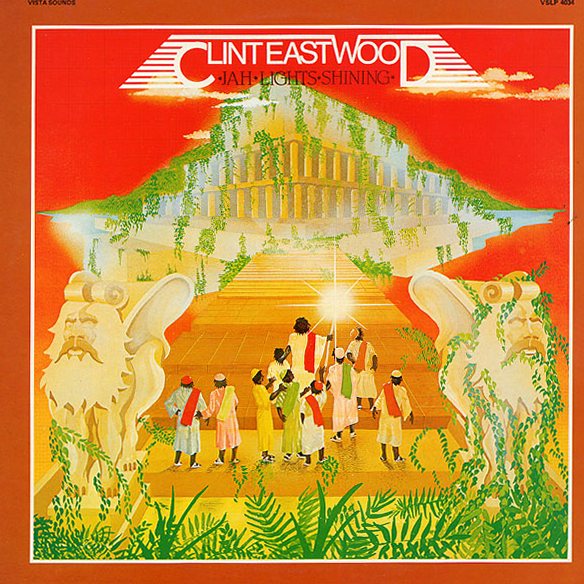
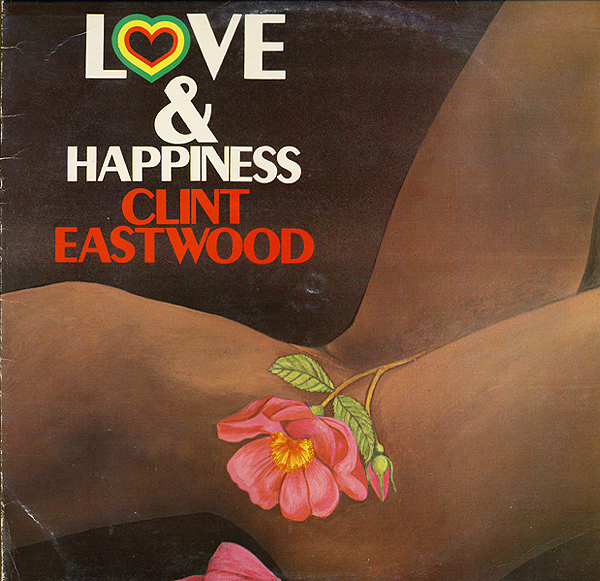
Between 1979 and 1980, he placed himself at the heart of a historical change. Album after album — Jah Lights Shining, Love & Happiness, and above all Sex Education for Greensleeves — Clint Eastwood was part of the group of deejays who inaugurated dancehall chat, a more direct and impulsive oral style, as well as slackness — a movement consisting in addressing themes that were until then taboo with audacity. Sex Education is its manifesto: a 23-year-old title that shakes the codes.
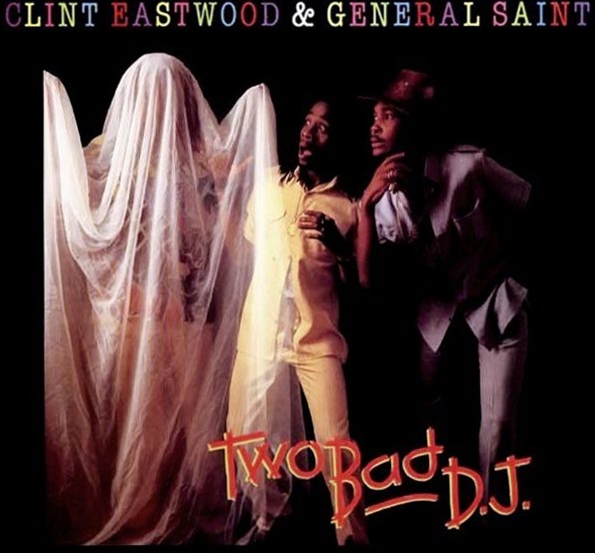
The leap to the international arrived in 1981 with the duo formed with General Saint — Winston Hislop, British deejay from the Caribbean. Their first release, “Tribute to General Echo”, a tribute to the recently deceased deejay General Echo, reached the top of British reggae charts. Greensleeves Records noted that deejays had never really crossed this threshold before. Two Bad D.J., the album that followed on the same label, rose into the top 5 of the UK Independent Chart (99th place on the general chart). The single “Another One Bites the Dust” remained number one for nine weeks. The following year, Stop That Train confirmed this success: the album reached 98th place on the UK Independent Chart, driven by the Inity Rockers (including a young Courtney Pine). The single “Stop That Train” reached #81, and “Last Plane (One Way Ticket)” reached #51. This double success made Clint Eastwood and General Saint one of the first duos based in the United Kingdom to enter national charts.
Major works
| Work | Year | Why it is essential |
|---|---|---|
| African Youth (Third World/Gorgon) | 1978 | First album, recorded with producer Bunny Lee; immediate arrival of a new major artist |
| Sex Education (Greensleeves) | 1980 | Emblem of the transition from the culture style to dancehall chat and slackness |
| Two Bad D.J. (Greensleeves) | 1981 | First deejay album to penetrate British charts; duo Clint Eastwood & General Saint |
| “Stop That Train” (Greensleeves) | 1983 | Hit single on the UK Singles Chart (#81), anthem of the duo that opened the doors of Europe |
Legacy and influence
Clint Eastwood played a founding role in the history of Jamaican reggae as an architect of a stylistic revolution. AllMusic describes him as an artist known for his theatrical, lively, and humorous performances — a style that made reggae accessible to audiences who had never listened to a Jamaican sound system. His movement — that of the deejay transforming reggae into festive and popular oral performance — paved the way for modern dancehall. Today, when a deejay improvises on a riddim in the clubs of Kingston or London, they follow a path partly traced by these pioneers who dared to say that reggae could be joyful, provocative, and universal.
Sources and references
- Sandra Brennan, « Clint Eastwood — Biography », AllMusic, https://www.allmusic.com/artist/clint-eastwood-mn0000160428, accessed 12 November 2025.
- « Clint Eastwood (musician) », Wikipedia, https://en.wikipedia.org/wiki/Clint_Eastwood_(musician), accessed 12 November 2025.
- « Clint Eastwood », The Reggae Museum, https://thereggaemuseum.com/musician/clint-eastwood, accessed 12 November 2025.
- « Clint Eastwood & General Saint », Wikipedia, https://en.wikipedia.org/wiki/Clint_Eastwood_%26_General_Saint, accessed 12 November 2025.
- « Clint Eastwood & General Saint », Greensleeves Records, https://greensleevesrecords.co.uk/artist/clint-eastwood-general-saint/, accessed 12 November 2025.
- Steve Barrow and Peter Dalton, Reggae: The Rough Guide, Rough Guides, 1997.
- « Clint Eastwood — Complete Discography », Roots Archives, https://www.roots-archives.com/artist/295, accessed 12 November 2025.