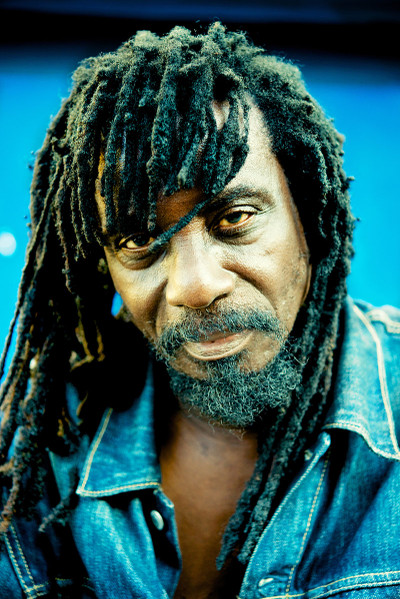
Biography
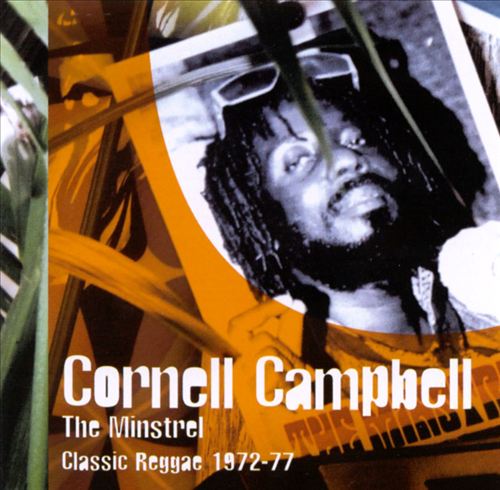
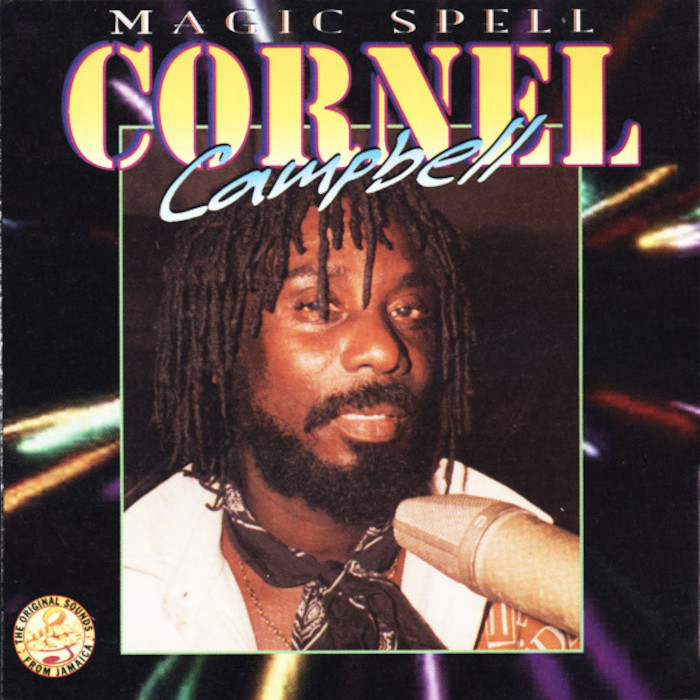
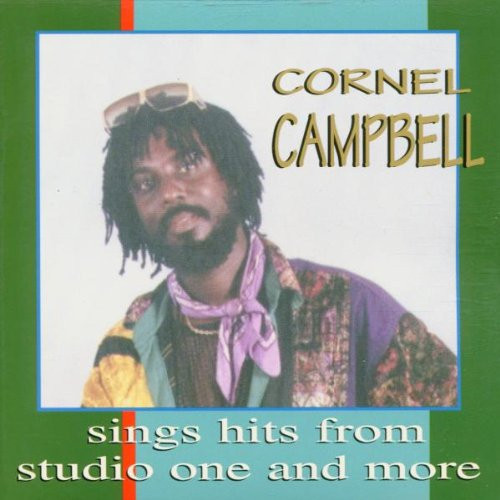
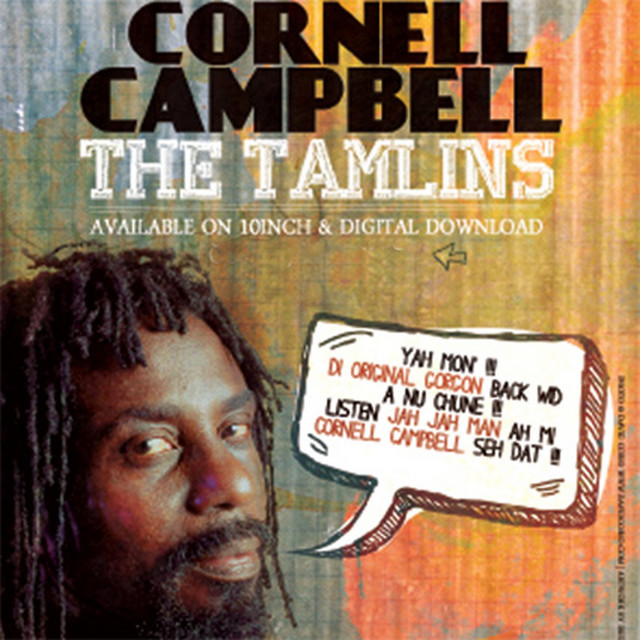
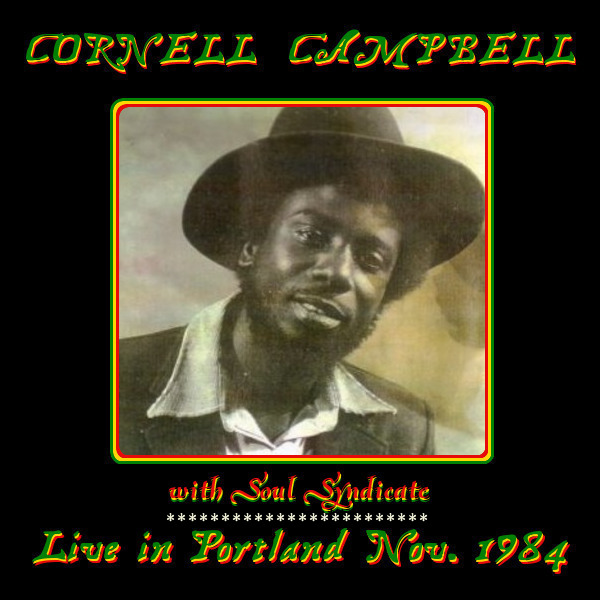
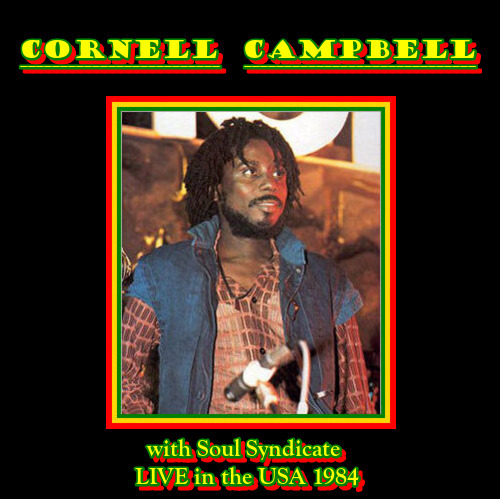
Cornel Campbell
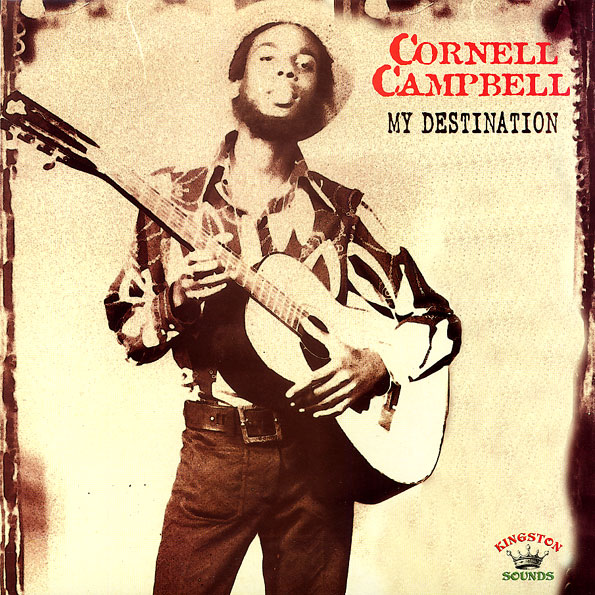
In 1956, an eleven-year-old boy entered the Studio One offices in Kingston. He went there for the first time, introduced by trombonist Rico Rodriguez — a great musician who would later play with The Skatalites. Clement « Coxsone » Dodd heard him sing, asked him to return. This marked the beginning of a career that would not stop for more than seventy years. Cornel Campbell, with his crystalline timbre and high notes that traverse decades without cracking, is one of the few Jamaican singers to have crossed all thresholds — emerging ska, the golden age of rocksteady, the roots rebellion of the 1970s, and the digital era of dancehall.
In Brief
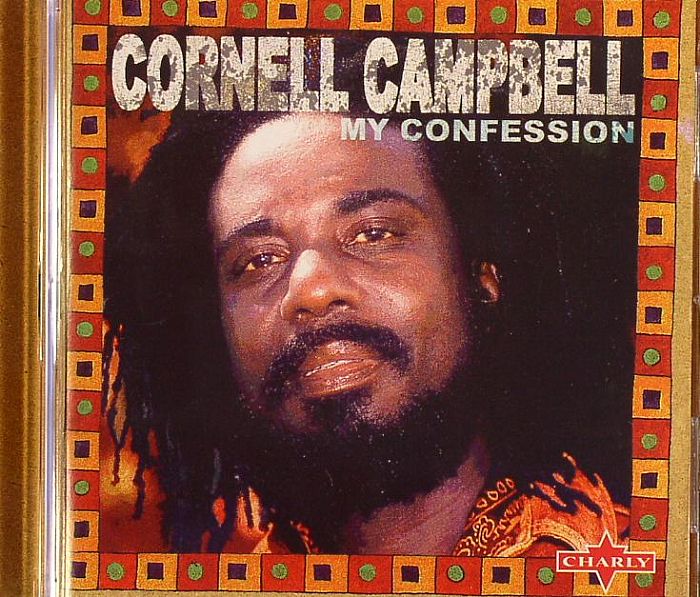
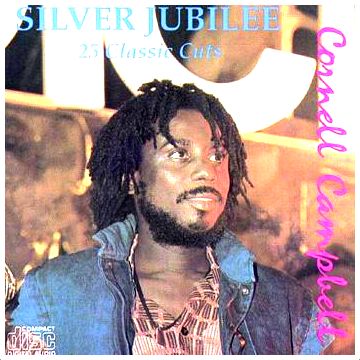
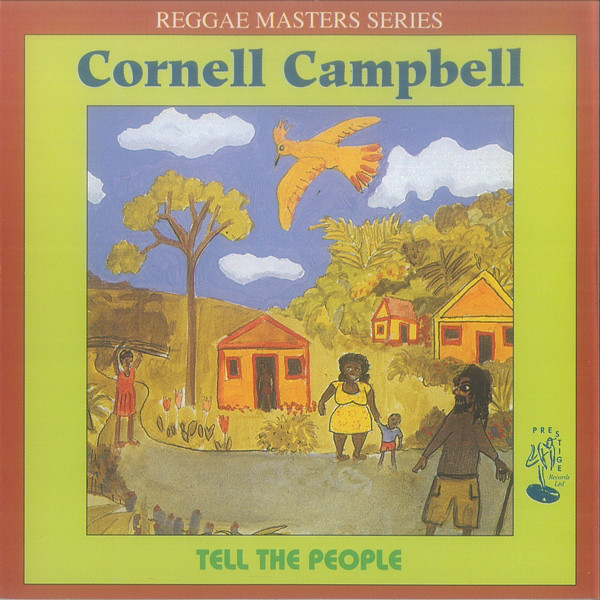
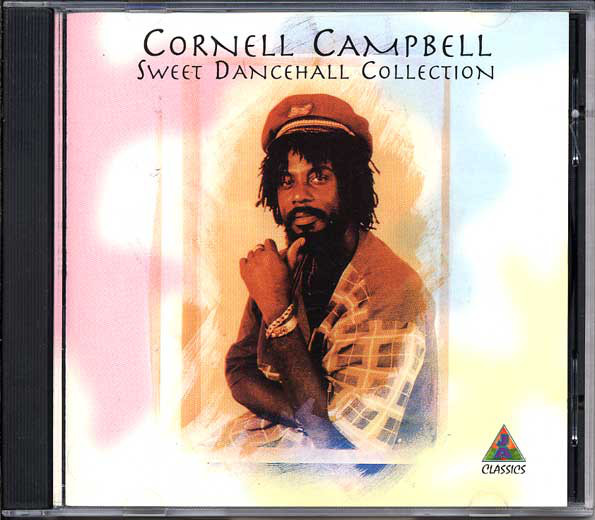
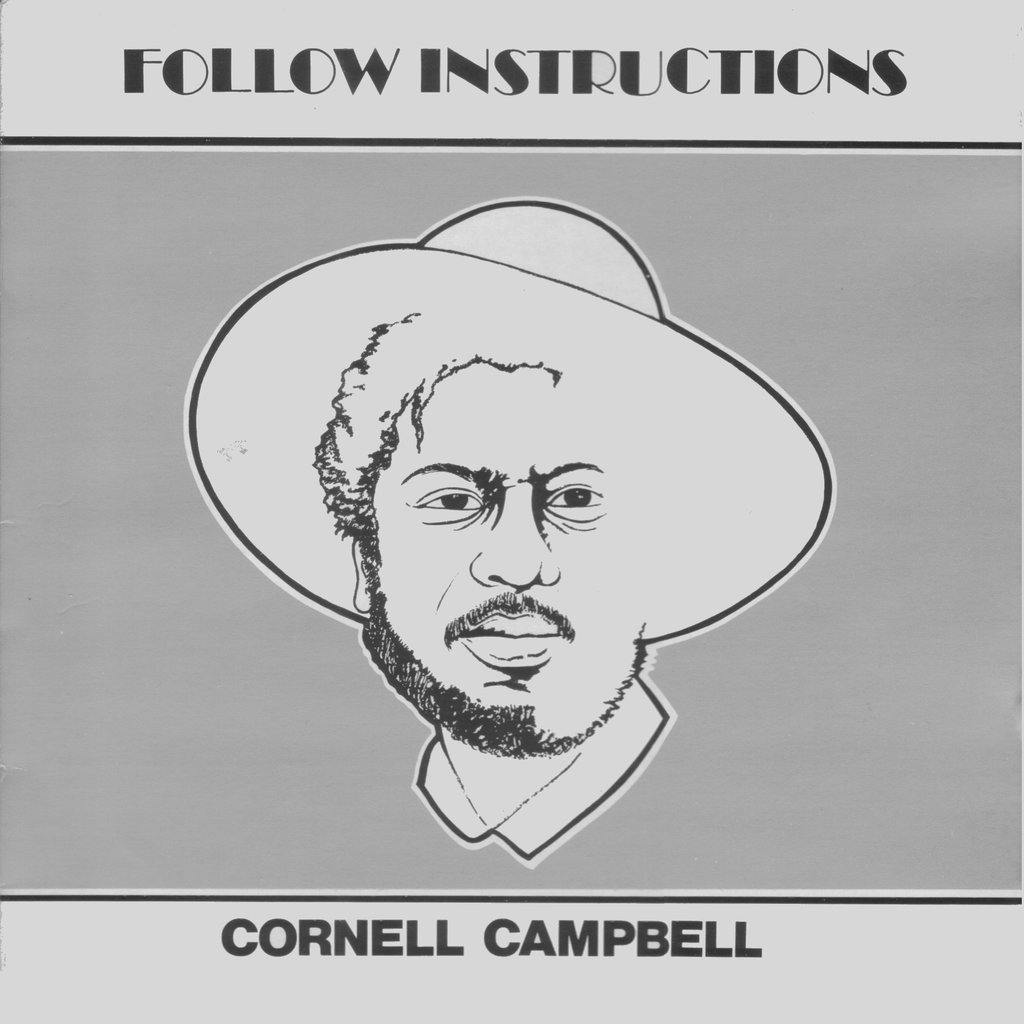
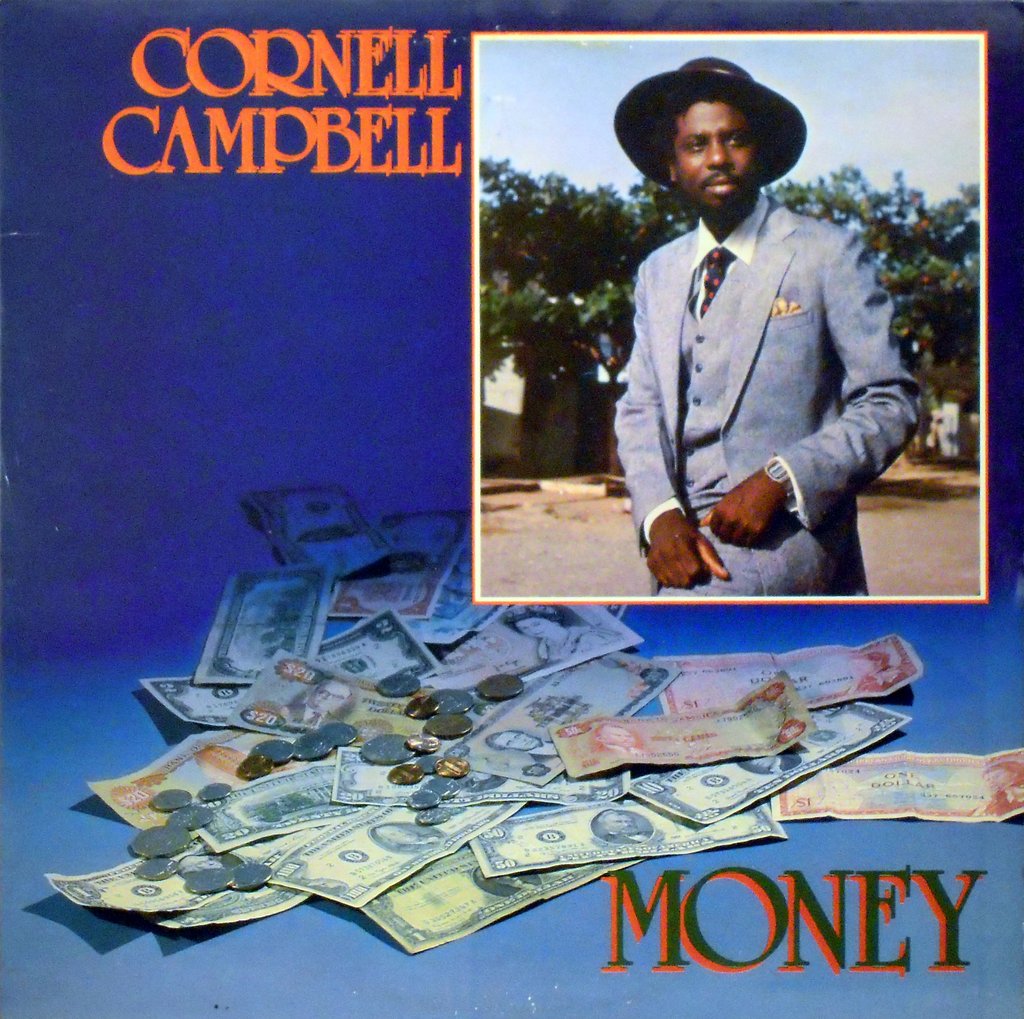
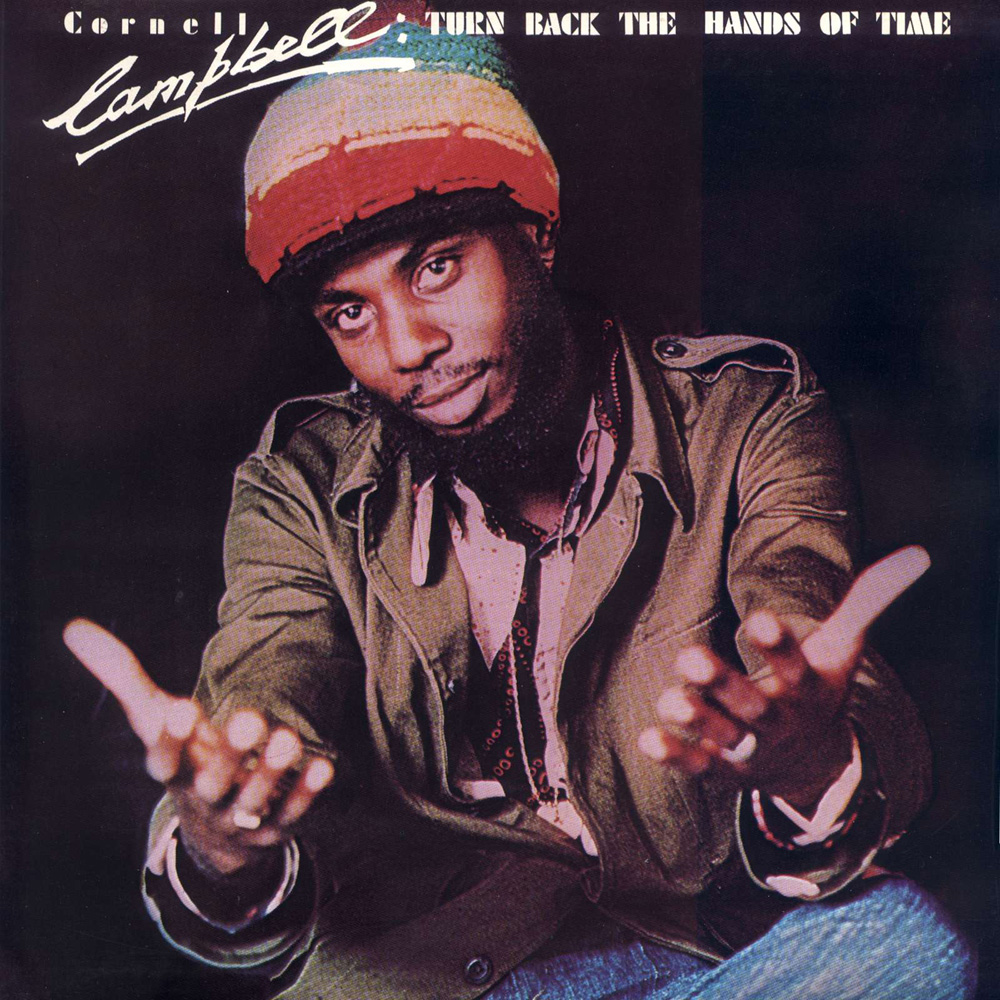
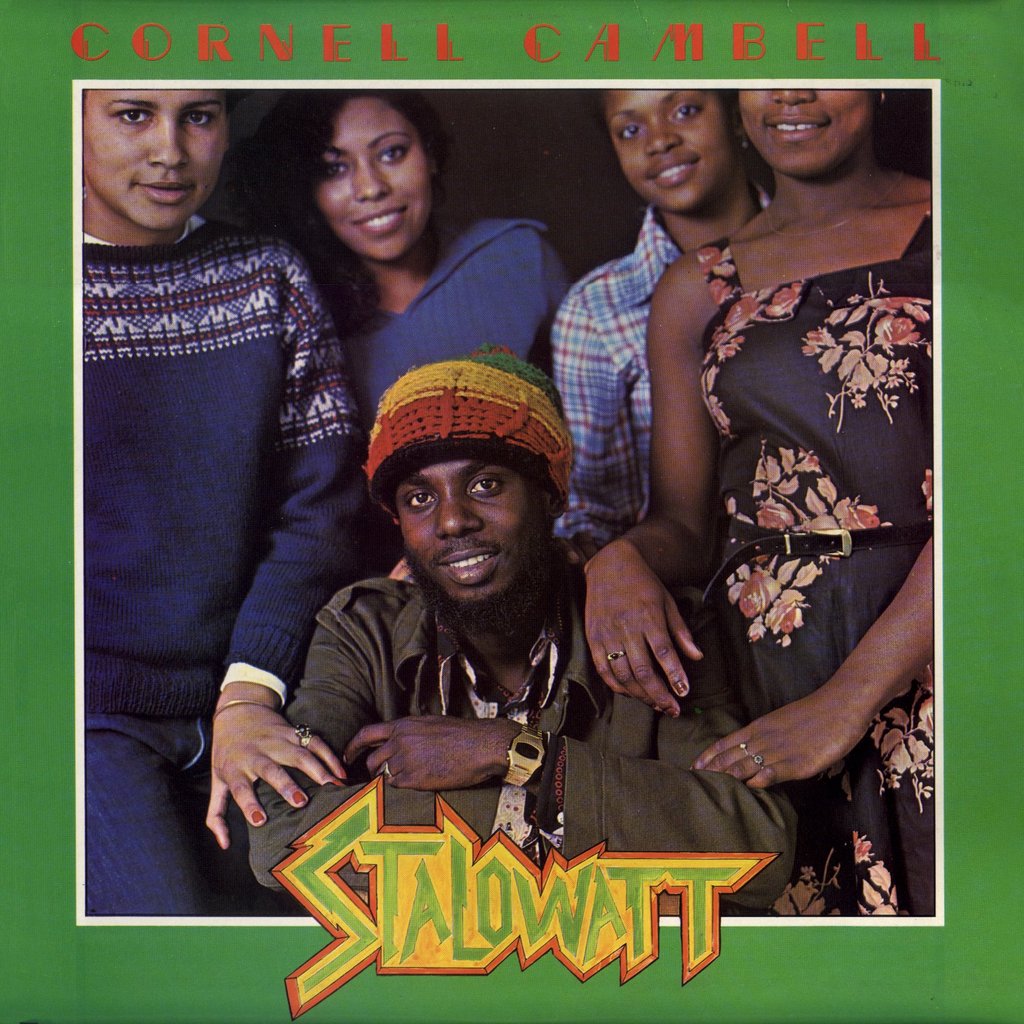
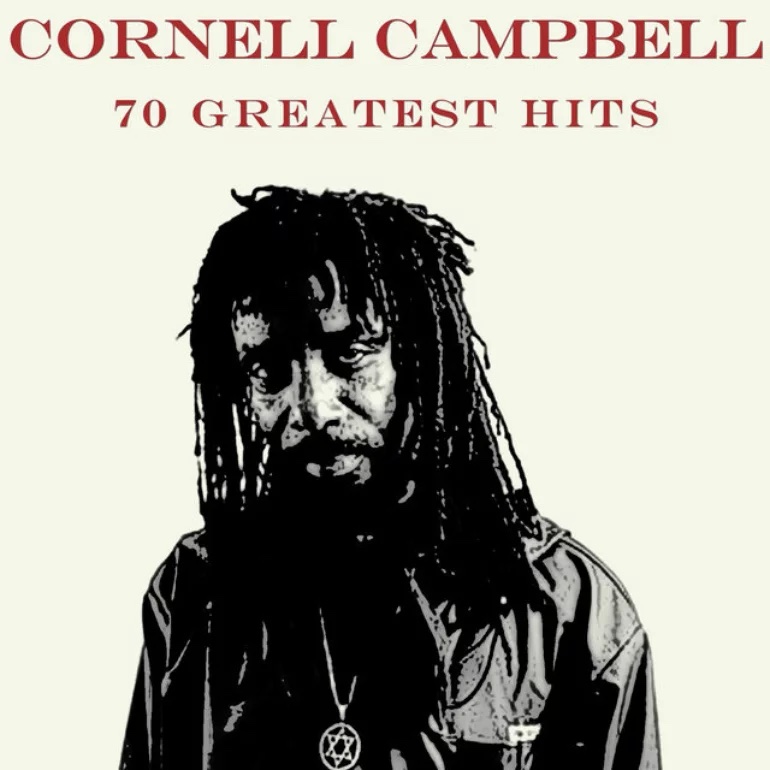
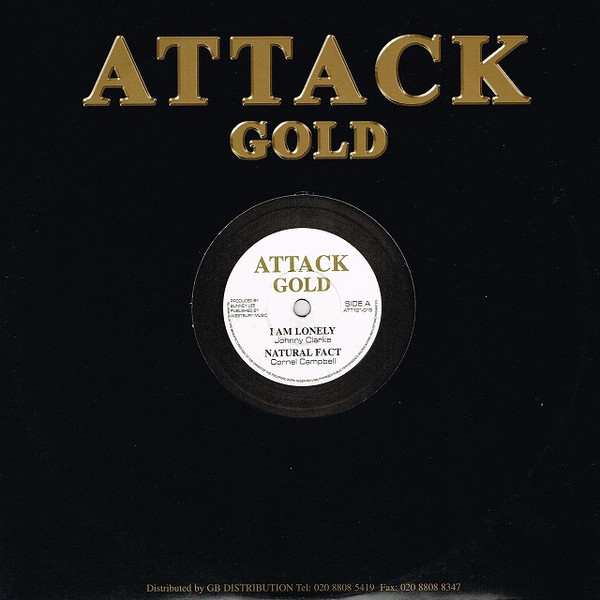
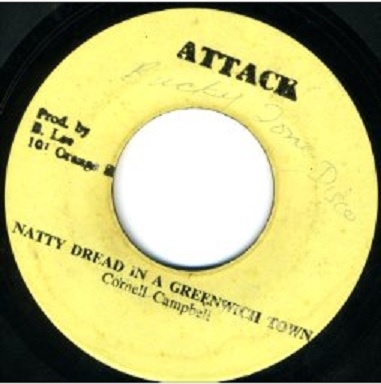
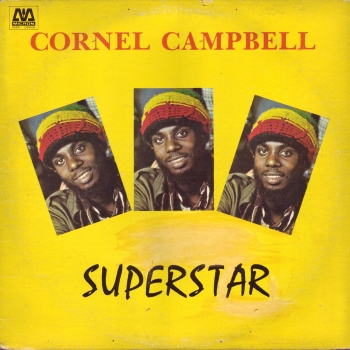
| Full Name | Cornel Campbell (written as « Cornell » by mistake on the first vinyl) |
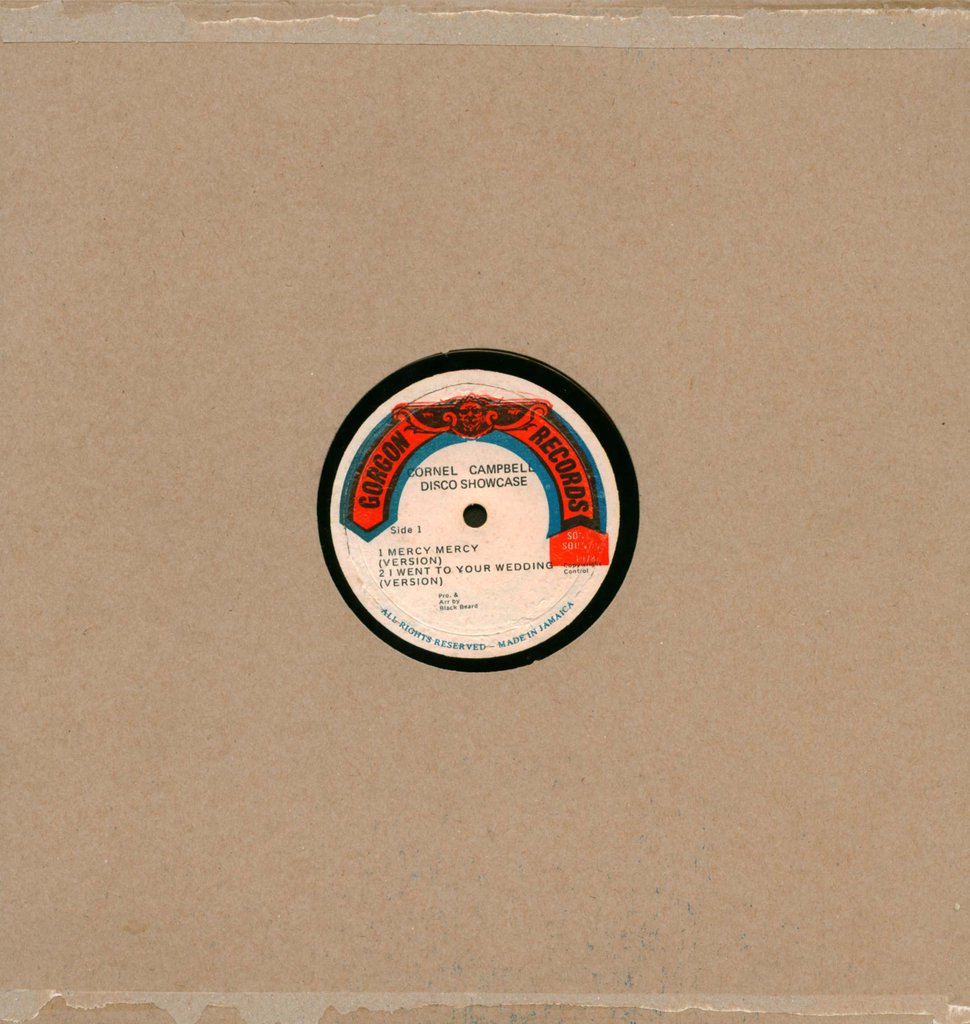
| Stage Name | Don Cornel, Don Gorgon |
| Birth | November 23, 1945, Kingston, Jamaica |
| Genre | Reggae, ska, rocksteady, lovers rock |
| Instruments | Vocals (falsetto), guitar |
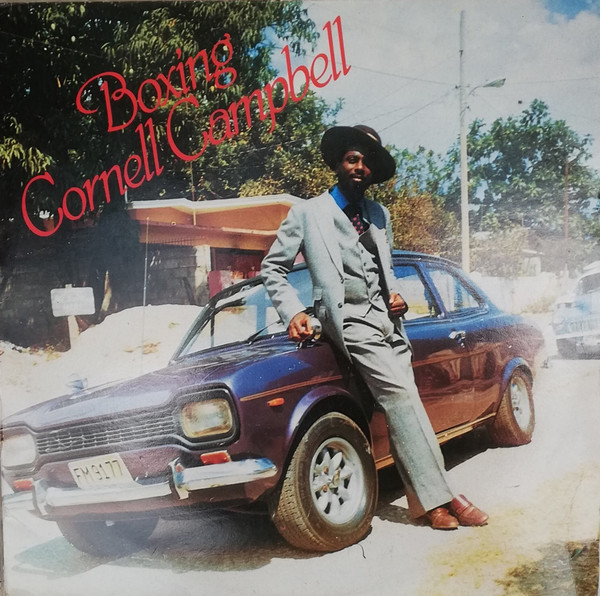
| Signature Works | “Queen of the Minstrel”, “The Gorgon”, “Boxing” |
| Honors | Sampled by Jazmine Sullivan on a Billboard No. 1 in 2008 |
Key Dates
| Year | Event |
|---|---|
| 1956 | Recording of first single, « My Treasure », for Coxsone Dodd (Studio One) at age 11 |
| 1960-1967 | Treasure Isle period; formation of The Sensations and brief affiliation with The Uniques |
| 1967-1970 | Formation of The Eternals; hits « Queen of the Minstrel » and « Stars » at Studio One |
| 1971 | Start of collaboration with Bunny Lee; transition to solo artist |
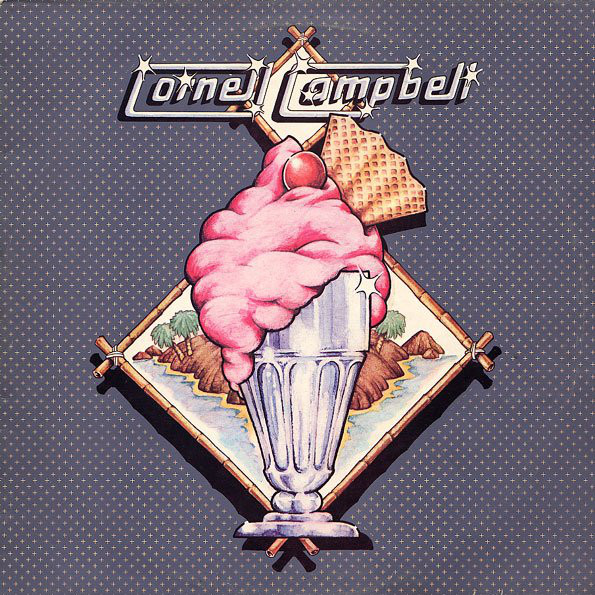
| 1973 | First solo album, Cornell Campbell, on Trojan Records |
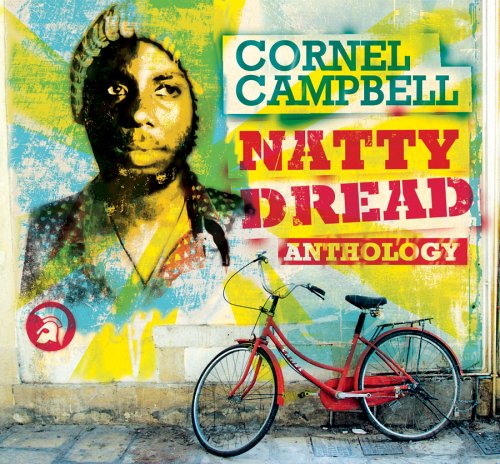
| 1975-1977 | Peak: « Natty Dread in a Greenwich Farm », « The Gorgon » and roots sequence |
| 1980 | Split with Bunny Lee; success « Boxing » at Joe Gibbs |
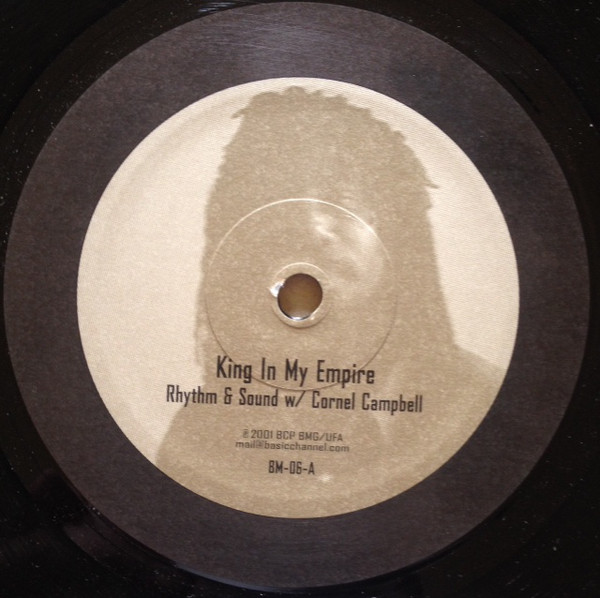
| 2001 | Collaboration with Rhythm & Sound ( « King in My Empire ») |
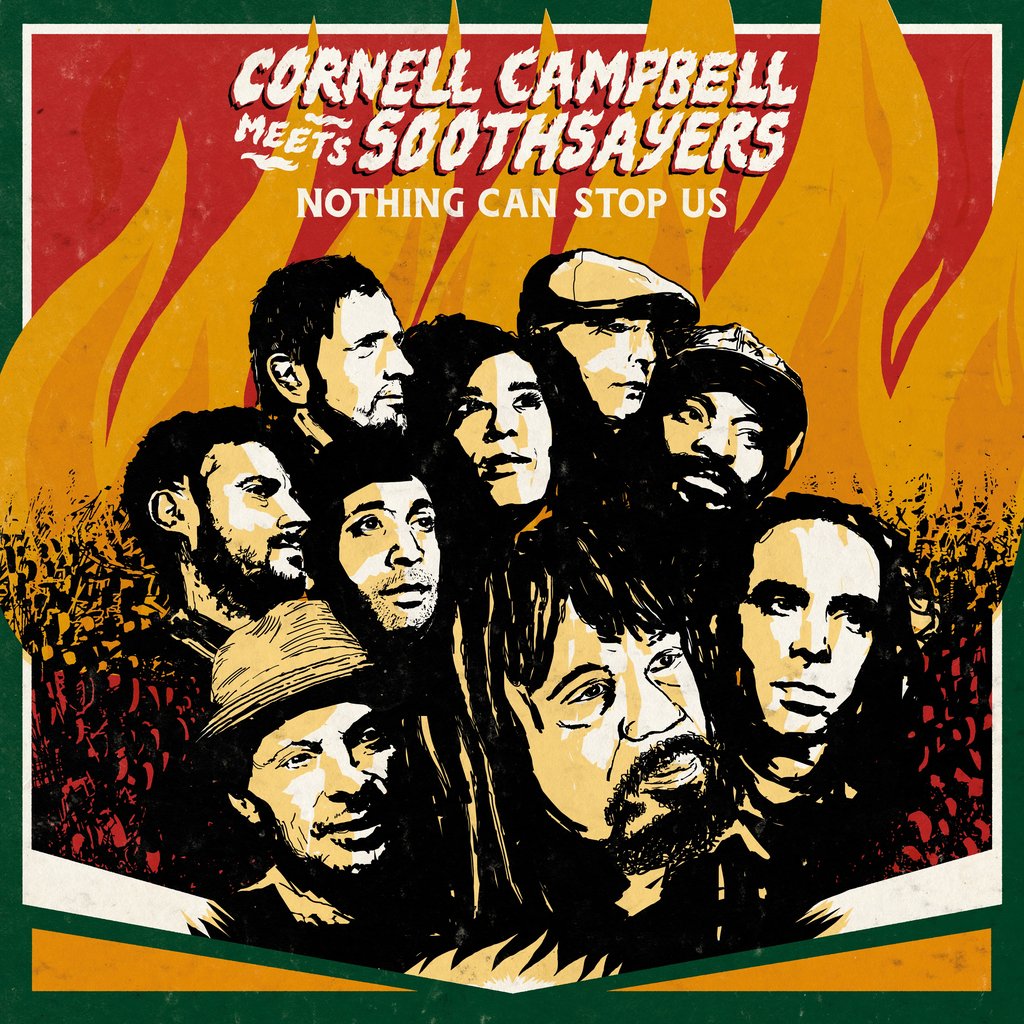
| 2013 | Collaborative album Nothing Can Stop Us with The Soothsayers (Strut) |
Origins and Revelation: from Church to Studio One
Cornel Campbell was born on November 23, 1945, in the Jamaican capital. His musical vocation awakened very early: he sang in his local church choir, and it was there too that he refined a particular timbre, a falsetto bordering on angelic — soft but carried with rare power. His friend Kenneth Samuels pushed him toward recording, and in 1956, Rico Rodriguez — great trombonist who would later play with The Skatalites — took him to Coxsone Dodd. « He was impressed with the quality and vibrancy of my voice », Campbell would recall decades later in an interview granted to United Reggae. At eleven, he placed his first microphone on « My Treasure », then followed up with singles under the guidance of Kingston’s greatest musicians, sometimes accompanied by The Skatalites.
After a few years at Coxsone’s, Campbell followed up with sessions — King Edwards with The Bell Stars — before joining Duke Reid at Treasure Isle. It was there that he formed The Sensations, a harmony group with Jimmy Riley, Buster Riley and Aaron Davis. Their sound pushed Reid to build his own studio on Bond Street, a major event in the history of Jamaican music. The Sensations broke up over money issues, as often happened at the time. Campbell made a stopover at The Uniques — without necessarily leaving recordings there, according to sources — then founded The Eternals with Ken Price and Errol Wisdom. The group carved out two absolute classics at Studio One: « Queen of the Minstrel » and « Stars », falsetto hymns that remain etched in rocksteady memory.
Peak and Metamorphoses: the Bunny Lee Era
In 1971, Campbell went solo and began a multi-year collaboration with producer Bunny Lee — one of the most fertile and formidable artisans of Jamaican music. The relationship led to his first solo album, published on Trojan Records in 1973. But it was in the mid-1970s that his talent truly exploded, within a social and musical context shifting gears.
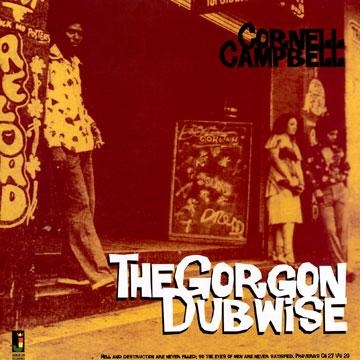
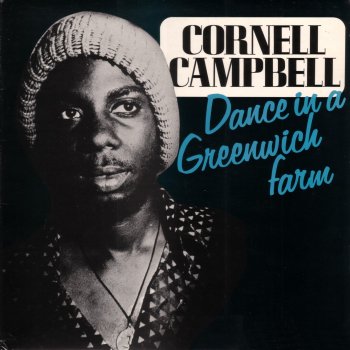
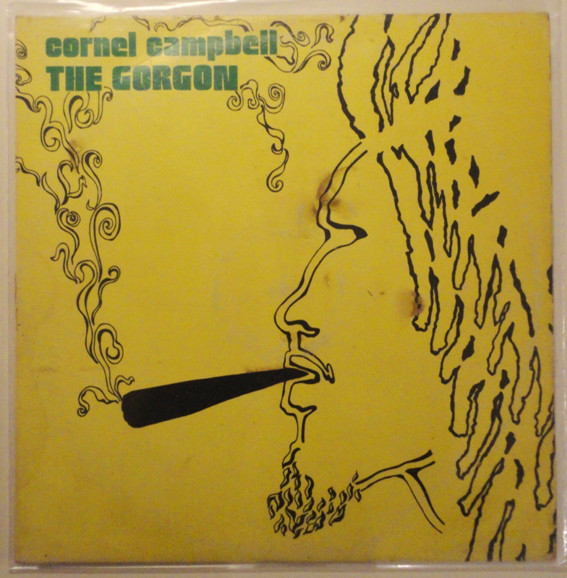
Bob Marley & The Wailers, Jacob Miller, Peter Tosh had transformed the dancehalls. Rhythms became harder, more engaged. Campbell sensed the wind turning and decided to adapt. According to him, he changed style for a limited period as explained by United Reggae. « Natty Dread in a Greenwich Farm » was born from this realization: he stayed at Jonestown, above Trenchtown, and regularly went down to Bunny Lee’s in the Greenwich Farm neighborhood. The song captures that era — it mixes a touch of irony with faith, since Campbell is not Rastafari. He explains himself without ambiguity: « No. I believe in Jehovah God and Jesus Christ ». He temporarily adopted the roots register, and the results were devastating. « Natty Dread in a Greenwich Farm », his follow-up « Dance in a Greenwich Farm » and especially « The Gorgon » — such an iconic title that it earned him the nickname « Don Gorgon ». The sequel The Gorgon Speaks reinforced the phenomenon; he became one of the most-listened-to singers on the island.
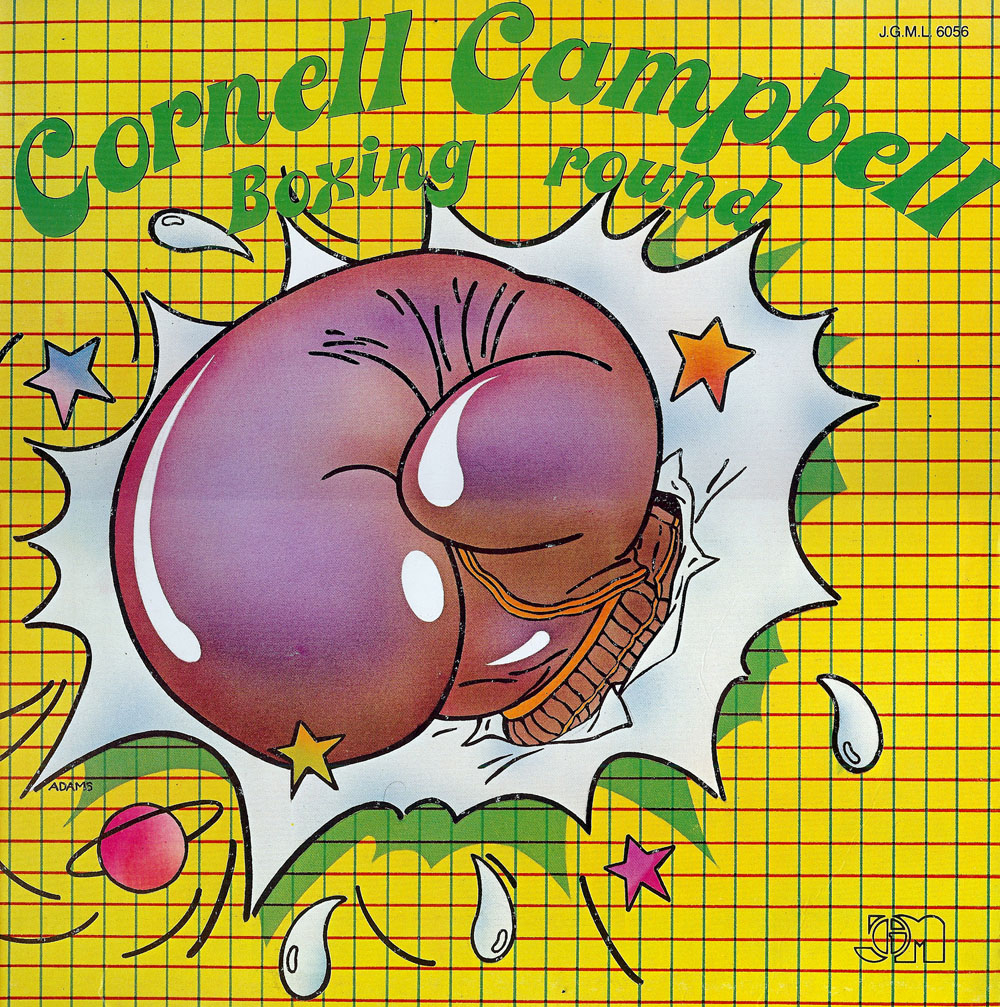
His success reached a new paroxysm in 1982 with « Boxing », recorded at Joe Gibbs. The track established itself as a rub-a-dub classic, carried by Campbell’s powerful rhythm and fiery vocals. It became a cornerstone in any selection of Jamaican dancehall from the 1980s.
Major Works
| Work | Year | Why It’s Essential |
|---|---|---|
| « Stars » (with The Eternals) | 1968 | Rocksteady falsetto hymn, absolute classic of Studio One |
| « Natty Dread in a Greenwich Farm » | 1975 | Campbell’s roots turning point, captures Jamaican dancehall era |
| « The Gorgon » | 1976 | Bunny Lee masterpiece, launches the Don Gorgon saga and the mythical « flying hi-hat » |
| « Boxing » | 1982 | Joe Gibbs era rub-a-dub classic, a dancehall pillar |
Heritage and Influence
Cornel Campbell remains today one of the most distinctive voices in Jamaican music. His ability to navigate between love and commitment, while maintaining an unaltered timbre for six decades, is almost unique. In 2008, American singer Jazmine Sullivan sampled “Queen of the Minstrel” for “I Need U Bad,” which reached number one on the Billboard R&B hip-hop chart—a massive tribute to a 1968 track. Campbell’s career, interrupted by pauses to dedicate himself to farming and his family business, did not prevent him from continuing music with undiminished commitment: Nothing Can Stop Us (2013) and tours across Europe as well as the United States prove that Don Gorgon’s voice crosses borders and generations.
Sources and References
- Jason Ankeny, “Cornell Campbell — Biography,” AllMusic, accessed November 21, 2026.
- “Cornell Campbell,” Wikipedia, April 25, 2026, accessed November 21, 2026.
- Angus Taylor, “Interview: Cornel Campbell part 1,” United Reggae, May 1, 2010, accessed November 21, 2026.
- Angus Taylor, “Interview: Cornel Campbell part 2,” United Reggae, May 12, 2010, accessed November 21, 2026.
- “Cornell Campbell,” The Reggae Museum NYC, accessed November 21, 2026.
- “Cornell Campbell,” JamaicanSounds.com, accessed November 21, 2026.