Biography
Courtney Melody
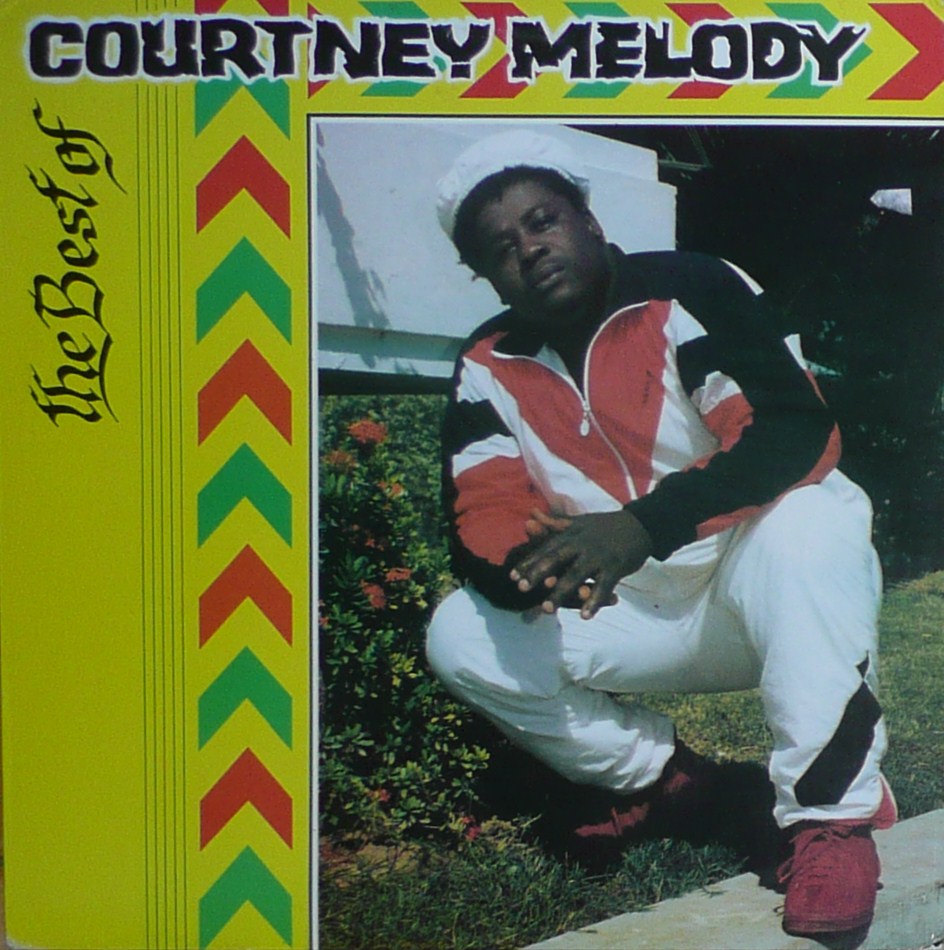
When Courtney Melody released “Modern Girl” in 1988, Jamaican dancehall was still a local ecosystem. A decade later, that track became a universal anthem — played in clubs from San Diego to Japan. The soft voice, sharp rhymes: here is the story of an artist who defined an era.
In brief
| Full name | Courtney Monroe (alias Courtney Melody) |
| Birth | Circa 1970, Kingston Parish (Saint Andrew), Jamaica |
| Genre | Dancehall / reggae; vocaliste singjay (singer + deejay) |
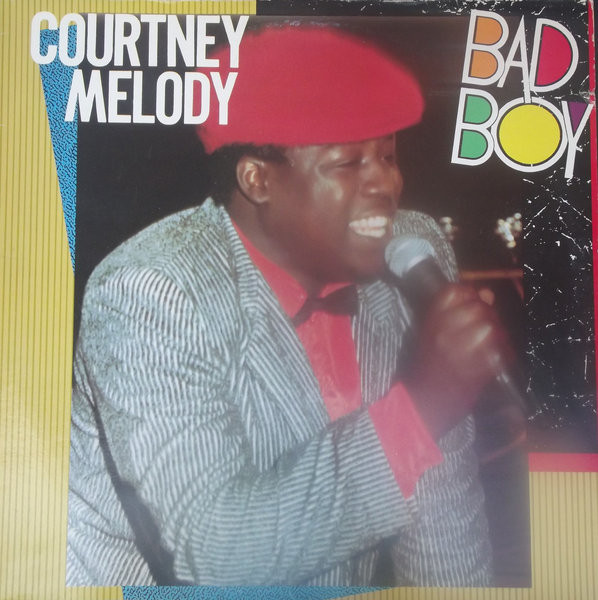
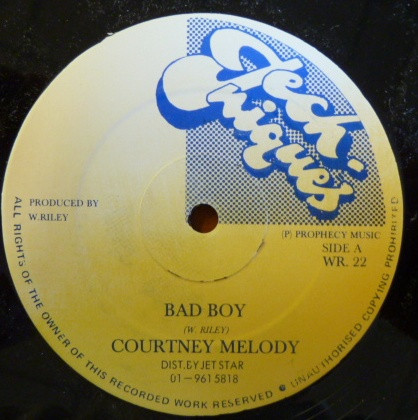
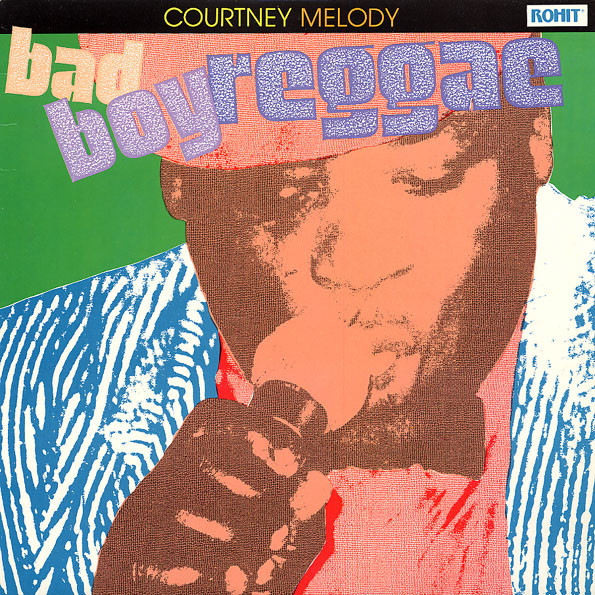
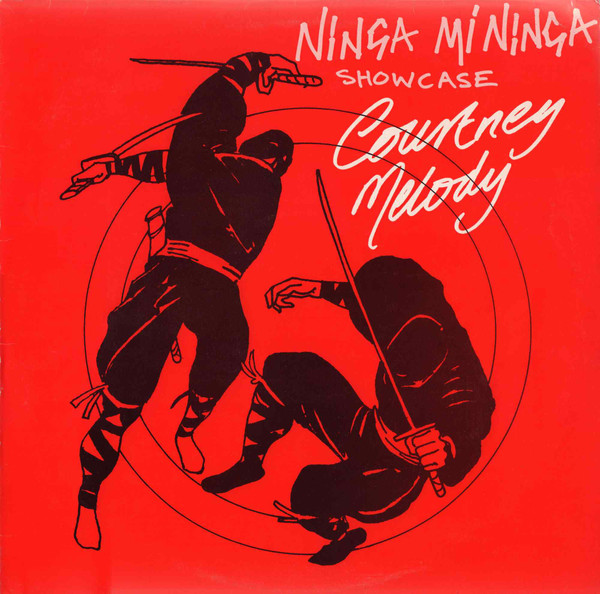
| Notable works | “Bad Boy”, “Modern Girl”, “Ninja Mi Ninja” |
| Awards | Album Modern Girl considered one of the best dancehall albums in Jamaican history |
Key dates
| Year | Event |
|---|---|
| Circa 1970 | Birth in Kingston Parish, Saint Andrew, Jamaica |
| Mid-1980s | Started singing at high school; rehearsals at Black Spider Records |
| 1986 | First record, “Screechy Across the Border”, broadcast worldwide; cover in the United States by Little Kirk |
| 1986 | “Bad Boy” enters international charts; local hits with “How Long Will Your Love Last”, “Key to Your Heart” |
| 1986-1988 | Series of dancehall hits; collaborations with King Tubby, Harry J, Prince Jazzbo, Redman and King Jammy |
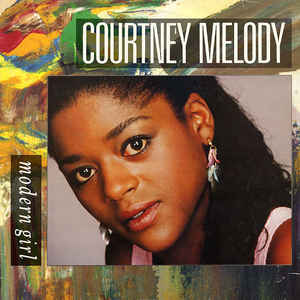
| 1988-1989 | Release of album Modern Girl, soon considered a masterpiece of the genre |
| Early 1990s | Serious motorcycle accidents; forced retirement and start of commercial decline |
| 1995-2003 | Quiet period; “In the Street” as only notable single |
| 1999 | Reappearance with reissue “Ninja Mi Ninja” by Mighty Crown |
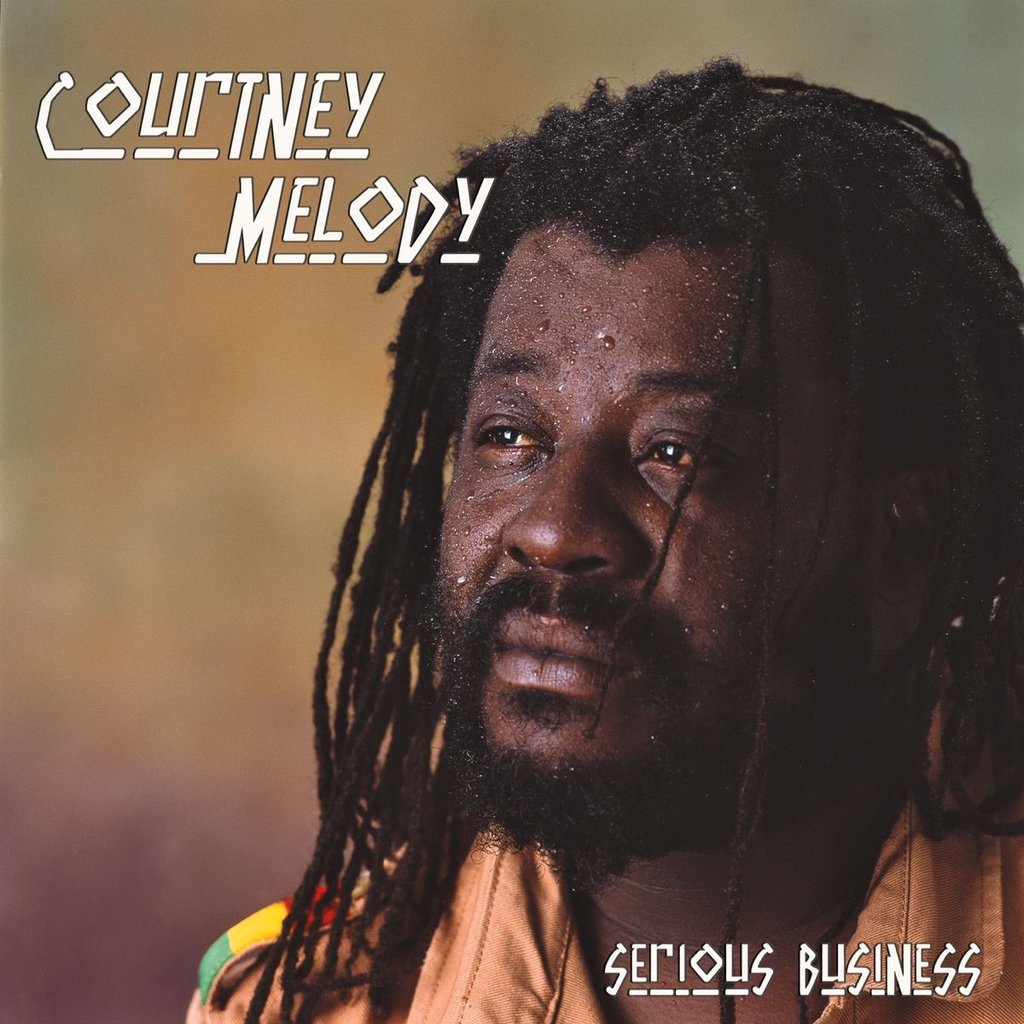
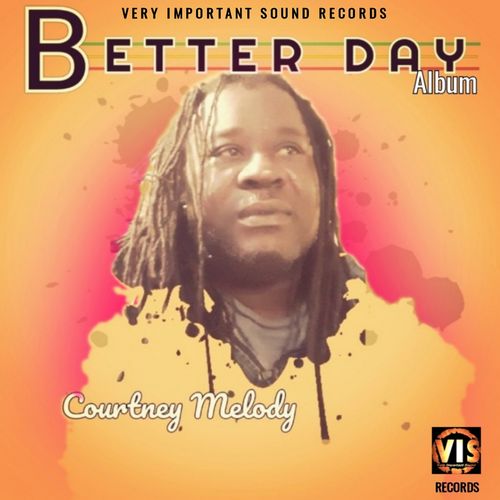
| 2007 | Release of Serious Business, roots album tinged with dancehall produced by Jah Mikes |
| 2013 | Album In This Town; collaborations with Anthony B and Ujama |
| 2021 | Announcement of album Donkey Jawbone, produced by himself |
Origins, consecration and return: the journey of a dancehall pioneer
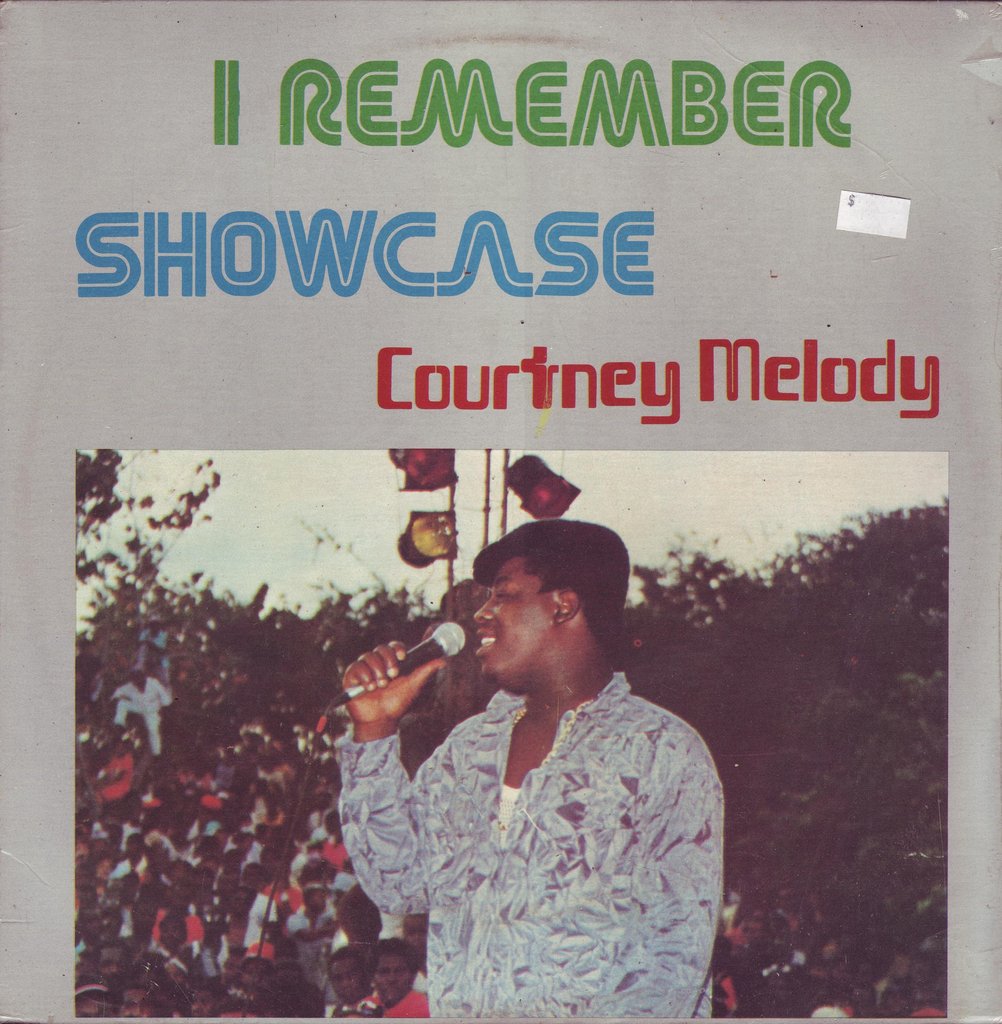
Courtney Melody, whose real name is Courtney Monroe¹, began singing during his high school years in the Saint Andrew neighborhood of Jamaica. Like many artists of his generation, he took his first steps down the corridors of Black Spider Records — that temple of Jamaican studios where sound and careers were forged². There, he refined a unique voice: a bridge between melodic singing and dynamic toasting, that hybrid which Jamaicans call singjay (contraction of singer and deejay), which would become the dominant style of 1980s dancehall³. Simultaneously, he joined the Stereo One Sound System⁴, where he met Ricky Stereo, Boy Blue and Daddy Freddy. His first recording, “Screechy Across the Border”, played on sound systems around the world and was even covered in the United States by Little Kirk.
The late 1980s were the golden age of Jamaican dancehall — that era when the digital revolution of Sleng Teng² opened the age of computerized rhythms. Melody became one of its most influential pioneers, recording for practically all the producers and labels on the island: King Tubby for “Ninja Mi Ninja” and “Tell Dem”, Robert French for Modern Girl, Harry J for “Put It Down”, Prince Jazzbo for “Downpressor”, Redman for “Rootsman” and King Jammy for “Can’t Get We Out” and “Wake Up Little Susie”. Modern Girl, released in 1988-1989 on Blue Mountain Records (subsidiary of VP Records)⁶, is today considered one of the best dancehall albums ever recorded in Jamaica⁷. The artist himself, in a 2021 interview with The Sunday Gleaner, returned to the inspiration behind the title: “Modern Girl is a real song. It’s about a man who needs a woman to cook, clean and put him to bed at night… It came from a conversation with a guy called Baller who told me he wanted a modern girl. I took out my notebook of words that I always carry with me and started writing"⁸.
But a serious motorcycle accident interrupted his momentum in the early 1990s: “The fans were ephemeral, and when Melody fully recovered from his injuries, his supporters had aligned their loyalties to new dancehall masters¹.” The decade passed in relative silence — except for “In the Street”, his only notable single. Yet, dancehall is a world without short memory: in 1999, the Japanese label Mighty Crown reissued “Ninja Mi Ninja”, awakening the interest of Western fans. Melody gradually recorded new tracks and continued performing on stage — notably in the United States, California, Los Angeles and San Diego⁸. He collaborated with artists like Anthony B and Ujama, proving he hadn’t lost an ounce of his address. In 2007, Serious Business, roots album tinged with dancehall produced by Jah Mikes⁹ — that producer who collaborated on a Grammy-nominated album with Ky-Mani Marley — marked his official return. In 2021, he announced Donkey Jawbone, a self-produced project that embodies his conviction: “We were inspired to sing reggae music because of the sufferation, tribulation, batteration and all the ‘ations’. But the fact remains that was good music and that’s why it will always endure” (translated from English)⁸.
Major works
| Work | Year | Why it’s essential |
|---|---|---|
| Modern Girl | 1988-1989 | Pivotal album of digital dancehall; universal anthem still played at parties⁷ |
| “Bad Boy” | 1986 | First international success; entry of singjay into the global circuit¹ |
| “Ninja Mi Ninja” | 1988 | Mythical collaboration with King Tubby; reissued by Mighty Crown in 1999¹ |
Heritage and influence
Courtney Melody ranks among the original singjays — these pioneers who made singing and toasting a single form of expression³. His melodic style, his sense of rhyme, and his way of making dancehall accessible without losing its raw character have influenced an entire generation of artists. His albums capture a pivotal moment in reggae history, when the genre was becoming more melodic and exportable while remaining rooted in Kingston’s sound systems. Despite issues with unregulated copyright⁸ and a career marked by unforeseen events, Courtney Melody remains an indispensable name in dancehall.
Sources and references
- Andrew Hamilton, « Courtney Melody — Biography », AllMusic https://www.allmusic.com/artist/courtney-melody-mn0000130308, consulted on 10 November 2026.
- « Courtney Melody », MusicBrainz https://musicbrainz.org/artist/22cc9273-4b8a-4f19-8070-50324949a14b, consulted on 10 November 2026.
- « Singjay », Wikipedia https://en.wikipedia.org/wiki/Singjay, consulted on 10 November 2026.
- « Courtney Melody », Riddims World https://riddimsworld.com/artist/courtney-melody/, consulted on 10 November 2026.
- « Courtney Melody — Discography », Discogs https://www.discogs.com/artist/59507-Courtney-Melody, consulted on 10 November 2026.
- « Courtney Melody », Jamaican Music Atlas https://jamaicamusicatlas.com/entity/person/courtney-melody, consulted on 10 November 2026.
- Yasmine Peru, « Courtney Melody didn’t find his ‘modern girl with an old-fashioned type of loving’ », Jamaica Gleaner, 21 March 2021 http://past.jamaica-gleaner.com/article/entertainment/20210321/courtney-melody-didnt-find-his-modern-girl-old-fashioned-type-loving, consulted on 10 November 2026.
- Jamaica Observer, « Grammy nominated producer Jah Mikes projects busy year », 12 March 2017 https://www.jamaicaobserver.com/2017/03/12/grammy-nominated-producer-jah-mikes-projects-busy-year, consulted on 10 November 2026.