Biography
Dalom Kids: The Trio That Made South Africa Dance
In 1989, in the streets of Soweto, a female voice brought a title that instantly became a classic: Mbalembale. Behind this irresistible sound, three young women and the production touch of a genius of South African disco made an entire continent vibrate.
In Brief
| Group Name | Dalom Kids (or The Dalom Kids) |
| Origin | Soweto, Johannesburg, South Africa |
| Year of Formation | 1987 (first performance in 1989) |
| Style | South African disco, bubblegum pop, Afropop, gospel vocal |
| Main Label | Gallo Record Company (Dalom Music Productions) |
| Notable Albums | Mbalembale, Sixolele, Bazolunga |
| Distinctions | Double platinum for Mbalembale (300,000 copies) |
Key Dates
| Year | Event |
|---|---|
| 1987 | Group creation by Dan Tshanda in Soweto |
| 1989 | First steps on stage and release of the album Mbalembale (double platinum) |
| 1989-1992 | Classic formation period: Rampou, Rotwana, and Nzaima |
| 1990-1994 | Succession of major albums: Mathambo, Ndincedeni, Sixolele, Bazolunga, Ncedani |
| 1995-2007 | Sustained activity: Izindunduma, Ndincedeni 2, Shishele, Springbok |
| 2014 | Official compilation The Ultimate Collection (CD/DVD) at Gallo |
| 2019 | Death of Dan Tshanda; posthumous tribute via Shanduka (2019) |
| 2023-24 | Collaboration Keneilwe with Master KG and Nkosazana Daughter |
The Disco Shock: From Soweto Girls to Planetary Success
It all begins in the musical crucible of Soweto at the end of the 1980s. Daniel “Dan” Tshanda, a visionary producer from Venda, dreamed of creating a female group that would marry vocal harmonies close to gospel with the electric energy of emerging disco. He spotted his future singers in local choirs and gave them a name that sounded like a signature: Dalom, an affectionate nickname that his friends gave to the boss.
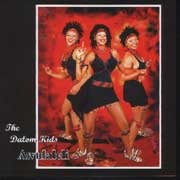
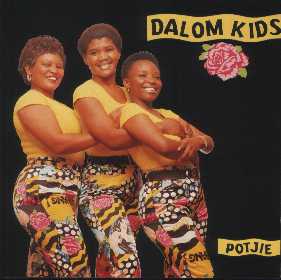
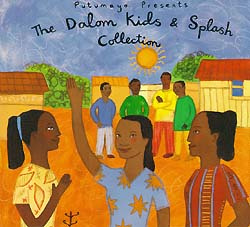
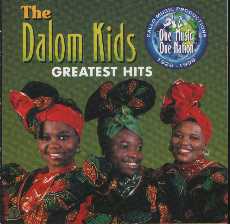
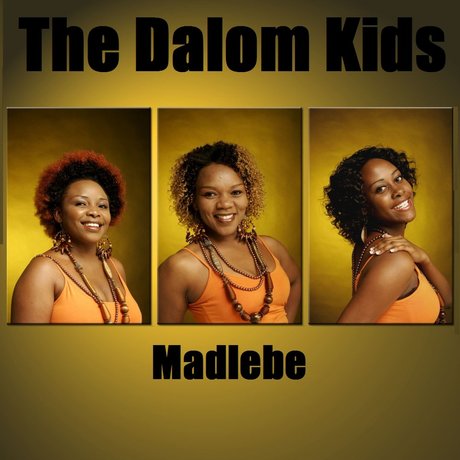
The trio consists of Petronella Rampou, whose powerful voice carries the main choruses, and Jacqueline Rotwana, who also came from the Splash choir — the group for which Dan Tshanda is the founding leader. Their sound, a unique mix of South African bubblegum pop and electronic disco, made a sensation right from their first steps on stage in 1989.
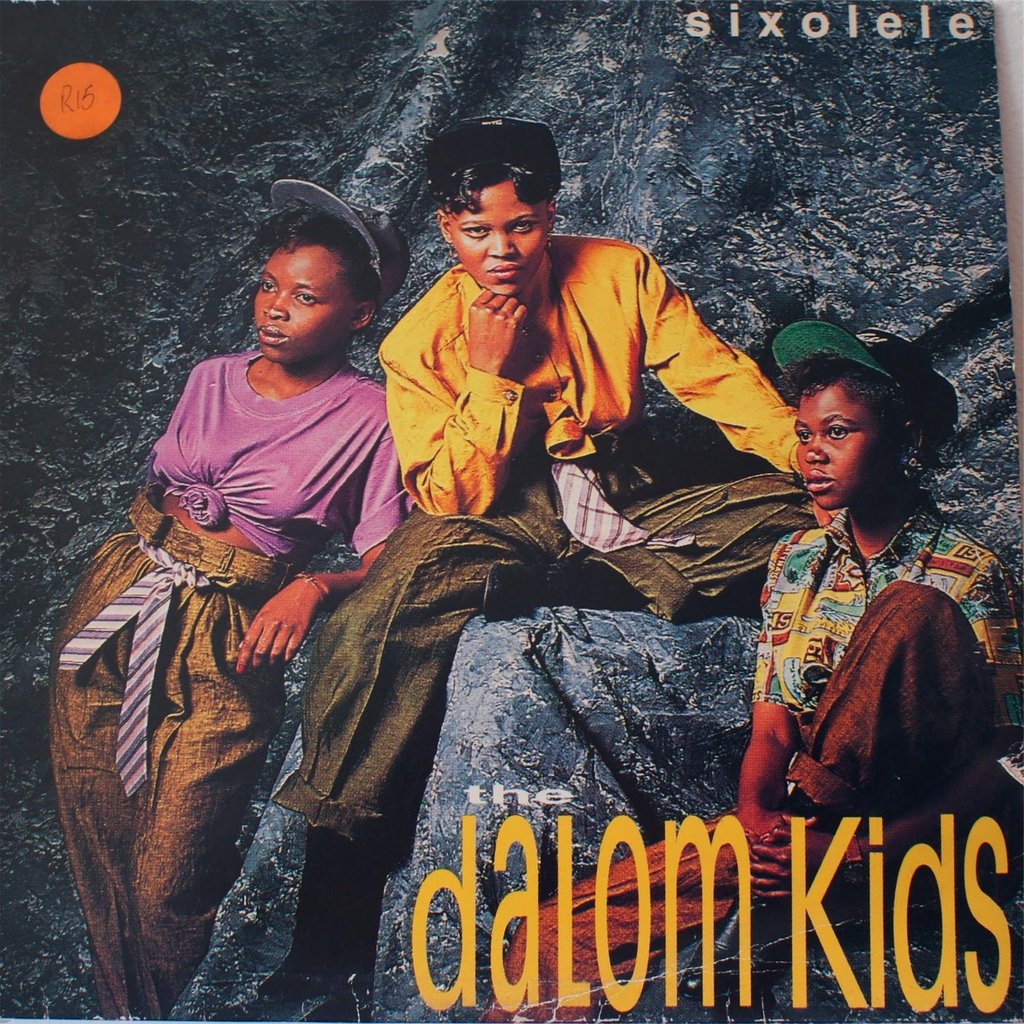
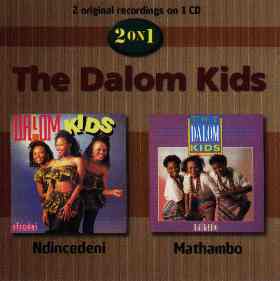
The album Mbalembale, published that year at Gallo Record Company, is an electric shock. It accumulates exceptional sales: double platinum, approximately 300,000 copies sold. The success does not waver in the following years with Mathambo (1990), Ndincedeni (1991) and especially Sixolele (1992), an album that confirms the group as one of the major figures of South African pop.
The formation evolves: Martha Nzaima joins the two founding members, consolidating the trio with a triple-female sound. In 1992, Jacqueline Rotwana gradually leaves the group to devote herself to the Splash choir — a move that marks a transition in the trajectory of the Dalom Kids. Jabu Sambane succeeds her as vocal leader, and the group continues to experiment.
From Assertion to Perpetuity: A Career of Over a Quarter of a Century
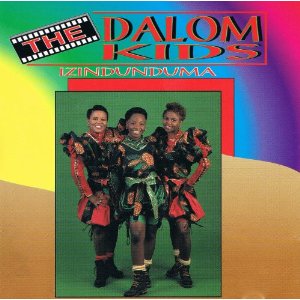
Over the decades, Dalom Kids multiplied albums and collaborations. Bazolunga (1993), Ncedani (1994) and Izindunduma (1995) reinforced their position in the South African and Botswana musical landscape. In 1997, Ndincedeni 2 appeared, followed by several other productions until the compilation The Ultimate Collection (2014), which gathers the group’s best tracks with videos and bonus DVD.
The Dalom family goes beyond the trio: artists like Patricia Majalisa, the “Disco Queen” discovered by Dan Tshanda, orbit around the same universe and collaborate with the Dalom Kids. Her passing in July 2024 at the Johannesburg hospital reminds us that this musical community shaped a generation.
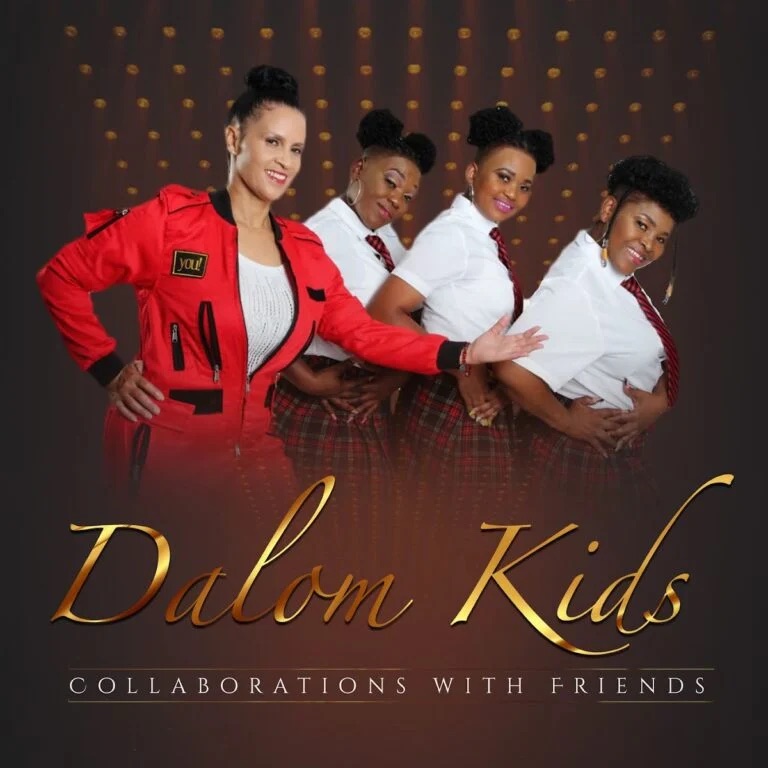
Today, the Dalom Kids continue to tour and produce. Their track Keneilwe (2023), in featuring with Master KG and Nkosazana Daughter, proves that a generation later, their sound continues to resonate in the streets and on the platforms of the African continent.
Major Works
| Work | Year | Why It Is Essential |
|---|---|---|
| Mbalembale | 1989 | First album, double platinum — the record that launched an entire genre |
| Mathambo | 1990 | Confirmation of the bubblegum-disco sound, immediate popular success |
| Sixolele | 1992 | Album of maturity, major artistic turning point for the group |
| Izindunduma | 1995 | Consolidation of the catalogue, durable hits in the South African repertoire |
| The Ultimate Collection | 2014 | The retrospective view: a best-of that rekindles the flame for new fans |
Heritage and Influence
Dalom Kids remains one of the rare South African female groups to have reached such a level of commercialization in the 1980s-1990s, a decade when the music industry was massively male. Their formula — female voices carried by a carefully produced electronic disco, a whole that gave the impression of listening to a gospel choir but with the rhythm of nightclubs — influenced many artists who followed them.
Their name is no longer just that of a group: it is a label that designates an entire era of South African disco. More than thirty years after their first records, tracks like Mbalembale and Sixolele continue to be part of the playlists posted by African radios.
Sources and References
- “Dalom Kids”, Music In Africa, https://musicinafrica.net/directory/dalom-kids/, accessed November 8, 2025.
- “Dan Tshanda”, Wikipedia, https://en.wikipedia.org/wiki/Dan_Tshanda, accessed November 8, 2025.
- Discogs — The Dalom Kids, https://www.discogs.com/artist/3080493-The-Dalom-Kids.
- YouTube — Dalom Kids channel, https://www.youtube.com/@Dalomkids/about.
- Facebook — “DALOM KIDS from Senaoane Soweto, debuted in 1989”, https://www.facebook.com/groups/1340844316030072/posts/8629545777159853/, accessed 8 November 2025.
- SAMRO Instagram — “We are saddened by the passing of yet … Patricia (of Dalom Kids fame)”, https://www.instagram.com/p/CCdLd_CDR7O/.
- African Minds — Beyond Memory (Max Mojapelo, 2012), http://www.africanminds.co.za/wp-content/uploads/2012/05/Beyond-Memory.pdf.
- Apple Music — The Greatest Hits by Dalom Kids, https://music.apple.com/us/album/the-greatest-hits/1648820085.