Biography
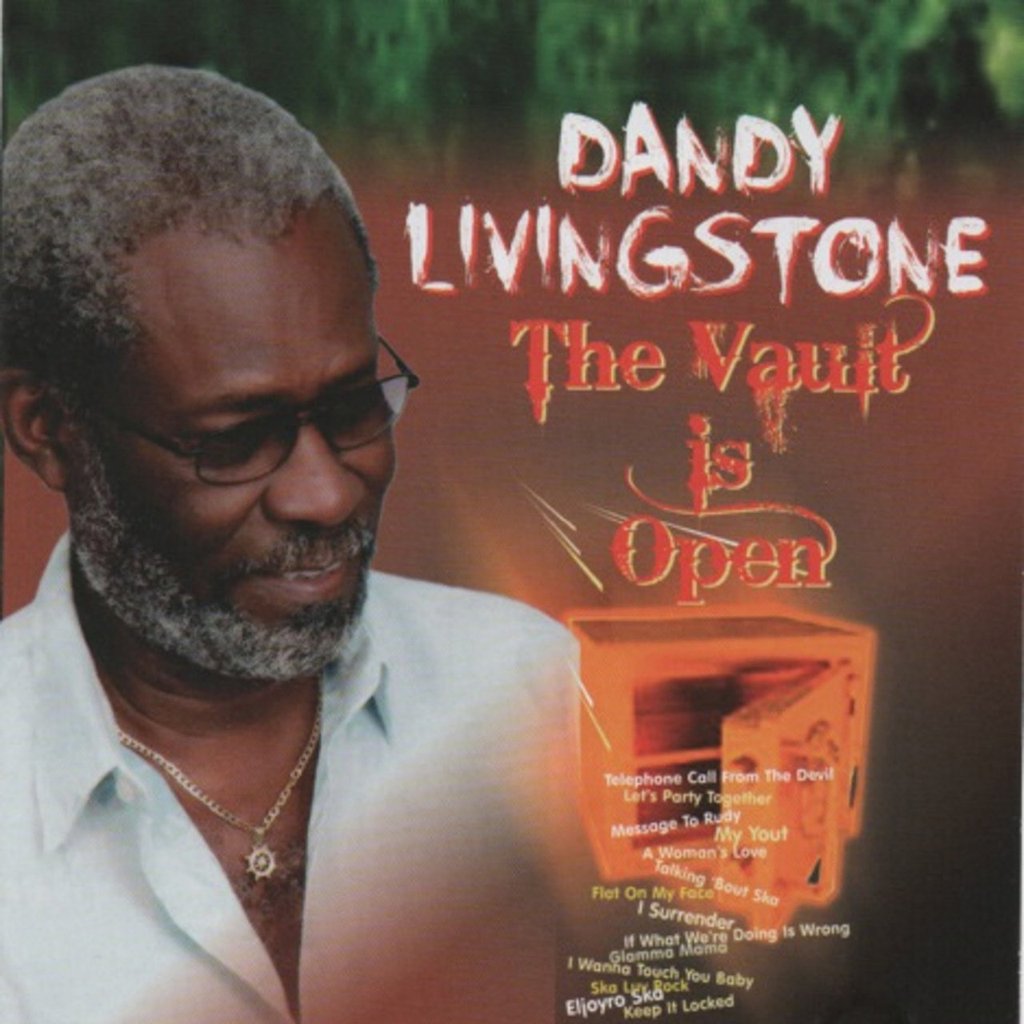
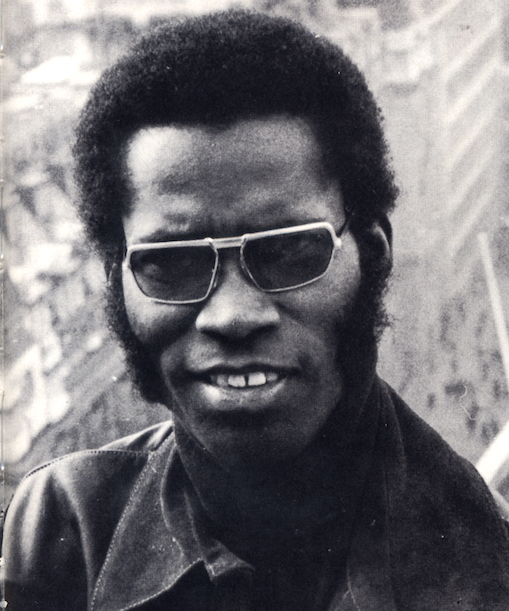
Dandy Livingstone
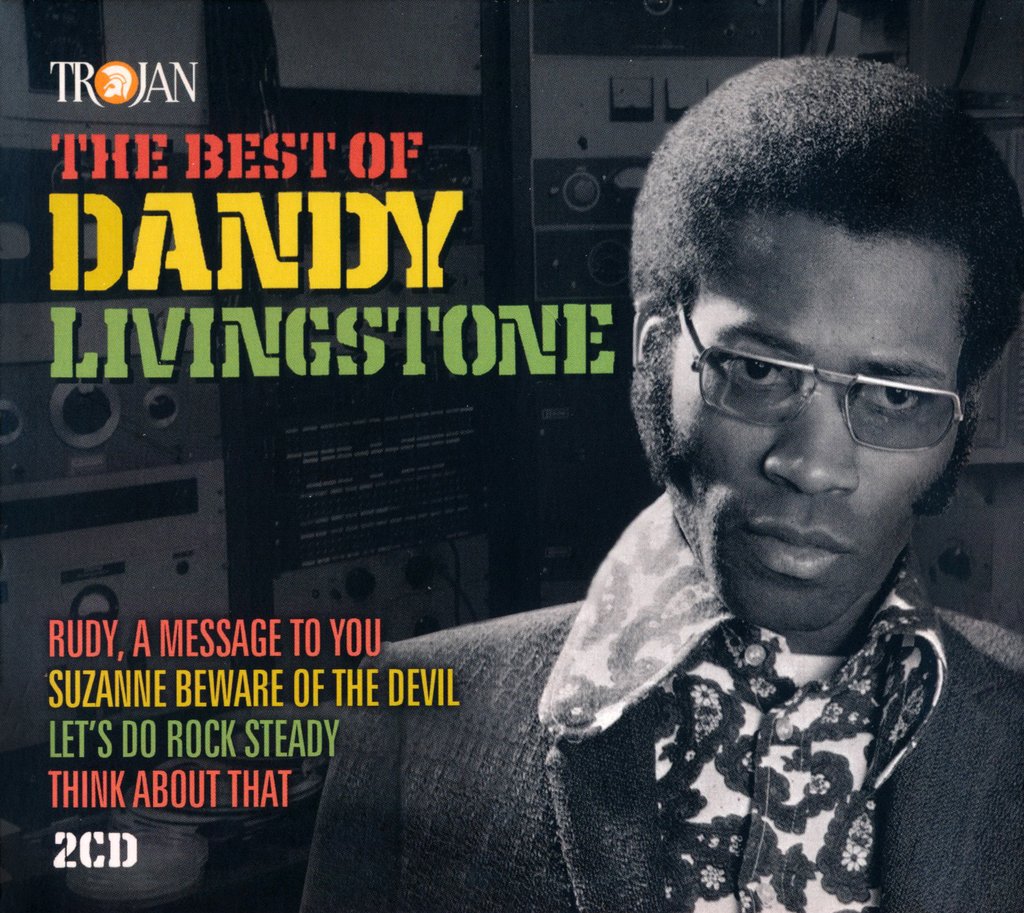
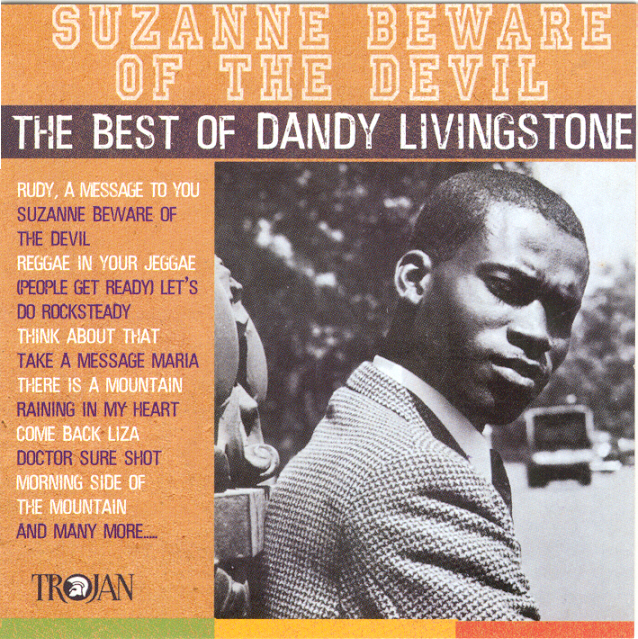
In 1967, a Jamaican musician based in London recorded “Rudy, a Message to You” on a tiny independent label. Twelve years later, the Coventry group The Specials took up this track and propelled Jamaican music into the British top 10, paving the way for the Two Tone movement. The man behind this song — Robert Thompson, alias Dandy Livingstone — remained in the shadows for decades while his music crossed generations.
In brief
| Full name | Robert Livingstone Thompson (stage name: Dandy Livingstone) |
| Birth | 14 December 1943, Kingston, Jamaica |
| Field | Ska, rocksteady, reggae — singer and record producer |
| Notable works | “Rudy, a Message to You”, “Suzanne Beware of the Devil”, “Red Red Wine” (production) |
| Honours | Founding figure of British reggae; “They Call Us Legends” (2020) |
Key dates
| Year | Event |
|---|---|
| 1943 | Birth of Robert Livingstone Thompson in Kingston, Jamaica |
| 1958 | Emigration to London at the age of fifteen to join his mother |
| 1964 | First success under the name Sugar & Dandy with “What a Life” (25,000 copies) |
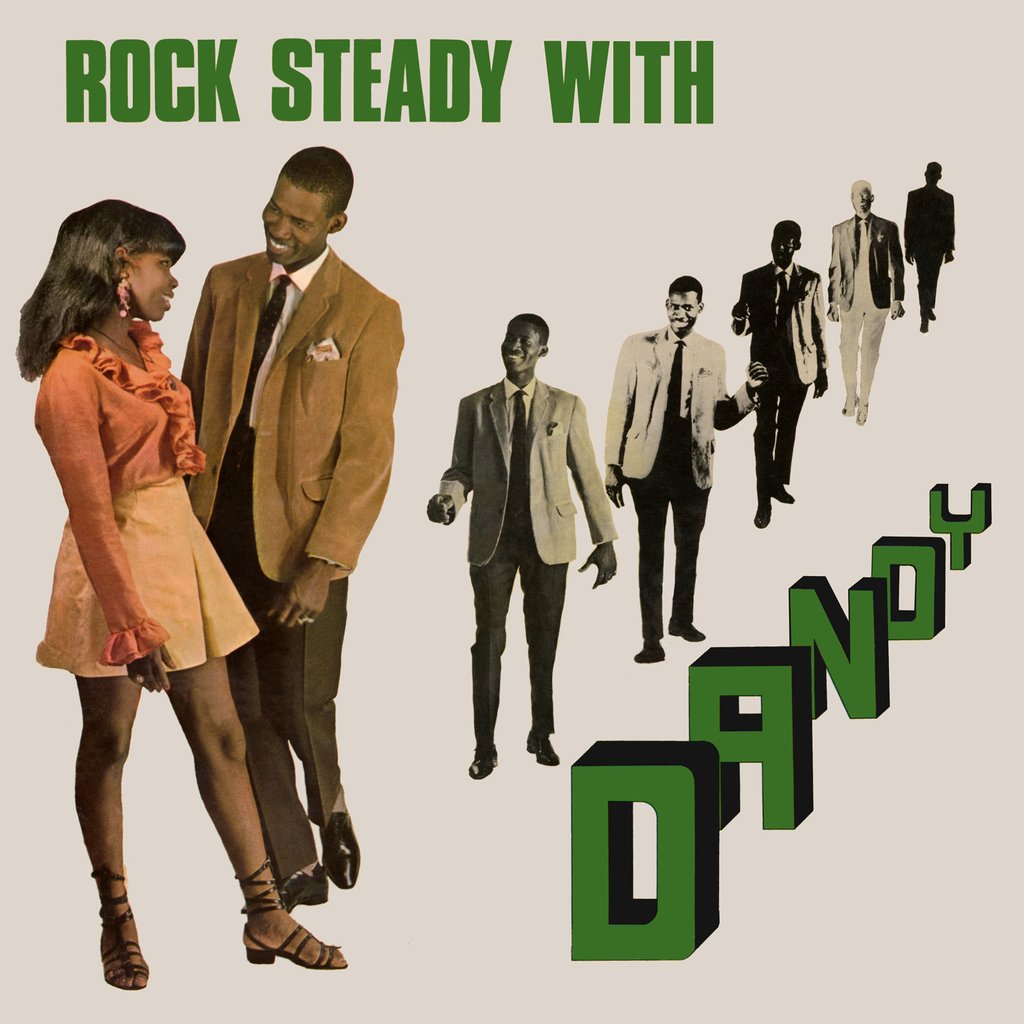
| 1967 | Signing with Ska Beat Records; release of “Rudy, a Message to You” and the first album Rocksteady with Dandy |
| 1968 | Signing with Trojan Records; beginning of a production career with the duo Dandy & Audrey (Audrey Hall) |
| 1969 | Success of Let’s Catch the Beat and the single “Reggae in Your Jeggae” |
| 1972 | “Suzanne Beware of the Devil” reaches number 14 on the British singles chart |
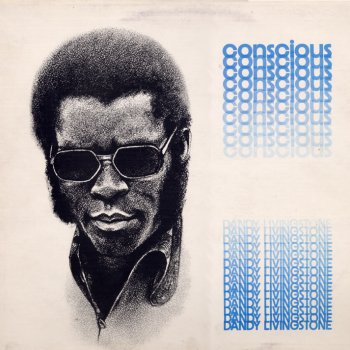
| 1973 | Return to Jamaica; album Conscious on Mooncrest Records |
| 1979 | The Specials release their cover of “Rudy, a Message to You”, reaching the top 10 in the UK |
| 1983 | Permanent move to Jamaica, gradual withdrawal from the music industry |
| 2012 | Announcement of a return to stage at the London International Ska Festival (cancelled) |
| 2020 | Release of “They Call Us Legends”, first single in forty years |
Origins and revelation: from technician to singer Dandy
Robert Thompson was born in Jamaica in December 1943 and grew up in Saint Andrews. As a teenager, he did not think at all about a musical career: his ambition was engineering, and he trained in metalworking. In 1958, the fifteen-year-old crossed the Atlantic to join his mother in London. He first worked as a record salesman — a job that would become the gateway to the industry.
It was through this profession that he met Lee Gothal, head of Trojan Records. One evening in 1963, in a London-West studio, he watched friends rehearsing and suddenly discovered that he wanted to sing. He recorded demos at home; a neighbour secretly captured them and released them on the small label Planetone. Dandy learned about it through the street, on a record sold to his own customers: instead of being indignant, he jumped into the pool.
Duos were then in fashion on the British Jamaican scene. Dandy doubled his own voice on a magnetic tape and created an imaginary partner: Sugar & Dandy, a wink to his soft voice and his impeccably dressed suits. The single “What a Life” played on Radio Caroline, the offshore station, and sold 25,000 copies. In live performances, he shared the stage with Roy Smith, then singer Tito “Sugar” Simone. In 1967, he signed with Ska Beat Records and released Rocksteady with Dandy, his first album.
In 1968, Trojan Records signed him and partnered with Pama. The same year, he turned to production and undertook a decisive turn: transforming his understanding of Jamaican music into a behind-the-scenes career.
The producer’s golden age: Trojan, Downtown and timeless classics
Dandy Livingstone became one of the most prolific and influential producers on the British reggae scene. Lee Gothal invited him to help create the label Downtown Records, a Trojan subsidiary dedicated to his work. He produced not only his own music but also that of other artists — the iconic trumpet of Rico Rodriguez features on several tracks, including “Rudy, a Message to You”, which achieved considerable success and sold 30,000 copies.
His most famous production remains “Red Red Wine”, recorded for Tony Tribe and becoming a minor hit in the UK in 1969 — much later covered by UB40 in 1983. In an interview with Reggaeville, Dandy recounted jokingly inventing the word “jeggae” to refer to reggae that skinheads listened to. The single “Reggae in Your Jeggae” (1969) became a classic of the mod-ska scene.
“Suzanne Beware of the Devil”, produced in 1972 and carried by Nicky Thomas, reached fourteenth place on the British chart. “Big City” (1973) entered the top 25, and Dandy Livingstone finally crossed niche boundaries to break into the mainstream. But the record industry refused to include specialist shops in its accounts, which deprived his third hit, “Raining in My Heart” (1970) — despite selling over 130,000 copies — of a place on the hit parade.
Tired of negotiations, Dandy returned to Jamaica at the end of the 1970s, leaving behind a substantial discography that would become the foundation for the Two Tone movement and an entire current of British reggae.
Major works
| Work | Year | Why it is essential |
|---|---|---|
| “Rudy, a Message to You” | 1967 | Foundational classic that inspired The Specials and launched reggae into British public consciousness |
| “Suzanne Beware of the Devil” | 1972 | First real top 20, reggae scene anthem that finally crossed the charts |
| “Red Red Wine” (Tony Tribe production) | 1969 | Classic that spanned decades thanks to the UB40 cover, validating Dandy’s producer talent |
Heritage and influence
Dandy Livingstone is today recognized as one of the architects of British reggae and one of the founding figures of what is called the Two Tone movement. The 1979 cover of “Rudy, a Message to You” by The Specials and its status as the opening track of the group’s first album paved the way for this current blending Jamaican ska and punk-rock energy. This movement defined the group’s early years, which would become one of the greatest in British music history.
More recently, in 2020, Dandy Livingstone released “They Call Us Legends,” his first single in forty years. A belated but welcome return that reminds us of the height to which his influence on reggae still stands.
Sources and references
- “Dandy Livingstone”, Wikipedia, https://en.wikipedia.org/wiki/Dandy_Livingstone, accessed 10 November 2026.
- “Livingstone, Dandy”, Encyclopedia.com, https://encyclopedia.com/education/news-wires-white-papers-and-books/livingstone-dandy, accessed 10 November 2026.
- “Dandy Livingstone — Biography, Discography, Albums & Expert Reviews”, AllMusic, https://allmusic.com/artist/dandy-livingstone-mn0000954155, accessed 10 November 2026.
- “Dandy Livingstone”, Discogs, https://www.discogs.com/artist/53892-Dandy-Livingstone, accessed 10 November 2026.
- Ben Forrest, “Dandy Livingstone: the man who brought rocksteady to the UK”, Far Out Magazine, 31 January 2024, https://faroutmagazine.co.uk/dandy-livingstone-rocksteady-uk.
- “Interview with Dandy Livingstone: The Return of a Legend”, Reggaeville, https://www.reggaeville.com/artist-details/dandy-livingstone/news/view/interview-with-dandy-livingstone-the-return-of-a-legend, accessed 10 November 2026.
- “A Message to You Rudy — how The Specials breathed new life into a 1967 track”, Financial Times, https://ig.ft.com/life-of-a-song/a-message-to-you-rudy.html.