Biography
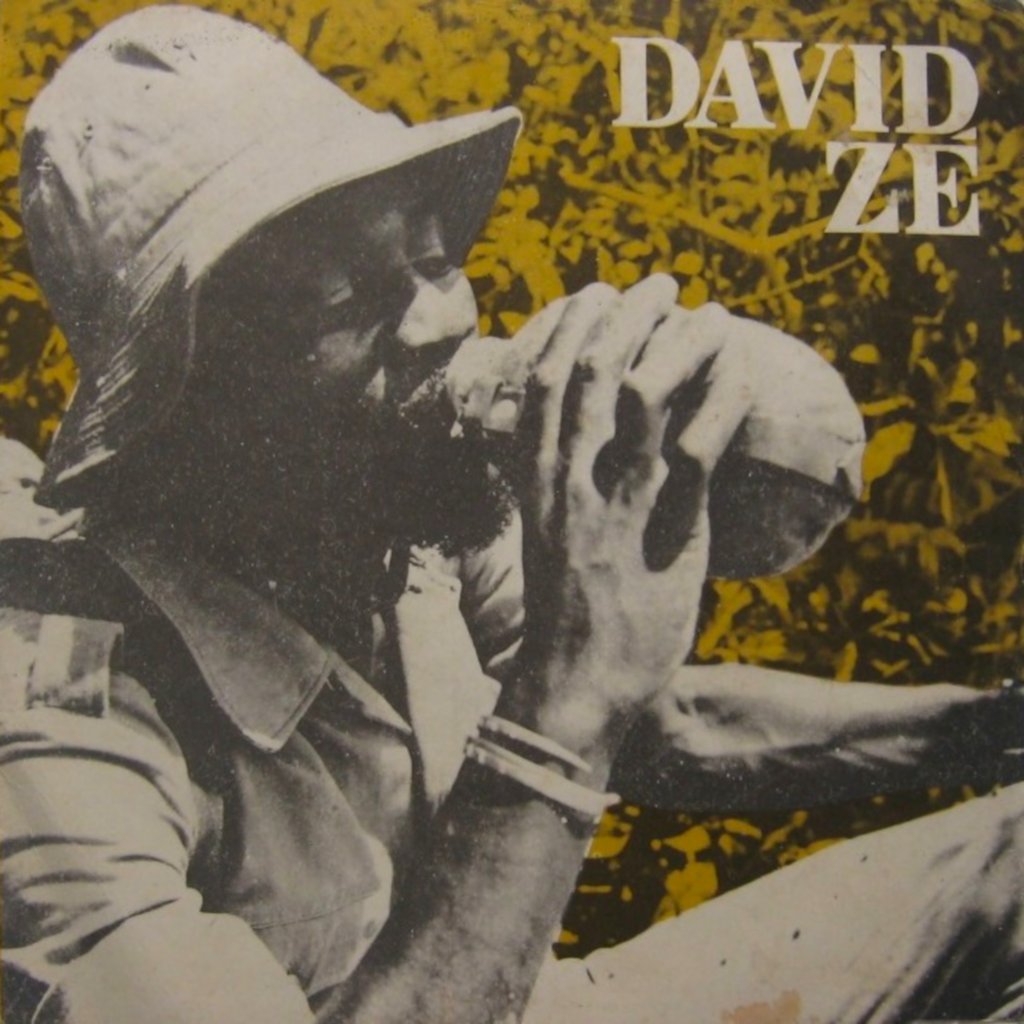
David Zé
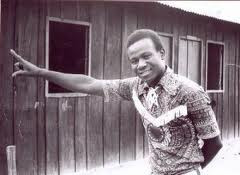
Luanda, February 10, 1976. On an improvised stage in Benguela, facing the FAPLA soldiers who had just repelled the South African army, David Zé let out a clear voice: “A luta continua!” — the struggle continues. Behind him, guitars looping and a song rising from the musseques. Four months earlier, Angola had broken the chains of Portuguese colonization; for these men who were barely twenty years old, this evening was the first song of a free country. This musician with a gentle gaze, foundry worker in his spare time and choir of the guerrilla, was then “the crutch” of the MPLA. He would have less than ten years to make Angolan hope resonate, and as much time to see it shatter in the purges of the power he served.
In Brief
| Full Name | David Gabriel José Ferreira |
| Stage Name | David Zé |
| Birth | August 23, 1944, Quifangondo (Luanda Province) |
| Death | May 27, 1977, Sambizanga (Luanda) |
| Field | Angolan music — semba, merengue, rumba, bolero; anticolonial resistance music |
| Emblematic Works | Mutudi Ua Ufolo / Viúva da Liberdade, Trio da Saudade |
| Distinctions | One of the leading artists of the golden age of Angolan music (early 1970s) |
Key Dates
| Year | Event |
|---|---|
| 1944 | Birth of David Gabriel José Ferreira in Quifangondo, Luanda. Parents were Methodist choir singers. |
| 1966 | Meeting with Urbano de Castro; musical debut, first recordings. |
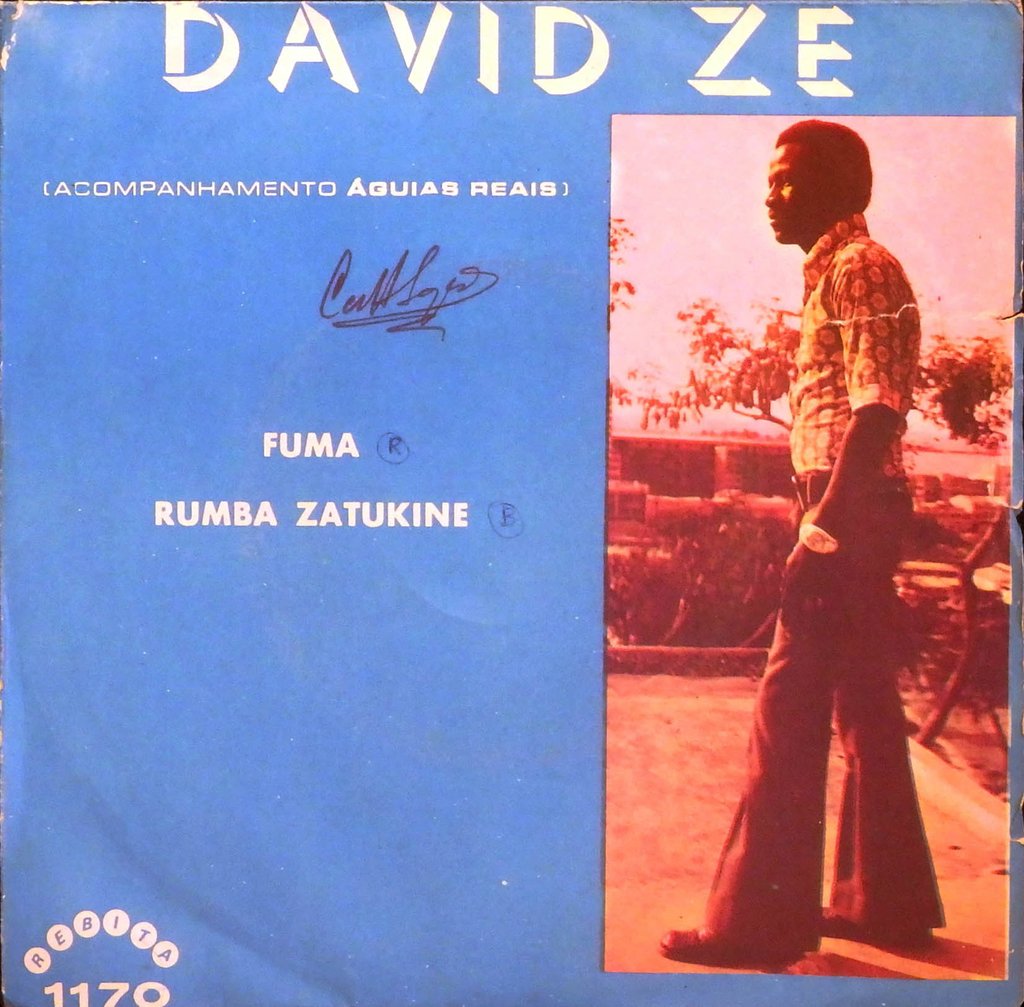
| 1970–74 | Dozen of singles recorded under the Rebita label (Os Jovens do Prenda, Águias Reais). |
| 1970–75 | Formation of Trio da Saudate with Urbano de Castro and Artur Nunes. |
| 1975 | Release of Mutudi Ua Ufolo / Viúva da Liberdade, considered a masterpiece of independence. |
| 1975–77 | Musical director of the Aliança FAPLA-POVO, cultural ambassador of Lusophone republics. |
| 1976 | Marriage to Maria Trindade on São Tomé island, while in military service. |
| 1977 | Assassination on May 27 during fractionalist repression. Music banned for more than ten years. |
From the Foundry to the Revolution — A Youth That Becomes Music
David Gabriel José Ferreira grew up in Quifangondo, in Luanda Province, within a striking environment: his parents, Gabriel José Ferreira and Carolina José Afonso, were choir singers at the Methodist church. From eleven years old, he sang in the choirs of this institution that would cradle his musical listening. He followed primary and secondary schooling in the Cuanza Norte Province, then returned to Luanda as a turning mechanic at the Hoji Ya Henda foundry. It was there, during his idle time between machines, that the young worker imagined and wrote on paper the first melodies of a man who would become David Zé.
His vocation only materialized in 1966, at twenty-two years old. A meeting in the musseques — the shantytowns of Luanda, where Angolan popular identity is forged — brought him into contact with Urbano de Castro, a promising young singer who encouraged him to launch himself. He met Os Jovens do Prenda, a group just formed and whose new sounds resonated with the wind of change. Under his stage name, he recorded his first singles under the Rebita label: “Dilangue” and “Kadika Zeka”. He established himself as one of the most popular faces of the Angolan golden age, an unprecedented boom in local music at the beginning of the 1970s. He then founded the Trio da Saudate with Urbano de Castro and Artur Nunes, a formation that became the soundtrack of the waiting years for independence. His repertoire, a mix of semba, merengue, rumba and bolero, was immediately under surveillance: the Pide — political police of the Portuguese colonial regime — placed the group in its files, uneasy before nationalist texts.
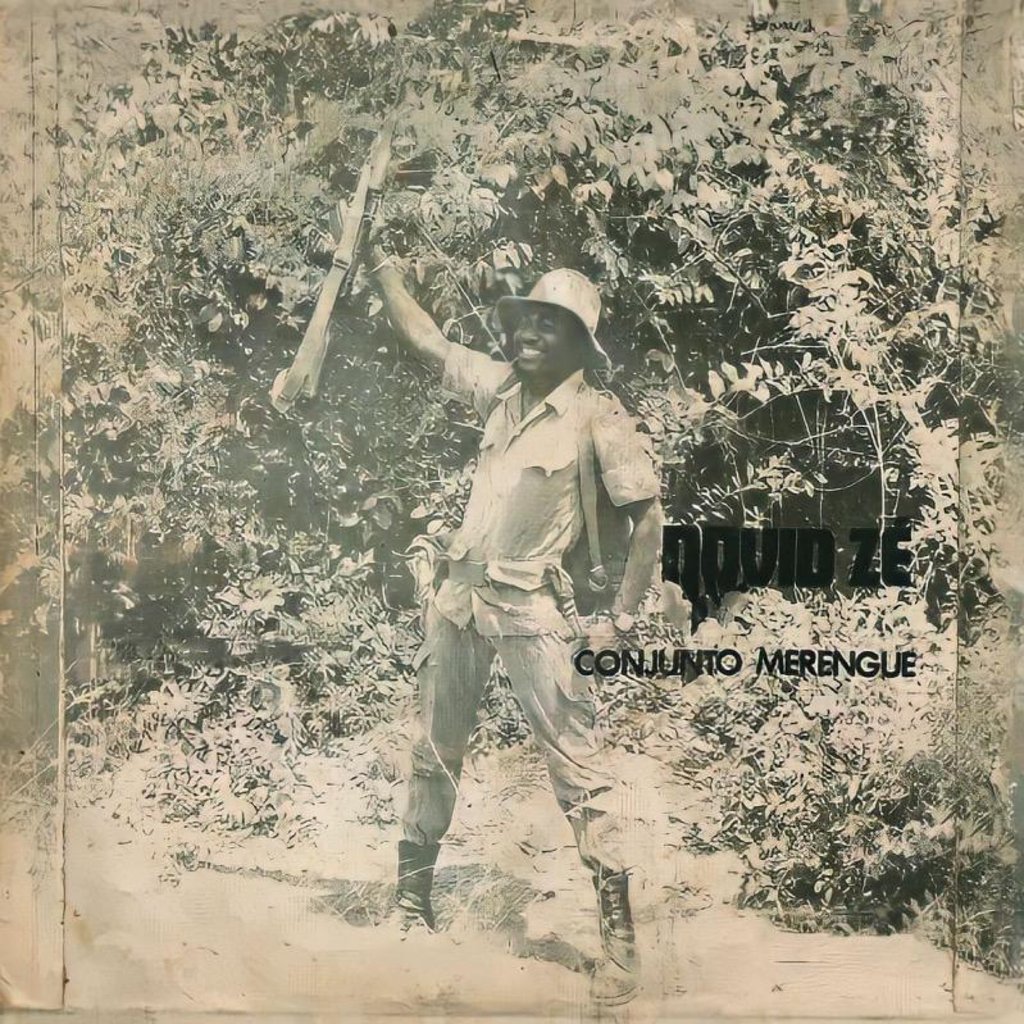
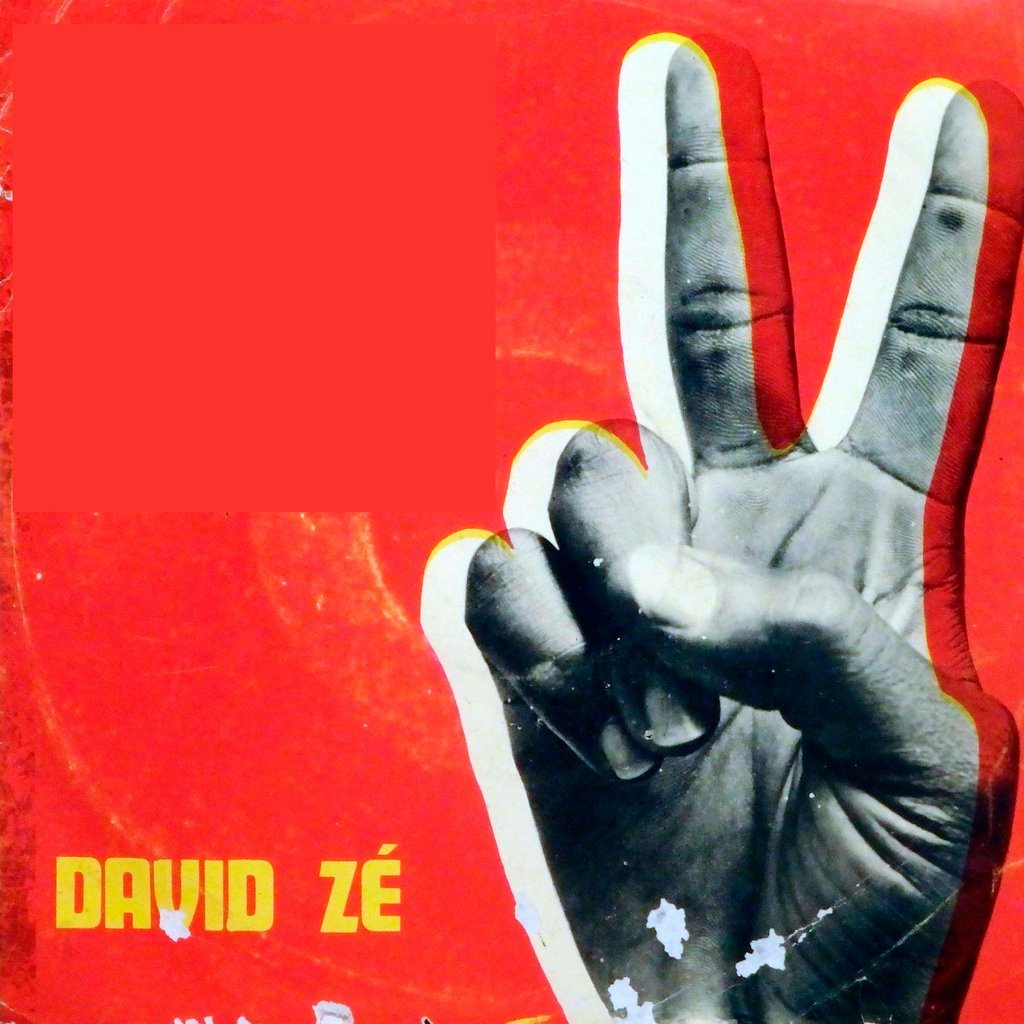
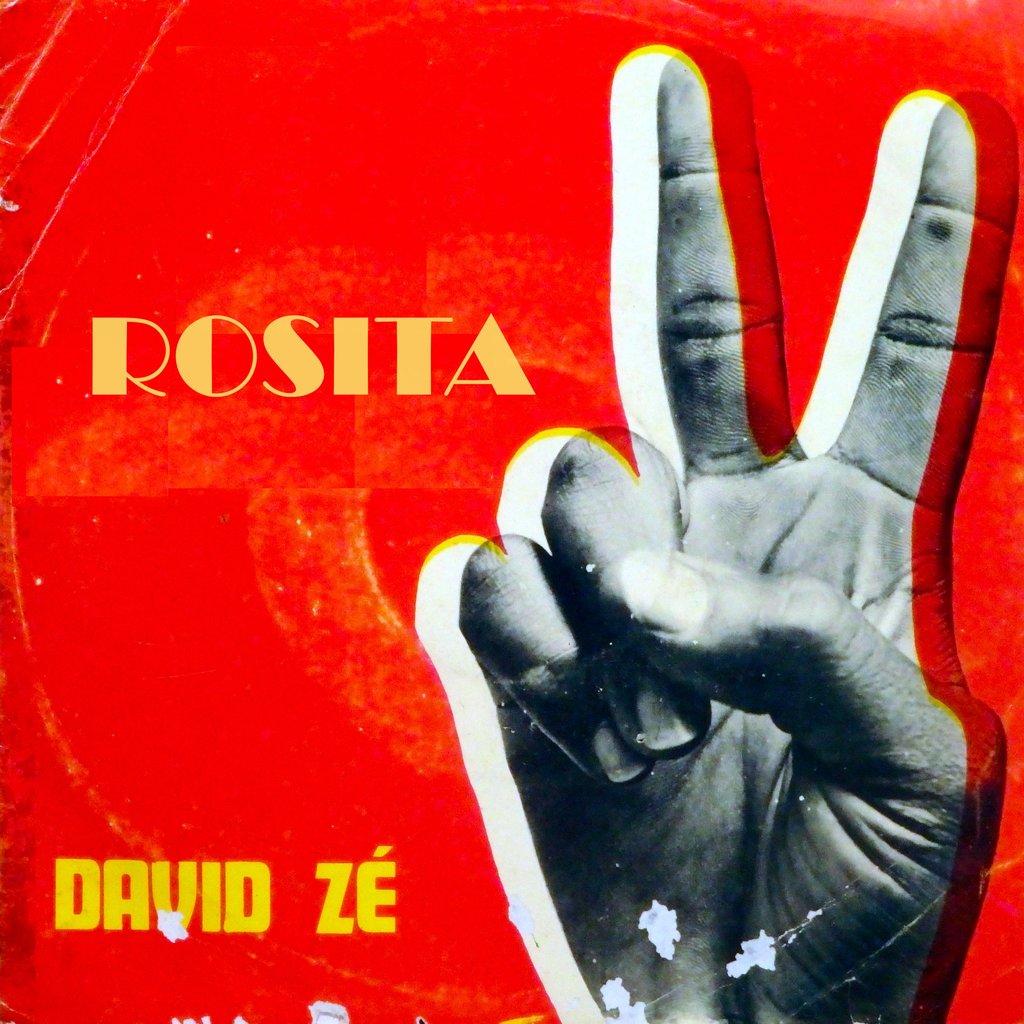
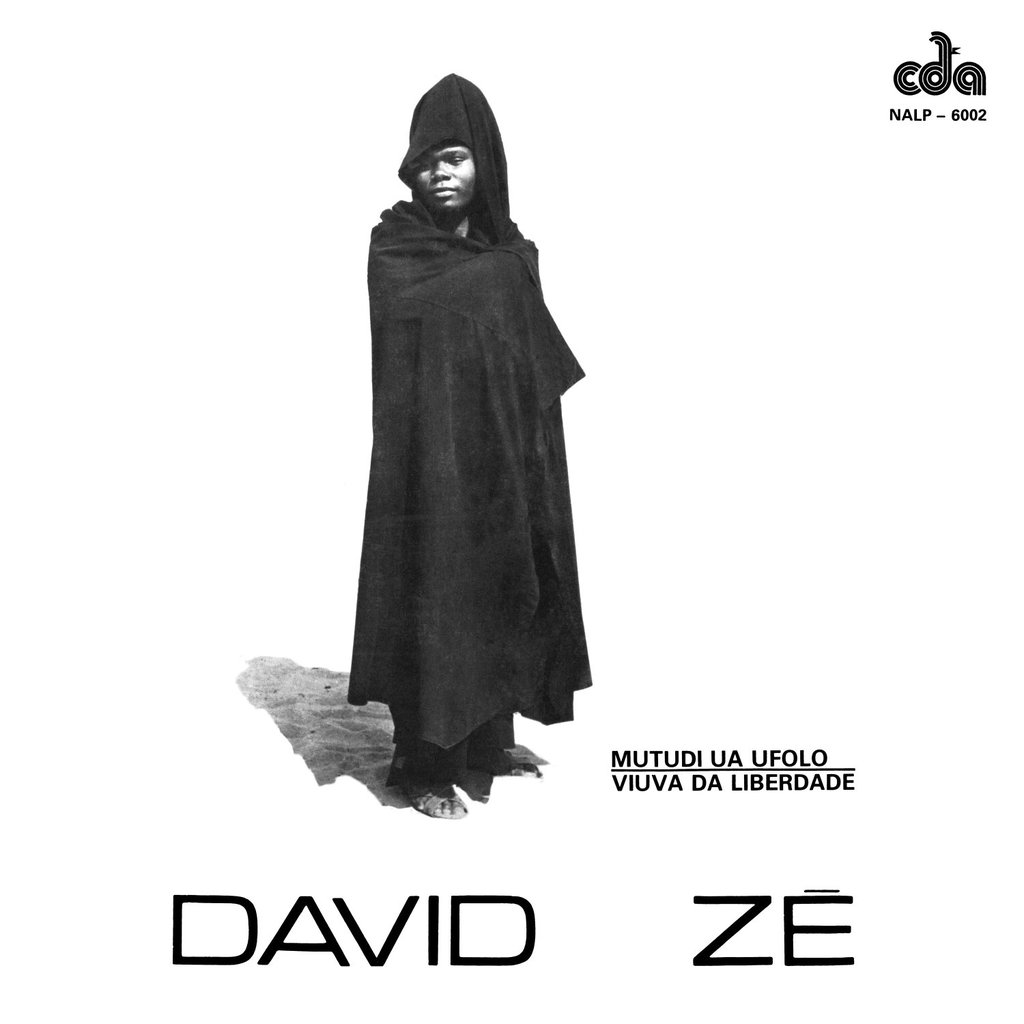
The revolution arrived in November 1975. The first Angolan president, Agostinho Neto, appointed him musical director of the Aliança FAPLA-POVO — the armed musical arm of power. David Zé performed in barracks, hospitals and village squares; he accompanied Neto on diplomatic trips to Mozambique, Cape Verde, São Tomé and Príncipe and Guinea-Bissau. But his most monumental work is the album released in 1975 on the small Luanda label CDA: Mutudi Ua Ufolo / Viúva da Liberdade — “Widow of Freedom”. Recorded with the Conjunto Merengue group, this concept album retraces, track by track, the history of a people in construction. On “As cinco sociedades”, he outlines the five Marxist stages of human evolution. Words like feudalismo and capitalismo resound among driving rhythms, but the album goes beyond simple propaganda. In his song “Mwangolé (O guerrilheiro)”, Zé exhorts to unity: “One people, one nation, down with disunity”. Like a prophecy: on May 27, 1977, a fractionalist splinter group of the MPLA led by Nito Alves attempted a coup. The repression carried out by the Disa slipped out of control, causing about 2,000 victims. David Zé, Artur Nunes and Urbano de Castro are among the dead, shot at Sambizanga at 32 years old. The exact circumstances remain vague: David Zé was a loyalist of Neto, but some historians argue that the musicians’ popularity worried the leaders.
Major Works
| Work | Year | Why It Is Essential |
|---|---|---|
| Mutudi Ua Ufolo / Viúva da Liberdade (LP) | 1975 | Concept album that retraces the birth of a people; the most ambitious Angolan record of independence. |
| “Dilangue” (single) | 1972 | First single recorded with Os Jovens do Prenda, marks the beginning of the career. |
| “Kadika Zeka” (single) | 1972 | First solo single by David Zé; reference of the Rebita style. |
| “Lamento de Paiva” (single) | 1974 | Popular song from the Trio da Saudate repertoire, reflection of popular sentiments. |
Heritage and influence
David Zé did not have the time to become an icon while alive: his work, violently cut short at 32, had to wait more than thirty years to be rediscovered. His music — between entraining semba and engaged poetry, rooted in the musseques but open to Caribbean and South American influences — remains a unique testimony of that founding moment, Angolan independence. The Festival Super Caldo do Poeira, created in 2001 to honor his memory and that of the semba pioneers, perpetuates his legacy. In 2010, rapper Nas and Damian Marley sampled “Undenge Uami” on their track “Friends”, introducing David Zé to an international generation. In 2017, President João Lourenço recognized the disproportionate summary executions of May 27. In 2026, the French label Jazzybell published a remastered reissue of Mutudi Ua Ufolo / Viúva da Liberdade, finally restoring the “poet of the people” to the place that was his.
Sources and references
- « Angola: David Zé, la voix de l’indépendance sort de l’oubli », RFI, https://www.rfi.fr/fr/musique/20260227-angola-david-z%C3%A9-la-voix-de-l-ind%C3%A9pendance-sort-de-l-oubli, accessed November 19, 2026.
- « Avec « Veuve de la liberté », David Zé chantait l’Angola révolutionnaire », Afrique XXI, http://afriquexxi.info/Avec-Veuve-de-la-liberte-David-Ze-chantait-l-Angola-revolutionnaire, accessed November 19, 2026.
- « David Zé », Wikipedia (EN), https://en.wikipedia.org/wiki/David_Z%C3%A9, accessed November 19, 2026.
- « David Zé », Wikipedia (PT), https://pt.wikipedia.org/wiki/David_Z%C3%A9, accessed November 19, 2026.
- « David Zé », Radio Popolare, https://www.radiopopolare.it/david-ze-il-musicista-angolese-che-la-censura-voleva-far-dimenticare, accessed November 19, 2026.
- « Mutudi Ua Ufolo / Viuva Da Liberdade 1975 », Bandcamp/Jazzybell, https://davidze.bandcamp.com/album/mutudi-ua-ufolo-viuva-da-liberdade-1975, accessed November 19, 2026.
- « Remembering David Zé: A Musical Legacy », Ninunina/Antakly Projects, https://www.ninunina.com/interviews/2024/4/8/remembering-david-z-a-musical-legacy, accessed November 19, 2026.
- « Angola: 45 years after the events, the “orphans” of May 27, 1977 demand justice », RTBF, accessed November 19, 2026.