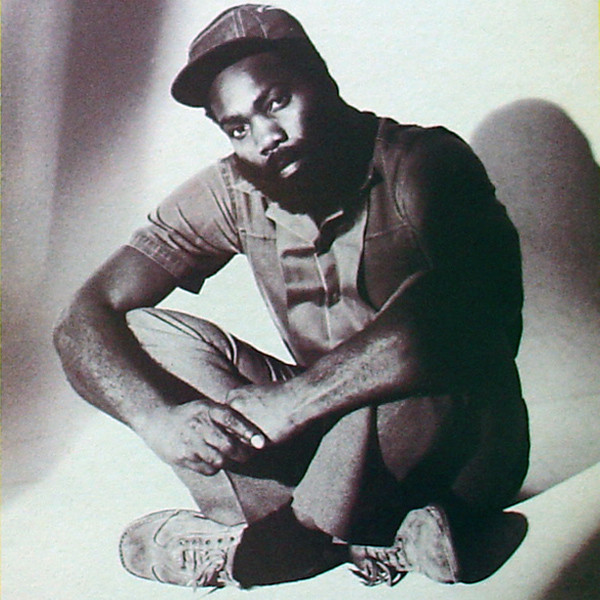
Biography
Dennis Bovell
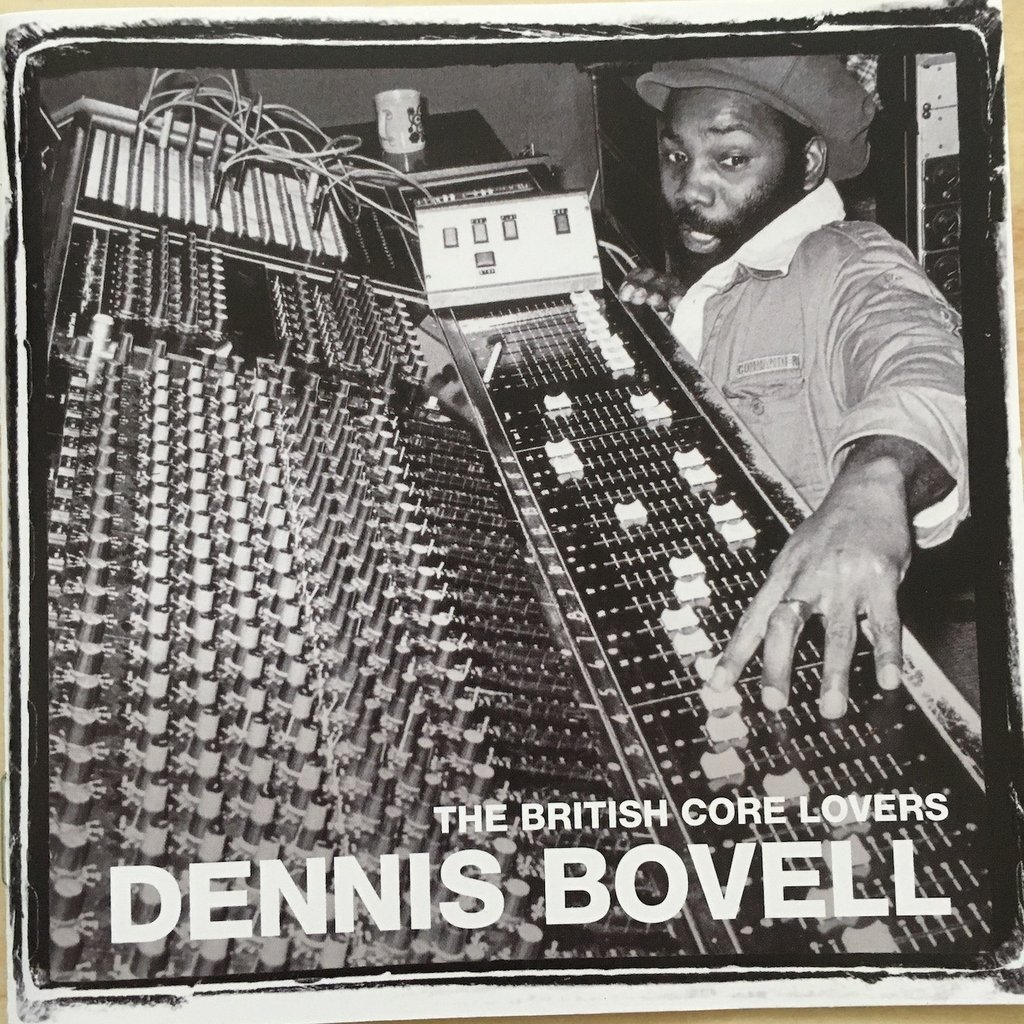
On April 23, 1978, in a sunlit studio in London, Linton Kwesi Johnson set his pen on the turntable. Opposite him, Dennis Bovell adjusted the potentiometers and slid the basses forward. Together, they recorded Poet in the Roots, the first album of a collaboration that would become a bridge between Jamaican poetry and British punk. Nearly fifty years later, this Barbadian who arrived in south London as a teenager remains an indispensable reference of British reggae.
In Brief
| Full Name | Dennis Bovell |
| Birth | May 22, 1953, Saint Peter, Barbados |
| Genre | Reggae, dub, lovers rock, post-punk |
| Instruments | Guitar, bass |
| Alias | Blackbeard |
| Honours | MBE (2021) for services to music |
Key Dates
| Year | Event |
|---|---|
| 1953 | Born in Saint Peter, Barbados |
| 1965 | Arrival in south London at age 12 |
| 1971 | Co-founding of the group Matumbi |
| 1978 | First album with Linton Kwesi Johnson, Poet in the Roots |
| 1979 | Production of Janet Kay’s hit “Silly Games” (#2 UK) |
| 1980 | Soundtrack for Franco Rosso’s film Babylon |
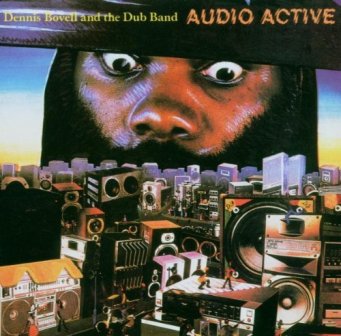
| 1986 | Return to reggae with Audio Active and the Dub Band |
| 2015 | Release of Dub 4 Daze |
| 2020 | Cameo in Lovers Rock, series Small Axe by Steve McQueen |
| 2021 | MBE Nomination (Order of the British Empire) |
From Barbadian Gospel to London Dub: A Unique Journey
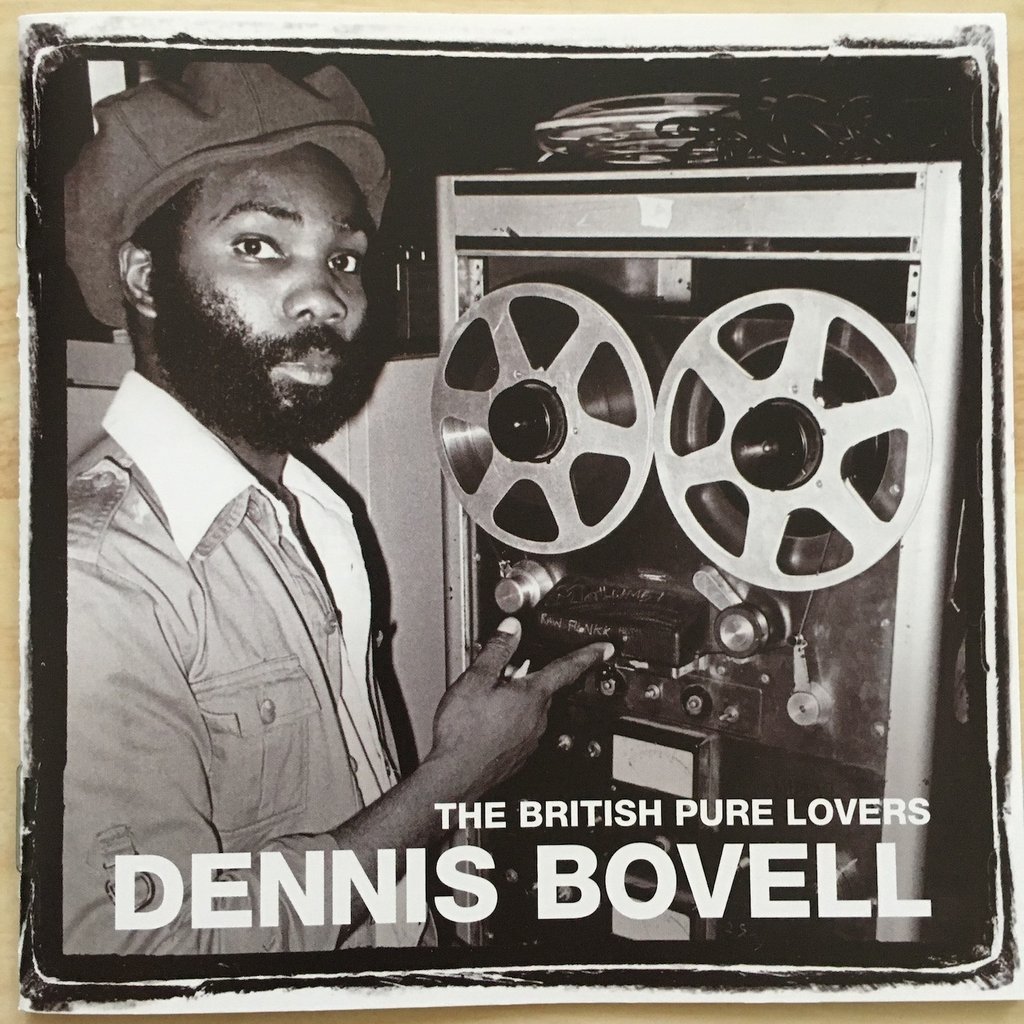
Dennis Bovell grew up in Saint Peter, Barbados, in a house where his grandmother allowed only gospel music. His uncle smuggled in the Drifters, Ben E. King, and Lord Kitchener’s calypso. This mix forged the ear of a boy who boarded for south London in 1965 at twelve, his head full of British and Caribbean rhythms. He immediately immersed himself in Jamaican culture, particularly dub — this aesthetic where the engineer sculpts a mix by isolating bass and drums. Bovell built his own sound system, the Jah Sufferer. The experience earned him six months of remand: the police attributed anti-police remarks made by another selector to his system. He was released on bail, marked by this injustice steeped in institutional racism that would later influence the soundtrack for the film Babylon.
At school, he attended with Nick Straker and Tony Mansfield. These accomplices would become his first collaborators. Bovell joined a progressive rock group named Stonehenge, which took the name Matumbi in the mid-1970s. At the Four Aces, a club renowned for its difficult audience, Matumbi was the only formation capable of holding a full set on Sunday evenings. It was there that he met the poet Linton Kwesi Johnson, who came to interview them. Bovell admired his lyrics and his audacity. Three days later, Poet in the Roots was recorded — a bridge between reggae and punk.
This relationship would extend over decades: Forces of Victory (1979), Bass Culture (1980), Tings An’ Times (1991). Bovell explained what bound them: « When he was writing about police brutality and social issues, I became involved with him on that level because I felt my musical ability lent itself to what he was doing. » The collaboration would become emblematic, a bridge between reggae poetry and the British punk movement.
In parallel, Bovell contributed to inventing lovers rock — this softer sub-genre of British reggae centered on love relationships and the representation of women in sound systems. His production of Janet Kay’s hit “Silly Games” reached second place on the British charts in 1979, leading him to open his own studio, Studio 80. Success nonetheless led him to renounce reusing the distinctive drum motif of the title, estimating that another recording using it would have had limited commercial appeal.
Towards Late Recognition and a Lasting Legacy
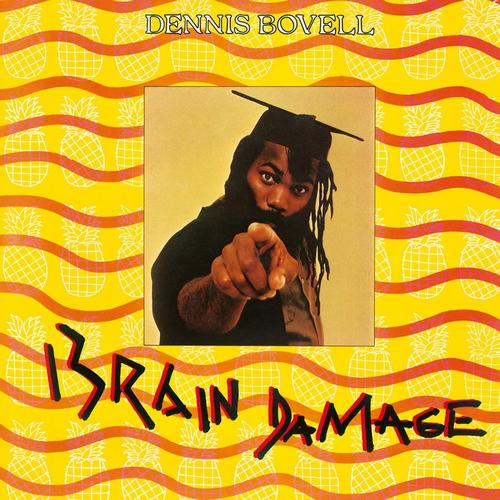
The 1980s made Bovell the most sought-after producer of an eclectic scene: post-punk groups The Slits and The Pop Group, Bananarama, the Thompson Twins, Alpha Blondy, Fela Kuti. He remixed Marvin Gaye and the Boomtown Rats, composed the music for the film Babylon (1980), and produced Steel Pulse’s first singles. All this kept him away from his own solo career — yet nourished by the pseudonym Blackbeard (Strictly Dub Wize, 1978) and the album Brain Damage (1981).
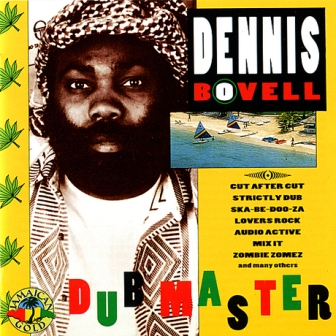
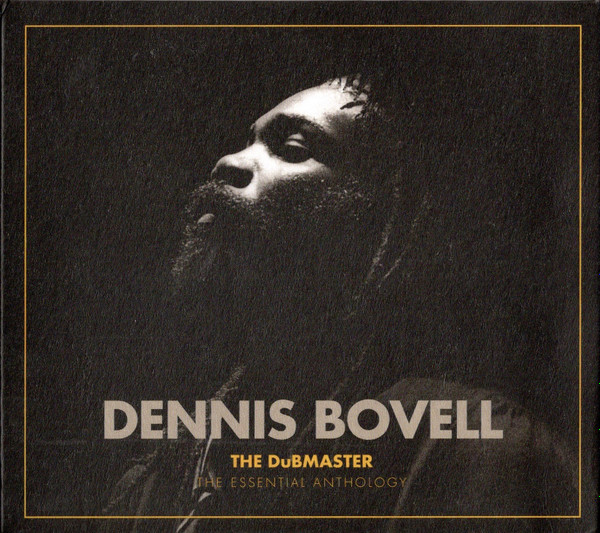
The sequel was a continuous movement: world tours with Linton Kwesi Johnson, regular solo albums (Dub Dem Silly in 1993, Tactics in 1994), late incursions into dub with Dub of Ages (2003) and Mek It Run (2012), released while he was recovering from neck surgery. In 2020, Steve McQueen offered him a cameo in Lovers Rock, the second installment of his series Small Axe. The song “Silly Games” resonates in a club scene, reminding the audience that this Barbadian is one of the architects of British reggae. On May 28, 2021, Queen Elizabeth II appointed him MBE. Dennis Bovell continues to produce — « The DuBMASTER », as AllMusic calls him, still at the console.
Major Works
| Work | Year | Why It’s Essential |
|---|---|---|
| Poet in the Roots (with Linton Kwesi Johnson) | 1978 | First chapter of a collaboration bridging dub poetry and British punk |
| “Silly Games” (Janet Kay, produced by Bovell) | 1979 | #2 UK hit that launched British lovers rock |
| Brain Damage | 1981 | Solo album where dub gives way to rock and boogie |
| Soundtrack for Babylon (Franco Rosso) | 1980 | Music from the first film on sound system culture in the UK |
Heritage and influence
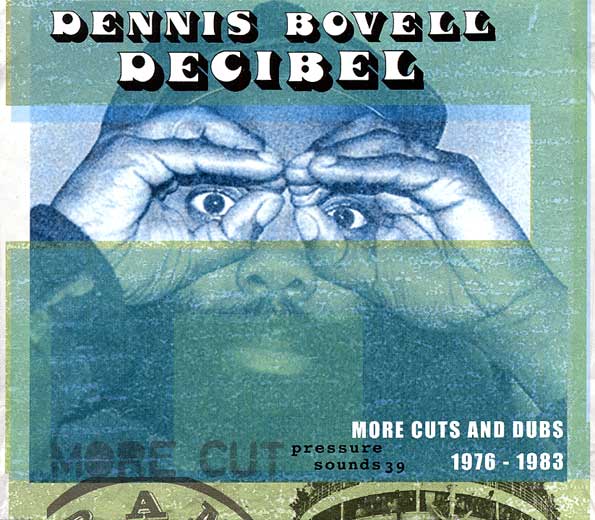
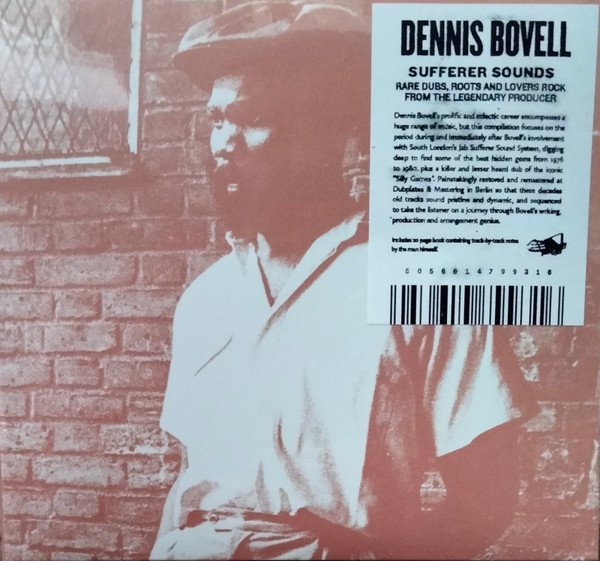
Dennis Bovell contributed significantly to shaping the sound of British reggae, far beyond his own discography. His dub records from the 1970s and 80s inspired Adrian Sherwood and the Mad Professor. His production paved the way for an entire generation of British producers. The lovers rock genre, which he largely shaped, now offers women visibility on sound systems that was previously denied to them. Recent compilations — The DuBMASTER (2022) and Sufferer Sounds (2024) — allow new listeners to discover a legacy that remains, fifty years after his arrival in London, an indispensable reference.
Sources and references
- « Dennis Bovell », Wikipedia, https://en.wikipedia.org/wiki/Dennis_Bovell, accessed 20 November 2026.
- Steve Huey, « Dennis Bovell Biography », AllMusic, https://allmusic.com/artist/dennis-bovell-mn0000240402, accessed 20 November 2026.
- Tim Cumming, « Dennis Bovell: The dub master », The Independent, https://independent.co.uk/arts-entertainment/music/features/dennis-bovell-the-dub-master-6105037.html, accessed 20 November 2026.
- Saxon Baird, « Dennis Bovell: UK Reggae, Lovers Rock, and the Power of Linton Kwesi Johnson », Afropop Worldwide, https://afropop.org/articles/16769, accessed 20 November 2026.
- Angus Taylor, « Interview with Dennis Bovell », Sound System Culture, https://soundsystemculture.org/interview-with-dennis-bovell, accessed 20 November 2026.
- « Dennis Bovell », The Reggae Museum, https://thereggaemuseum.com/musician/dennis-bovell, accessed 20 November 2026.