Biography
Djodje
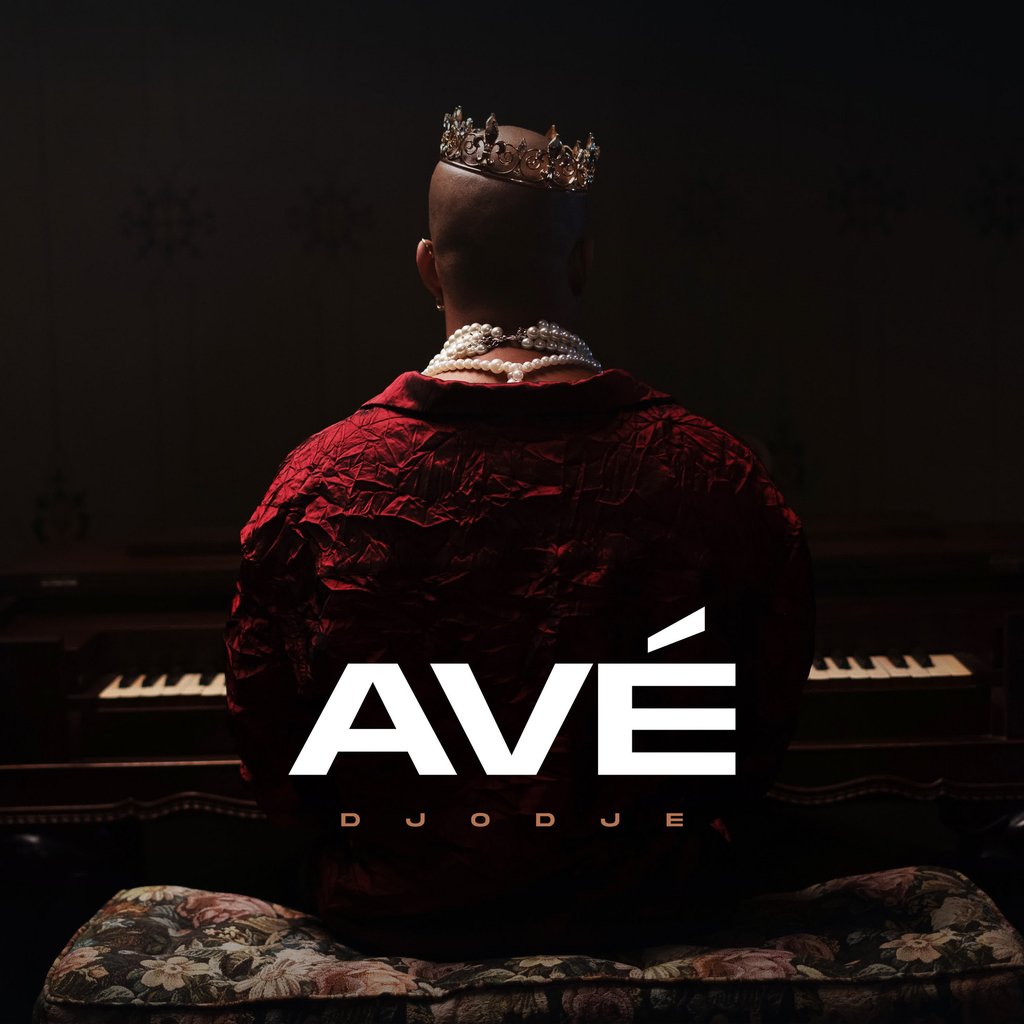
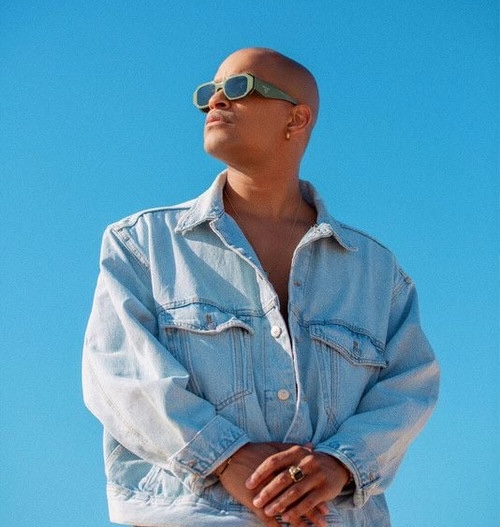
Hands on the turntables, eyes fixed on the sound tracks, Djodje fine-tunes a final mix in his Lisbon studio. On screen, the waveforms cross like maritime routes: Cap-Verdean funaná, Angolan kizomba, a touch of American R&B in the background. This man who has breathed the Atlantic since Praia works music like a navigator—every note is a star, every chord a favorable wind. Born Fernando Jorge Marta Silva on January 15, 1989 in Praia, Djodje has become one of the most recognizable faces of the African Lusophone scene, the one who takes morna to international stages without losing an ounce of his identity.
In brief
| Full name | Fernando Jorge Marta Silva |
| Stage name | Djodje (sometimes DJODJE or Djôdjê) |
| Birth | January 15, 1989, Praia (Santiago), Cape Verde |
| Genre | Afro-pop, kizomba, zouk love, cabo-love |
| Notable works | “Proibido”, “Mon Pa Altura”, Mininu di Oru (album), “Be Mine” |
| Awards | Best Stage Artist, Best Male Performer of the Year (Cabo Verde Music Awards), Best Videoclip |
Key dates
| Year | Event |
|---|---|
| 1989 | Born in Praia, in a household of musicians |
| 2001 | First success with group TC, single “Volta”; at age twelve |
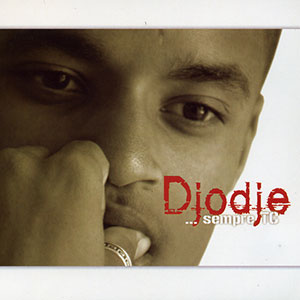
| 2006 | First solo album Semper TC; move to Portugal, training in music production |
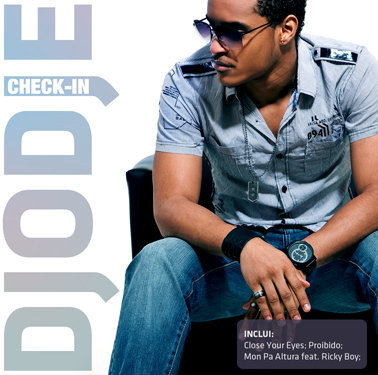
| 2010 | Release of Check-In, first true international hit (“Proibido”, “Mon Pa Altura”) |
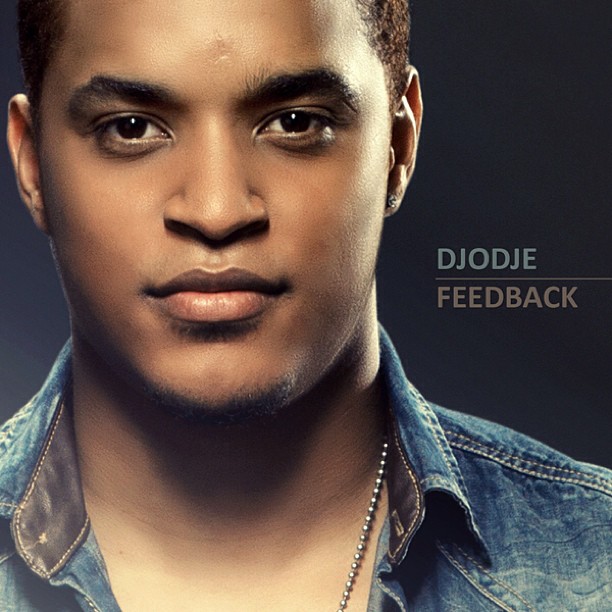
| 2013 | Feedback, album with international producers (Iron Harmon, Elji Beatzkilla); strengthens his reputation as an afro-pop hitmaker |
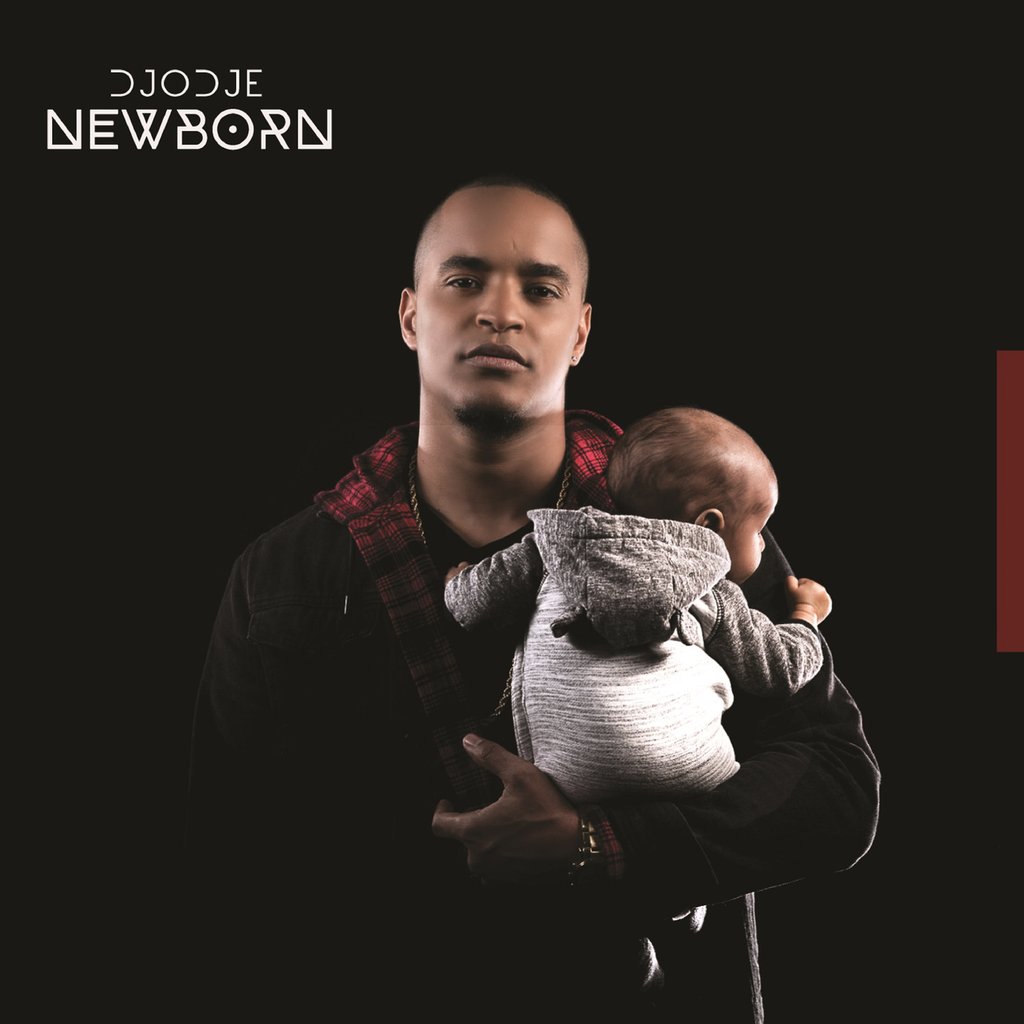
| 2019 | Newborn, featuring Jimmy P, Cuca Roseta, Loreta; multi-continental tour |
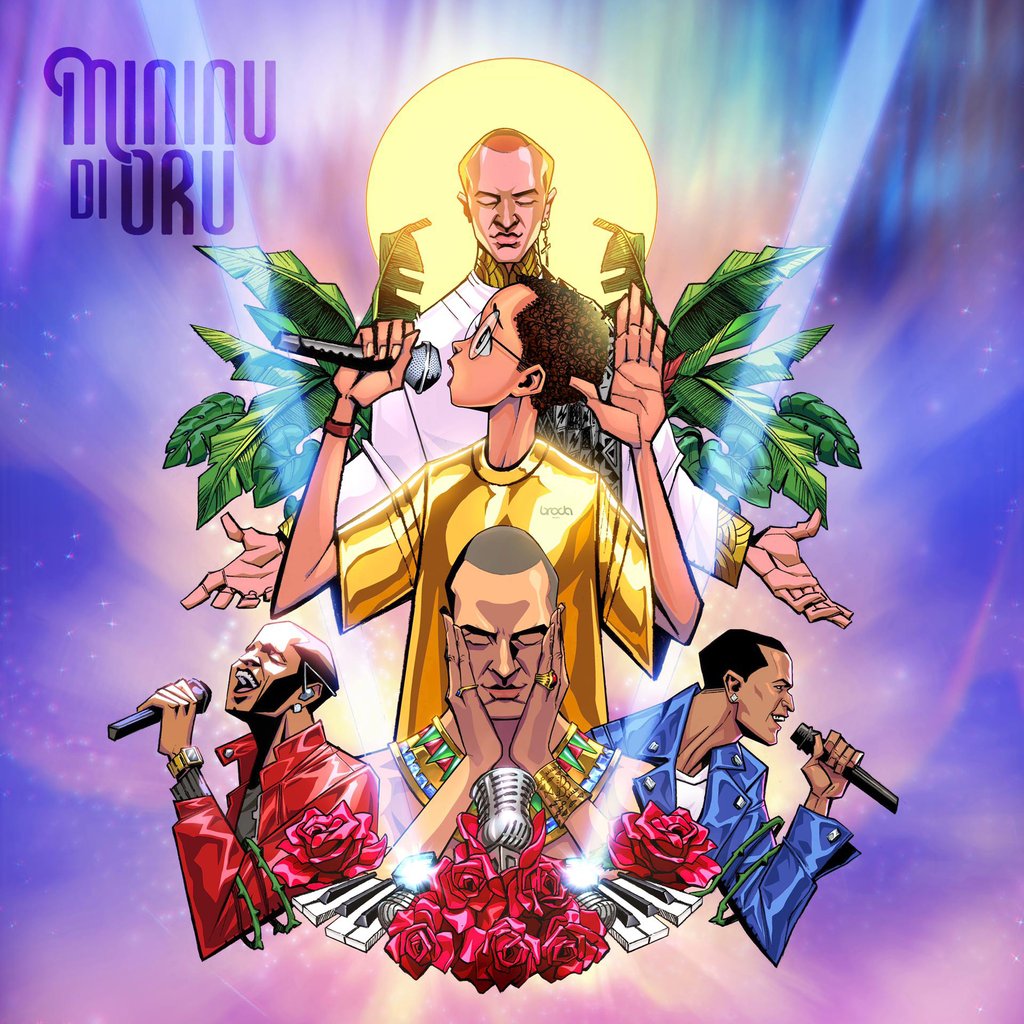
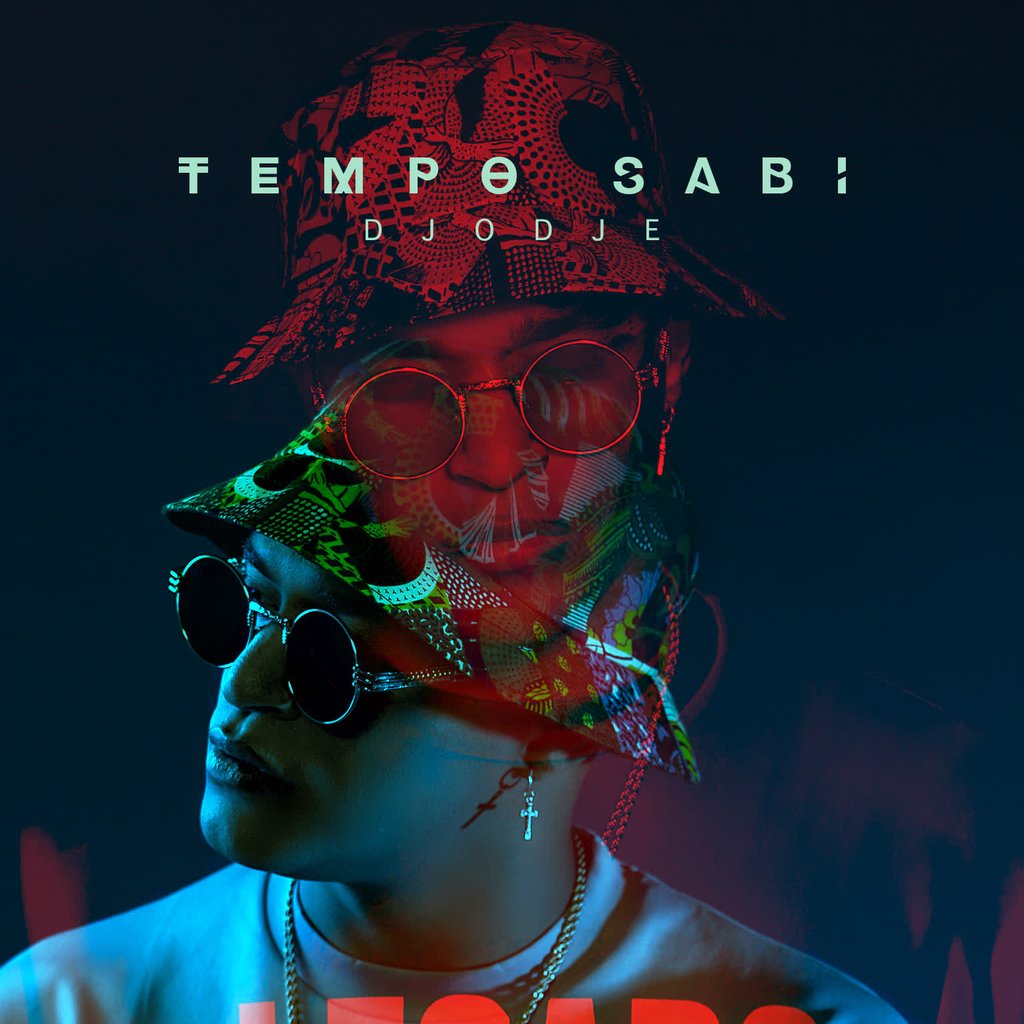
| 2021 | Mininu di Oru (“the golden child”), gratitude album dedicated to the Cape-Verdean people; fifteen tracks |
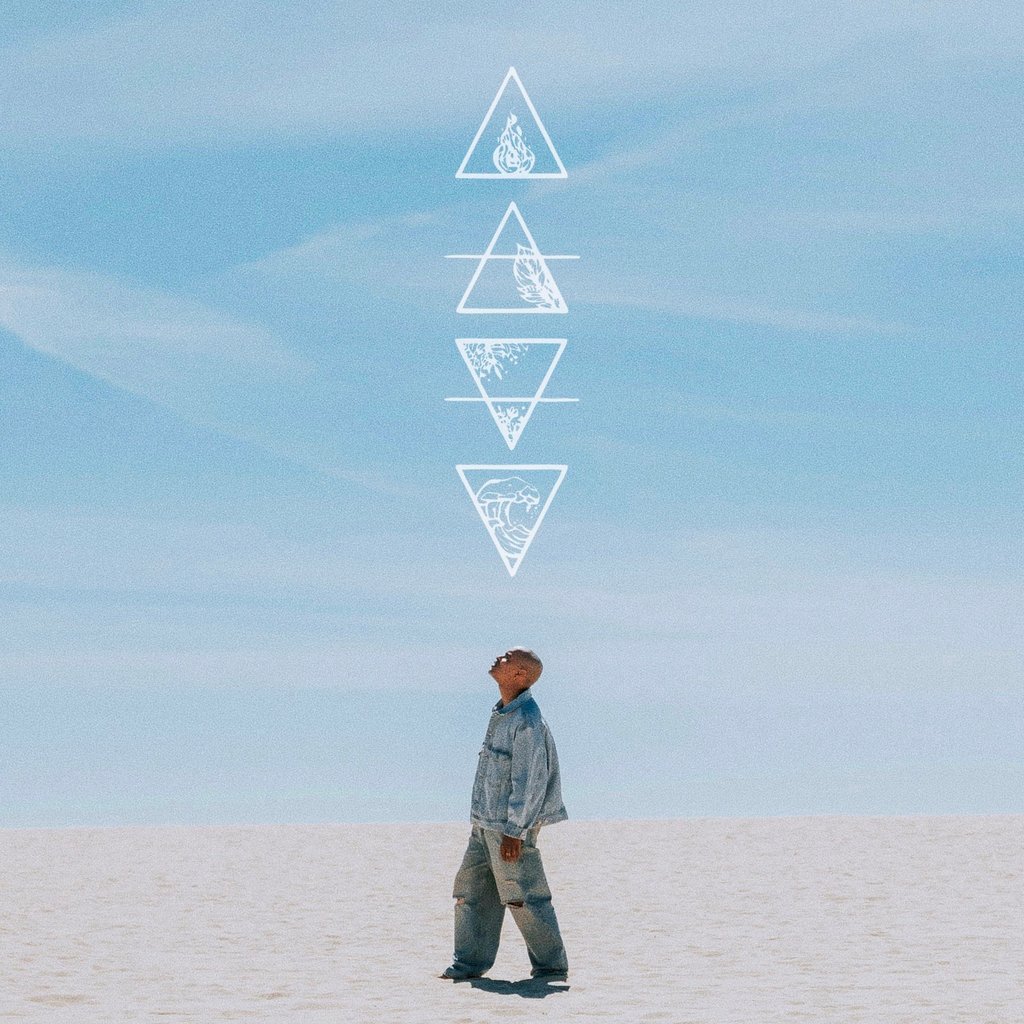
| 2024 | EP Elements and Kriol King project with Nelson Freitas; sold-out shows around the world |
Childhood, music and training: the Cape-Verdean destiny of a young prodigy
Fernando Jorge Marta Silva grew up to the rhythm of guitar chords. His father, a guitarist in the famous traditional Cape-Verdean group Os Tubarões, laid the first strings of his musical awakening; his mother, from the Marta family—a famous dynasty of singers and composers in Cape Verde—left him with melody. He confided to Expresso das Ilhas that he once considered a career as an architect or lawyer, aware that his musical destiny shifted between will and favorable chance.
At ten years old, he founded the group TC with his brother, a cousin and two friends. The boy-band performed at Cape-Verdean festivals (Gamboa, Baía das Gatas) alongside figures like Don Kikas and Eneida Marta. In 2001, TC released the single “Volta”, which exploded on national and Lusophone radios. It was the first of a series of successful titles, but also early proof that Djodje mastered the codes of popular hits from adolescence.
In 2006, he released Semper TC, his first solo album. The same year, he left Cape Verde for Portugal, where he trained in music production and marketing. This formative period was decisive: it forged not only his producer’s ear but also his entrepreneurial vision. In 2009, he founded his label Broda Music and released the CD Ricky Boy 9909, for which he handled music production—an early move for a twenty-year-old artist.
Check-In: international explosion and confirmation
Check-In, released in 2010, is the album that propelled Djodje onto the world stage. On this pop-kizomba-zouk opus, hits follow one another: “Proibido”, “Mon Pa Altura”, “Na Nha Sonho” and the English ballad “Close Your Eyes”. The record received enthusiastic critical acclaim and triggered a massive international tour: Portugal, France, Switzerland, Luxembourg, Netherlands, Czech Republic, United States, Brazil, Angola, São Tomé and Príncipe. Djodje rubbed shoulders with legendary venues: the Olympia in Paris, Coliseu dos Recreios in Lisbon, and the House of Blues in Boston.
His third album, Feedback (2013), marked an artistic turning point: Djodje called on renowned external producers and artists, including Iron Harmon and Elji Beatzkilla. The album cemented his reputation as an afro-pop hitmaker, capable of mixing influences with disarmingly ease. In 2016, he explored Angolan kuduro with “La Ki nos É Bom”, demonstrating his will not to be confined to a single genre.
Return to roots: between exploration and Creole heritage
Newborn (2019) and Mininu di Oru (2021) embody a return to sources, without compromise. “Mininu di Oru is a modern fusion between contemporary music made in Africa and traditional Cape-Verdean music,” Djodje declared to Inforpress agency during the album presentation, which gathered fifteen collaborations with Cape-Verdean, Portuguese and Brazilian authors and artists. The project is an intimate journey into Creole culture: the slow funaná of “Funaná Lentu” dances with the energetic afro-pop of “Manxeda”, while sensual kizomba blends with texts in Crioulo, Portuguese and English.
In 2024, Djodje released the EP Elements and completed an international tour in the United States, Europe and Cape Verde. He is also on the bill for Festival da Canção 2026 on RTP, with a new single. He also continues the Kriol King project, initiated with Nelson Freitas: sold-out concerts in Lisbon, Paris, Los Angeles and Praia, where two consolidated artists open their stage to new generations.
Major Works
| Work | Year | Why It’s Essential |
|---|---|---|
| Check-In | 2010 | First true international success; laid the foundations of his signature afro-pop/kizomba sound |
| “Proibido” | 2010 | Signature title that propelled him onto global stages and defined his style |
| Feedback | 2013 | Demonstration of a hitmaker capable of collaborating with international producers |
| Mininu di Oru | 2021 | Return to Creole roots; gratitude album of fifteen tracks dedicated to the Cape Verdean people |
Legacy and Influence
Djodje is today one of the most prominent African Lusophone artists. His 260 million YouTube views, 800,000 followers on social media, and status as a hitmaker make him a living reference for an entire generation. He opened doors for Cape Verdean music beyond the diaspora, opening the scene to artists like Dino d’Santiago and Nelson Freitas. The Kriol King project, with his partner Nelson Freitas, is a living showcase for the new Creole wave. With a label (Broda Music) that works with young producers and emerging talents, Djodje does not merely sing his heritage: he perpetuates it, recreates it, and exports it.
Sources and References
- « Djodje — Biography, Discography, Albums & Expert Reviews », AllMusic, https://allmusic.com/artist/djodje-mn0003192639, accessed November 8, 2026.
- « Djodje: 36 anos de vida e 24 de carreira musical », CVCultural, https://cvcultural.cv/noticias/djodje-36-anos-de-vida-e-24-de-carreira-musical, accessed November 8, 2026.
- « Djodje: A voz de um Atlântico crioulo », Xonguila, https://xonguila.co.mz/artigo/djodje, accessed November 8, 2026.
- « Djodje », Afrisson, https://www.afrisson.com/djodje, accessed November 8, 2026.
- « INTERVIEW/Music: Djodje dedicates album ‘Mininu di Oru’ to Cabo Verdean people », INFORPRESS, https://inforpress.cv/interview-music-djodje-dedicates-album-mininu-di-oru-to-cabo-verdean-people, accessed November 8, 2026.
- « Djodje », RTP Festival da Canção, https://media.rtp.pt/festivaldacancao/perfil/djodje, accessed November 8, 2026.
- « Djodje », Music In Africa, https://www.musicinafrica.net/fr/node/86794, accessed November 8, 2026.
- Chissana Magalhães, « Djodje: “É sim possível viver da música” », Expresso das Ilhas, December 22, 2017, https://expressodasilhas.cv/cultura/2017/12/22/djodje-e-sim-possivel-viver-da-musica/55858, accessed November 8, 2026.