Biography
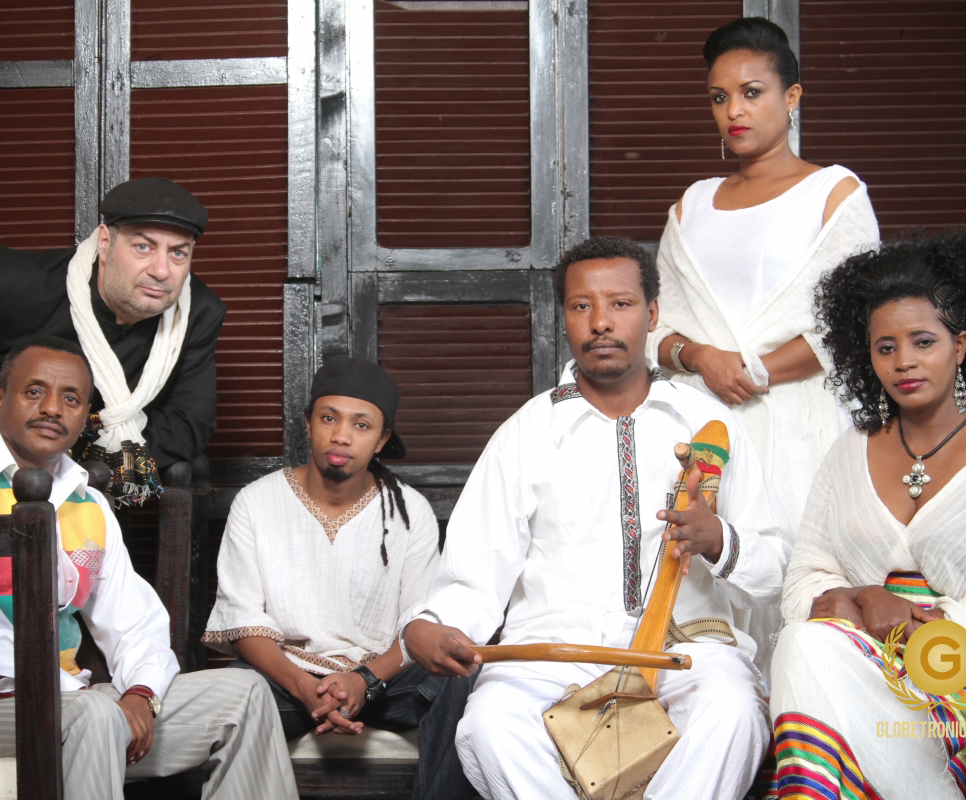
Dub Colossus
An invitation from Dan Harper, a week in 2006 in Addis Ababa, and a London accustomed to dub listening: this is how a British musician, Nick Page — alias Count Dubulah and more simply Dubulah — built over two years a project that brings together the traditional and jazzy music of Ethiopia with the deep bass of Jamaican reggae dub. Born from a meeting, Dub Colossus became a full-fledged band: studio and stage, Addis Ababa and the United Kingdom.
In brief
| Full name | Dub Colossus (Nick Page / Count Dubulah project) |
| Birth | Marburg, near Frankfurt, Germany (father’s country); born from a meeting in 2006 |
| Genre | Dub / reggae mixed with Azmari, Ethiojazz and 60s pop |
| Signature works | A Town Called Addis, Addis Through the Looking Glass |
| Awards | Debut album very well received (The Guardian, Q Magazine, NPR); 2011 album praised by the BBC |
Key dates
| Year | Event |
|---|---|
| 1990 | Nick Page founded Transglobal Underground with Tim Whelan and Hammid Man-Tu; six albums recorded |
| 1997 | He left the collective to form Temple of Sound with Neil Sparkes |
| 2006 | In August, trip to Addis Ababa on the invitation of Dan Harper; meeting with local musicians |
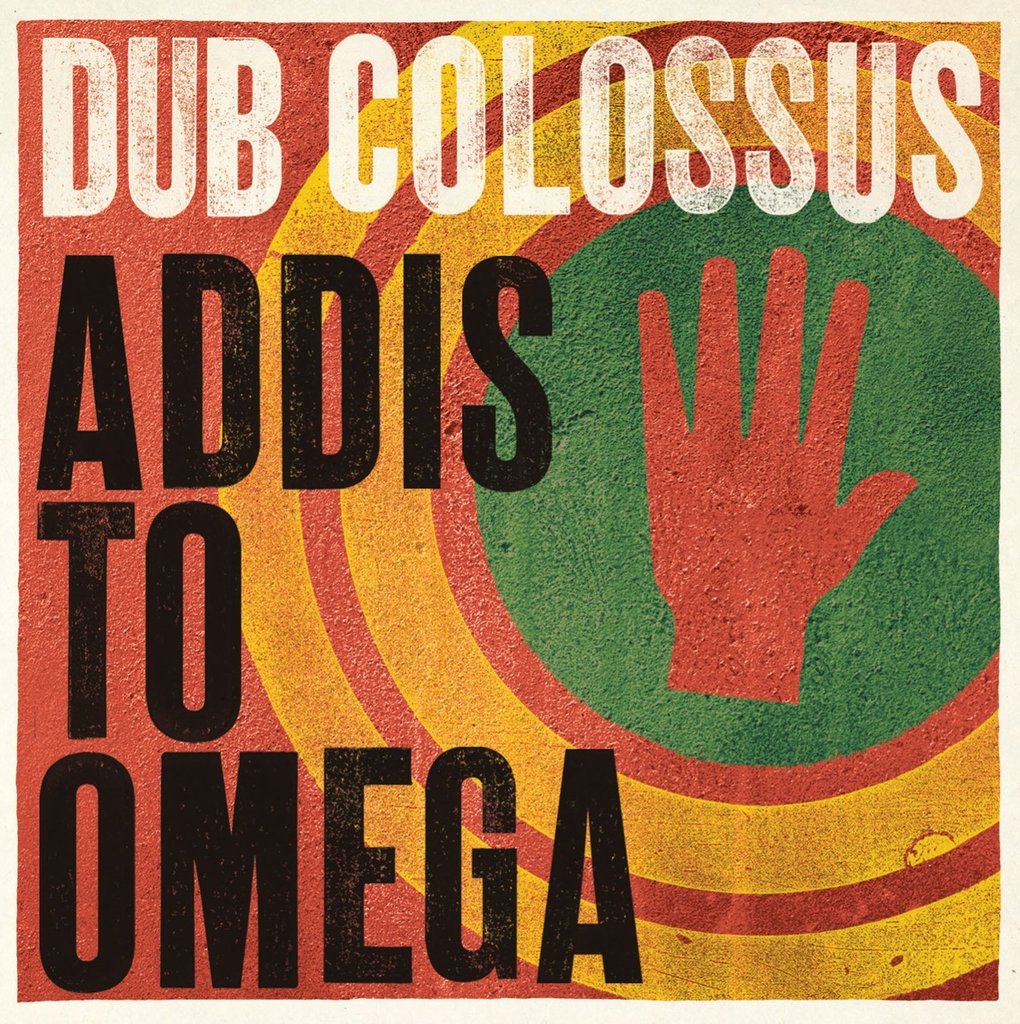
| 2008 | Release of A Town Called Addis (Real World Records), first album |
| 2011 | Release of Addis Through the Looking Glass (Real World Records); Dub Me Tender follows |
| 2011–2012 | Release of the volumes Dub Me Tender and a cover version: return to a dub-heavy formula |
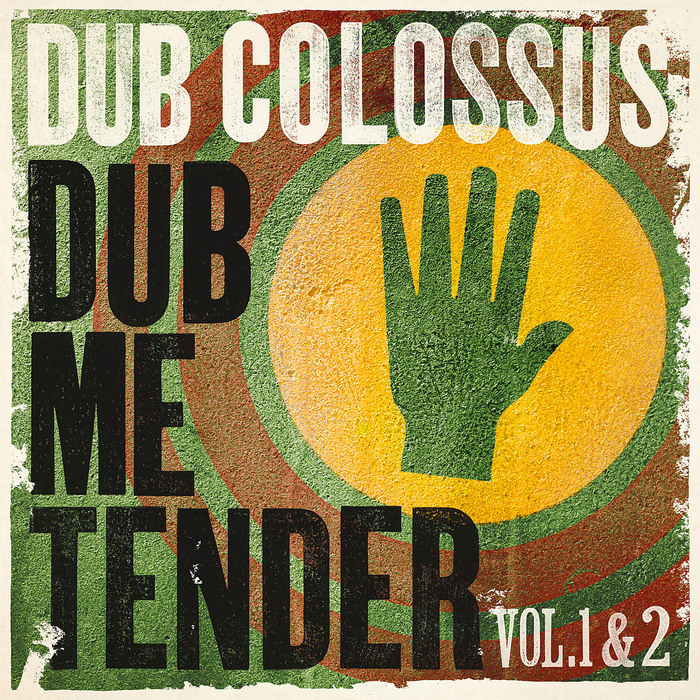
| 2013 | Dub Me Tender, Vols. 1 & 2 (CD and digital) |
| 2015 | Live scene: Musicport, Islington Assembly Hall |
| 2019 | Dr. Strangedub (Or: How I Learned To Stop Worrying & Dub The Bomb) — album funded by crowdfunding |
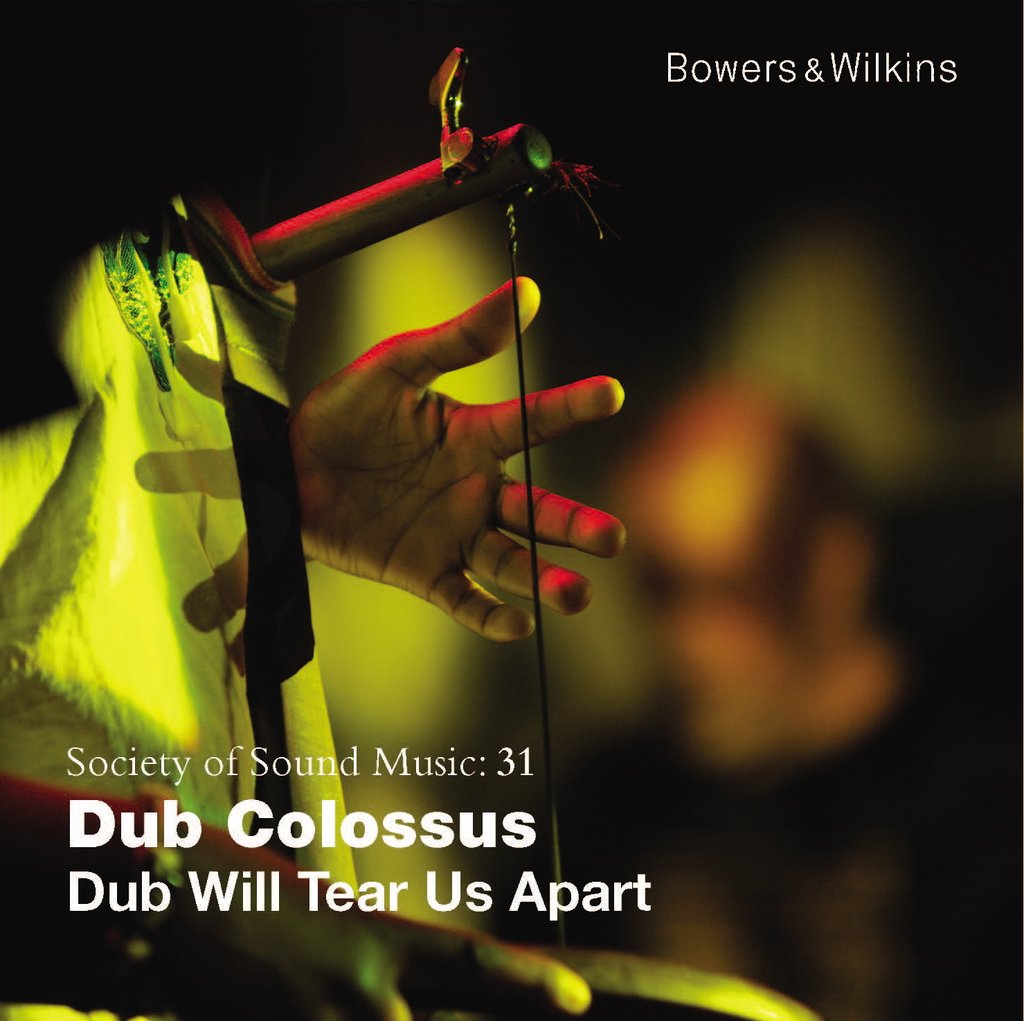
| 2021 | Death of Nick Page, May 11; the album Dub Will Keep Us Together (posthumous) follows |
From reggae to dub: origins and formation of Nick Page
Nick Page was born in Marburg, north of Frankfurt, to a Greek mother (Pelagia Oikonomou) and an English painter father (David Page). After the divorce, he lived with his father; from adolescence, he was a guitarist obsessed with music. He played in several school groups, including a reggae formation where he was the only white person. At Woodberry Down (North London), his passion for guitar quickly intertwined with dub influences: his audience already recognized him as a unique musician.
He began his career with Mykaell Riley, founder of the Jamaican group Steel Pulse. In 1990, he formed Transglobal Underground with Tim Whelan and Hammid Man-Tu — a programmed music collective mixing Asian, Jamaican and African influences — for whom he produced, wrote and played on six albums. He said he wanted to « attract an audience who wanted to dance – but not to techno », and his goal remained to « constantly surprise ». In 1997 he left the collective to co-found Temple of Sound with Neil Sparkes. His producer career became prolific: according to him, « about 250 albums and singles ».
The meeting in Addis Ababa: birth of the project
In August 2006, Nick Page went to Addis Ababa on the invitation of Dan Harper — for whom he followed musicians for Invisible System, an ethnic fusion project. The invitation had been pressed for a year: the musician recognized that his friend « It took a friend a year of pleading to convince Page to visit Ethiopia ». This week-long trip turned into two years of musical work and gave birth to the first album, A Town Called Addis.
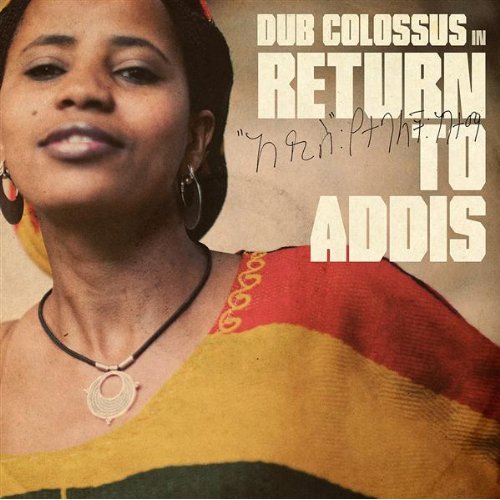
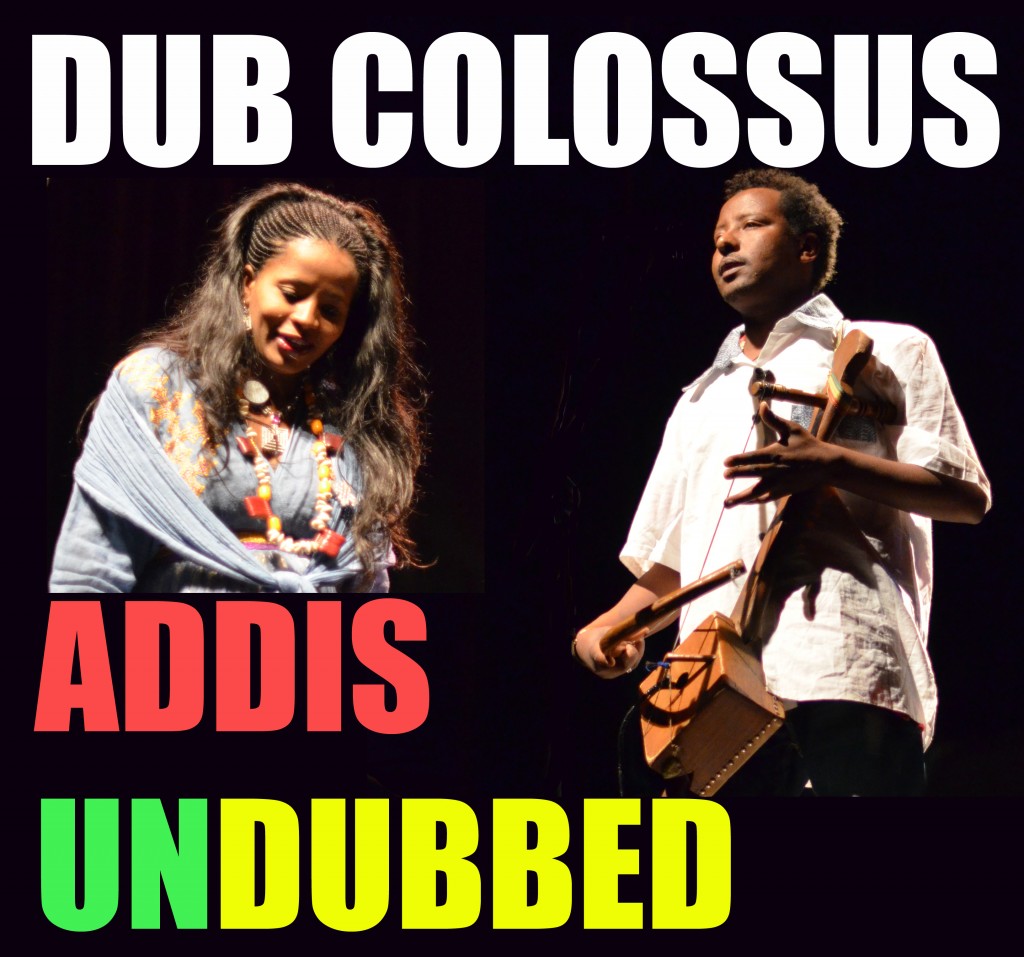
The musicians met became the core of the project: Sintayehu « Mimi » Zenebe (singer, owner of a nightclub in Addis Ababa), Tsedenia Gebremarkos (Ethiopian pop), Samuel Yirga (pianist, very young at the time), Feleke Hailu (saxophonist and veteran jazzman) and Teremage Woretaw, traditional Azmari singer who plays messenqo (one-string violin). According to one account, « Dub Colossus had Mimi and Teremage, who were both Azmaris from a very core part of Ethiopia called Gondar ». Back in the United Kingdom, Nick Page added Bernard O’Neill, Paul Chivers, Dr Das (from Asian Dub Foundation), Nick Van Gelder and Toby Mills to the line-up.
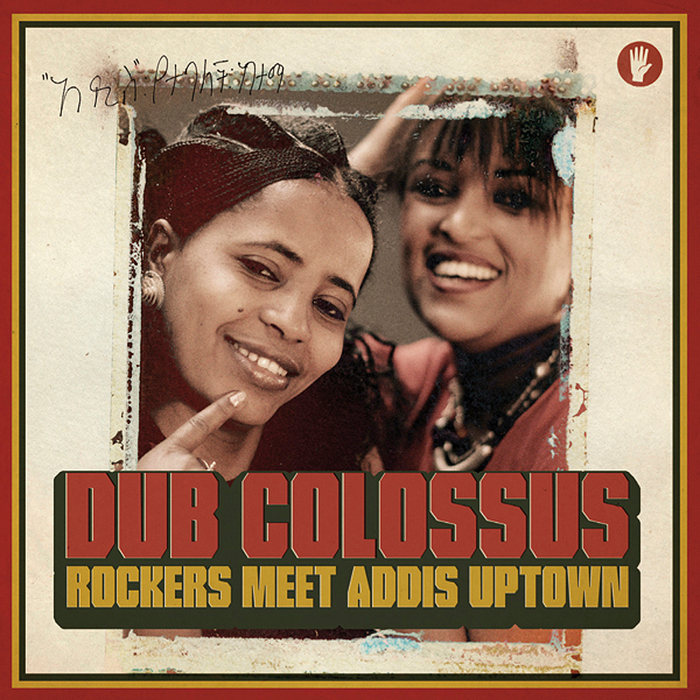
The project mixes traditional Azmari, 60s and 70s Ethiopian pop, Ethiojazz and 70s dub reggae. NPR describes the result: « Originally a solo project by a lone producer, it literally took a village to create it. »
A Town Called Addis and Addis Through the Looking Glass: consecration
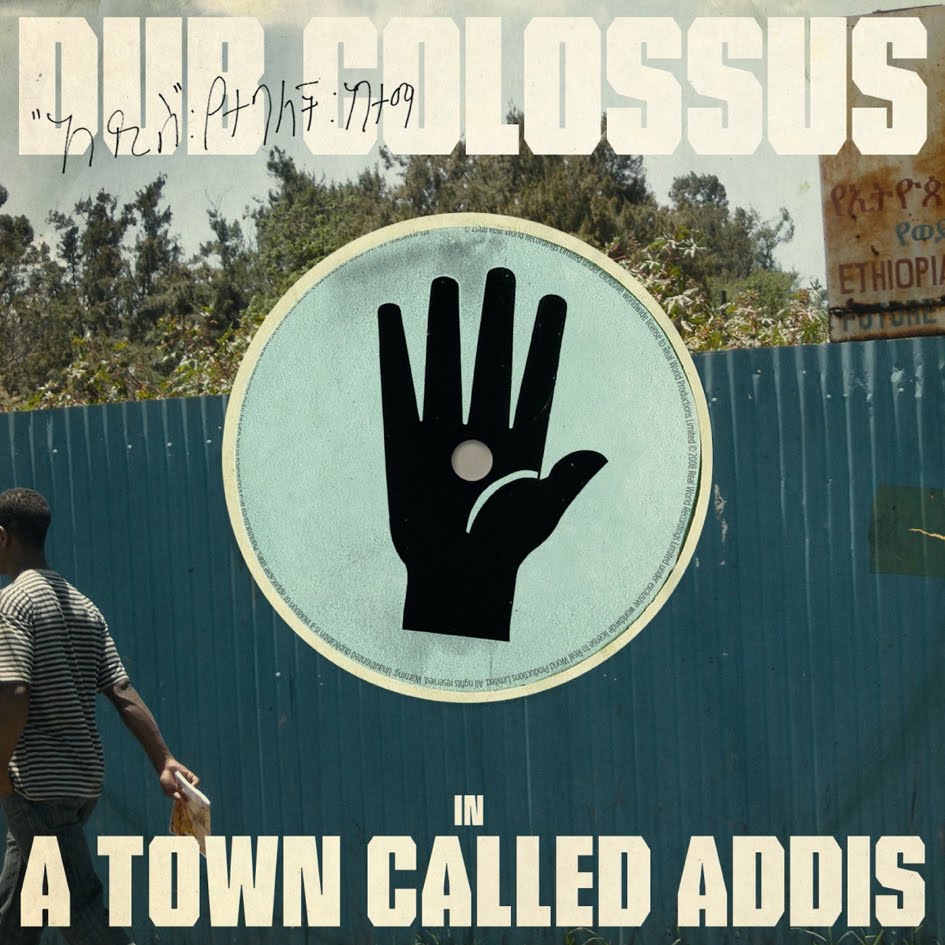
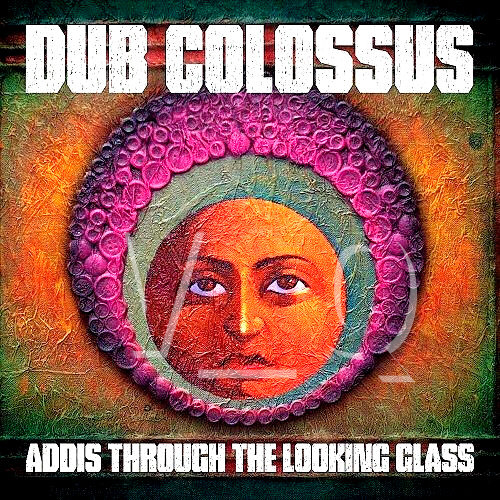
Released in October 2008, A Town Called Addis is the first album of the project. The Guardian and Q Magazine made it a tribute to Ethiopian music with a dub re-reading. The BBC evokes it as an inspired fusion and praises Addis Through the Looking Glass (2011) — album that pushes experimentation further with a more prominent Ethiopian line-up. The songs mix azmari, Ethiojazz and dub reggae; the BBC speaks of « an even more complex stew » mixing hard bop, psychedelic rock and streetwise RnB.
Major works
| Work | Year | Why it’s essential |
|---|---|---|
| A Town Called Addis | 2008 | First album: sets the azmari/Ethiojazz + dub formula and gathers praise from The Guardian, Q Magazine and NPR |
| Addis Through the Looking Glass | 2011 | Second album: more dominant Ethiopian line-up, praised by the BBC as an inspired fusion |
| Dub Me Tender (Vols. 1 & 2) | 2013 | Dub-heavy reworking of existing tracks, in the tradition of Joe Gibbs’ African Dub |
| Dr. Strangedub | 2019 | Final long album of the series, funded by crowdfunding and very well received by critics |
Heritage and influence
Dub Colossus marked a scene that had disappeared under the repression of the Mengistu regime (breweries and jazz sections) by restoring Ethiopia’s place in the dub reggae landscape. In 2019, Dr. Strangedub arrived via crowdfunding; in 2021 Nick Page died (May 11) at the age of 60, and Dub Will Keep Us Together — posthumous album — completed the Real World Records series. Mykaell Riley described him as « an experimentalist », a musician who needed to create a project to express himself. Remixes — Toots & The Maytals, Tom Tom Club, Natacha Atlas — and covers of Ethiopiques continue to live on in his legacy.
Sources and references
- « Dub Colossus - Real World Records », Real World Records, https://realworldrecords.com/artists/dub-colossus/, accessed 25 November 2026.
- Sarah Bardeen, « Dub Colossus Brings Reggae To Ethiopia », NPR, 8 October 2008, https://www.npr.org/2008/10/08/95511851/dub-colossus-brings-reggae-to-ethiopia, accessed 25 November 2026.
- David Katz, « Dub Colossus — Addis Through the Looking Glass Review », BBC Music, https://www.bbc.co.uk/music/reviews/m59p/, accessed 25 November 2026.
- Robin Denselow, « Nick Page obituary », The Guardian, 18 May 2021, https://theguardian.com/music/2021/may/18/nick-page-obituary, accessed 25 November 2026.
- « Dub Colossus », Music in Africa (Stanley Gazemba profile), https://musicinafrica.net/directory/dub-colossus/, accessed 25 November 2026.
- Angel Romero, « Artist Profiles: Dub Colossus », World Music Central, 17 January 2018, https://worldmusiccentral.org/artist-profiles-dub-colossus/, accessed 25 November 2026.
- Andrei Bucureci, « Nick Dubulah aka Dub Colossus - Interview », Louder Than War, 6 November 2023 (interview from 2020), https://louderthanwar.com/nick-dubulah-aka-dub-colossus-interview/, accessed 25 November 2026.