Biography
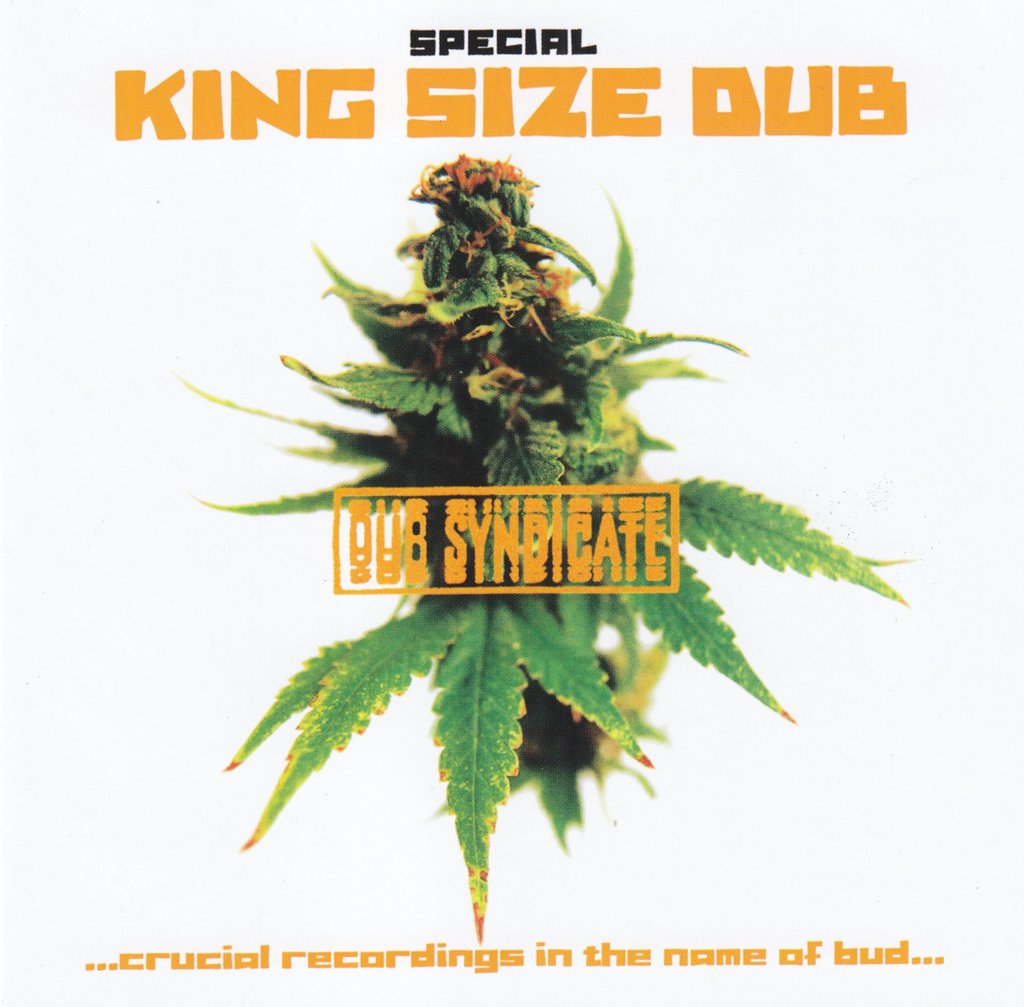
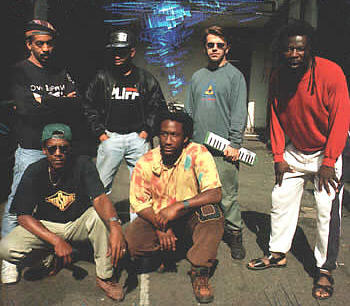
Dub Syndicate
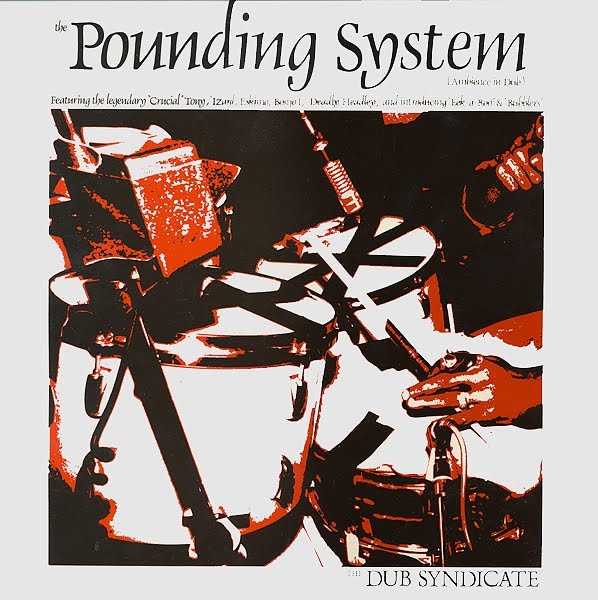
London, 1982. In the vast stone halls of Manor Studio, Adrian Sherwood set reggae rhythms charged with a monstrous bass on fire. The British producer manipulated echoes like a futuristic sound engineer, transforming basslines originating from Kingston into distorted soundscapes. This first album, The Pounding System, laid the foundations for a sound that would defy all categories — neither pure reggae nor pure electronic. Dub Syndicate, Sherwood’s project, was born.
In Brief
| Band Name | Dub Syndicate |
| Formation | 1982, London, United Kingdom |
| Genres | Dub, reggae, electro-dub |
| Labels | On-U Sound Records, Lion & Roots |
| Founding Members | Adrian Sherwood (producer), Lincoln “Style” Scott (drums) |
| Notable Works | The Pounding System, Time Boom X De Devil Dead, Stoned Immaculate |
| Status | Inactive since 2014 (death of Style Scott) |
Key Dates
| Year | Event |
|---|---|
| 1982 | Release of The Pounding System, the band’s first album |
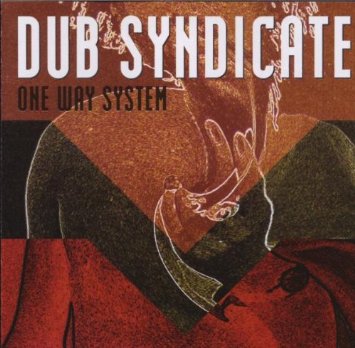
| 1983 | One Way System, released first on cassette via the ROIR label (New York) |
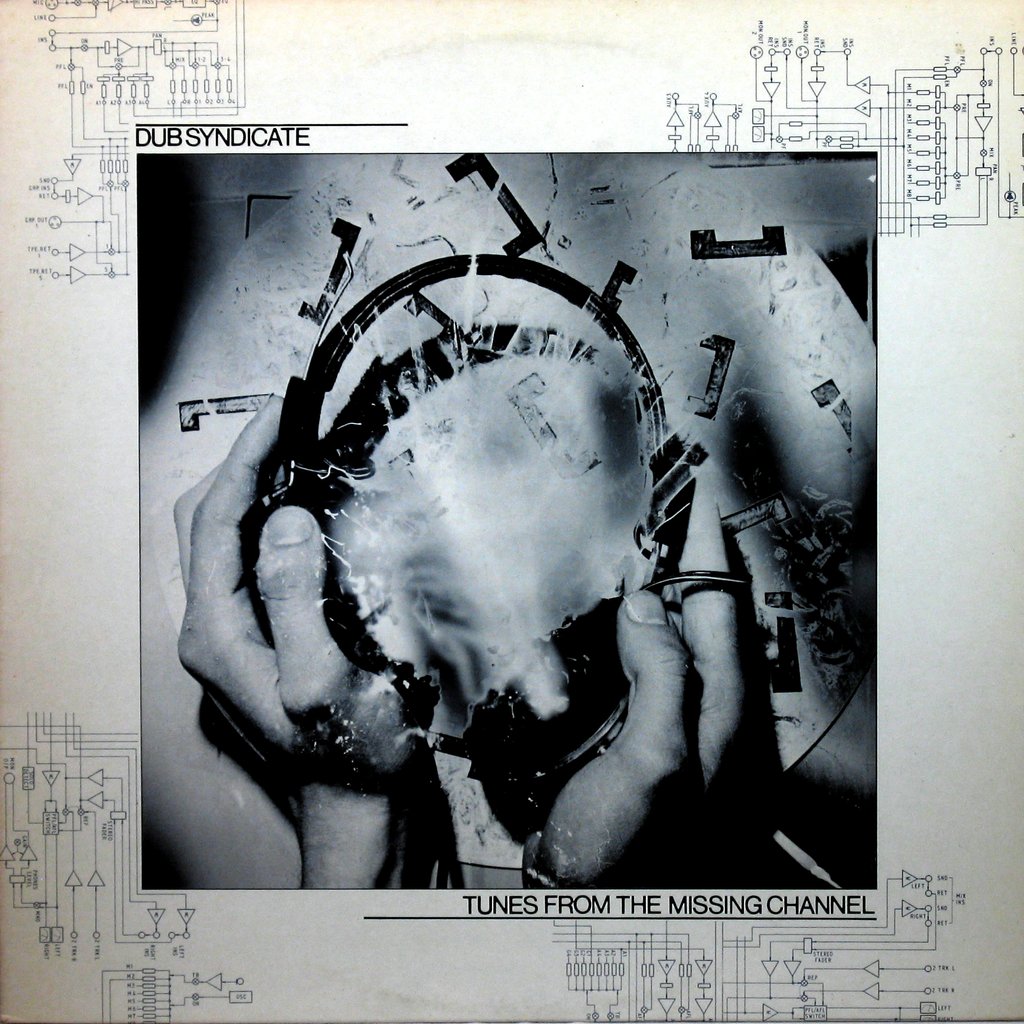
| 1985 | Tunes from the Missing Channel, turning towards a more experimental and technological dub sound |
| 1987 | Collaboration with Lee “Scratch” Perry: Time Boom X De Devil Dead (EMI) |
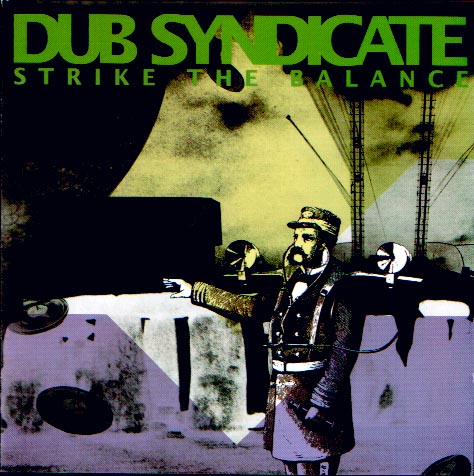
| 1989–1996 | UK-Jamaica collaboration period: Strike the Balance, Stoned Immaculate |
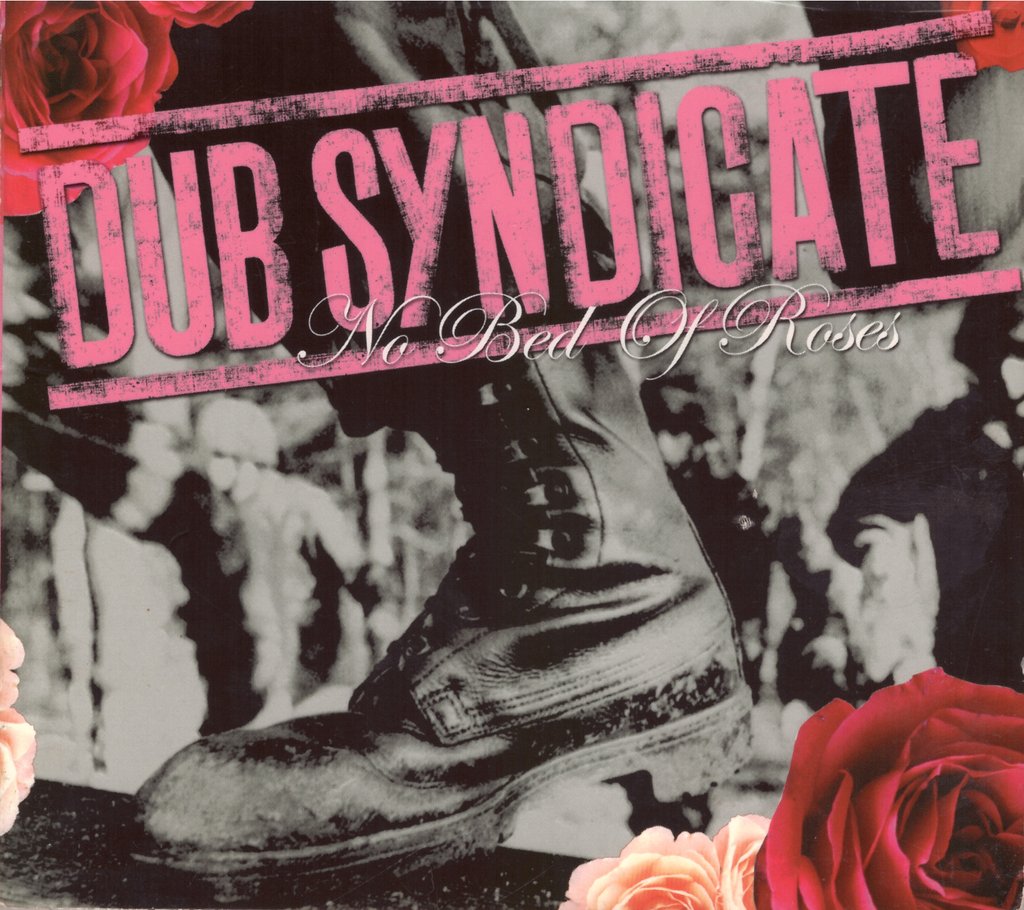
| 2004 | No Bed of Roses, last studio album with Style Scott during his lifetime |
| 2014 | Death of Style Scott, on October 9th, assassinated at his home in Manchester Parish, Jamaica |
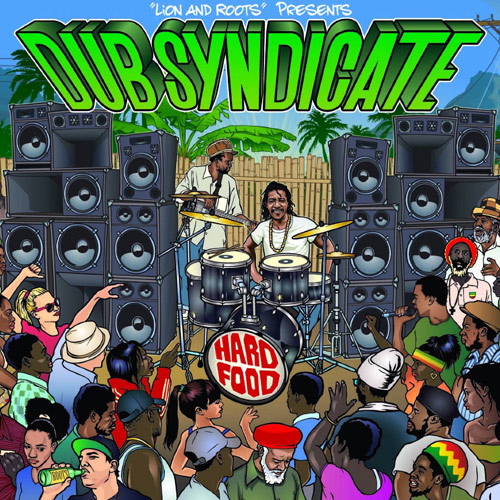
| 2015 | Hard Food released posthumously, the band’s first studio album in eleven years |
| 2017–2025 | Major reissues: Ambience in Dub (1982–1985) and Out Here on the Perimeter 1989–1996 |
Origins: from Roots Radics to the On-U Sound Laboratory
Lincoln Valentine Scott, known as Style, was born on April 29, 1956, in Chapelton, Clarendon Parish, Jamaica. Initially a member of the Jamaican army’s musical corps, he entered the reggae session circuit in the late 1970s. In 1978, he co-founded the Roots Radics with bassist Errol Holt and guitarist Eric Lamont. The group became the reference rhythm section for the biggest names: Bunny Wailer, Gregory Isaacs, Barrington Levy. Scott’s style — a metronomic precision allied with a deep and heavy groove — attracted the attention of an increasingly wider audience outside Jamaica.
Towards the beginning of the 1980s, Scott toured Europe with singer Prince Far I and met Adrian Sherwood, a British producer who had just created the On-U Sound label. Sherwood was looking for musicians capable of incorporating his sound experiments into reggae roots. Scott answered the call. He quickly became a pillar of the On-U collective, playing on as varied projects as African Head Charge, New Age Steppers, Bim Sherman and Creation Rebel.
The On-U Sound label functioned like a sort of music production house: Sherwood assembled musicians coming from reggae, British post-punk and electronic music, and had them record in various London studios. Dub Syndicate was born from this effervescence, with The Pounding System as the first official launch in 1982.
“Dub Syndicate was a home for my own experiments,” Sherwood explains in a 2025 interview. “We had discovered a looping system on the AMS delay, before the existence of digital drum machines, which allowed us to record and play back sound samples. These early recordings are much more interesting than entire productions based on a grid.”
Evolution: three phases, one unique sound
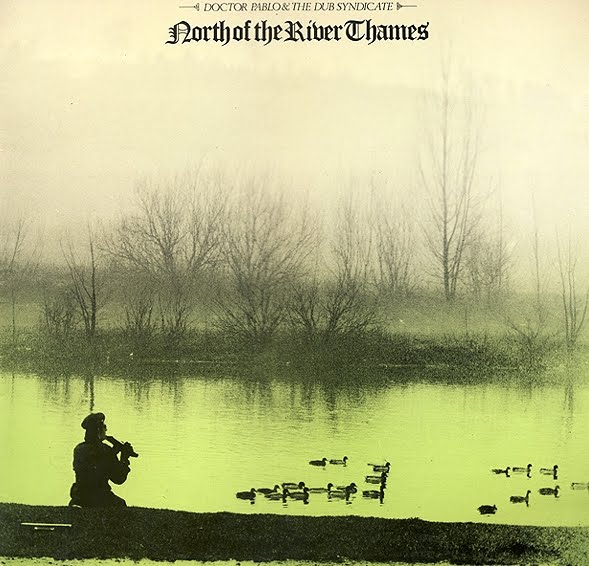
Dub Syndicate’s recording career is divided into three distinct periods. The first (1982–1985) was purely experimental and studio-based, driven almost exclusively by Sherwood. The albums The Pounding System, One Way System, North of the River Thames and Tunes from the Missing Channel pushed the limits of dub by incorporating innovative electronic techniques. The Manor studio, with its vast stone hall, particularly influenced this first sound.
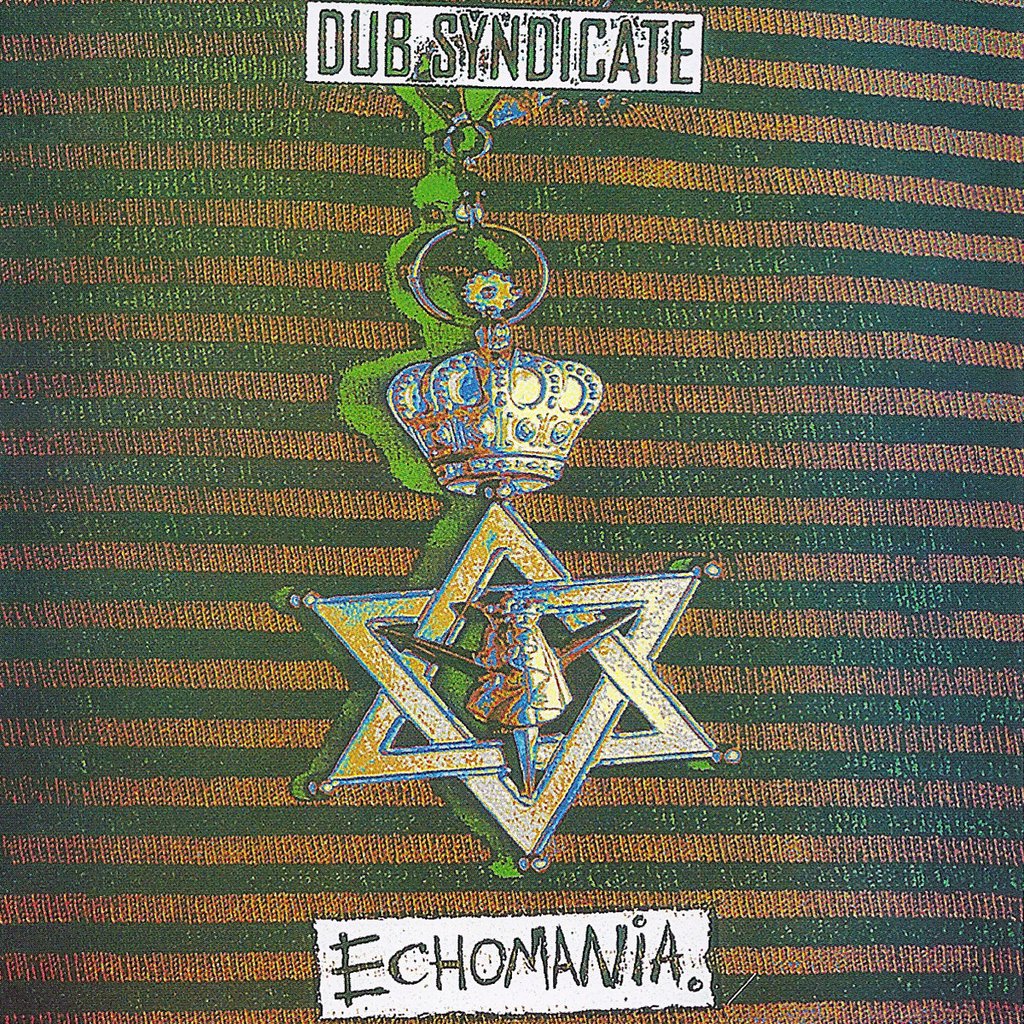
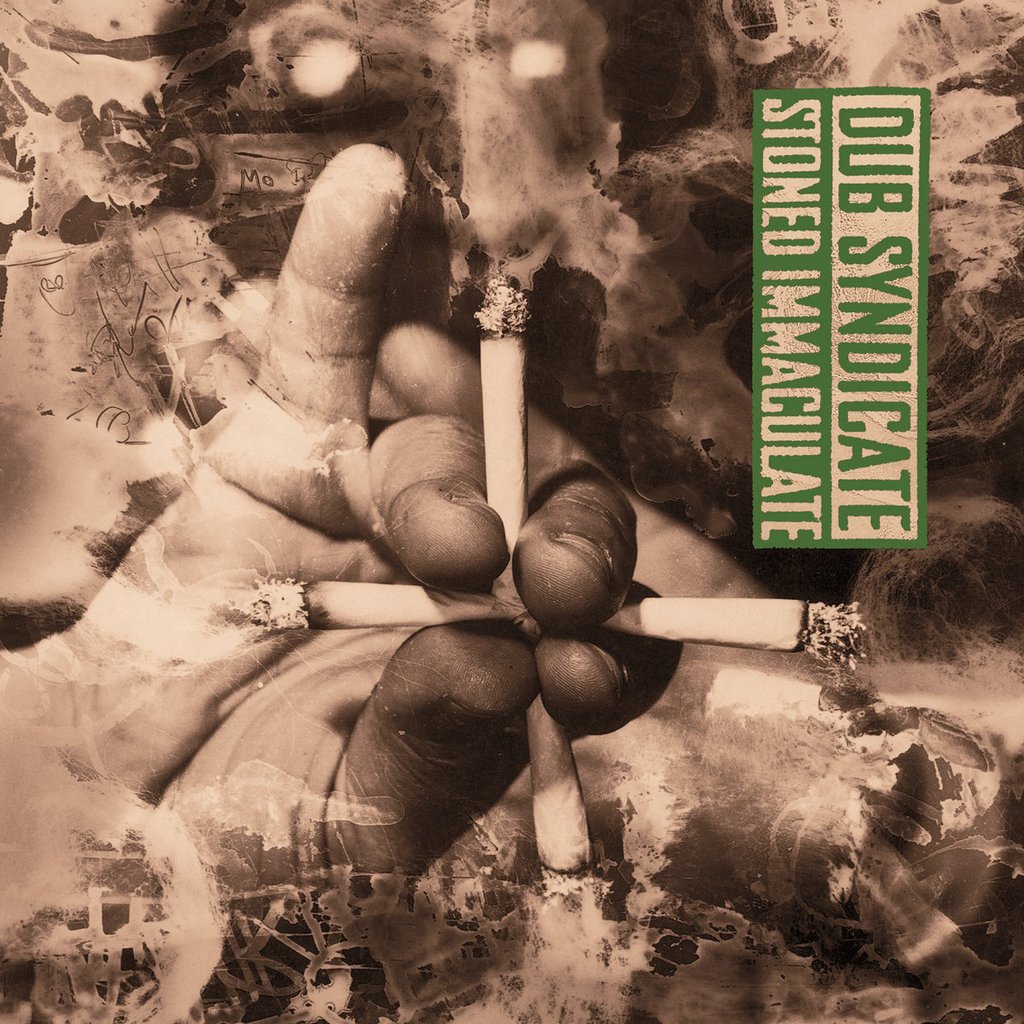
The second phase saw Scott take the lead: he built the rhythms in Kingston while Sherwood handled overdubs and final mixing from his Walthamstow studio. This cooperation resulted in memorable collaborations with Lee “Scratch” Perry on Time Boom X De Devil Dead (1987) and From the Secret Laboratory (1990), as well as albums like Stoned Immaculate (1991) and Echomania (1994), featuring appearances by Perry, Michael Franti and Talvin Singh. The group also became a remarkable live act starting with Strike the Balance (1989).
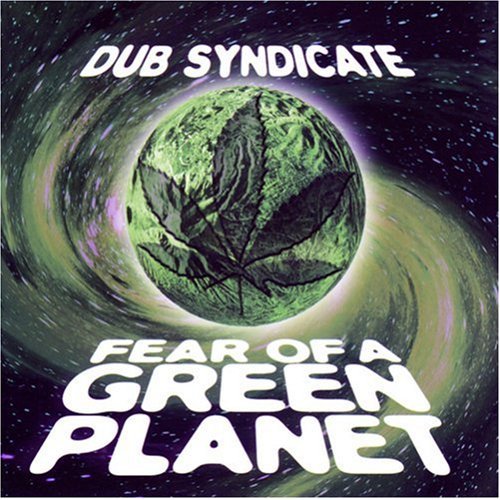
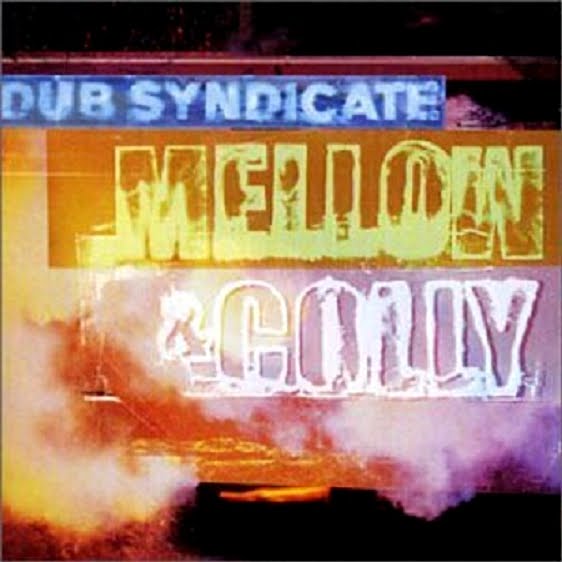
In the third phase, Scott launched his own label Lion & Roots and took charge of the Dub Syndicate project. He toured America, Europe and Japan with a solid lineup, steering the music towards more vocal tracks. The albums Mellow & Colly and Fear of a Green Planet (both in 1998) were released on this label. In 2014, the site Largeup.com ranked Scott fourth in his list of the ten best reggae drummers.
Major Works
| Work | Year | Why it’s essential |
|---|---|---|
| The Pounding System | 1982 | Foundational album that laid the foundations of the On-U Sound sound: crushing basses, experimental dub |
| Time Boom X De Devil Dead (with Lee “Scratch” Perry) | 1987 | Mythic meeting between the British producer and the Black Ark legend |
| Stoned Immaculate | 1991 | Peak of the collaboration period, mixing pure dub and vocal reggae |
| No Bed of Roses | 2004 | Scott’s last album with Dub Syndicate, warm and accessible |
Heritage and influence
Dub Syndicate left an indelible mark on the history of dub. The group successfully fused Jamaican reggae traditions with British post-punk and experimental electronics, creating a hybrid sound that continues to influence contemporary producers. Following the death of Style Scott in 2014, his colleagues and the global reggae community paid tribute to a musician whose role in the evolution of modern reggae remains largely underestimated. The group was ranked fourth on Largeup.com’s list of the best reggae drummers.
Sherwood continued to transmit the Dub Syndicate sound through On-U Sound, publishing high-quality reissues and remix projects such as Obscured by Version (2025), which revisits material from the 1989–1996 period with new overdubs. Each Dub Syndicate album is distinguished by its own sonic identity—perfect dub sequences for extended listening, while offering DJs gems to sample. The group’s legacy lies in its constant ability to explore the limits of dub without ever renouncing it.
Sources and references
- « Dub Syndicate », Wikipédia, https://en.wikipedia.org/wiki/Dub_Syndicate, consulté le 22 novembre 2026.
- « Dub Syndicate — Biography », AllMusic, https://www.allmusic.com/artist/dub-syndicate-mn0000210697/biography, consulté le 22 novembre 2026.
- « Interview / Adrian Sherwood on Dub Syndicate », Ban Ban Ton Ton, 19 février 2025, https://banbantonton.com/2025/02/19/interview-adrian-sherwood-on-dub-syndicate, consulté le 22 novembre 2026.
- « Adrian Sherwood & On-U Sound », The Second Disc, https://theshfl.com/guide/Adrian-Sherwood--OnU-Sound, consulté le 22 novembre 2026.
- « Style Scott obituary », The Guardian, 30 octobre 2014, https://www.theguardian.com/music/2014/oct/30/style-scott, consulté le 22 novembre 2026.
- « Dub Syndicate », Discogs, https://discogs.com/artist/7871-Dub-Syndicate, consulté le 22 novembre 2026.