
Biography
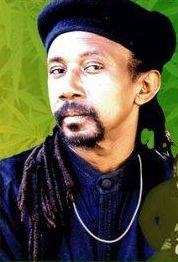
Edi Fitzroy
Jamaica, 1980s. Dancehall arrives in force — electric rhythms and « slackness » flooding the airwaves. In this landscape, Edi Fitzroy embodies another path: that of the singer who refuses to close his eyes. His track “Princess Black”, released in 1984, becomes the anthem of a generation of strong, independent black women. Thirty years later, Jamaicans continue to sing these lyrics.
In Brief
| Full Name | Fitzroy Edwards |
| Stage Name | Edi Fitzroy |
| Birth | November 17, 1955, Chapelton, Clarendon parish, Jamaica |
| Death | March 4, 2017 (61 years), May Pen, Clarendon parish |
| Field | Singer / Songwriter — reggae, « conscious » dancehall |
| Notable Works | “Princess Black”, “The Gun”, “Check for You Once” |
| Awards | Rockers Award « Most Conscious Performer » (1984), Press Association of Jamaica Award (1982) |
Key Dates
| Year | Event |
|---|---|
| 1955 | Born in Chapelton, Clarendon; son of Vasco Edwards, sound system operator |
| 1969 | Moves to Kingston with his mother after his parents’ divorce |
| 1973 | Hired as accountant at JBC (Jamaica Broadcasting Corporation) |
| 1978 | First hit “Miss Molly Colly” — Jamaican Top 10; first UK tour supporting the Clash |
| 1982 | Check for You Once n°1 for four weeks in Jamaica |
| 1984 | “Princess Black”; Rockers Award for Best Conscious Artist |
| 1985 | First reggae artist at London’s Royal Festival Hall |
| 1993 | Deep in Mi Culture recorded at the Bob Marley Museum; US tour with Massawa |
| 1995 | Resigns from JBC to dedicate himself fully to music |
| 2017 | Death on March 4 at May Pen hospital |
From Accountant to Voice of Conscious Reggae
Edi Fitzroy was born on November 17, 1955, in the cool hills of Chapelton, Clarendon parish. His father, Vasco Edwards, was a sound system operator: the child grew up rocked by the basses that made the walls of street parties tremble. After his parents’ divorce in 1969, the family moved to Kingston. In the Whitfield Town neighborhood, young Edi rubbed shoulders with future reggae artists and discovered these sound systems — like Anchio One — where the voice of the people resonated. He studied accounting at the West Indies Commercial Institute and, in January 1973, joined the JBC as an accountant. He held this position for twenty-two years, while singing on dub tapes in his spare time.
It was this way that Mikey Dread — then the star DJ of the nocturnal « Dread at the Controls » — heard his demos. The presenter launched a decisive recommendation: Pam Hickling, songwriter, financed the first recording. In 1978, “Miss Molly Colly” crossed into the Jamaican Top 10. His fame grew fast enough to take him to England as the opening act for the Clash — a bridge between British punk and Jamaican reggae.
After a dispute with Mikey Dread, Edi Fitzroy turned to Trevor Elliot — nicknamed the « Musical Ambassador » — of the Agency for Public Information. Their collaboration produced Check for You Once (1982), the n°1 album on the Jamaican chart for four weeks, which became the best album from Jamaica in England at that time. The year 1984 marked his peak with “Princess Black”, a track written for his mother and recorded at Channel One studio with Sly Dunbar and Robbie Shakespeare, the most legendary drum and bass players in reggae. The title celebrates the strong, independent black woman:
« She’s a precious, precious, precious woman / Princess Black. / She always, always, always says she’s tougher than a rock. »
Fitzroy won the Rockers Award for « Most Conscious Performer ». The following year, he became the first reggae artist to perform at London’s Royal Festival Hall. Three consecutive « Most Culture-oriented Artist » awards crowned a decade.
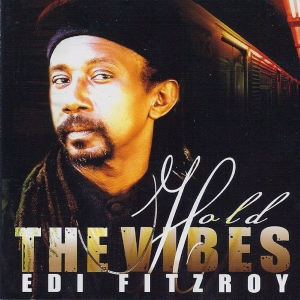
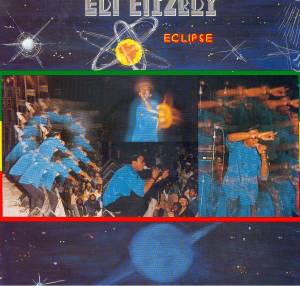
Between 1986 and the 2000s, he multiplied albums — Eclipse (1988), Deep in Mi Culture (1993) recorded at the Bob Marley Museum, Hold the Vibes (2006) — and traveled between Jamaica, the United States, and Europe. In 1995, he definitively abandoned his accounting job to dedicate himself entirely to music and founded Confidence Records. His commitment went beyond the stage: he participated in the charity single « Land of Africa » for victims of famine in Ethiopia, with Rita Marley, Judy Mowatt, and others. He co-founded the organization Music Is Life to create sustainable projects in Africa. A Rastafari « since birth », he stated unequivocally: « I cannot sing fantasies when so many things are going wrong on earth. I must speak of reality, remind people what they forget. » This conviction makes him one of the most respected singers in Jamaican reggae.
Major Works
| Work | Year | Why It’s Essential |
|---|---|---|
| Check for You Once | 1982 | First n°1 album in Jamaica; fused brutal dancehall and conscious lyricism |
| “Princess Black” | 1984 | Female anthem written for his mother; longevity record on the Jamaican chart |
| Eclipse | 1988 | Dancehall-electronic transition; “What a Trick” stayed 23 weeks on the hit parade |
| Deep in Mi Culture | 1993 | Recorded at the Bob Marley Museum; shows that a conscious artist can adopt ragga without betraying his message |
Heritage and Influence
Edi Fitzroy proved that dancehall was not necessarily the genre of the defeated text. His style — often compared to that of Leroy Smart for vocal power, but with a social consciousness that is his own — influenced an entire generation of roots dancehall artists. His approach, which Perfect Sound Forever called “conscious dancehall,” remains a reference for singers who want to combine catchy rhythm and political engagement.
“Princess Black” continues to be covered, remixed, and sung in Jamaican sound systems. Artists like Sizzla (who remixed “Princess Black” in 1997) bear witness to his direct influence. His commitment — from Music Is Life to Peter Tosh concerts and through to women’s communities — shows that his music was not just entertainment: it was a societal project. Thirty years after his first successes, the lyrics of Edi Fitzroy resonate with the same urgency.
Sources and References
- “Edi Fitzroy biography”, Official Site, https://edifitzroy.com, accessed 12 November 2026.
- “Edi Fitzroy”, Wikipedia, https://en.wikipedia.org/wiki/Edi_Fitzroy, accessed 12 November 2026.
- “Edi Fitzroy — Biography, Discography”, AllMusic, http://allmusic.com/artist/edi-fitzroy-mn0000184500, accessed 12 November 2026.
- “Biography: Edi Fitzroy”, Reggaeville, https://reggaeville.com/artist-details/edi-fitzroy/about, accessed 12 November 2026.
- Eric Dourmerc, “EDI FITZROY”, Perfect Sound Forever (Furious.com), https://www.furious.com/perfect/edifitzroy.html, accessed 12 November 2026.
- “Edi Fitzroy — First Class Artist”, Reggae Vibes, https://www.reggae-vibes.com/articles/obituary/2017/03/edi-fitzroy-first-class-artist, accessed 12 November 2026.
- “Edi Fitzroy — Complete Discography”, Roots Archives, https://www.roots-archives.com/artist/323, accessed 12 November 2026.
- “Edi Fitzroy”, The Reggae Museum, https://thereggaemuseum.com/musician/edi-fitzroy, accessed 12 November 2026.