Biography
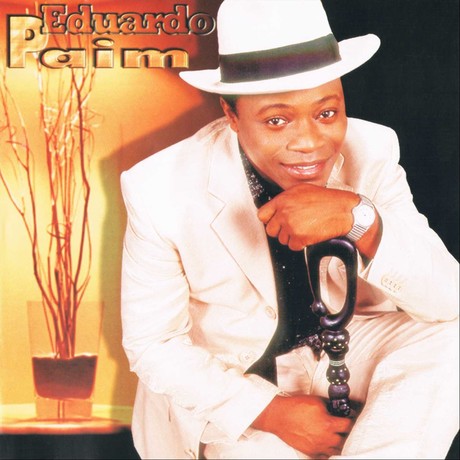
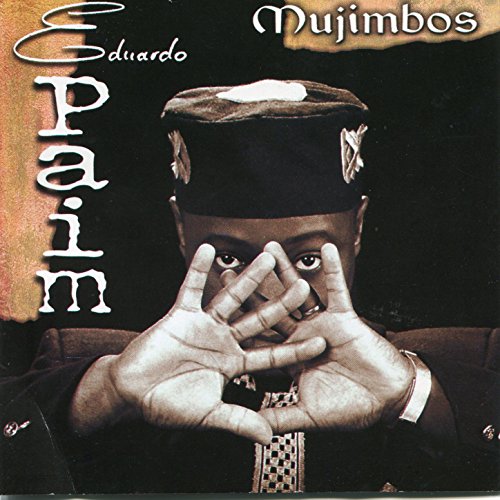
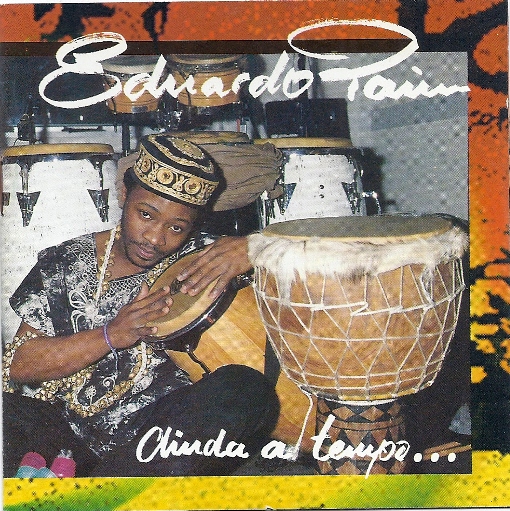
Eduardo Paím
In 1982, in the streets of Luanda, Eduardo Paím founded the group SOS and undertook a bold gamble: slowing down traditional semba to create music that is slower, more sensual, and danceable. Ten years later, this style born in the Angolan capital conquered Lisbon before becoming one of the most danced genres in the world.
In brief
| Full name | Eduardo Paím Ferreira da Silva |
| Birth | April 14, 1964, Brazzaville (Republic of the Congo) |
| Field | Kizomba – fusion of semba and Antillean zouk, danced in couples at a sensual tempo |
| Emblematic works | Luanda, Minha Banda, “Do Kayaya”, “Rosa Baila” |
| Awards | « King of Kizomba » (International Conference 2024), LAC Song Festival podium |
Key dates
| Year | Event |
|---|---|
| 1964 | Birth in Brazzaville, children of Angolans exiled during the independence war |
| 1973 | Return to Angola at the age of 9 |
| 1982 | Founding of group SOS in Luanda with Levi and Bruno Lara Marcellin |
| 1987 | Appearance with Afra Sound Stars, success of the track Carnival |
| 1988 | Departure for Portugal; collaboration with Paulo Flores |
| 1992 | Do Kayaya, first gold record (50,000 copies) |
| 1994 | “Ka-Ne-La” in Kambuengo, the hit that defined the kizomba sound |
| 2006 | Maruvo na Taça, comeback with Bonga and Nancy Vieira |
| 2015 | Etu Mu Dietu, international collaborations (Kassav’, Wemba) |
| 2024 | Crowned « King of Kizomba », honor at the LAC Song Festival |
Trajectory and genesis of kizomba
Eduardo Paím Ferreira da Silva was born on April 14, 1964, in Brazzaville, into a family of Angolans who fled colonization. The independence war drove his parents into exile in the neighboring Congo. In 1973, when the family returned to Luanda at the age of nine, Eduardo discovered an Angola in full reconstruction and a bubbling musical landscape. He began singing as early as 1979 with « Os Puros », then founded group SOS in 1982. The musical breakthrough arrived at the beginning of the 1980s: influenced by semba, Congolese rhythms (kudanse sukusse), Antillean kadanse, and zouk, Eduardo invented a sound slower than semba, dominated by deep basses and electronic percussion, designed for couple dancing.
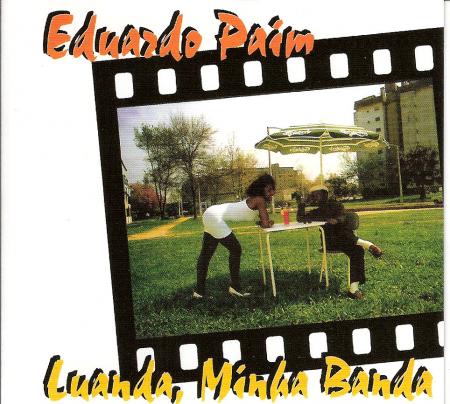
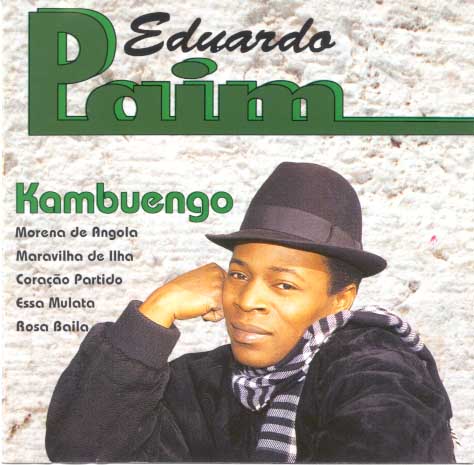
The group became officially known in 1987 thanks to its appearance with Afra Sound Stars and the track Carnival. That same year, Eduardo decided to take a leap: leave Angola for Lisbon and work with Paulo Flores. SOS dissolved shortly after, but Eduardo Paím had already charted his transcontinental path. In Lisbon, his first solo album Luanda, Minha Banda (1991) was well received, but it was Do Kayaya (1992) that offered him his first gold record with more than 50,000 copies. Followed by hits Kambuengo (1993), featuring the song “Rosa Baila”, and then “Ka-Ne-La” (1994), still broadcast at the end of the 2000s.
A severe setback in 1997: an accusation of involvement in drug trafficking almost broke his career. From six concerts a month, his activity dropped to one per year. Instead of fleeing, Eduardo realized an old dream: open his own studio and become a producer. EP Studios was born from this rebirth, and Eduardo Paím supported young Angolan talents: Paulo Flores, Dog Murras, or even Banda Maravilha found training there. In 2006, Maruvo na Taça marked a notable comeback for the singer and reunited Bonga, Yuri da Cunha, and Nancy Vieira. His album Etu Mu Dietu (2015), which means « between us » in Kimbundu, the Bantu language of Luanda, invited Jacob Desvarieux (Kassav’), Papa Wemba, and Grace Evora. Also in 2015, his son Eduardo Jr. was born and welcomed by Isilda Gonçalves, his long-time partner.
In 2020, Eduardo Paím participated in a collective recording of twenty Angolan artists for the national anthem Angola Avante. The year 2024 crowned him « King of Kizomba » during the first International Kizomba Conference in Luanda, and the LAC Song Festival paid tribute to him. Euronews asked him what kizomba is: « I grew up listening to semba, rumba… rhythms from the Congo, a warm music that invites you to dance » (translated from Portuguese).
Major works
| Work | Year | Why it is essential |
|---|---|---|
| Do Kayaya | 1992 | First gold record (50,000 copies), established Eduardo in Portugal |
| “Rosa Baila” | 1993 | The single that defined the kizomba sound: slow, sensual, and danceable |
| Maruvo na Taça | 2006 | Comeback rallying Bonga, Yuri da Cunha, and Nancy Vieira |
| Etu Mu Dietu | 2015 | Stage return with Kassav’ and Papa Wemba |
Legacy and influence
Kizomba is today practiced all over the world, from Lisbon to Beijing, passing through the United States. Eduardo Paím did not merely invent a musical genre: he contributed to giving Angola a strong cultural identity, beyond its oil and warrior clichés. Kizomba has become, according to the Angolans themselves, a national celebration carried on world stages. His musical legacy lives in every international kizomba evening, where thousands of dancers embody the slow and sensual rhythm he shaped in Luanda forty years ago.
Sources and references
- « Eduardo Paím », Wikipedia, https://en.wikipedia.org/wiki/Eduardo_Pa%C3%ADm, accessed November 5, 2026.
- « Eduardo Paim “Sou o precursor da Kizomba” », O País (Medianova), archive 2013-09-27, http://www.opais.net/pt/dossier/?det=21059.
- « Eduardo Paim », AfricOriginal, http://afroriginal.blogspot.com/2012/10/eduardo-paim.html, accessed November 5, 2026.
- Maryam Khalid, « Eduardo Paim: The Father of Kizomba », SalsaGoogle, https://salsagoogle.com/eduardo-paim-the-father-of-kizomba/, accessed November 5, 2026.
- Paul Thomas Plawin, « Eduardo Paím », Bailar Biblioteca, https://getbailar.com/biblioteca/encyclopedia/kizomba/pioneers/eduardo-paim, accessed November 5, 2026.
- Euronews, « Kizomba music helps renew Angola’s cultural identity », https://www.euronews.com/2019/05/29/explore-angola-kizomba-music-helps-renew-angola-s-cultural-identity, accessed on November 5, 2026.
- « LAC Song Festival Honors Singer Eduardo Paim », Africa-Press Angola, https://www.africa-press.net/angola/all-news/lac-song-festival-honors-singer-eduardo-paim, accessed on November 5, 2026.
- « Kizomba », Wikipédia, https://en.wikipedia.org/wiki/Kizomba, accessed on November 5, 2026.