Biography
Elephant Man: The Raw Energy of Jamaican Dancehall
Kingston, 1990s. Behind the grilles of King Jammy’s studio, a young boy with oversized ears lets out screams that shake the walls. His name is O’Neil Bryan, but the playground had already baptized him “Dumbo Elephant.” He would turn this nickname into a seduction weapon: twenty-five years later, Elephant Man performs before crowds chanting his name. Nicknamed the “Energy God,” he shaped the golden age of dancehall, invented planetary choreographies, and signed an American crossover with “Pon de River, Pon de Bank”.
In Brief
| Full Name | O’Neil Norman Bryan |
| Birth | September 11, 1975, Seaview Gardens, Kingston (Jamaica) |
| Genre | Dancehall, reggae fusion — vocal call-and-response style and dance-craze |
| Nickname | “Energy God”, “Elephant Man” |
| Signature Works | “Log On”, “Pon de River, Pon de Bank”, “Willie Bounce” |
| Awards | Nominated for Grammy Award for Best Reggae Album (2009) |
Key Dates
| Year | Event |
|---|---|
| 1975 | Born in Seaview Gardens, Kingston (Jamaica) |
| 1995 | Co-founded Scare Dem Crew with Bounty Killer and other neighborhood youth |
| 1998 | Mythical performance at Reggae Sumfest: climbs a TV crane and sings 15 meters above the crowd |
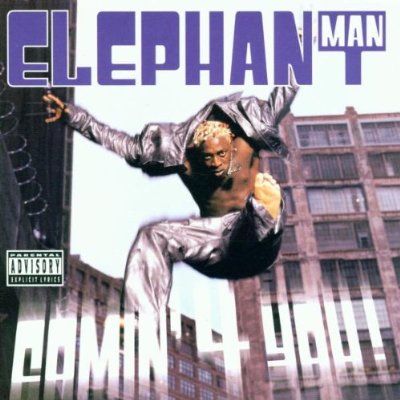
| 2000 | Solo: Comin’ 4 You on Greensleeves Records |
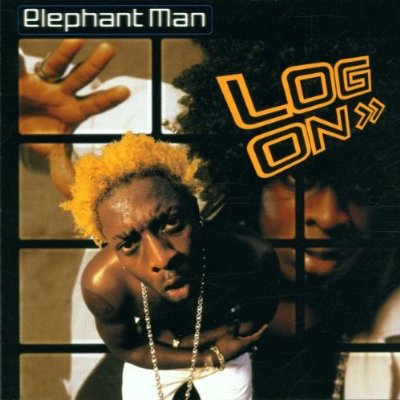
| 2001 | Log On — title track and landmark album; the song addresses the 9/11 attacks |
| 2003 | “Pon de River, Pon de Bank” and Good 2 Go — first American chart entry (#86 Billboard Hot 100) |
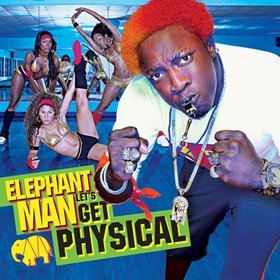
| 2006-2009 | Signed with Bad Boy Records (P. Diddy’s label) and album Let’s Get Physical |
| 2009 | Grammy Award nominations for Let’s Get Physical (lost to Burning Spear) |
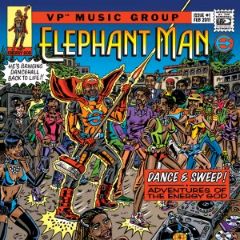
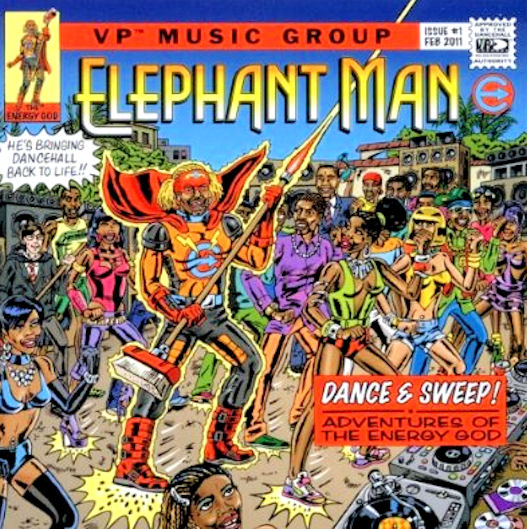
| 2011 | Dance & Sweep! Adventures of the Energy God — return to VP Records with the hit “Nuh Linga” |
| 2013 | Collaboration with Major Lazer on Free the Universe |
A Childhood Nickname Becomes a Stage Name
O’Neil Norman Bryan grew up in Seaview Gardens, a popular neighborhood in Kingston bordered by mythical studios. King Jammy is just meters away; Shabba Ranks and Bounty Killer lived in the same neighborhood. Young Bryan tapped rhythms on his school desk and sang from the studio window. His physical particularity — wide ears — earned the child the nickname “Dumbo Elephant” from his peers.
Shabba Ranks transformed this nickname into a brand: “Elephant Man,” and thus he laid his voice on the neighborhood riddims. The strategy worked. Bounty Killer, who had just released the hit Big Guns Scare Dem, suggested Bryan and other neighborhood teenagers form a group. The Seaview Family became Scare Dem Crew — a name taken directly from Bounty Killer’s single.
Scare Dem Crew multiplied festivals across Jamaica. The turning point arrived at Reggae Sumfest 1998: on stage, Elephant Man climbed a television camera crane and delivered his lyrics fifteen meters above the public. The images circulated, his energy became legendary. But frictions appeared within the group regarding ego and sharing. Elephant Man left Scare Dem Crew, frustrated by what he perceived as a lack of recognition.
The Energy God Conquers the World
In 2000, Greensleeves Records published Comin’ 4 You, the first solo album. Bryan glued hip-hop to dancehall riddims, creating a hybrid sound that appealed beyond Jamaicans. Log On (2001) was a thunderclap: the eponymous title became a planetary anthem and the song directly addressed the 9/11 attacks, attracting international press attention.
Consecration arrived in 2003 with “Pon de River, Pon de Bank”. The title was born from a request by selector Fire Links: “He told me he wanted me to do a song about this dance” (translated from English), he confided to the Jamaica Observer in 2023. Bryan called producer Don Corleon and the arrangement exploded: #86 on the Billboard Hot 100, the first American crossover by a pure dancehall artist. Good 2 Go (Atlantic/VP Records) followed, charting #1 on the Billboard Reggae Albums. “It changed my life a lot” (translated from English), he wrote to the Jamaica Observer — María Carey had ranked the song at the top of her countdown, according to the same article.
North America took notice. In 2006, P. Diddy signed Elephant Man to Bad Boy Records. Let’s Get Physical (2008), produced to New York hip-hop standards, charted #2 on Reggae Albums and #38 on R&B/Hip-Hop. The single “Five-O” with Wyclef Jean entered the Billboard R&B chart, and the album featured Chris Brown, Busta Rhymes, Shaggy, and Rihanna. It was nominated for the Grammy Award for Best Reggae Album in 2009, facing off against Burning Spear (the winner), Shaggy, and Lee “Scratch” Perry.
Legacy and Influence
Elephant Man popularized the dance-craze era — those tracks designed to provoke collective choreography, where the public becomes part of the song. “Pon de River”, “Willie Bounce”, “Signal the Plane”, “Nuh Linga”: every hit is a call to movement. His stage energy remains a reference, but his career was marked by controversies: homophobic lyrics led to his expulsion from the MOBO Awards in 2004, and several European or North American concerts were canceled for this reason. He also faced personal legal troubles and a COVID controversy in 2020, where he was sued for bypassing quarantine.
Nevertheless, his music does not fade. He appeared on Major Lazer in 2013, covered “Berzerk” by Eminem solo, and his tracks continue to resonate in sound systems worldwide. He remains the man who brought dancehall to the doors of American charts — a school nickname transformed into a stage name, and become an institution.
Major Works
| Work | Year | Why It’s Essential |
|---|---|---|
| Comin’ 4 You | 2000 | Debut solo album: pioneering dancehall/hip-hop fusion on Greensleeves |
| Log On | 2001 | Landmark album; the title track addresses the 9/11 attacks |
| “Pon de River, Pon de Bank” | 2003 | First American dancehall crossover (#86 Billboard Hot 100) — global choreography anthem |
| Good 2 Go | 2003 | #1 Billboard Reggae Albums — international commercial breakthrough |
| Let’s Get Physical | 2008 | Bad Boy Records album, Grammy nomination (2009), featuring Wyclef Jean and Chris Brown |
| Dance & Sweep! | 2011 | Return to VP; “Nuh Linga” — last major Jamaican hit of the decade |
Sources and References
- “Elephant Man (musician)”, Wikipedia, https://en.wikipedia.org/wiki/Elephant_Man_(musician), accessed November 12, 2026.
- “Elephant Man”, Encyclopedia.com, https://encyclopedia.com/people/literature-and-arts/music-popular-and-jazz-biographies/elephant-man, accessed November 12, 2026.
- David Jeffries, “Elephant Man — Biography”, AllMusic, https://www.allmusic.com/artist/elephant-man-mn0000171889, accessed November 12, 2026.
- “Elephant Man”, Dancehall Museum, https://dancehallmuseum.org/artists/elephant-man, accessed November 12, 2026.
- “Elephant Man”, VP Records, https://www.vprecords.com/artist/elephant-man/, accessed November 12, 2026.
- Kevin Jackson, “Elephant Man, dancehall’s Bad Boy”, Jamaica Observer, https://jamaicaobserver.com/2023/09/27/elephant-man-dancehalls-bad-boy-20231018-1901-393539, accessed November 12, 2026.
- “Best Reggae Album Nominees — 51st Grammy Awards (2009)”, GRAMMY.com, https://www.grammy.com/artists/elephant-man/3027, accessed November 12, 2026.