Biography
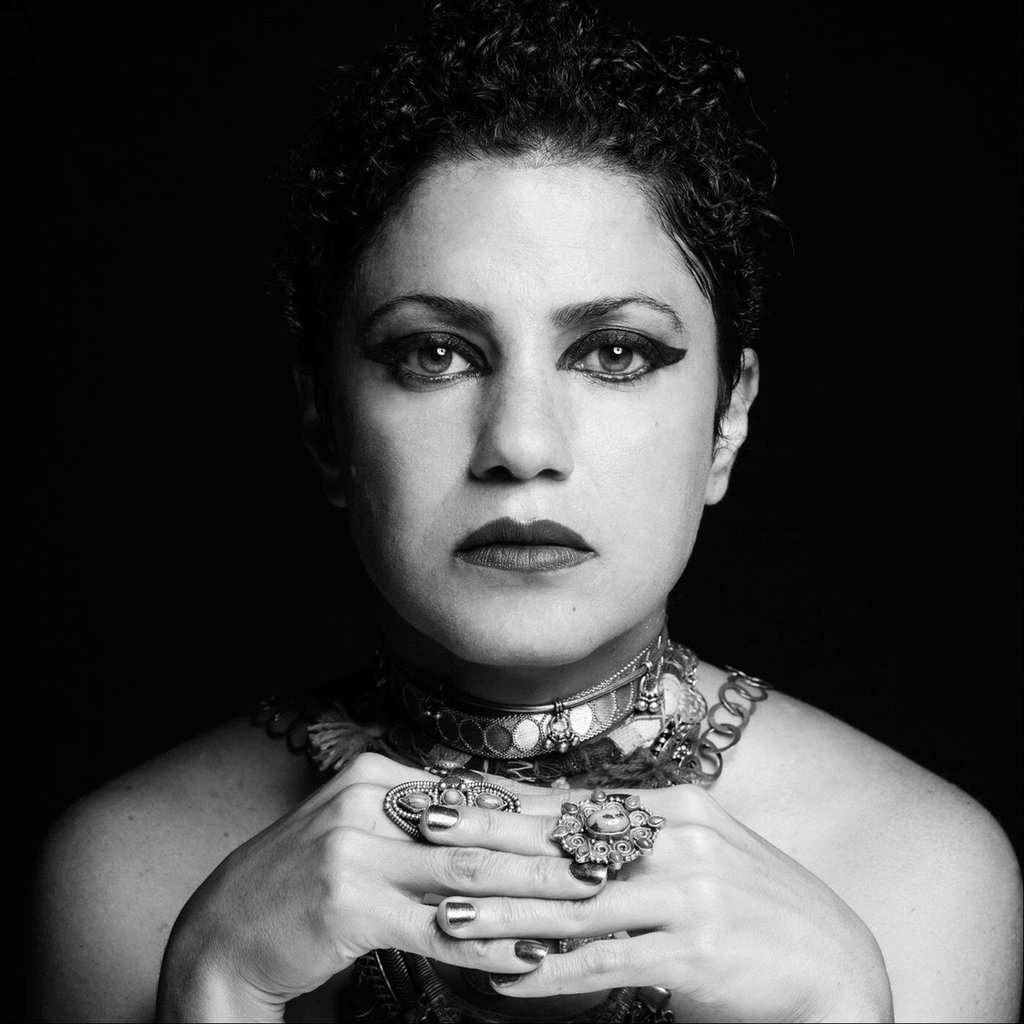
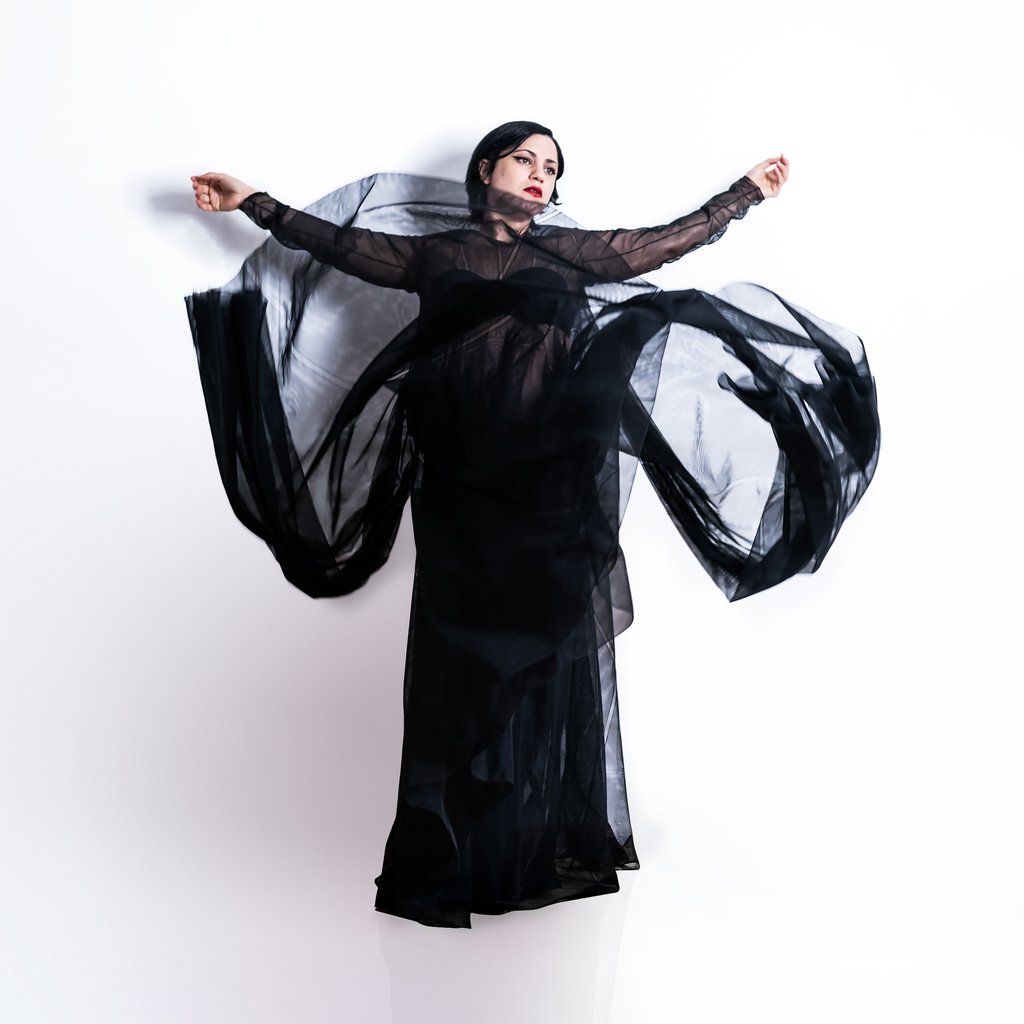
Emel Mathlouthi: the voice that ignited the Arab Spring
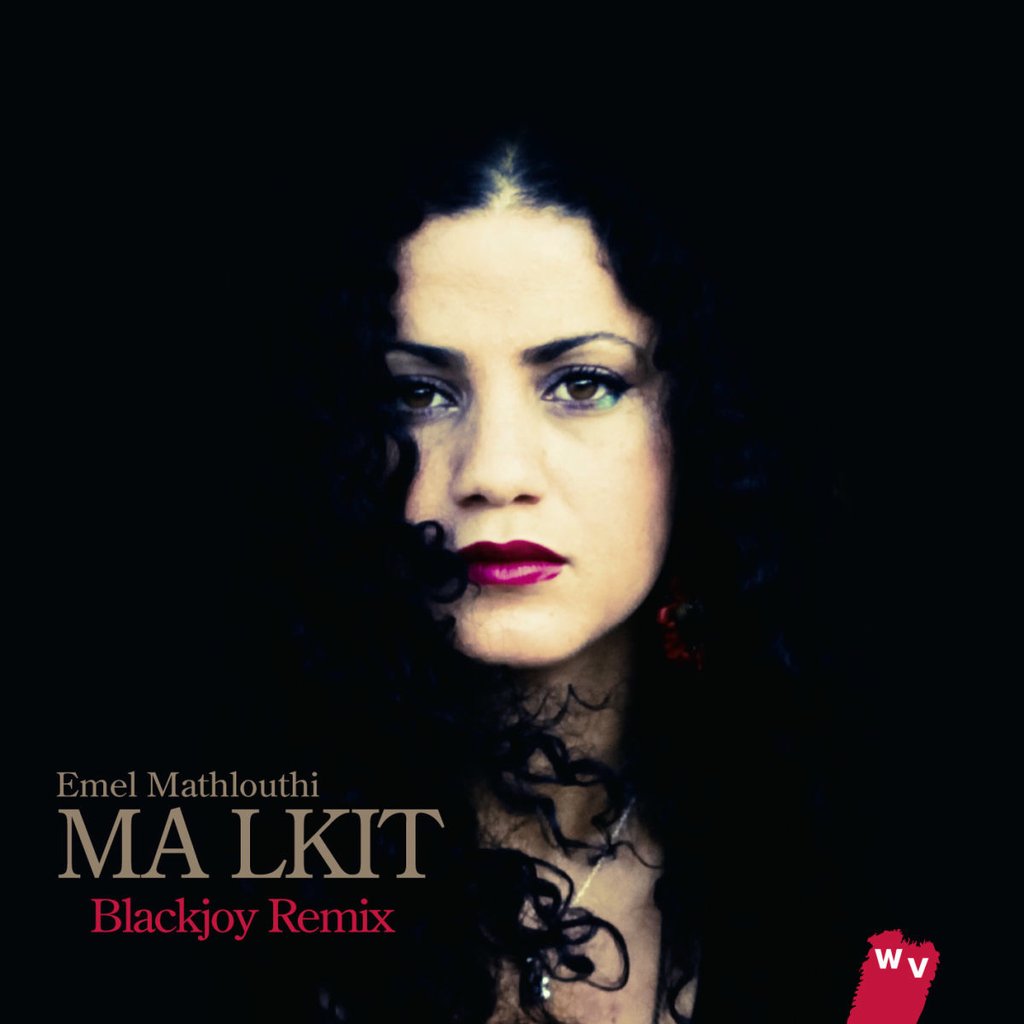
In summer 2007, at the Place de la Bastille in Paris, a young Tunisian woman of barely twenty-six years climbed onto an improvised stage and launched a song that would go around the world: « Kelmti Horra » — « My word is free ». The video broadcast on the internet reached the streets of Tunis and the world discovered an artist whose voice would become the sonic symbol of a nascent revolution.
In brief
| Full name | Emel Mathlouthi (artist: Emel) |
| Birth | 11 January 1982, Tunis, Tunisia |
| Field | Singer-songwriter, musician, producer; world music, trip-hop, experimental electronic |
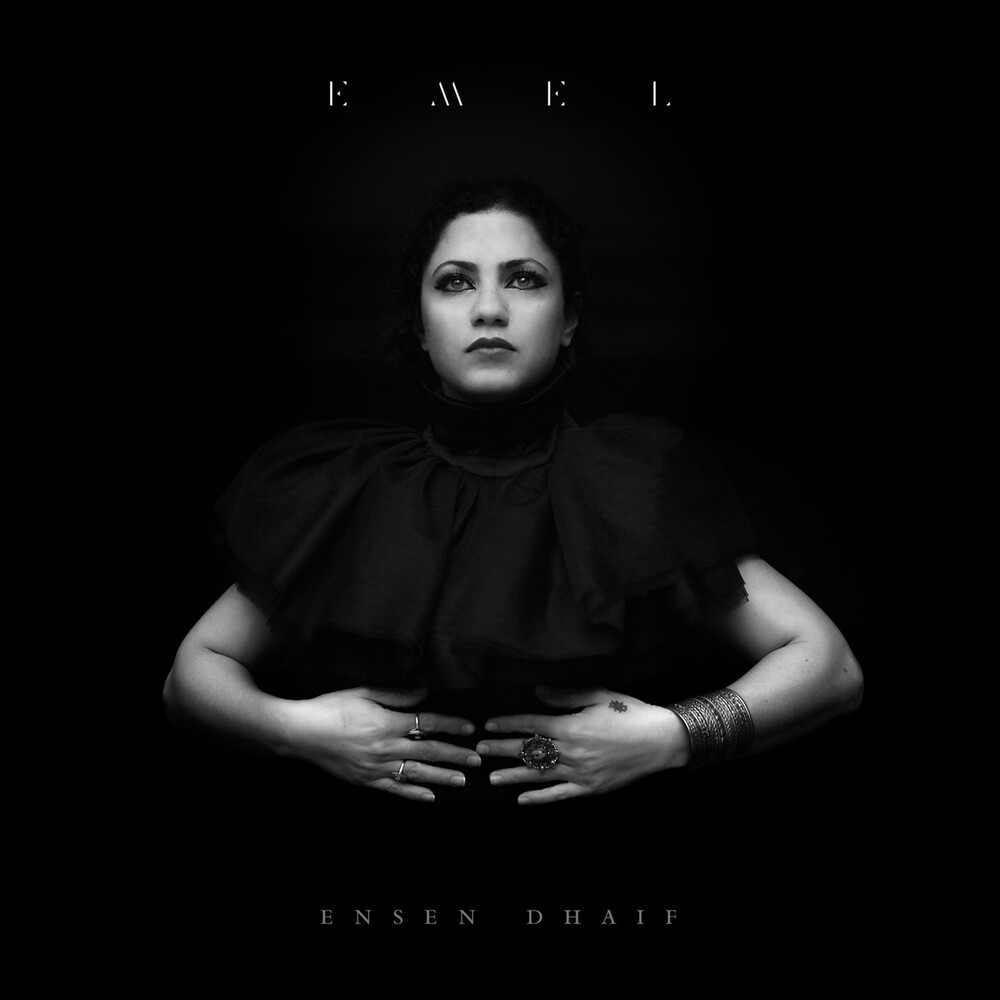
| Iconic works | Kelmti Horra, Ensen, Mra |
| Distinctions | Performance at the 2015 Nobel Peace Prize ceremony |
Key dates
| Year | Event |
|---|---|
| 1982 | Birth in Tunis |
| 1997 | Discovers Joan Baez and turns to committed songwriting |
| 2007 | Place de la Bastille: « Kelmti Horra » goes viral |
| 2008 | Exile in Paris after her songs are banned on Tunisian radio waves |
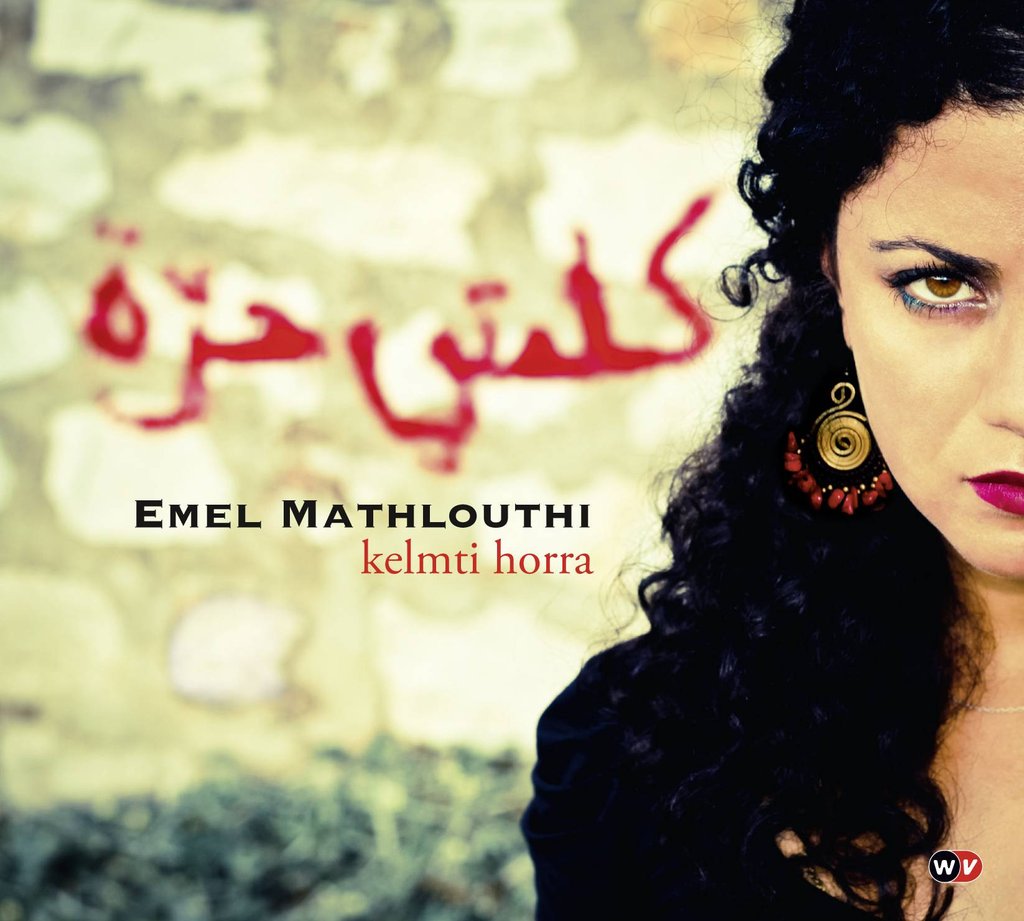
| 2012 | Release of Kelmti Horra |
| 2015 | Performance at the Nobel Peace Prize ceremony in Oslo |
| 2017 | Release of Ensen |
| 2019 | First album in English, Everywhere We Looked Was Burning |
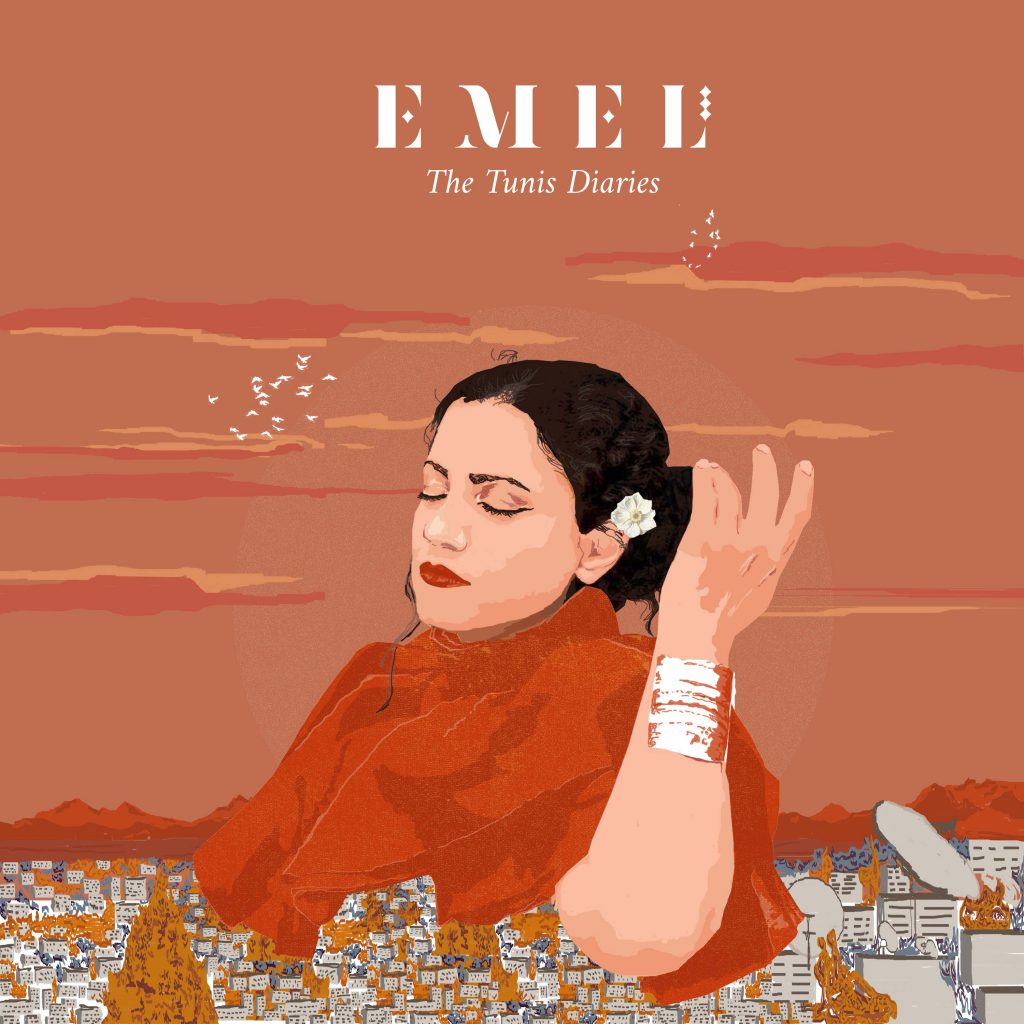
| 2020 | The Tunis Diaries, recorded in her childhood home |
| 2024 | Release of Mra (« Woman ») |
Exile and the voice
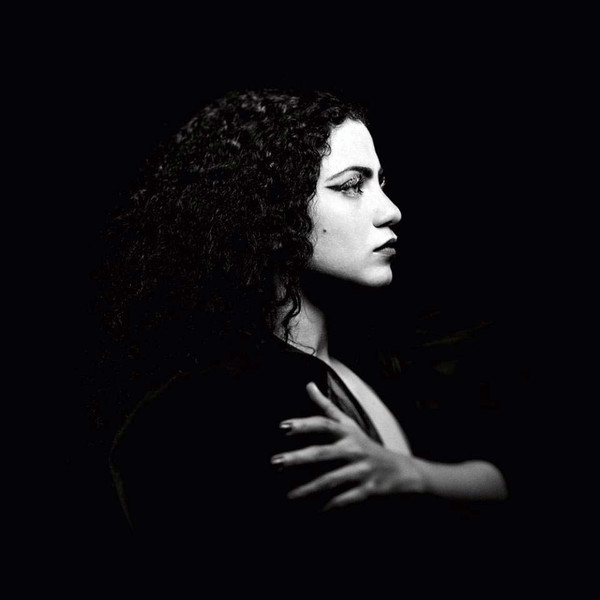
Daughter of a unionist, Emel Mathlouthi grew up with her father’s records — jazz, blues, classical. At sixteen, the discovery of Joan Baez turned her toward committed songwriting. In summer 2007, at the Place de la Bastille, « Kelmti Horra » was sung before thousands of protesters; the video circulated in Tunis and became the anthem of the Arab Spring. The Ben Ali regime banned her songs. Emel settled in Paris in 2008 and recorded Kelmti Horra, a folk-trip-hop album inspired by Björk and Massive Attack, acclaimed worldwide in January 2012. In the United States, Iraq, and Canada, she filled venues. In 2013, Ahram Online designated her as « the Fairouz of her generation ».
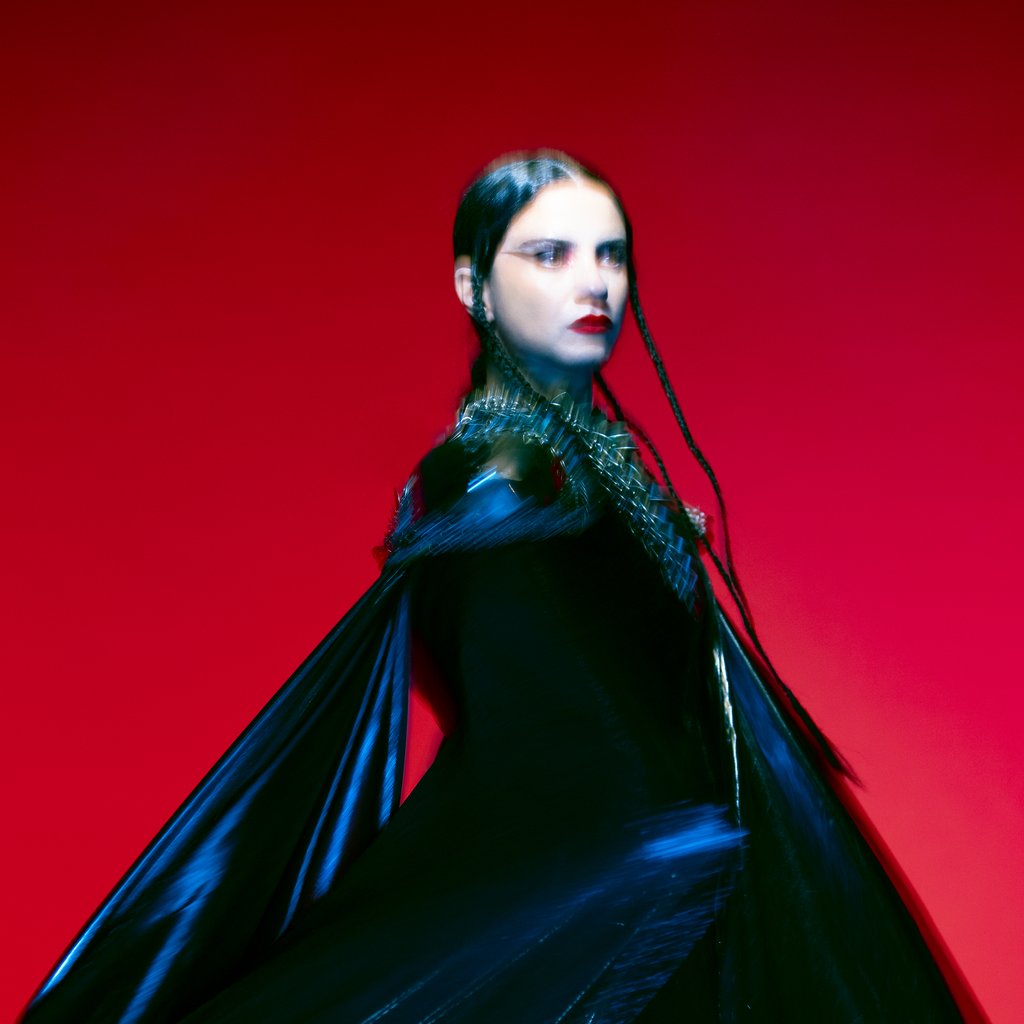
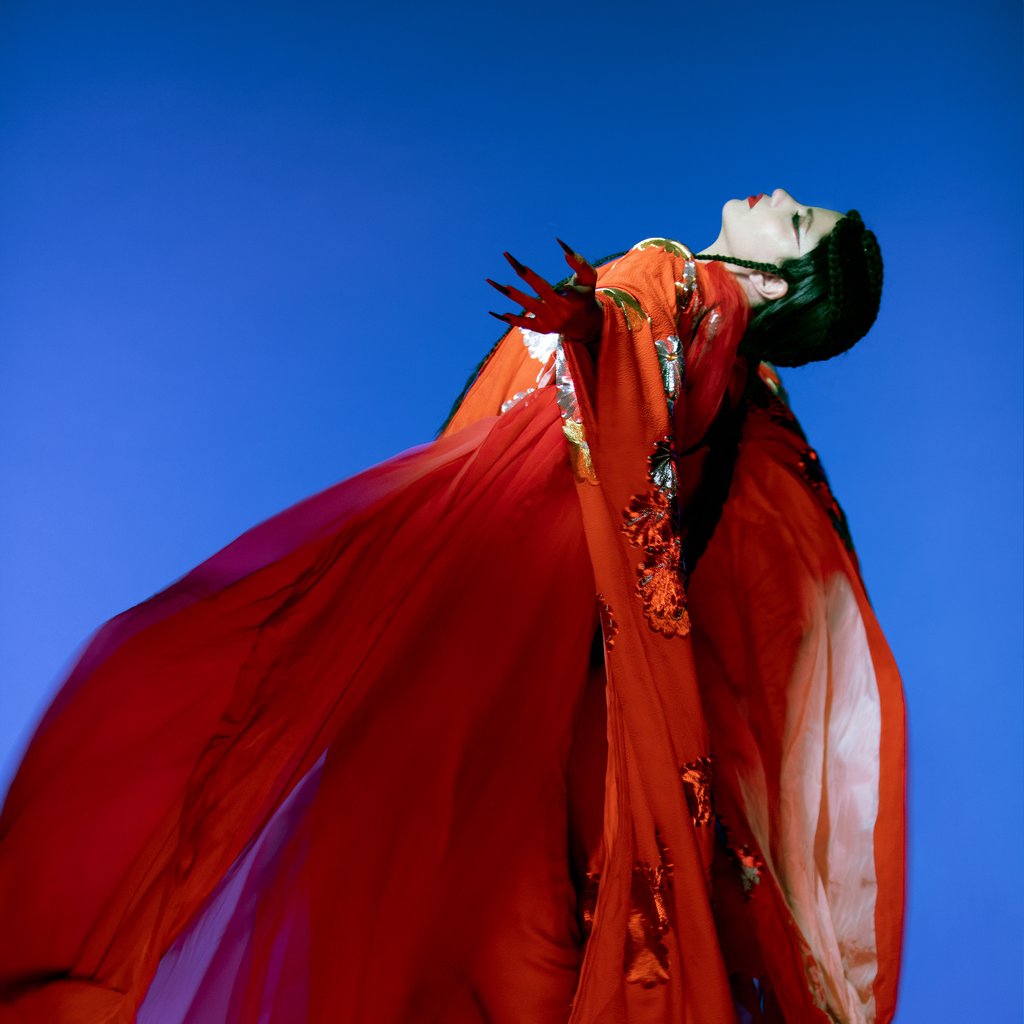
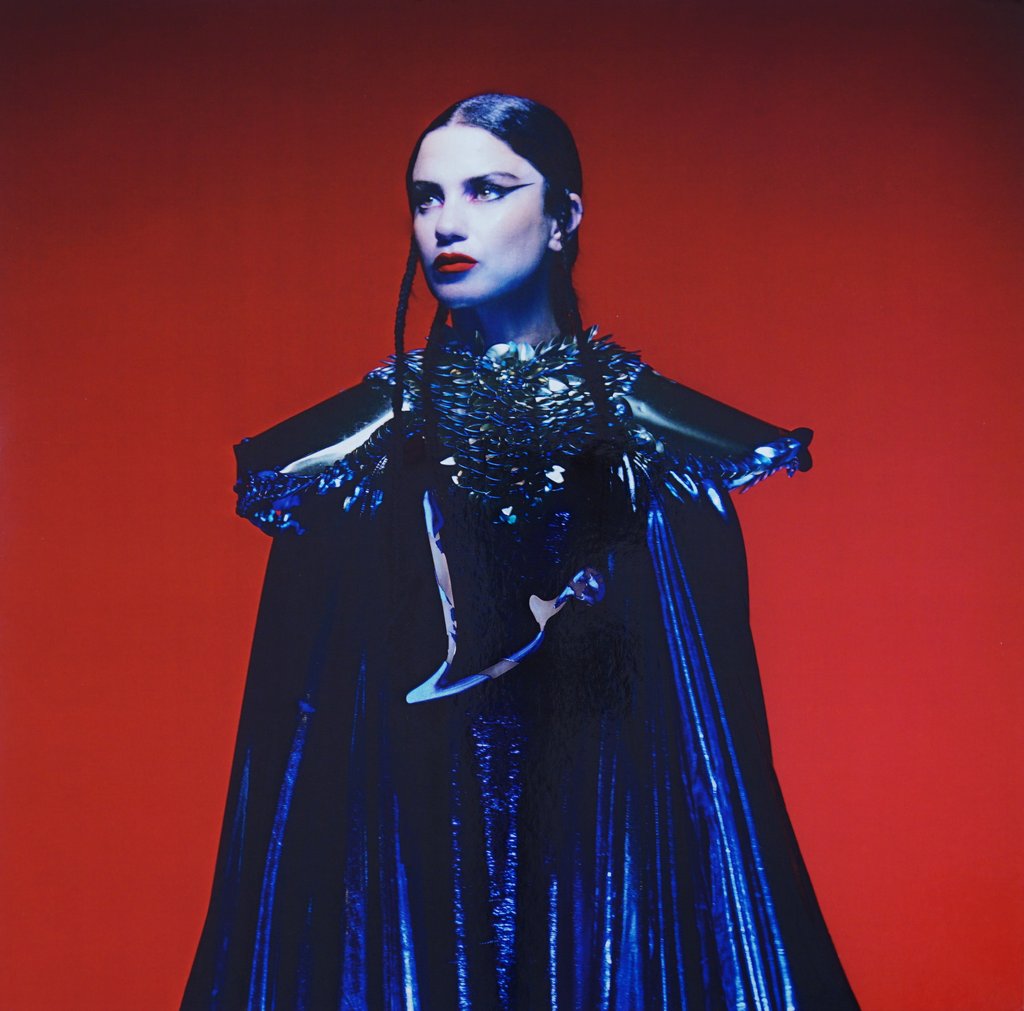
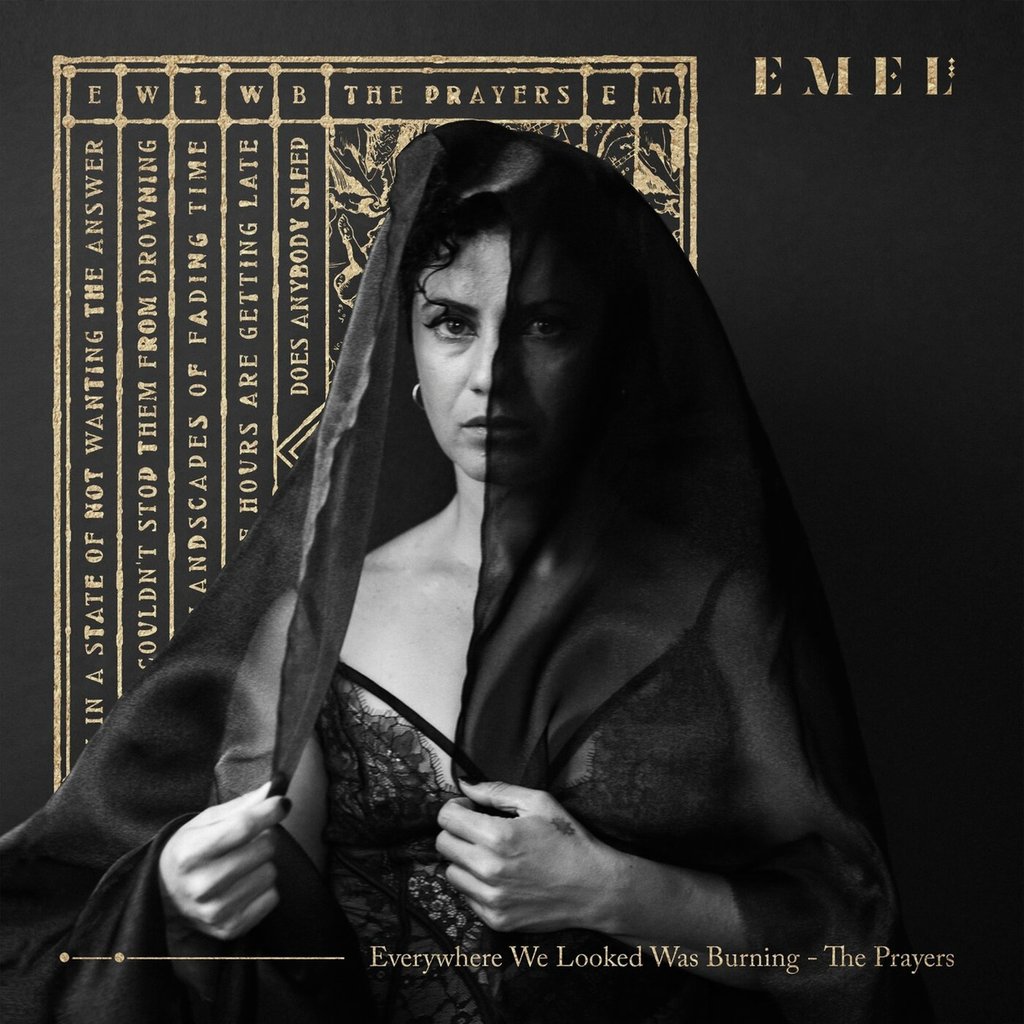
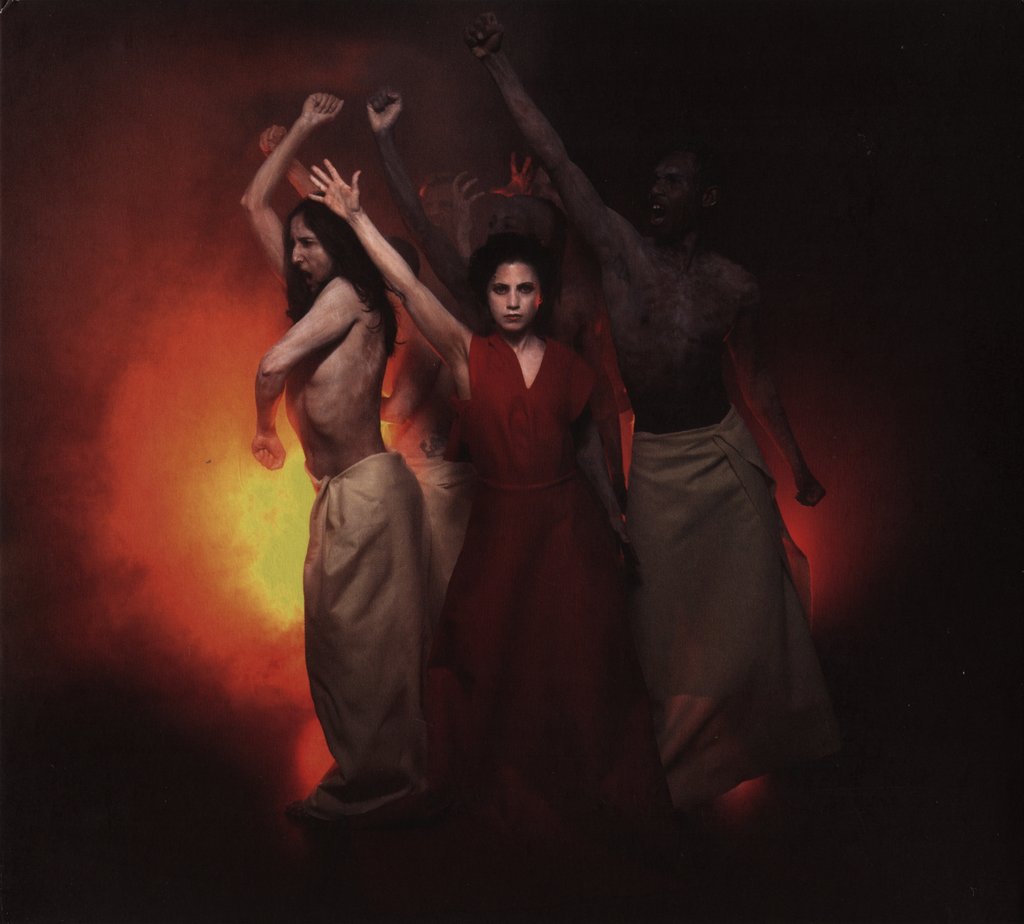
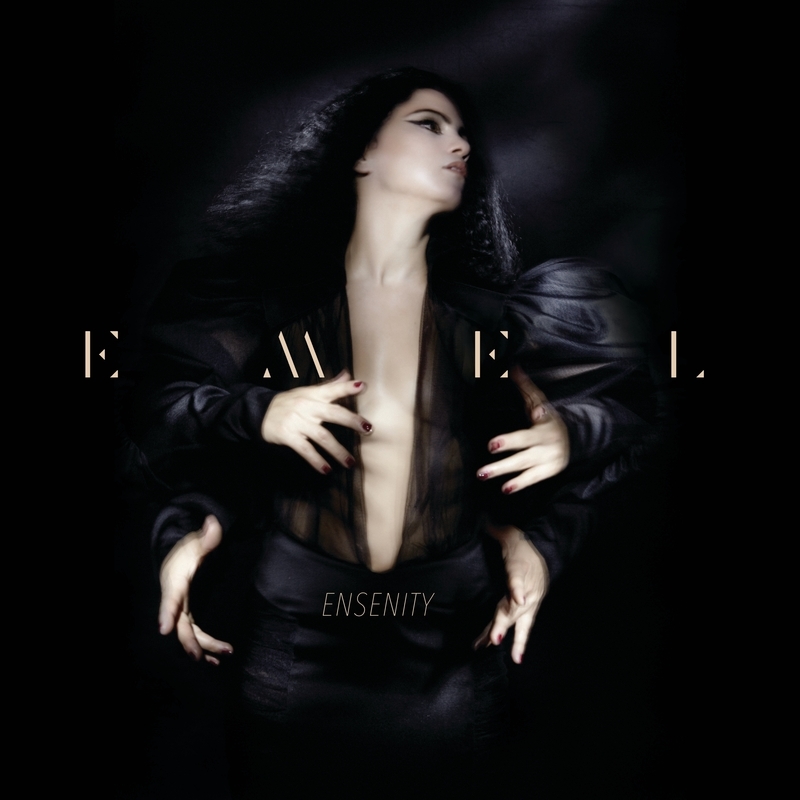
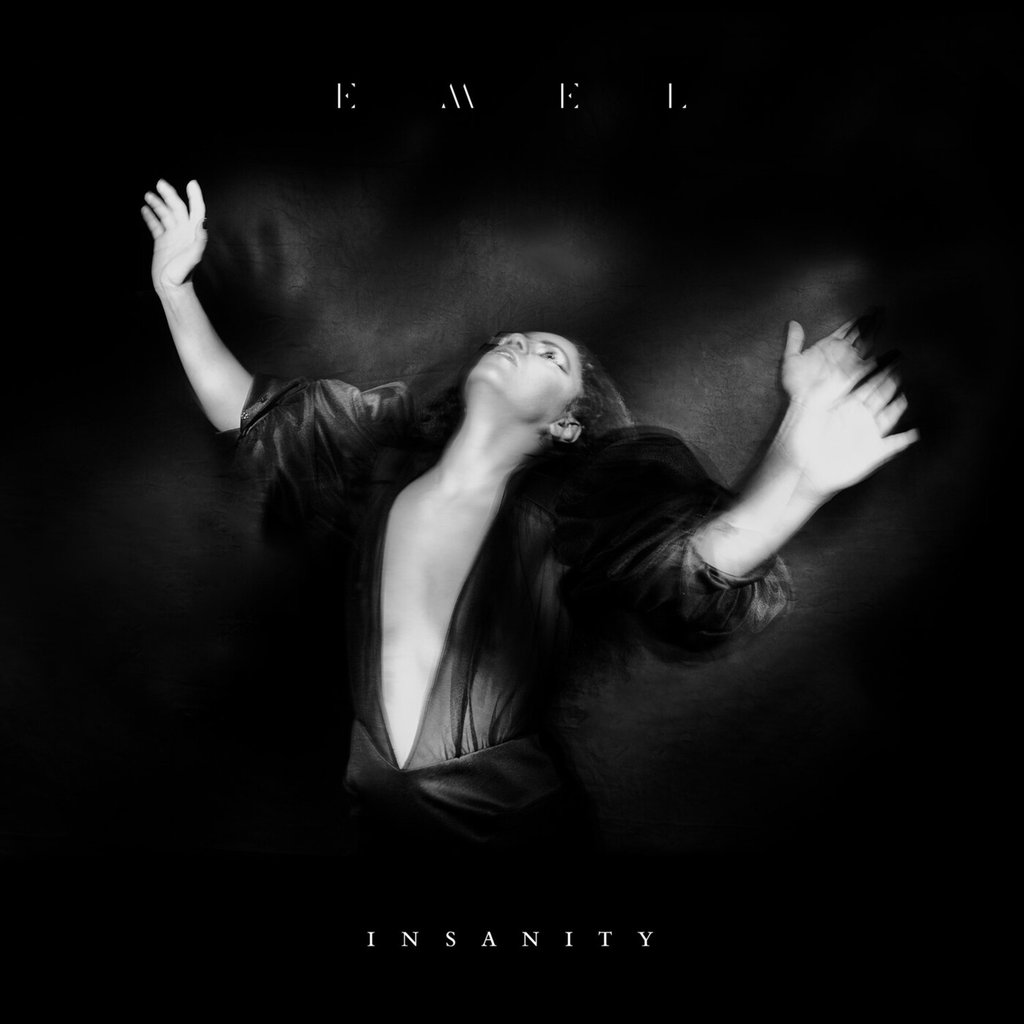
Ensen (« Human ») was released in February 2017 on Partisan Records, recorded in seven countries with Icelandic producer Valgeir Sigurðsson. Everywhere We Looked Was Burning (2019), her first album entirely in English, is inspired by T. S. Eliot and John Ashbery. The Tunis Diaries (2020) is recorded by hand, in her childhood home, with an acoustic guitar and a computer. Mra (« Woman »), released in April 2024, is her first work conceived with an exclusively female team.
Major works
| Work | Year | Why it is essential |
|---|---|---|
| Kelmti Horra | 2012 | The album that made her the megaphone of the Tunisian revolution |
| Ensen | 2017 | Electronic and Arab scales recorded in seven countries |
| Everywhere We Looked Was Burning | 2019 | First album in English, inspired by American poetry |
| The Tunis Diaries | 2020 | Acoustic double album recorded in her childhood home |
| Mra (« Woman ») | 2024 | First album with an entirely female team |
Legacy
Emel Mathlouthi embodies a new aesthetic coming from the Arab world, capable of grafting onto trip-hop and electronic music circuits while remaining anchored in North African traditions. From the voices of committed singers to electronic composers, her influence is read across an entire generation that refuses categories.
Sources and references
- « Emel Mathlouthi », Wikipedia, https://en.wikipedia.org/wiki/Emel_Mathlouthi, accessed 20 October 2026.
- « Emel Mathlouthi: Voice Of The Tunisian Revolution », NPR, https://npr.org/2013/01/05/168627909/emel-mathlouthi-voice-of-the-tunisian-revolution, accessed 20 October 2026.
- « Singer Emel Mathlouthi on why she’s known as ‘voice of the Tunisian revolution’ », Arab News, https://arabnews.com/node/1332191/art-culture, accessed 20 October 2026.
- « Emel Mathlouthi — Biography, Discography, Albums & Expert Reviews », AllMusic, https://www.allmusic.com/artist/emel-mathlouthi-mn0002860866, accessed 20 October 2026.
- « The Tunisian Protest Singer Emel Mathlouthi: ‘We Are Prepared to Return to the Streets’ », Qantara.de, accessed 20 October 2026.
- « Emel Mathlouthi: Voice of the Tunisian Revolution », The Guardian, 2012, accessed 20 October 2026.