Biography
Émeline Michel
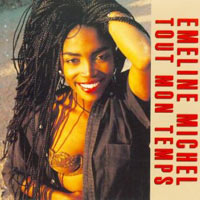
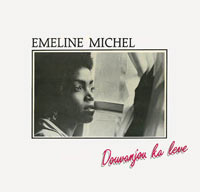
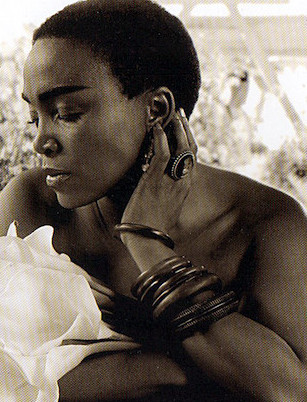
Under the lights of Carnegie Hall, Émeline Michel settles onto her stool. Her voice emerges and the hall falls silent: konpa, rare drums in the corner, Creole language weaving political and romantic history. Twenty-five years after her first steps on the Haitian stage, this singer and producer embodies a bridge between the island’s roots and the world—described by The New York Times as an itinerant ambassador, with serene and warm voices like a breeze. A central figure in the renewal of Haitian female music, she has forged a hybrid style since the 80s.
In Brief
| Full Name | Émeline Michel |
| Birth | March 21, 1966, Gonaïves, Haiti |
| Field | Singer, songwriter-performer — konpa, twoubadou, rara mixed with jazz, blues and bossa nova |
| Notable Works | Cordes et Ame, “A.K.I.K.O.”, Quintessence |
| Awards | Prix Musique en Folie (best album and best production, 2000); Catherine Flon Award (2017); proclamation by the New York City Council for her community engagement |
Key Dates
| Year | Event |
|---|---|
| 1966 | Birth in Gonaïves, daughter of a pastor and a merchant |
| 1987 | Tenth place in an American Airlines contest; first recording |
| 1988 | Scholarship for the Detroit Jazz Center; composition of “Flanm”, first international hit |
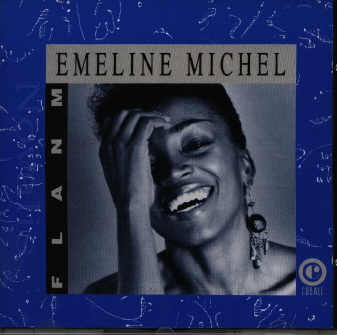
| 1989 | Release of album Flanm (label Cobalt, France): international breakthrough |
| 1996 | Ban’m Pasé — hits “Ban’m Pase” and “Mwen Bezwen”, charted in Belgium, Chile, Japan |
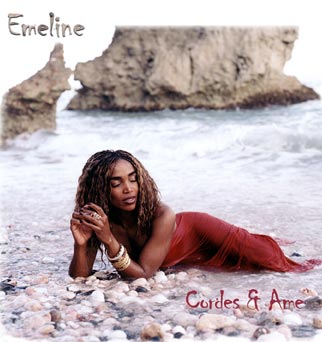
| 2000 | Cordes et Ame, recorded in Jacmel: sales record in Haiti, Prix Musique en Folie |
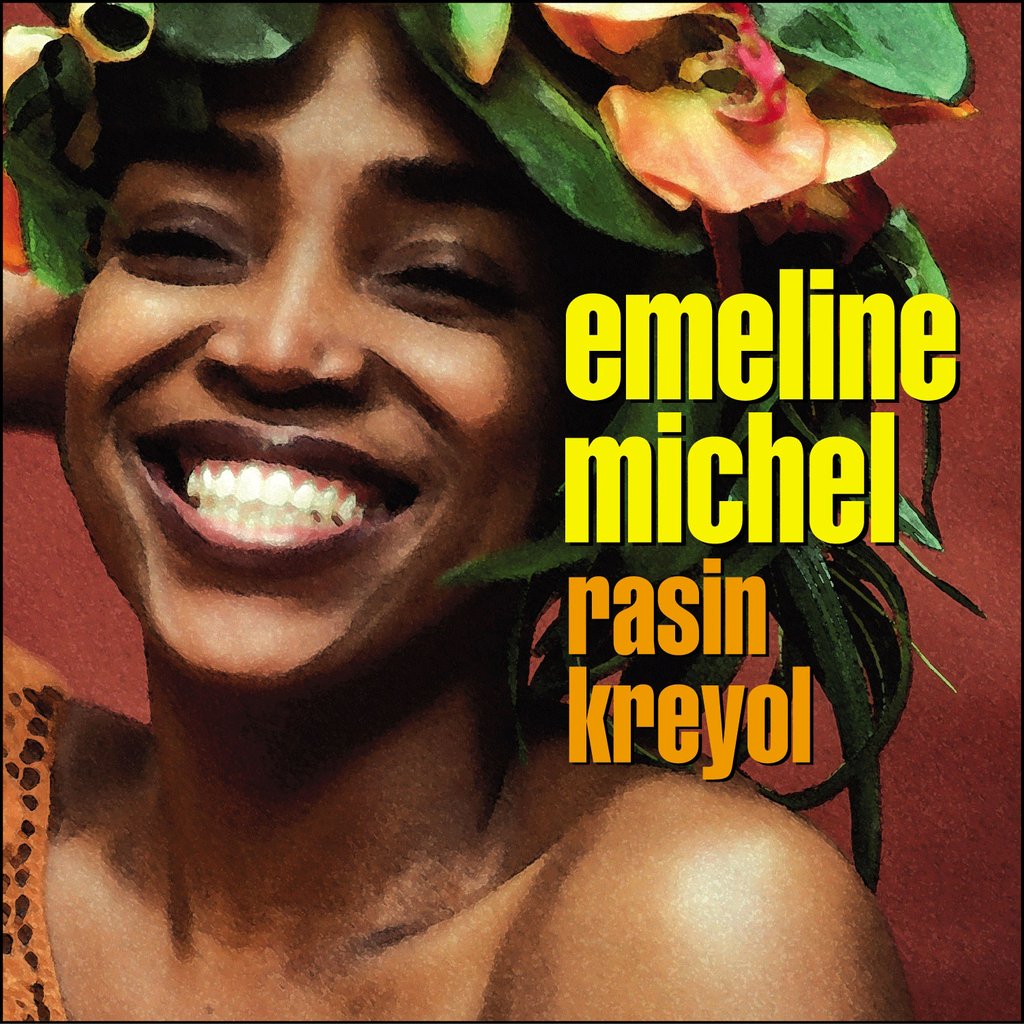
| 2004 | Rasin Kreyol, engaged album mixing rage, nostalgia and hope on recent Haitian history |
| 2010 | Performance at the telethon Hope for Haiti Now on MTV; gospel rendition of “Many Rivers to Cross” |
| 2013 | Quintessence, tenth studio album, collaboration with author Edwidge Danticat |
| 2017 | Inauguration of the Catherine Flon Award by the Haitian Roundtable; NYC Council proclamation |
From Gonaïves Roots to the International Stage
Émeline Michel grew up in Gonaïves, a northern Haitian town where her father is a pastor and her mother a merchant. From childhood, she sang in the local church’s gospel choir and became its soloist. As a teenager, she spent her holidays in the rural Dubedou neighborhood—a place that would later inspire the song “Gade Papi”—before moving to Port-au-Prince for her studies at Lycée Louis-Diaquoi.
In 1987, she secured tenth place in an American Airlines contest; this runner-up award opened the opportunity to make her first recording. The following year, a scholarship took her to the Detroit Jazz Center. Back in Haiti, she composed “Flanm”, the first hit that propelled her internationally. She blended konpa, twoubadou and rara with jazz, blues and bossa nova sounds she heard on the radio—Tania Maria, Bob Marley, Nina Simone, Mahalia Jackson—and Émeline Michel forged a hybrid style from her very beginnings.
In 1996, Ban’m Pasé (Antilles Mizik) marked a commercial turning point: the singles “Ban’m Pase” and “Mwen Bezwen” charted in Belgium, French Guiana, Chile, Japan and Canada. After a disastrous experience with Sony-USA, she founded her own production company in 1999, Production Cheval de Feu, and settled in New York. « if you want a job done well, you’d better do it yourself! », she explains. Cordes et Ame (2000), an album recorded in three months in Jacmel, is since considered a classic. « I’m really grateful for the love and appreciation audiences have shown me back home in Haiti as well as elsewhere in the world », she confesses.
Career, Engagements and Artistic Maturity
On January 12, 2010, the earthquake struck Haiti hard. Émeline Michel mobilized immediately and sang at the telethon Hope for Haiti Now on MTV. Her gospel rendition of “Many Rivers to Cross” captured global attention and appeared on the live album, which sold 171,000 downloads in its first weekend. The New York Times described her as an itinerant ambassador, with serene and warm voices like a breeze.
Quintessence (2013) marked her transformation toward a more intimate acoustic aesthetic. On “Dawn”, co-written with author Edwidge Danticat, she pays tribute to the earthquake victims; “Ton Yanvalou” celebrates a young dancer who died on stage. Ambassador for the Red Cross, figure of ONU Femmes and the Women without Borders project, she received in 2017 the first Catherine Flon Award from the Haitian Roundtable and a proclamation from the New York City Council for her community engagement.
Major Works
| Work | Year | Why It’s Essential |
|---|---|---|
| Flanm | 1989 | First international album; Émeline’s Haitian zouk jazz makes its global debut |
| Cordes et Ame | 2000 | Recorded in Jacmel, it set a sales record in Haiti; the album forged her status as an icon |
| “A.K.I.K.O.” | 1991 | The title calling for Haitian unity; charted in Belgium, Chile and Japan |
| Rasin Kreyol | 2004 | Engaged album mixing rage, nostalgia and hope; tracks like “Bèl Kongo” become anthems |
| Quintessence | 2013 | Tenth album, acoustic and intimate; collaboration with Edwidge Danticat on “Dawn” |
Legacy and Influence
Émeline Michel paved the way for several generations of Haitian female singers. By cultivating a trilingual repertoire (Creole, French, English) and embracing texts engaged on human rights and Haitian history, she proved that a Caribbean artist can carry universal messages without abandoning her roots. Her independent production remains a model for Haitian artists who want to control their art. More than twenty years after Flanm, jazz notes still blend with the rara of Port-au-Prince streets: the Haitian queen continues to reign, without a scepter but with her voice.
Sources and references
- “Biography — Emeline Michel”, official site of Émeline Michel, emeline-michel.com, accessed 16 November 2025.
- Émeline Michel, RFI Musique interview (Squaaly/Hugo Wilcken), “A Haitian singer with global commitment”, 4 August 2005.
- Bertrand Lavaine, “Emeline Michel and the duty of memory”, RFI Musique, 5 April 2013.
- Allison Keyes, “Emeline Michel, the ‘Queen of Haitian Song’”, NPR, 16 November 2004.
- World Music Central / Edgepedia, “Artist Profiles: Emeline Michel”, accessed 16 November 2025.
- Caribbean Life, “Haitian songstress Emeline Michel”, accessed 16 November 2025.
- “Émeline Michel”, French Wikipedia, accessed 16 November 2025.
- Haitian Roundtable, “1804 List of Haitian-American Changemakers”, 2016.