Biography
Erick Manana: the sacred guitar of the Hauts Plateaux
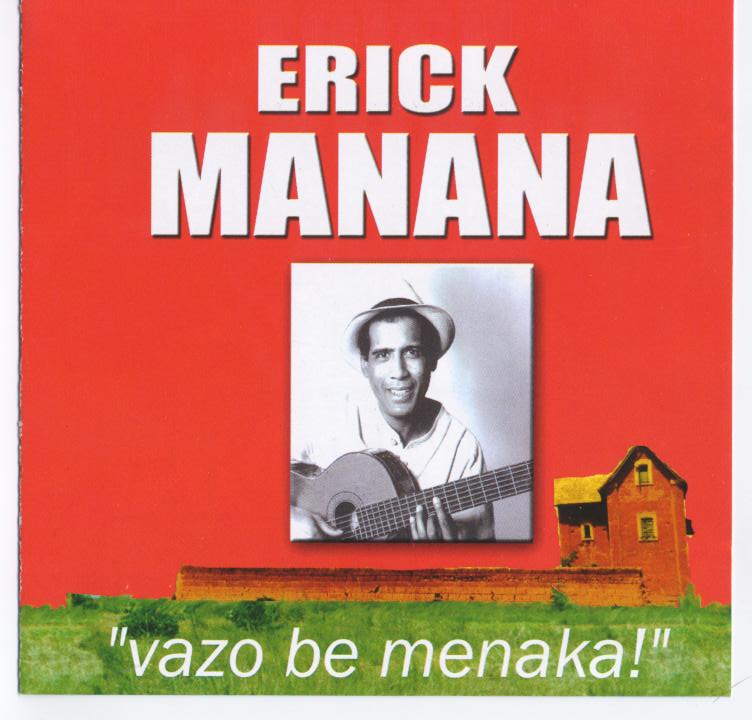
When Erick Manana plucks the strings of his guitar, an entire world of the Hauts Plateaux resonates. This child born in 1959 in Antananarivo learned the ba-gasy — this song accompanying traditional Malagasy performances, characterized by poetic narratives and a complex fingerstyle string playing — on his grandfather’s lap.1
In brief
| Full name | Erick Rafilipomanana, aka Erick Manana |
| Birth | 1959, Antananarivo, Madagascar |
| Field | Malagasy music: ba-gasy, Salegy, Beko |
| Instruments | Acoustic guitar, voice, kabosy |
| Emblematic works | Vakoka, Taniko, Vaonala |
| Distinctions | RFI Discoveries Prize (1994), Commander of the Order of Arts and Letters (2013) |
Key dates
| Year | Event |
|---|---|
| 1959 | Birth in Antananarivo |
| 1964 | Learning the ba-gasy with his grandfather |
| 1979 | Settlement in Bordeaux |
| 1982 | Career start with Lolo sy ny Tariny |
| 1990 | Twenty-year collaboration with Graeme Allwright |
| 1993 | Foundation of Feo-Gasy with flutist Rakoto Frah |
| 1994 | Laureate of the RFI Discoveries Prize |
| 1997 | Grand Prix du disque de l’Académie Charles-Cros |
| 2013 | Concert at the Olympia; Commander of Arts and Letters |
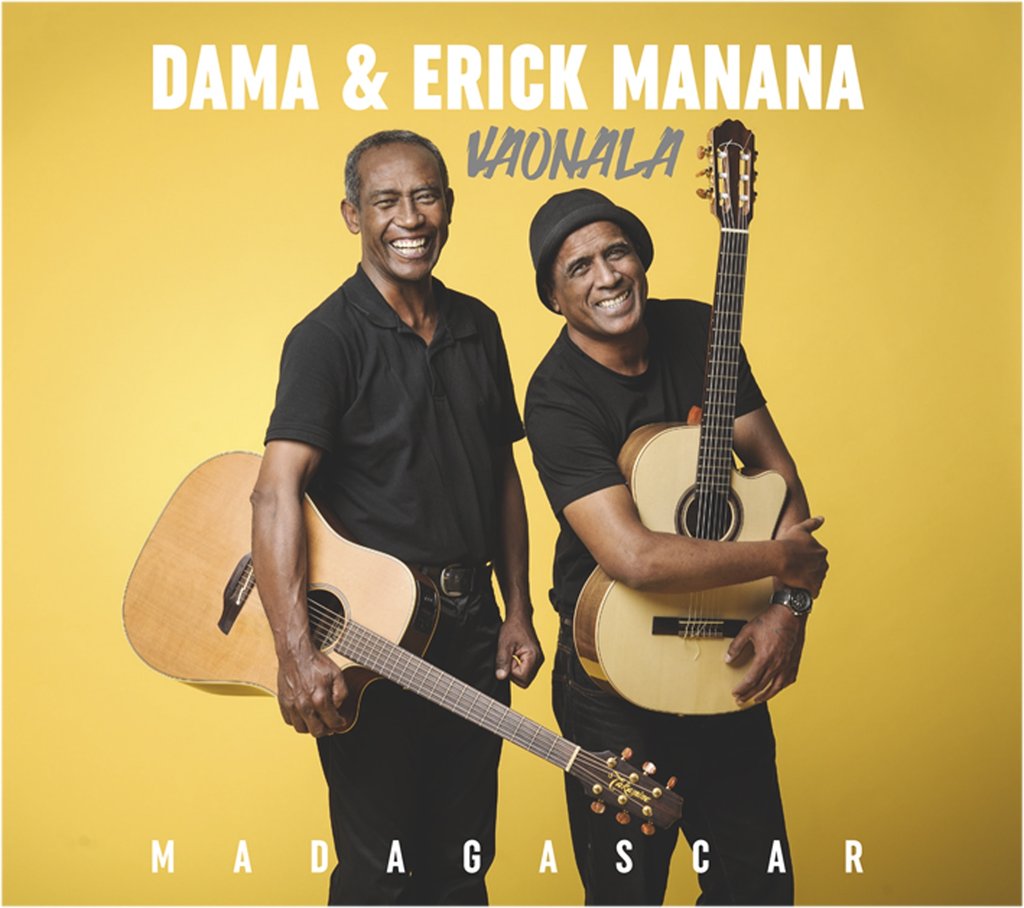
| 2017 | Album Vaonala with Dama Mahaleo |
Roots and training
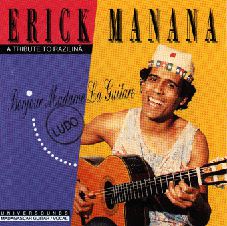
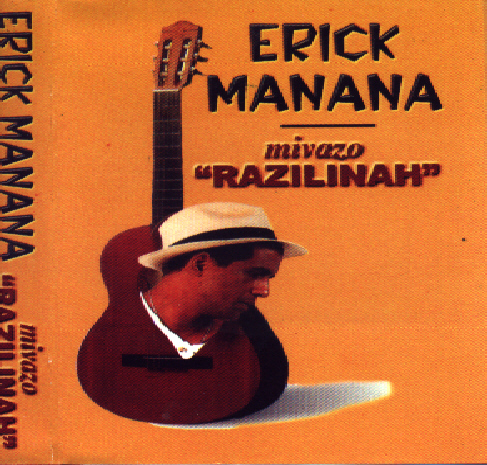
Erick Rafilipomanana grew up in Antananarivo, cradled by his grandfather’s guitar and the melodies of the Hauts Plateaux. At five years old, he received his first guitar and imitated his ancestor’s chords, absorbing the techniques of the ba-gasy. Very early on, he claimed to be the heir of Razilinah, a guitarist from the 1940s who was the first to adapt the valiha technique (a stringed bamboo instrument, emblematic of the High Plateaus) to the acoustic guitar.2
Career and international recognition
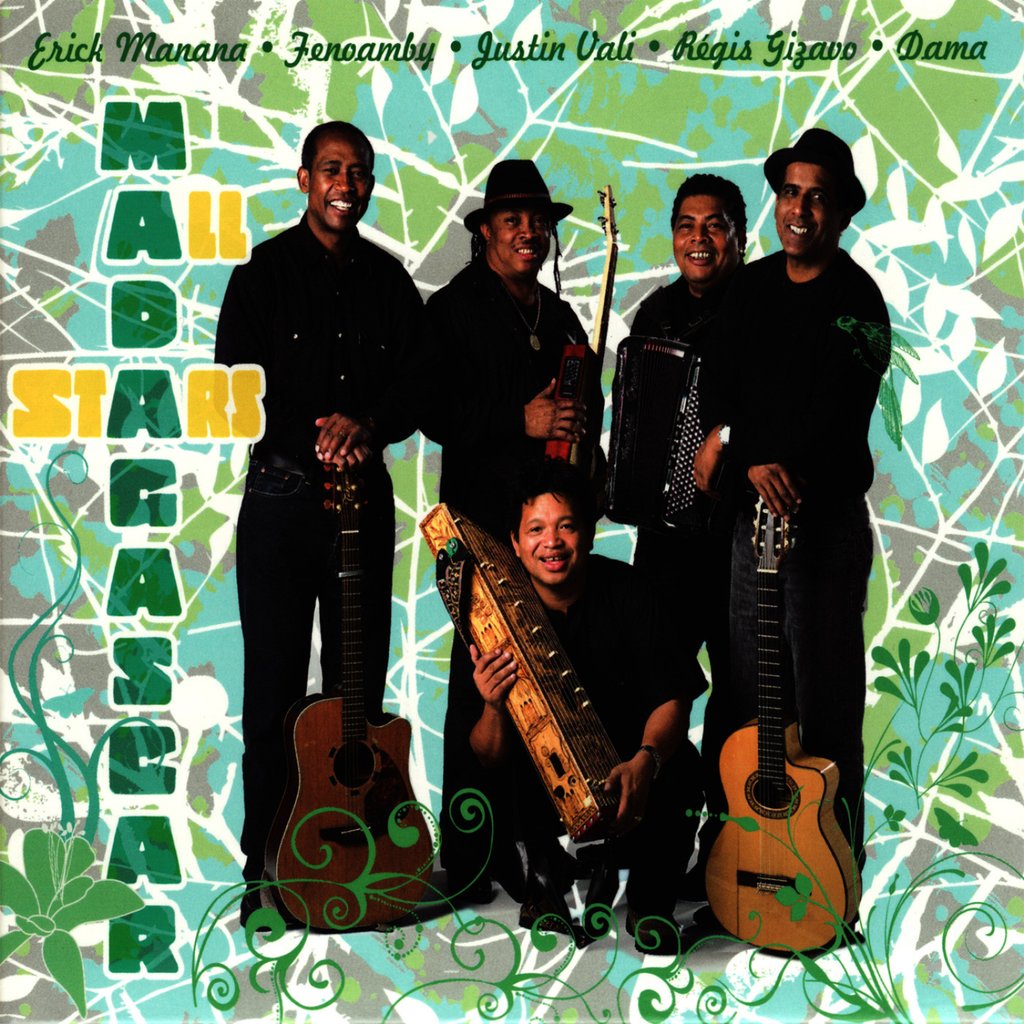
In 1982, Erick Manana began his professional career within the folk group Lolo sy ny Tariny. Noticed by Graeme Allwright, he became his regular guitarist — a collaboration that would last nearly twenty years. In 1993, he founded Feo-Gasy with flutist Rakoto Frah, a tutelary figure of the sodina flute in Madagascar. The group toured Europe, promoting the music of the Hauts Plateaux.3
His playing, rich with varied influences from Salegy — the rhythmic dance of the coast — to Beko — a betsileo guitar style — never betrayed its roots. His commitment found international recognition in 1994 when he won the RFI Discoveries Prize. In 1997, his album Vakoka received the Grand Prix du disque de l’Académie Charles-Cros.4
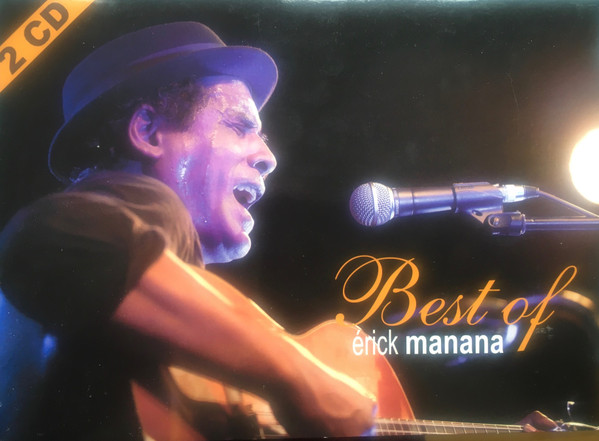
In January 2013, he celebrated thirty-five years of his career on the mythical stage of the Olympia in Paris. At the end of the concert, he received the medal of Commander of the Order of Arts and Letters, awarded by Madagascar’s representative to UNESCO.5
Major works
| Work | Year | Why it is essential |
|---|---|---|
| Vakoka | 1997 | Sum of the art of ba-gasy, awarded by the Académie Charles-Cros |
| Taniko | 1999 | Compilation of the most popular tracks, an entry point for new listeners |
| Vaonala (with Dama) | 2017 | Dialogue between two iconic voices, each taking over the other’s hits |
| Takalo (with Lokanga Köln Quartet) | 2018 | Bridge between Malagasy tradition and German string quartet |
Legacy
Erick Manana is a bridge between generations and continents. From the child of Antananarivo to the Commander of Arts and Letters at the Olympia, he has always placed his guitar at the service of his culture. Today active with the duo Jenny Fuhr or the Ralah’ Trio, he continues to dream of a unifying Malagasy music, a sound thread connecting diasporas and islands.6
Sources and references
-
Wikipedia (EN), Erick Manana, accessed October 28, 2026 ↩︎
-
Africultures, Erick Manana, accessed October 28, 2026 ↩︎
-
Rootsworld, Madagascar: Erick Manana in concert, accessed October 28, 2026 ↩︎
-
Afrisson, Erick Manana, accessed October 28, 2026 ↩︎
-
Institut français Mainz, Duo Erick Manana und Jenny Fuhr, January 30, 2025, accessed October 28, 2026 ↩︎
-
Wikipedia (FR), Erick Manana, accessed October 28, 2026 ↩︎