History of Malagasy Music
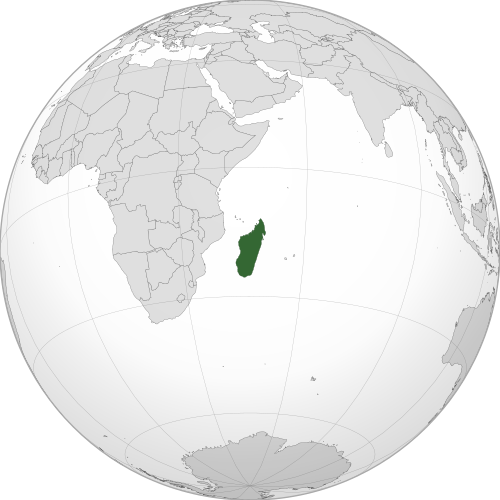
From the crystalline accents of a bamboo zither played beneath the mangrove at Nosy Be to dancers closing their eyes on stage at Glacier in Antananarivo, the music of Madagascar has traversed three continents — Austronesia, Africa, Europe — for over a millennium. This island of 587,000 km², located 400 kilometers off the coast of Mozambique, harbors a musical diversity recognized by UNESCO in 2023 with the inscription of hira gasy on the Representative List of the Intangible Cultural Heritage of Humanity, and in 2025 with that of tsapiky1. Yet, at the time of streaming and TikTok, the salegy — a binary genre with 150 beats per minute that has vibrated Malagasy youth since the 1970s — remains confined to the island’s borders. How does such a rich music take so long to conquer the world?
From Polynesian navigators to the colonial loudspeaker (until 1960)
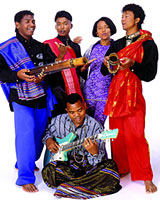
The first inhabitants of Madagascar arrived between the IIIrd and VIIth centuries on outrigger canoes from Indonesia. With them came a primitive form of valiha, bamboo zither that became the national instrument2. The valiha — 22 strings stretched over a bamboo tube — is today the island’s signature sound. Later, in the 16th century, Arab merchants and Portuguese navigators introduced the guitar, which evolved into local forms known as kabosy and mandoliny3. French colonizers, present from 1896 to 1960, brought the piano and Christian hymns, which merged into the polyphonic vocal tradition of the Merina highlands4.
This syncretic culture crystallized in the hira gasy, a theatrical performance blending song, dance, and Malagasy eloquence (kabary). Originating in the highlands in the 18th century, this genre served as a communication channel between Merina kings and their people before being adopted by the colonial administration — so much so that hira gasy troupes were exempted from forced labor5. Political parodies, moral lessons, and dances followed one another. The tradition lives on: about fifty troupes tour local festivals annually6.
At the end of the 19th century, composers at the Antananarivo court began mixing European harmonies with Malagasy rhythms, creating a repertoire of sacred and secular compositions that fascinated early 20th-century ethnologists7.
The salegy emerges from the northern beaches (1950-1990)
Like many African genres, the salegy — this frenzied trinary dance on foot that makes island dancefloors tremble — emerged around the turn of the 1950s8. Its roots lie in the antsa, polyphonic pastoral songs of the Sakalava from the northwest. A group of young musicians from Antsiranana (Diego-Suarez) began playing it on drums, bass, and electric accordion, accelerating the tempo until vertigo9. Bands like Orchestra Liberty, and in the 1970s, Los Matadores and Les Players experimented with early blends between coastal rhythms and Western structures10.
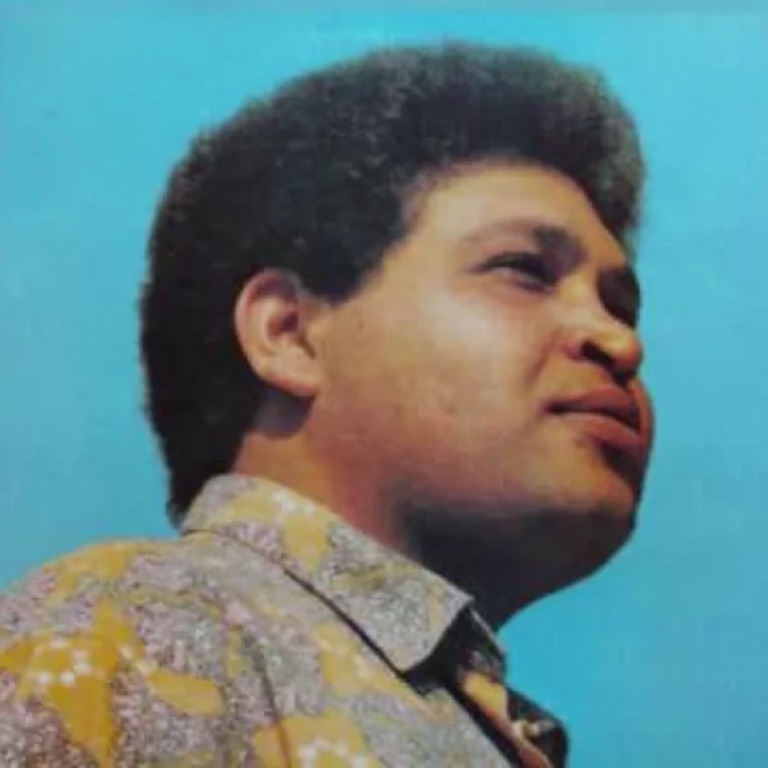
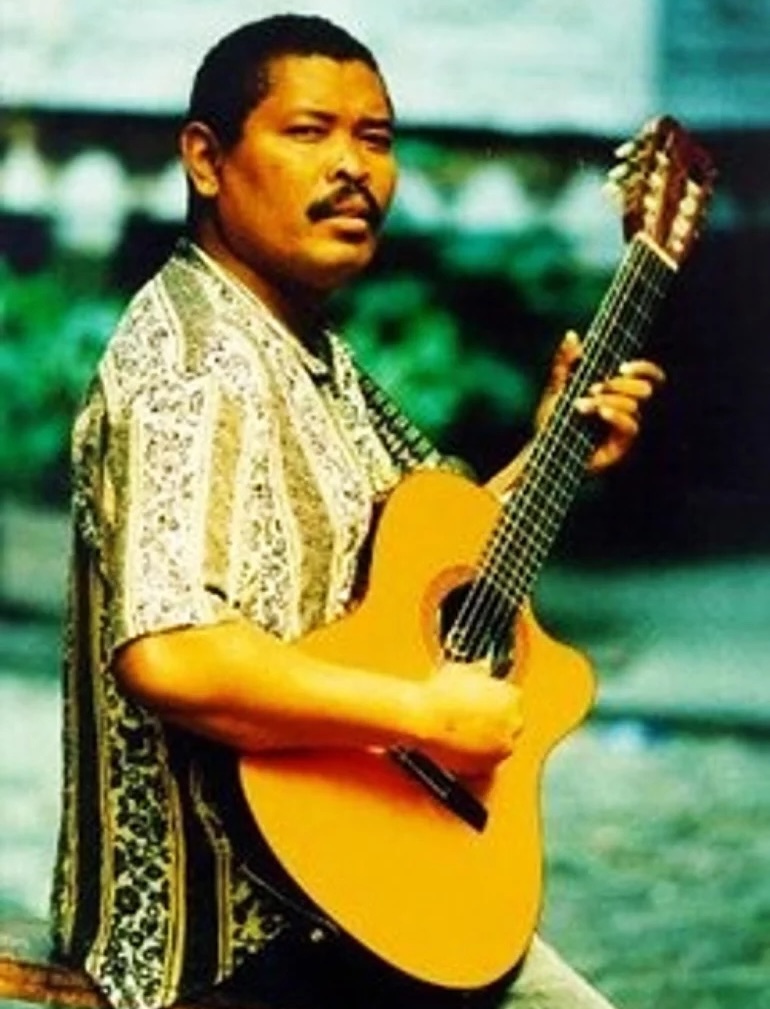
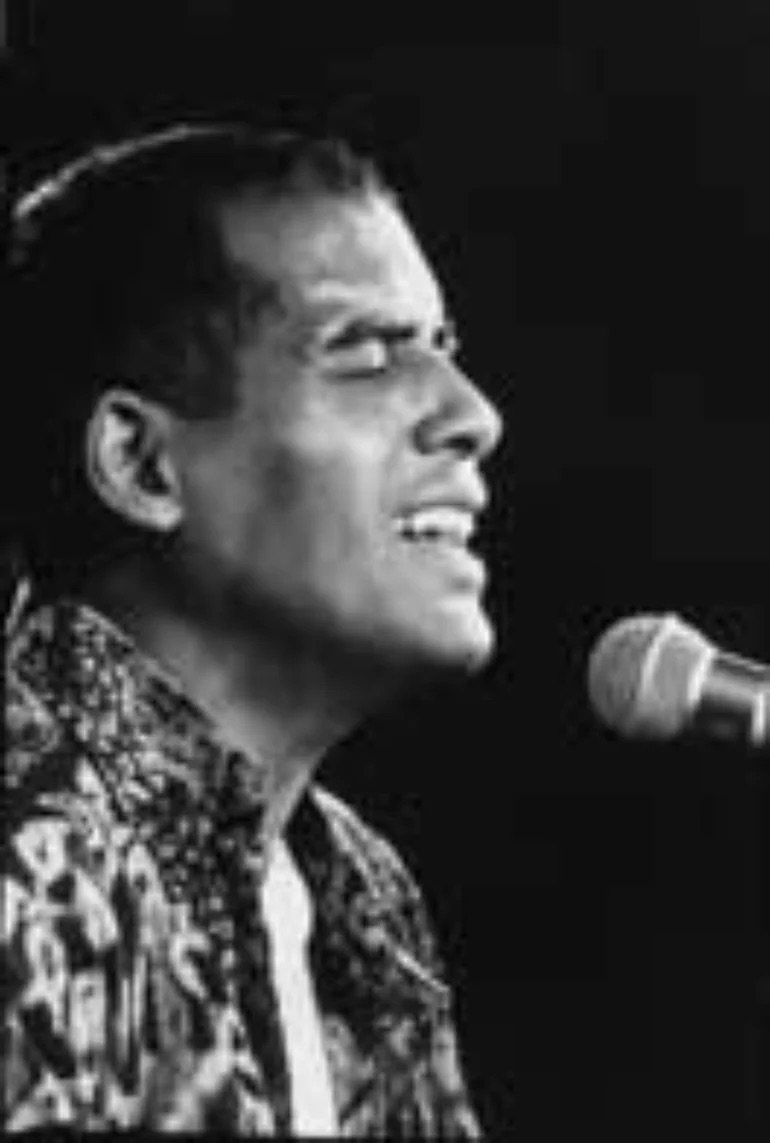
It was then that Eusèbe Jaojoby entered the scene, born on July 29, 1955, in a village near Sambava11. This Sakalava family son grew up singing Catholic church hymns and folk songs from the moon festival celebrations. At 15, he traveled to discover Antsirabe, then Antananarivo, and joined in 1972 the Los Matadores residency group at a colonial nightclub12. It was within this group that he began improvising songs over rhythm and blues interludes — “pastoral songs transposed onto a Western rhythm”13.
In 1987, Jaojoby contributed to the first salegy compilation in history, Les Grands Maîtres du Salegy. The track “Samy Mandeha Samy Mitady” became a national phenomenon. A daily newspaper declared: “King of the salegy”14. The genre, previously confined to the northwest of the island, was exported throughout the island and beyond. From 1994 to 2004, Jaojoby toured WOMAD, WOMEX, Abidjan, and Paris festivals15. In 1998, he received the Artist of the Year award in Madagascar, was named a goodwill ambassador for the United Nations Population Fund, and composed a song about condom use16.
The salegy flourished for over two decades, propelled by figures like singer Tianjama, author of “Soanada” and “Donia Regarega”, and his Liberty groups that toured the country17. In the 1990s, Mily Clément, Fenoamby, Bilo, Dr JB and his Jaguars gave the salegy some of its finest titles18.
Did you know? In 2012, Jaojoby’s album Mila Anao was ranked among the ten best international albums of the year by NPR19. Afropop journalist Banning Eyre described it thus: “He dusted off the salegy and liberated it from its image as primitive music that served only to relieve exhausted peasants after their plowing.”20
Mahaleo and the rock of the independents (1972-2000)
While salegy galvanizes the northwest, another current transforms Malagasy music from the high plateaus. In May 1972, during the rotaka — student protests against President Philibert Tsiranana[¹²] — a group of seven high school students from Antsirabe, led by Dama (Zafimahaleo Rasolofondraosolo), improvised a concert as a direct response to police violence21. A television journalist asked them to specify their name. One of them answered without thinking: Mahaleo, which is most often translated as free22.
Their music borrows from acoustic folk, the protest song movement, and the island’s multiple traditions, while citing hainteny, a traditional form of indirect poetry23. They composed more than 300 songs over four decades and became what Afropop calls the most popular Malagasy group of all time24. In 2007, Mahaleo became the first Malagasy group to perform at the prestigious Olympia in Paris25.
Their founder Dama is also an active militant for sustainable development and solidarity — he founded an NGO, the association Tanandrazana, and built a community library in Moramanga26.
From world music export to social networks (1990-2024)
In the 1990s and 2000s, the Western world music wave discovered Madagascar. Virtuosi such as valiha player Rajery27, guitarist D’Gary28 and valiha singer Mama Sana29 exported Malagasy music to new audiences. The group Tarika, led by Hanitra, became the international phenomenon: in 2001, Time magazine ranked it among the top ten bands in the world30. After September 11, the group retired, but Hanitra founded Tarika Be in 2005 to continue the path31.
On the other side of the Channel, in the bal poussières — multi-day rural festivals where music never stops — the tsapiky, a genre from the southwest of the island, gained density32. This fast and electric rhythm, mixing electric guitar, drums, and accordion, was inscribed on the UNESCO intangible heritage list in 202533. The group Damily, founded by guitarist Teta, is its pillar. Singer Gany Gany, a member of Damily, stated: “Music can play an important role in the country’s economic development34.”
The advent of YouTube and Facebook profoundly transformed the scene. The younger generation — Tence Mena, who mixes salegy and coupé-décalé35, Vaiavy Chila, “princess of salegy”36, Black Nadia, “queen of Malagasy coupé-décalé”37 — uses social networks as their primary distribution platform. They sing of female independence, denounce domestic violence38, and export a style that, paradoxically, does not cross borders: the ternary rhythm of salegy and tsapiky remains incomprehensible to ears accustomed to binary meter39.
In 2024, the artist Yetoon, 20 years old, won a competition organizing concerts of international scale in Antananarivo40. “From my room, to the Palais des Sports, I see the path traveled,” he said41. The next generation is rising.
Sources
-
UNESCO, “Hiragasy, a performing art of the Central Highlands of Madagascar”, Reference 01740, inscription 2023. URL: https://ich.unesco.org/en/RL/hiragasy-a-performing-art-of-the-central-highlands-of-madagascar-01740 ↩︎ ↩︎
-
Wikipedia, “Music of Madagascar”, consulted on 25 October 2024. URL: https://en.wikipedia.org/wiki/Music_of_Madagascar ↩︎ ↩︎
-
Ibid. ↩︎
-
Wikipedia, “Culture of Madagascar”, consulted on 25 October 2024. URL: https://en.wikipedia.org/wiki/Culture_of_Madagascar ↩︎
-
Wikipedia, “Hiragasy”, consulted on 25 October 2024. URL: https://en.wikipedia.org/wiki/Hiragasy ↩︎
-
The World from PRX / Afropop Worldwide, “Go inside salegy, the music that dominates Madagascar”, by Banning Eyre, 18 December 2014. URL: https://theworld.org/stories/2014/12/18/afropop-bullshit ↩︎
-
Wikipedia, “Eusèbe Jaojoby”, consulted on 25 October 2024. URL: https://en.wikipedia.org/wiki/Eus%C3%A8be_Jaojoby ↩︎ ↩︎ ↩︎
-
Ibid. ↩︎
-
Ibid. ↩︎
-
Ibid. ↩︎
-
Ibid. ↩︎
-
Ibid. ↩︎
-
Ibid. ↩︎
-
RFI Musique, “Madagascar, sous la bannière du salegy”, 12 February 2021. URL: https://www.rfi.fr/fr/musique/20210212-madagascar-sous-la-banni%C3%A8re-du-salegy ↩︎
-
Ibid. ↩︎
-
Afropop Worldwide / Boris Paillard et Morgan Greenstreet, “The Songs of Malagasy Women: Their Side of the Story”, 8 March 2024. URL: https://www.afropop.org/articles/women-of-malagasy-music-2 ↩︎ ↩︎ ↩︎ ↩︎
-
Wikipedia, “Mahaleo”, consulted on 25 October 2024. URL: https://en.wikipedia.org/wiki/Mahaleo ↩︎ ↩︎
-
Ibid. ↩︎
-
Last.fm, “Mahaleo”, consulted on 25 October 2024. URL: https://last.fm/music/Mahaleo/+wiki ↩︎
-
Ibid. ↩︎
-
Ibid. ↩︎
-
Ibid. ↩︎
-
World Music Central, “Artist Profiles: Mama Sana”, consulted on 25 October 2024. URL: https://worldmusiccentral.org/2019/07/05/artist-profiles-mama-sana/ ↩︎
-
Hanitra Rasoanaivo, cited in Joanna Złotowska, “Go With the Flow”. Madagascar Artists Facing the Challenges of the Modern Times", 2024. ↩︎ ↩︎
-
Ibid. ↩︎
-
UNESCO, “Tsapiky, rhythm and musical style characteristic of the South-West region of Madagascar”, Reference 02272, inscription 2025. URL: https://ich.unesco.org/en/RL/tsapiky-rhythm-and-musical-style-characteristic-of-the-south-west-region-of-madagascar-02272 ↩︎
-
Ibid. ↩︎
-
Ibid. ↩︎
-
Ibid. ↩︎
-
Ibid. ↩︎
-
RFI Afrique-Économie, “À Madagascar, des concerts d’artistes de renommée pour construire l’industrie locale”, 3 July 2025. URL: https://www.rfi.fr/fr/podcasts/afrique-%C3%A9conomie/20250703-%C3%A0-madagascar-des-concerts-d-artistes-de-renomm%C3%A9e-pour-construire-l-industrie-locale ↩︎
-
Ibid. ↩︎