Biography
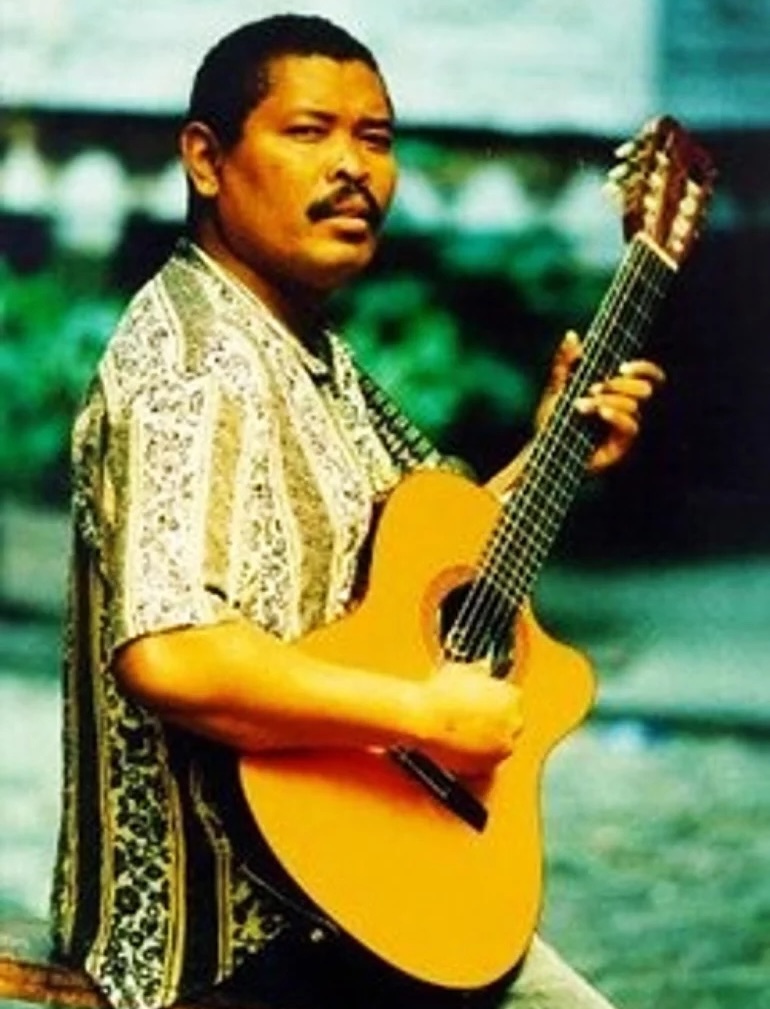
D’Gary: the Malagasy guitar magician
On a packed stage at Hyde Park, London, in June 2008, a man stood alone with his acoustic guitar. Forty-six thousand people waited for the 46664 concert, a tribute to Nelson Mandela, alongside artists like Joan Baez and Amy Winehouse. He stepped forward, tuned his strings in a manner that defied all logic, and unleashed melodies no one had ever heard before. This guitarist is D’Gary, and for guitar lovers around the world, he is a magician1.
In brief
| Full name | Ernest Randrianasolo |
| Stage name | D’Gary |
| Birth | 22 October 1961, Antananarivo, Madagascar |
| Genre | Acoustic guitar, vocals |
| Style(s) | Tsapiky, Malagasy music |
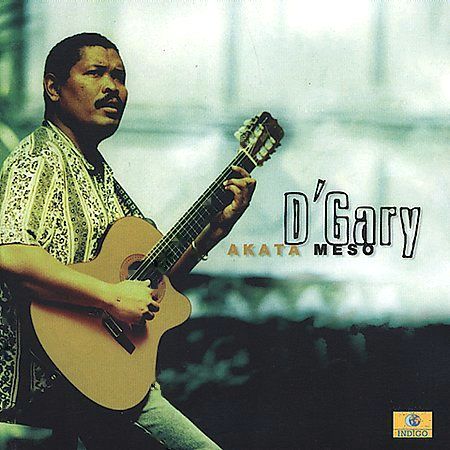
| Notable works | Malagasy Guitar, Horombe, Akata Meso |
| Awards | Concert 46664 (Nelson Mandela, Hyde Park, 2008) |
Key dates
| Year | Event |
|---|---|
| 1961 | Birth in Antananarivo, Bara ethnicity |
| 1978 | Discovery of Bara funeral rites in Betroka |
| 1979 | First 45 rpm record with Discomad |
| 1988 | Patronage by Dida, who housed him and lent him a guitar |
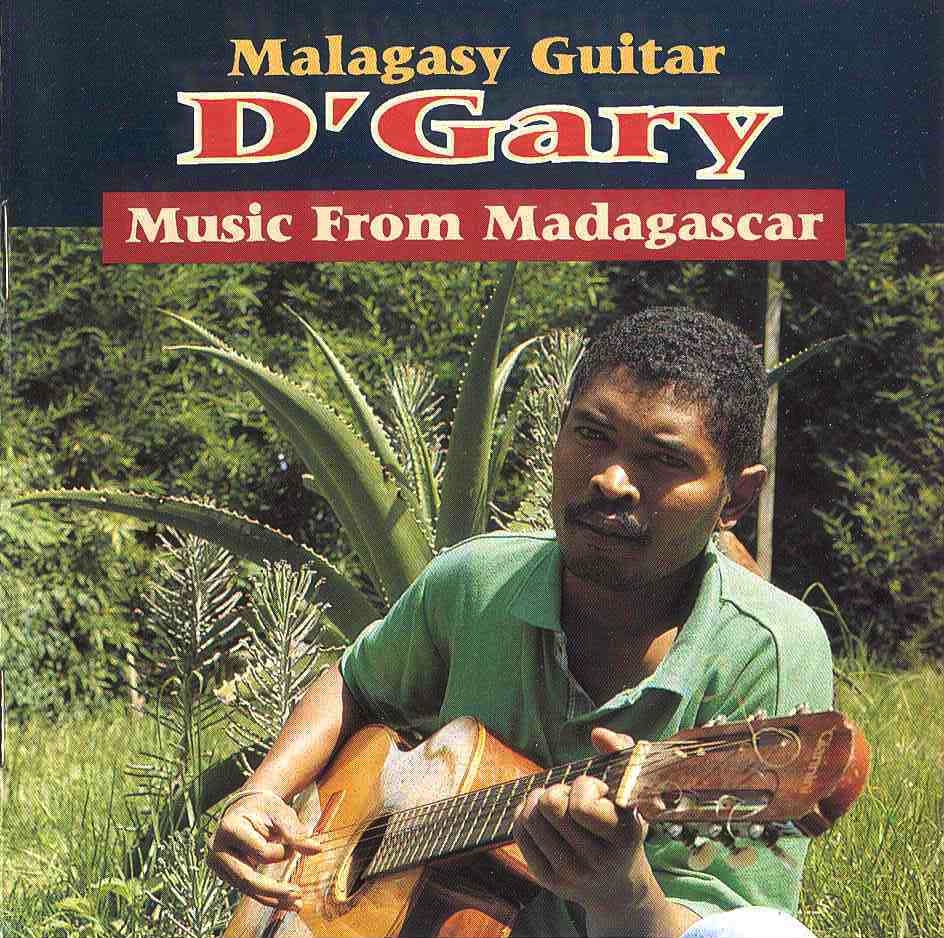
| 1991 | Malagasy Guitar recorded with Lindley and Kaiser |
| 1993 | Louisiana Festival; release of Malagasy Guitar |
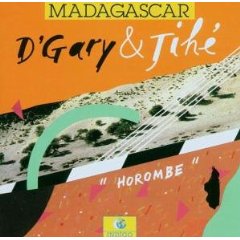
| 1996 | Horombe with the group Jihe |
| 2002 | Akata Meso on Label Bleu / Indigo |
| 2007 | International Guitar Night, 40 dates in North America |
| 2008 | Concert 46664, Hyde Park, for Mandela’s 90th birthday |
| 2009 | American tour with Béla Fleck |
| 2017 | Toko Telo, trio with Monika Njava and Joel Rabesolo |
From havoria to the international stage
D’Gary, born Ernest Randrianasolo, belongs to the Bara ethnicity, these guardians of zebu cattle who traverse the vast plains of south-central Madagascar. At eight years old, his family left Antananarivo for Tuléar. Rehearsals by his older brother, a bassist, attracted the curious teenager who built himself an artisanal guitar at thirteen. In 1978, his family returned to Betroka. A month after his father’s death, the Bara funeral rites gathered musicians paid in zebu cattle. During the havoria, the final phase of the ceremony, D’Gary heard women singing and weeping simultaneously—a foundational moment from which all his future music drew its inspiration2.
In 1979, Discomad, the only record label in Madagascar, signed his first 45 rpm record. In 1988, Dida, an influential figure in the Malagasy music world, housed him, fed him, and lent him a guitar. D’Gary abandoned his work as a mercenary musician to devote himself to his own style. In 1991, Americans David Lindley and Henry Kaiser heard him and wanted to record him. In one hour, he played thirteen pieces in a row. The result was Malagasy Guitar – The Music from Madagascar, published by Shanachie in 1993. Lindley described him as “a monster guitarist,” while Kaiser confessed: “I doubted my ears and my eyes.”2.
D’Gary became the most sought-after Malagasy artist on the international circuit3. With Jihe, he released Horombe (1996, Stern’s), where his open chords blended with rich orchestration. Akata Meso (2002, Label Bleu / Indigo) pushed further the exploration of a saturated guitar inspired by tsapiky. He performed at MASA in Abidjan (1995), the Cité de la musique in Paris (2001), and Womad Singapore (2001).
In 2007, he toured North America with International Guitar Night, a virtuoso quartet. In 2009, he toured the United States with Béla Fleck as part of Throw Down Your Heart. After a hiatus, he resurfaced in 2017 with Toko Telo, a trio featuring Monika Njava and Joel Rabesolo4.
Major works
| Work | Year | Why it’s essential |
|---|---|---|
| Malagasy Guitar – The Music from Madagascar | 1993 | First international album; introduced D’Gary to the world |
| Horombe (with Jihe) | 1996 | Open chords orchestrated with richness |
| Akata Meso | 2002 | Saturated guitar inspired by tsapiky, refined solos |
| International Guitar Night II | 2007 | Ephemeral quartet, 40 concerts in North America |
| Toy Raha Toy | 2017 | Return with Toko Telo, a trio blending tsapiky and jihe |
Legacy
D’Gary is an absolute autodidact. His journey, from the havoria ceremony to international stages, shows how a sensibility rooted in Bara traditions can resonate worldwide. A critic from Los Angeles Times described him as an inventive virtuoso in 2002. Derek Trucks of the Tedeschi Trucks Band dedicated a piece to him and cited him as a major source of inspiration. Forty years after his first chords, D’Gary remains one of the most unique guitarists on the global stage3.