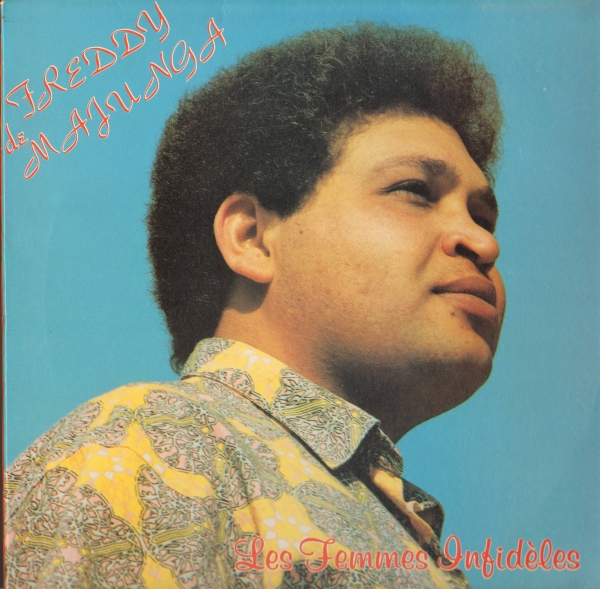
Biography
Freddy de Majunga: the bridge between Malagasy salegy and Congolese soukous
When Freddy de Majunga placed his guitar in a Parisian studio at the beginning of the 1980s, he achieved something rare: he wove a musical link between two shores of the Indian Ocean. Born in Madagascar and settled in France, this keyboardist and guitarist became one of the most sought-after session musicians on the Parisian soukous scene, while cultivating a distinctly Malagasy identity—which sets him apart from most of his peers, who came from Zaire or the Antilles1.
In brief
| Name | Freddy de Majunga |
| Birth | 1954, Madagascar |
| Domain | Guitar, keyboards; soukous, salegy, zouk |
| Emblematic works | Soudé Madiaba, Cool ! Cool !, I Kèmbé |
| Status | Active since the 1980s |
Key dates
| Year | Event |
|---|---|
| ~1954 | Birth in Madagascar |
| Late 1970s | Move to Paris, entry into the studio scene |
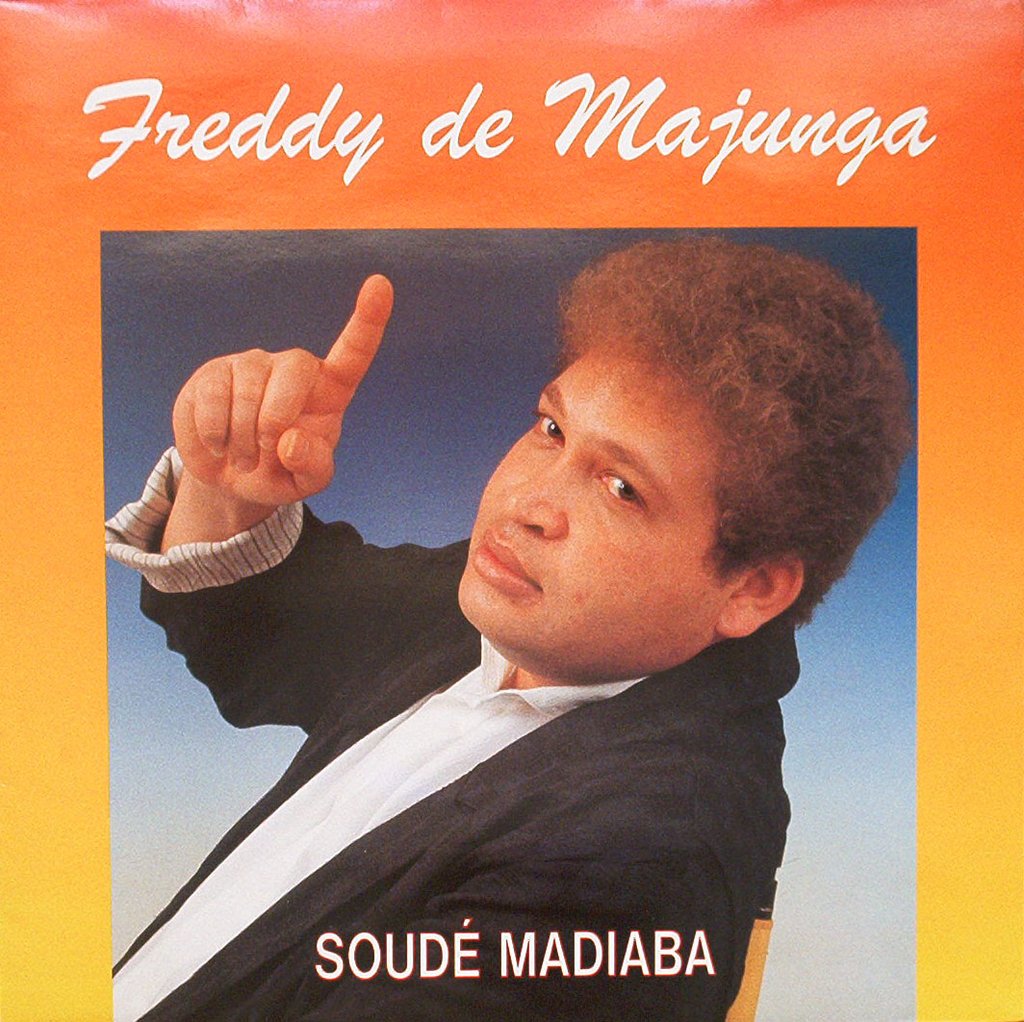
| 1989 | First album: Soudé Madiaba on Production J.P. |
| 1990 | Co-founding of Le Groupe Loketo, rhythm guitar on the first records |
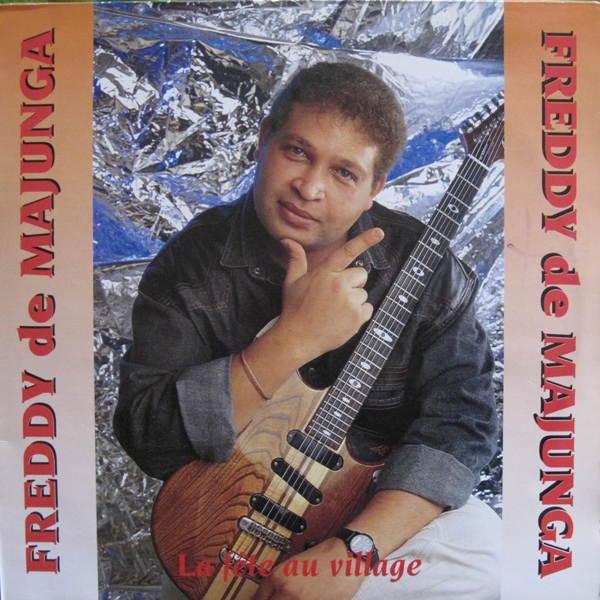
| 1991 | La Fête au Village (EP, Sonodisc) |
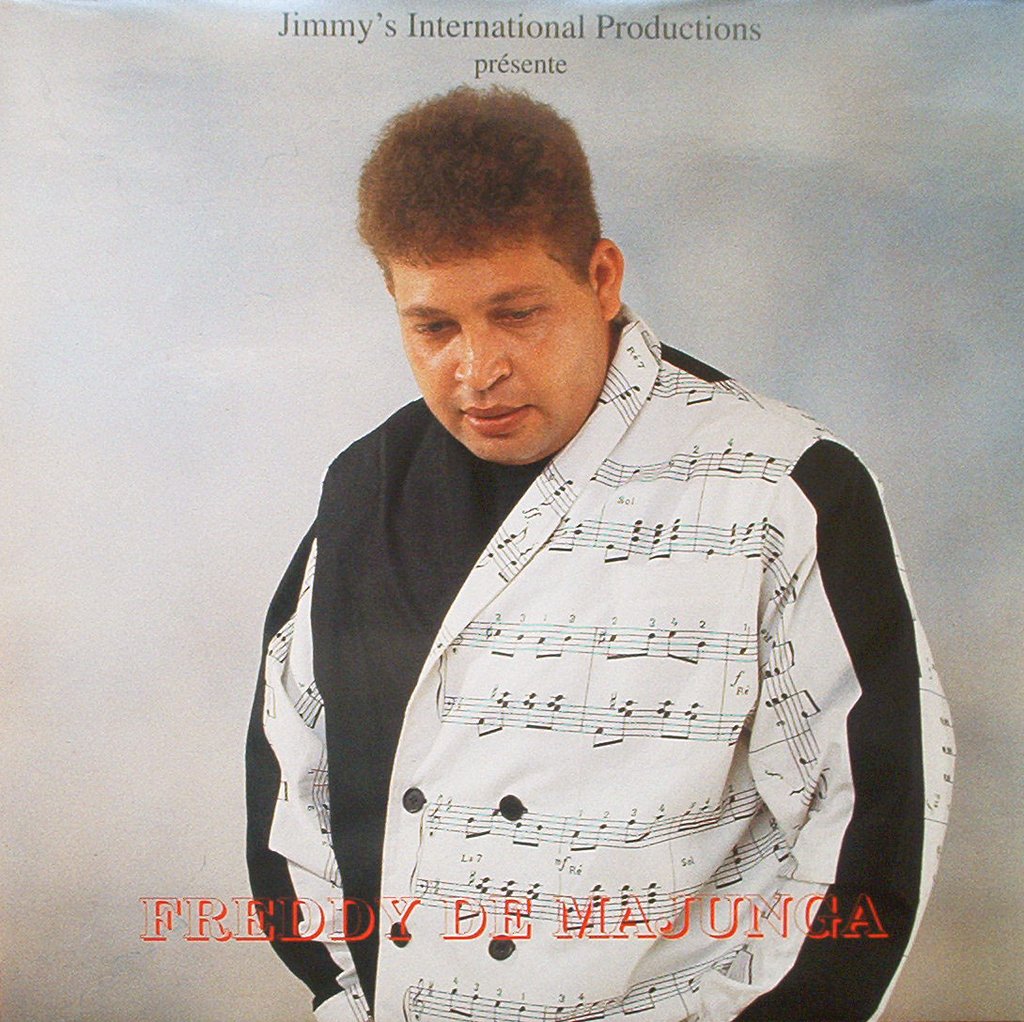
| 1992 | I Kèmbé (Jimmy Production) and Tsinjaka (Media7) |
| 1996 | Cool ! Cool ! (Sonodisc)—his greatest success |
| 1997 | Arrangements and production for Les 4 Étoiles, Kin Stars |
| 2002 | Best of Freddy (Piros Disques) |
| 2013 | Reissue I Kèmbé |
| 2019 | EP Soudé Madiaba (new version) |
| 2025 | Digital reissue La Fête au Village |
From Malagasy salegy to Parisian soukous
Freddy de Majunga learned music young, cradled by two sound universes: salegy, this dance style originating from Madagascar where the guitar crackles over marine rhythms2, and Congolese rumba, of which soukous is the electric variation—a groove made of interlaced guitars, a melodic riff, and a percussive rhythm that makes all of Africa dance.
At the end of the 1970s, Paris experienced a soukous boom: thousands of Congolese and West Africans frequented the clubs on Boulevard de La Chapelle, and studios multiplied to capture this sound. Freddy integrated naturally. Quickly, people came to hire him as a keyboardist and session guitarist—his virtuosity on the synth and his rhythmic sensitivity made him a prized collaborator3.
He rubbed shoulders with the giants of the scene: Papa Wemba, pioneer of Congolese rumba in Europe. These encounters forged his ear and opened the doors to the profession. He also worked on Réunion, a neighboring island of Madagascar where Creole and Malagasy music cross.
Loketo: co-founder without touring
One of the most interesting pages in his career: Freddy is one of the founding members of Le Groupe Loketo, a mythical formation of Parisian soukous born at the end of the 1980s. On Loketo’s first albums, he laid down his rhythm guitar and contributed to the arrangements. But he remained behind the scenes—he did not tour with the group, preferring studio work and his own solo career4.
This posture of a shadow musician, at the crossroads of worlds, is typical of these artists who built African urban music in Paris without ever seeking the front stage. Their legacy, however, is immeasurable.
Cool ! Cool !: the big leap
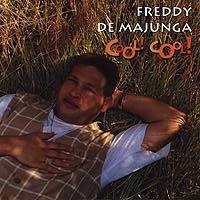
In 1996, Freddy released Cool ! Cool ! on Sonodisc5. The album was a turning point: he fully assumed his double identity, blending Malagasy salegy rhythms with Congolese soukous guitar structures. The track La Fête au Village became a hit, played on African and Indian Ocean radio stations. Cool ! Cool ! is one of the first records where a Malagasy artist signed a successful soukous album and distributed it internationally.
The album, entirely produced and arranged by Freddy, shows a musician who plays everything—electric guitar, bass, keyboards, drum programming—and who signs the covers himself. It is a complete artisanal work, rare in a genre where Parisian studios mobilize hundreds of sessionmen.
Legacy
Freddy de Majunga remains today an emblematic figure of the Malagasy diaspora in music. His career, begun in Parisian studios of the 1980s, continued between Madagascar and Réunion. Although his solo production was modest in terms of album count, his impact as a session musician, arranger, and figure of the cross-soukous-malgache remains profound. He paved the way for subsequent Malagasy artists, showing that salegy could dialogue with soukous without losing its soul—a musical bridge between East Africa and Central Africa that still lacks its historian.
Major works
| Work | Year | Why it is essential |
|---|---|---|
| Soudé Madiaba | 1989 | First album: introduces Freddy’s soukous groove, with tracks like Reine de mon cœur that became classics |
| La Fête au Village (EP) | 1991 | First record on Sonodisc, launch of his solo career in Europe |
| I Kèmbé | 1992 | Confirmation of personal style, between salegy and soukous |
| Cool ! Cool ! | 1996 | Masterpiece of fusion, hit La Fête au Village, international distribution |
Sources and references
-
AllMusic, bio by Steve Huey, accessed October 28, 2026, https://www.allmusic.com/artist/freddy-de-majunga-mn0001193783 ↩︎
-
African Music Library, artist profile Freddy De Manjunga, accessed October 28, 2026, https://africanmusiclibrary.org/artist/Freddy%20De%20Manjunga ↩︎
-
Afropop Worldwide, article Soukous Heyday in Paris, 1989 by Gary Stewart, accessed October 28, 2026, https://www.afropop.org/articles/best-of-the-beat-on-afropop-soukous-heyday-in-paris-1989 ↩︎
-
John Peel Wiki, profile Freddy De Majunga, accessed October 28, 2026, https://peel.fandom.com/wiki/Freddy_De_Majunga ↩︎
-
Discogs, Soudé Madiaba (1989), accessed October 28, 2026, https://www.discogs.com/release/2568341-Freddy-De-Majunga-Soud%C3%A9-Madiaba ↩︎