Biography
Ernesto Djédjé: the king of ziglibithy
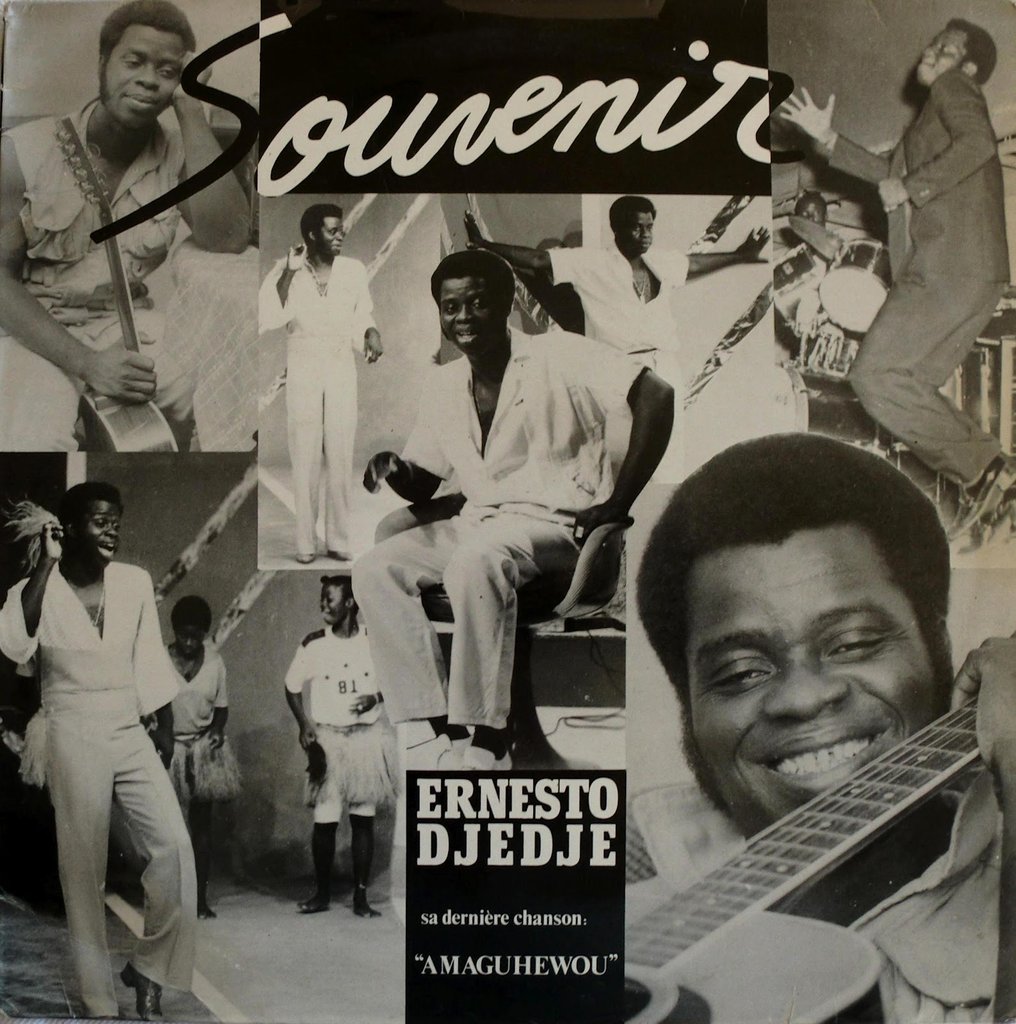
In June 1983, at the Hôtel de Yamoussoukro, a sudden illness interrupted Ernesto Djédjé’s tour. There he lay, the singer who made Côte d’Ivoire dance to the rhythm of a style he had invented. He was thirty-five years old. The whole country collapsed: no one understood, no one forgave, and for hours, the streets of Yamoussoukro were filled. The « Gnoantré national », the eagle of the Bété people, had just passed away — taken by what might have been an untreated ulcer, or, according to rumors that never wanted to die, by poison hidden in a meal. Far from being just a disappeared musician, it was an entire voice of Africa that fell silent.
In brief
| Full name | Ernest Djédjé Blé Loué |
| Birth | 1947, Tahiraguhé (Daloa), Côte d’Ivoire |
| Death | 9 June 1983, Yamoussoukro, Côte d’Ivoire |
| Field | Singer, guitarist, composer, dancer |
| Style | Ziglibithy — fusion of traditional Bété music with funk, soul, makossa and Congolese rumba |
| Signature works | Ziboté, Aguissè, Les Ziglibithiens, Tizéré |
| Awards | Best musician of the year, Ivoire Dimanche (1976–1977); President Houphouët-Boigny award (1982) |
Key dates
| Year | Event |
|---|---|
| 1947 | Birth in Tahiraguhé, a village near Daloa, in Bété country |
| 1957 | Initiated into tohourou — lyrical singing and traditional Bété fable |
| 1963 | Co-founding of the group Les Antilopes |
| 1965 | Joined Amédée Pierre’s Ivoiro-Star, becoming its leader |
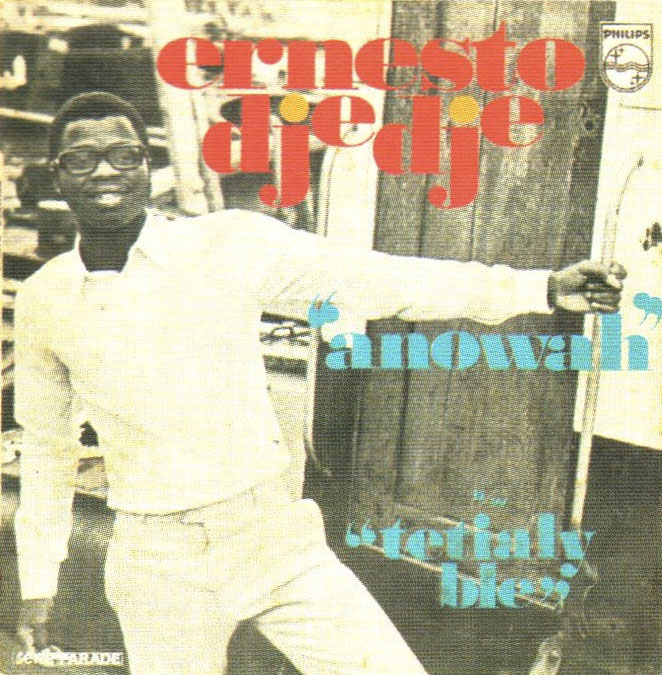
| 1970 | First single Anowa arranged by Manu Dibango (Philips) |
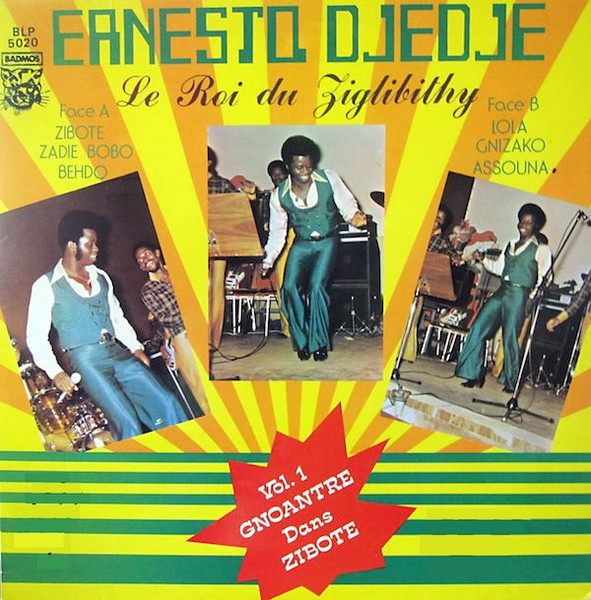
| 1977 | Release of Ziboté, recorded in Lagos, international hit |
| 1978 | Founding of Les Ziglibithiens; album Les Ziglibithiens |
| 1983 | Death in Yamoussoukro on 9 June |
From a Bété village to the king of ziglibithy
Ernest Djédjé Blé Loué was born in 1947 in the village of Tahiraguhé, in Bété country, in central-western Côte d’Ivoire. His father, Touré, a Senegalese businessman, left the family home for the Central African Republic where he became imam of Bangui under Emperor Bokassa. Ernest grew up on his mother’s side, raised by his mother Dapia Blé, a Baptist official, and his uncle Blé Loué. « Djédjé » means « iroko », the sacred Bété tree that invokes the protection of ancestors — a name of hope for a child considered such. From age ten, he was initiated into tohourou, the guéré-bété rhythm of lyrical singing that forged his poet’s voice. At sixteen, with his friend Mamadou Kanté, he co-founded Les Antilopes and began to handle the guitar. In 1965, Amédée Pierre, a tutelary figure in Ivorian music, spotted the young guitarist in Vavoua and integrated him into his Ivoiro-Star, where he quickly became bandleader.
In 1968, holding his BEPC diploma, Ernesto went to Paris for computer science studies. He did not abandon music there: he met Manu Dibango, François Lougah and Anouma Brou Félix, these pan-Africanists of the Afro-Parisian scene. With Dibango as arranger, he recorded Anowa in 1970, his first single on Philips, steeped in soul and rhythm and blues. Six albums followed between 1970 and 1973. « On the international level, Ivorian singers are little known. We have an interest in working on our folklore to better make it known », he wrote in Ivoire Dimanche in 1972. Back in Côte d’Ivoire in 1973, he set up the San-Pédro Orchestra before deciding to concretize his project.
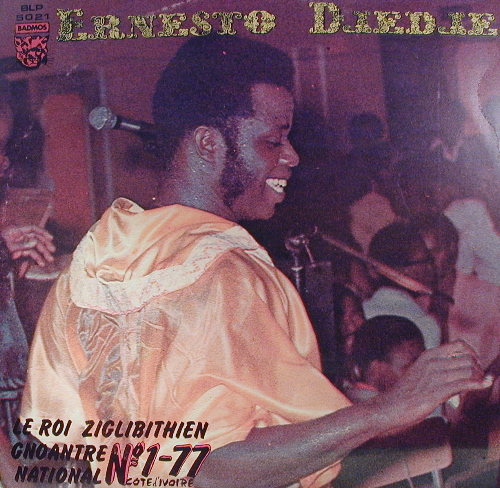
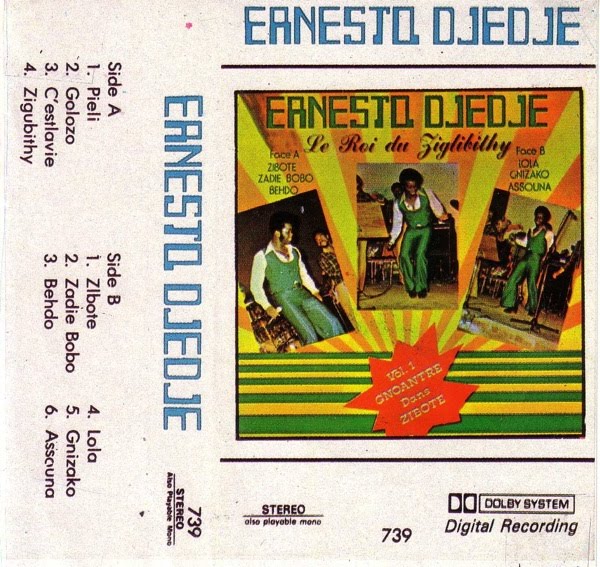
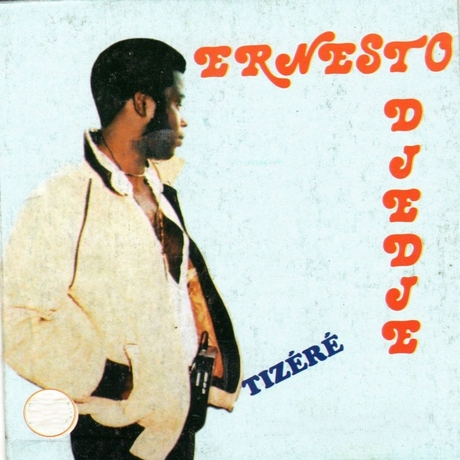
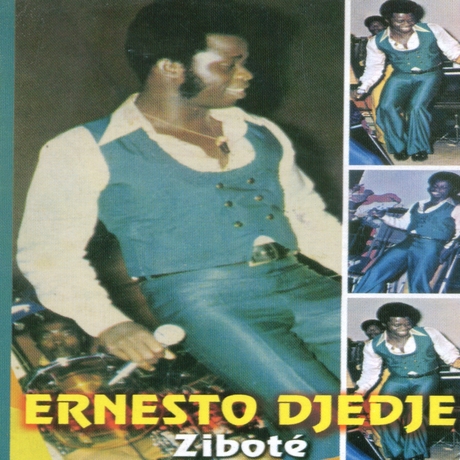
In 1977, with producer Badmos, Ernesto locked himself for six months in the EMI studios of Lagos and published Ziboté. The eponymous title exploded: the first concert abroad took place in Upper Volta, soon followed by Niger, Mali, Togo, Benin, Cameroon, Liberia and Guinea. « Fraternité Matin » saw in it « a new way of envisioning Ivorian music ». Legend has it that the title track of the following album, Les Ziglibithiens (1978), nine minutes of syncopation and coiled guitars, was reinterpreted in Colombia under the name El Tigre. Golozo (1979), Azonadé (1980) and Tizéré (1982) consolidated his status, and President Houphouët-Boigny honored him in 1982 for his cultural contributions. Standing at 1.98 m, an unparalleled showman with his signature « head thrust », the king of ziglibithy became the icon of a generation seeking identity.
Major works
| Work | Year | Why it is essential |
|---|---|---|
| Ziboté | 1977 | First LP, recorded in Lagos; launched ziglibithy on the sub-regional stage |
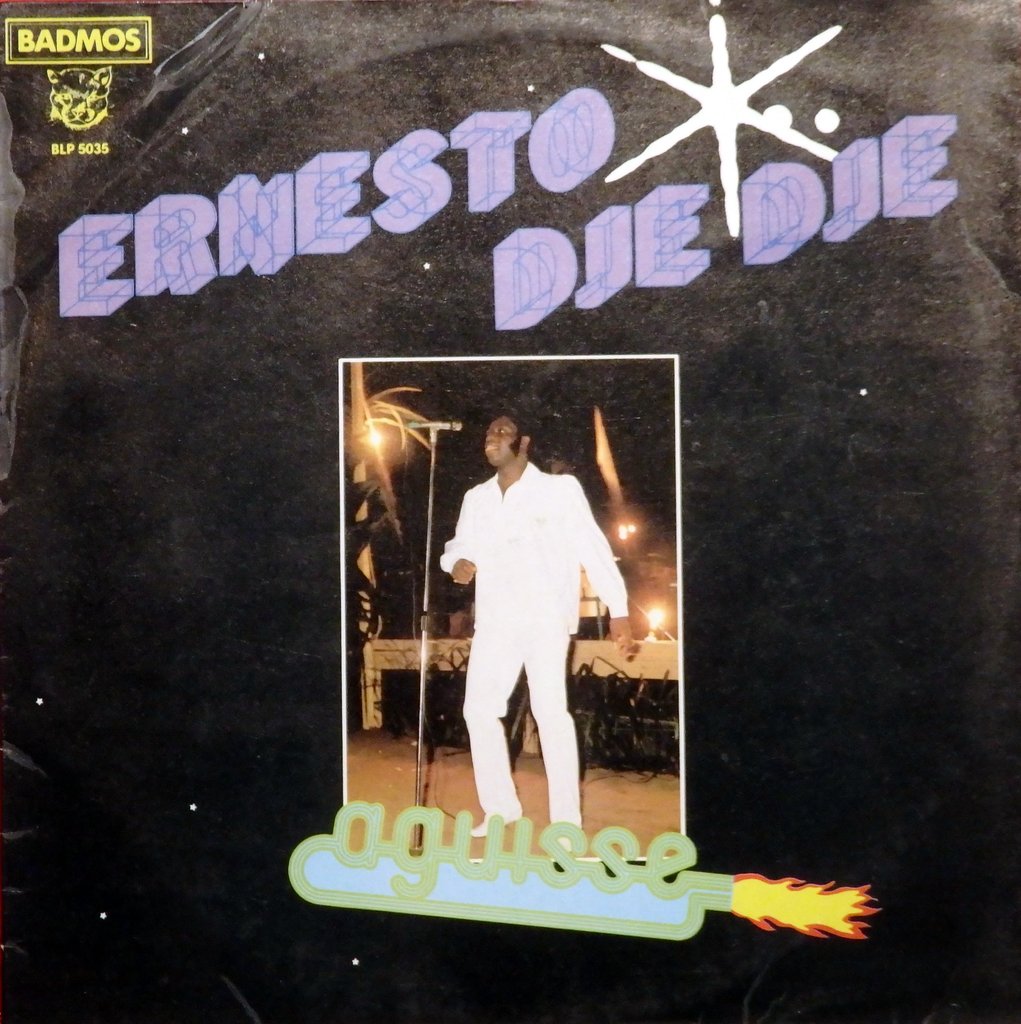
| Aguissè | 1978 | Bété-funk-makossa fusion at its peak; the eponymous title became a dance hall standard |
| Les Ziglibithiens | 1978 | Syncoped masterpiece; the nine-minute title track influenced generations of dancers |
| Tizéré | 1982 | Last complete album, with political tributes and increasing sophistication |
Legacy and influence
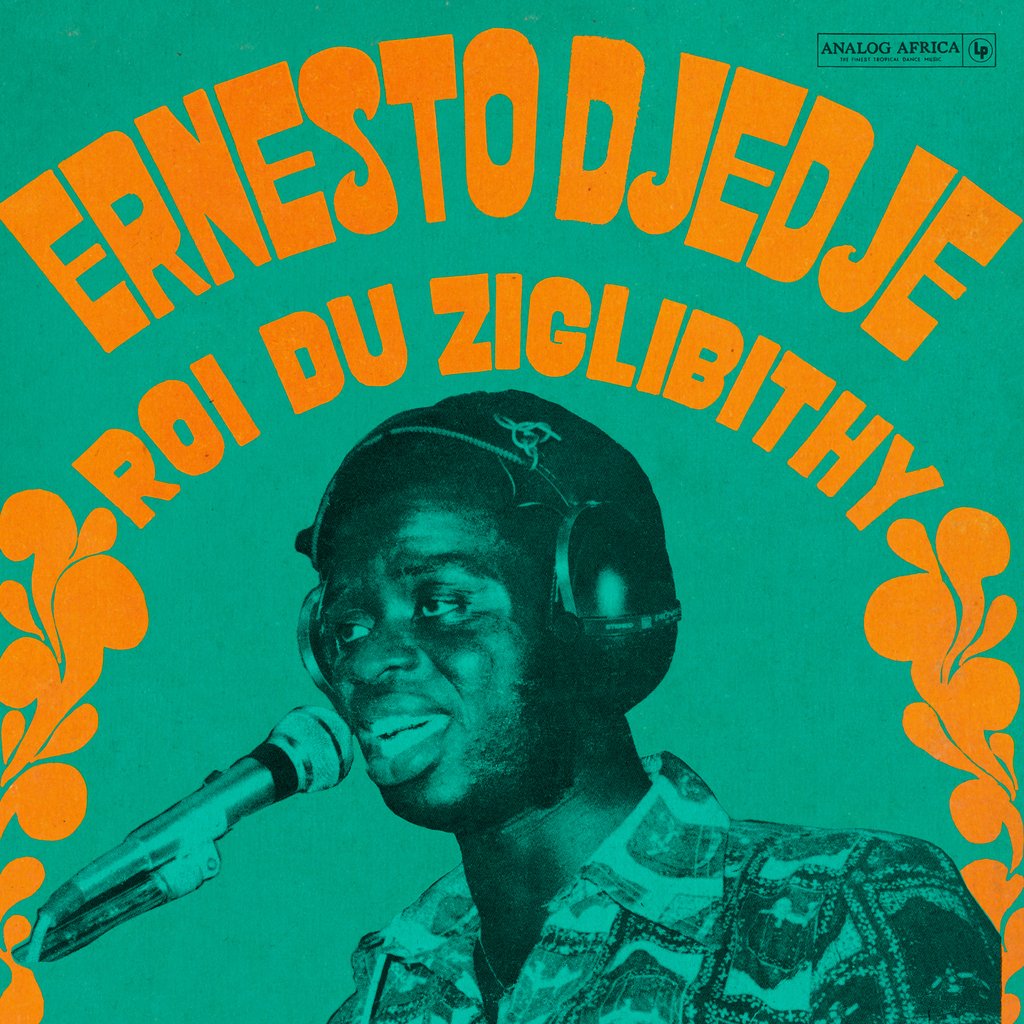
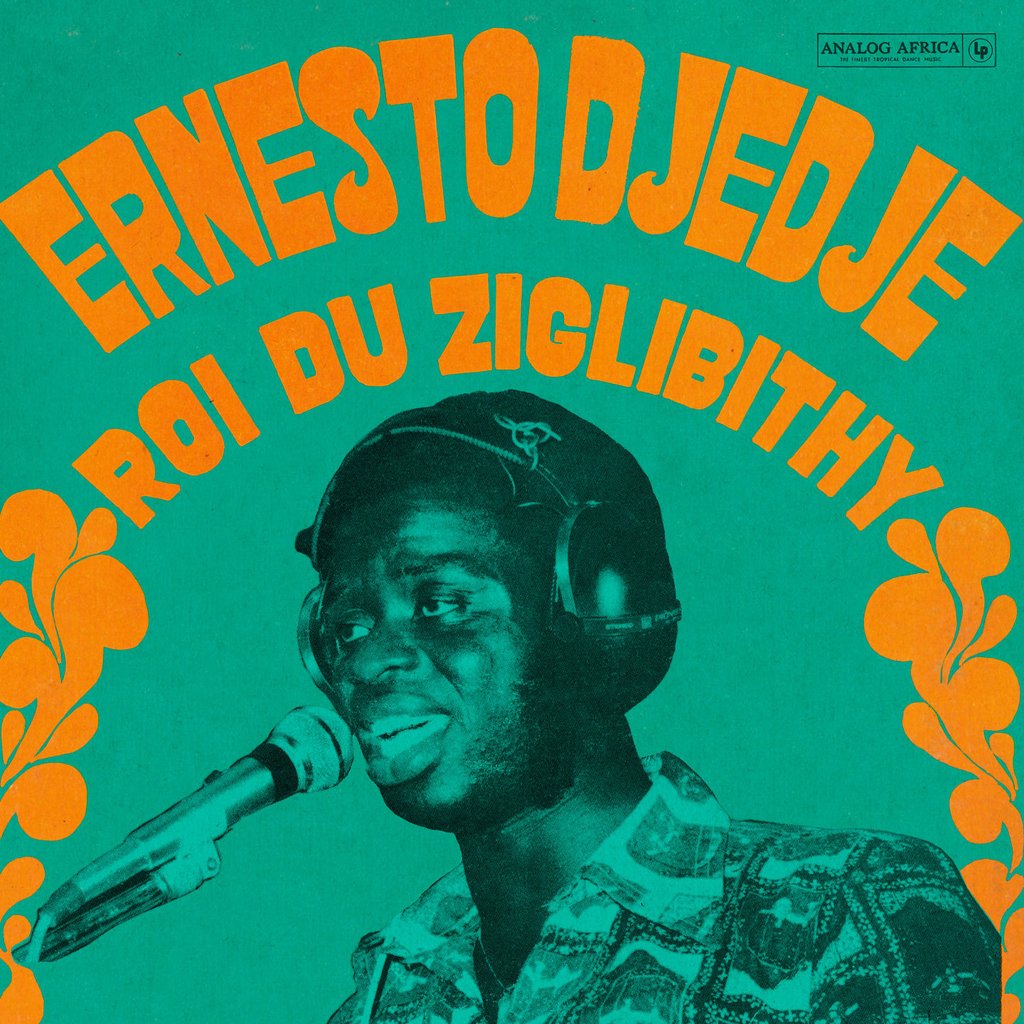
The death of Ernesto Djédjé at thirty-five left a void, but his imprint did not fade. The zouglou born in the 1990s in Côte d’Ivoire and the coupé-décalé that accompanied it from 2003 are stylistic descendants of ziglibithy. Alpha Blondy and Johnny Lafleur paid tribute to his memory at funerals where twenty thousand spectators gathered. In 2022, the reissue Roi du Ziglibithy by Analog Africa opened a dialogue between his generation and a new global audience. Yacouba Konaté summarized his project thus, in Alpha Blondy — Reggae et société en Afrique noire (1987): « Better than any theory of authenticity, ziglibithy gives meaning and form to the will of Africans who wish to nourish themselves from the sap of their roots. »
Sources and references
- « When Ernesto Djedje made Côte d’Ivoire dance (and dream) », RFI Musique, https://musique.rfi.fr/musique-africaine/20221026-quand-ernesto-djedje-faisait-danser-rever-cote-divoire.html, accessed 20 October 2026.
- « Ernesto Djédjé », Wikipedia, https://fr.wikipedia.org/wiki/Ernesto_Dj%C3%A9dj%C3%A9, accessed 20 October 2026.
- « Ernesto Djédjé : king of ziglibithy, father of the ziglibithiens », Pan-African Music, https://pan-african-music.com/en/ernesto-djedje-king-of-ziglibithy/, accessed 20 October 2026.
- Y. Sangaré, « Music: Ernesto Djédjé, 30 years already: A look back at the career of an extraordinary artist », Le Patriote (Abidjan.net), 8 June 2013, https://news.abidjan.net/articles/461668/musique-ernesto-djedje-30-ans-deja-retour-sur-le-parcours-dun-artiste-peu-ordinaire, accessed 20 October 2026.
- « Ernesto DjéDjé », Discogs, https://www.discogs.com/artist/627735-Ernesto-Dj%C3%A9Dj%C3%A9, accessed 20 October 2026.
- « Ernesto Djédjé », MusicBrainz, https://musicbrainz.org/artist/1b78d33d-0321-4784-b795-668100dbf72c, accessed 20 October 2026.
- « Ernesto Djédjé », Wikipedia EN, https://en.wikipedia.org/wiki/Ernesto_Dj%C3%A9dj%C3%A9, accessed 20 October 2026.