Biography
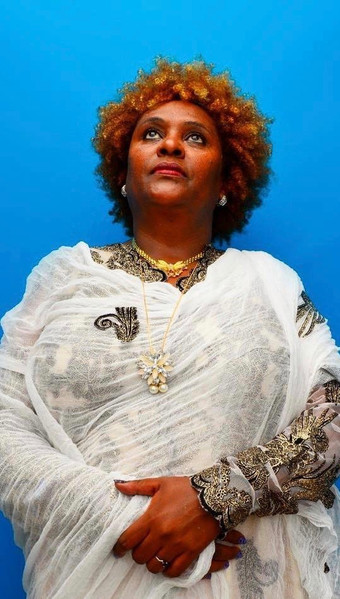
Eténèsh Wassié
Born in 1971 in Gondar, at the heart of Orthodox Ethiopia, Eténèsh Wassié first learned life in the azmaribèt — these nightclubs where East African griots improvise double-entendre songs, whimsical and spicy. At twenty, at the beginning of the 1990s, she was already performing in these halls of Addis Ababa in three-piece suits, with a sharp mind and a deep voice that never went unnoticed. Ten years later, her music crossed the ocean: Francis Falceto’s Éthiopiques opened the door, then Le Tigre des platanes took her on tour. Today, recognized both in azmari circles and on the contemporary stage, Eténèsh Wassié embodies a vocal art that is both ancestral anchor and experimental rupture.
In Brief
| Name | Eténèsh Wassié (born 1971) |
| Place of Birth | Gondar, Ethiopia |
| Genre | Ethiopian Jazz, azmari, ethio-jazz |
| Activity | 1990s – present |
| Labels | Buda Musique, Mr Morezon |
Key Dates
| Year | Event |
|---|---|
| 1971 | Birth in Gondar, in an Ethiopian Orthodox family |
| Early 1990s | Debut in Addis Ababa in the azmaribèt — these street cabarets on Sefer Street |
| 2004 | Participation in Éthiopiques 18: Asguèbba! on the track “Ambassel” |
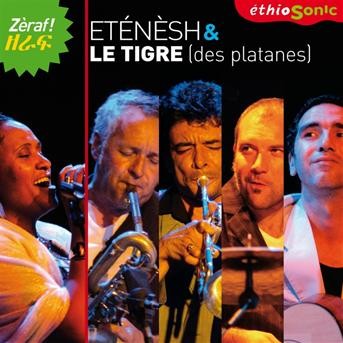
| 2007-2010 | Tour with Le Tigre des platanes; first album Zèraf! (2008) |
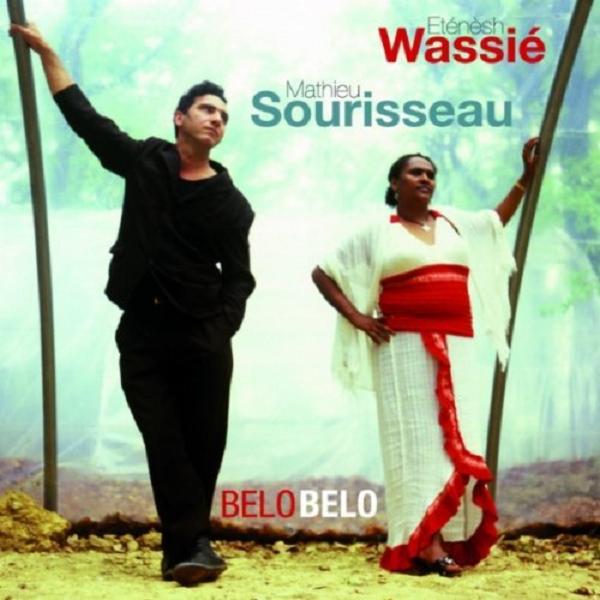
| 2010 | Publication of Belo Belo with Mathieu Sourisseau (label Buda Musique) |
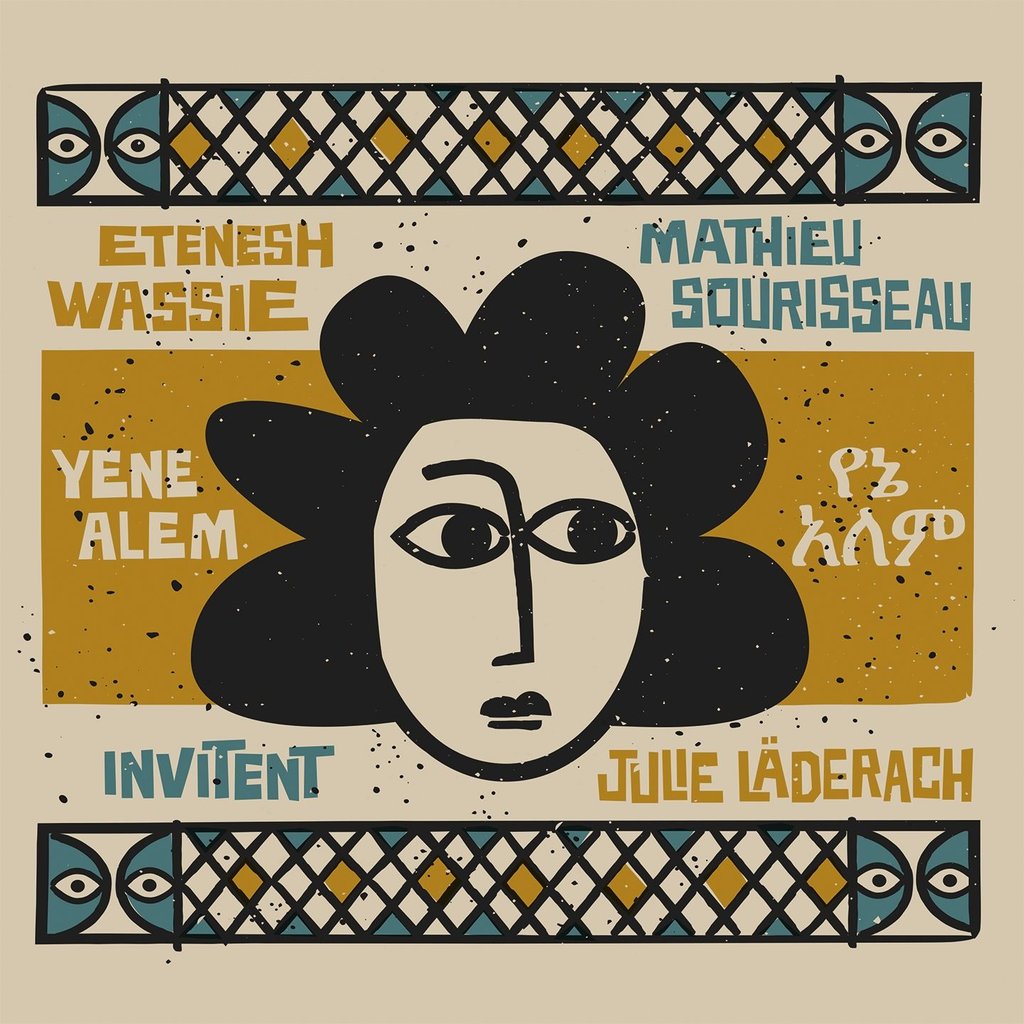
| 2018 | Yene Alem with Mathieu Sourisseau and Julie Läderach; Banlieues Bleues festival |
| 2024-2026 | Trio Sourisseau-Wassié-Bacquias; new album Arada (2026, Mr Morezon) |
| 2024 | Parallel collaboration with guitarist Paolo Angéli |
The Origins and the Azmari Scene
The name comes from Amharic. Born in the imperial city of Gondar, cradle of King Fasilides’ fortresses, she grew up in an Orthodox family that imbued her nights with Ethiopian liturgical chants. This early immersion in sound and speech shaped a unique style.
At twenty, she moved to Addis Ababa and plunged into the world of azmaribèt. These cabarets, including Sefer Street, nicknamed Datsun Sefer, which was the nerve center for fifteen years, inherited the azmari tradition — these troubadour-griots of East Africa who sing while improvising double-entendre couplets, between social satire and love poetry. On stage, Eténèsh stands out with her sense of humor and her three-piece suits, making her presence as sartorial as it is vocal on the Addis Ababa scene. She earned a special place there, invited by many musicians from the capital for studio collaborations as well as on stage.
But in Ethiopia, azmaribèt gradually entered decline. It was toward the Meskel Flower neighborhood, where a dynamic new generation was renewing itself, that Eténesh transferred her creative energy. And it is there that the road to international crossed hers.
International Opening and Experiments
In 2004, Francis Falceto — founder of the famous discographic collection Les Éthiopiques at Buda Musique — invited her to record two tracks, “Ambassel” and “Bati”, for volume 18 of the series. This appearance launched an international career that would only grow stronger.
Two years later, Le Tigre des platanes (the Toulouse group) invited her to create a show mixing covers of Golden Age Ethiopian standards — Mahmoud Ahmed, Alemayehu Eshete, Aster Aweke — with azmari traditions. From 2007 to 2010, the singer toured French and European festivals. In return, she took the group to Ethiopia in 2009: this tour gave birth to the documentary Yezemed Yebaed, directed by Leïla Morouche.
It was during this period that the fundamental collaboration with Mathieu Sourisseau, bassist of Le Tigre des platanes, was born. Together, they fused Ethiopian traditions with jazz-guitar and Sourisseau’s acoustic bass. The duo published Belo Belo in 2010 on the Buda Musique label — an album where traditional Ethiopian poems are set to music by Sourisseau, in the form of a dialogue between a raw voice and knife-edge strings. This record explores the tension between space and noise, described as Ethiopian grunge by Inside World Music.
The duo was enriched in 2018 with a French cellist, Julie Läderach: the trio published Yene Alem, an album where Ethiopian modes blend into a bass, cello, and vocal architecture, both austere and hypnotic. The Citizen Jazz described the Tezeta ethio-blues as hypnotic, where Sourisseau weaves strange loops, and Läderach offers a lyrical counterpoint that elevates the whole.
In 2024, Eténesh began a new parallel chapter with Paolo Angéli, experimental Sardinian guitarist. But it is the trio with Sourisseau and Sébastien Bacquias (double bass) that remains her armor: the album Arada, published in March 2026 with Mr Morezon, marks a culmination point and also a new direction — with the addition of Fabien Duscombs (drums, ex-Le Tigre des platanes) and Mathieu Werchowski (violin), the trio transforms into a quintet on some tracks. The single “Cheguitou” captures this luminous, playful and joyful music, where the messenqo — that traditional Ethiopian single-string violin — resonates in the double bass bow as a subtle undercurrent.
Major Works
| Work | Year | Why It’s Essential |
|---|---|---|
| “Ambassel” (Éthiopiques 18) | 2004 | The first international calling card; a traditional azmari chant that inaugurates the Éthiopiques series |
| Zèraf! (Le Tigre des platanes) | 2008 | First collaborative album that launched Eténesh on European stages; reimaginings of Ethiopian Golden Age classics |
| Belo Belo (Mathieu Sourisseau) | 2010 | The first duo album: traditional poems, acoustic bass at the edge of noise, raw knife-edge vocals |
| Yene Alem (Sourisseau + Läderach) | 2018 | The expanded trio; Ethiopian modes and orchestration of basses and cellos, a bewitching Afro-American jazz |
| Arada (Trio + Quintet) | 2026 | The culmination; quintet, messenqo in the background, drums and improvised jazz, a fresh departure |
Legacy and Influence
Eténèsh Wassié is a singer who does not need decorations to assert her voice—the azmari tradition was enough for her, and she subsequently exported it to Europe with equal audacity and fidelity. Her career illustrates what happened to Ethiopian sound after the Éthiopiques collection: not museumification, but permanent mutation. Her collaborations with Sourisseau, Le Tigre des platanes, and then Paolo Angéli weave a network of musicians who consider Ethiopia not as a source of samples, but as a full-fledged partner.
Her music—where tezeta, this Ethiopian form of nostalgia, merges with American blues—opens a space where tradition is never a prison. The Mr Morezon label describes her singing as blending technical mastery and majestic cracks, evoking great blues figures like Bessie Smith or jazz singer Abbey Lincoln. It is not merely an Ethiopian legacy: it is a universal blues legacy, and of the voice that carries it.
Sources and References
- “Eténèsh Wassié”, Wikipedia, https://en.wikipedia.org/wiki/Et%C3%A9n%C3%A8sh_Wassi%C3%A9, accessed November 16, 2026.
- “Eténèsh Wassié”, Wikipédia en français, https://fr.wikipedia.org/wiki/Et%C3%A9n%C3%A8sh_Wassi%C3%A9, accessed November 16, 2026.
- “Etenesh Wassié”, Freddy Morezon (official label), https://freddymorezon.org/en/artistes/etenesh-wassie/, accessed November 16, 2026.
- “CD Review: Mathieu Sourisseau & Etenesh Wassie”, Inside World Music, http://insideworldmusic.blogspot.com/2011/04/cd-review-mathieu-sourisseau-etenesh.html, accessed November 16, 2026.
- “Citizen Jazz : Wassie Sourisseau Laderach”, Citizen Jazz, https://www.citizenjazz.com/Wassie-Sourisseau-Laderach.html, accessed November 16, 2026.
- “Session live Etenesh Wassié et Nakhane”, RFI Musique, https://musique.rfi.fr/emission/info/musiques-monde/20180422-session-live-etenesh-wassie-nakhane-tradition-ethiopienne-pop.html, accessed November 16, 2026.