Biography
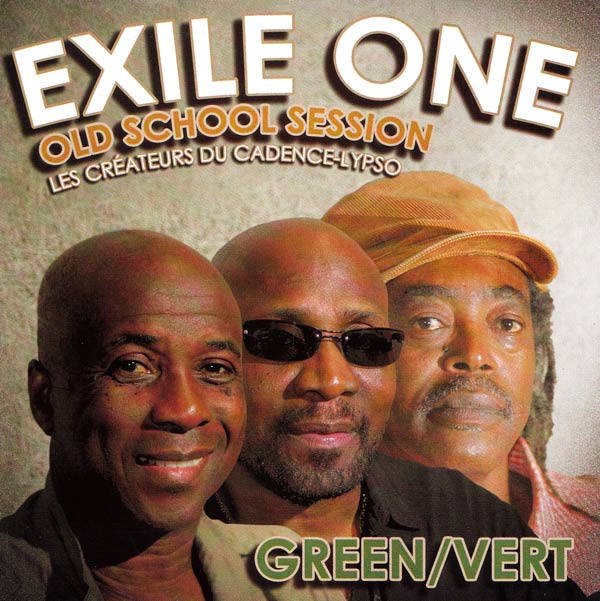
Exile One
In 1974, at a packed Parisian ball, Exile One played for an hour without seeing anyone dance1. The promoter arrived: “You must make them dance or we refund you.” Gordon Henderson changed the rhythm, sped up the tempo, and suddenly shoulders moved, feet struck. That night, a new sound was born—not in a studio, but on a parquet floor, driven by the wrist strength of a Dominican who had crossed the Atlantic to make his island heard.
In brief
| Group name | Exile One |
| Founder | Gordon Henderson |
| Origin | Roseau, Dominica (Leeward Islands) |
| Base | Guadeloupe (from 1969) |
| Genres | Kadans, cadence-lypso, zouk, world music |
| Period | Early 1970s – present |
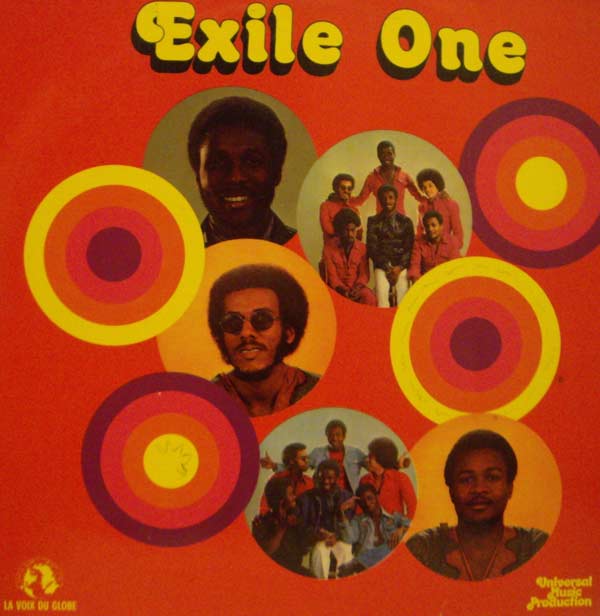
| Notable albums | Exile One (1974), Beaucoup d’Gaz à Bo (1975) |
| Awards | First Caribbean gold records on Barclay Records |
Key dates
| Year | Event |
|---|---|
| 1969 | Gordon Henderson settles in Guadeloupe, sings with Les Vikings |
| 1973 | Creation of Exile One in Guadeloupe with Dominican musicians |
| 1974 | Release of first album Exile One — Parisian breakthrough |
| 1975 | First contract with Barclay Records; Beaucoup d’Gaz à Bo released |
| Early 1980 | Julie Mourillon founds Roots of Exile, innovates the Island Boogie beat |
| 1997 | Henderson launches the World Creole Music Festival in Dominica |
| 2025 | Gordon Henderson still performs live; vinyl reissue of first album |
Origins: a Dominican in Guadeloupe
Gordon Henderson was born in Roseau, capital of Dominica, and grew up in Portsmouth. At St. Mary’s High School, he joined the glee club and participated in talent contests. As a teenager, he formed Voltage Four, a quartet inspired by Booker T. & the MGs, and toured Martinique and Guadeloupe. In 1969, he decided that Guadeloupe offered everything needed for his career and set sail there. The following year, he joined Les Vikings de Guadeloupe—the only professional band on the island, capable of touring in French Guiana, Martinique, and mainland France. It was there he recorded “Love”, a hit that crossed the Caribbean Sea all the way to Suriname2.
Revelation: kadans explodes
But Henderson wanted his own group3. He asked a former schoolmate, Fitzroy Williams, to bring back Dominicans to complete the lineup. The group was born: Exile One.
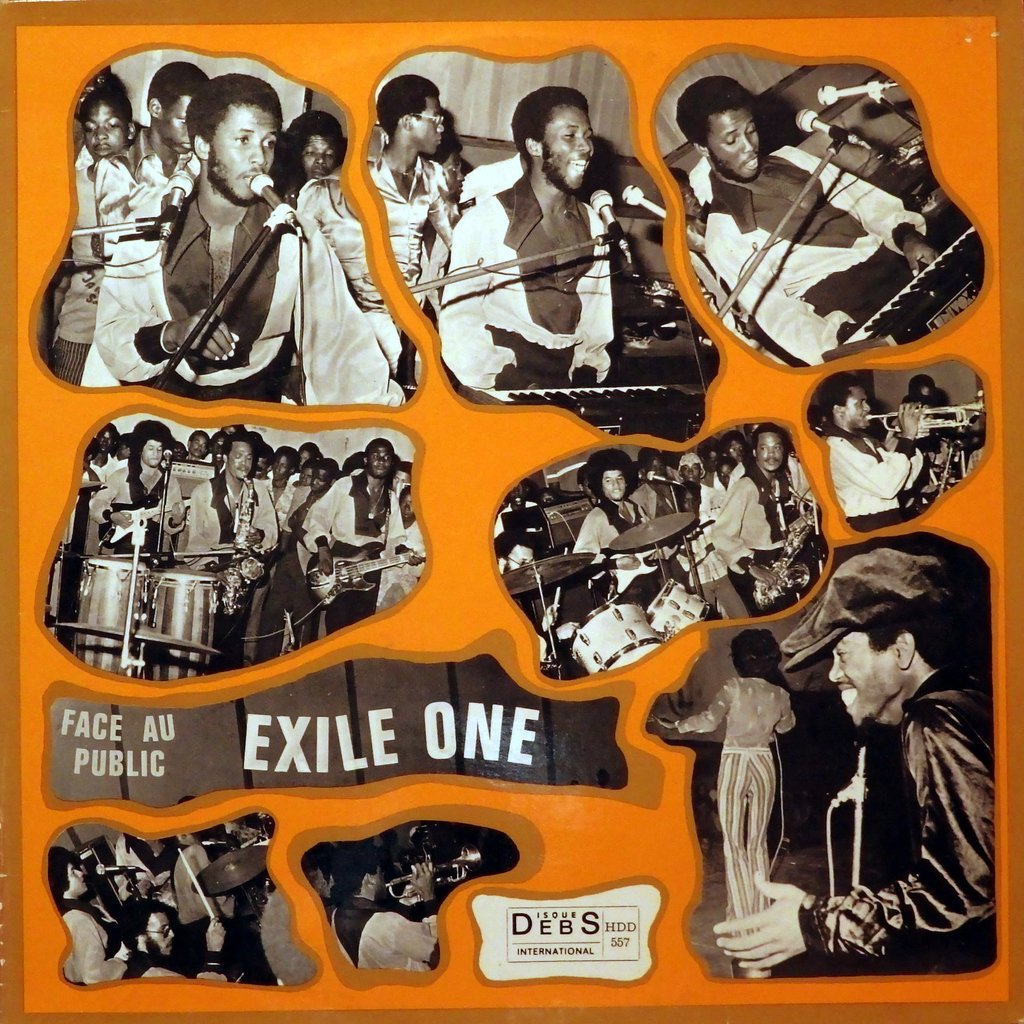
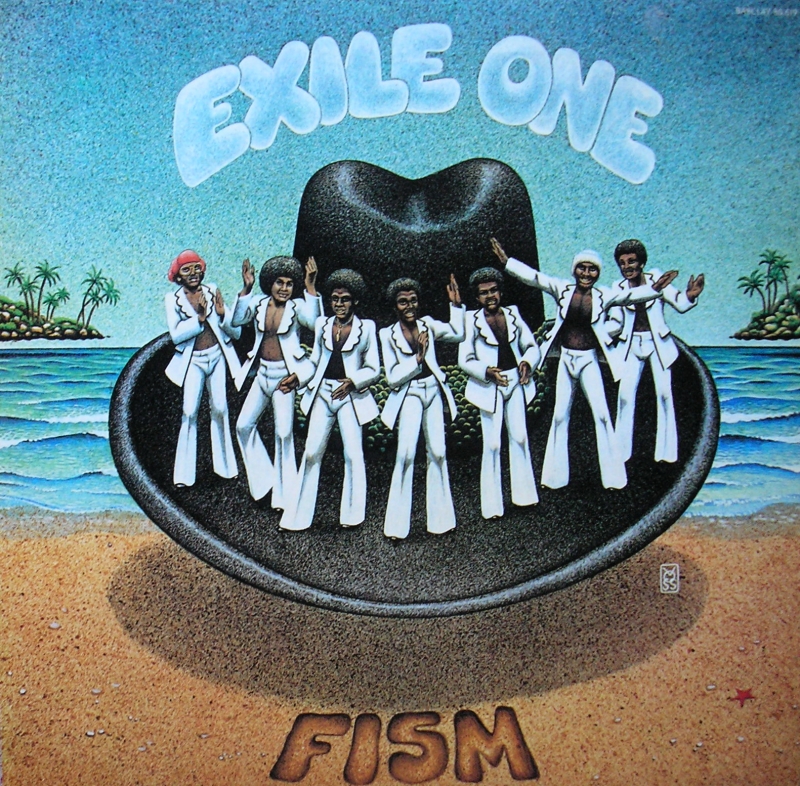
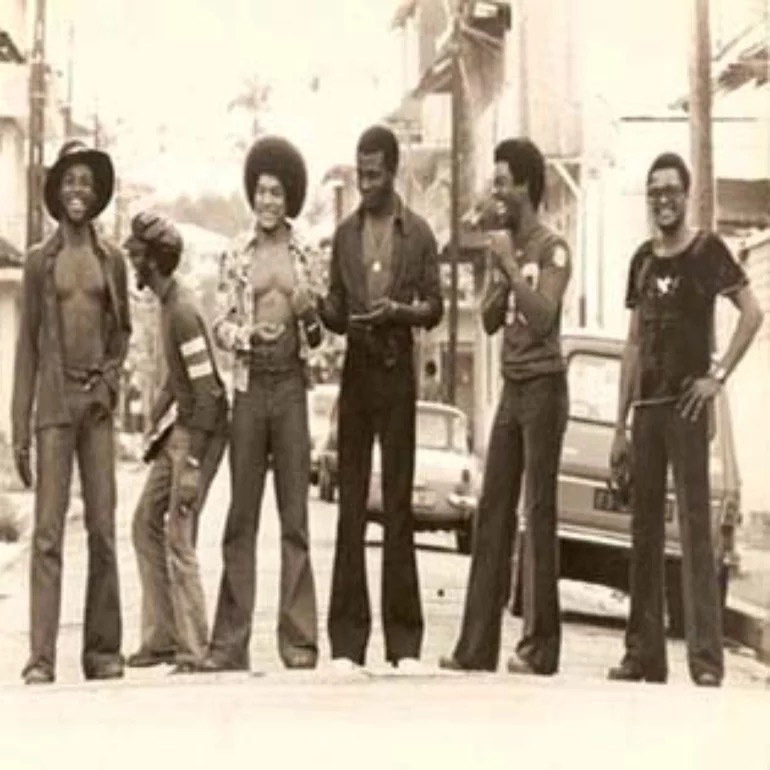
The original line-up reunited Gordon Henderson (vocals, organ), Fitzroy Williams (organ, synthesizer), Oliver Cruickshank (drums), Julie Mourillon (guitar, backing vocals), Vivian Wallace (bass, backing vocals), Kremlin Fingal (trumpet, backing vocals) and Pierre Labor (saxophone, backing vocals). The formula was a fireworks display: Haitian kadans rubbing against Anglo-Caribbean calypso, all sprinkled with funk and soul. In 1975, Exile One signed with Barclay Records, the first Creole act to cross that threshold. Producer Henry Debs recounts that “Exile One sold 70,000 albums without radio or television”1.
Evolution: beyond kadans
At the beginning of the 1980s, guitarist Julie Mourillon left Exile One to found Roots of Exile. With him, the group launched the Island Boogie beat—a fusion of cadence-lypso and North American funk—and went on tour in Africa and Europe4. While Henderson produced other artists (Ophelia Marie, the “Creole Dame of Singing”) and co-founded Tropic FM radio in Paris, kadans evolved into zouk.
Gordon Henderson also dreamed of a festival in Dominica. In 1997, the World Creole Music Festival was born. Henderson is one of its founders. Forty years of career, more than 30 albums, a book Zoukland, awards from Ghana to Washington. In 2025, he climbs the stage again. The first album receives an official vinyl reissue in 500 copies5.
Major works
| Work | Year | Why it’s essential |
|---|---|---|
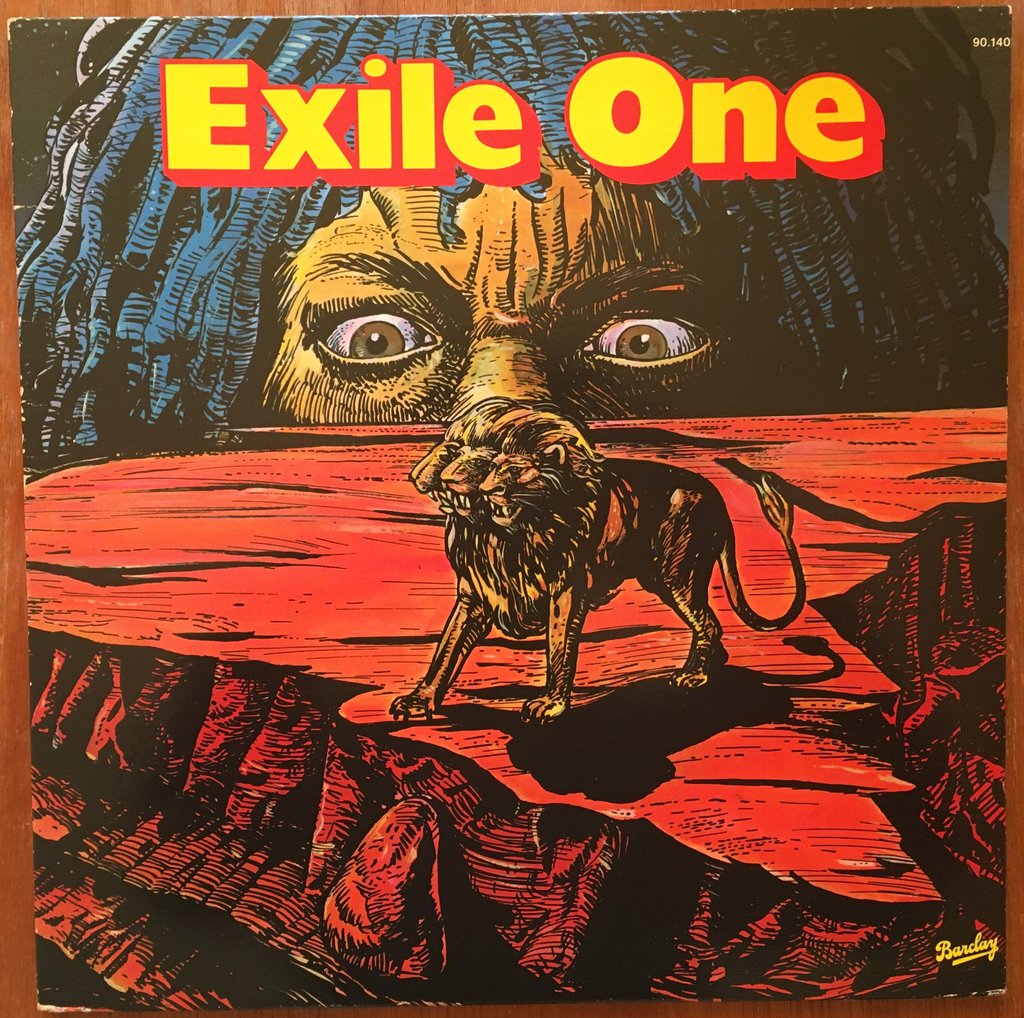
| Exile One | 1974 | First album, born from improvisation in Paris; famous title: “Funky Crookie” |
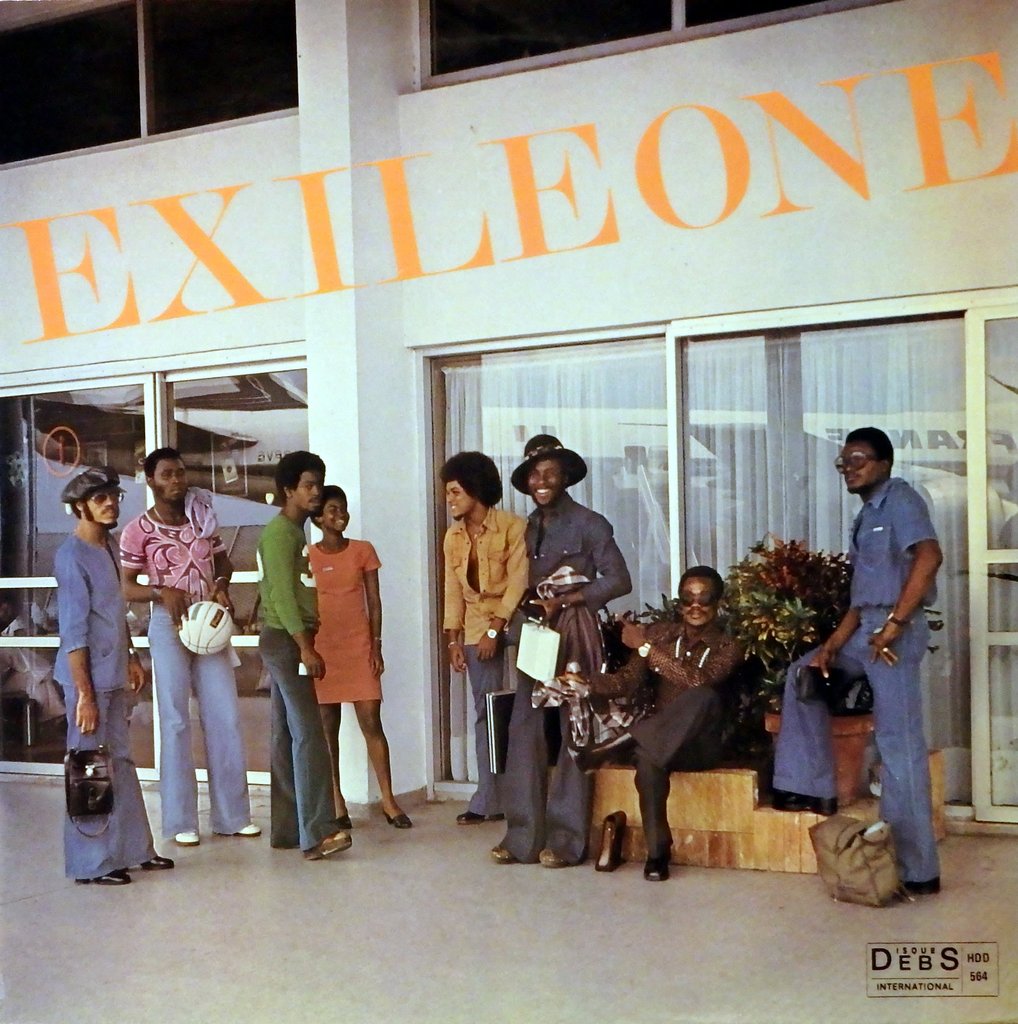
| Beaucoup d’Gaz à Bo (Lotsa Music Onboard) | 1975 | Second Barclay album; confirmed fusion; reissued by Disques Debs |
| Exile One Greatest Hits Vol. 1 | ~1976 | Compilation including “Jumbolo”, “Reggae Medley”, “Music Is Revolution” |
| Twenty Twenty | 1993 | Celebration of the group’s 20 years with the fundamental trio |
| Fraiche | ~1993 | Last emblematic album of the founding trio |
Legacy
Exile One sowed without owning the field. The kadans they forged in Guadeloupe became cadence-lypso—a word invented by Henderson. This style gave birth to Kassav’s zouk, Dominican bouyon, jump-up, and many others. Exile One’s Island Boogie beat is the origin of Caribbean yo6.
Gordon Henderson, nicknamed “Creole father of soul” and “Godfather of Cadence-lypso”. He built bridges between the Caribbean, Africa, and Europe, and gave Dominica a festival that celebrates world Creole music. Exile One remains, forty years later, the founding reference of modern Caribbean sound3.
Sources and references
-
Gordon Henderson, interview Mondo Local, 2025. Available at: https://www.mondolocal.org/gordon-henderson-origins-of-cadence-lypso-interview/-new-single ↩︎ ↩︎
-
Wikipedia (EN), article Gordon Henderson (musician), accessed 30 October 2025. Available at: https://en.wikipedia.org/wiki/Gordon_Henderson_(musician) ↩︎
-
Division of Culture, Commonwealth of Dominica, document Contemporary Music In Dominica, 1950-2000, 1999. Available at: https://divisionofculture.gov.dm/performing-and-visual-arts/23-music/30-contemporary-music-in-dominica-1950-2000 ↩︎ ↩︎
-
Discogs, release Exile One, Barclay Records BLY 80596, 1974. Available at: https://discogs.com/release/1881974-Exile-One-Exile-One ↩︎
-
Wikipedia (EN), article Exile One, accessed 30 October 2025. Available at: https://en.wikipedia.org/wiki/Exile_One ↩︎
-
Wikipedia (EN), article Cadence-lypso, accessed 30 October 2025. Available at: https://en.wikipedia.org/wiki/Cadence-lypso ↩︎