Biography
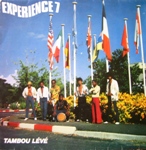
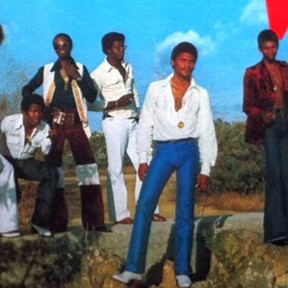
Experience 7
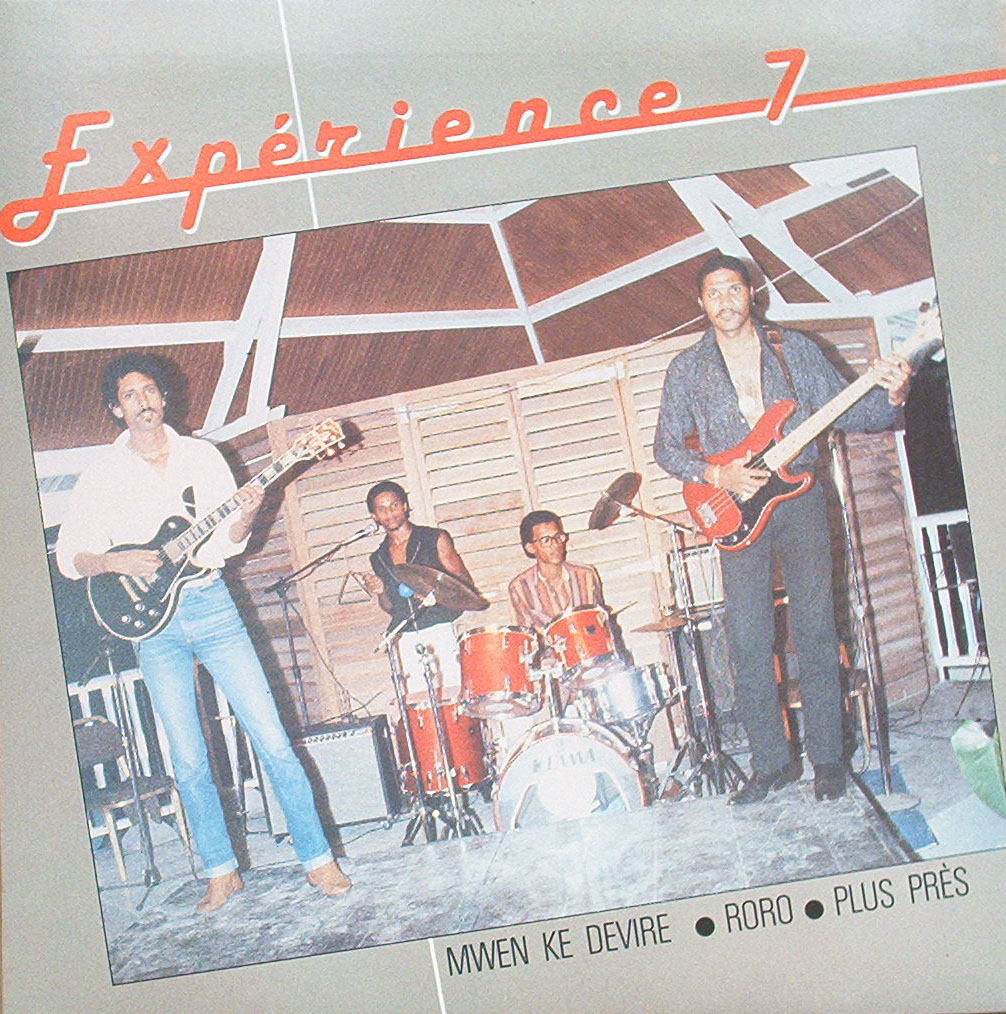
In 1986, Guy Houllier and Yves Honoré made a choice that surprised the Antillean scene: instead of conquering the world themselves, they composed songs for three young women from the choruses of their own group. This gesture gave birth to Zouk Machine, whose first hit “Sové lanmou” propelled zouk to the top of the French charts. But before this consecration, Experience 7 had already forged its own identity over a decade of passionate kadans, becoming one of the last major groups to survive the transition from kadans to zouk.
In Brief
| Group Name | Experience 7 |
| Origin | Pointe-à-Pitre, Guadeloupe |
| Formation | 1976 (active until at least 2008) |
| Genre(s) | Kadans, cadence-lypso, compas, zouk, world music |
| Founding Members | Guy Houllier (vocals, bass) and Yves Honoré (guitar) |
| Notable Works | “Carmelina”, “Roro”, “Goudjoua”, “Sois belle” |
| Labels | Disque Debs, Pastel Prod |
Key Dates
| Year | Event |
|---|---|
| 1976 | Group founded by Guy Houllier and Yves Honoré, 6 musicians in total |
| 1977 | First kadans successes (“Carmélina”, “Ola mizik la yé”) |
| 1977-80 | Transition to zouk love with “Carmelina”, first group precursor of the style |
| 1983-85 | Peak of romantic kadans: “Tendrement vôtre”, “Lanmou sé on danjé” |
| 1985-87 | Breakthroughs with “Roro” and “Goudjoua”, first appearances on national charts |
| 1987 | African tour at FESPACO (World Festival of Negro Arts) |
| 1988-89 | Concerts in Paris (Champs-Élysées, Zénith); release of “Sois belle” |
| 1986 | Founded Zouk Machine with three of their choristers (Joëlle Ursull, Christiane Obydol, Dominique Zorobabel) |
| 1990-95 | Prosperous period: Zouk Machine sells over a million singles with “Maldòn” |
| 1996-98 | Experience 7 returns with three zouk-love/compas albums post-Zouk Machine |
| 2001 | Guy Houllier receives three SACEM awards for his solo album Tendans (25 years of career) |
| 2008 | Release of Mistè lanmou, last album recorded |
From Pointe-à-Pitre to the Zénith in Paris
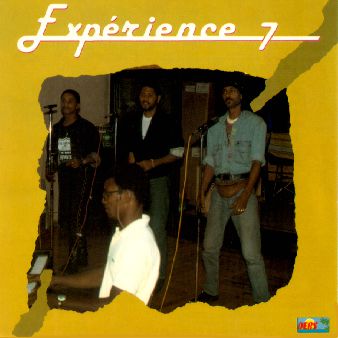
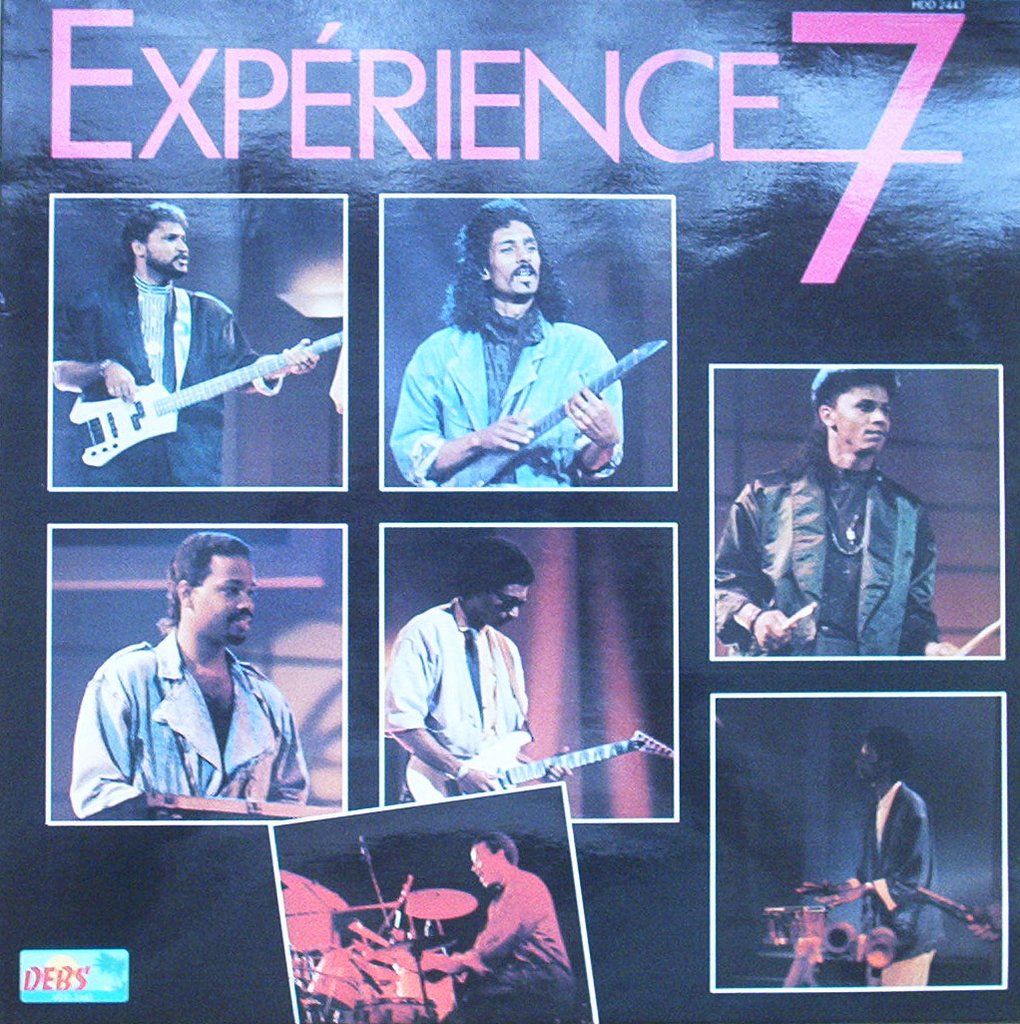
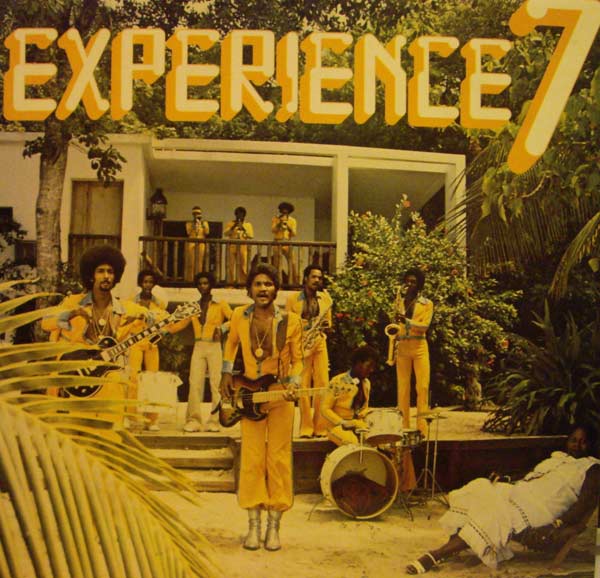
Kadans, this Antillean dance born in Haiti in the 1950s and imported to the French Antilles, reached its peak in Guadeloupe in the mid-1970s. It was in this wake that Experience 7 was formed in 1976 in Pointe-à-Pitre. The founding duo, Guy Houllier on vocals and bass, Yves Honoré on guitar, gathered six complementary musicians: Christian Miath and Daniel Kissoun on drums and percussion, Christophe Negre on saxophone, Patrick Artero on trumpet (who would later join Malavoi), Jacques-Marie Basses on keyboards, and Jean-Louis Damant on trombone. The whole was produced by Henri Debs, who ran the Disque Debs label and served as a bridge between the island and the metropolis.
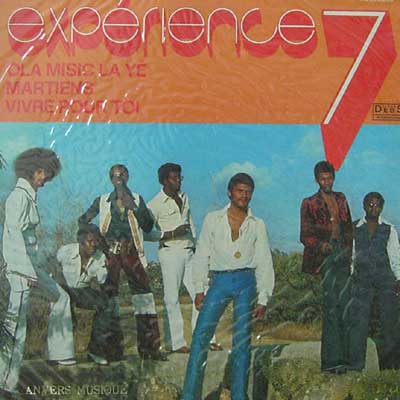
The early years revolved around a fast, rhythmic, and danceable kadans. As early as 1976-1977, the tracks “Whilfield”, “Vivre pour toi”, and especially “Carmélina” made an impression. But it was in the transition between kadans and zouk that the group found its true signature. The end of the 1970s saw the emergence in Guadeloupe of a new, slower, and sensual sound, born from the meeting between Haitian compas and local rhythms: zouk. While Kassav’ and Malavoi monopolized media credit, Experience 7 was among the first to sing this zouk love with “Carmelina”, followed in 1983 by the sweet “Tendrement vôtre” and in 1985 by “Lanmou sé on danjé”, a title steeped in Creole melancholy.
In 1985 and 1987, “Roro” and “Goudjoua” crossed a milestone: they were the group’s first successes to enter the French national charts, carrying the Guadeloupean flag beyond the Antillean arc. The group performed during this period throughout the Caribbean diaspora — Martinique, Guyana, Haiti, Réunion, French Polynesia — and in Francophone Africa, where the 1987 FESPACO tour was a moment of international recognition. In 1988, it was Paris: a notable appearance on the Champs-Élysées show on Antenne 2, and in December 1989, Experience 7 took the stage at the Zénith de Paris for the first time.
“Sois belle”, hymn of a wounded island
The most memorable moment of their career occurred in 1989, when the album Sois belle was released the day after Hurricane Hugo. This category 3 cyclone struck Guadeloupe in September 1989, ravaging the island and leaving behind rubble, injuries, and a profound sense of loss. In this context, “Sois belle” — the title of the eponymous album — became much more than a song: it was a hymn to resurrection, a way for the group to translate in music what the entire island felt. As France Info would later write, “Sois belle” established itself as an “hymn to hope” for Guadeloupeans in reconstruction, and remains engraved in the collective memory of the Antilles still four decades after its release.
Between shadow and light: the management of Zouk Machine
Alongside their own careers, Guy Houllier and Yves Honoré had the will and audacity to share their success with other voices. In 1986, they created Zouk Machine by selecting three of their choristers: Joëlle Ursull, Christiane Obydol, and Dominique Zorobabel. For many music lovers who discover the group today, it is Zouk Machine that holds the legend. With their hit “Maldòn” (over one million singles sold, platinum record), the female group brought industrial zouk to the top of the French Top 50, for nine weeks in 1990.
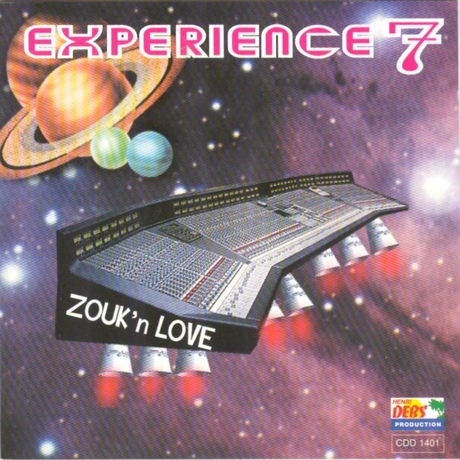
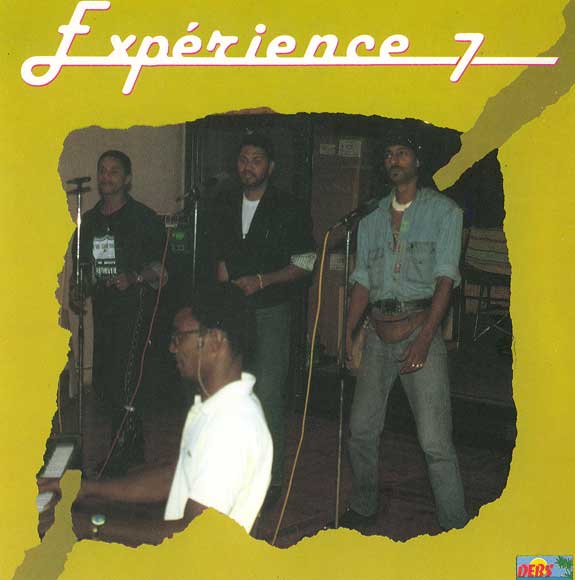
For Expérience 7, the success of Zouk Machine is a double-edged sword: international recognition and substantial income for the composers, but a sense of shadow for the group itself. When Zouk Machine split up in 1995, fan pressure pushed Guy Houllier and Yves Honoré to actively relaunch Expérience 7. The following three albums — Zouk N’Love (1996), Sirena (1997), and Extrême tendresse (1998) — marked a final chapter in their career, between zouk love and compas.
After the departure of several historical members (including Christiane Obydol and Dominique Zorobabel, who returned to solo careers), Expérience 7 experienced a final setback in 2008 with Mistè lanmou. As for Guy Houllier, he had already begun his solo career in 2001 with Tendans, an album that earned him three SACEM awards, recognizing twenty-five years of creation for the Guadeloupean “crooner”.
Legacy and influence
Expérience 7 belongs to that generation of Antillean musicians who navigated between classic kadans and modern zouk, contributing their stone to a musical movement that exported Guadeloupean culture around the world. Their legacy is read on several levels: they forged zouk love standards, served as a launchpad for voices that became legends (Zouk Machine), and brought Guadeloupe to international stages well before the streaming era. Today, tracks like “Carmelina”, “Goudjoua”, and especially “Sois belle” continue to be rediscovered by new generations, and remain indispensable references of Antillean music.
Sources and references
- « Expérience 7 », Wikipédia, https://fr.wikipedia.org/wiki/Exp%C3%A9rience_7, accessed November 13, 2026.
- « Expérience 7 », Wikipédia (EN), https://en.wikipedia.org/wiki/Experience_7, accessed November 13, 2026.
- « Le groupe Expérience 7 de la Guadeloupe », Zoukweb Nostalgie, https://zoukwebnostalgie.over-blog.com/le-groupe-experience-7-de-la-guadeloupe.html, accessed November 13, 2026.
- « Il était une fois Zouk Machine », Monepiceriecreole, https://www.monepiceriecreole.fr/blogs/la-culture-creole/il-etait-une-fois-zouk-machine, accessed November 13, 2026.
- « Ces chansons qui font l’actu. Comment chanter après le cyclone ? », France Info, https://mobile.francetvinfo.fr/replay-radio/ces-chansons-qui-font-l-actu/ces-chansons-qui-font-l-actu-comment-chanter-apres-le-cyclone_2357529.html, accessed November 13, 2026.
- « Expérience 7 », Bibliothèque nationale de France, https://catalogue.bnf.fr/ark:/12148/cb13903402n, accessed November 13, 2026.
- « Prix SACEM — Guy Houllier », SACEM, https://www.sacem.fr, accessed November 13, 2026.