Biography
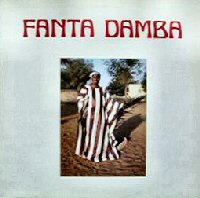
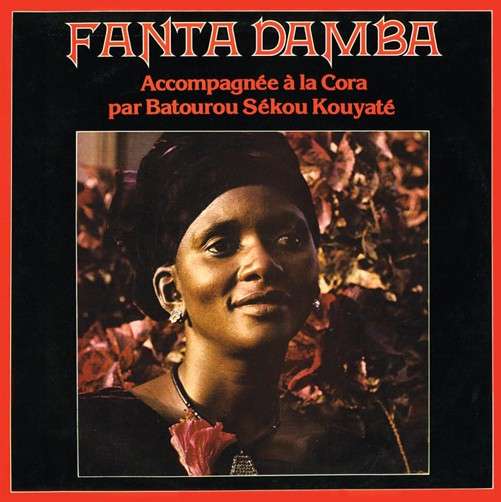
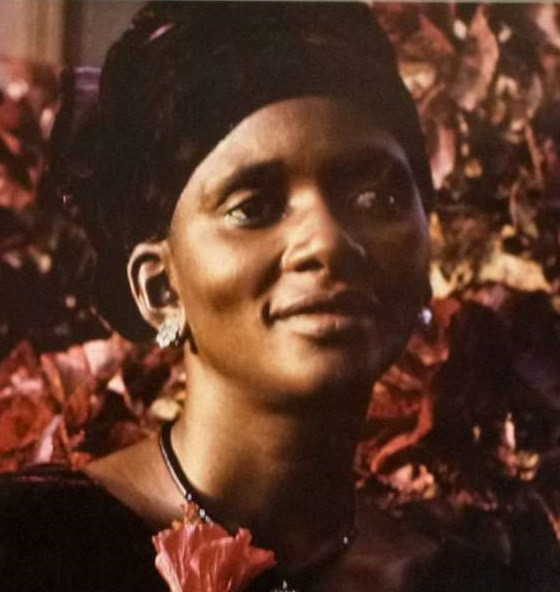
Fanta Damba
Ségou, Mali. A 37-year-old woman steps onto the stage, accompanied by a kora with vertiginous strings and a ngoni with a metallic timbre. The European audience discovers her, stunned: this Bambara voice of surgical precision sings centuries of Manding history, told note by note. This is Fanta Damba, and never before had a griotte trodden the stages of the Old Continent as a soloist.
In Brief
| Stage Name | Fanta Damba (Fanta Danba) |
| Nickname | La Grande Vedette Malienne |
| Birth | 1938, Ségou, Mali (then Sudán francés) |
| Ethnic Origin | Bambara |
| Domain | Manding music, griot (djélimuso) |
| Notable Works | “Duga”, “Tara”, “Toutou” |
| Distinction | Title of Ngara (master musician) |
Key Dates
| Year | Event |
|---|---|
| ~1945 | Beginning of singing at the yalí school, under the direction of Ségou’s main griot |
| ~1953 | First 78 rpm record, in duo with Dioncounda Kouyaté and Mountaga Koïta |
| ~1958 | Entry into the National Instrumental Ensemble of Mali |
| 1960–70 | Great popularity in Mali, recordings at Radio Mali |
| 1970 | First international album – La tradition épique, Bärenreiter-Musicaphon (Germany) |
| 1975 | First European solo tour by a djelimuso; formation of her own group, often with her two daughters |
| 1975–80 | Series of albums on Songhoï Records (Sékou Semega, La Grande Vedette Malienne and others) |
| 1977 | Representation of Mali at FESTAC in Lagos (Nigeria) |
| ~1980 | Title of Ngara awarded – supreme recognition for master griots |
| 1980–85 | Final albums (Celluloid, Sonodisc, Sako Production); retirement from the stage in 1985 |
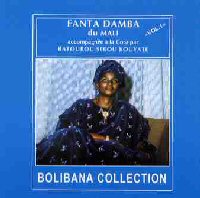
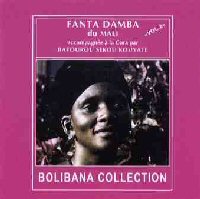
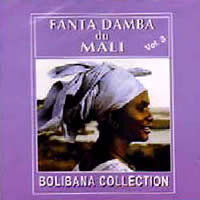
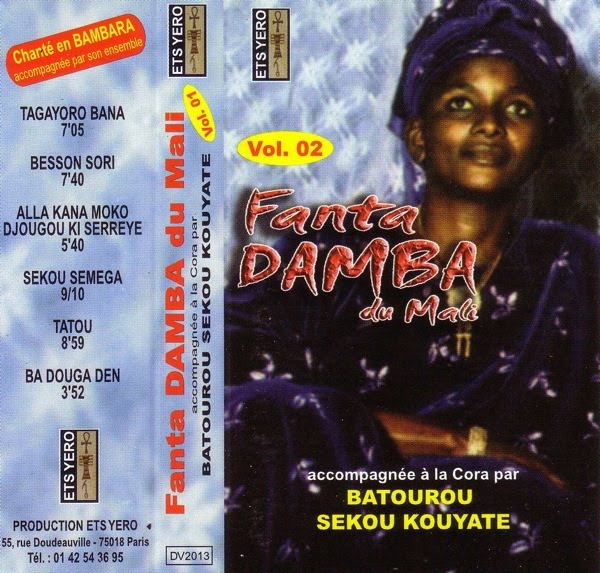
| 2002 | Tripartite publication of reissues Fanta Damba du Mali (Bolibana) |
Origins and Training: The Weight of the Griots
Born in 1938 in the city of Ségou, in central-south colonial Mali, Fanta Damba was born into a family of djélis — these traditional descendants of Manding griots who embody the living memory of their people. Her two parents were musicians, and this family heritage shaped her vocation very early on. At the age of seven, she joined a yalí school directed by the greatest griot in the region, where she learned the stories, genealogies, and songs that constitute the very essence of jeliya.
Her training was intense and the young girl progressed rapidly. By the age of sixteen, she enjoyed remarkable renown in the cities and villages of her region. In 1958, she made her professional debut within the National Instrumental Ensemble of Mali, a structure that gathers the best musicians of the young independent Malian state. It was there that she refined her unique style, imbued with Bambara melodies and rhythms from Ségou — a distinctive mark that differentiates her from the Malinké griottes of western Mali, who are more numerous to have emerged from this tradition.
Revelation and Consecration: The Kora in the Shadow of European Pyramids
In 1970, Fanta Damba appeared on the first international album ever dedicated to Malian music: La tradition épique, published by the German label Bärenreiter-Musicaphon in the collection Première anthologie de la Musique malienne. The tracks include classics of the Manding repertoire that would become her signatures: “Tara”, “Duga” and “Toutou”. A year later, in 1975, Fanta crossed a decisive threshold. At thirty-seven years old, she became the first djelimuso — the female griot singer — to undertake a European solo tour, accompanied by koraïste Batourou Sekou Kouyaté and local musicians. The European public, accustomed to the great male names of the continent (Fodeba Keita, the Tambourinites), discovered with astonishment this artist whose sensitivity made halls vibrate that had never been opened to African female voices.
The same year, Malian music was heard at the World Festival of Negro Arts in Lagos (FESTAC). Fanta Damba represented her country alongside the Malian national ensemble, thus consolidating her position as an eminent figure of the African stage. The festival was also a showcase: young Guinean and Senegalese musicians who would attend her performances would later cite Fanta as a major inspiration.
Major Works
| Work | Year | Why It Is Essential |
|---|---|---|
| La tradition épique (anthology) | 1970 | First Malian music album published in Europe; includes “Tara” and “Duga”, classics of the Manding repertoire |
| La Grande Vedette Malienne (LP) | 1975 | Her first solo album, accompanied on kora by Batourou Sekou Kouyaté; revelation for the European public |
| Sékou Semega (LP) | 1975 | First recording with Batourou Sekou Kouyaté, a collaboration that would last for years |
| Bahamadou Simogo (LP) | 1980 | Last album on an international label (Celluloid), sign of a well-established career |
Legacy and Influence
The title of Ngara, awarded to Fanta Damba by the master griots of Mali, is unprecedented recognition for a woman in this male-dominated tradition. The music of Malian griottes then received more attention and gifts than that of men, but the status of Ngara elevated her to the top of a rare hierarchy.
Youssou N’Dour visited Fanta in Ségou and drew inspiration from her repertoire to compose “Wareff”, as a reference to her song “Djadjiri”. Mory Kanté, Rokia Traoré and her own niece Mah Damba — also a djelimuso — count among her heirs. In 2002, the tripartite reissues Fanta Damba du Mali (Bolibana) allowed a new audience to rediscover her recordings. Fanta Damba’s full, emotional and sensitive voice remains a reference for the entire African griot tradition.