Biography
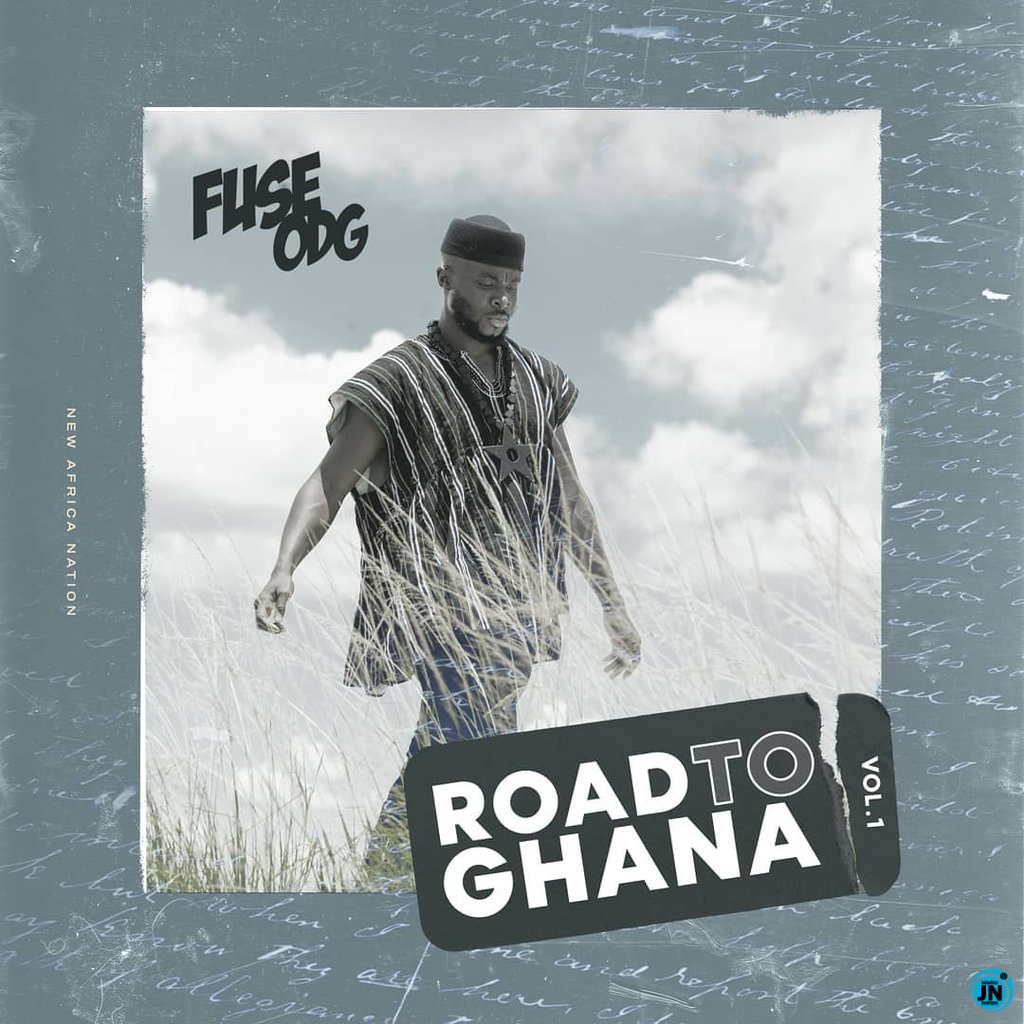
Fuse ODG
Born in Tooting, south London, Nana Richard Abiona grew up in the midst of a country he had never truly known before his twelfth year: Ghana. Arriving in England for school, he recorded hip-hop tracks infused with African elements from his bedroom, then returned to Ghana in 2011 and met producer Killbeatz. This journey changed everything: he discovered the Azonto dance, adopted it as a single, and triggered a global wave. From London to the Ghanaian stage, the stage name “Fuse ODG” — a fusion of musical styles, “Off Da Ground” — became that of an Afrobeats figure who no longer wants the planet to describe Africa as a territory of misery.
In brief
| Full name | Nana Richard Abiona (stage name: Fuse ODG) |
| Birth | December 2, 1988, Tooting (London, England) |
| Field | Music — Afrobeats, hip-hop, rap, R&B |
| Signature works | T.I.N.A. (2014), New Africa Nation (2019) |
| Awards | Grammy 2018 (co-writing, album ÷ by Ed Sheeran), MOBO Awards 2013 (Best African Act) |
Key dates
| Year | Event |
|---|---|
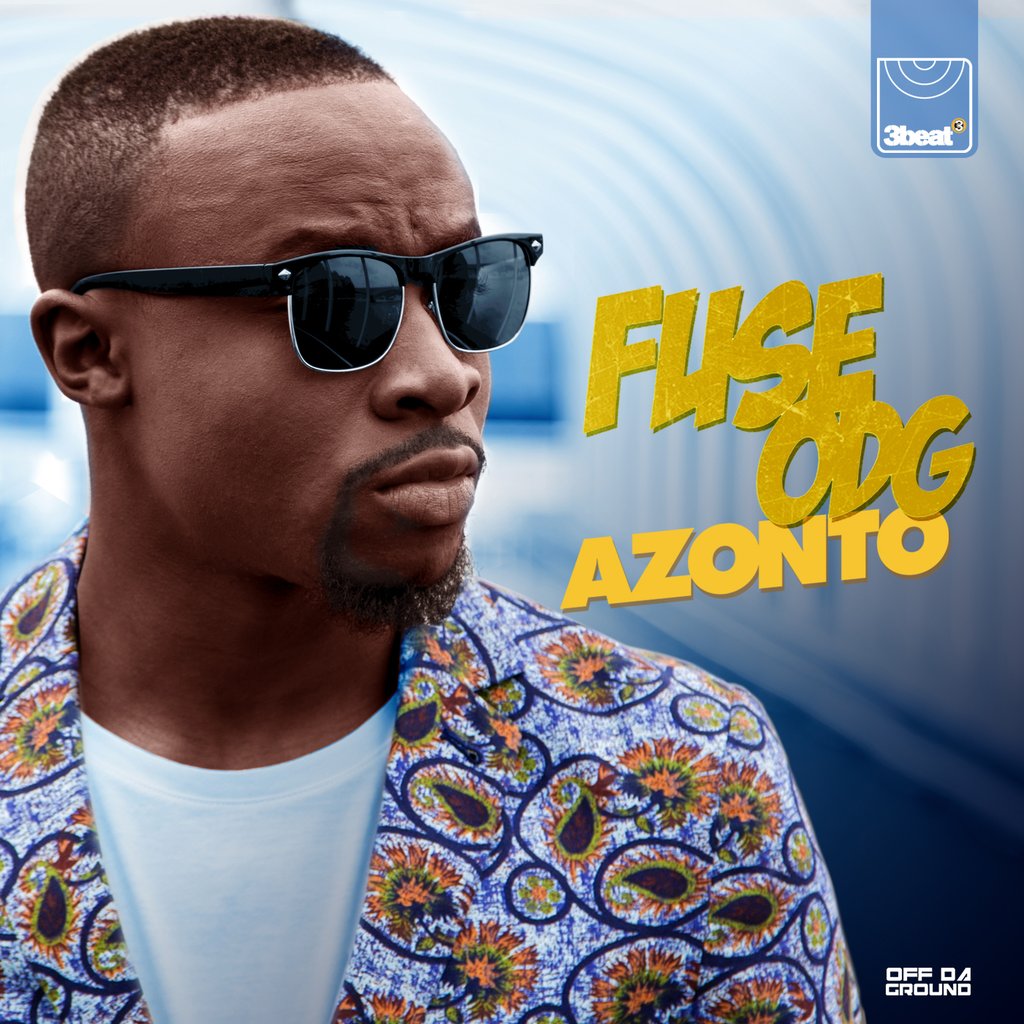
| 2011 | Return to Ghana; single “Azonto” (October 27), #30 UK |
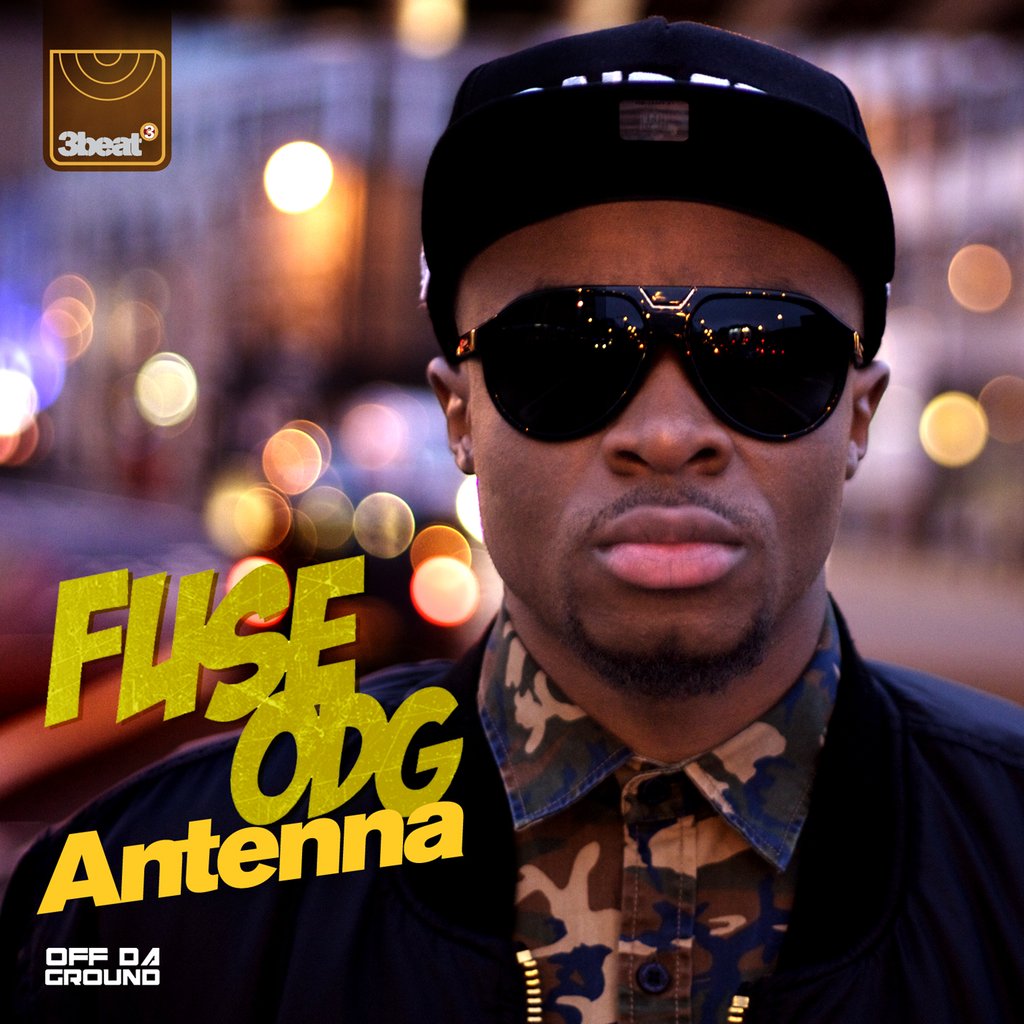
| 2012 | EP The Buzz (September 16); single “Antenna”, #7 UK |
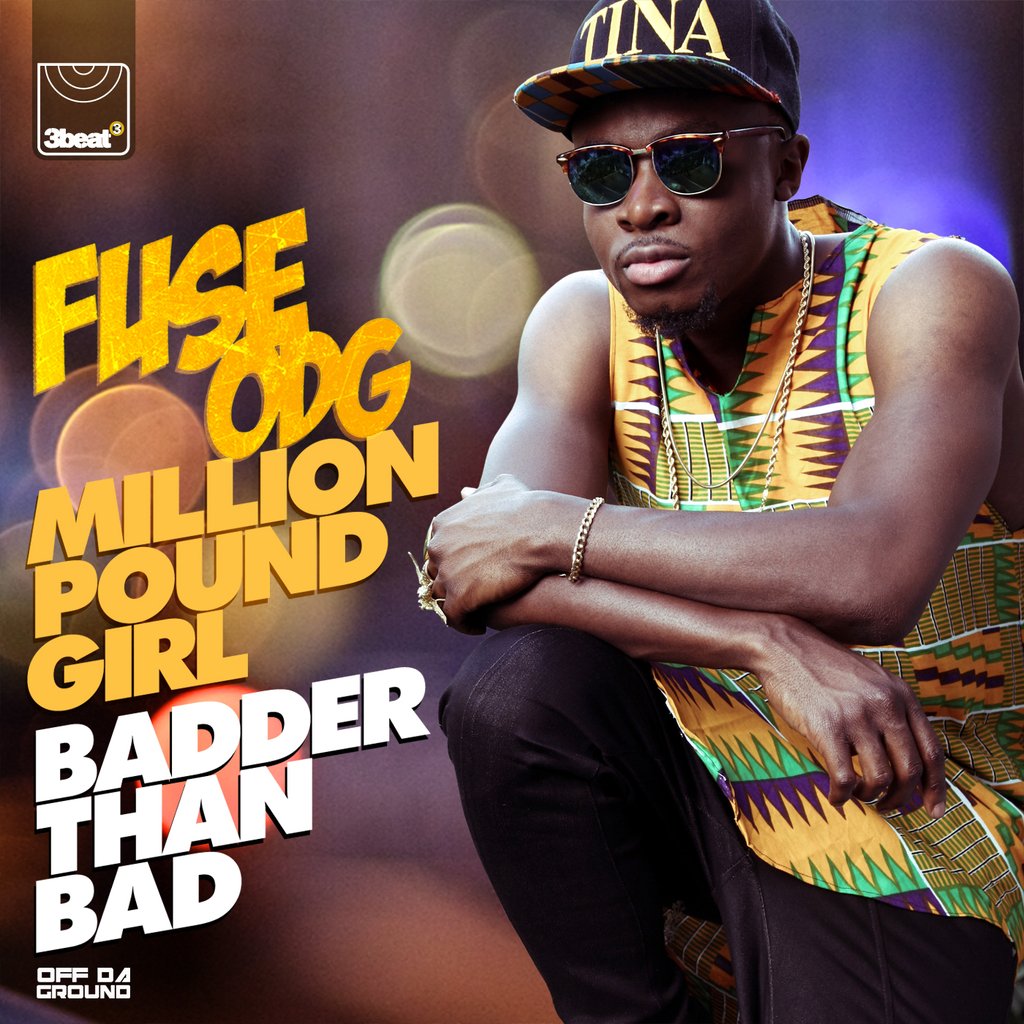
| 2013 | Mobo Awards: Best African Act; “Million Pound Girl (Badder Than Bad)”, #5 UK |
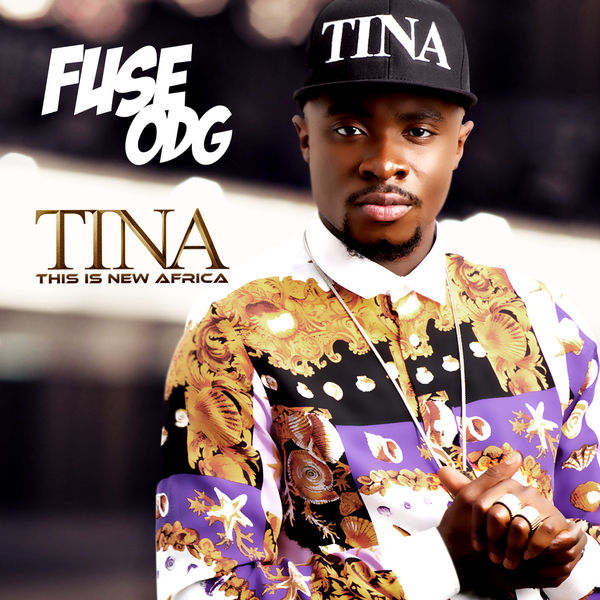
| 2014 | “Dangerous Love” (feat. Sean Paul), #3 UK; album T.I.N.A. (November 3) |
| 2017 | Collaboration with Ed Sheeran on ÷; “Bibiaa Be Ye Yie” |
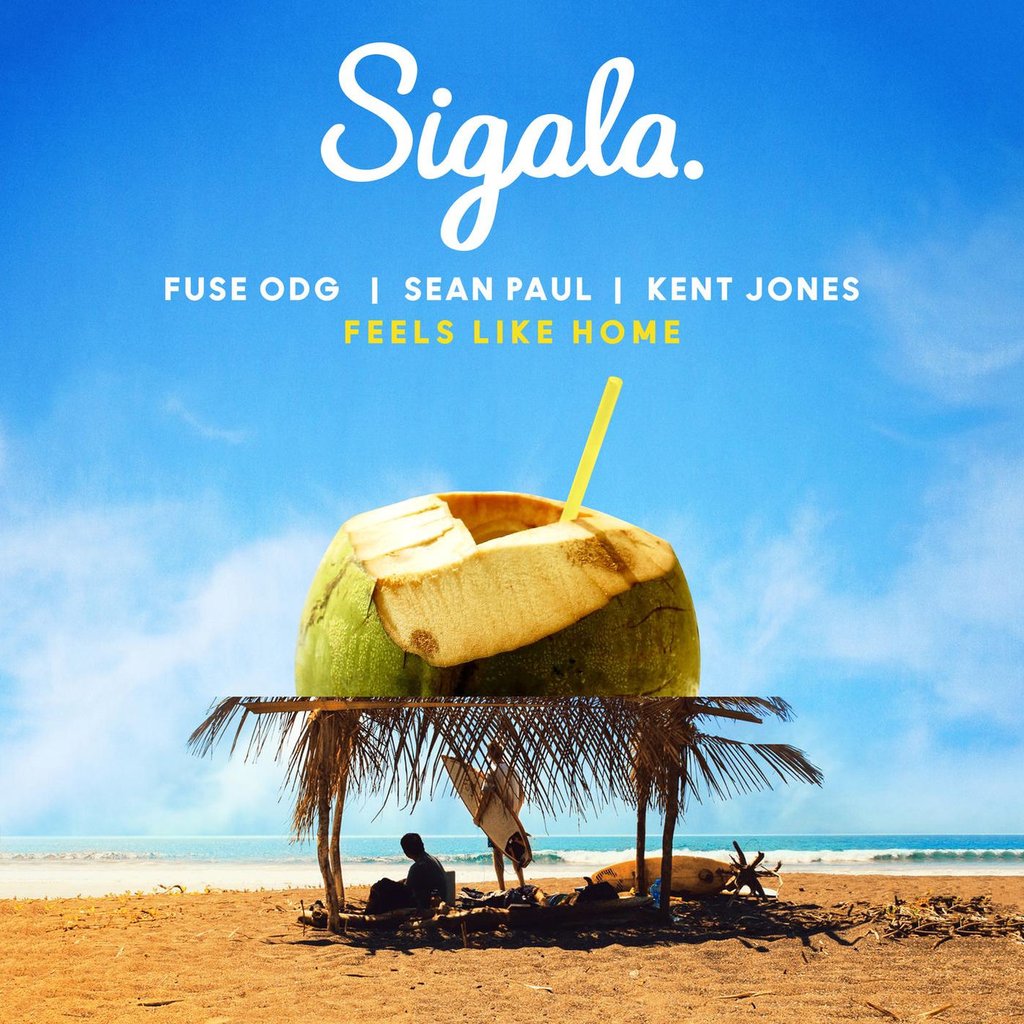
| 2018 | First Ghanaian artist to win a Grammy; single “Feels Like Home” |
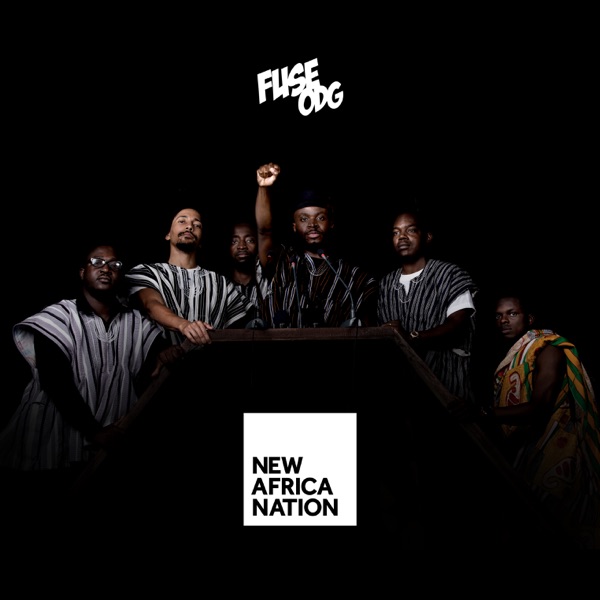
| 2019 | Second album New Africa Nation (March 8), pre-recorded by “Bra Fie” |
Origins and formation: the south London of roots, the Africa of heritage
Son of Ghanaian migrants, Abiona spent his early childhood in Ghana before returning to England for secondary school at Archbishop Lanfranc School in Croydon. A childhood marked by school bullying due to his Ghanaian accent, he turned to music as a means of integration and gaining social status. His personal studio, in his bedroom, was powered by American hip-hop as much as African genres — notably Ghanaian highlife — and British black currents like grime and UK garage, which he assimilated through the influence of the So Solid Crew collective.
Revelation: the discovery of Azonto and the boom of successes
In 2011, disappointed by his experiences in south London’s estates, he returned to Ghana and met producer Killbeatz and rapper Tiffany. “I had to go to Ghana to get the sound right,” he explains. The discovery of the Azonto dance — a rhythmic movement of arms, ankles, and hips according to The Guardian — changed the game. Back in England, he decided to make it a single: “It was like Afrobeats, but with my UK thing added to it.” The video took off with 50,000 views on the first day, and a month later he headlined stages before 5,000 people. The singles “Antenna” (2012, #7 UK) and “Million Pound Girl (Badder Than Bad)” (2013, #5 UK) followed. The Mobo Awards bestowed the Best African Act on him in 2013, and he received four awards at the Urban Music Awards: Best Music Video, Best Single, Best Artist, and Best Collaboration.
Turning points: the Grammy, commitment, and the second act
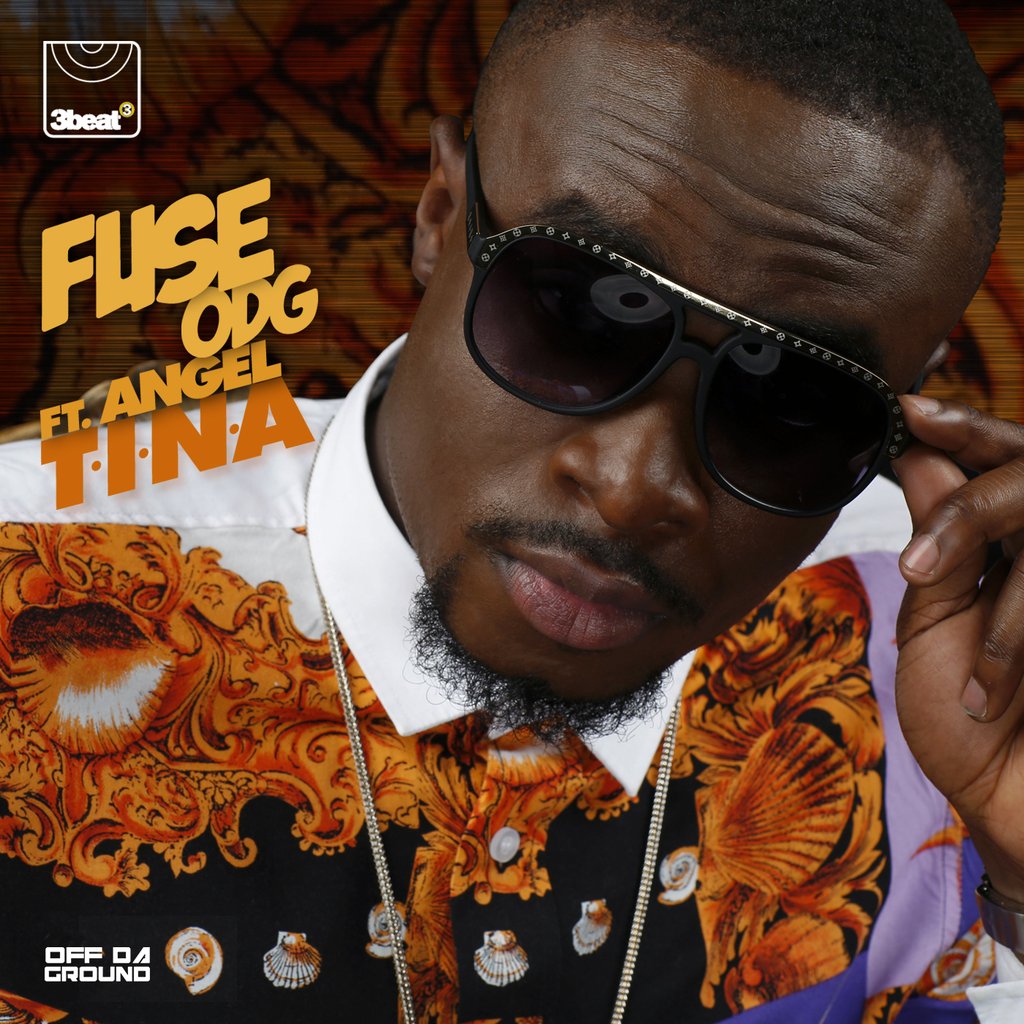
In 2014, “Dangerous Love” (feat. Sean Paul) reached #3 UK and the BPI label awarded a platinum disc. He notably refused the invitation to the Band Aid 30 project, judging the song’s lyrics as contemptuous towards Africa. His first album T.I.N.A. (2014) gathered these successes and promoted the TINA mission (This Is New Africa): a movement encouraging Africans to use their talents to rebuild their communities. In 2016, he collaborated with Ed Sheeran on ÷ (Divide): the song “Bibiaa Be Ye Yie” — written during Sheeran’s visit to Ghana and produced by Killbeatz in Tema — was noted on the album, which won Best Pop Vocal Album at the 2018 Grammy Awards. Fuse thus became the first Ghanaian artist to win a Grammy, co-writing the album. He then sent his message: “Faackin ell…man’s a Grammy Award Winning Songwriter now. Thanks Ed for coming Ghana lol..what an honour!!”
In 2019, the second album New Africa Nation was released on March 8. It was preceded by “Bra Fie” (Twi for “come home”, feat. Damian Marley) and accompanied by the TINA Festival in Accra. In The Guardian, he recounts: “I saw a whole new Africa that I had never seen on TV” And he affirms that “Africa has done that for me,” for its ability to make him love himself.
Major works
| Work | Year | Why it’s essential |
|---|---|---|
| T.I.N.A. | 2014 | First studio album, fusing Afrobeats and hip-hop; title of the TINA movement |
| “Antenna” (feat. Wyclef Jean) | 2012 | First single #7 UK; the turning point towards mainstream success |
| ÷ (by Ed Sheeran, with “Bibiaa Be Ye Yie”) | 2017 | First Ghanaian artist to win a Grammy, via this co-writing |
| New Africa Nation | 2019 | Second album; affirmed cultural commitment and TINA mission |
Legacy and influence
Fuse ODG transformed Afrobeats into a diaspora aesthetic: he made Ghanaian rhythms an accessible language for Western audiences, while defending a positive vision of the continent. His presence at the Grammy Awards opened doors for the Ghanaian music scene, and his community projects (mobile studio, schools in Akosombo) prove he is not reduced to a chart voice. His TINA mission remains a manifesto for Africans: build, return, reclaim history.
Sources and references
- “Fuse ODG”, Wikipedia (in English), https://en.wikipedia.org/wiki/Fuse_ODG, accessed November 24, 2026.
- “Fuse ODG: the Afrobeats trailblazer who’s ready to blow”, The Guardian, January 31, 2014.
- “Fuse ODG: ‘I chose to be happy’”, The Guardian, November 6, 2014.
- « Afrobeats star Fuse ODG: ‘I love myself now’ », The Guardian, 7 March 2019.
- « Fuse ODG | Biography & History », AllMusic (Scott Kerr).
- « Fuse ODG celebrates Grammy Award win », MyJoyOnline / Graphic Online, 30 January 2018.
- « Righteous Fire: Grammy-Winning Star Fuse ODG », Forbes, 16 April 2019.