Biography
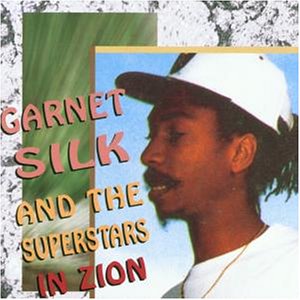
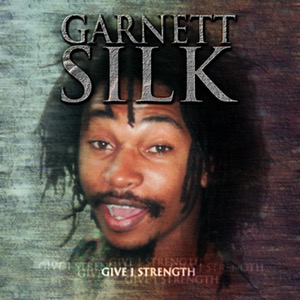
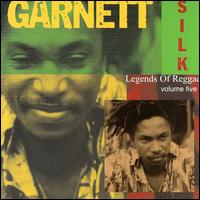
Garnett Silk
Mandeville, December 9, 1994. A spark, a gas bomb, and a twenty-eight-year-old young man rushes into the flames to save his mother. Garnett Silk will not emerge from this burning house — neither he nor Etiga Gray. Three days earlier, he had just closed a concert at the Mirage nightclub with the triumphant energy of an artist at the peak. The next day, the reggae world learned that he had disappeared, taking with him ten tracks from an unfinished second album and international potential that Atlantic Records had been waiting for.
In Brief
| Full Name | Garnet Damion Smith, aka Garnett Silk |
| Birth | April 2, 1966, Manchester Parish, Jamaica |
| Death | December 9, 1994 (28 years), Mandeville, Jamaica |
| Genre | Reggae dancehall, cultural reggae (roots revival) |
| Signature Works | It’s Growing, “Hello Mama Africa”, “Zion in a Vision” |
| Honors | Nicknamed “the reggae archangel” by fans; tutelary figure of the 1990s |
Key Dates
| Year | Event |
|---|---|
| 1966 | Birth in Manchester, Jamaica |
| 1985 | First single “Problem Everywhere” under the name Little Bimbo |
| 1988-1990 | Debut as a deejay on sound systems; conversion to rastafari |
| 1989 | Transition to singing, advised by Derrick Morgan |
| 1990-1992 | Contract with Steely & Clevie; adoption of stage name “Garnett Silk” |
| 1992 | Release of It’s Growing; “Hello Mama Africa” #1 UK reggae |
| 1993 | Burnout: collapse at the Ritz (New York); six months of forced rest |
| 1994 | Headliner at Reggae Sumfest and Sunsplash; Atlantic Records contract |
| 1994 | Death by fire in Mandeville while attempting to save his mother |
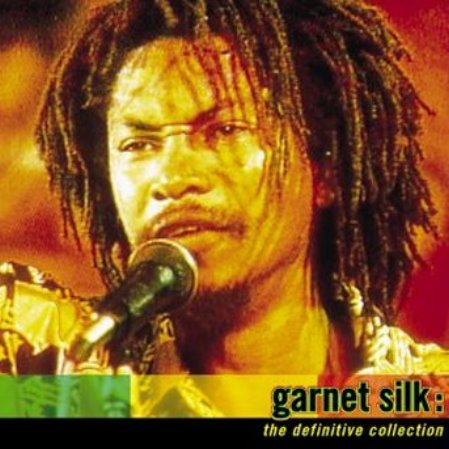
| 2000 | The Definitive Collection (Atlantic): ten tracks from the unfinished album |
From Manchester to the Firmament: The Trajectory of a Precocious Genius
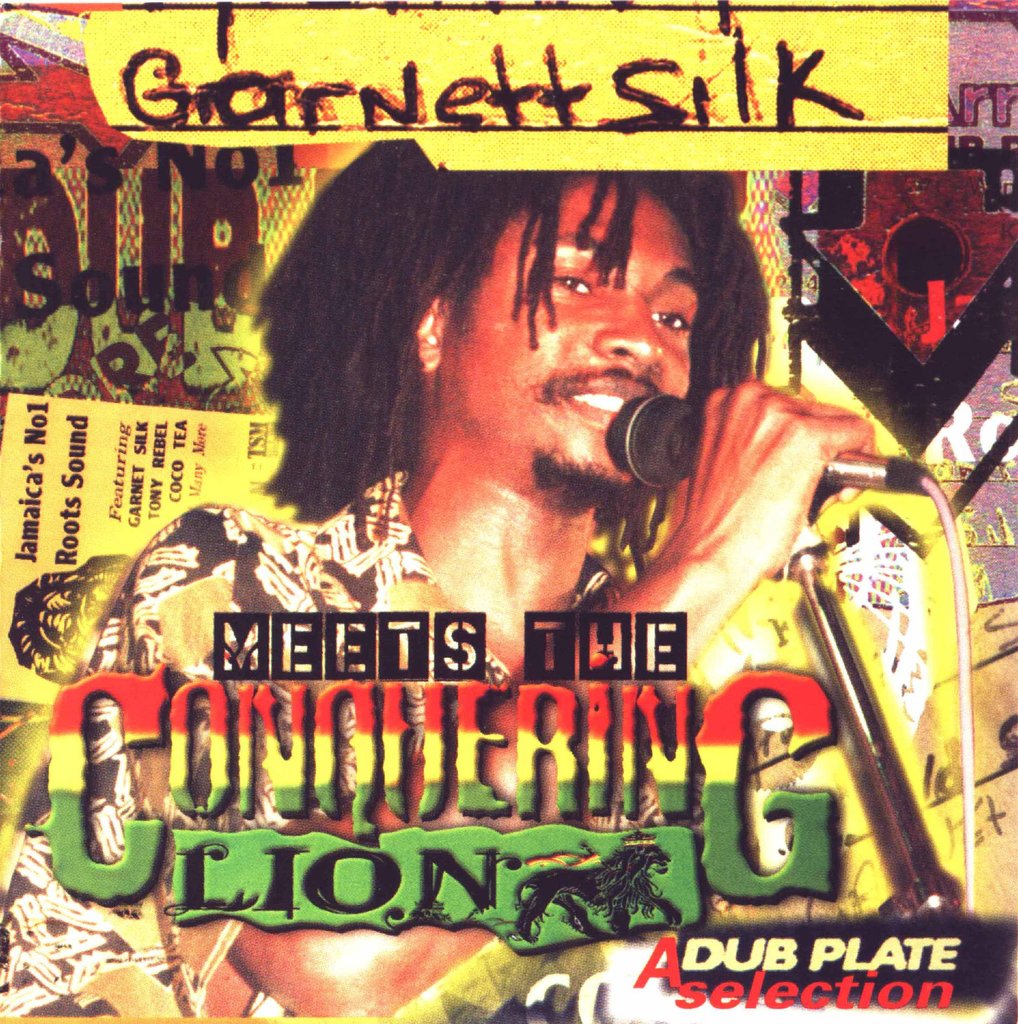
Born Garnet Damion Smith on April 2, 1966, in Manchester, Garnett Silk grew up in a large family. From adolescence, music became paramount: at twelve, he took his first steps on the island’s sound systems — Conquering Lion, Soul Remembrance, Pepper’s Disco, Stereophonic, and Destiny Outernational — under the pseudonym Little Bimbo. It was there that he crossed paths with future DJ Tony Rebel, with whom he shared not only platforms but also a spiritual affinity. It was he, assisted by dub poet Yasus Afari, who initiated Garnett into rastafari. In 1989, veteran Derrick Morgan encouraged him to move from toasting to singing. Jamaican producers were dismayed: King Tubby, Prince Jammy, and Donovan Germain each welcomed him into their studios. It was Steely & Clevie who, in 1990, forged his identity: they gave him the stage name Garnett Silk, “silk” referring to the silken softness of his voice. Discouraged by the lack of releases, Garnett returned to Manchester and immersed himself in writing with his friend Anthony “Fire” Rochester.
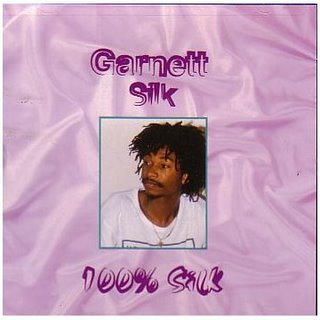
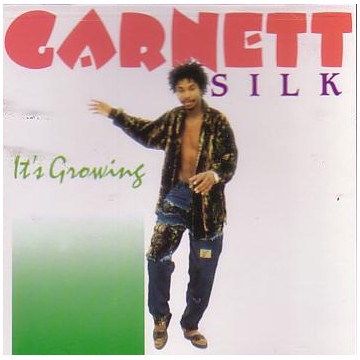
In 1992, producer Bobby Digital opened the doors of his studio to him. The result, It’s Growing (VP Records), was a shock to the Jamaican scene: the album blurred the boundaries between cultural reggae and tender romance. The single “Hello Mama Africa”, produced by Richard “Bello” Bell, topped the British reggae chart and became a pan-African anthem. All the country’s major producers fought for his voice: King Jammy offered him memorable riddims, Jack Scorpio recorded with him the Jamaican number one “Zion in a Vision”, and Sly & Robbie composed with him the spiritual “Thank You, Jah”. Gold (Charm, 1993) and 100% Silk (VP, 1994) confirmed an artist at the peak. But this frenetic pace — tours in the United States, England, and Japan, daily sessions — eventually broke his body. In 1993, at the Ritz in New York, he collapsed from exhaustion: during his interview with Reggae Report, he stated he had worked excessively without realizing it, mentally and physically.
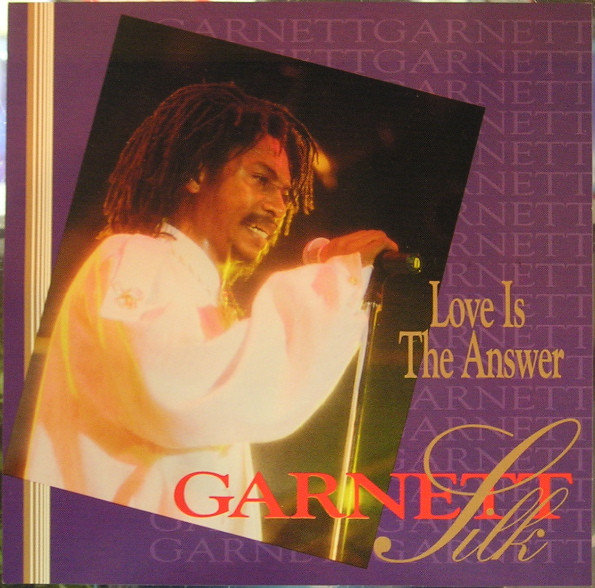
Garnett Silk did not remain inactive: upon his return, he re-recorded “Love Is The Answer” with Steely & Clevie; Richie Stephens produced his number one hit “Fight Back”. In 1994, he signed with Atlantic Records and entered the Tuff Gong studios. The session musicians gathered around producer Errol Brown formed an elite: Aston Barrett, Sly & Robbie, Tyrone Downie, Earl “Chinna” Smith, and Uziah “Sticky” Thompson. Ten tracks were recorded; the album was shaping up brilliantly. Then misfortune struck in Mandeville, where Garnett had gone to visit his mother. A friend showed him a weapon — his home had been burgled, but he did not know how to use it; the shot fired, hit a propane tank, and set the house on fire. Garnett escaped but saw his mother trapped. He returned to save her, but the fire was too violent. Garnett Silk and Etiga Gray perished embraced in the flames.
Major Works
| Work | Year | Why It Is Essential |
|---|---|---|
| It’s Growing | 1992 | Foundational album that blurs the boundaries between culture and romance |
| “Hello Mama Africa” | 1992 | First international success; pan-African anthem #1 UK reggae |
| “Zion in a Vision” | 1993 | #1 Jamaica on an unforgettable Jack Scorpio riddim |
| The Definitive Collection | 2000 | Posthumous testament to a brilliant, unfinished second album |
Heritage and influence
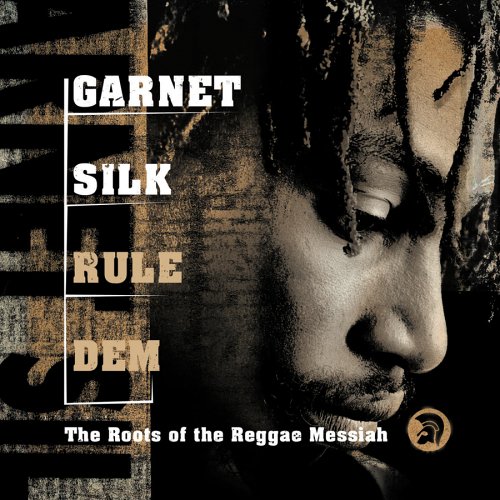
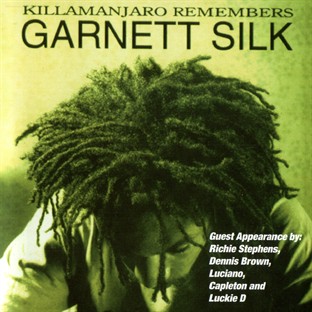
The loss of Garnett Silk is a shock within the reggae community. Atlantic Records publishes in 2000 The Definitive Collection, a double-CD box set restoring the ten tracks recorded at Tuff Gong studios. Compilations emerge: Killamanjaro Remembers (Jam Down, 1999), Rule Dem (Trojan/Sanctuary, 2006). DJ Macka B dedicates the title “Tribute to Garnett Silk” to him, and new-roots movement artists cite his voice as one of the foundations of their own commitment. His son, Garnet Smith Jr., follows in his footsteps in music; his nephew Anthony Cruz publishes in 2013 a tribute album covering fifteen of his tracks. Garnett Silk remains, in the eyes of fans, one of those artists whose early death freezes genius into legend. His suave voice, carried by texts imbued with social conscience and unshakeable faith, continues to carry Jamaican music to a global audience that rediscovers it with each new generation.
Sources and references
- Dave Thompson, “Garnett Silk”, Reggae & Caribbean Music, Backbeat Books (2002) — reference biography.
- “Garnett Silk”, Wikipedia in English, https://en.wikipedia.org/wiki/Garnett_Silk, accessed 7 November 2025.
- AllMusic, “Garnett Silk — Biography” by Jo-Ann Greene, https://www.allmusic.com/artist/garnett-silk-mn0000165068, accessed 7 November 2025.
- Lee O’Neill, “Garnet Silk on Record — A Discography 1995”, Reggae Report V13#2 (1995), https://reggaereport.com/garnet-silk-on-record-a-discography-1995/, accessed 7 November 2025.
- M. Peggy Quattro, “Garnet Silk — An Interview at his Kingston Home 1994”, Reggae Report, https://reggaereport.com/garnet-silk-an-interview-at-his-kingston-home-1994/, accessed 7 November 2025.
- Richard Johnson, “Silk’s Atlantic journey”, Jamaica Observer, 24 November 2014, https://www.jamaicaobserver.com/2014/11/24/silks-atlantic-journey, accessed 7 November 2025.
- “Garnett Silk”, Reggae.fr, https://reggae.fr/artiste-biographie/540_Garnett-Silk.html, accessed 7 November 2025.
- “Garnett Silk”, The Reggae Museum, https://thereggaemuseum.com/musician/garnett-silk, accessed 7 November 2025.