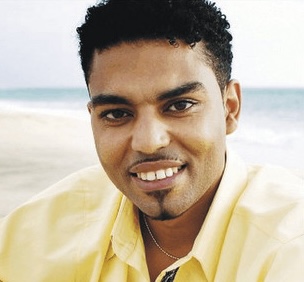
Biography
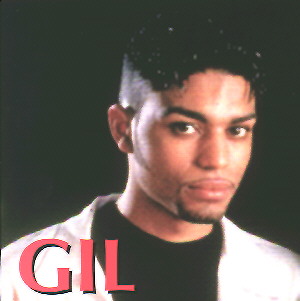
Gil Semedo
In 1999, while recording the music video for “Nha Namorada” in a hotel in Dakar, Gil Semedo fell from the eighth floor. He miraculously survived but lost his left foot. A year later, he returned with an album that ranked as the best Cape Verdean album of the year. This is just one chapter in the trajectory of an artist who, since 1991, has dedicated his life to creating music capable of making the diaspora dance while reminding them of their roots.
In Brief
| Full Name | Gil Semedo Moreira |
| Birth | October 25, 1974, Santa Catarina (Santiago), Cape Verde |
| Field | Singer, songwriter, music producer; Caboswing, zouk, pop, R&B |
| Notable Works | “Nos Líder”, “Maria Julia”, “Sweet Honey” |
| Awards | Gold and platinum records; best Cape Verdean album 2001 |
Key Dates
| Year | Event |
|---|---|
| 1974 | Birth in Santa Catarina, Santiago Island |
| 1980 | Emigration to the Netherlands at the age of six |
| 1990 | Finalist of Soundmixshow, Dutch television contest |
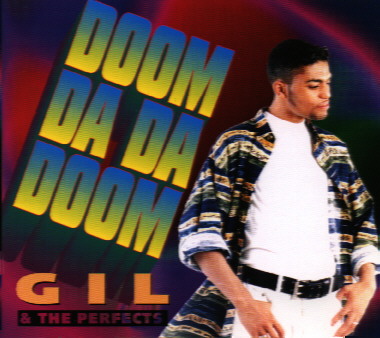
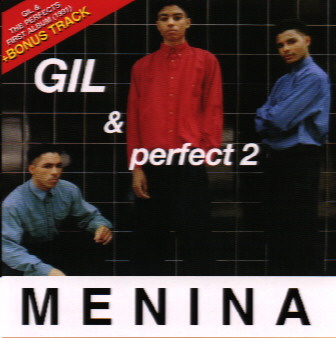
| 1991 | First album Menina with Gil & the Perfects |
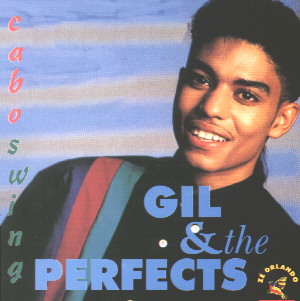
| 1993 | Launch of the track “Caboswing” and creation of the genre |
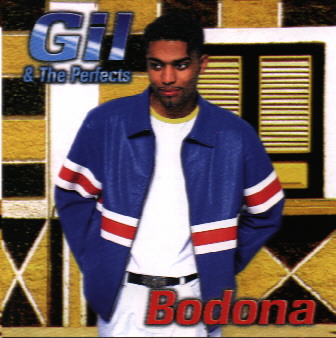
| 1997 | Release of Bodona; hits “Flan” and “Nos Magua” |
| 1999 | Nos Líder (100,000 sales in three months); Dakar accident |
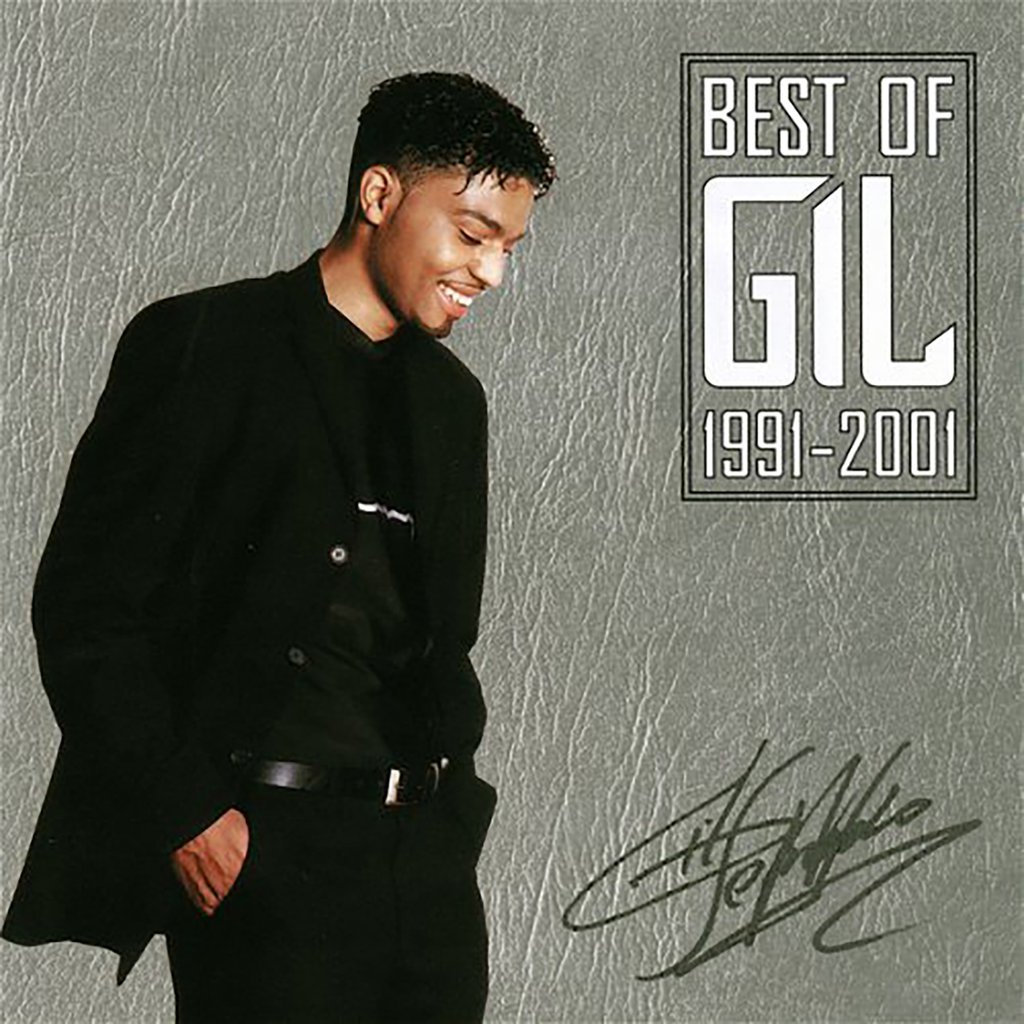
| 2001 | Best of Gil, best Cape Verdean album of the year |
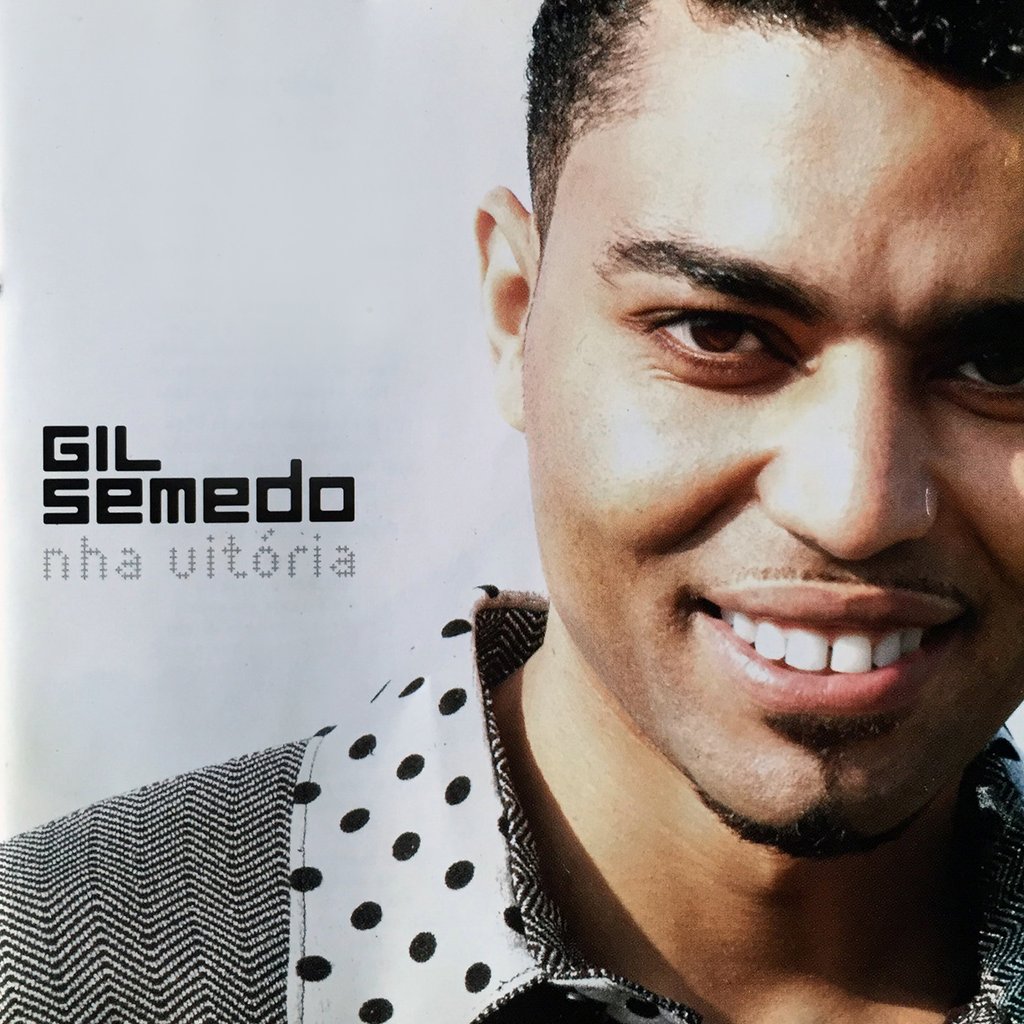
| 2006 | Nha Vitória, post-accident resilience album |
| 2014 | Music for the show Brazouka, FIFA World Cup in Brazil |
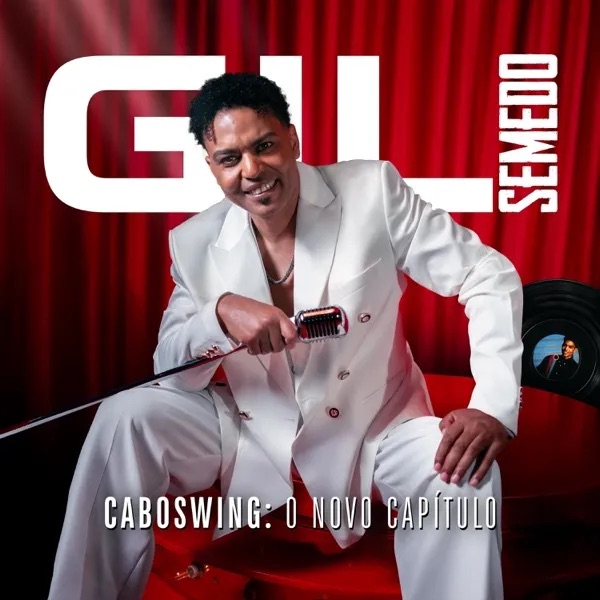
| 2026 | Caboswing: O Novo Capítulo, new chapter |
From Santiago Santas to Amsterdam Pop
Gil Semedo Moreira was born on October 25, 1974, in Santa Catarina, on the island of Santiago. Like all Cape Verdean life, his youth was steeped in sounds: the santas of Easter festivals, accordion funaná, driving coladeras. These rhythms remain, throughout his life, his musical DNA.
In 1980, at six years old, he emigrated to the Netherlands with his family. “Santiago is an island that marks the soul,” he wrote later in an interview. “Music was the strongest link.” In Amsterdam, young Gil immersed himself in another culture: American pop, R&B, with Michael Jackson at the forefront. “When I saw Michael Jackson on stage, I felt an artistic freedom I had never known,” he confided to Rolling Stone Africa. This double influence—the santas of Santiago and the pop scene of Amsterdam—became the engine of his creation.
In 1990, at fifteen, he reached the final of Soundmixshow. This media exposure opened the doors to the European music industry.
A New Genre, Millions of Recordings
In 1991, Gil Semedo released Menina, his first album. Immediately, Lusophone radios embraced the sound: Cape Verdean rhythms served by polished pop and R&B production. “Caboswing” established itself as the name of this musical crucible. As he explains: “It requires respect for both traditions. Caboswing does not disdain the morna—it places it in a modern context where young people can meet. It is a bridge, not a replacement.”
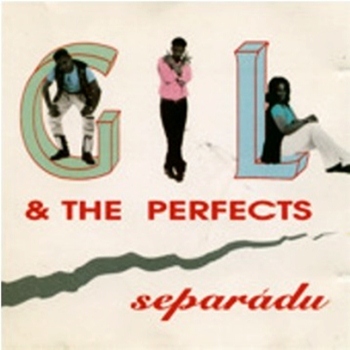
Albums followed one another: Separadu (1994), Verdadi (1995), Bodona (1997) with “Flan,” and then Nos Líder in 1999. This latter record sold over 100,000 copies in three months and earned gold and platinum records in several Lusophone countries. “Nos Líder” (“Our Leader”) became the anthem of a generation of Cape Verdeans in the diaspora, torn between nostalgia and integration.
The Dakar Accident, Resilience in Music
Late 1999, in Senegal, Gil Semedo fell from the eighth floor of a hotel during a shooting session for the “Nha Namorada” music video. He lost his left foot. But far from breaking him, this ordeal inspired his subsequent work.
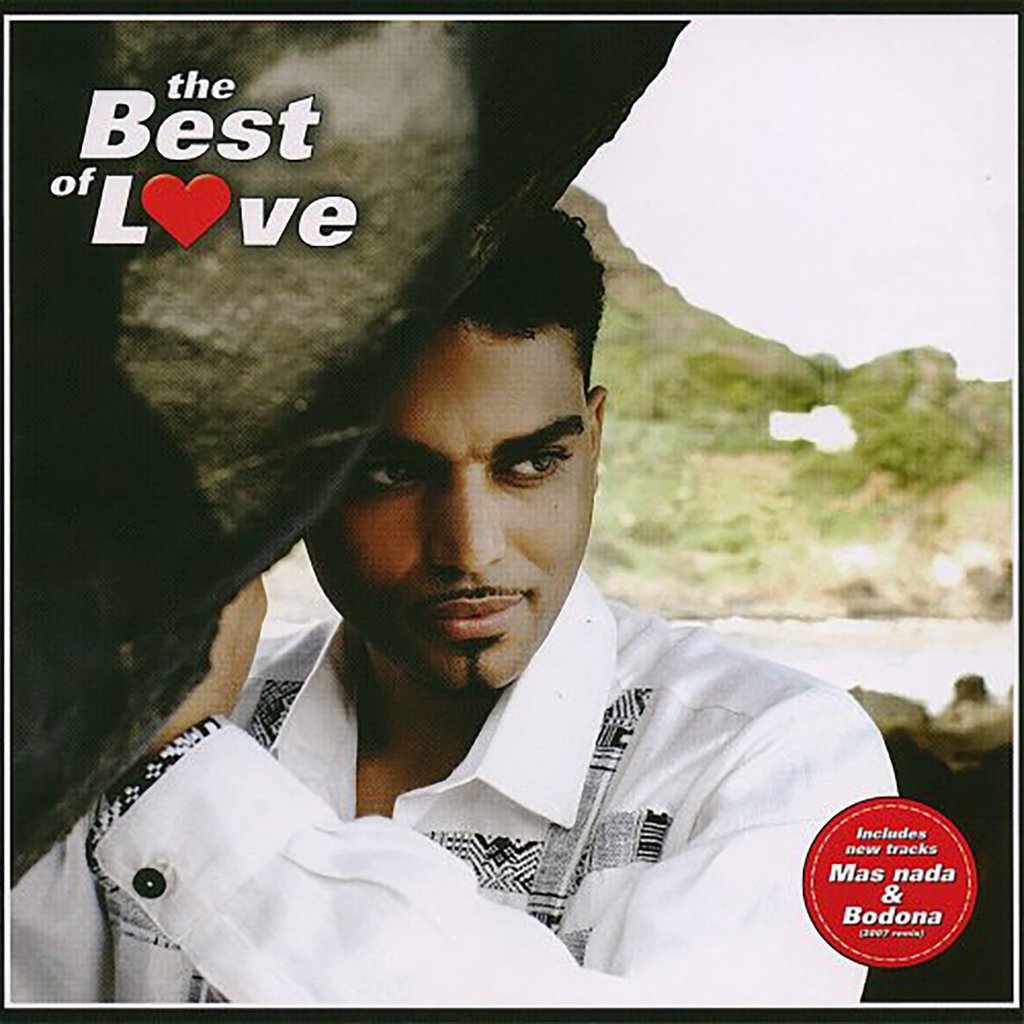
Best of Gil 1991-2001 was released in 2001 with a bonus track, “Obrigado” (“Thank You”), where the artist thanks everyone who supported him during his rehabilitation. The album became the best-selling Cape Verdean album of the year. In 2006, after four years of hiatus, Nha Vitória (“My Victory”) shared the lessons drawn from this ordeal. “We are all here to bring love and joy to the world,” he summarized in 2026.
A Bridge Between Generations
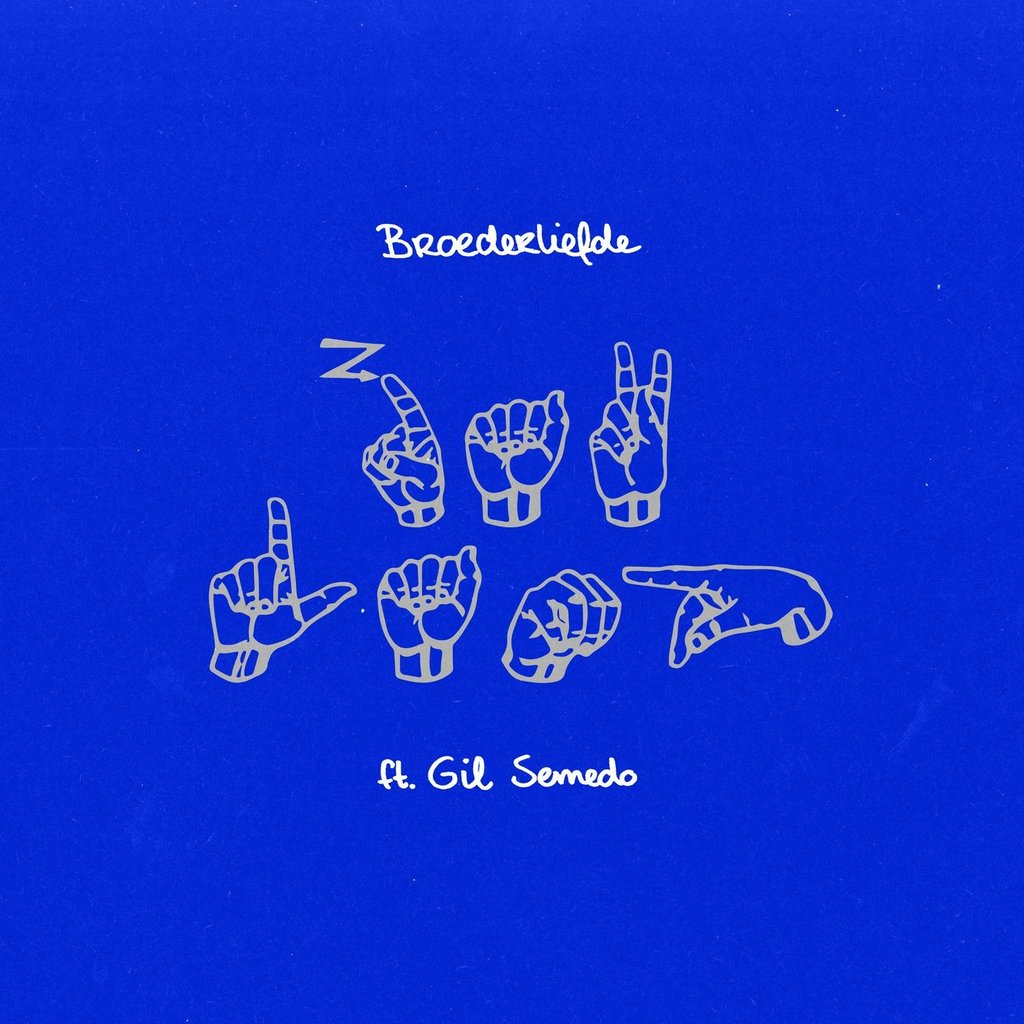
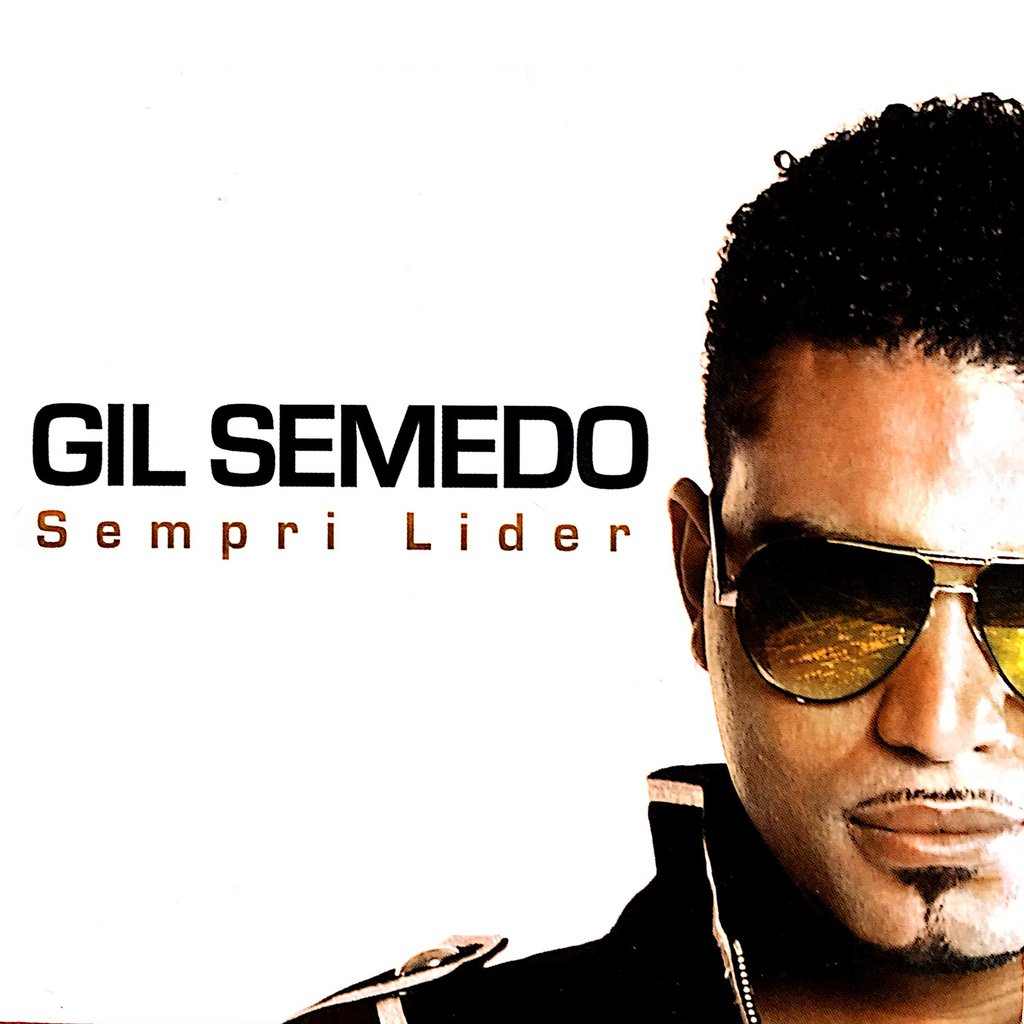
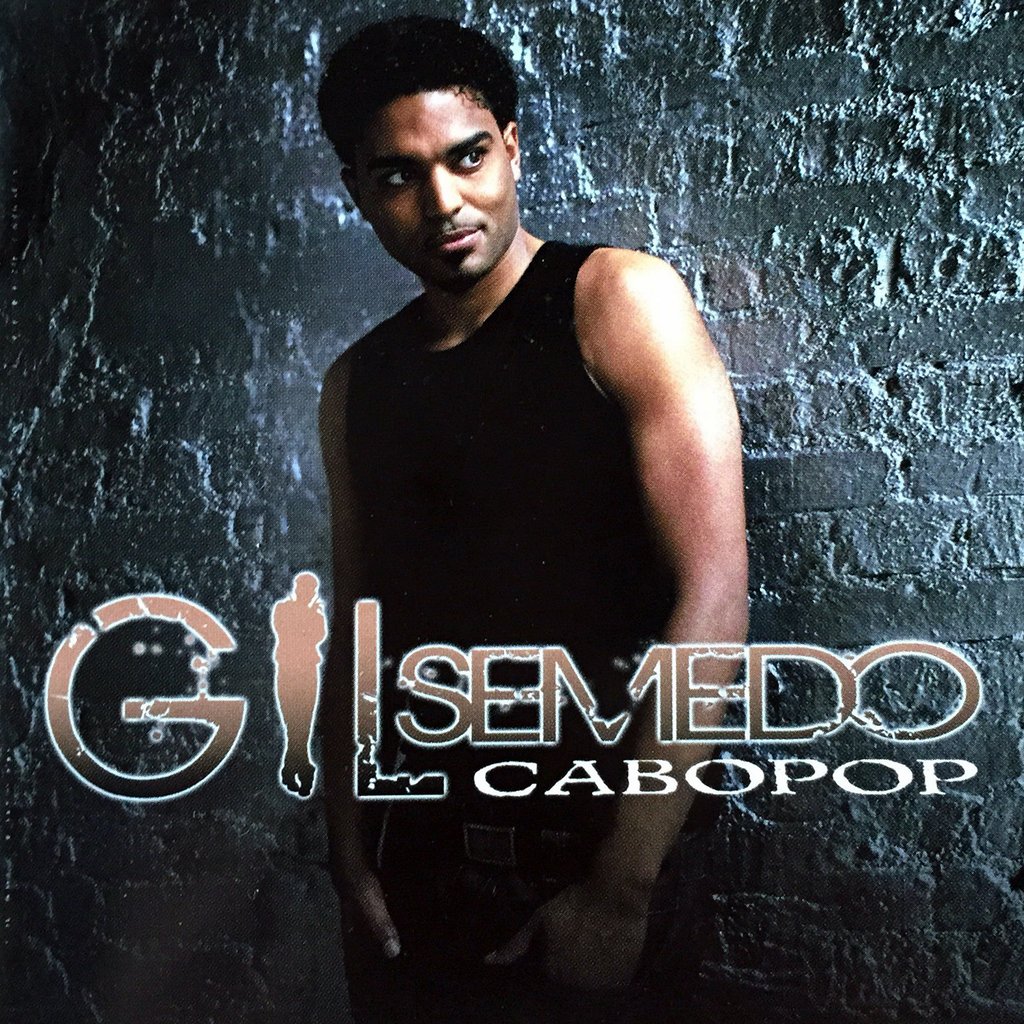
In the 2010s, Gil Semedo continued to evolve. Cabopop (2008), arranged by Cape Verdean-Senegalese composer Manu Lima, and Sempri Lider (2011) with Yola Semedo, Boss AC, and Loalwa Braz, show an artist who refuses to stagnate. In 2014, he composed the music for Brazouka, a major choreographic production presented during the 2014 FIFA World Cup in Brazil.
Several decades later, in 2026, Caboswing: O Novo Capítulo brings together young artists around the original sound. Committed beyond music, he founded his own label in 2014 and works on a foundation to provide medical supplies to disabled children in Cape Verde. He also supports Musiciens sans frontières: “There are stories to tell, unique rhythms, an artistic sense that deserves much more space.”
With over a million records sold worldwide, Gil Semedo is a cultural figure for the Cape Verdean diaspora, a bridge between generations. He has proven that one can honor their roots while inventing the sound of tomorrow.
Major Works
| Work | Year | Why It’s Essential |
|---|---|---|
| Menina | 1991 | Foundational debut album that launched the career |
| « Caboswing » | 1993 | The track that invented an entire genre |
| “Nos Líder” | 1999 | Diaspora anthem, 100,000 sales in 3 months |
| Best of Gil 1991-2001 | 2001 | Best Cape Verdean album; « Obrigado » reached millions |
| Nha Vitória | 2006 | Resilience album, born after the accident |
| Cabopop | 2008 | Arrangements by Manu Lima, recorded in Cape Verde, France, and the Netherlands |
| Caboswing: O Novo Capítulo | 2026 | New chapter uniting young artists and historic sound |
Legacy and Influence
Gil Semedo paved the way for an entire generation of Cape Verdean artists. He demonstrated that one could sing in criou and conquer international markets without betraying oneself. His genre, Caboswing, remains the leading Lusophone pop reference in Africa and influences young artists today who rediscover traditional sounds through modern productions. In two words: he made a diaspora dance without making them forget where they came from.
Sources and References
- « Gil Semedo », Wikipedia in English, https://en.wikipedia.org/wiki/Gil_Semedo, accessed November 9, 2026.
- « Gil Semedo », Wikipedia (Dutch), https://nl.wikipedia.org/wiki/Gil_Semedo, accessed November 9, 2026.
- « Gil Semedo », Viquipèdia (Catalan), https://ca.wikipedia.org/wiki/Gil_Semedo, accessed November 9, 2026.
- Ana Almeida, « The Man Who Built a Genre for a Generation », Rolling Stone Africa, June 17, 2026, https://rollingstoneafrica.com/music/the-man-who-built-a-genre-for-a-generation/.
- Nelson C.J., « Gil Semedo on Caboswing, Cape Verdean music, and bridging the diaspora », OkayAfrica, May 28, 2026, https://www.okayafrica.com/cape-verdean-music-legend-gil-semedo-is-still-making-music-that-bridges-the-diaspora/1430838.
- « How Gil Semedo Turned Caboswing Into a Global Home for the Cape Verdean Diaspora », The Voice of Africa, June 2, 2026, https://thevoiceofafrica.com/2026/06/02/gil-semedo-caboswing-cape-verde-diaspora.
- « Gil Semedo », Qobuz, https://www.qobuz.com/us-en/interpreter/gil-semedo/76978, accessed November 9, 2026.
- « Gil Semedo », caboverde-info.com, https://www.caboverde-info.com/eng/Identity/Personalities/Gil-Semedo, accessed November 9, 2026.