Biography
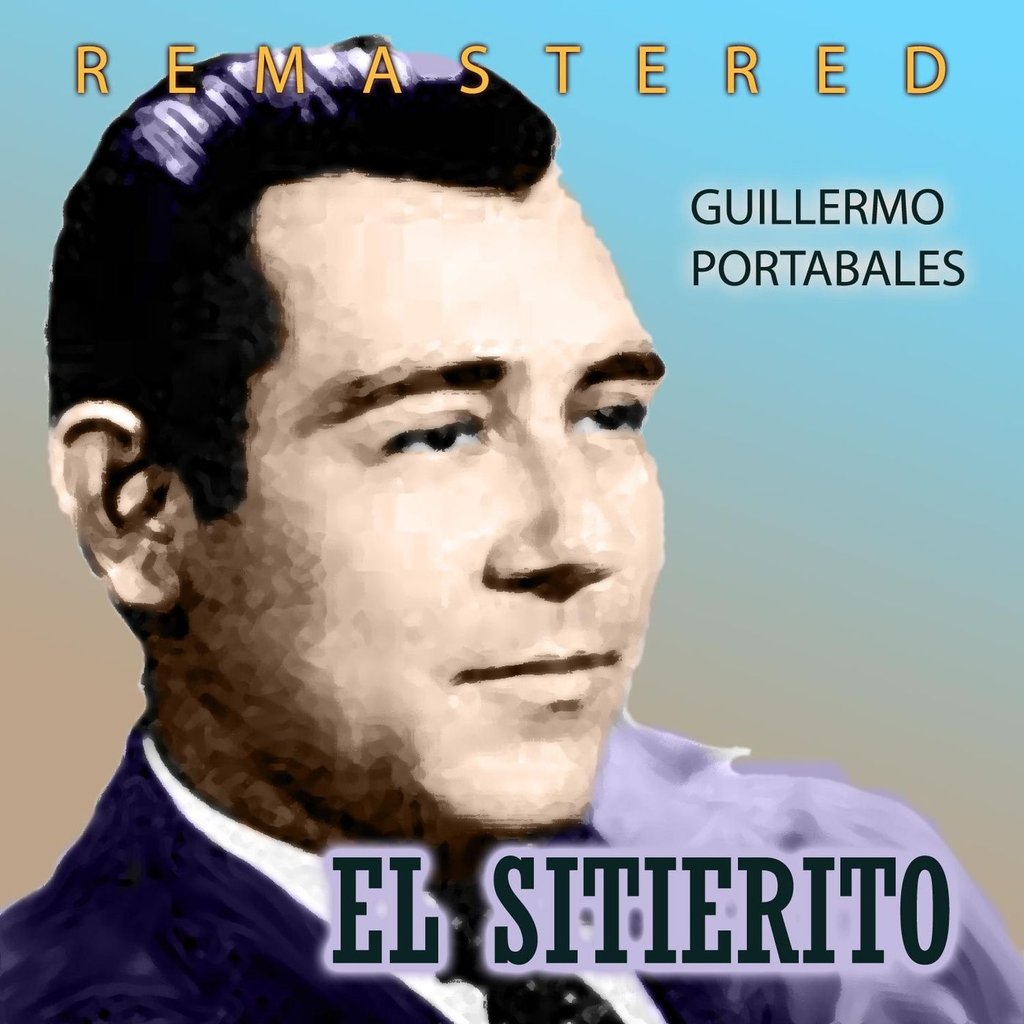
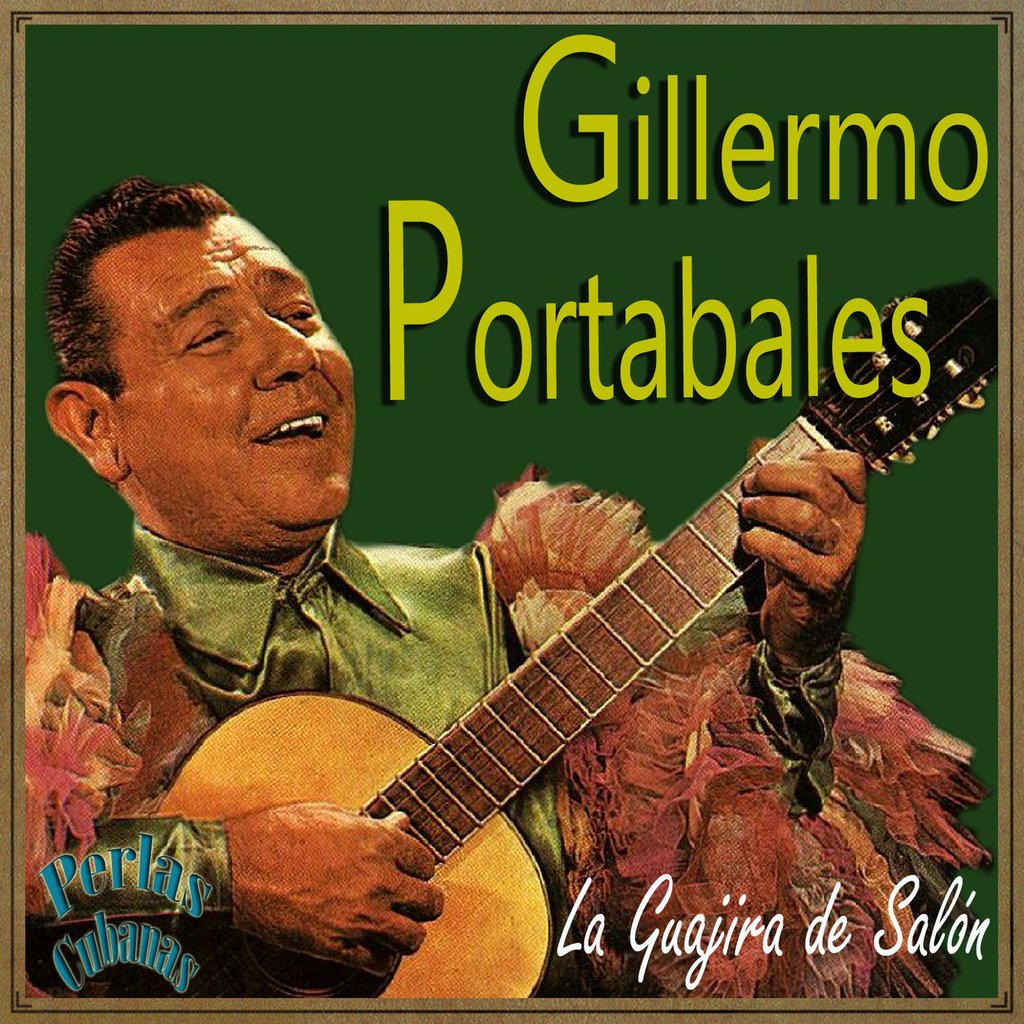
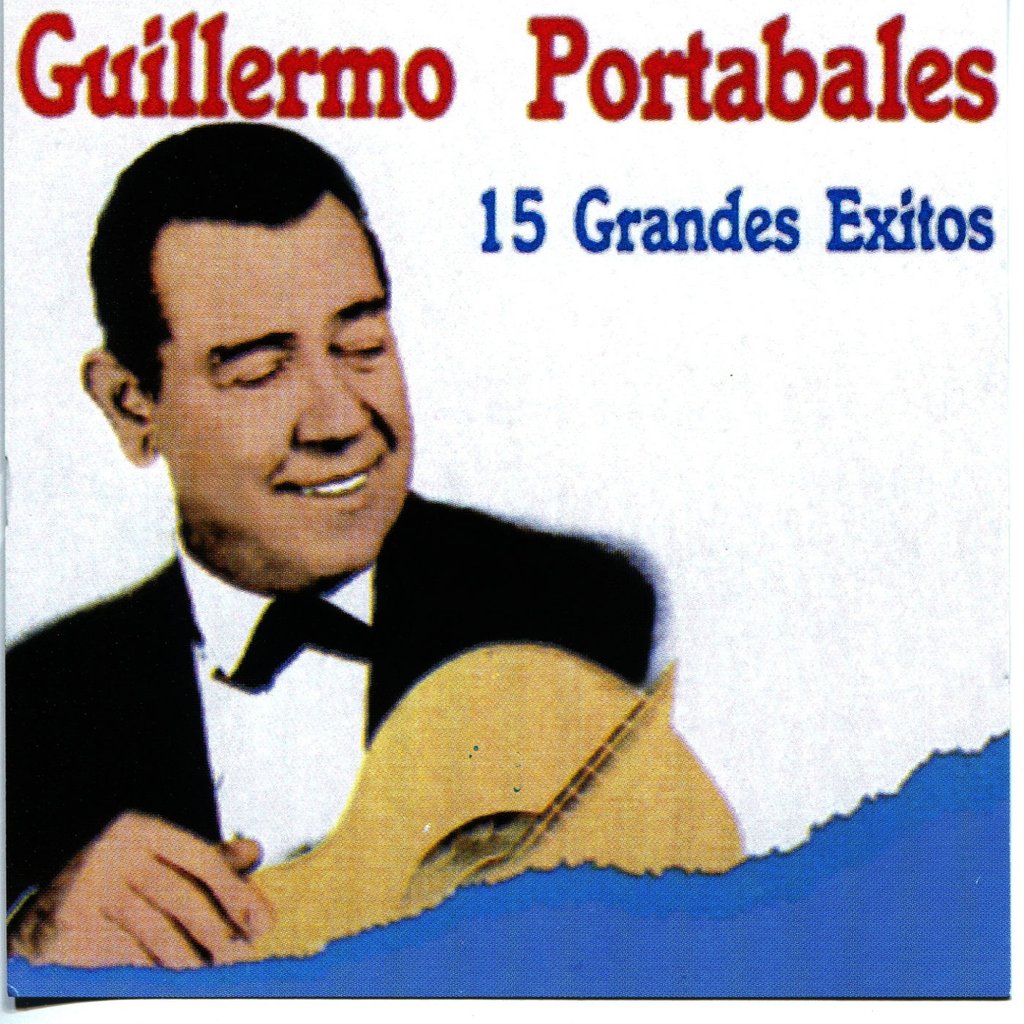
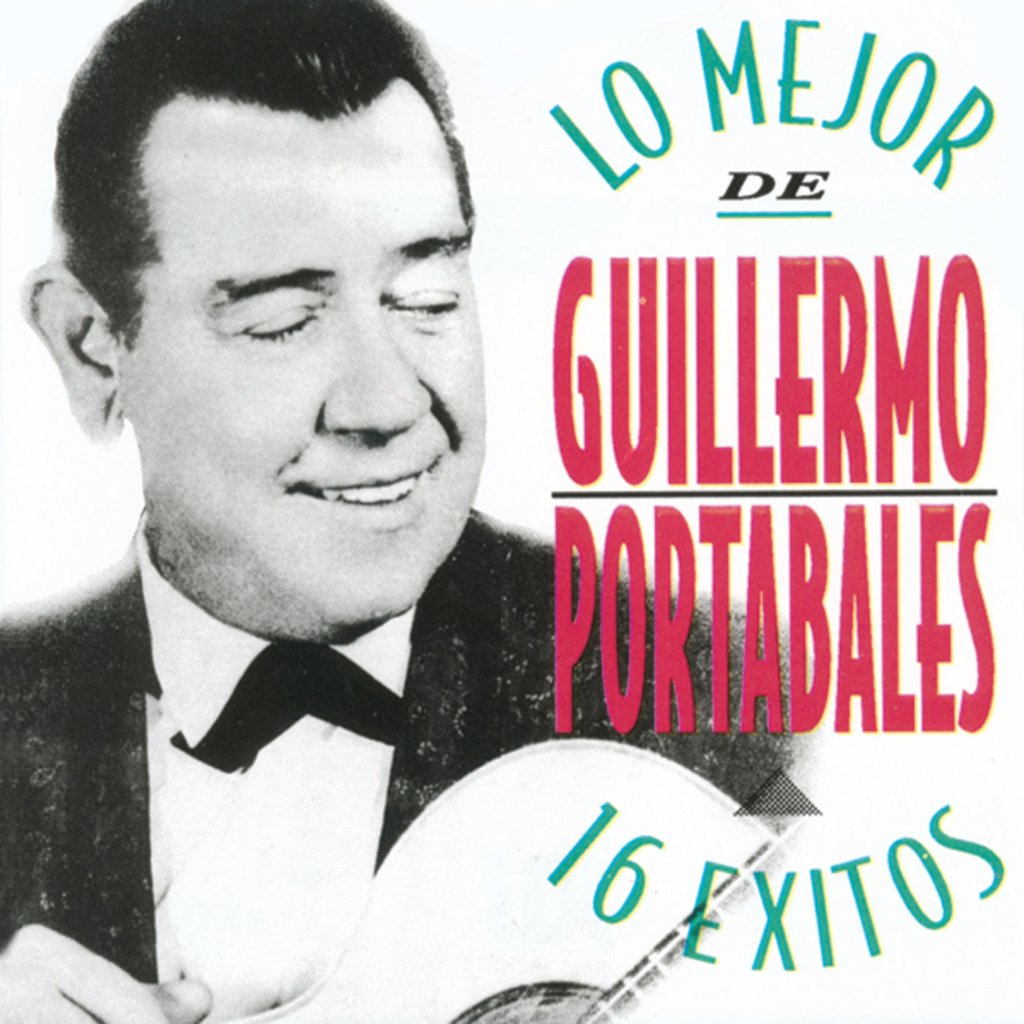
Guillermo Portabales: the creator of salon guajira
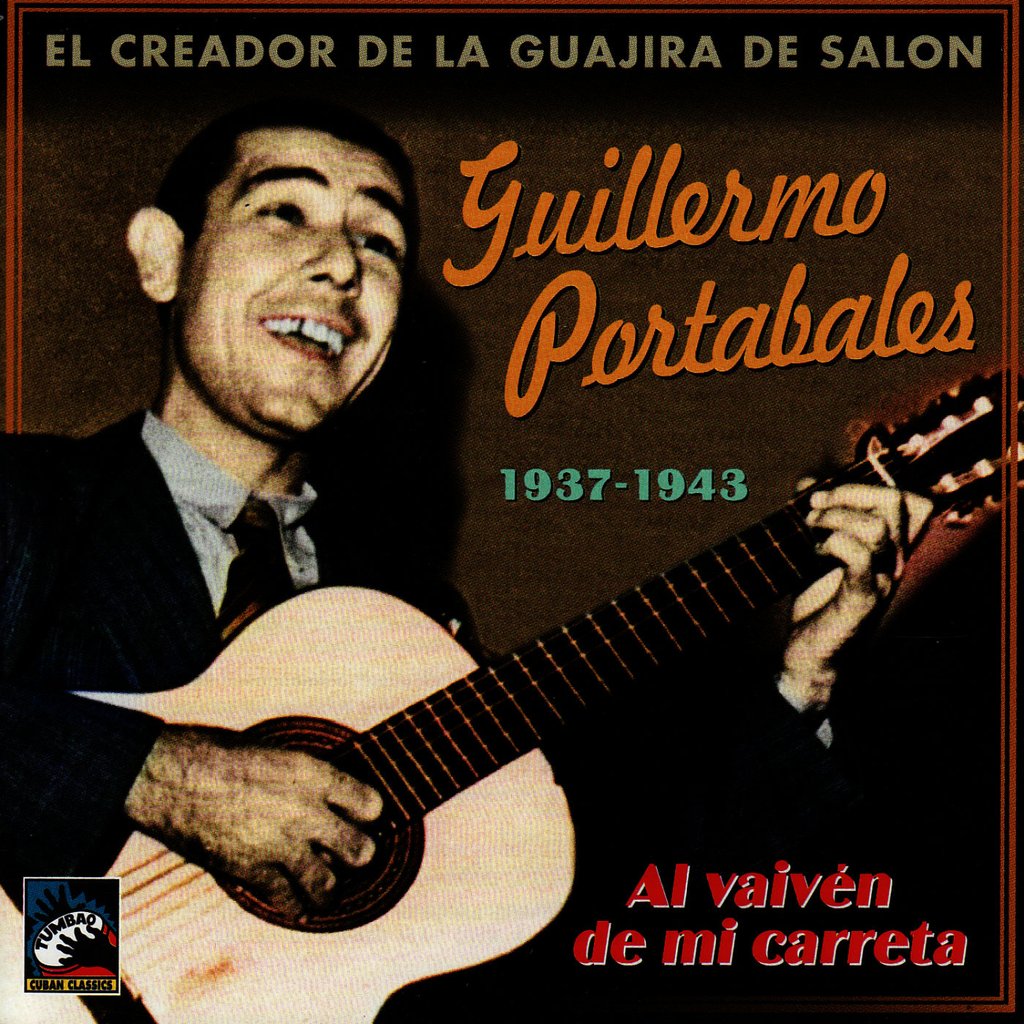
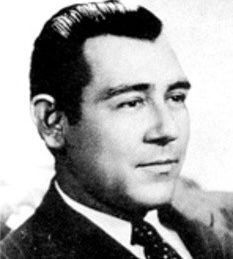
Leaving a restaurant in Isla Verde, San Juan, Puerto Rico, on the night of October 25, 1970, Guillermo Portabales did not imagine that his last guitar would resonate for decades. Struck by a car while returning from a concert, the creator of the guajira — that Cuban style where field songs blend with bolero and the chansonnier — fades from the world of the living, but his legacy remains intact.
In brief
| Full name | José Guillermo Quesada Castillo, known as Guillermo Portabales |
| Birth | April 6, 1911, Rodas (now Cienfuegos province), Cuba |
| Death | October 25, 1970 (59 years), San Juan, Puerto Rico |
| Field | Guajira — Cuban rural guitar music between son and Spanish chansonnier; also bolero and tango |
| Instruments | Guitar, vocals |
| Iconic works | “El carretero”, “Nostalgia guajira”, “Cumbiamba” |
| Honors | Posthumous inclusion in Buena Vista Social Club and World Circuit compilations; one of the greatest Cuban popular artists of the 20th century |
Key dates
| Year | Event |
|---|---|
| 1911 | Birth in Rodas; Spanish father died around age 8, mother remarried a hospital director who passed on the name Portabales |
| 1928 | Radio debut (station CMHI) while working in printing |
| 1935-40 | Development of the guajira de salon; masterpiece “El Carretero” |
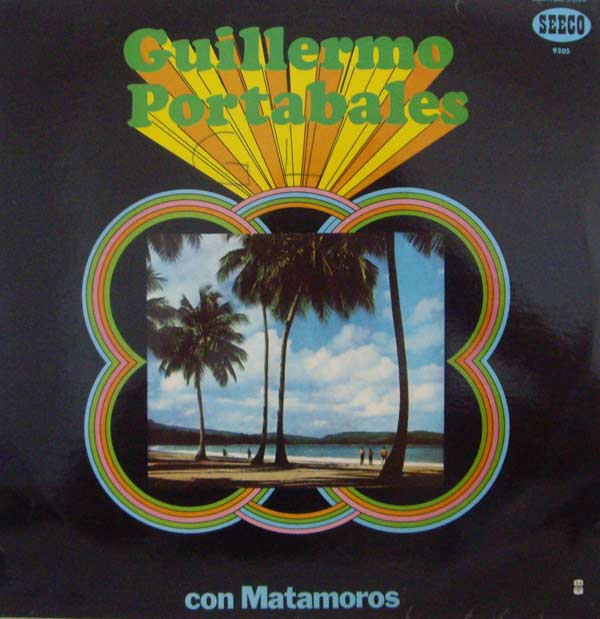
| 1940 | Collaboration with Trio Matamoros; recording of “Voy a Santiago a morirme” |
| 1940-53 | Tours in Colombia, Venezuela, Ecuador, Peru, Panama, New York, and Tampa; public discovers his style |
| 1953 | Permanent move to Puerto Rico; recordings for Gema Records |
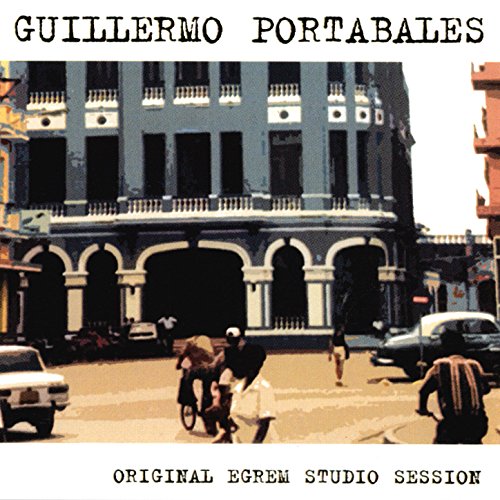
| 1960 | Album recorded at Gema (Cuba) after the revolution but before the EGREM monopoly |
| 1970 | Final recording session a few days before his accidental death at 59 |
From printer to troubadour: the invention of a style
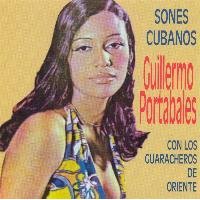
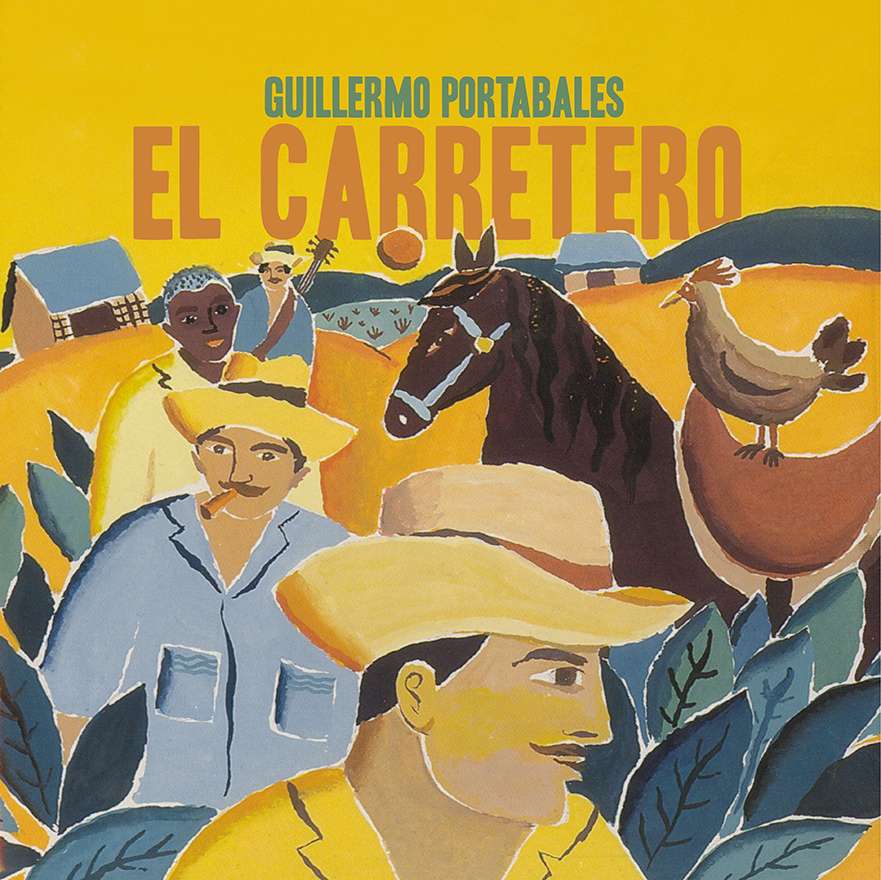
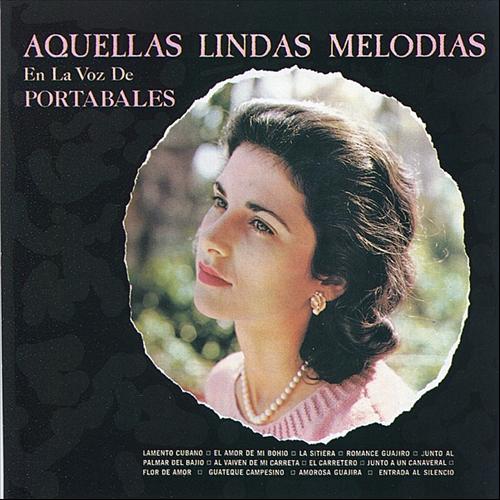
Born José Guillermo Quesada Castillo, the young man grew up in Cienfuegos, a coastal city between Havana and Santiago de Cuba. A printer by trade, he discovered the guitar and began singing in bars and restaurants. His languid voice, delicate guitar playing — sometimes accompanied by a tres and a bassist — quickly attracted attention. Around 1935, he developed what he would call the guajira de salon: a slowing of the traditional guajira, with an emphasized melody and lyrics depicting the bucolic life of the guajiro — the Cuban peasant, his sugar cane, his palm groves. “El Carretero” (around 1940) is the founding masterpiece: portrait of the cart driver crossing Cuban villages, carrying news and today’s music. The theme — the harshness of work, fruit falling from trees, guajira women, and camaraderie — becomes a classic. Portabales does not limit himself to guajira: the Lamento cubano is a lost love-country, Flor de Amor a pastoral romance that would later serve as the title for Omara Portuondo’s 2004 album. His fame spreads throughout Latin America and even to West Africa. The albums Viva Portabales (1967) and Sones cubanos con Los Guaracheros de Oriente (October 1970), his final session, testify to ever more refined mastery. Even Hélio Orovio himself — in his Cuban dictionary — had to reintegrate him as a top-tier artist, and the label World Circuit dedicated him the 1996 compilation El Carretero, whose title track was covered by Eliades Ochoa on the 1997 album Buena Vista Social Club.
Major works
| Work | Year | Why it’s essential |
|---|---|---|
| “El carretero” | ~1940 | Portrait of the Cuban cart driver; covered by Eliades Ochoa on Buena Vista Social Club (1997) |
| “Nostalgia guajira” | ~1940s | Nostalgic lament of the peasant; permanent reference of Cuban guajira |
| “Cumbiamba” | ~1950s | Blend of guajira and son elements; a bridge between Cuban styles |
| “Flor de Amor” | ~1960s | Pastoral romance; title chosen by Omara Portuondo for her album Buena Vista Social Club (2004) |
Legacy and influence
Guillermo Portabales transformed a Cuban rural song into one of the most elegant styles of the 20th century. The guajira de salon he created inspires Omara Portuondo, Eliades Ochoa, and the Buena Vista scene of the 1990s. Pure voice, precise guitar, lyrics blending poetry and field simplicity: this approach remains a lesson for contemporary trovadors.
Sources and references
- “Guillermo Portabales”, Wikipedia (EN), https://en.wikipedia.org/wiki/Guillermo_Portabales, accessed November 2, 2026.
- “Guillermo Portabales”, Discogs, https://www.discogs.com/artist/348928-Guillermo-Portabales, accessed November 2, 2026.
- “Guillermo Portabales”, World Circuit Records, https://worldcircuit.co.uk/artists/guillermo-portabales, accessed November 2, 2026.
- “Guillermo Portabales”, Wikipedia (ES), https://es.wikipedia.org/wiki/Guillermo_Portabales, accessed November 2, 2026.
- “Guillermo Portabales”, Wikipedia (DE), https://de.wikipedia.org/wiki/Guillermo_Portabales, accessed November 2, 2026.
- “Guillermo Portabales”, Apple Music, https://music.apple.com/mx/artist/guillermo-portabales/14947852, accessed November 2, 2026.