
Biography
Habib Koité: the modern griot who reinvented the Malian guitar
Almost twenty-five years ago, a track became an anti-smoking anthem throughout West Africa: “Cigarette A Bana”. Thirty years earlier, in the bars of Bamako where the young guitarist was relearning every week the cassettes brought to him, no one yet knew that this disciple of the griots would become one of the most recognized ambassadors of Malian music on the world stage.
In brief
| Full name | Habib Koité |
| Birth | 27 January 1958, Thiès (Senegal) |
| Field | Acoustic guitar, vocals — world music / Malian afro-pop |
| Signature works | “Muso Ko”, “Cigarette A Bana”, Ma Ya, Afriki |
| Awards | Voxpole Prize (1991), RFI/Média-Adami Discoveries Prize (1993) |
Key dates
| Year | Event |
|---|---|
| 1958 | Birth in Thiès of a family of Khassonké griots originally from Kayes |
| 1978-1982 | Studies at the National Institute of Arts of Bamako; director of the INA Star orchestra |
| 1982-1998 | Guitar teacher at the INA (eighteen years) |
| 1988 | Founding of the group Bamada with childhood friends |
| 1993 | RFI/Média-Adami Discoveries Prize |
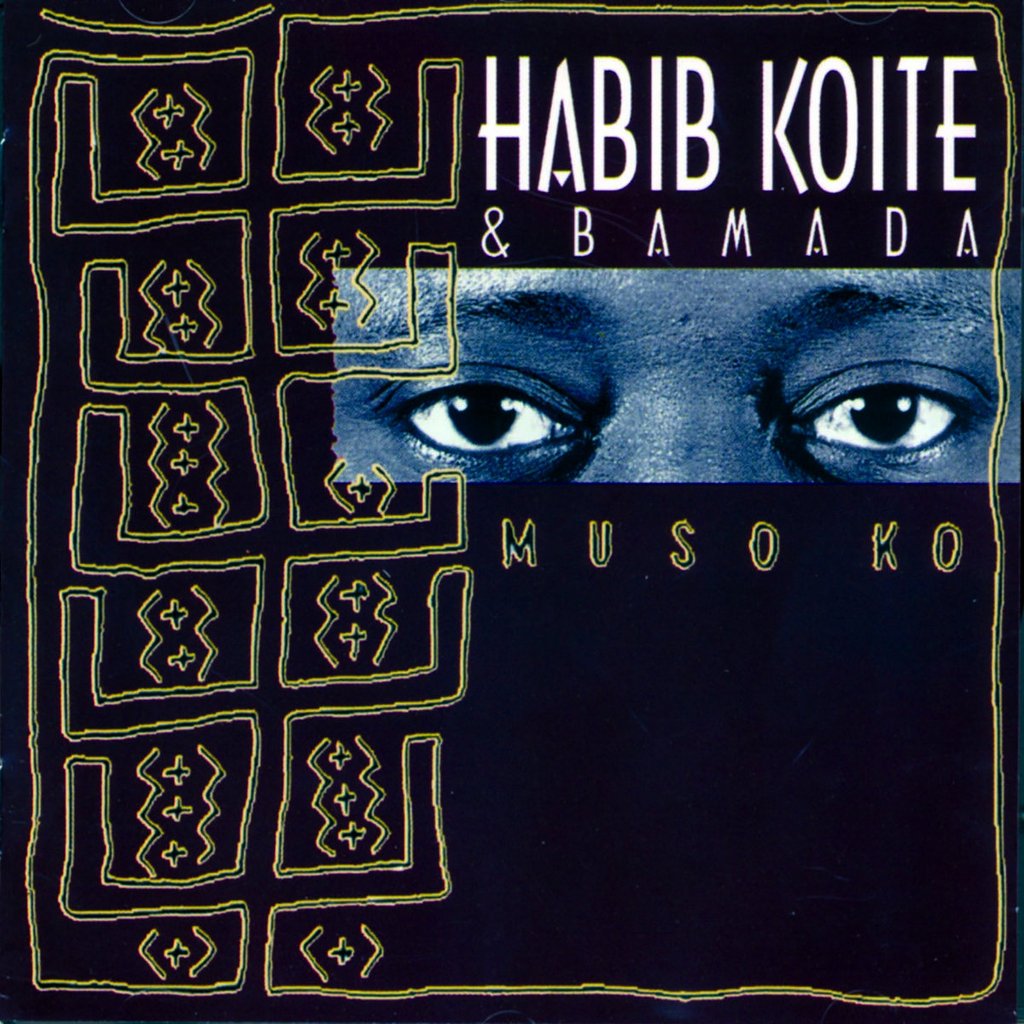
| 1995 | Release of Muso Ko, first international studio album |
| 2001 | Appearance on the Late Night Show with David Letterman; album Baro |
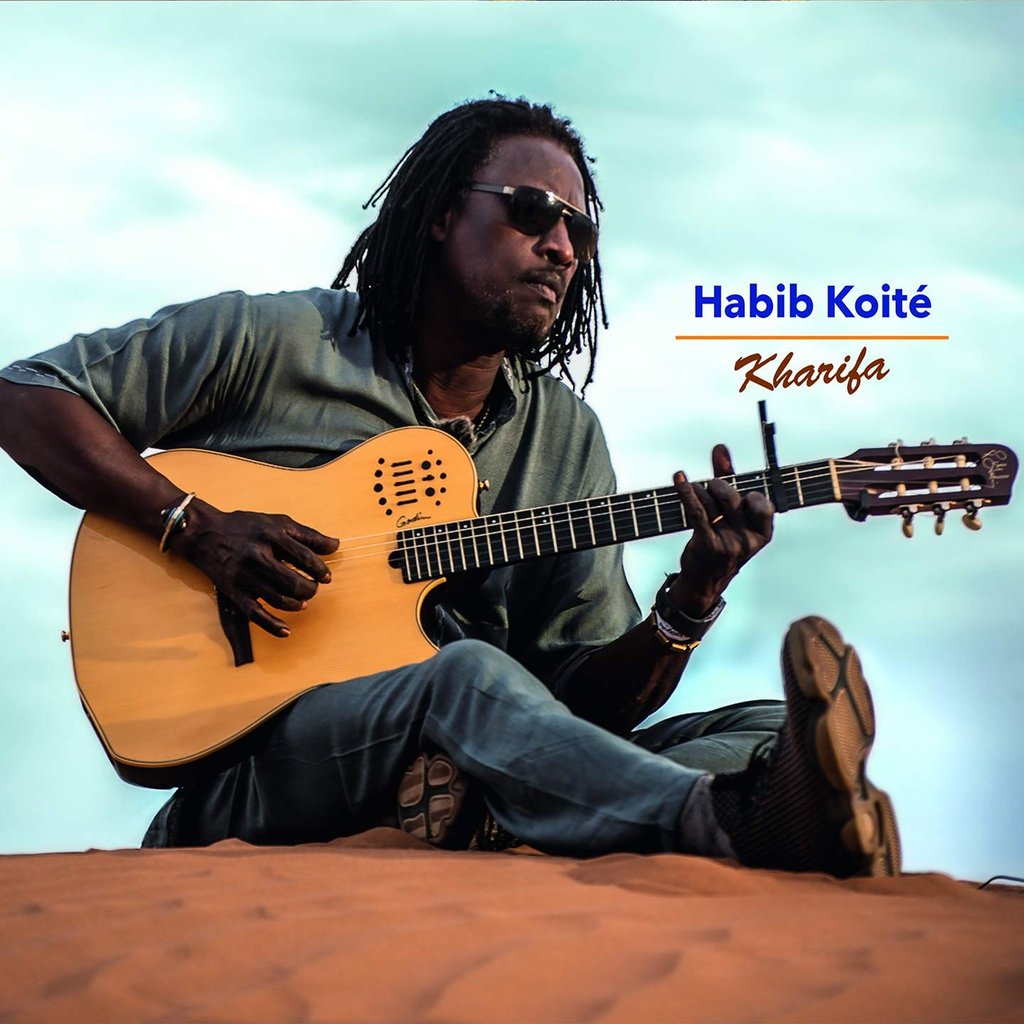
| 2019 | Release of Kharifa, an intergenerational album |
A journey between tradition and modernity
Habib Koité was born on 27 January 1958 in Thiès, Senegal. His family belongs to the caste of Khassonké griots, traditionally settled in the Kayes region. His paternal grandfather played the kamalè ngoni, a four-stringed lute of the hunters from the Wassolou region; his mother, Awa Bombot, a griotte herself, sang at wedding ceremonies. “No one really taught me to sing or play,” he would say later. “I watched my parents, and it just fell upon me.”
A shrewd uncle steered him toward the National Institute of Arts (INA) in Bamako. The young Habib graduated primus of his class in 1982, and the INA offered him a teaching position he held for eighteen years. On this solid academic foundation — he studied Bach, Schumann, and Sor while listening to Hendrix and Pat Metheny — Koité forged a unique style: a guitar tuned in Malian pentatonic, played without a pick but with bare fingers to imitate the kamalè ngoni and the kora. He coined a term that defines his approach, the “danssa-doso”, a blend of the popular rhythm of Kayes and the music of hunter-historians, a way of gathering all Malian traditions into a single musical language.
In 1988, he founded Bamada — “in the crocodile’s mouth”, the nickname for Bamako’s inhabitants — with his childhood companions. The group toured intensively in Malian bars for fifteen years, an apprenticeship that Koité compares to an invaluable school: “I played pieces passed to me on cassettes, I learned them in a week and played them on Sunday.” The turning point came in 1991, when Bamada won first prize at the Voxpole festival in Perpignan. This victory financed the recording of two tracks, “Cigarette A Bana” and “Nanalé”. The first became a hit throughout West Africa; children took up the chorus on the street. Radio France International awarded Koité the Discoveries Prize in 1993 — a decisive boost. Muso Ko (1995), recorded in Brussels by the label Contre-Jour, reached second place in European world music charts. The consecration arrived in 2001 with an appearance on the Late Night Show with David Letterman and a meeting that would mark both men: Bonnie Raitt traveled to Mali to invite Koité.
Major works
| Work | Year | Why it is essential |
|---|---|---|
| Muso Ko | 1995 | First international album; two tracks selected for Windows Vista |
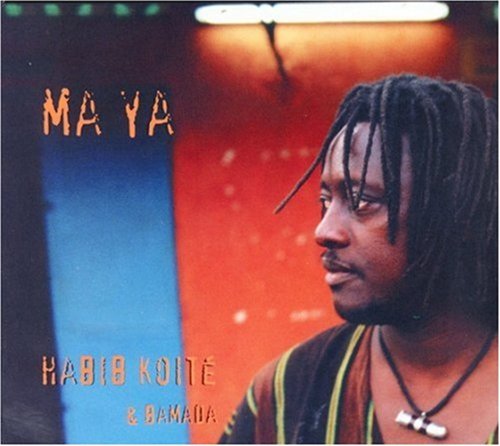
| Ma Ya | 1998 | Top of European world music charts; Putumayo American edition |
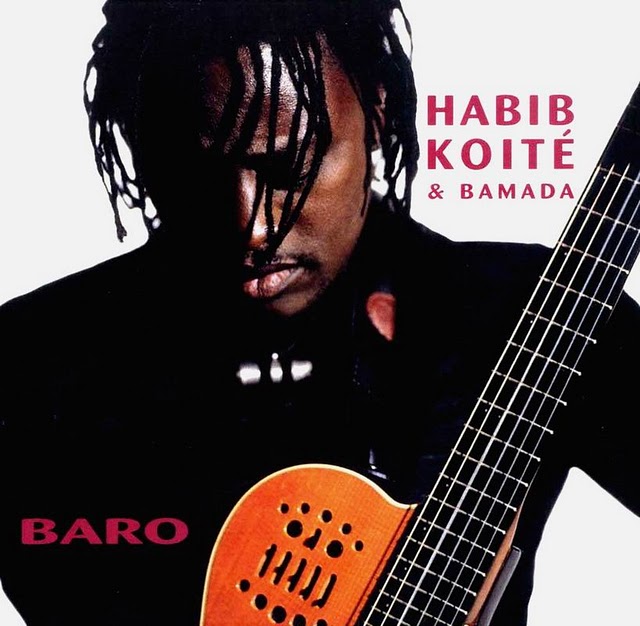
| Baro | 2001 | Latin turn; appearance on the Late Night Show with David Letterman |
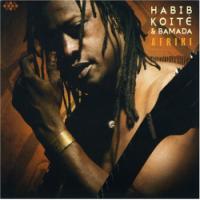
| Afriki | 2007 | Manifesto album on African immigration and development aid |
Legacy and influence
Habib Koité is not an inventor of genres but a bridge between traditions: his “danssa-doso” style — a fusion of the popular rhythm of Kayes and the music of hunter-historians — paved the way for a generation of Malian musicians who claim their heritage without closing themselves off in folklore. Artists like Rokia Traoré, Bassekou Kouyate, or his own son CT Koité (RFI Discoveries Prize 2017) continue in this vein, confirming that a 21st-century griot can prove that tradition, well understood, has lost none of its vitality.
Sources and references
- “Habib Koité”, Wikipedia in French, https://fr.wikipedia.org/wiki/Habib_Koit%C3%A9, accessed 2 November 2025.
- “Habib Koité — Biography”, AllMusic (by Chris Nickson), https://www.allmusic.com/artist/habib-koit%C3%A9-mn0000657641, accessed 2 November 2025.
- “Bio”, official Habib Koité website, https://habibkoite.com/bio, accessed 2 November 2025.
- “Koité (Habib)”, RFI Musique, https://www.rfi.fr/fr/musique/20200122-koit%C3%A9-habib, accessed 2 November 2025.
- “HABIB KOITE — WERELDFEEST LEUVEN 05/2008”, Rebelbase (interview), https://rebelbase.be/interviews/detail/habib-koite---wereldfeest-leuven-052008, accessed 2 November 2025.
- “As the World Turns — Interview with Habib Koité”, Seven Days Vermont, https://sevendaysvt.com/music/as-the-world-turns-2134396, accessed 2 November 2025.
- “Habib Koité”, Discogs, https://www.discogs.com/artist/Habib-Koite, accessed 2 November 2025.