Biography
Hilarion Nguema: “Mister Dynamite”, the Indestructible Patriarch of Gabonese Music
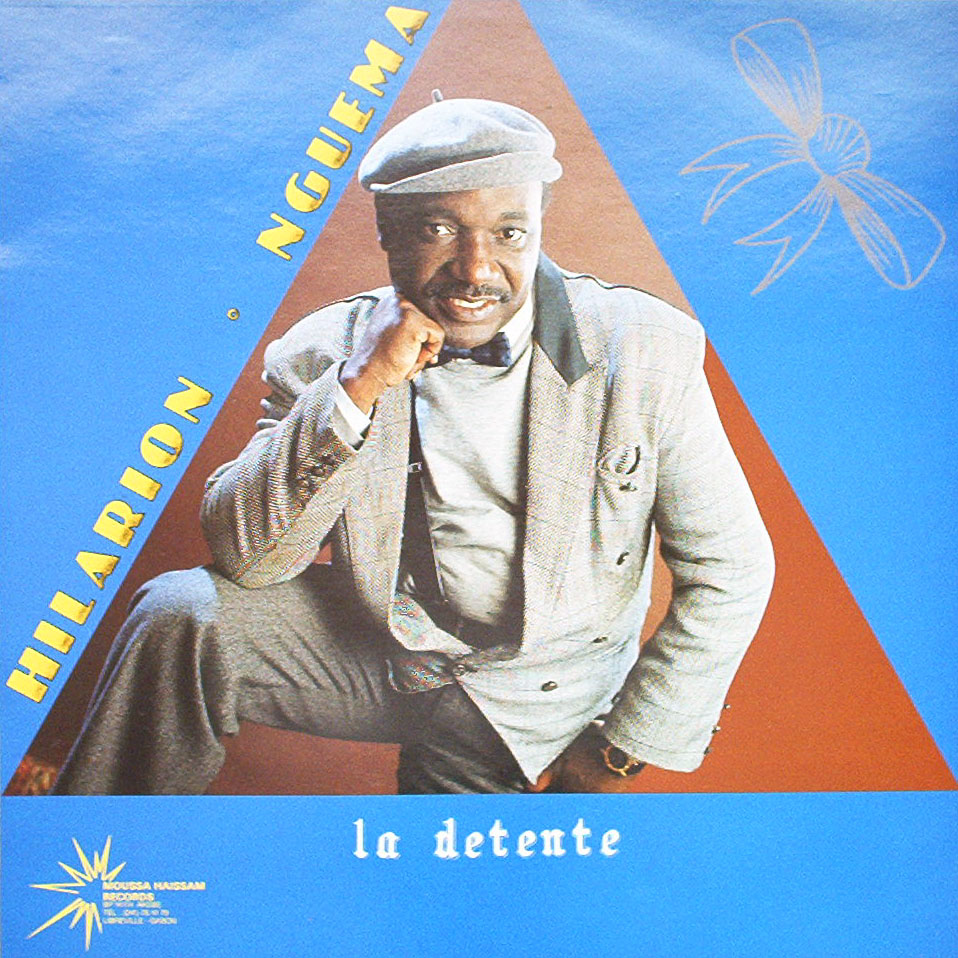
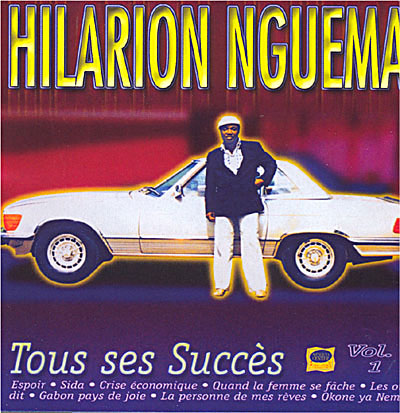
In Libreville, in the smoke-filled bars of the sixties, a sharp guitar cut through the night. The one holding it was fifteen years old. Hilarion Nguema, nicknamed “Mister Dynamite”1, never bent. From political prison to Cameroonian exile, from the arson of his performance hall to the international stage, his career was rebuilt through melodies that speak to the people.
In Brief
| Full Name | Nguema Etem Hilarion |
| Nickname | “Mister Dynamite” |
| Birth | December 31, 1943, Nkoltang, Estuaire Province, Gabon |
| Genres | Makossa, soukous, rumba, afro-zouk, biguine |
| Instruments | Guitar, vocals (tenor) |
| Founding Group | Afro-Succès (1962) |
Key Dates
| Year | Event |
|---|---|
| 1960 | Professional debut with the Mont-Fort College Jeunesse-Band |
| 1962 | Founding of Afro-Succès with Paul-Marie Mounanga |
| Around 1965 | Political incarceration; detention at Bakoumba |
| 1967 | Release; first 45 rpm single |
| 1969 | Attack at the Cathis bar; exile to Cameroon |
| 1986 | Solo renaissance; release of the track “Sida” |
| 2019 | National tribute by the Ministry of Culture |
Journey: From the Forest to the International Stage
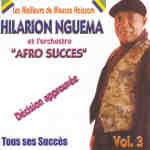
Hilarion Nguema grew up in Nkoltang, a village in the Estuaire Province among the Fang. A singer since childhood in his school choir, Sainte-Marie, his tenor voice stood out. Reverend Louis Le Dis, the school director, believed in him. But at fifteen, in 1958, it was the guitar that triumphed over books. He joined the bars of Libreville, then the Mont-Fort College Jeunesse-Band, where he sang professionally on August 15, 1960. Two years later, he founded Afro-Succès with Paul-Marie Mounanga. The group immediately captured the energy of an independent Gabon: Congolese rumba, Cameroonian makossa2, and biguine3 blended with the mvett4, the ancestral harp-lute of the Fang griots.
Popularity attracted the attention of power. Around 1965, Nguema was thrown in prison, first in Tchibanga, then Makokou, finally Bakoumba—a lost jail in the bush that would later inspire the track “Atmospère à Bakoumba”. Some spoke of “committed songs”5; others of “politicians’ jealousy”6. Released in 1967 thanks to Omar Bongo, he published “Espoir” and “Libreville” in 1968, hits heard from Lagos to Brazzaville. But success attracted new dangers. In 1969, at the Cathis bar, Nguema and four musicians were attacked with knives. The group fled to Cameroon, where they remained until 1979.
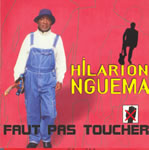
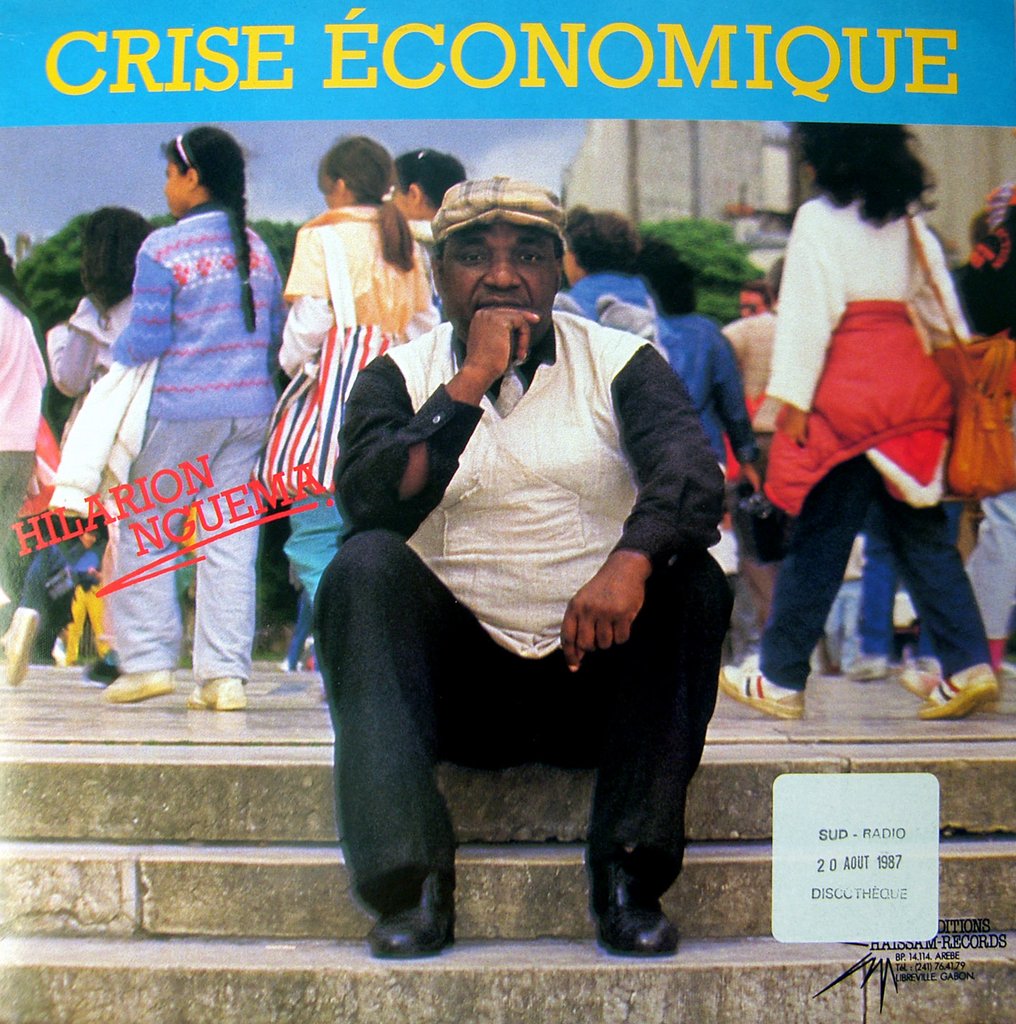
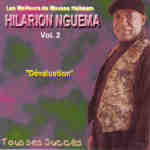
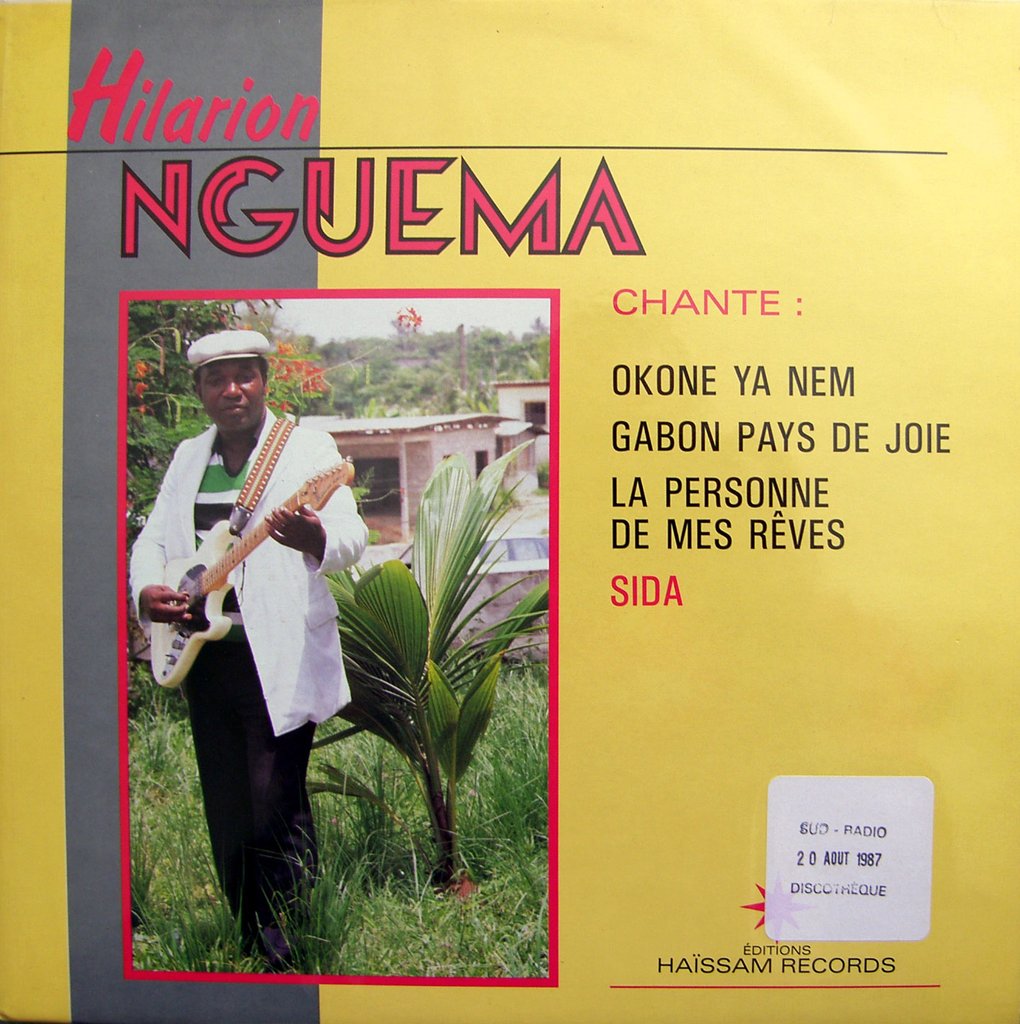
Back in Gabon, he reformed Afro-Succès and launched La Noya. An arson fire consumed the hall, his house, and all instruments. His musicians left him. He took on small jobs—driver, deliveryman, salesman. In 1981, the taste for music took over again: he recorded two albums with the National Gendarmerie orchestra, Gabon bonbon and Afrique centrale. The real turning point came in 1985, when he met Cameroonian producer Moussa Haïssam. With Haïssam, Nguema refined a hybrid style: on an afro-zouk7 background came to be grafted humorous and didactic melodies. “Sida” (1986) was presented as the very first Francophone song on HIV/AIDS. He was solicited for global campaigns and settled in Paris for about twenty years. “Crise économique” (1988) paints a biting picture: “Crisis, conjuncture, it is the drought of bellies”8. “Dévaluation” (1995), “Trop bon trop con” (1999): each title is a social chronicle that makes people laugh while pointing a finger at the failings of power. Returned to Gabon around 2010, he gave a mini-concert in November 2009 at the Casino Croisette with Makaya Mackjoss. “At Sacem, I learned that an artist does not retire as long as his brain continues to turn. I am here and for a long time yet”9, he confessed in 2022. On February 14, 2019, the Gabonese Ministry of Culture paid him a national tribute10.
Major Works
| Work | Year | Why It Is Essential |
|---|---|---|
| “Espoir” / “Libreville” | 1968 | First post-prison 45 rpm, pan-African hit |
| “Sida” | 1986 | First Francophone song on HIV/AIDS |
| “Crise économique” | 1988 | Political satire, humorous anthem |
Legacy
Hilarion Nguema remains, with a fifty-year career and a dozen albums, one of the pillars of modern Gabonese music. He popularized Fang mvett in urban formats, paved the way for a committed and humorous social song, and influenced colleagues like Longuè Longuè, who took up two of his tracks10. If one had to retain only five local musicians to characterize Gabonese music in the 20th century, Hilarion Nguéma would resolutely be included in the choice10.
Sources and References
- “Hilarion Nguema”, Wikipedia, https://fr.wikipedia.org/wiki/Hilarion_Nguema, accessed October 24, 2026.
- « Hilarion Nguema », Discogs, https://discogs.com/artist/1211695-Hilarion-Nguema, accessed 24 October 2026.
- « Hilarion Nguema — Biography », AllMusic, https://allmusic.com/artist/hilarion-nguema-mn0001798108, accessed 24 October 2026.
- « Hilarion Nguema Profile », African Music Library, https://africanmusiclibrary.org/artist/Hilarion%20Nguema, accessed 24 October 2026.
- « Hilarion Nguéma : Le profil du monument », Gabonreview, https://www.gabonreview.com/hilarion-nguema-le-profil-du-monument/, accessed 24 October 2026.
- « Hilarion Nguema », Afrisson, https://www.afrisson.com/hilarion-nguema-622/, accessed 24 October 2026.
- « I became an international star thanks to Francophonie », Gabonactu, https://gabonactu.com/je-suis-devenu-une-star-internationale-grace-a-la-francophonie-hilarion-nguema/, accessed 24 October 2026.
- « Hilarion Nguema (Q136135748) », Wikidata, https://wikidata.org/wiki/Q136135748, accessed 24 October 2026.
-
Afrisson, May 2007. ↩︎
-
Makossa — Cameroonian musical genre resulting from the fusion of jazz, rumba, and Bamileke rhythms. ↩︎
-
Biguine — Caribbean dance and music originating from Martinique and Guadeloupe. ↩︎
-
Mvett — ancestral harp-lute of the Fang griots, a ritual narration instrument. ↩︎
-
“committed songs”, Afrisson, May 2007. ↩︎
-
“politicians’ jealousy”, Afrisson, May 2007. ↩︎
-
Afro-zouk — fusion of African rhythms and Antillean zouk, born in the early 1980s. ↩︎
-
“Crisis, conjuncture, it is the drought of bellies”, “Crise économique”, 1988. ↩︎
-
“At Sacem, I learned that an artist does not retire as long as his brain continues to turn. I am here and for a long time yet”, Gabonreview, interview 2022. ↩︎
-
François Ndjimbi, Hilarion Nguéma: the profile of a monument, Gabonreview, February 14, 2019. ↩︎ ↩︎ ↩︎