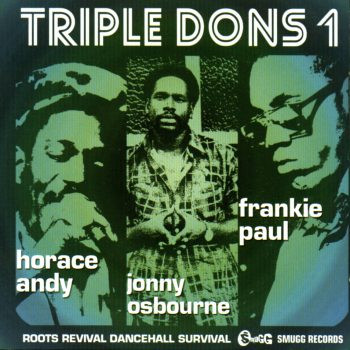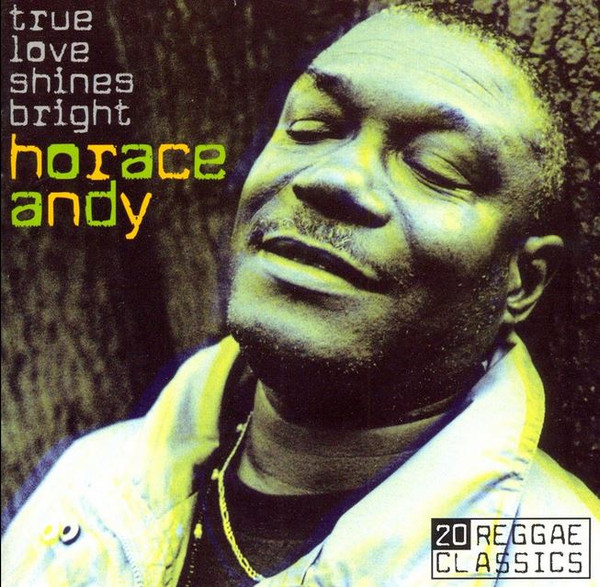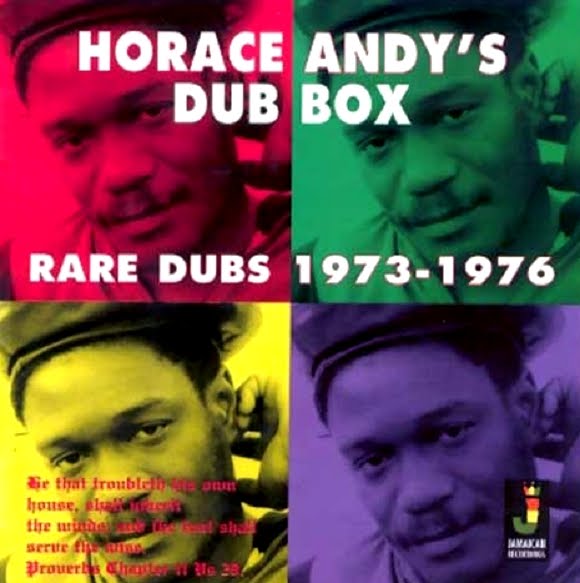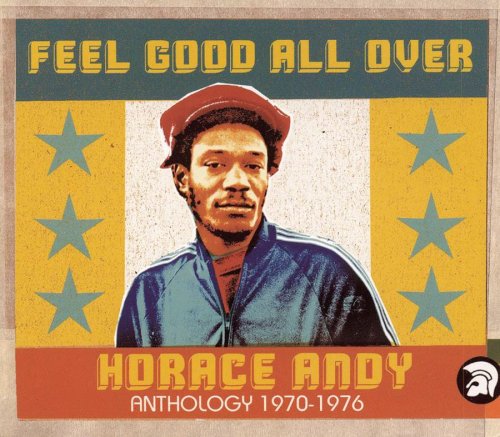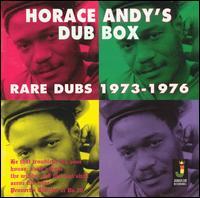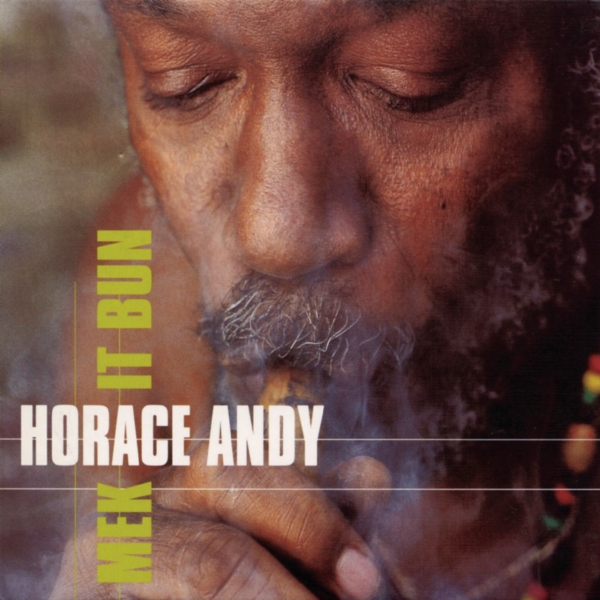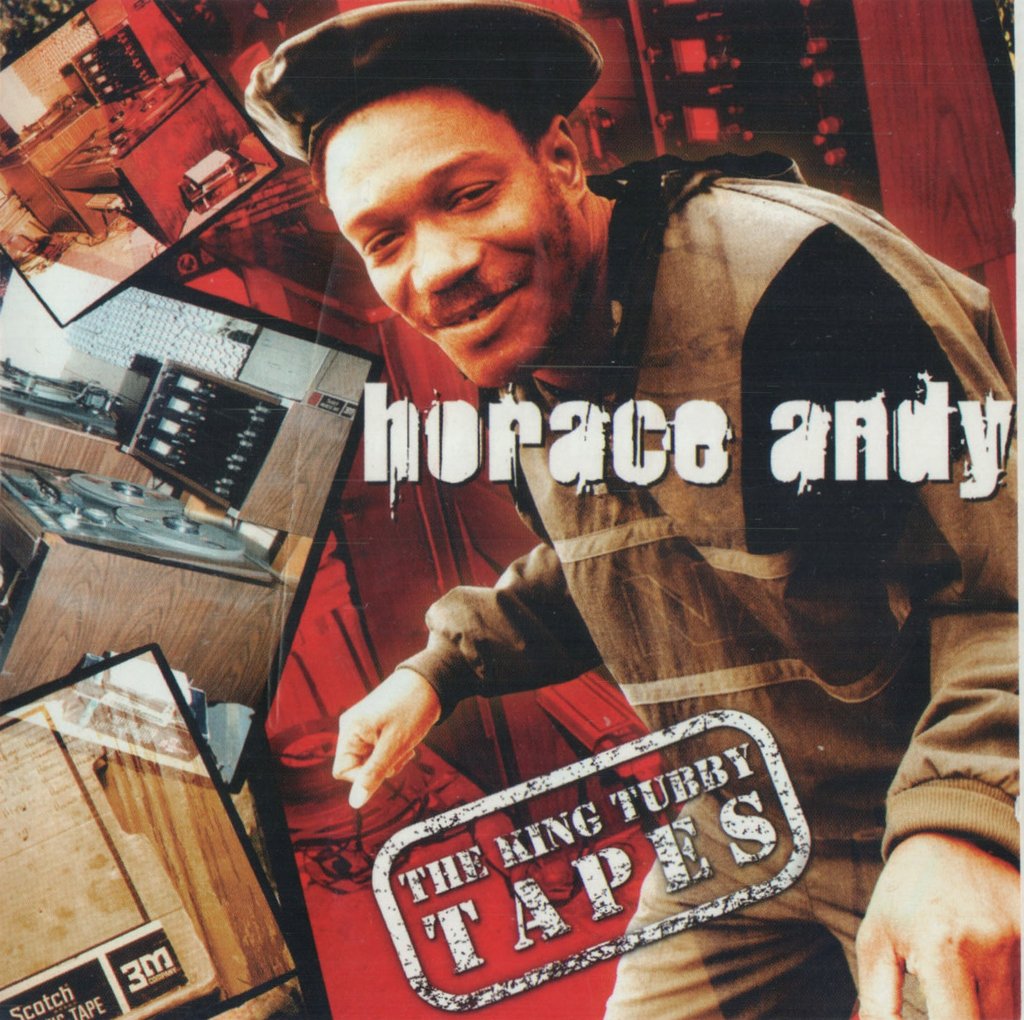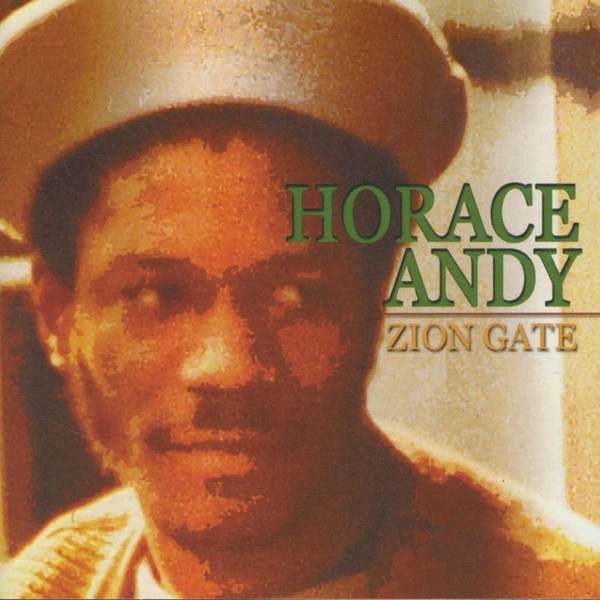
Biography
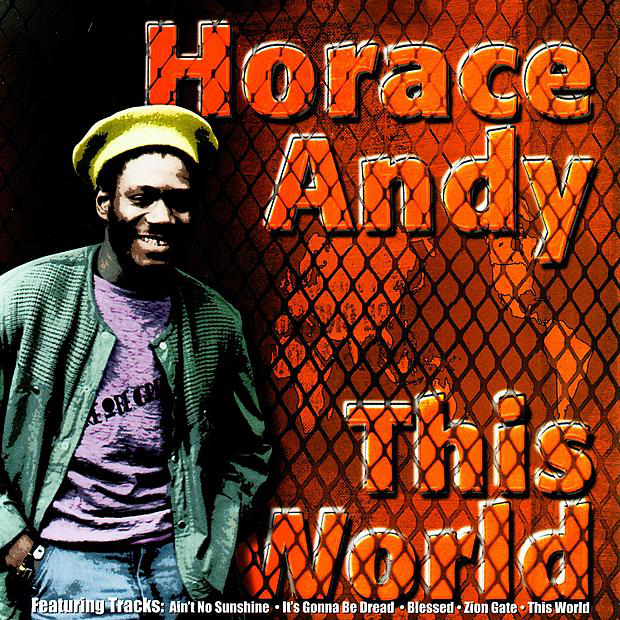
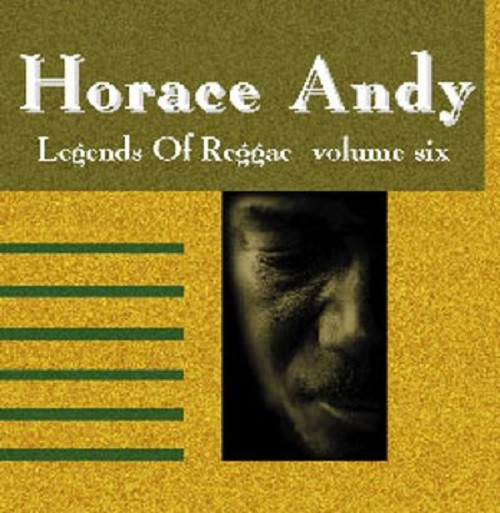
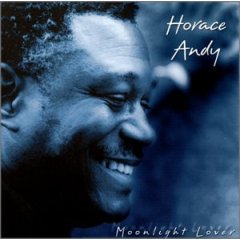
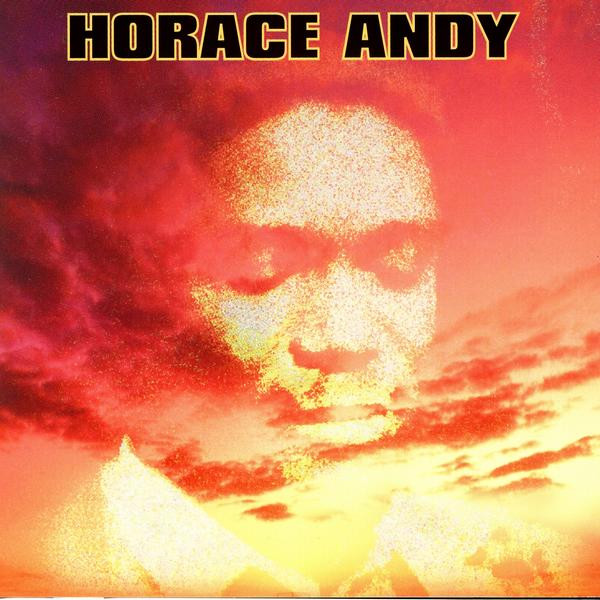
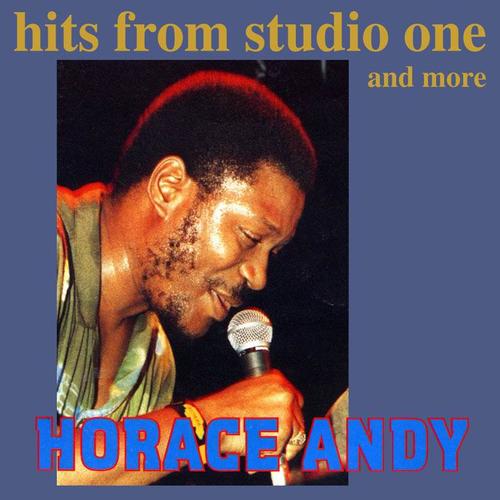
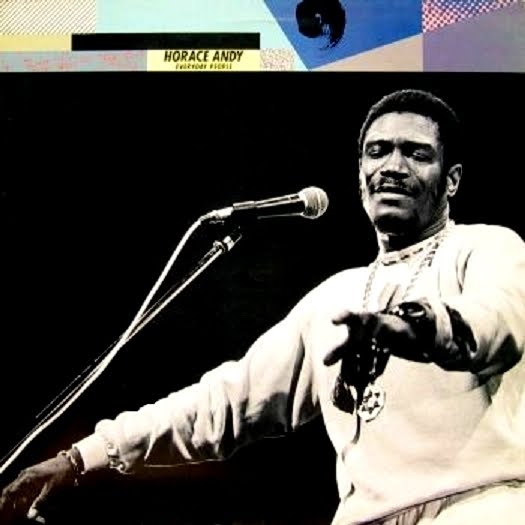
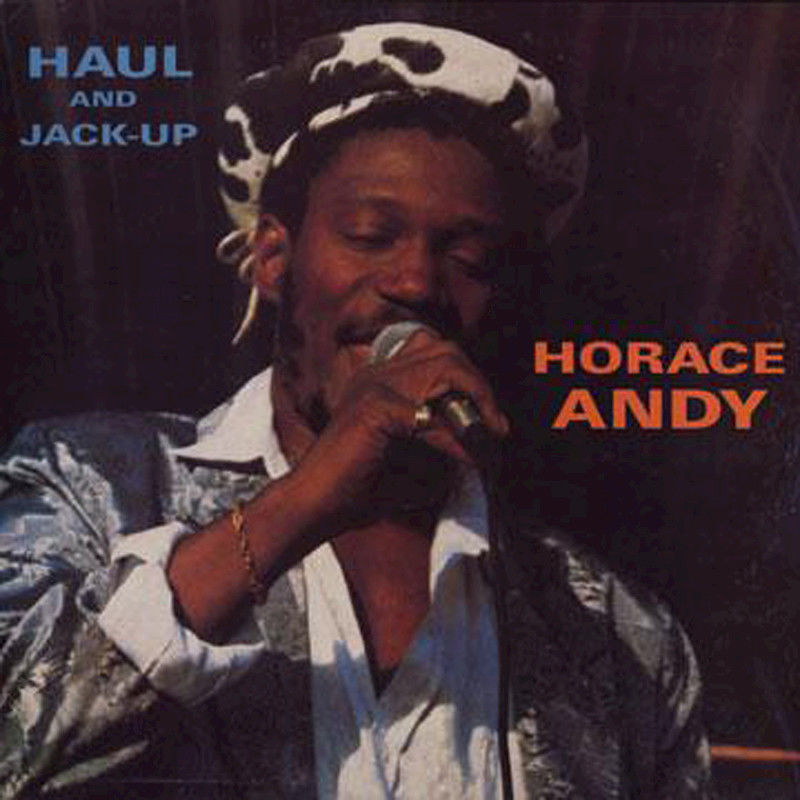
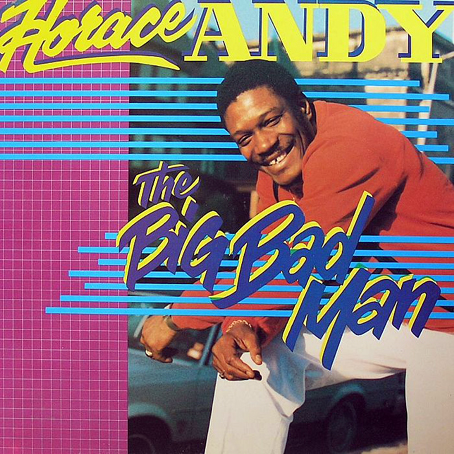
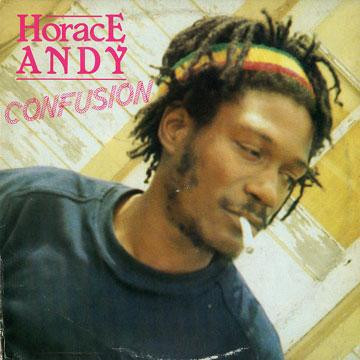
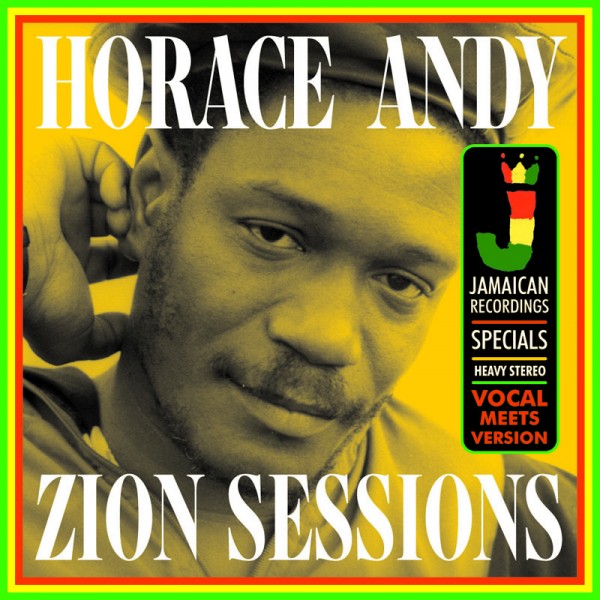
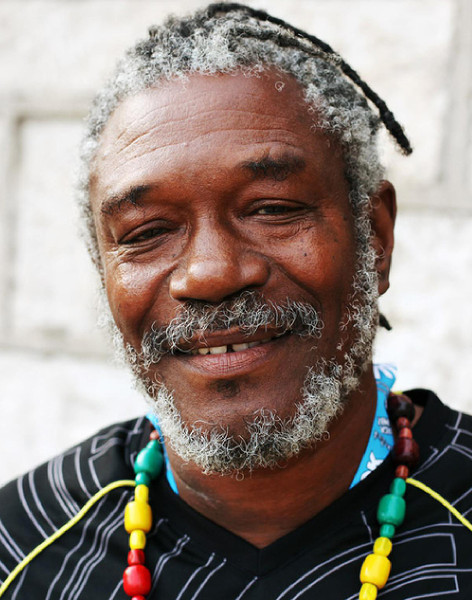
Horace Andy
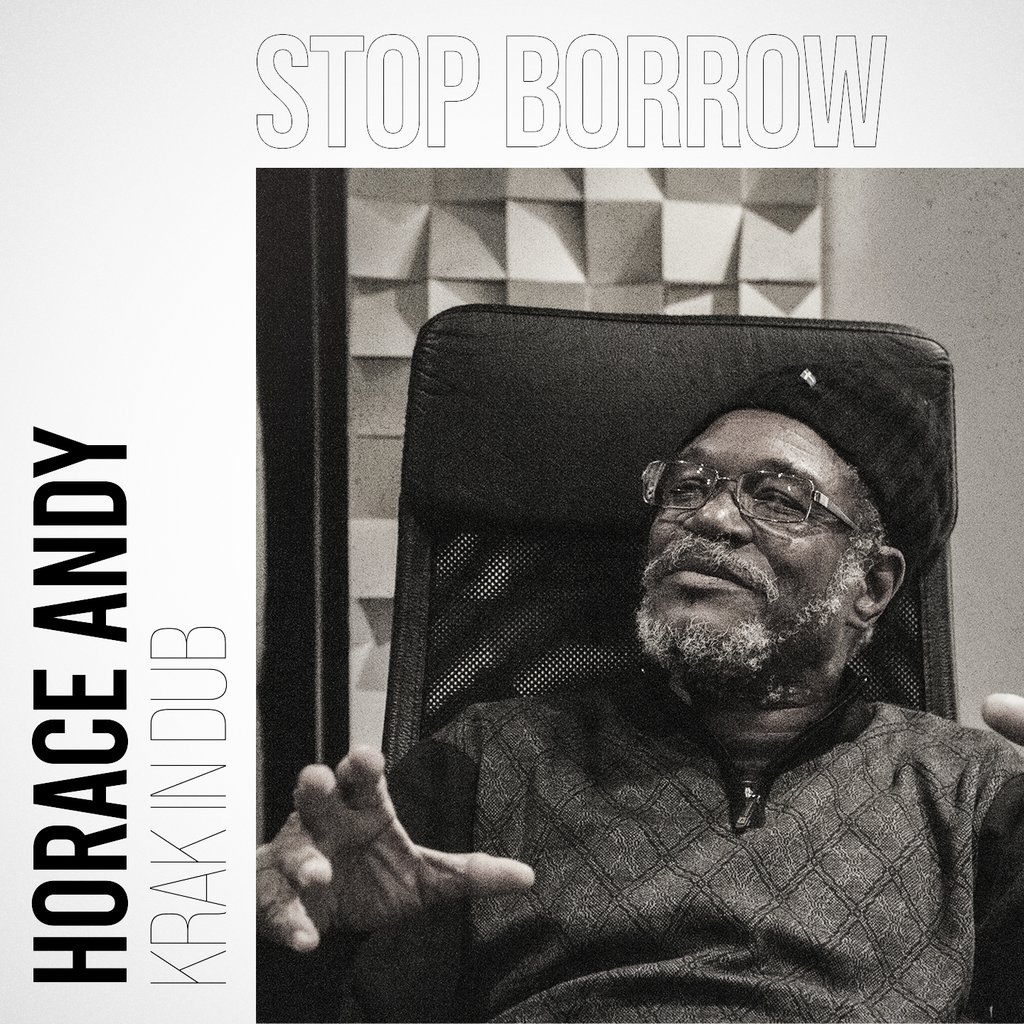
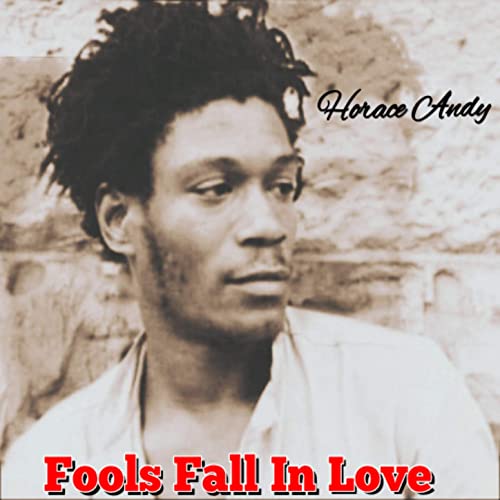
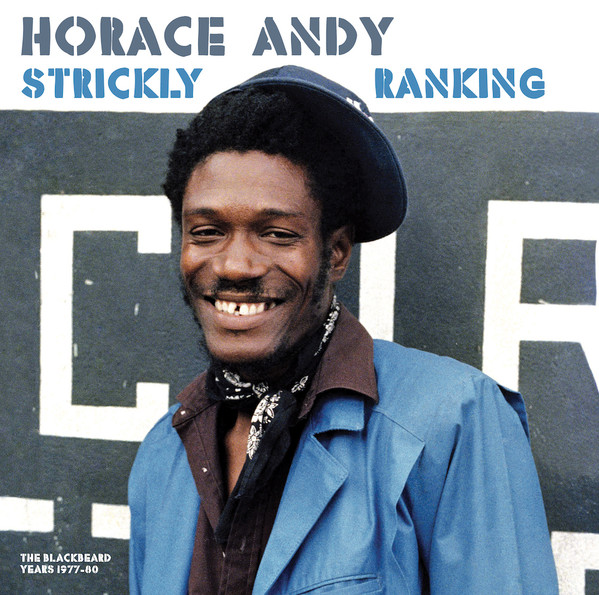
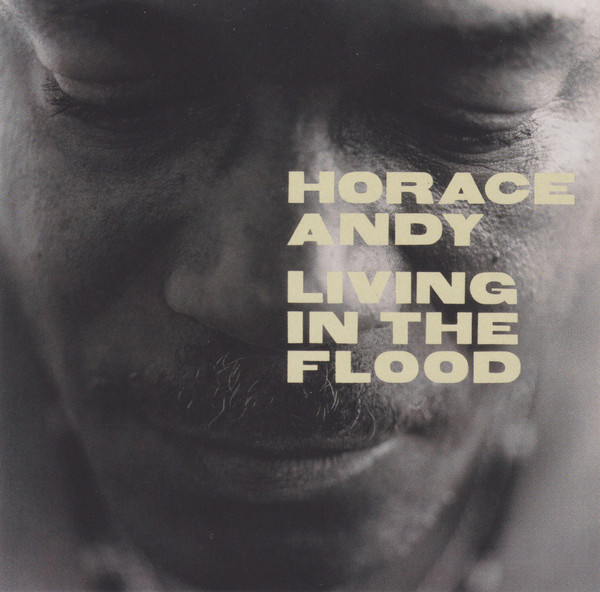
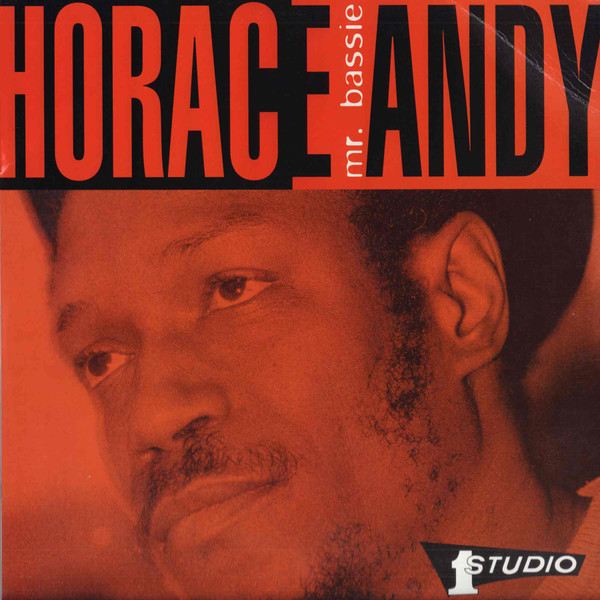
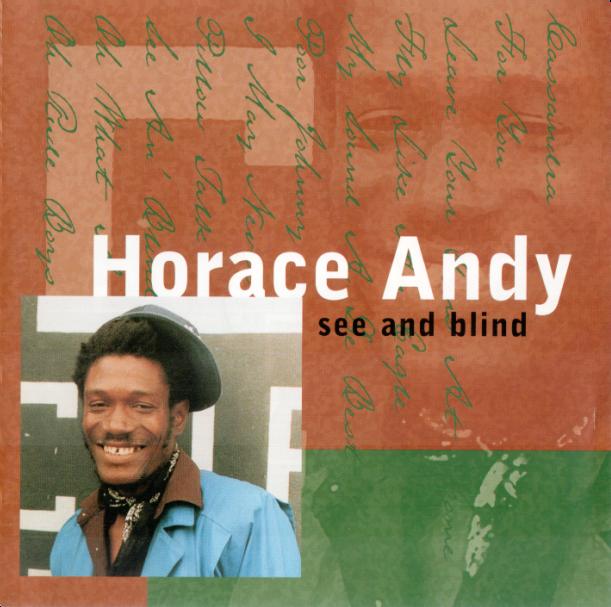
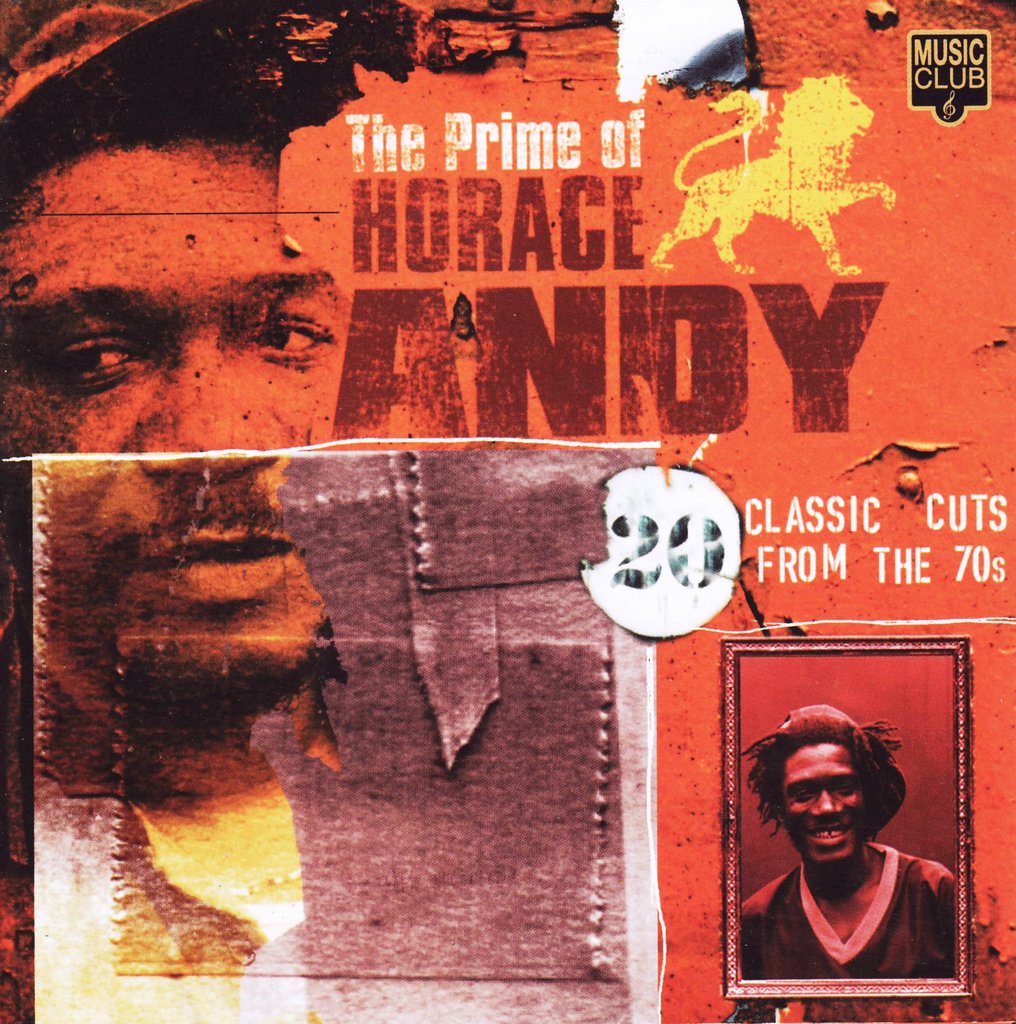
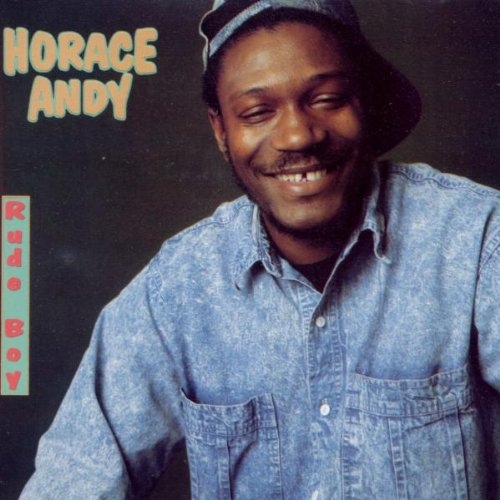
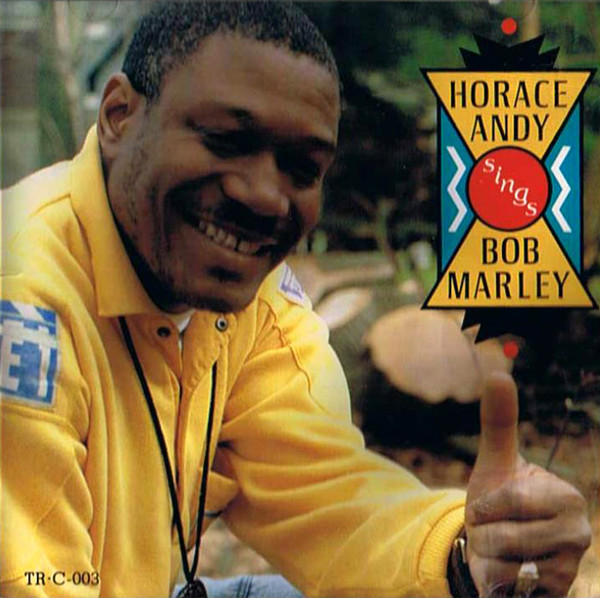
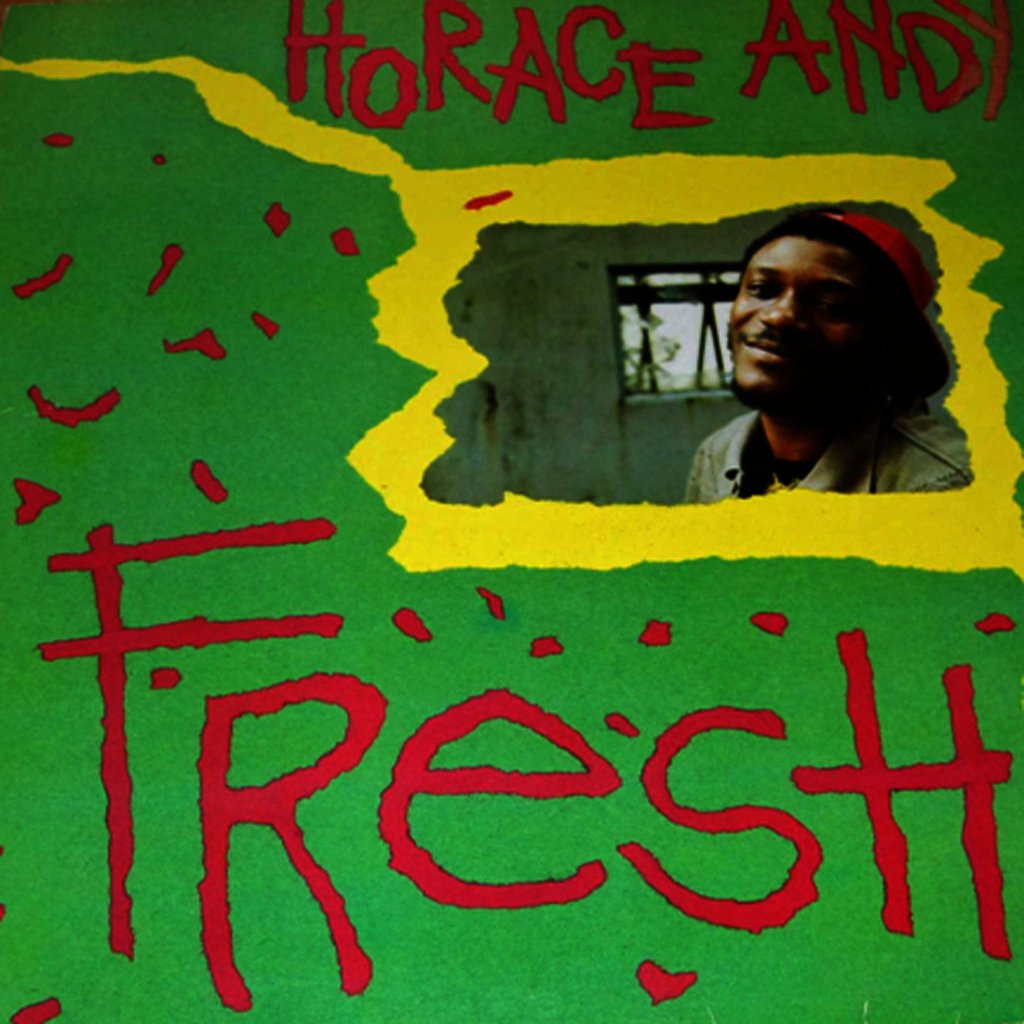
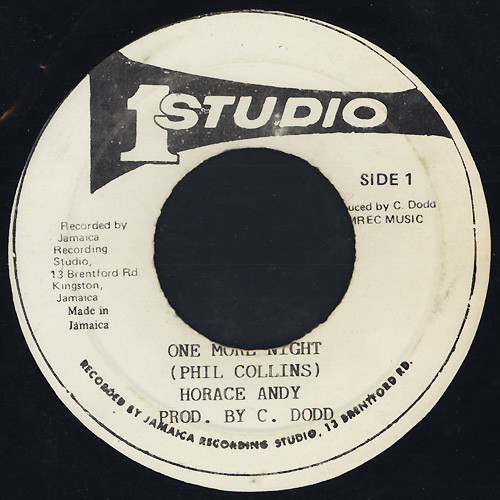
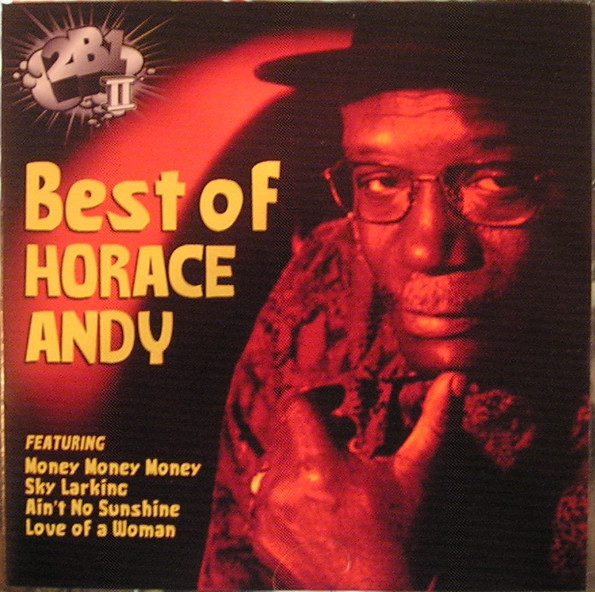
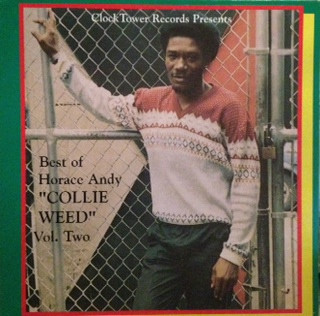
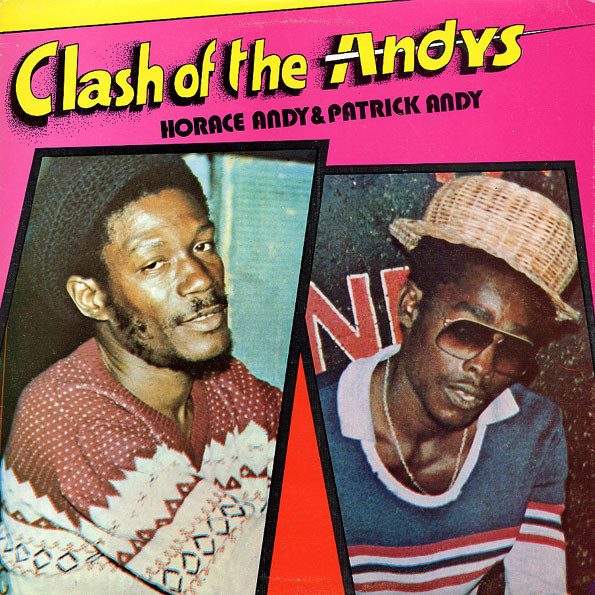
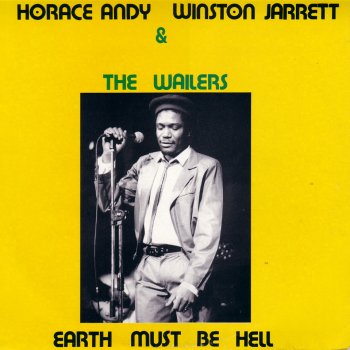
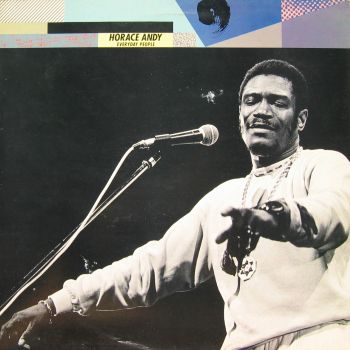
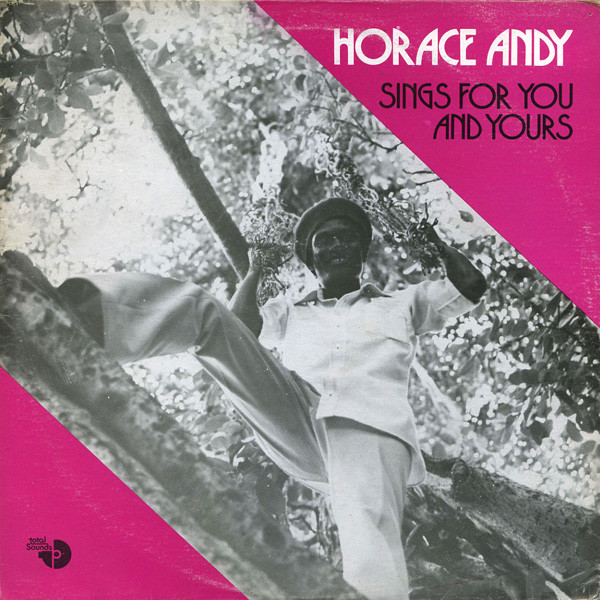
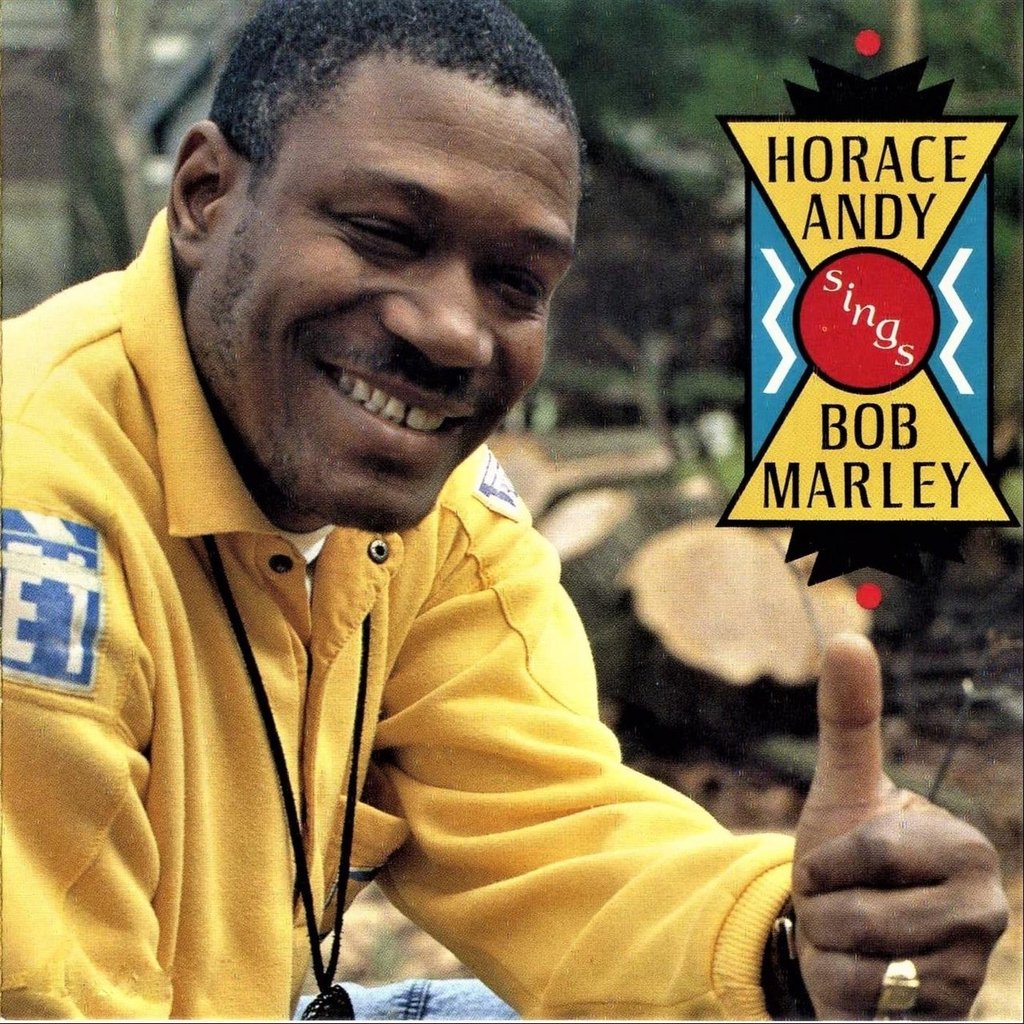
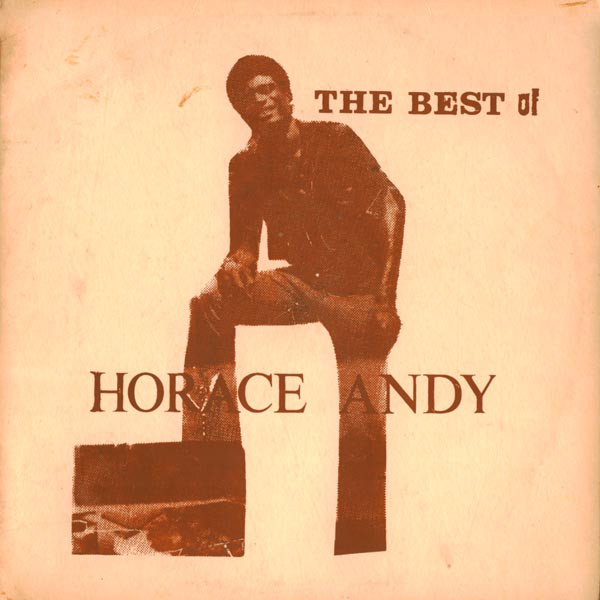
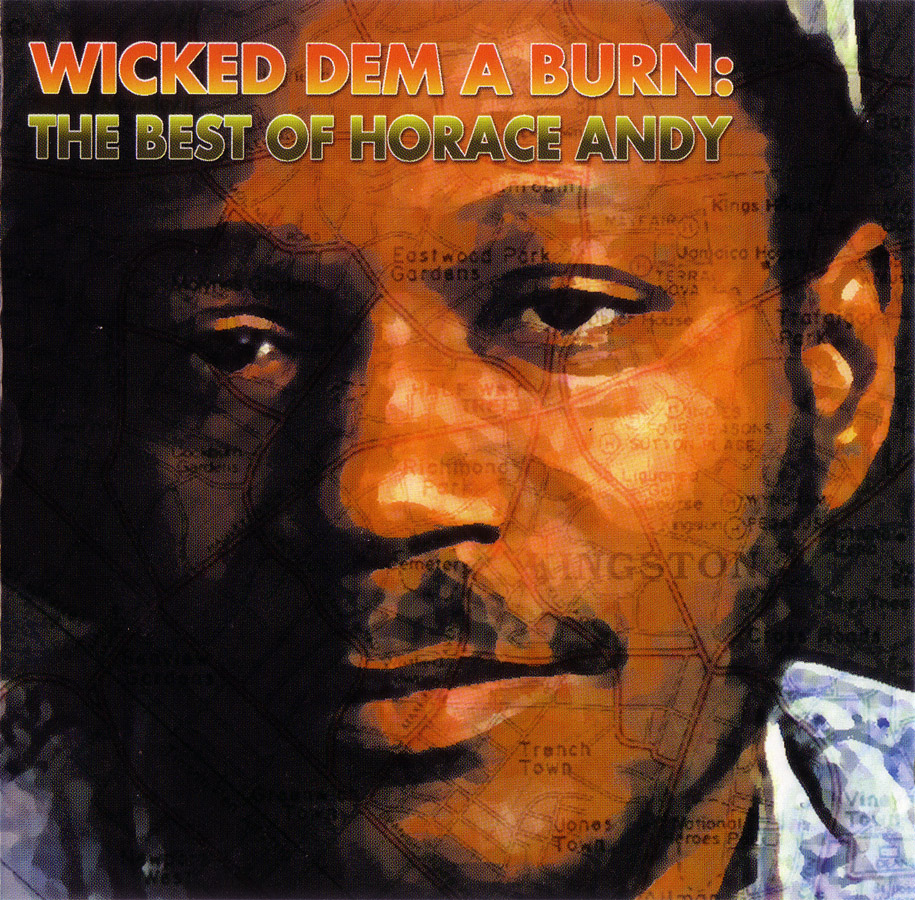
In 1970, at Studio One in Kingston, musicians put down their instruments and laughed upon hearing this young singer with an airy tone. Coxsone Dodd immediately recognized the rare talent of Horace Hinds, whom he renamed Andy. This session marked the start of a career that spans decades, from Jamaican reggae to Bristol trip hop.
In brief
| Full name | Horace Keith Hinds (stage name: Horace Andy) |
| Birth | February 19, 1951, Kingston (Jamaica) |
| Genre | Reggae (roots reggae, rocksteady, dancehall), trip hop |
| Nickname | « Sleepy » (due to his half-whispered attitude) |
| Iconic works | “Skylarking”, “You Are My Angel”, collaboration with Massive Attack on Mezzanine |
Key dates
| Year | Event |
|---|---|
| 1951 | Birth in Kingston |
| 1967 | First single — « This is a Black Man’s Country » (Phil Pratt) — a failure |
| 1970 | Arrival at Studio One; #1 hit « Skylarking » in Jamaica |
| 1973 | Second #1 hit: « Children of Israel » |
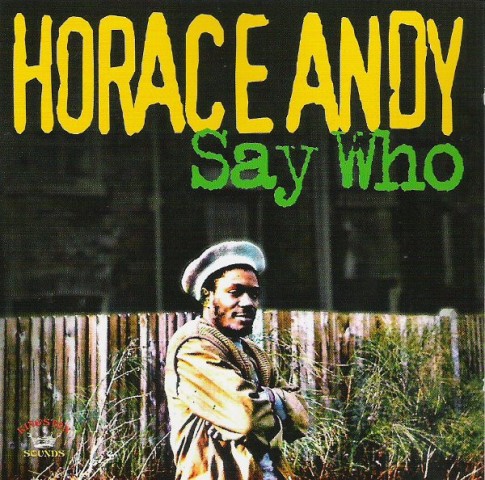
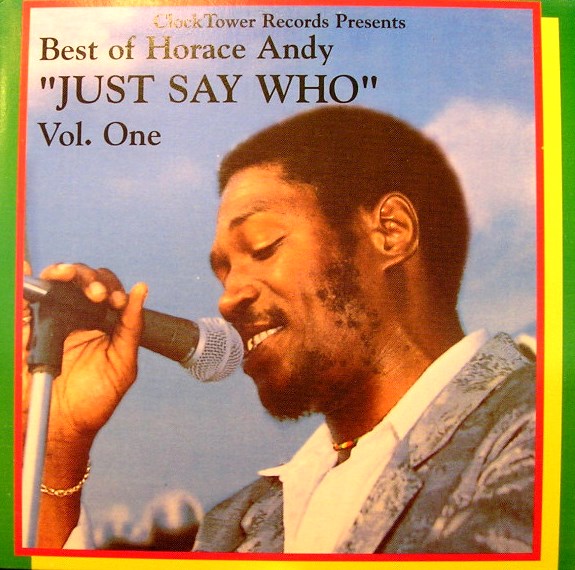
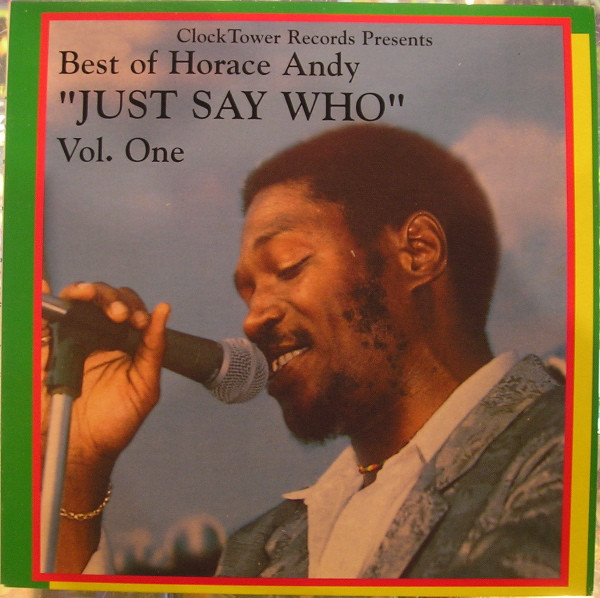
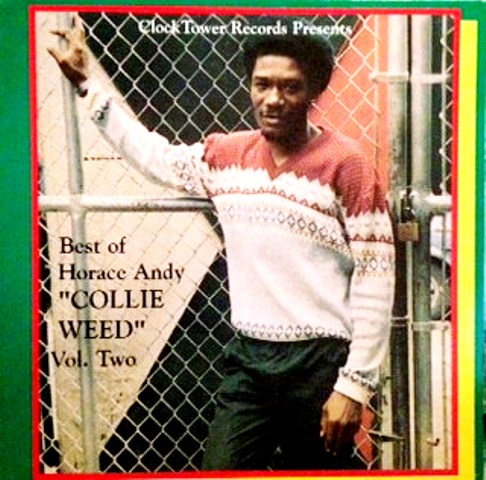
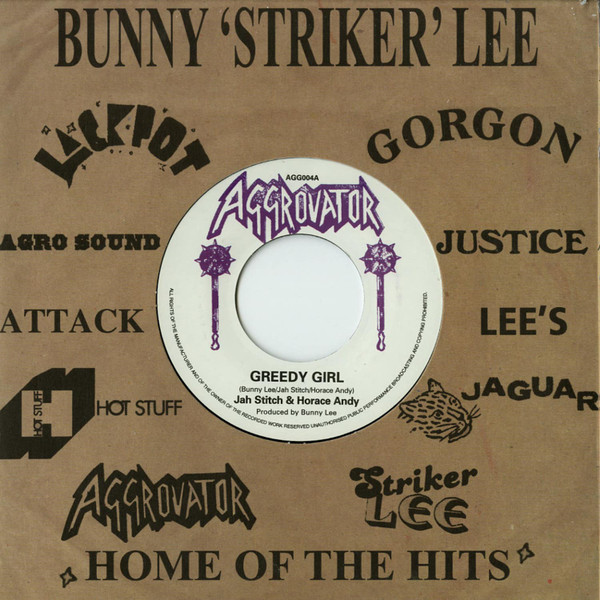
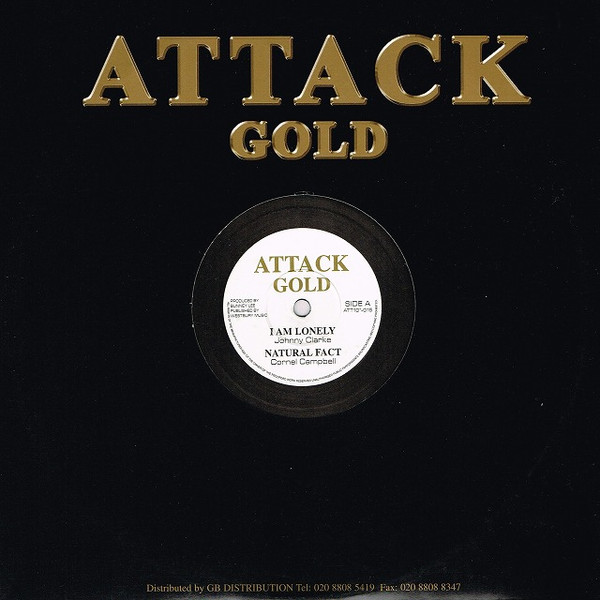
| 1974–1979 | Collaboration with Bunny Lee: roots reggae classics (« Just Say Who », « Zion Gate ») |
| 1977 | Move to Hartford; recording of In the Light with Everton DaSilva |
| 1982 | Dance Hall Style, pioneering dancehall album that became a classic |
| 1985 | Move to London; start of collaboration with Massive Attack |
| 1990–2010 | Four Massive Attack albums (Blue Lines, Protection, Mezzanine, Heligoland) |
| 2022 | Critical comeback: Midnight Rocker produced by Adrian Sherwood |
Origins, revelation, and international voice
Born Horace Keith Hinds on February 19, 1951, in Kingston, Andy grew up amidst Jamaican musical fervor. His first single, « This is a Black Man’s Country », recorded in 1967 for Phil Pratt, went unnoticed. Two years later, he tried his luck at Coxsone Dodd’s Studio One. After a failed audition as a duo, he returned alone and convinced the legendary producer, who renamed him Horace Andy — a commercial strategy to capitalize on Bob Andy’s popularity and avoid comparisons with his cousin, singer Justin Hinds.
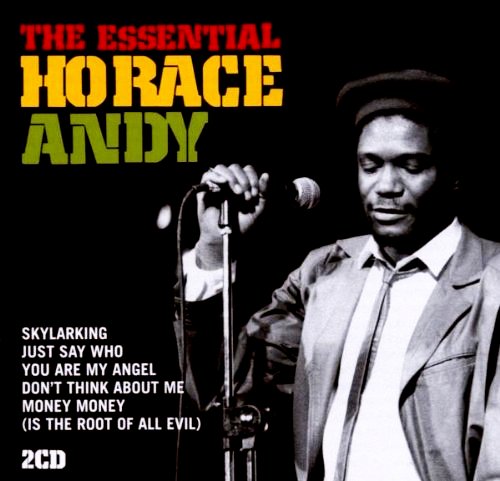
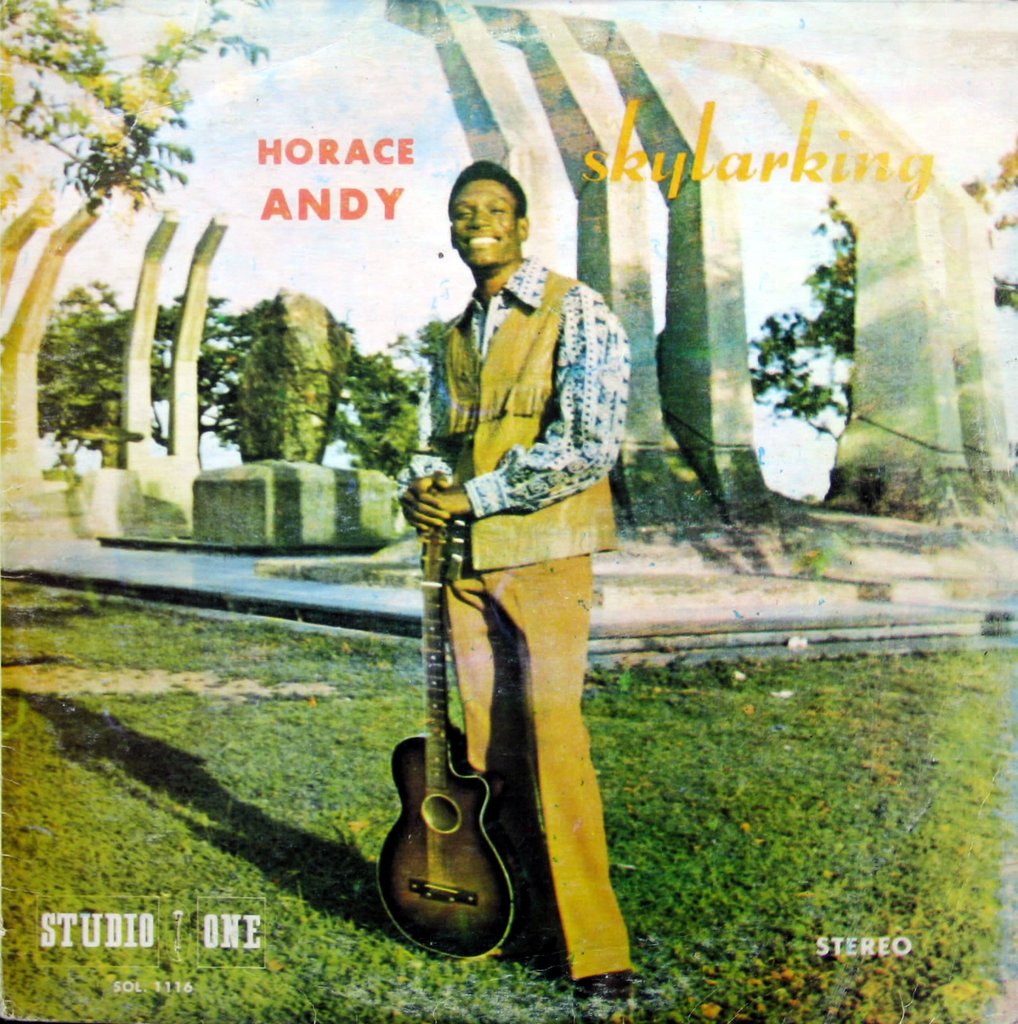
The first hit came quickly: « Skylarking ». This track, initially released on Dodd’s compilation Jamaica Today before being launched as a single, climbed to the top of Jamaican charts. Andy’s unique style — a clear and powerful tenor, shifting from sensual whisper to tearing scream — immediately attracted attention. In 1973, a second #1 hit confirmed his status: « Children of Israel ».
Andy frequented Ethiopian World Federation meetings in Kingston and committed to rastafari. He wished to record protest reggae, but Dodd hesitated: the audience was not yet established. His light voice was deemed unsuitable for social lyrics.
Dedication arrived with producer Bunny Lee in the mid-1970s. The collaboration, lasting almost the entire decade, produced a series of singles now considered classics: « Just Say Who », « Don’t Try To Use Me », « You Are My Angel », « Zion Gate ».
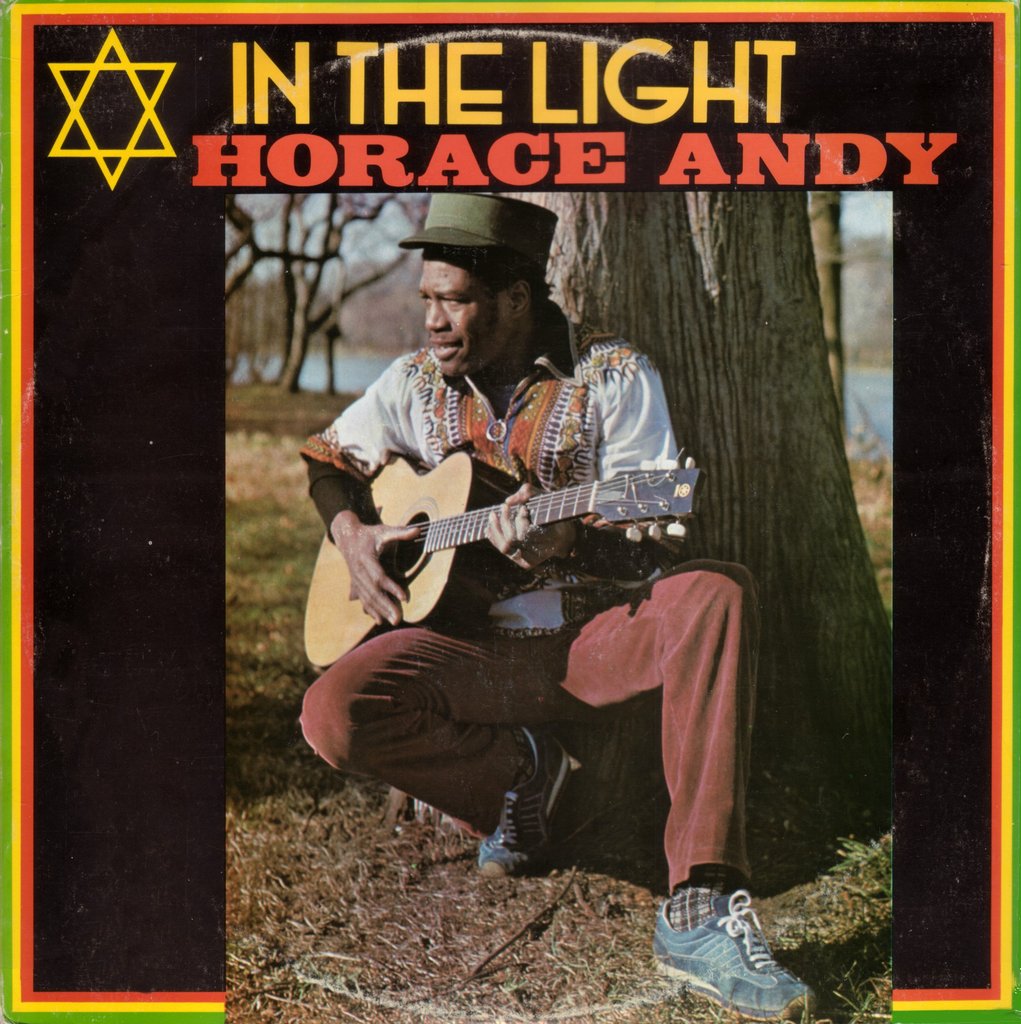
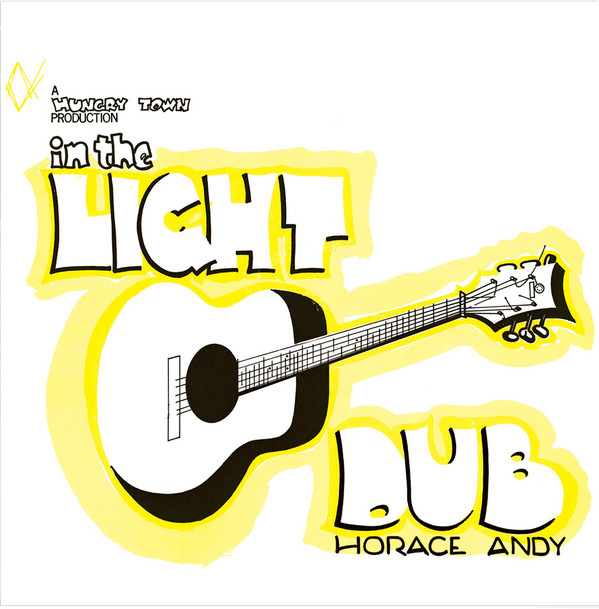
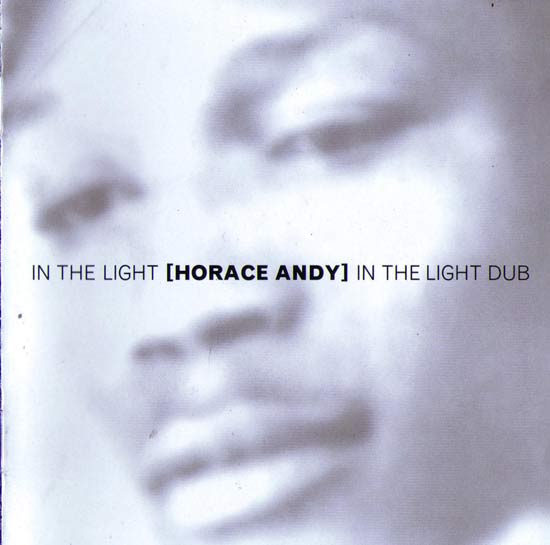
In 1977, Andy settled in Hartford (Connecticut) and recorded for Everton DaSilva. The latter gave him creative freedom that Lee did not, allowing Andy to shape his own music. The result was In the Light (1977), an album among the most beautiful in reggae, accompanied by its homonymous In the Light Dub. It included legends like Augustus Pablo and Horsemouth Wallace. « Studio One became my school, my college, my university », he would later say with emotion.
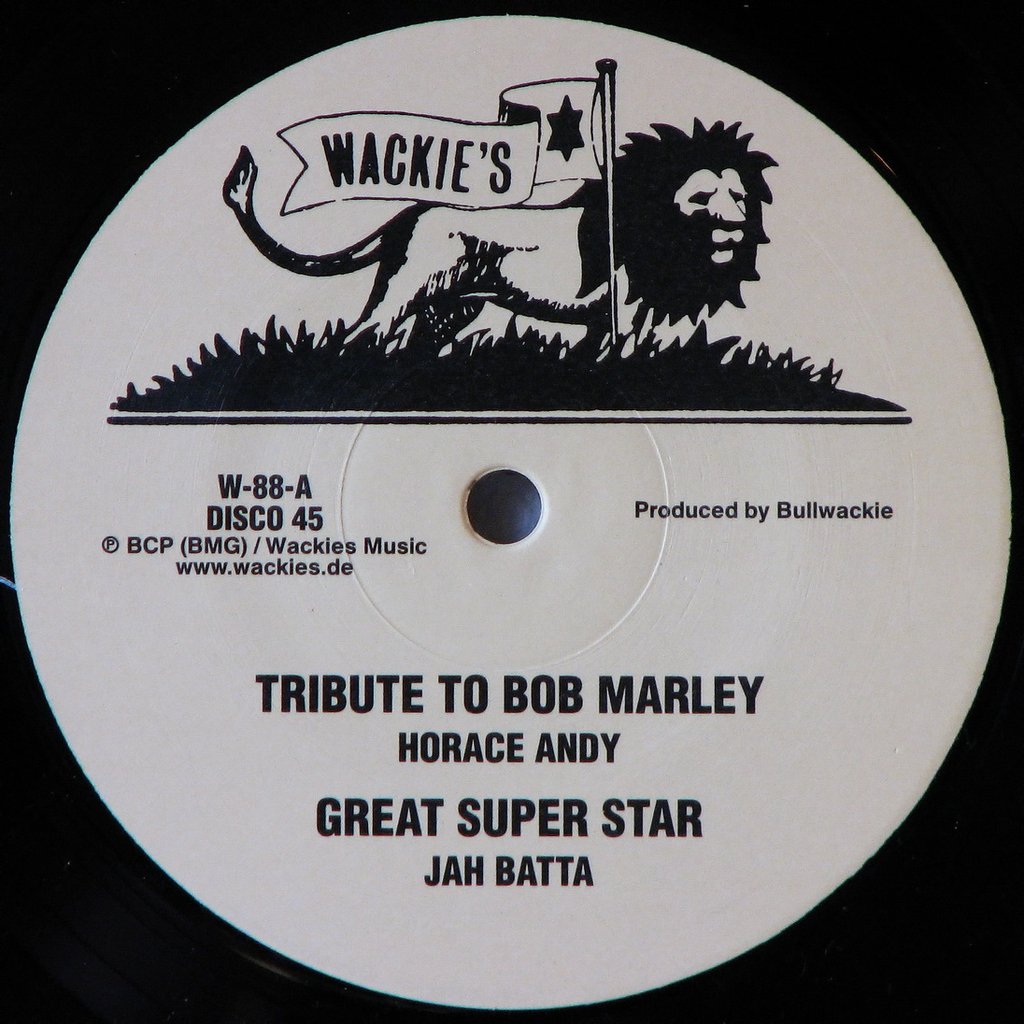
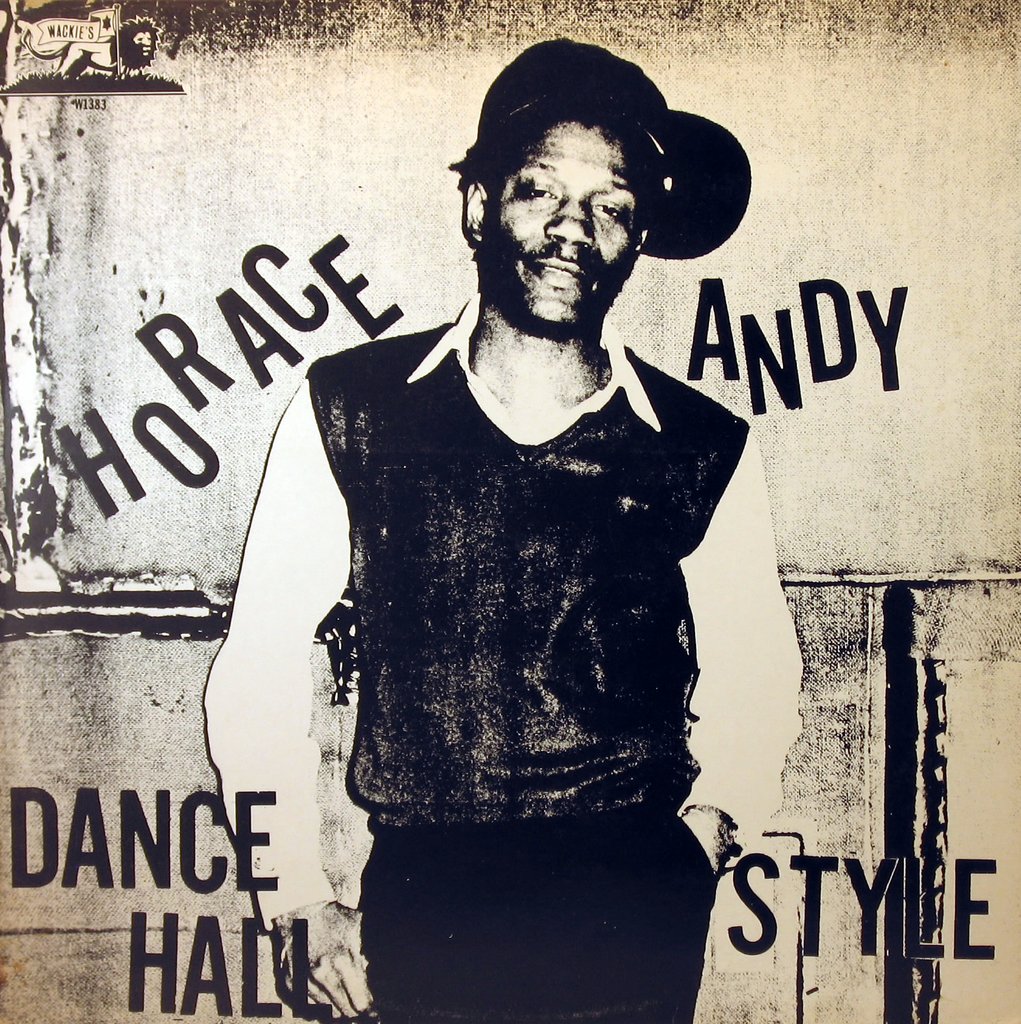
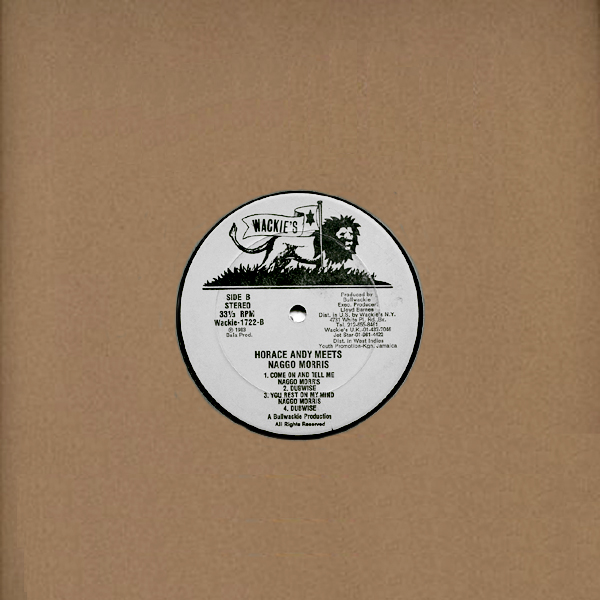
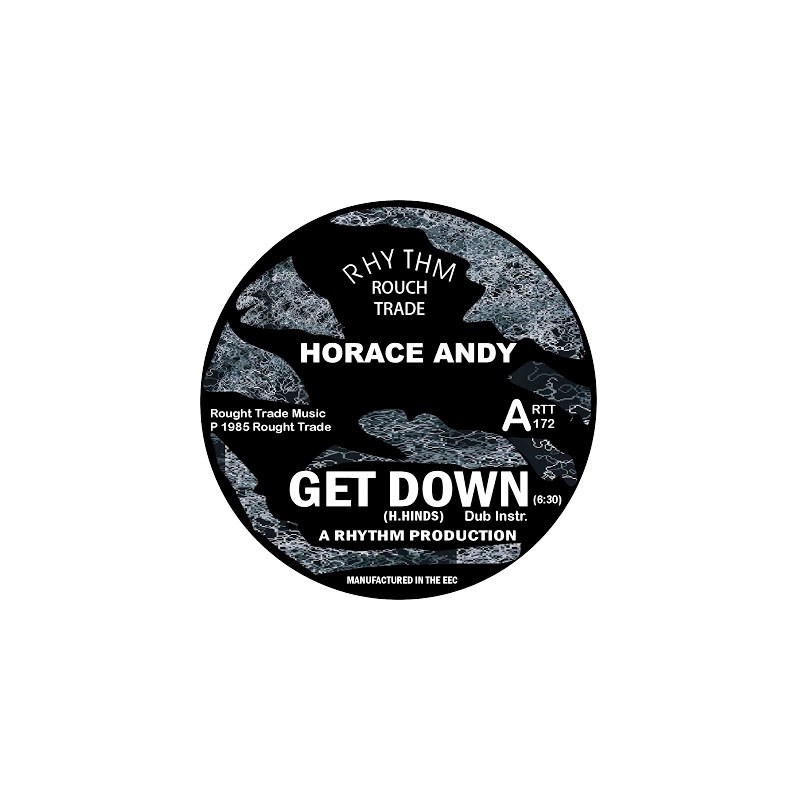
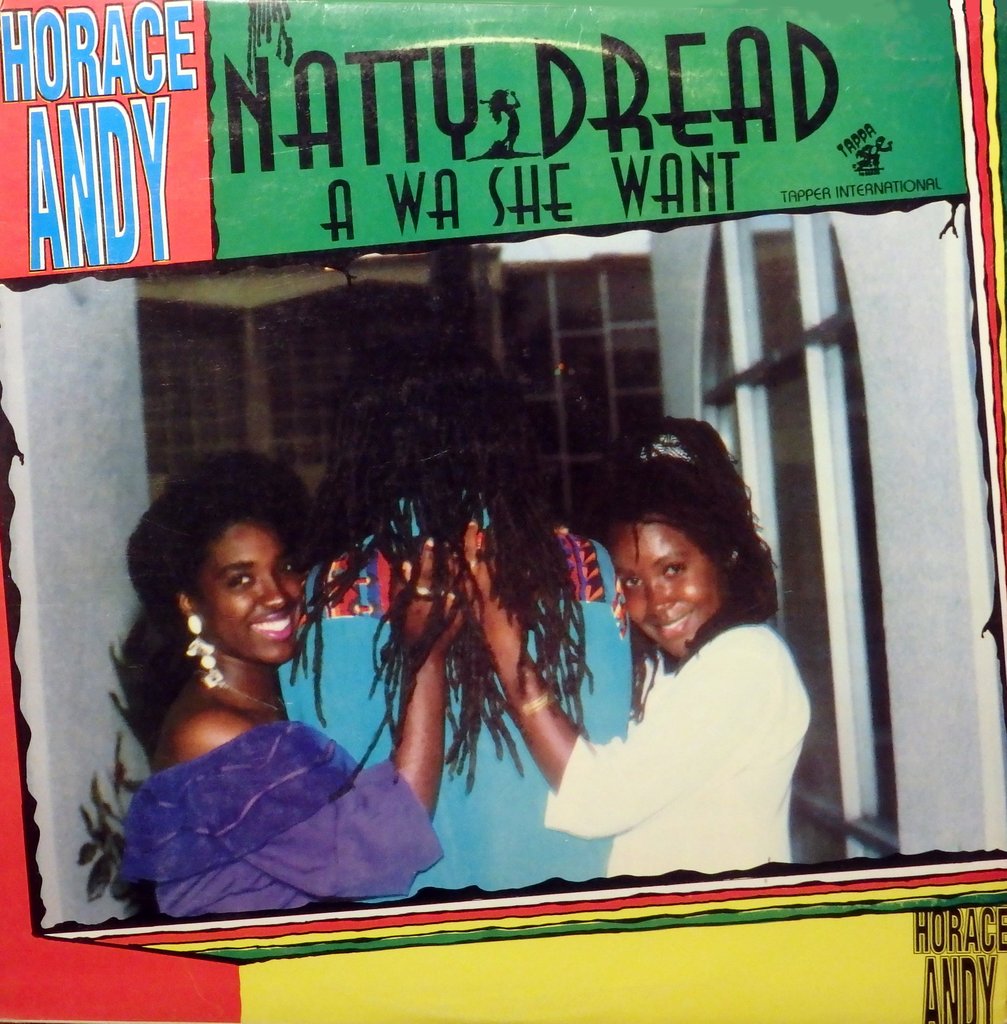
In the 1980s, he recorded for Tapper Zukie and produced Dance Hall Style (1982) with Lloyd « Bullwackie » Barnes — a pioneering dancehall album now recognized as a classic. In 1985, he left Jamaica for Ladbroke Grove in London with his second wife Caroline.
The decisive turning point came at the beginning of the 1990s when Massive Attack invited him to contribute to their first album, Blue Lines (1990). Andy’s airy voice blended perfectly with Bristol’s electronic beats. Massive Attack invited him again for Protection (1994), then Mezzanine (1998) where he sang on five tracks, including « Angel », an updated cover of his own « You Are My Angel ». He also appeared on Heligoland (2010) with « Splitting the Atom » and « Girl I Love You ». He recorded about six songs for the group. « 3D is a brilliant young man », he would say, « But they work slow! It’s coming 10 years now since Massive Attack release an album. »
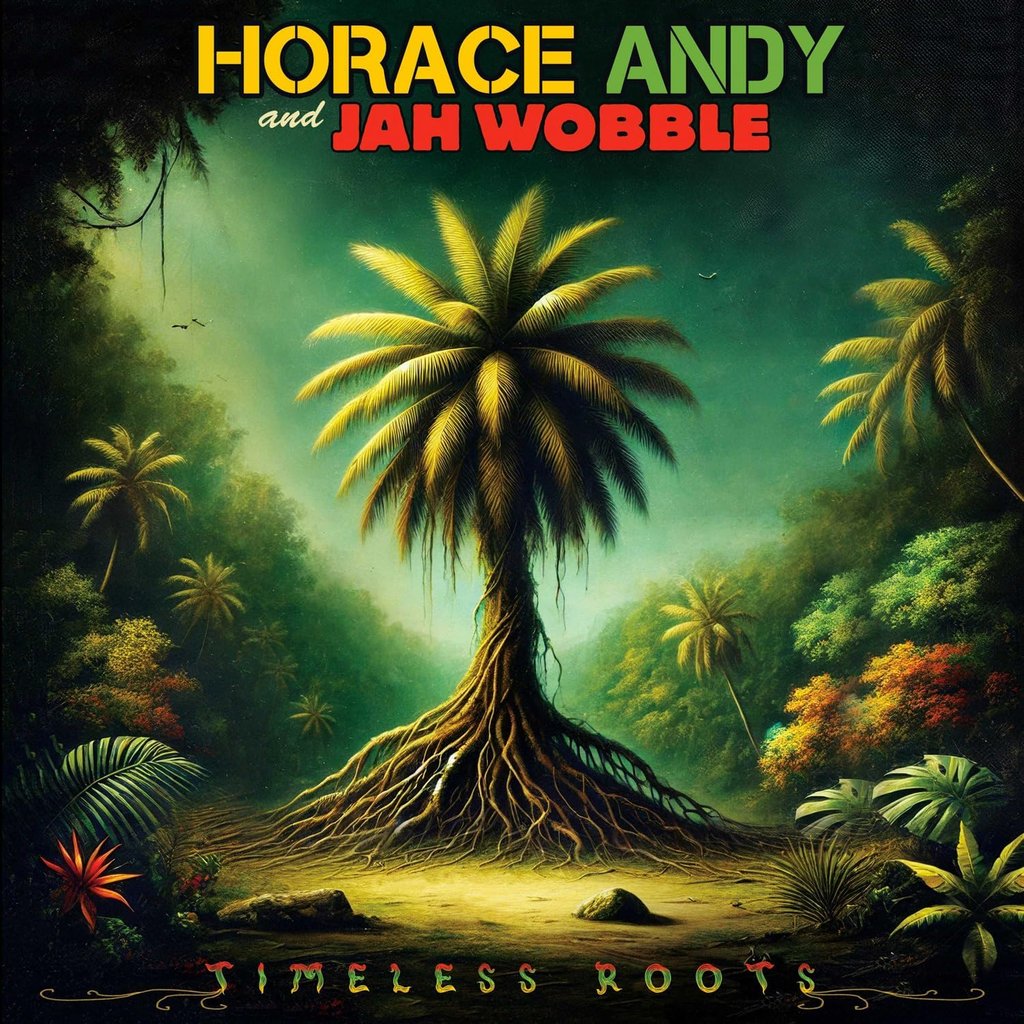
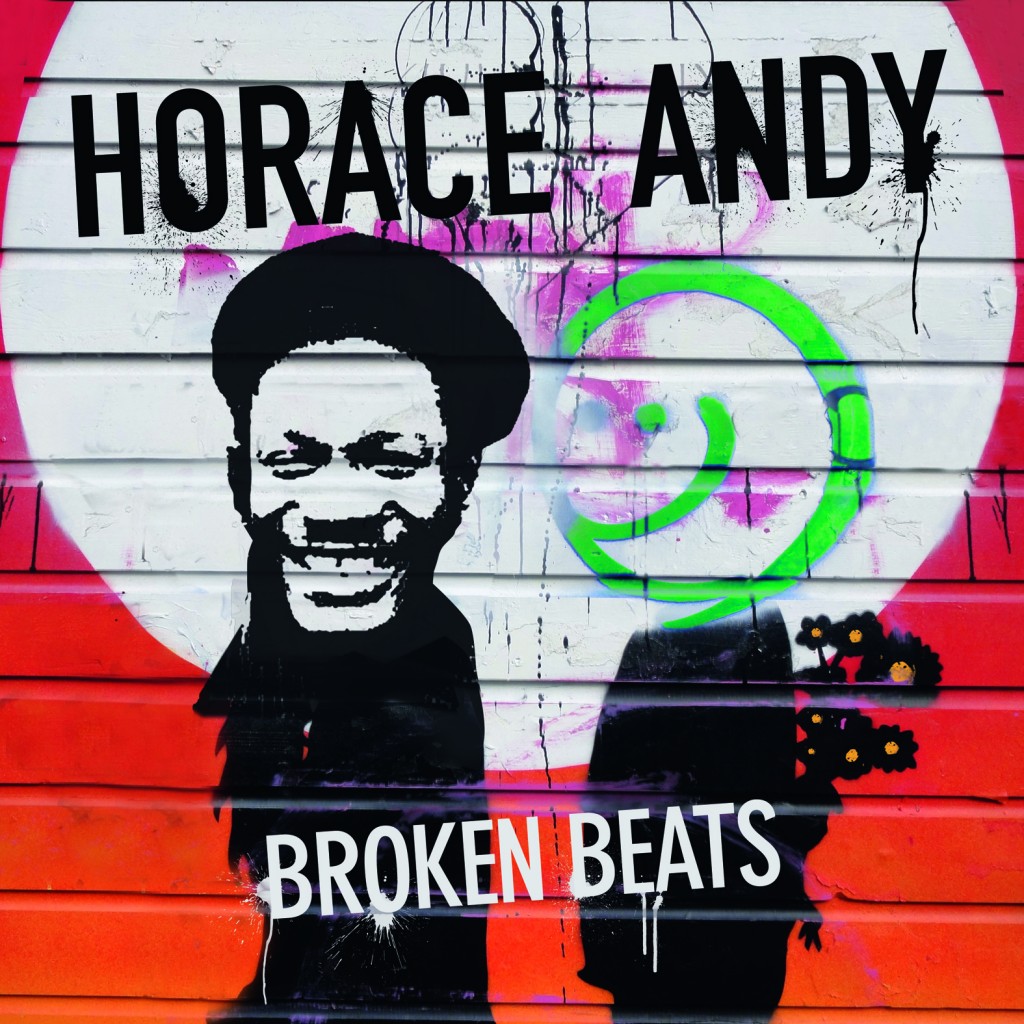
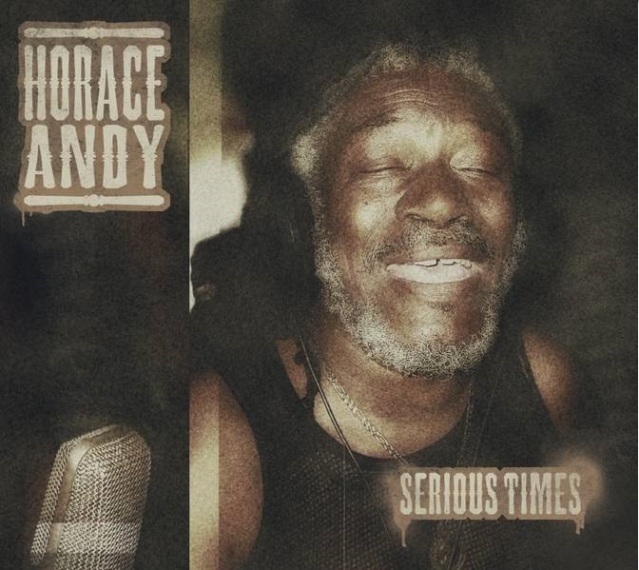
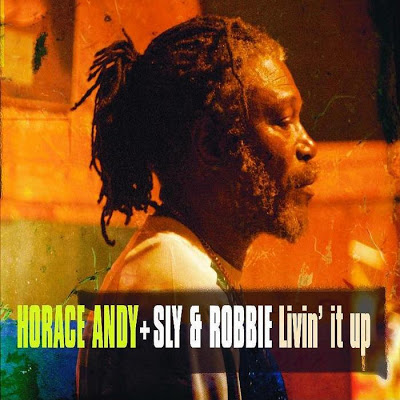
The 2000s saw him continue independently: Livin’ It Up (2007) with Sly & Robbie, then Broken Beats (2013) heading toward dubstep. In 2022, at age 71, he released Midnight Rocker produced by Adrian Sherwood — his first original album in nearly a decade, acclaimed with a 70/100 score on Metacritic. Midnight Scorchers offered the dub version the following year. In 2024, Timeless Roots with Jah Wobble.
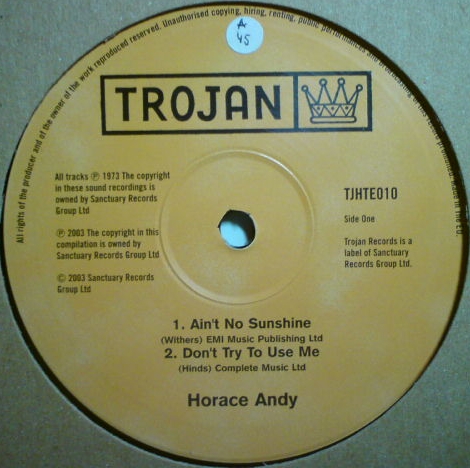
His career remains also marked by a lasting conflict over copyright rights: he publicly denounced the fact that Bunny Lee sold his recordings to Trojan Records without ever receiving a penny. « Producers weren’t paying me – that’s why I wrote that song », he confessed in 2015 regarding « Money The Roots Of All Evil ».
Major works
| Work | Year | Why it’s essential |
|---|---|---|
| In the Light | 1977 | Creative peak with Augustus Pablo and Horsemouth Wallace |
| Dance Hall Style | 1982 | Pioneering dancehall album, recognized as a genre classic |
| « Angel » (Massive Attack) | 1998 | Most known track worldwide, on album Mezzanine |
| « You Are My Angel » | 1973/1998 | Song originally his, covered by Massive Attack |
| Midnight Rocker | 2022 | Triumphant comeback, rated 70/100 on Metacritic |
Heritage and influence
Horace Andy’s voice has transcended the boundaries of reggae to become a cornerstone of British electronic music. Massive Attack introduced him to a global audience unfamiliar with roots reggae, and generations of trip hop and downtempo producers have claimed his style as their own. Within the reggae field itself, singers like Garnett Silk have acknowledged his influence — his daughter even encouraged her children to go meet him after their father sang on “Skylarking”.
Over fifty years of career, spanning rocksteady, roots reggae, dancehall and trip hop discographies, make him one of the few active veterans still alive from Jamaican reggae’s “golden age”. His voice continues to resonate in festivals and playlists around the world. “Consciousness lives and it cannot die”, he calmly summarizes — a career, an advice, a consciousness that does not die.
Sources and references
- “Horace Andy”, English Wikipedia, https://en.wikipedia.org/wiki/Horace_Andy, accessed 20 November 2026.
- “Horace Andy Biography” by John Dougan, AllMusic, https://www.allmusic.com/artist/horace-andy-mn0000218885, accessed 20 November 2026.
- “Horace Andy: ‘3D is a brilliant young man. But Massive Attack work slow’” by Garth Cartwright, The Guardian, 11 April 2022, https://www.theguardian.com/music/2022/apr/11/horace-andy-reggae-star-interview, accessed 20 November 2026.
- “Interview: Horace Andy in Kingston” by Angus Taylor, United Reggae, March 2015, https://unitedreggae.com/articles/n1780/030315/interview-horace-andy-in-kingston, accessed 20 November 2026.
- “Horace Andy: A Reggae Icon Transcending Generations”, Enki’s Music Records, https://enkismusicrecords.com/horace-andy-biography-reggae/, accessed 20 November 2026.