Biography
Ini Kamoze
In December 1994, a thirty-seven-year-old man became world champion for two weeks. Not in chess, not in basketball — in song. “Here Comes the Hotstepper” whistled through Miami supermarkets, looped on MTV, and propelled an unknown Jamaican musician to the top of the Billboard Hot 100. Ini Kamoze is not a studio-made phenomenon. He is the dancehall veteran who, after ten years of struggle, finally found his song.
In brief
| Full name | Cecil Campbell, aka Ini Kamoze |
| Birth | 9 October 1957, Port Maria, parish of Saint Mary, Jamaica |
| Genre | Reggae, dancehall, reggae fusion |
| Signature works | “Here Comes the Hotstepper”, “World a Music” |
| Awards | Billboard Hot 100 #1 (1994), first dancehall artist to reach this position |
Key dates
| Year | Event |
|---|---|
| 1981 | First single, “World Affairs” |
| 1984 | Album Ini Kamoze on Island Records, produced by Sly & Robbie |
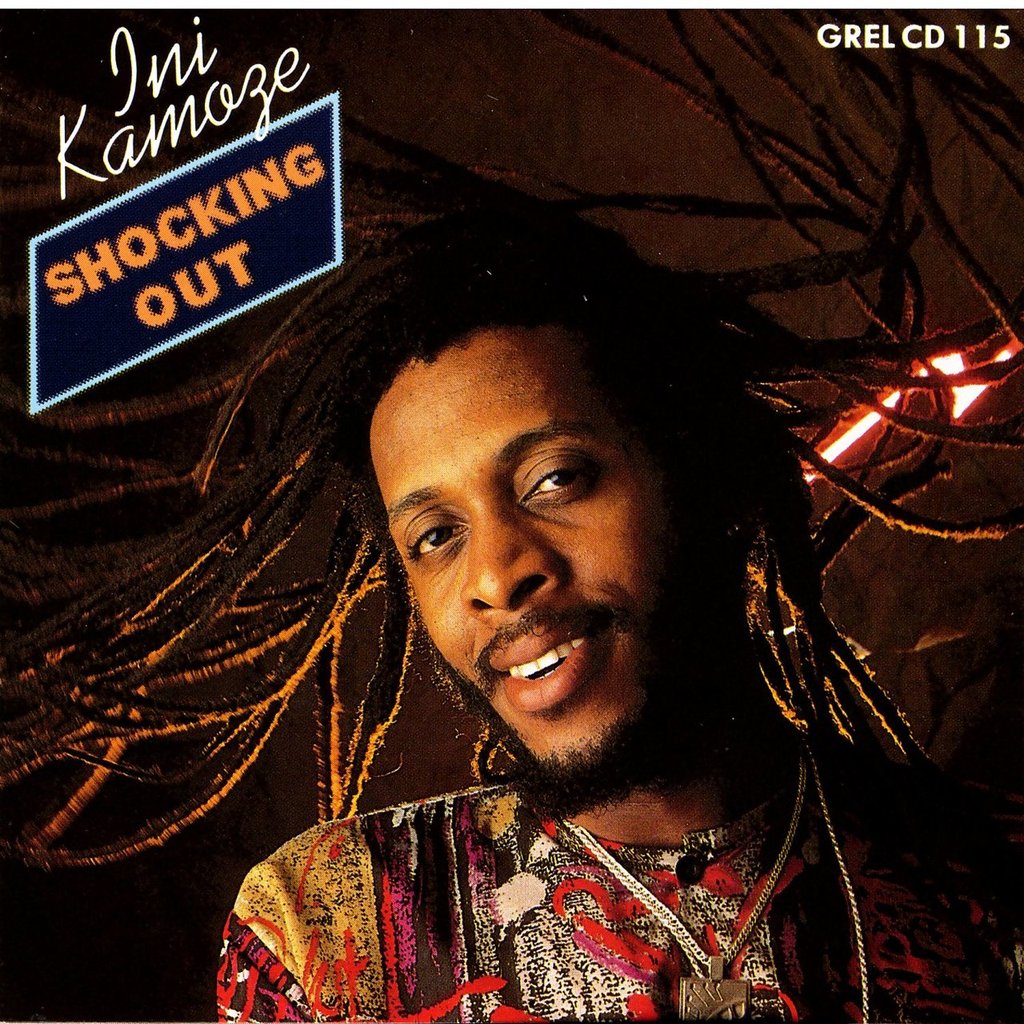
| 1986-1988 | Albums Pirate and Shocking Out; tours with Yellowman |
| 1992 | Recording of “Here Comes the Hotstepper” with Salaam Remi |
| 1994-1995 | “Here Comes the Hotstepper” #1 on Billboard Hot 100 for two weeks |
| 2005 | Release of Debut, self-produced double album |
| 2016 | Ini Kamoze Meets Xterminator: Tramplin’ Down Babylon |
From Oracabessa to the Hotstepper
Cecil Campbell grew up in a seaside shack in Oracabessa. His father, a police commissioner nicknamed “The Scorpion,” was often absent. His mother, a factory worker, once left him in a cardboard box at the door of a contact in Jones Town. The woman, Miss Ette, took him in and always remembered him as her little boy. The future artist later said that this early abandonment forged in him an unshakable resilience.
A promising teenager, Campbell was destined for a medical career. He dropped out of high school and hitchhiked to Kingston — where the studios pulse. He hung around Treasure Isle, the legendary studio of Duke Reid, and watched Mikey “Dread at the Control” Campbell work the consoles. Duke Reid sometimes chased him away with his shotgun, but Ini didn’t move. Too hungry for music.
He also turned to theater and settled in Spanish Town, a politically tense neighborhood where he embraced the Rastafari path. Encouraged by radio journalist Leo Ferguson, who took him to Radio Jamaica, he wrote a comedy play titled The Runnings, which quickly gained a reputation. Later, he published Port Royal: the Richest and Wickedest City on Earth, an illustrated book about the ghost town near his home.
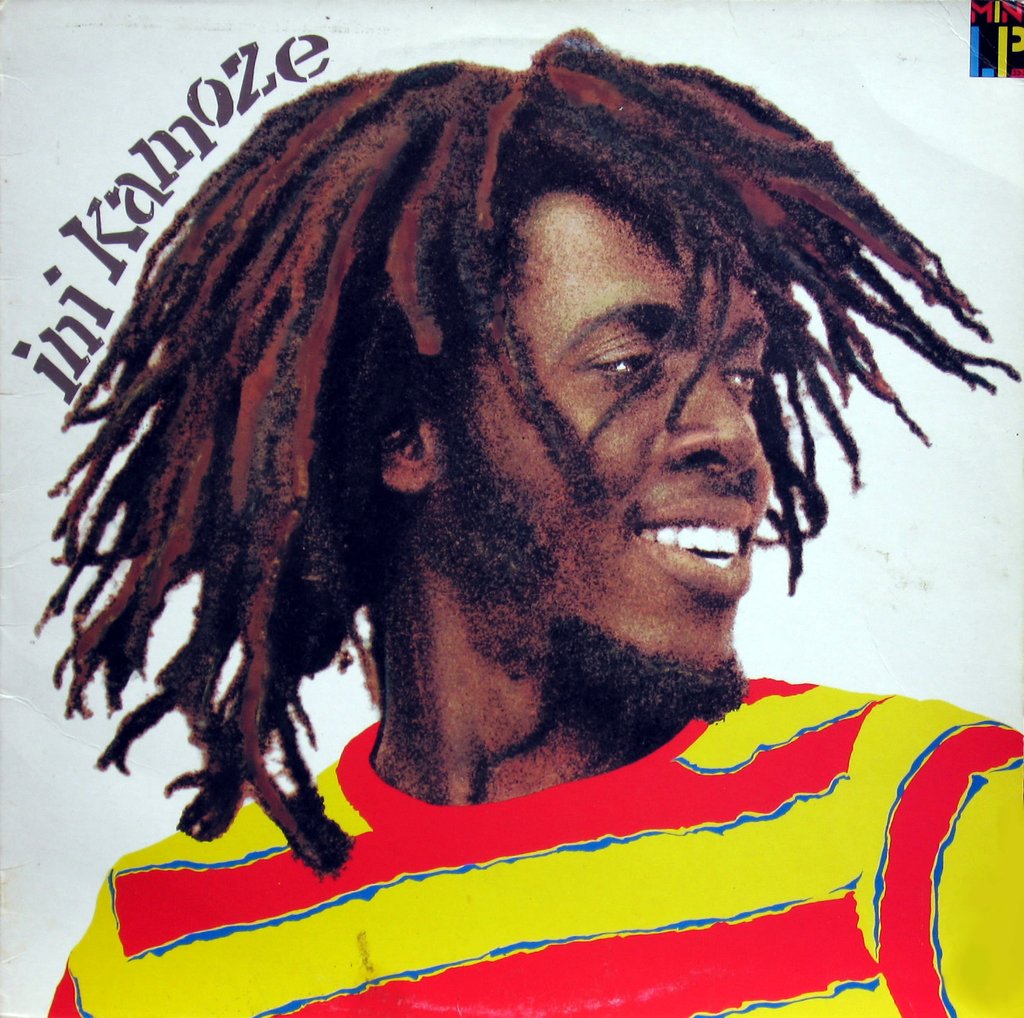
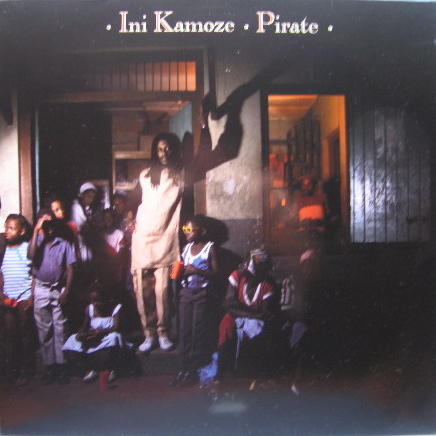
In 1981, Ini Kamoze released his first single, “World Affairs”. In 1984 came Ini Kamoze, a six-track mini-album on Island Records, produced by Sly & Robbie. In his album notes, he described his appearance as thin, disjointed, and vegetarian, six feet tall, and launched his career under the spotlight of an international label. He toured the world with Yellowman and Half Pint. Between 1986 and 1988, he released Pirate and Shocking Out, but the public never showed up. Jamaican music evolved toward a much more synthetic sound, and Kamoze remained a craftsman: he preferred the raw studio groove to commercial packaging. In 1991, he disappeared from the scene for a while — rumors of incarceration.
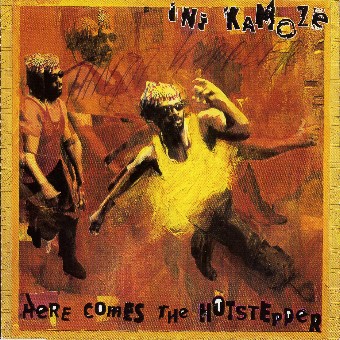
In 1984, his song “World a Music (Out in the Streets They Call It Murder)” was heard by Damian Marley, who sampled it in 2005 on his hit “Welcome to Jamrock”. The echo returned to Kamoze, like a return from the past. In 1992, he recorded “Here Comes the Hotstepper” alongside Salaam Remi, a young New York producer. The track was ignored by several labels. Columbia Records discovered it in 1993, included it in their dancehall compilation Stir It Up. Remi added a sample of Taana Gardner’s “Heartbeat” — that 80s disco beat that rhythms the song like an electric pulse. The labels didn’t make it a single, but the track began to climb the charts in 1994. Columbia decided to release it, and that was the explosion.
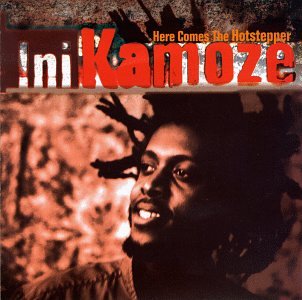
“Here Comes the Hotstepper” reached number one on 17 December 1994 and stayed there for two weeks. Four million copies were sold worldwide. The video played non-stop on MTV and European music channels, reaching #4 in the UK, #1 in Denmark and New Zealand. At 37, Kamoze became the first dancehall artist and one of the few Jamaicans in history to reach the summit of the Hot 100.
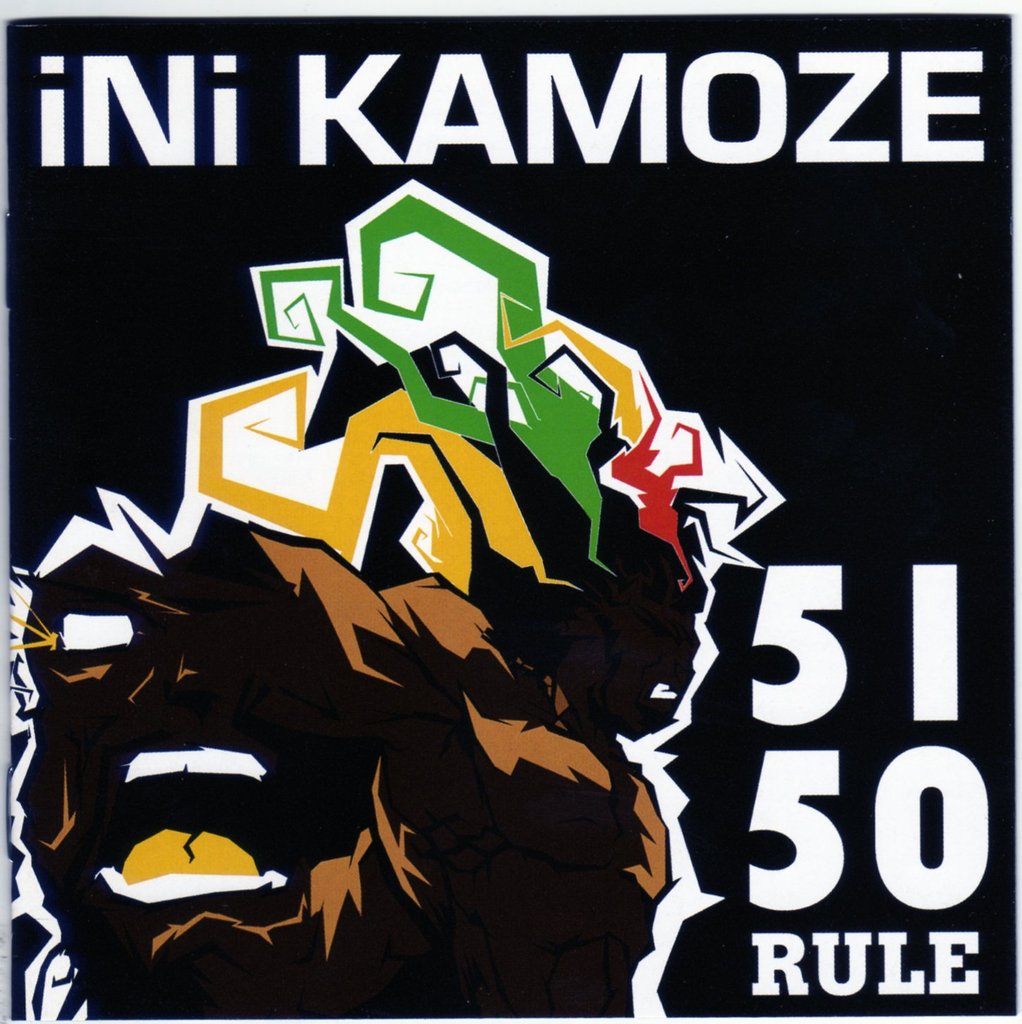
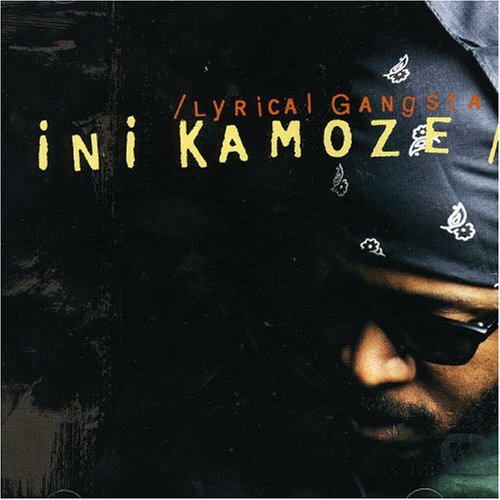
The aftermath was devastating but ephemeral. Copyrights remained frozen due to third-party claims, and Columbia Records denied him rights to “Here Comes the Hotstepper,” hastily releasing a compilation of his old tracks under the same name. Kamoze countered with Lyrical Gangsta on Elektra/EastWest and denounced the imbalance between glory and reward to a New York journalist. The singer denounced the imbalance between glory and reward. “Listen Me Tic (Woyoi)” did not replicate the success, and he entered a second period of silence. He continued to record independently: Debut (2005), self-produced double album; 51-50 Rule (2009) with Maya Azucena and Sizzla; Ini Kamoze Meets Xterminator: Tramplin’ Down Babylon (2016). The Jamaican griot did not give up. He remains in the shadow of the hit that still defines him today, but every new listen to his tracks proves he has never lost anything.
Major Works
| Work | Year | Why It’s Essential |
|---|---|---|
| “Here Comes the Hotstepper” | 1994 | First dancehall hit to reach #1 on the Billboard Hot 100; a blend of reggae, hip-hop, and funk. |
| Ini Kamoze (mini-album) | 1984 | Debut album, produced by Sly & Robbie; “World a Music” was sampled by Damian Marley on this track. |
| “World a Music (Out in the Streets They Call It Murder)” | 1984 | Pioneer of reggae fusion; an influence that spans decades. |
| Debut | 2005 | Self-produced double album; Kamoze re-recorded his classics with the raw heat of the Jamaican studio. |
Legacy and Influence
“Here Comes the Hotstepper” remains the absolute benchmark for American reggae in the 1990s — this blend of dancehall vocals, hip-hop sampling, and universal hooks paved the way for Shaggy, Sean Paul, and all Jamaican artists who followed. Salaam Remi charted the course; Ini Kamoze was the first to travel it.
Beyond this single hit, he has over seventy recorded productions listed on Discogs — a prodigious volume for an artist without a promotional machine. His ability to survive, despite the closure of the American market doors and frozen royalties, makes him a symbol of resilience for reggae and dancehall. His works continue to be sampled and rediscovered, more than twenty years after their recording.
Sources and References
- “Ini Kamoze”, Wikipedia, https://en.wikipedia.org/wiki/Ini_Kamoze, accessed November 13, 2026.
- “Here Comes the Hotstepper”, Wikipedia, https://en.wikipedia.org/wiki/Here_Comes_the_Hotstepper, accessed November 13, 2026.
- Ini Kamoze, “Biography”, iNi KAMOZE.COM, http://www.inikamoze.com/biography.html, accessed November 13, 2026.
- Stephen Thomas Erlewine, “Ini Kamoze — Biography”, AllMusic, https://www.allmusic.com/artist/ini-kamoze-mn0000090011, accessed November 13, 2026.
- DancehallMag Team, “The Meaning Behind Ini Kamoze’s ‘Here Comes the Hotstepper’: Lyrics & Story Explained”, DancehallMag, https://www.dancehallmag.com/2026/09/22/style/the-meaning-behind-ini-kamozes-here-comes-the-hotstepper-lyrics-story-explained.html, accessed November 13, 2026.
- Isabell Chen, “Every Jamaican To Hit #1 On The U.S. Billboard Hot 100 Chart in History”, World Music Views, https://worldmusicviews.com/every-jamaican-to-hit-number-1-on-the-us-billboard-hot-100-chart-in-history/, accessed November 13, 2026.
- Larry Flick, “Hot 100 Singles”, Billboard, 1994.
- “Ini Kamoze Discography”, Discogs, https://www.discogs.com/artist/39230-Ini-Kamoze, accessed November 13, 2026.
- Charles Aaron, “Top of the New”, Spin, 1995 — review of “Here Comes the Hotstepper”.