Biography
Irmãos Verdades
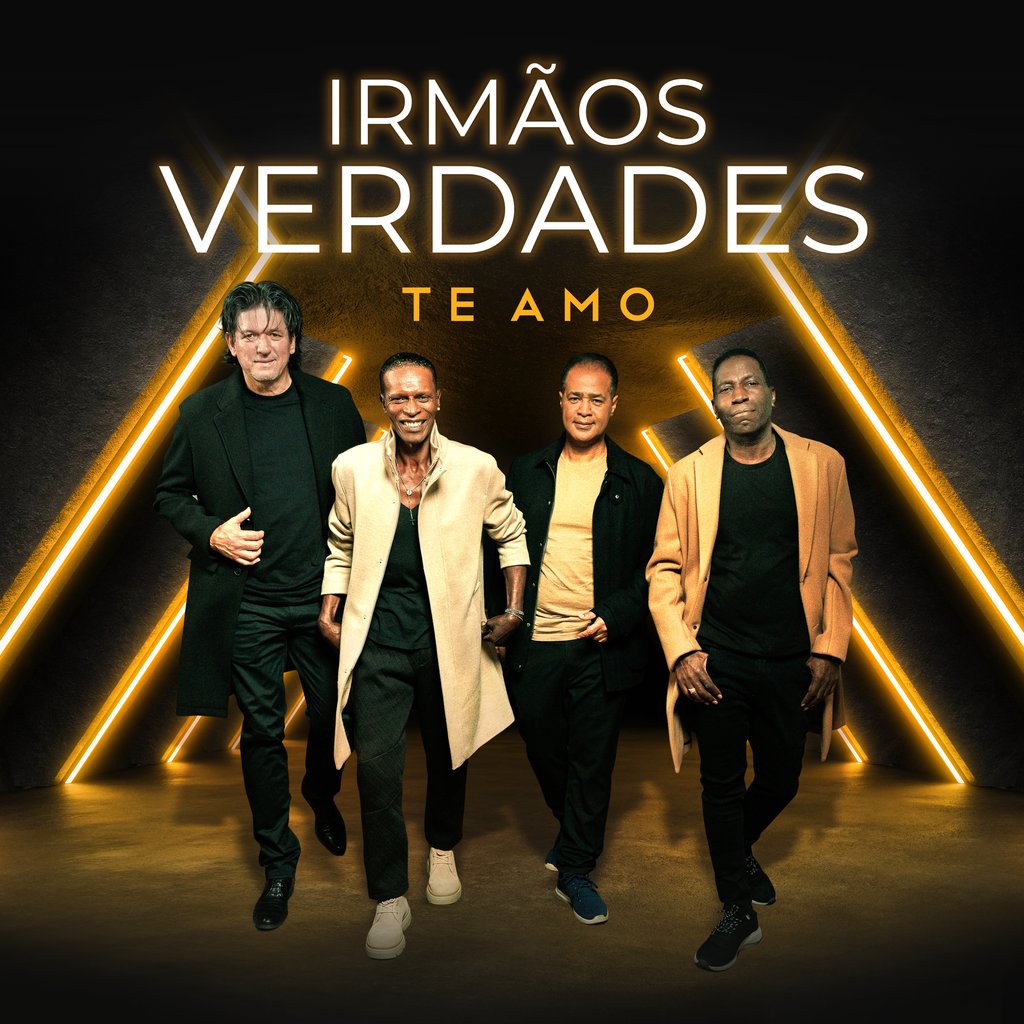
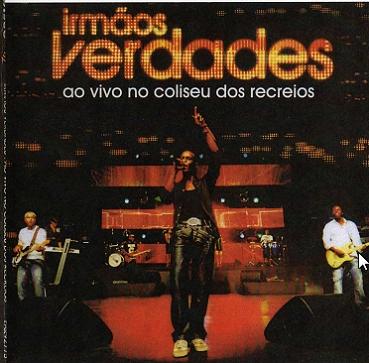
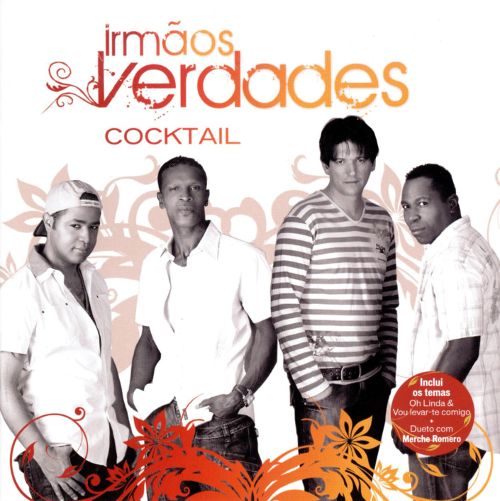
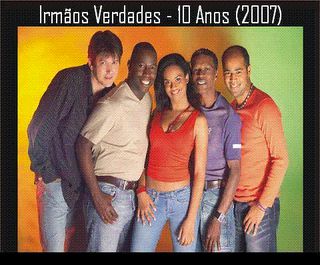
The Verdades brothers were already performing in 1986 as dancers on Portuguese stages, dressed in shimmering costumes and driven by a rhythm ready to explode. Fifteen years later, their first album under their own name — Saudades de África — propelled one of the greatest lusophone musical successes. From Valongo to international stages, Irmãos Verdades built their empire on romance and rhythm.
In Brief
| Band Name | Irmãos Verdades (True Brothers) |
| Origin | Angola / Valongo, Portugal |
| Genre | Kizomba, zouk, African romantic pop |
| Active Period | Since 1986 (first album in 1993) |
| Founding Members | Alexandre, Gabriel (nicknamed Gaby), Nando, and Luís Verdades |
| Labels | Espacial |
Key Dates
| Year | Event |
|---|---|
| 1986 | Group formation in Valongo (Portugal), with Angolan roots |
| 1986-1989 | The brothers work as dancers, then backing musicians for Raúl Indipwo (ex-Duo Ouro Negro), sharing the stage with him at Paris’s Olympia |
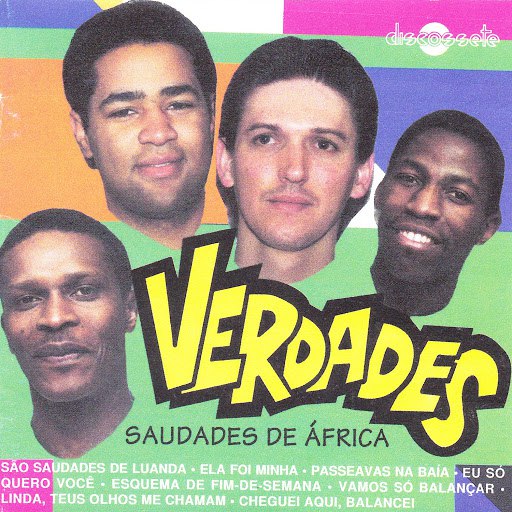
| 1993 | Release of first album under their own name, Saudades de África, featuring the hit “Saudade de Luanda” |
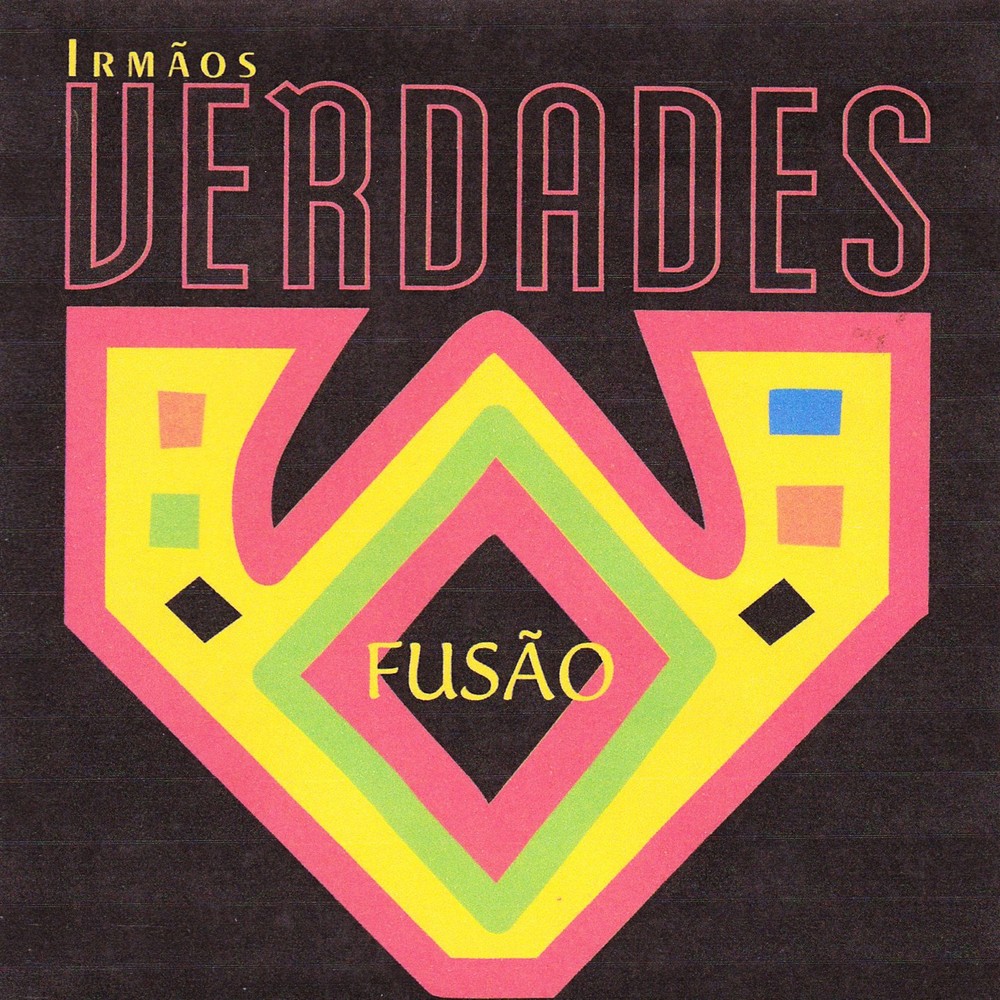
| 1996-1997 | Recruitment of Alcinda Ramos as new lead singer; release of Fusão, album containing the hit “Yolanda” |
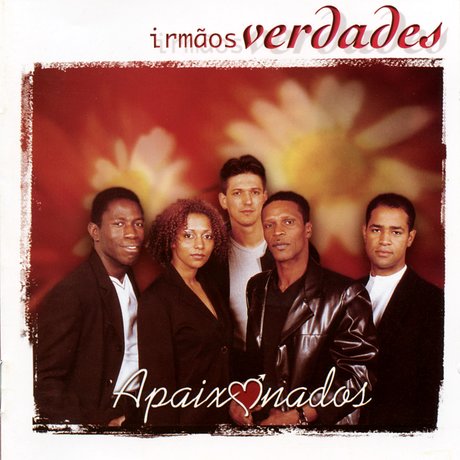
| 1999 | Release of Apaixonados, gold record in Portugal and platinum in Mozambique |
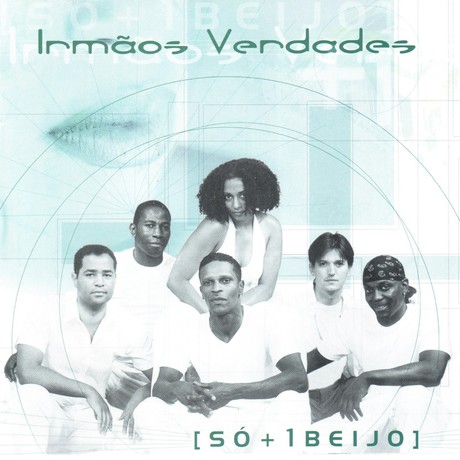
| 2001 | Só + 1 Beijo: one platinum record and two gold records |
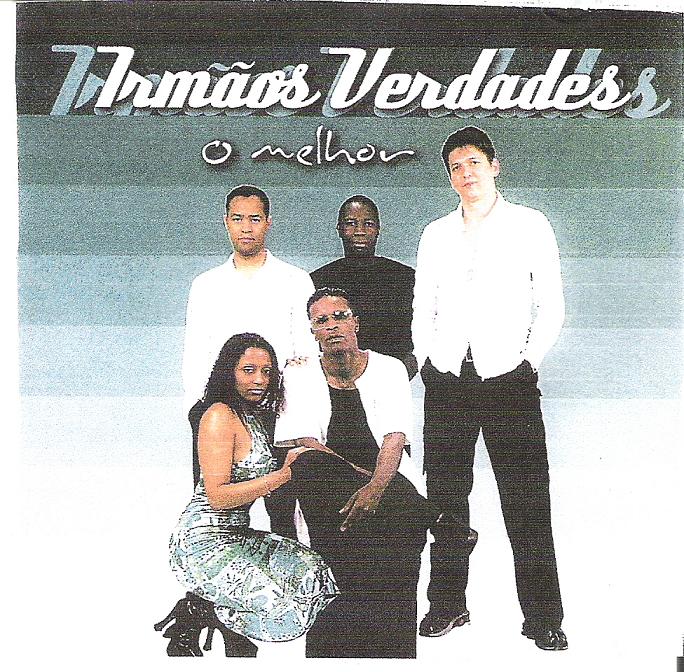
| 2003 | Best of compilation; extensive international tours in Europe |
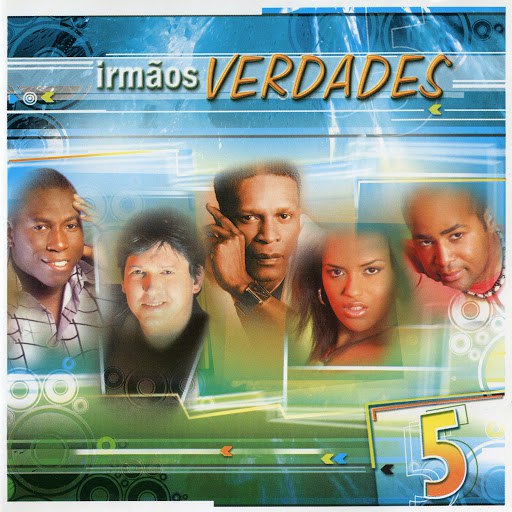
| 2005 | Album 5, marking their breakthrough across the entire European continent |
| 2015 | Institutional recognition: inclusion in the Portuguese Ministry of Education’s educational program |
| 2016 | Homonymous album Irmãos Verdades |
| 2023 | Gabriel Fernandes leaves the group after thirty years; Enzo Lopez becomes lead singer |
| 2026 | Release of single “Paixão sem fim”, confirming continued activity |
From Dancers to Stars of African Romance
The Verdades brothers — Alexandre, Gabriel (nicknamed Gaby), Nando, and Luís — were raised in Valongo, a city in northern Portugal, but their roots connect them to Angola. In the mid-1980s, they joined the troupe of Raúl Indipwo and Milo MacMahon, icons of Angolan music who founded Duo Ouro Negro. Initially, they were only dancers, animating Portuguese stages with shimmering costumes and contagious energy.
When Duo Ouro Negro dissolved following Milo’s death, the four brothers remained loyal to Indipwo and transitioned from singing to instruments. They then participated in the star’s European tours, which took them as far as Paris’s Olympia, and performed in venues across the United States and Canada. This formative experience forged their stage and musical identity.
Starting in 1989, they decided to conquer their own space and officially formed Irmãos Verdades. Their ambition was clear: tell stories of love and nostalgia in the musical language of their generation.
The Coronation: Zouk, Kizomba and Gold Records
Their first album, Saudades de África, was released in 1993 with the title “Saudade de Luanda”, a sweet-bitter lament that resonated like a cry of the heart throughout all of lusophone Africa. The record became a hit in Angola, Mozambique, Cape Verde, and Portugal — the first signs of international reach.
In 1996, the group made an aesthetic shift by recruiting Alcinda Ramos as new lead singer. Her arrival altered the sonic texture and gave birth to Fusão (1997), containing the title “Yolanda” — an instant anthem, especially in Brazil. Their third album, Apaixonados (1999), was their commercial coronation: gold record in Portugal with over 20,000 copies sold and platinum in Mozambique with 40,000 units.
The early 2000s period was prosperous: Só + 1 Beijo (2001) earned one platinum and two gold records, their opening to Europe accelerated (France, Luxembourg, Netherlands, United Kingdom, Germany), and the album 5 (2005) consolidated their status as major figures of zouk and kizomba. In 2015, the Portuguese Ministry of Education included their track “Amar-te Assim” in a school music manual, with a preface by pianist Mário Laginha.
Major Works
| Work | Year | Why It’s Essential |
|---|---|---|
| Saudades de África | 1993 | First album; the hit “Saudade de Luanda” launched their international career |
| Fusão | 1997 | Arrival of Alcinda Ramos; “Yolanda” became an anthem in Brazil and throughout the Lusophone world |
| Apaixonados | 1999 | Gold record in Portugal, platinum in Mozambique; commercial coronation |
| 5 | 2005 | Massive breakthrough in Europe; the group established itself as a force of romantic zouk |
Legacy and Influence
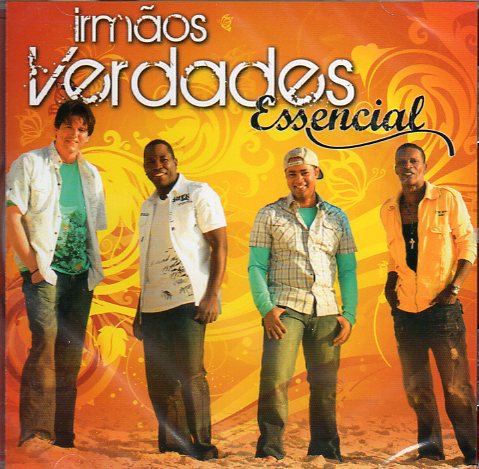
Irmãos Verdades contributed to popularizing kizomba and romantic zouk well beyond the lusophone world. Their fusion of Angolan rhythms, zouked melodies, and a soft pop aesthetic paved the way for African artists of the next generation who no longer had to choose between tradition and modernity. The group remains active: Enzo Lopez took over vocal direction after Gabriel Fernandes’ departure in 2023, and new releases continue. The group’s legacy lies in this unique ability to marry African nostalgia with the sensuality of contemporary genres — a signature that continues to make people dance.
Sources and References
- « Irmãos Verdades », French Wikipedia, https://fr.wikipedia.org/wiki/Irm%C3%A3os_Verdades, accessed November 9, 2026.
- « Irmãos Verdades », AllMusic, https://www.allmusic.com/artist/irmaos-verdades-mn0002314191, accessed November 9, 2026.
- « Irmãos Verdades », Music In Africa, https://musicinafrica.net/directory/irmaos-verdades, accessed November 9, 2026.
- « Irmãos Verdades », Infopédia [Porto Editora], https://www.infopedia.pt/artigos/$irmaos-verdades, accessed 9 November 2026.
- « Irmãos Verdades », Portuguese Wikipedia, https://pt.wikipedia.org/wiki/Irm%C3%A3os_Verdades, accessed 9 November 2026.
- « Irmãos Verdades », Apple Music, https://music.apple.com/pt/artist/irmaos-verdades/265082272, accessed 9 November 2026.