Biography
Jane Fostin: the voice that reinvented zouk
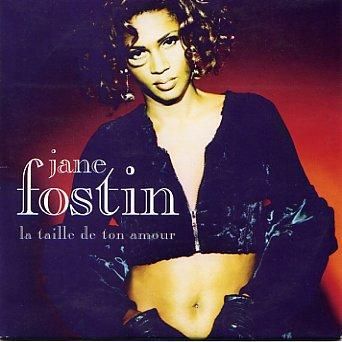
Basse-Terre, Guadeloupe. In 1995, Jane Fostin left Zouk Machine after seven years of touring and one million records sold. The group, which had made zouk — a danced musical genre originating from the French Antilles — its signature style, did not understand her decision. She wanted to move to R’n’B; Zouk Machine remained faithful to Creole tradition. The conflict would be total, she would say later in an interview. Two years of silence followed. All of France would rediscover her name in 1997, with the title “La Taille de ton amour”, an r&b explosion that ranked the singer 11th in French sales and earned her a silver record.
In brief
| Full name | Jane Fostin Fostin |
| Birth | December 27, 1973, Basse-Terre (Guadeloupe) |
| Field | Zouk, R’n’B (vocals) |
| Iconic works | “Maldòn” (Zouk Machine), Jane Fostin (1997), Éclipse (2007) |
| Awards | SACEM Guadeloupe Prize 2002 (best interpreter); Césaire for best duo 2007 |
Key dates
| Year | Event |
|---|---|
| 1973 | Birth in Basse-Terre, in a family of seven children; her father is a musician |
| 1986 | First steps with local group Les Aiglons; already noted for her exceptional voice |
| 1988-1995 | Integration into Zouk Machine; recording of “Maldòn”, nine weeks at #1 on the French Top 50, platinum record (over one million copies) |
| 1995 | Departure from the group for artistic divorce; Jane wants to explore R’n’B beyond zouk |
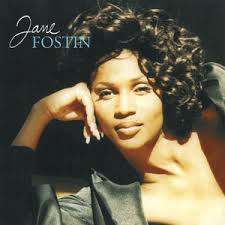
| 1997 | First solo album, Jane Fostin; “La Taille de ton amour” (250,000 sales, silver record); collaborations with Diane Warren, Rick Nowels and Maxi Priest |
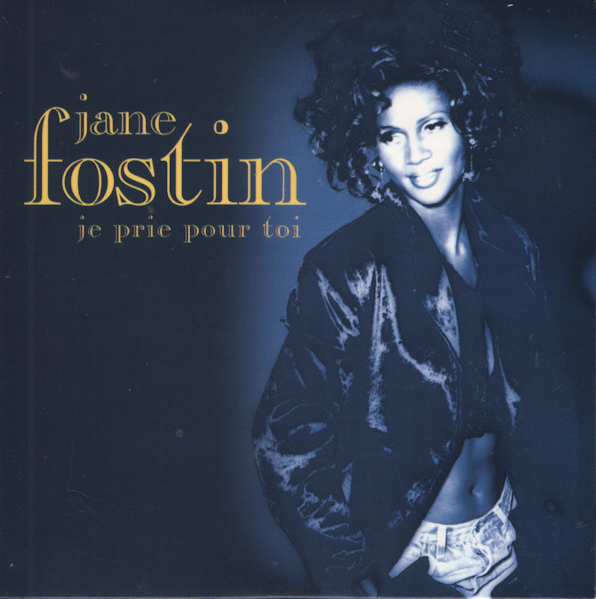
| 1998 | “Je prie pour toi” and “L’amour t’aidera”, tracks from the first album; duo with Lisa Stansfield on Taratata |
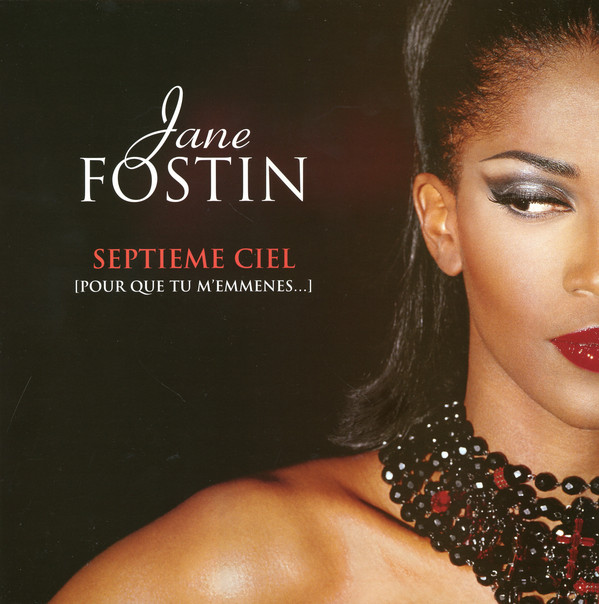
| 1999-2000 | “Septième ciel”, most played of summer 1999; second album Vivre libre: ballads, reggae, r&b |
| 2002 | SACEM Prize for best interpreter in Guadeloupe; tribute Jane Fostin chante Henri Debs to Antillean roots |
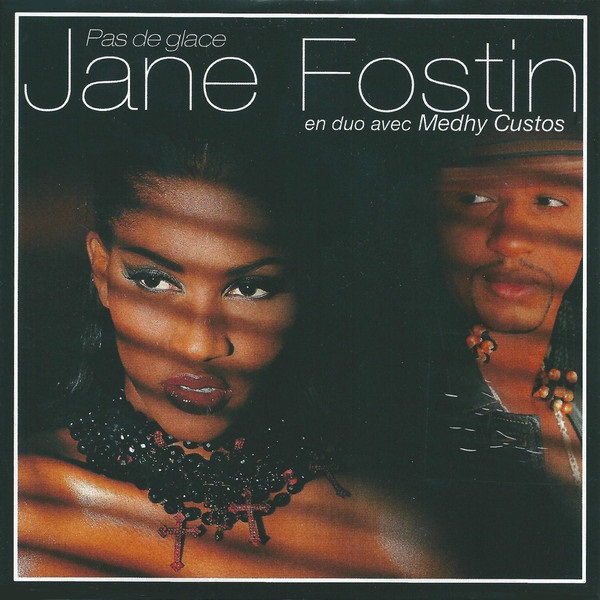
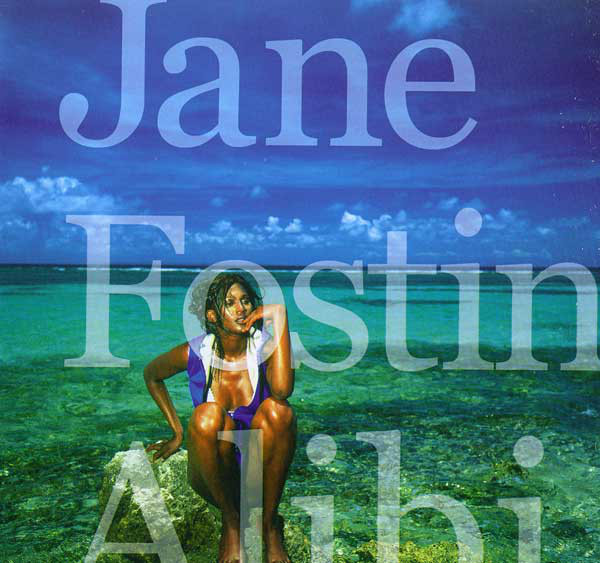
| 2005 | Return with album Alibi; “Pas de glace” in duo with Medhy Custos made a sensation |
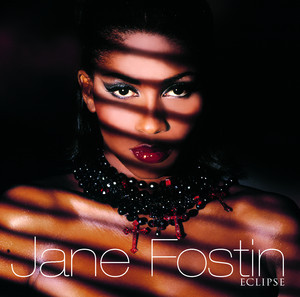
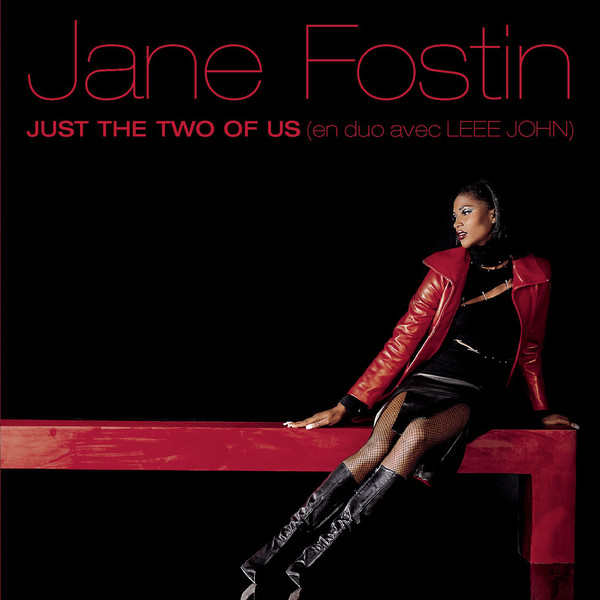
| 2007 | Album Éclipse; Césaire for best duo; duos with Leee John (Imagination) |
| 2012 | Last known single: “Tout Va Vite”; gradual withdrawal from the stage |
From contests to Antillean glory
Jane Fostin grew up cradled by her father’s strings. From age six, she participated in singing contests with his blessing; from fifteen, she left school to dedicate herself to music. Barely of age, she joined the Guadeloupean group Les Aiglons in 1986. Her reputation soon surpassed the archipelago, and in 1988, she replaced Joëlle Ursull within Zouk Machine — the group that would make zouk a planetary phenomenon. The new singer brought a will to renew the sound, more oriented toward groove and r&b.
Ambition was rewarded as early as 1990: “Maldòn” exploded, stayed at the top of the French Top 50 for nine weeks, surpassed one million copies, and obtained the platinum record. Zouk Machine — Ou ké Rivé, “Saké Cho” — continued to succeed in the Antilles and Europe. But the Guadeloupean singer felt the bottleneck coming: she dreamed of moving on, exploring r&b sonorities, and composing her own identity.
The zouk rebel: first R’n’B, then everything else
In 1995, in an irreconcilable artistic leadership conflict, Jane Fostin left Zouk Machine. Two years of silence followed, during which her record label BMG worked on her return. In 1997, she unveiled “La Taille de ton amour”, a French adaptation of Who Do You Love by Deborah Cox, with lyrics in French written by Jane herself. The title — a powerful r&b slow song about a woman demanding proof of love and refusing empty promises — climbed to 11th place on the Top 50, sold over 250,000 copies, and earned a silver record.
The following album, Jane Fostin, associated renowned songwriters: Diane Warren, Rick Nowels, and Eric Carmen co-wrote on it. The singer collaborated with Maxi Priest, recorded a notable duo with Jean-Michel Rotin, and performed on Taratata alongside Lisa Stansfield. In 2000, the second album Vivre libre offered a mix of ballads, reggae influences, and driving r&b; “Septième ciel” — one of the most played tracks on French radio in summer 1999 — and “Je veux vivre” (composed by Cher’s producers) topped sales charts.
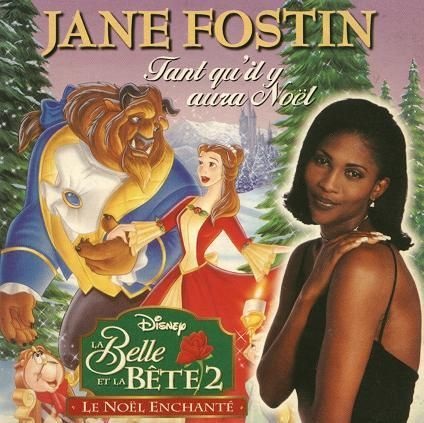
She slipped into the soundtrack of Dominique Farrugia’s film Trafic d’influence, a duo reprise with Arsenik and Stomy Bugsy from On ira tous au paradis by Michel Polnareff, and lent her voice to the French adaptation of La Belle et la Bête 2 for the song “Tant qu’il y aura Noël”.
Major works
| Work | Year | Why it’s essential |
|---|---|---|
| Maldòn (Zouk Machine) | 1990 | Best-selling zouk of all time; nine weeks at #1 in France; platinum |
| Jane Fostin (solo) | 1997 | First solo; French adaptation of Who Do You Love (Deborah Cox); wrote the lyrics; silver record |
| Vivre libre | 2000 | Second solo; ballads, reggae, and r&b; “Septième ciel” flagship track of summer 1999 |
| Éclipse | 2007 | 15 tracks mixing zouk, r&b, ragga, and reggaeton; Césaire for best duo 2007 |
Heritage and influence
Jane Fostin is one of the few French R&B voices to break through in the 1990s, propelled by a debut single adapted with rare musical intelligence. “La Taille de ton amour” remains today on all French R&B compilations, while the story of “Maldòn” — nine weeks at number 1 in France — remains an unmatched record in the history of zouk. Her journey, from an Antillean singer from a non-griot caste to an ambassador of R&B in France, inspires young Creole artists who affectionately nickname her “Our Whitney Houston”. Forty years after her debut, she remains a tutelary figure of Caribbean music in France.
Sources and references
- “Jane Fostin”, Wikipedia, https://fr.wikipedia.org/wiki/Jane_Fostin, accessed 7 November 2026.
- “Jane Fostin”, Radio RMB, http://www.radiormb.com/biographies/jane-fostin/1134.html, accessed 7 November 2026.
- “Un jour une chanson #689 — Jane Fostin, La Taille de ton amour”, Magnum la Radio, https://www.magnumlaradio.com/un-jour-une-chanson-689, accessed 7 November 2026.
- “Jane Fostin — Biography: birth, career, family…”, NRJ, https://www.nrj.fr/artistes/jane-fostin/biographie, accessed 7 November 2026.
- “The 5 most famous Antillean singers in the world”, Creole Forever, https://creole-forever.com/chanteuse-antillaise, accessed 7 November 2026.
- “Jane Fostin — Soul Addict”, Soul Addict, https://soul-addict.com/artistes/jane-fostin-699, accessed 7 November 2026.
- “Jane Fostin Guadeloupe”, Guadeloupe.net, https://guadeloupe.net/jane-fostin, accessed 7 November 2026.