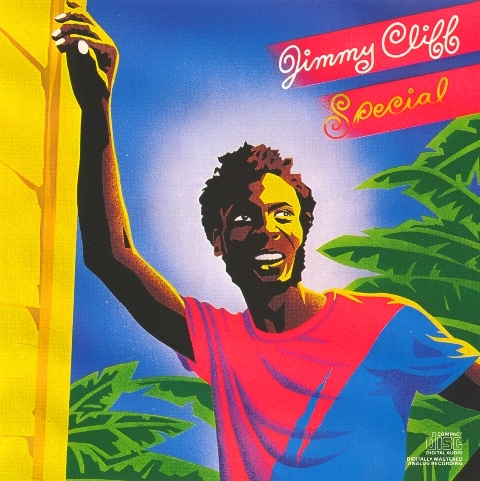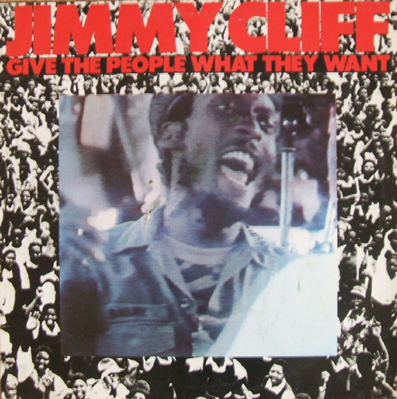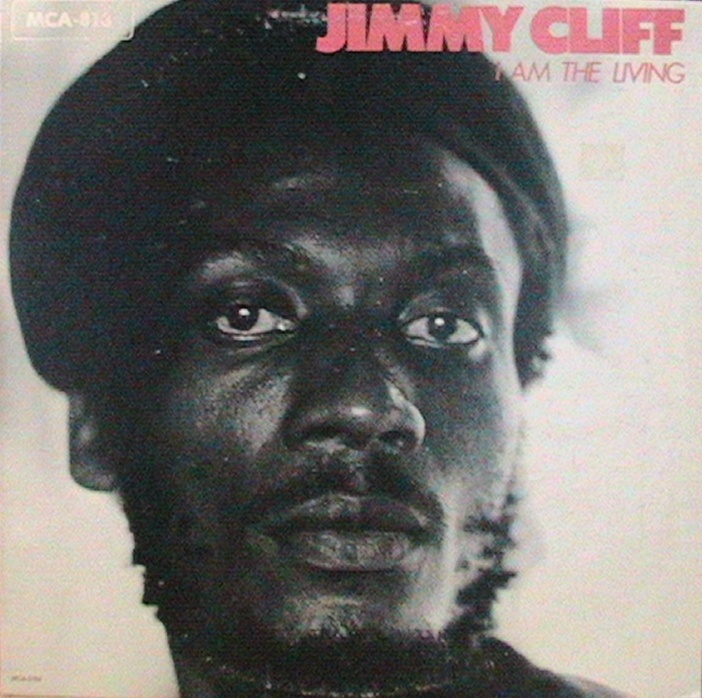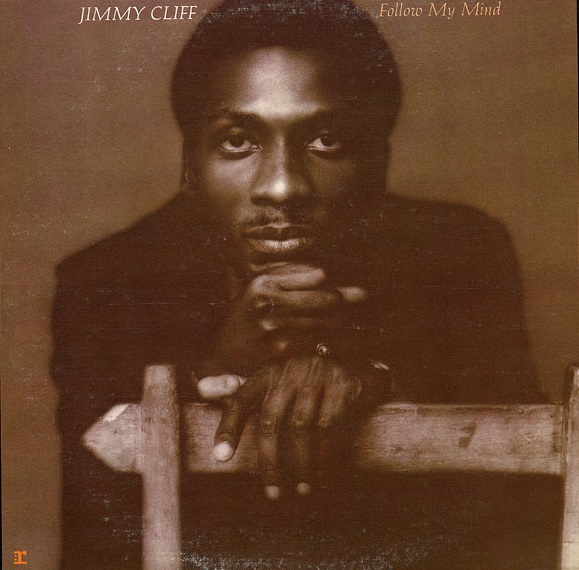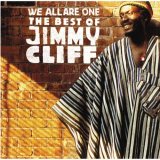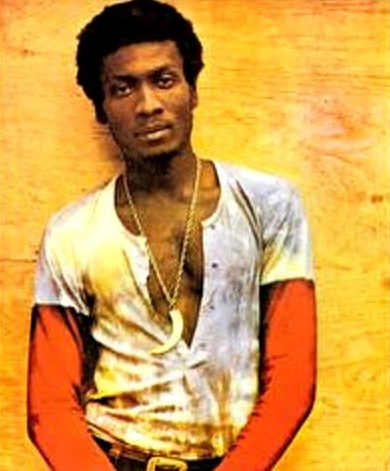
Biography
Jimmy Cliff
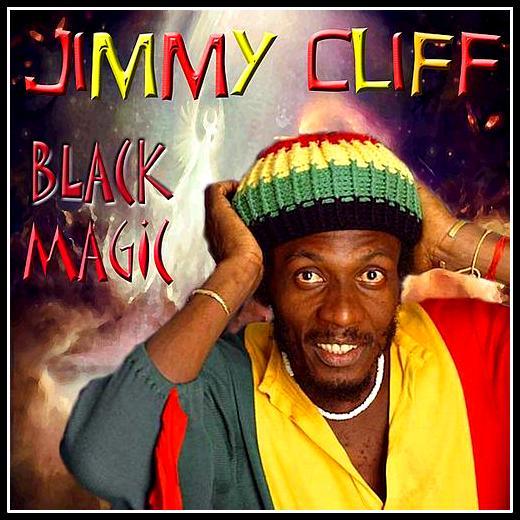
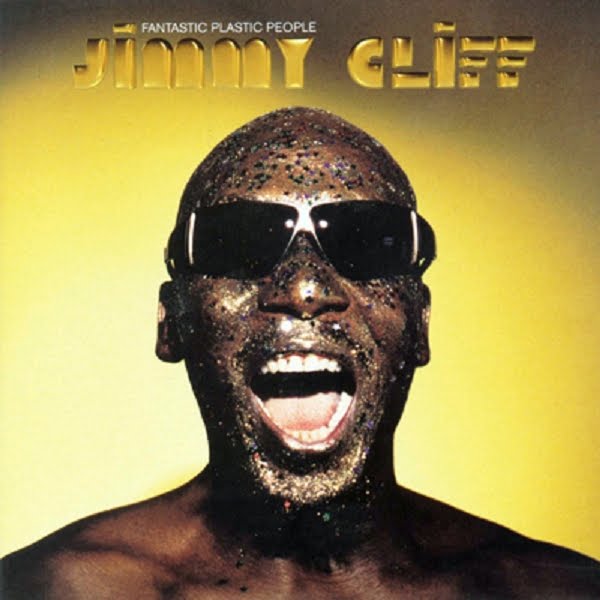
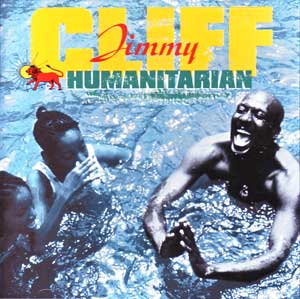
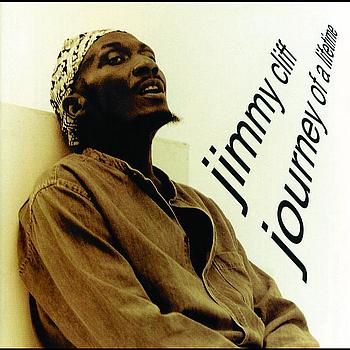
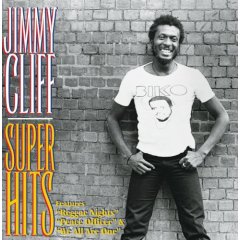
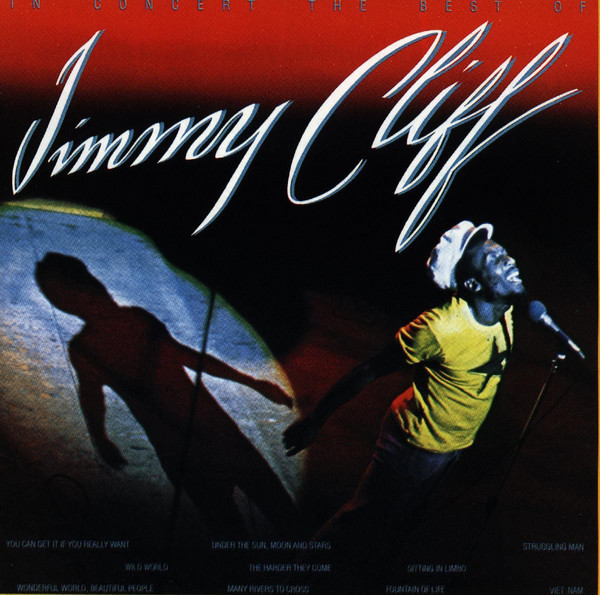
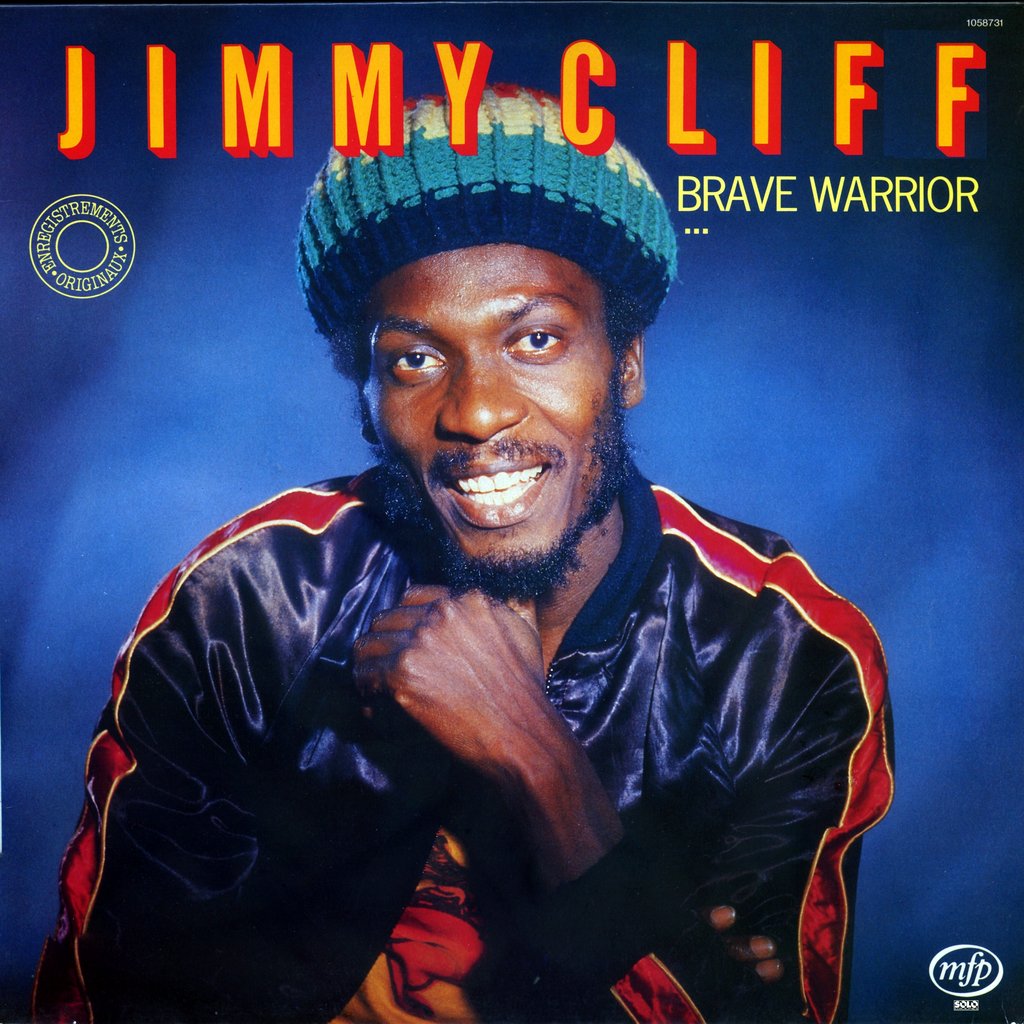
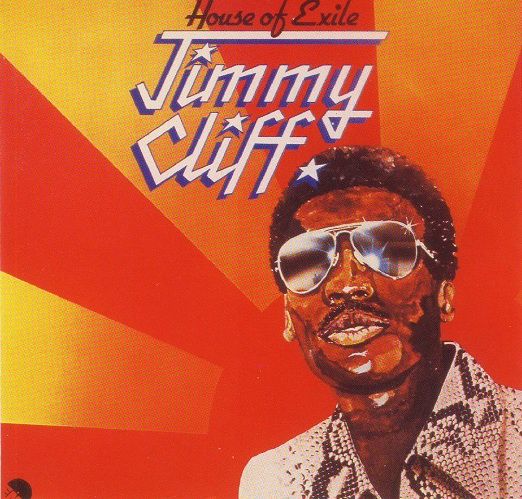
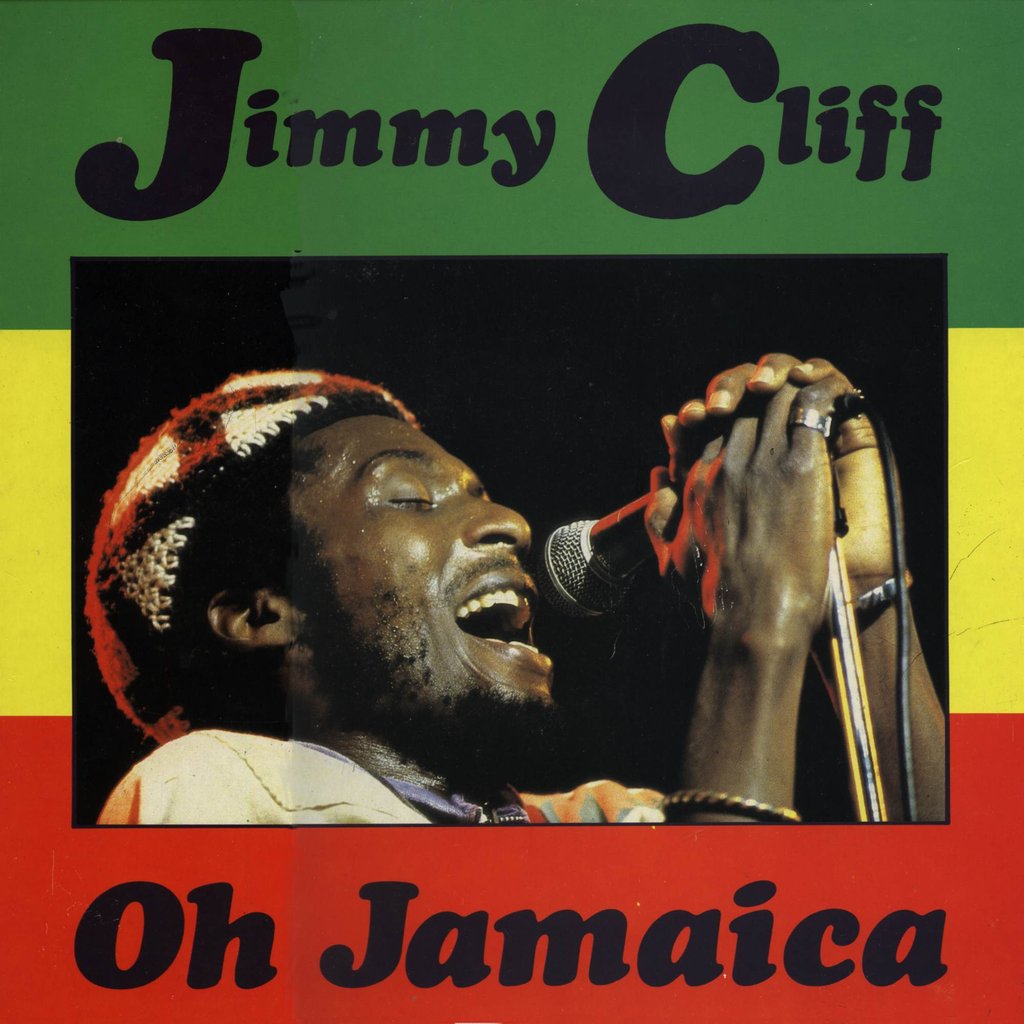
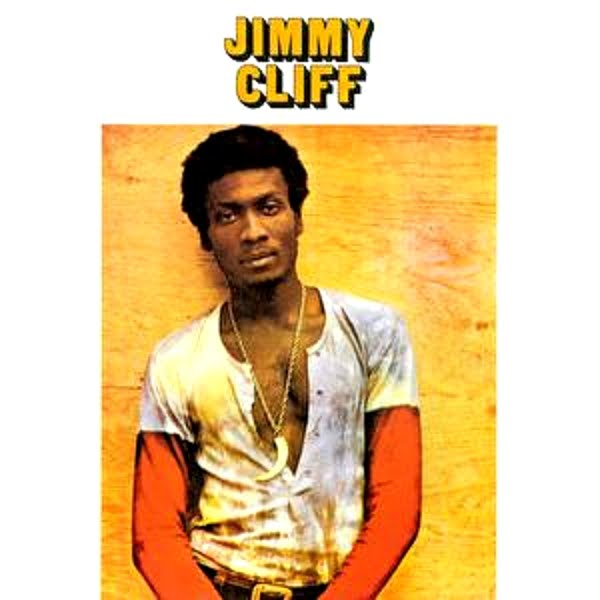
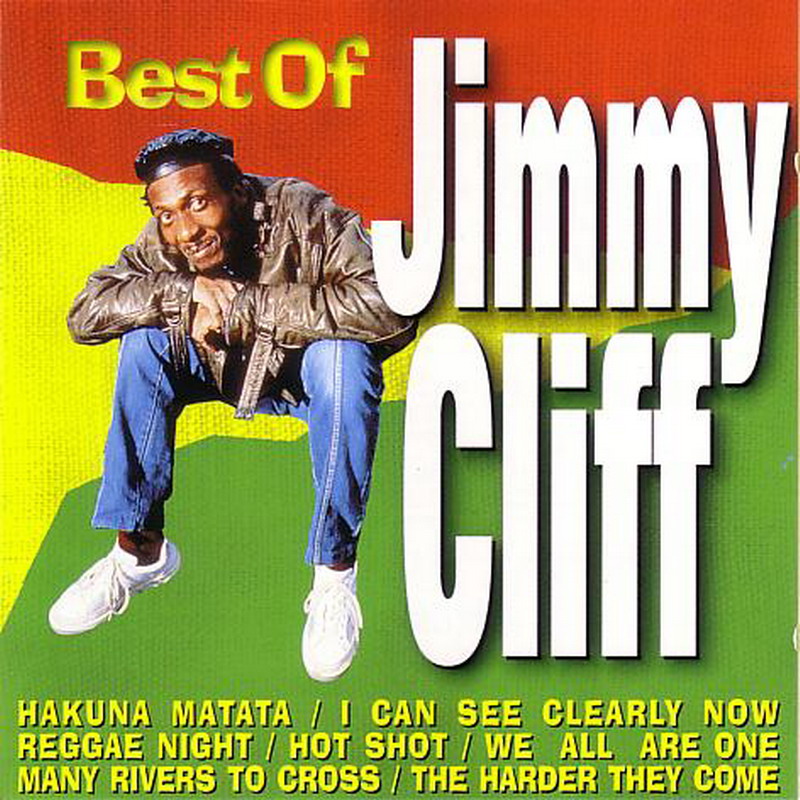
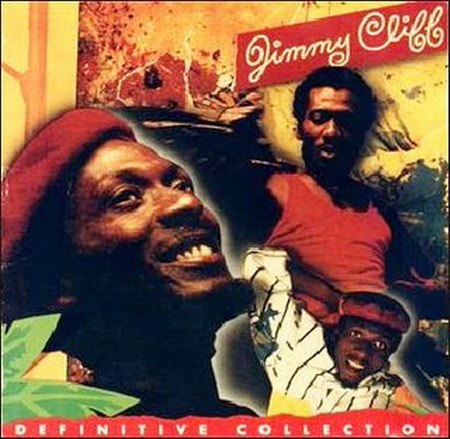
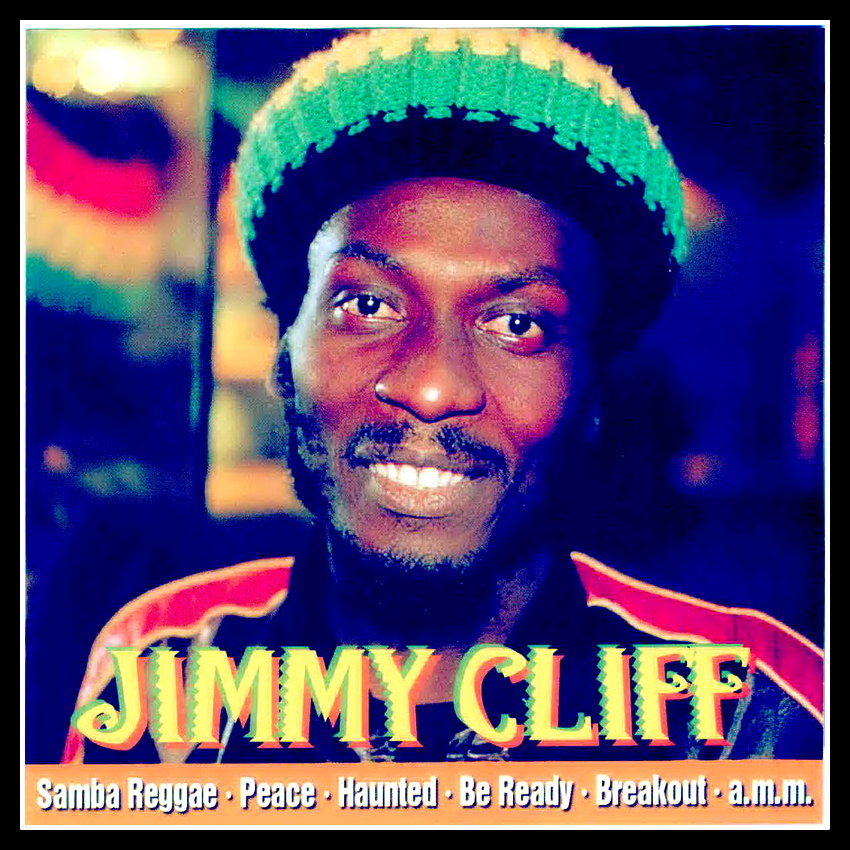
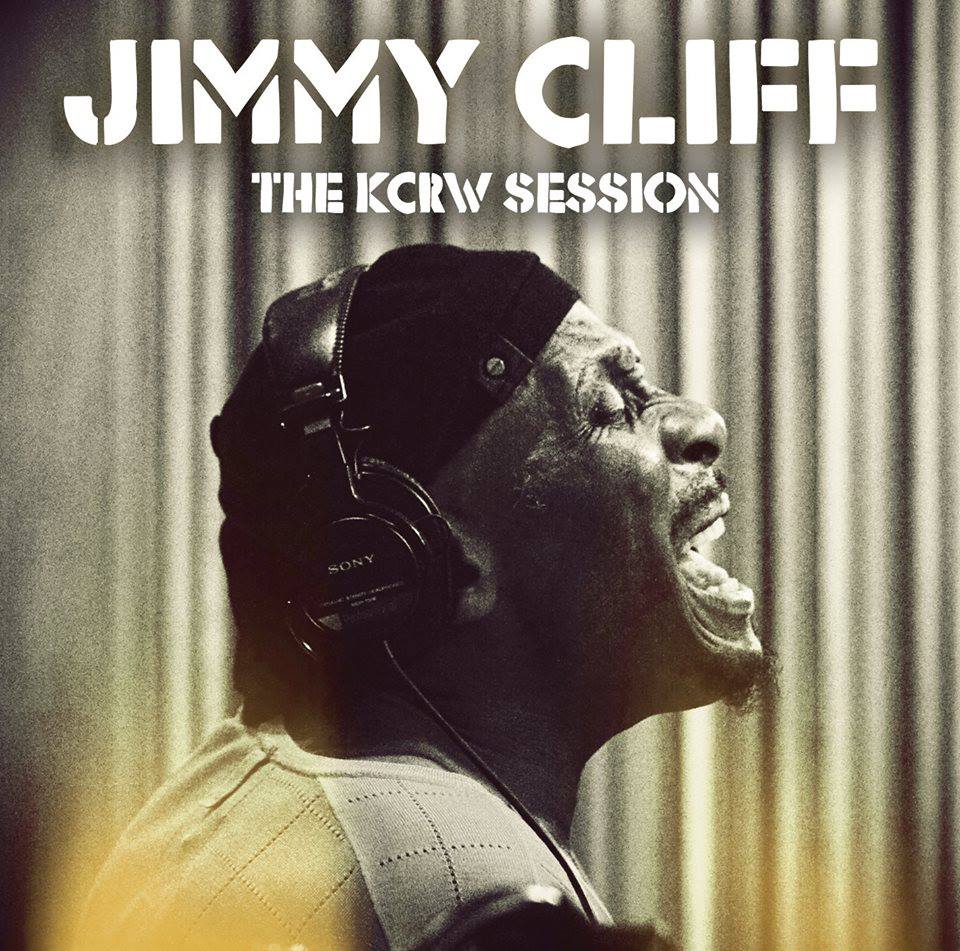
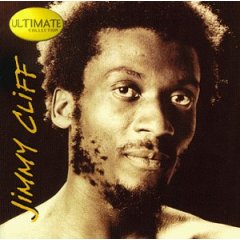
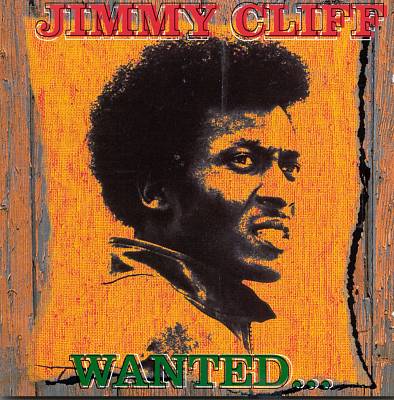
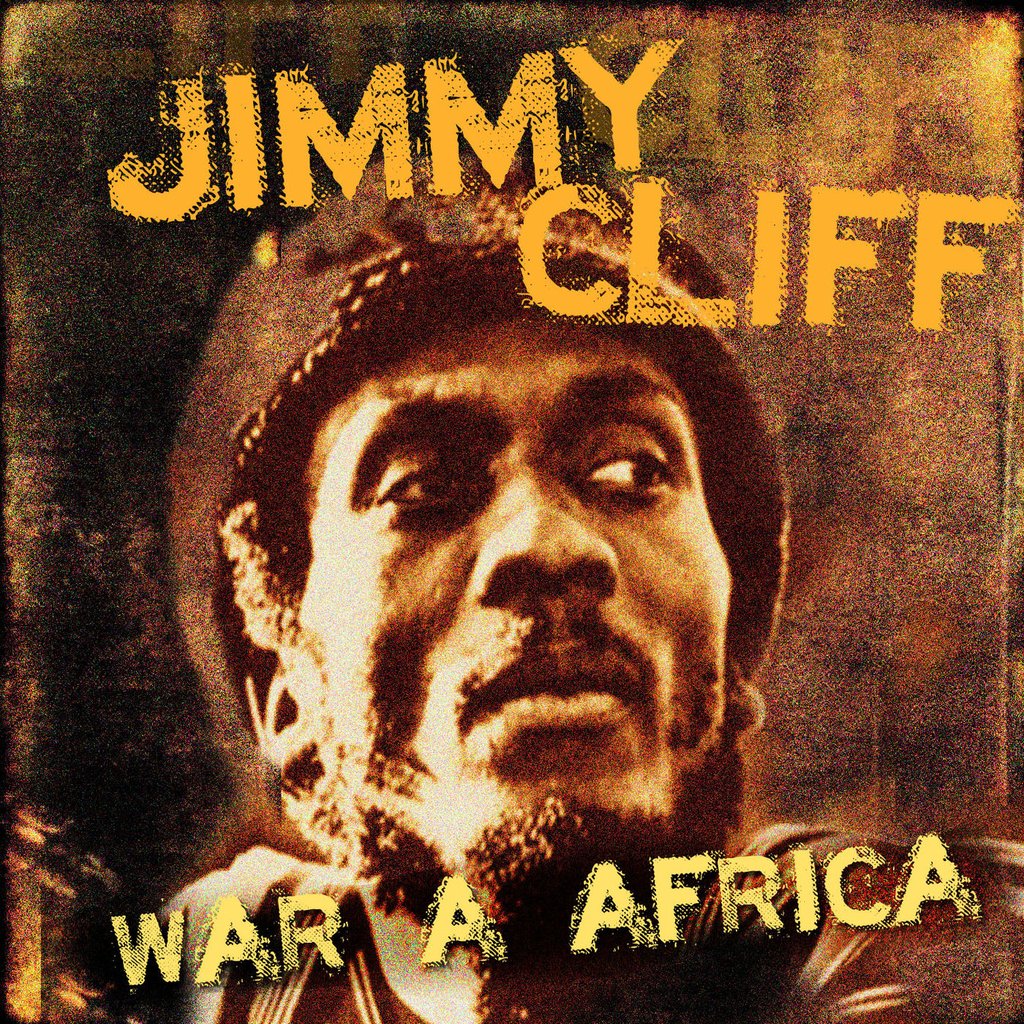
In Kingston in 1972, a young man from Jamaican suburbs directed The Harder They Come, the first authentically Jamaican feature film. By portraying his own journey — a poor singer facing local business challenges — Jimmy Cliff, whose real name is James Chambers, propelled reggae onto the world stage. Fifty years later, his voice remains one of the most recognizable signatures in the genre.
In Brief
| Full Name | James Ezekiel Chambers |
| Birth | July 30, 1944, Saint James, Jamaica |
| Death | November 24, 2025 (81 years), Kingston, Jamaica |
| Genre | Reggae, ska, rocksteady, soul |
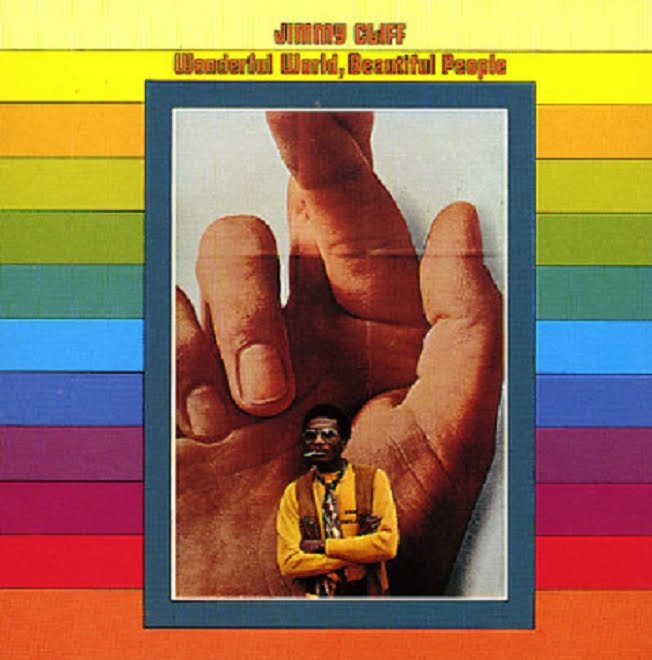
| Notable Works | “Many Rivers to Cross”, The Harder They Come, “Wonderful World, Beautiful People” |
| Awards | 2 Grammys (1985, 2012), Rock and Roll Hall of Fame (2010), Order of Merit (2003) |
Key Dates
| Year | Event |
|---|---|
| 1944 | Born in Saint James, Jamaica; youngest of nine children |
| 1963 | First Jamaican hit, “Hurricane Hattie”, produced by Leslie Kong (17 years old) |
| 1964 | Represented Jamaica at the New York World’s Fair, met Chris Blackwell |
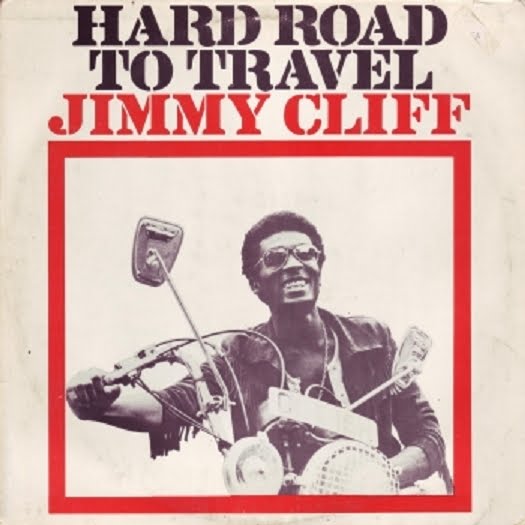
| 1967 | First British album, Hard Road to Travel, signed with Island Records |
| 1969 | “Wonderful World, Beautiful People” reached #6 in the UK; recorded “Many Rivers to Cross” |
| 1972 | Star of The Harder They Come, Jamaica’s first major film; soundtrack launched reggae globally |
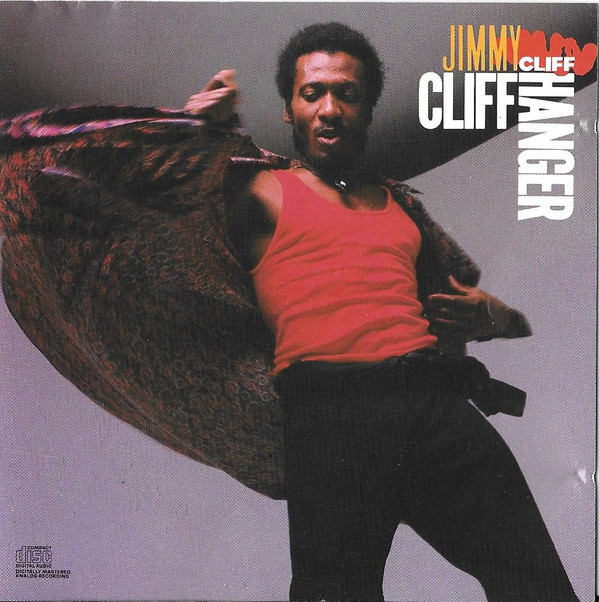
| 1985 | Album Cliff Hanger – Grammy Award for Best Reggae Album; appeared in Club Paradise with Robin Williams |
| 1993 | “I Can See Clearly Now” (cover for Cool Runnings) – global hit |
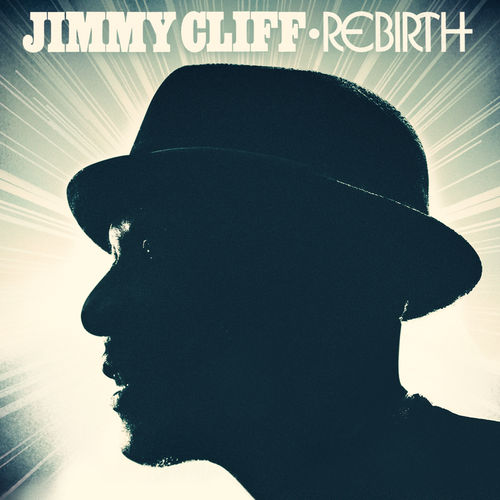
| 2012 | Second Grammy for Rebirth (collaboration with Tim Armstrong of Rancid) |
From Young Dreamer to Voice of Reggae
James Chambers was born on July 30, 1944, in Saint James, in a rural neighborhood where his father was a tailor and farmer. His mother, Christine, descended from Maroons — formerly enslaved people who fled English colonists to live freely in the mountains — and worked as a domestic. Growing up on the family farm, young Jimmy listened to neighboring sound systems and began writing songs in primary school. At fourteen, his father took him to Kingston where he adopted the stage name Jimmy Cliff — a reference to the heights he hoped to reach.
From adolescence, he chased local producers. His perseverance paid off in 1963: “Hurricane Hattie”, produced by Leslie Kong, became a massive hit in the country. Kong remained his producer until 1971, when he died of a heart attack. In 1964, Cliff was chosen to represent Jamaica at the New York World’s Fair. It was there he met Chris Blackwell, founder of Island Records, who proposed working in the UK.
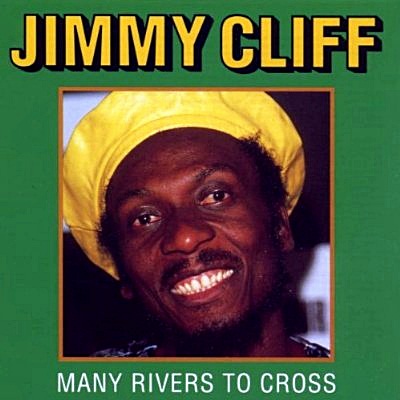
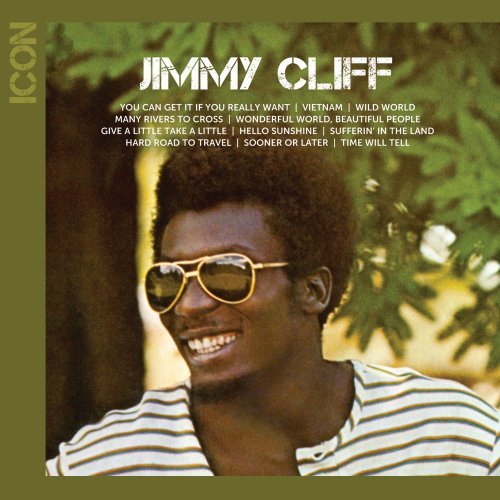
The young man accepted and settled in London. Island recorded Hard Road to Travel (1967): the album was well-received but did not reach a wide audience. Cliff decided to seek validation elsewhere. Invited to represent his country at a festival in Brazil, he won the competition with “Waterfall” and stayed in the country to record an album with samba sounds. Back in Kingston in 1969, hits followed one after another: “Wonderful World, Beautiful People” spent over 13 weeks on the British charts; “Vietnam”, a virulent condemnation of the Vietnam War, captivated Bob Dylan and inspired Paul Simon. “Many Rivers to Cross”, written about the frustrations of his profession, became an anthem covered by John Lennon and UB40. Cliff had become the first international reggae superstar.
The Harder They Come, The Global Turning Point
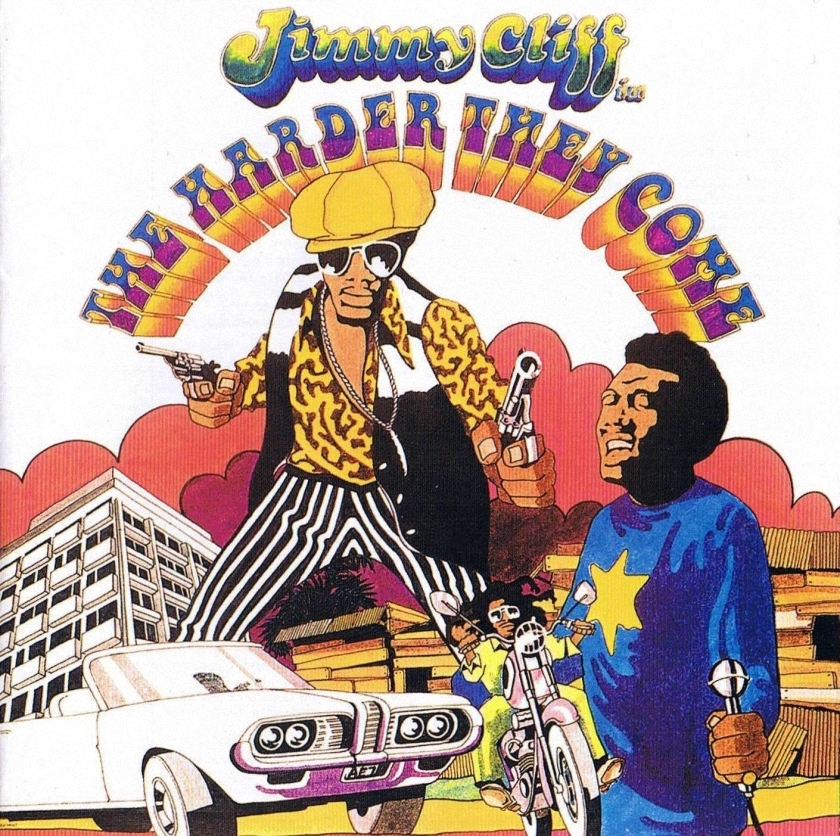
In 1972, director Perry Henzell offered him a role in The Harder They Come. Cliff played Ivanhoe Martin, nicknamed Rhyging, a young country boy arriving in Kingston to become a singer. The dialogues were largely improvised from Cliff’s own story; secondary roles were played by ordinary locals. He didn’t just accept the role: when the director asked if he thought he could handle the music, he replied that he knew he could. The film broke attendance records in Jamaica and became a worldwide cult classic. The soundtrack introduced the international public to reggae — “You Can Get It If You Really Want” became a universal anthem.
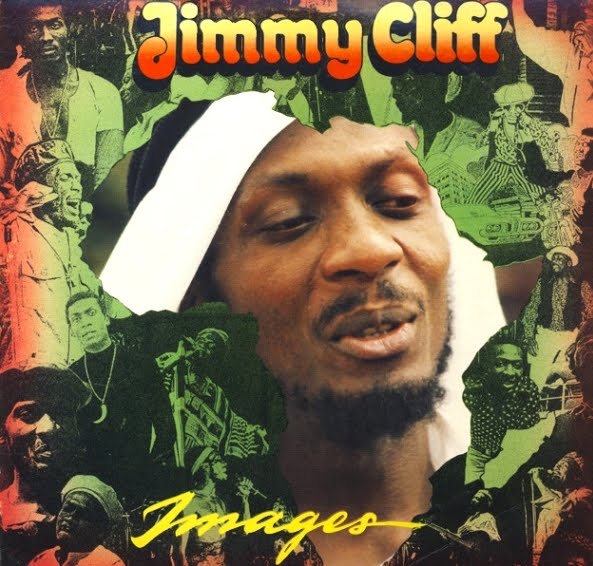
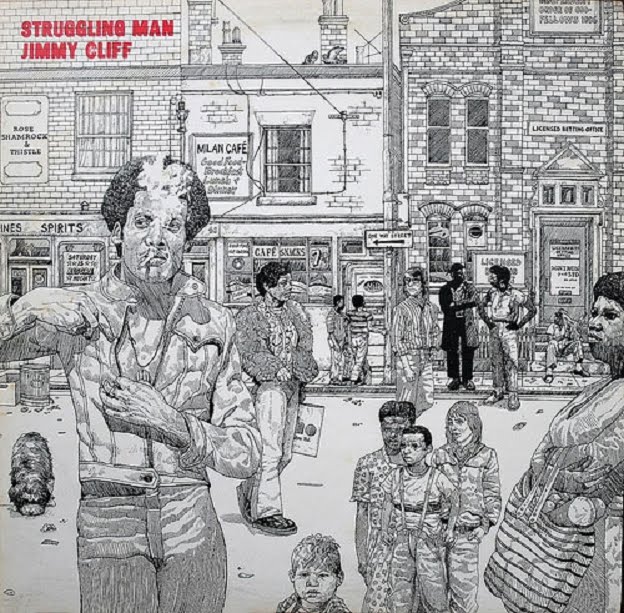
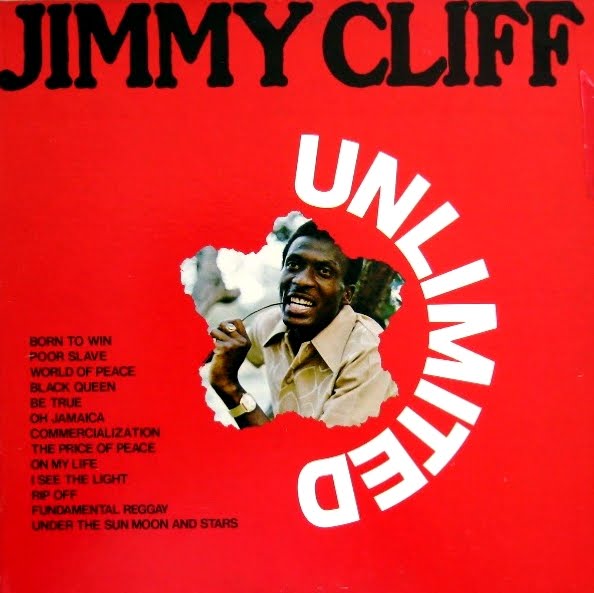
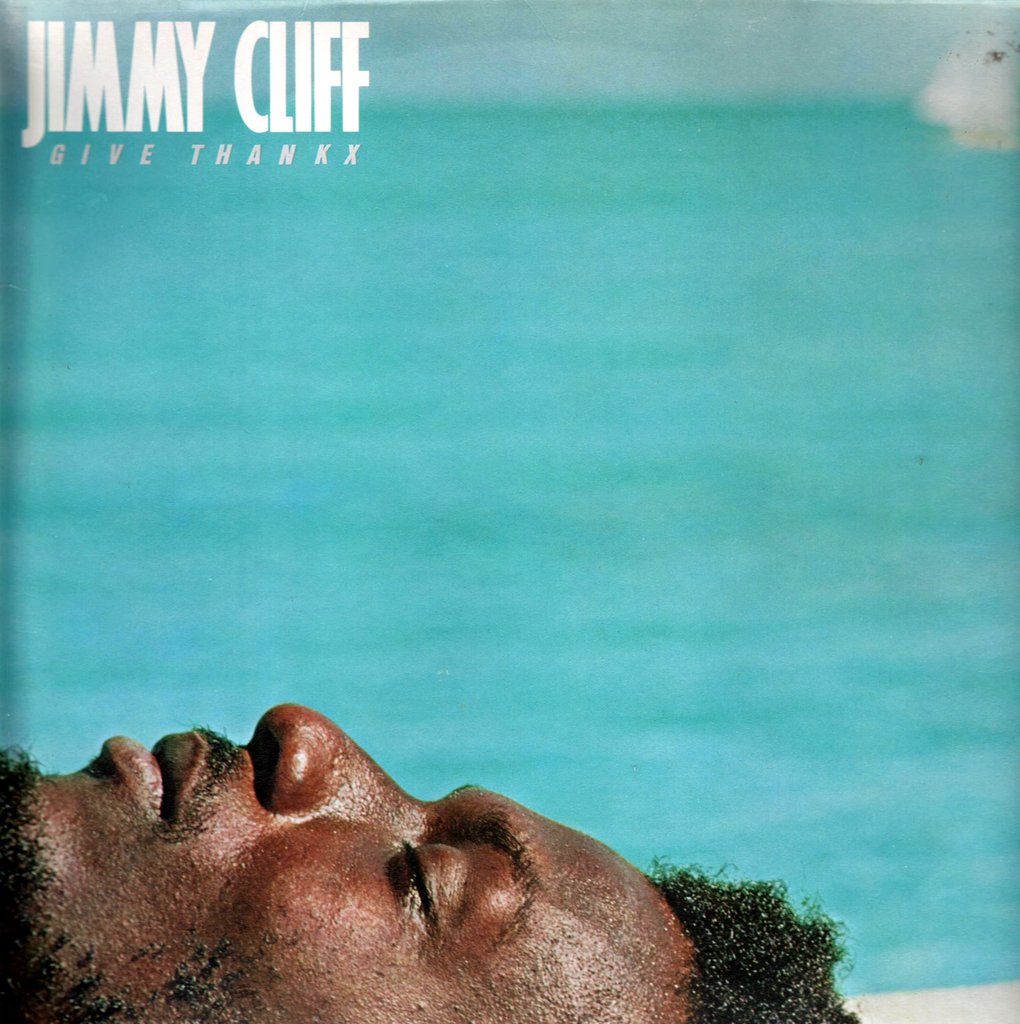
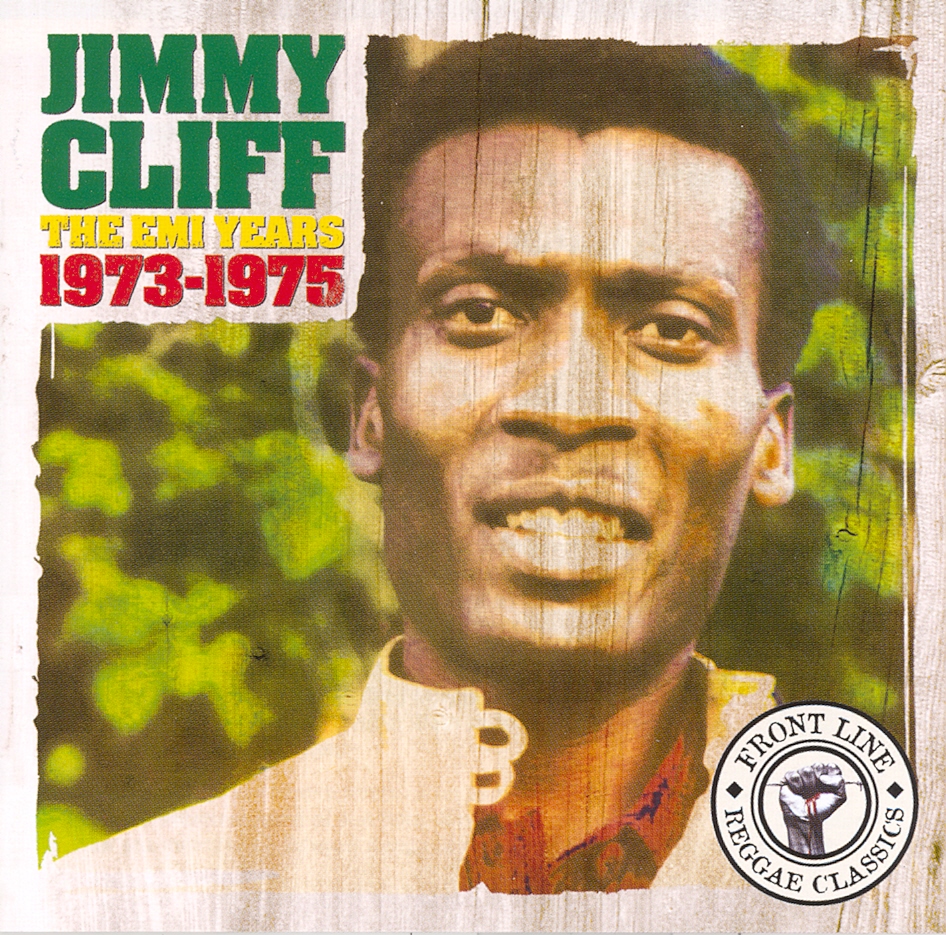
After the success, Cliff left Island for EMI. But Chris Blackwell had just signed The Wailers (Bob Marley) to emulate the rebellious character from the film. Despite strong albums like Unlimited (1973) or Give Thankx (1978, a militant roots reggae album with “Stand Up and Fight Back”), Cliff began to fade into the background. The 1980s saw the musician explore other paths: he collaborated with Khalis Bayyan (Ronald Bell of Kool and the Gang) for The Power and the Glory (1983), appeared in Club Paradise with Robin Williams, and sang on the Rolling Stones’ album. In 1993, his version of “I Can See Clearly Now” for Cool Runnings climbed to the top of international charts. In 2010, he was inducted into the Rock and Roll Hall of Fame — him and Bob Marley are the only Jamaicans honored.
Born a Pentecostal, Cliff became interested in the Rastafari movement in the 1960s. After stays in Africa, he converted to Islam in the 1970s. Prime Minister Andrew Holness paid tribute to a man whose music “lifted people through hard times, inspired generations, and helped shape the global respect that Jamaica enjoys today”.
Major Works
| Work | Year | Why It’s Essential |
|---|---|---|
| “Hurricane Hattie” | 1963 | Cliff’s first Jamaican hit, signature of the ska pop style |
| “Many Rivers to Cross” | 1969 | Universal anthem about the challenges of the profession, covered by dozens of artists |
| The Harder They Come (soundtrack) | 1972 | First truly global reggae album, showcase of the genre |
| Cliff Hanger | 1985 | Grammy Award, collaboration with Ronald Bell (Kool and the Gang) |
| “I Can See Clearly Now” | 1993 | Cover that relaunched his career with a young audience |
Legacy and Influence
Jimmy Cliff opened the doors of reggae to the world. Bob Dylan admired his song about war; Bruce Springsteen performed “Trapped” live and included it in We Are the World. Hollywood cinema used him — Cool Runnings, Cocktail — to introduce millions of Americans to Jamaican sound. Today, reggae is recognized by his voice — that high tenor that transcends ska, rocksteady, and the roots of the 1970s. From reggaeton artists to Afrobeats, the sound of reggae still beats at the heart of global popular music. Jimmy Cliff had predicted the future: « When they wanted to bring reggae to America, they sent Jimmy Cliff. When they wanted to bring reggae to England, they sent Jimmy Cliff. When they wanted to bring reggae to Africa, they sent Jimmy Cliff. » He fulfilled his role as the shepherd of reggae, as he called it himself.
Sources and References
- « Jimmy Cliff », Wikipedia, https://en.wikipedia.org/wiki/Jimmy_Cliff, accessed November 21, 2026.
- « Jimmy Cliff obituary », The Guardian, https://theguardian.com/music/2025/nov/24/jimmy-cliff-obituary, accessed November 21, 2026.
- « Jimmy Cliff », Encyclopædia Britannica, https://britannica.com/biography/Jimmy-Cliff, accessed November 21, 2026.
- « The return of Jimmy Cliff: Rebel spirit is still in the Jamaican people », The Guardian, https://theguardian.com/music/2021/aug/06/the-return-of-jimmy-cliff-rebel-spirit-is-still-in-the-jamaican-people, accessed November 21, 2026.
- « Jimmy Cliff Biography », Rock and Roll Hall of Fame, http://rockhall.com/inductees/jimmy-cliff/bio, accessed November 21, 2026.
- « Jimmy Cliff », BBC News, https://bbc.com/news/articles/cj4qdren425o, accessed November 21, 2026.