Biography
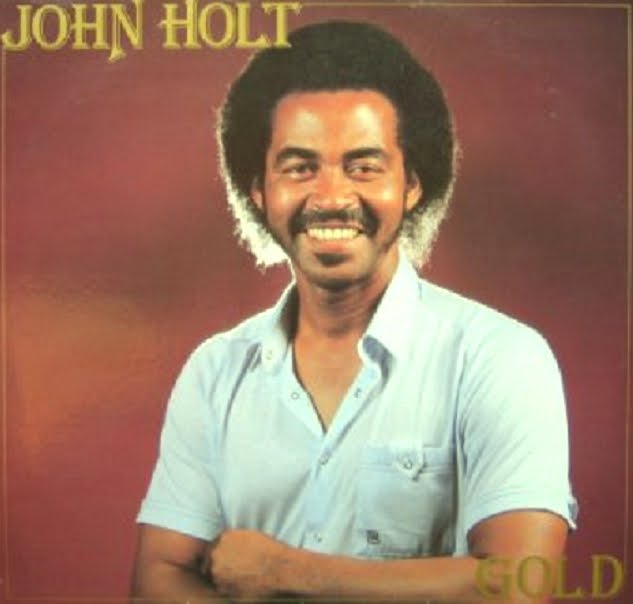
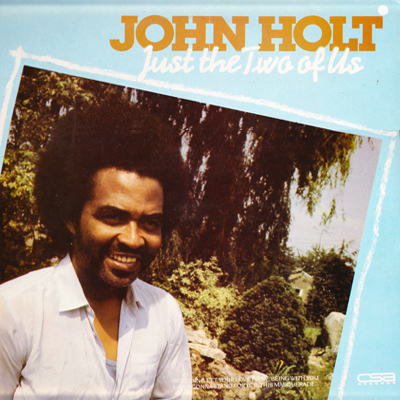
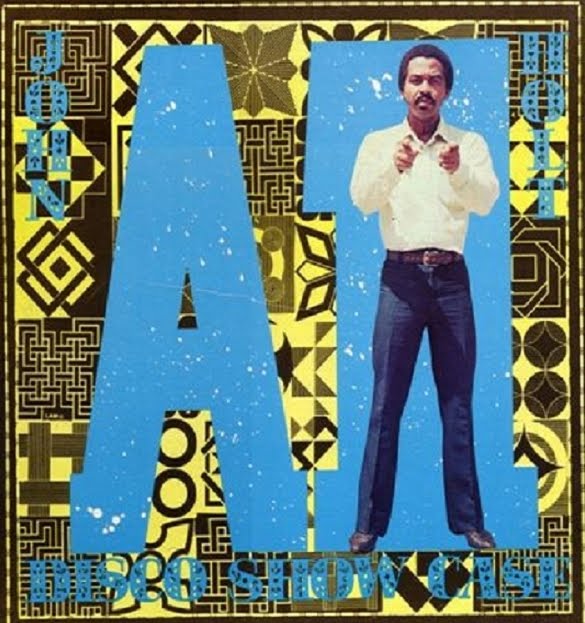
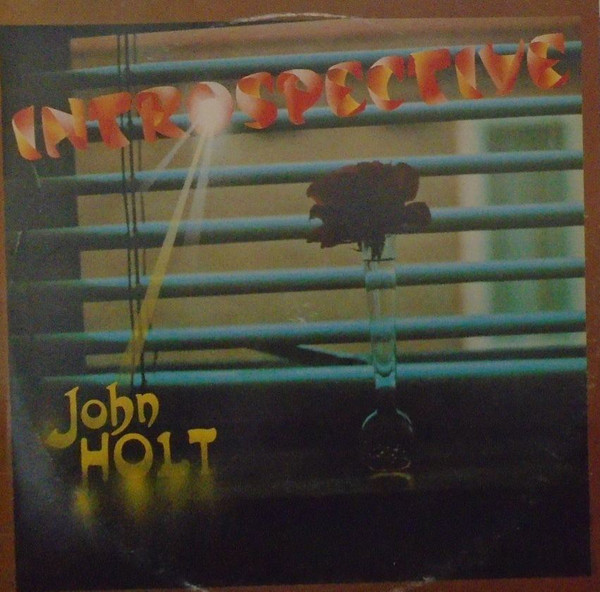
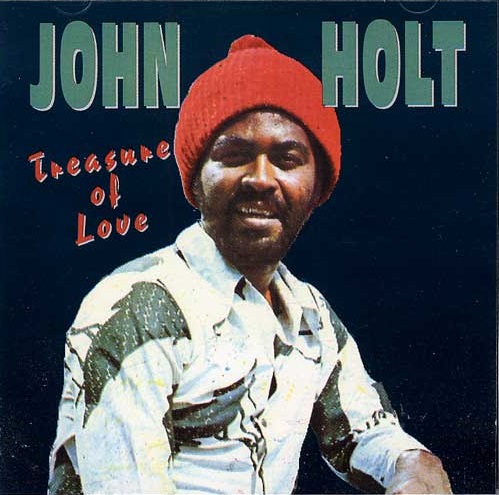
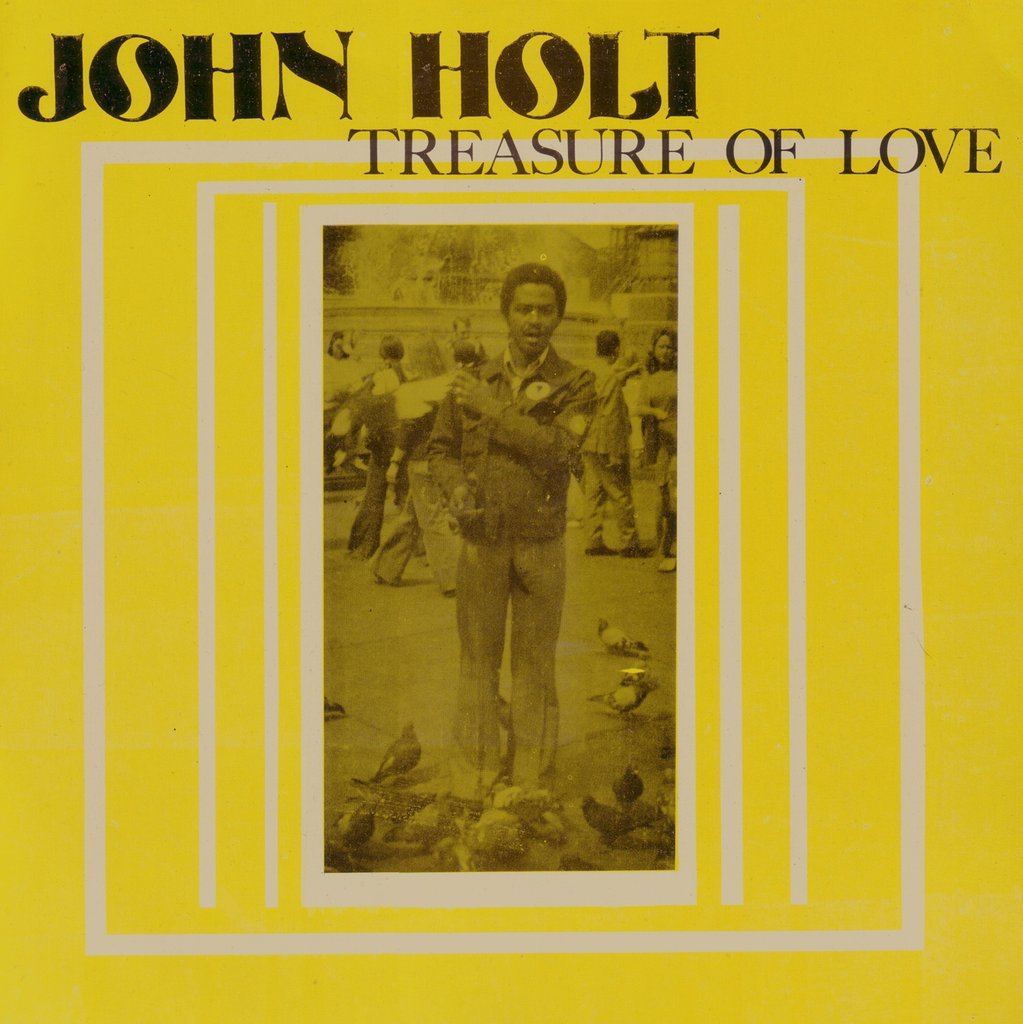
John Holt
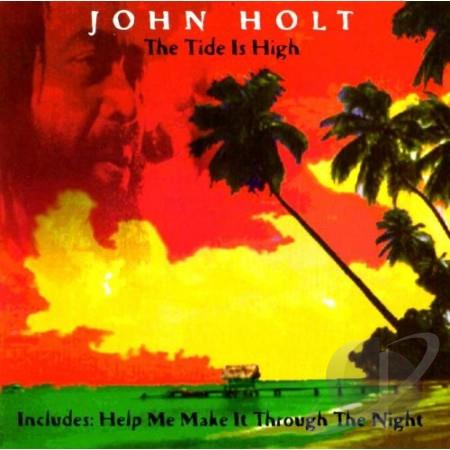
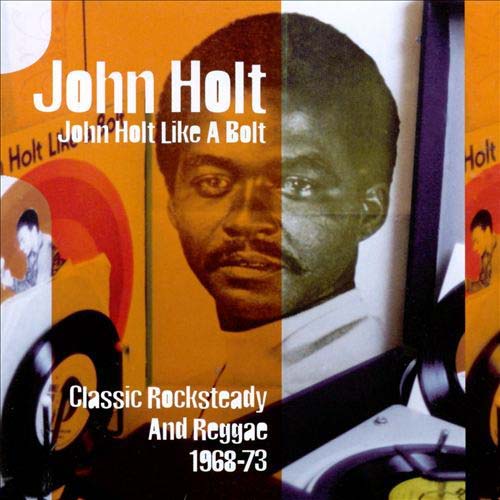
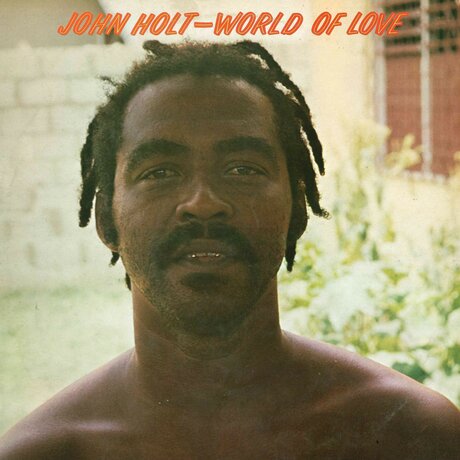
In Kingston in 1963, a sixteen-year-old teenager won his twenty-eighth talent contest on the stages of Jamaican performance halls. His name, John Holt, began to circulate as a promise. His mother Amy, a nurse in the Greenwich Farm neighborhood, could hardly imagine that the child raised near the sounds of the radio would sculpt some of the greatest hits in reggae history — including “The Tide Is High,” which became a global anthem later covered by Blondie and Atomic Kitten decades later.
In brief
| Full name | John Kenneth Holt |
| Birth | 11 July 1947, Kingston, Jamaica |
| Death | 19 October 2014, St John’s Wood, London, England |
| Field | Singer and songwriter — ska, rocksteady, reggae |
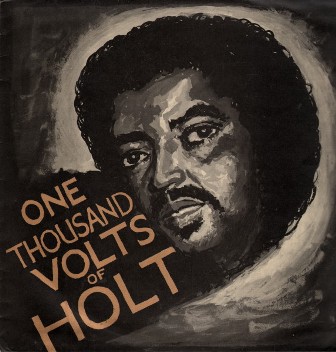
| Signature works | “The Tide Is High”, “Stick By Me”, 1 000 Volts of Holt |
| Honors | Order of Distinction (Commander Class, 2004); BPI gold certification for 1 000 Volts of Holt (2022) |
Key dates
| Year | Event |
|---|---|
| 1958 | At age 12, won his first talent contest; in four years, secured 28 victories with Vere Johns |
| 1964-1970 | Leader of the Paragons; the trio dominated the rocksteady era with “The Tide Is High”, “Ali Baba” |
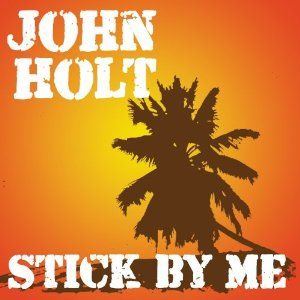
| 1972 | Recorded with Lee Perry, “Stick By Me,” the biggest Jamaican hit of the year |
| 1974 | 1 000 Volts of Holt; “Help Me Make It Through the Night” reached number 6 in the UK |
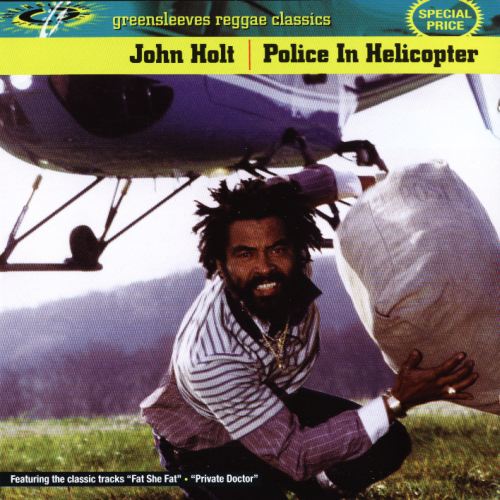
| 1983 | Conversion to Rastafari; Police in Helicopter, a cult album of political roots reggae |
| 2014 | Death in London on 19 October, following colon cancer |
Career and legacy
John Kenneth Holt was born on 11 July 1947 in the Greenwich Farm neighborhood of Kingston. From age twelve, in 1958, he stepped onto the stage of talent contests organized by promoter Vere Johns. These events broadcast live on Radio Jamaica served as a true school for the island’s young artists. Holt won 28 titles in four years — a record that impressed producers from their first meeting.
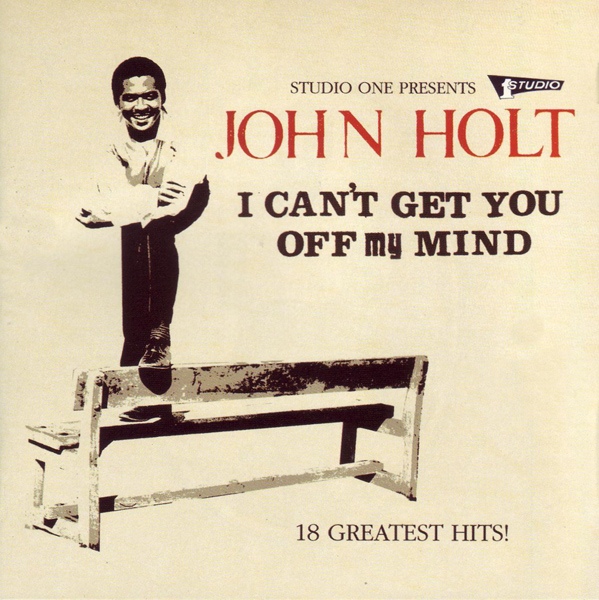
His first single, “Forever I’ll Stay” / “I Cried a Tear,” was released in 1963 under the guidance of producer Leslie Kong. He then collaborated with Alton Ellis on the duo “Rum Bumper,” produced by Vincent “Randy” Chin. In 1964, his career took on a new dimension when he joined the Paragons. The trio formed with Bob Andy and Tyrone Evans signed to Studio One of Coxsone Dodd before moving to Duke Reid’s Treasure Isle studio. The arrival of the Paragons coincided with the rise of rocksteady, a slower rhythm than ska and perfect for vocal harmonies. Holt quickly became the lead singer, songwriter, and arranger of the group. Between 1965 and 1968, every release was a success: “Tonight”, “I See Your Face,” the piece composed by Holt, “The Tide Is High” — which would become a global standard — and “Wear You to the Ball.” Bob Andy recalled his voice by comparing it to Nat King Cole’s, as noted in Ebony. The Paragons’ formula collapsed in 1970 when Tyrone Evans and Howard Barrett, holders of American scholarships, emigrated to the United States.
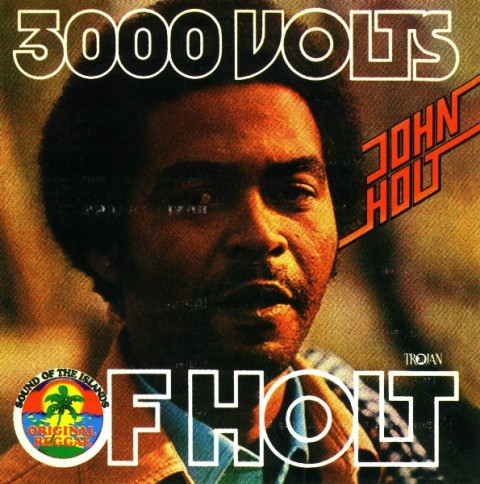
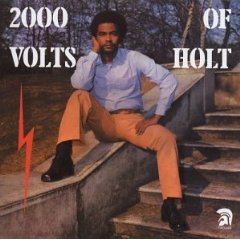
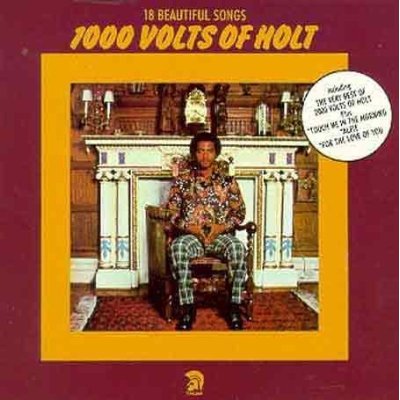
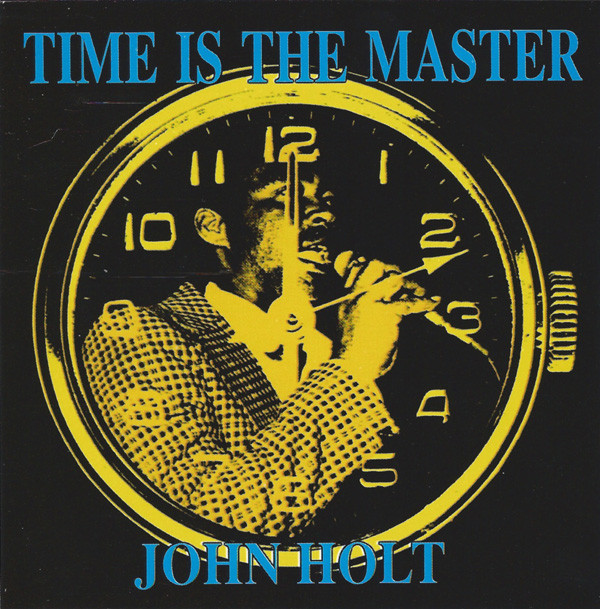
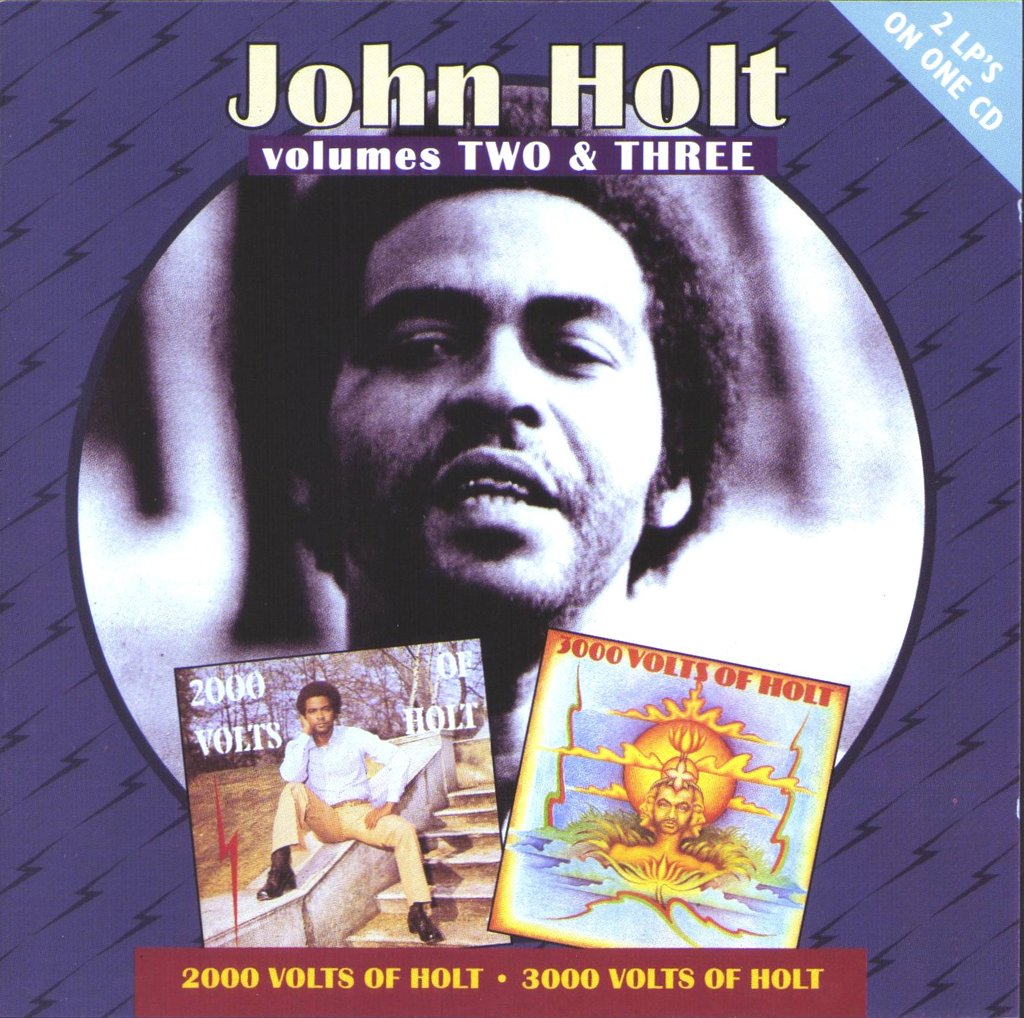
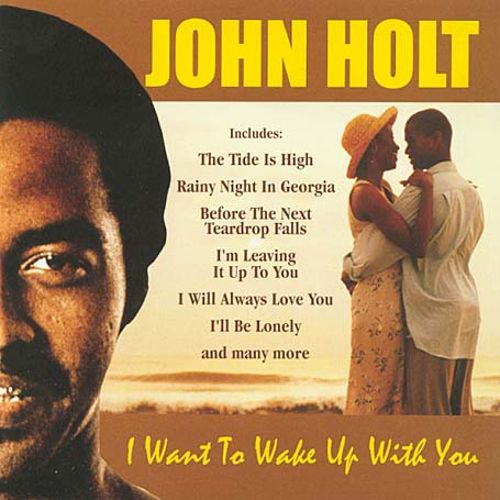
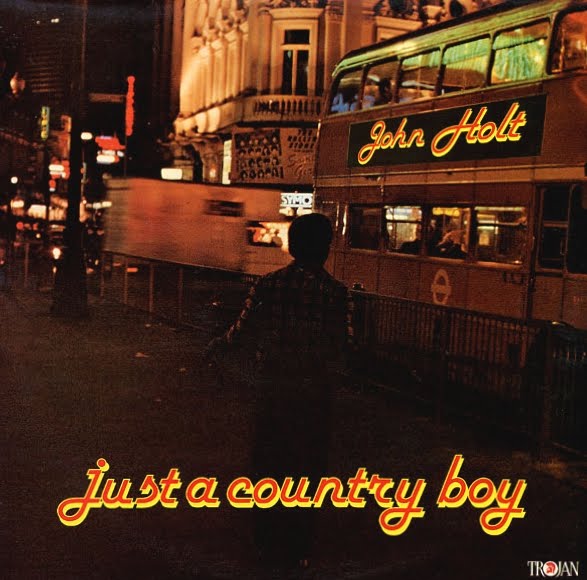
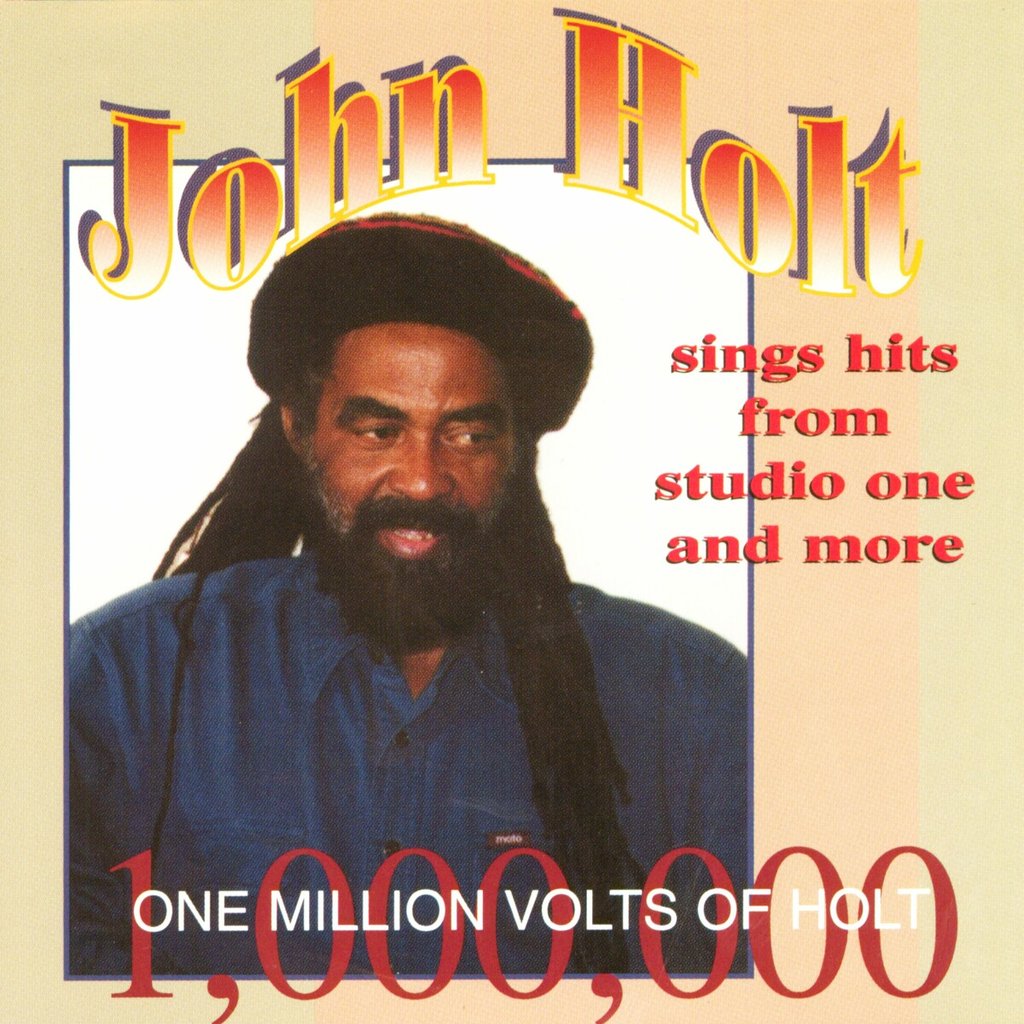
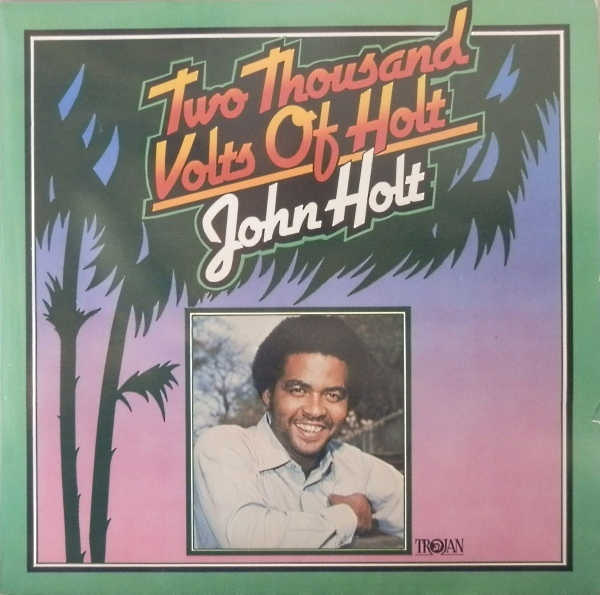
Holt then pivoted to a promising solo career. His meeting with producer Lee “Scratch” Perry in 1972 marked a turning point. “Stick By Me,” designed to embrace the latest dance craze, John Crow, remained at the top of Jamaican charts for 23 weeks and became the best-selling single of the year. He followed up with other classics alongside Jamaica’s greatest producers: Harry J, Prince Buster, Dodd. In 1973, his international career took off when the British label Trojan Records proposed an ambitious project. Time Is the Master, produced by Harry Mudie with orchestral arrangements recorded in London, met notable success. Trojan seized the opportunity: Tony Ashfield, a British pop producer, reworked Holt’s ballads with strings recorded in London. 1 000 Volts of Holt (1974) overturned categories — a reggae singer interpreting Western romantic standards. “Help Me Make It Through the Night” by Kris Kristofferson reached number 6 on the British charts and remains his biggest commercial success.
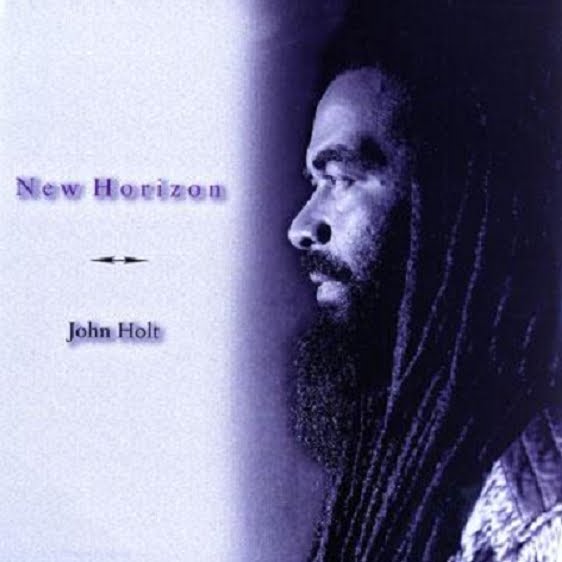
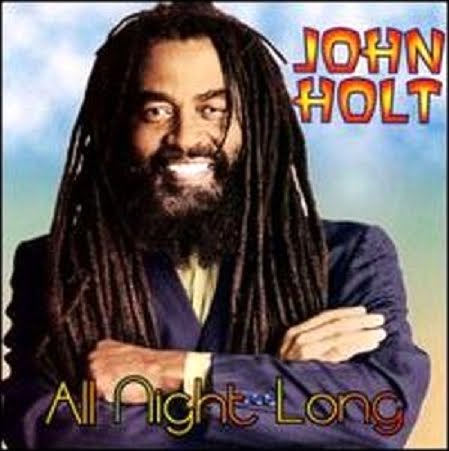
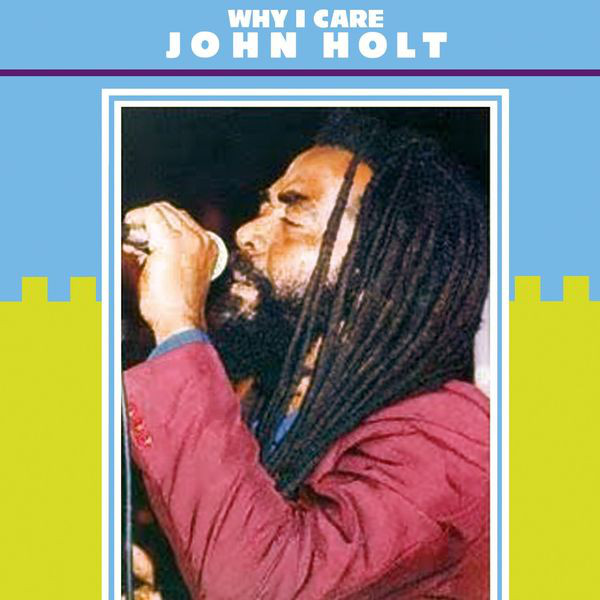
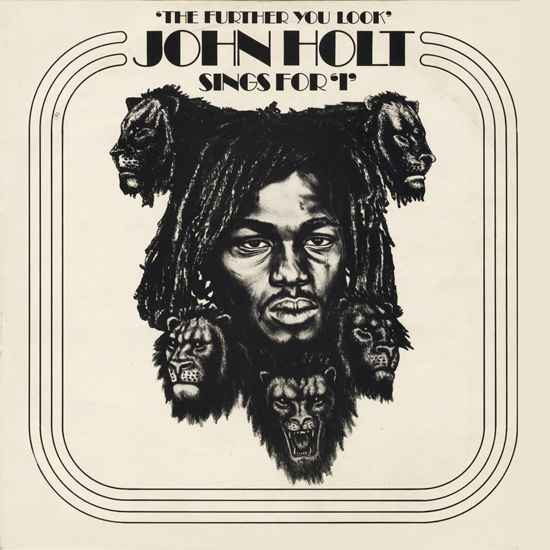
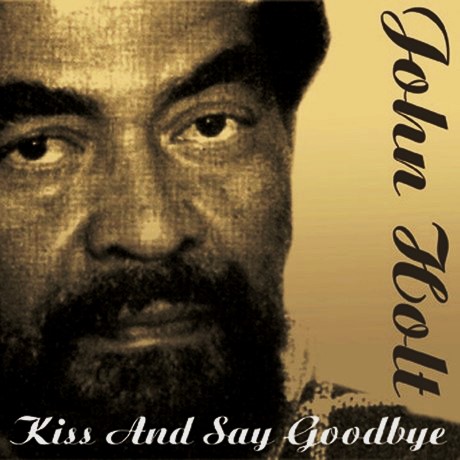
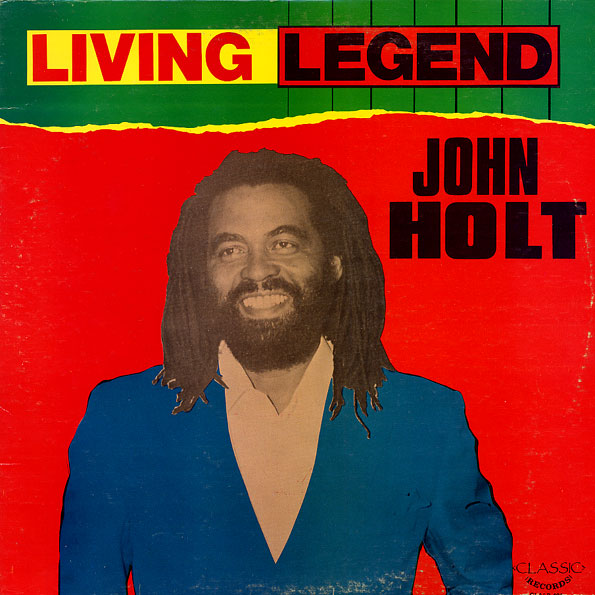
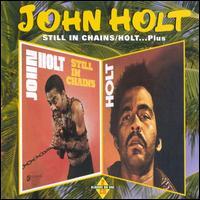
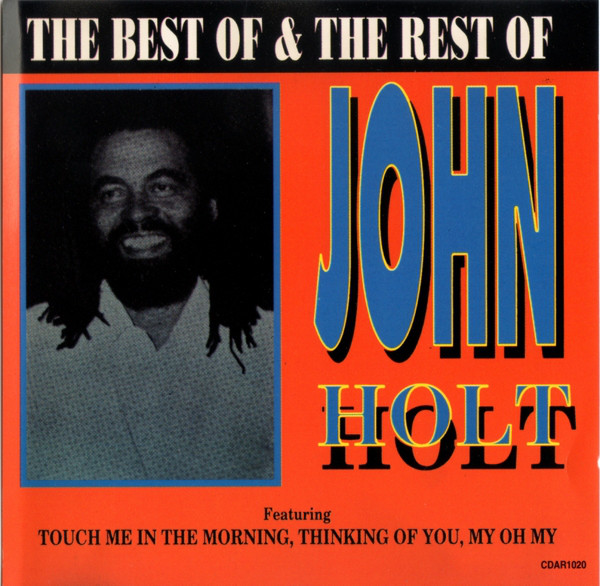
The years that followed, Holt explored a more grounded register. “Police in Helicopter” (1983), a fierce denunciation of the Jamaican government’s repression of marijuana plantations, and “Fat She Fat” testified to his conversion to Rastafari. The singer now sporting dreadlocks, he returned to the roots of roots reggae. Critics hailed Police in Helicopter as a comeback. He continued to perform, multiplying appearances at the Reggae Sunsplash festival and recording more than forty albums. His last official performance took place at the One Love festival in August 2014, where he fell ill. He died on 19 October in London following colon cancer, leaving behind his wife Merl.
Major works
| Work | Year | Why it’s essential |
|---|---|---|
| “The Tide Is High” | 1967 (Paragons) | Composed by Holt, covered by Blondie and Atomic Kitten — a global standard |
| “Stick By Me” | 1972 | Biggest Jamaican hit of the year, staying at number one for 23 weeks |
| 1 000 Volts of Holt | 1974 | Crossover album certified gold in 2022; “Help Me Make It Through the Night” reached number 6 on the UK chart |
Heritage and Influence
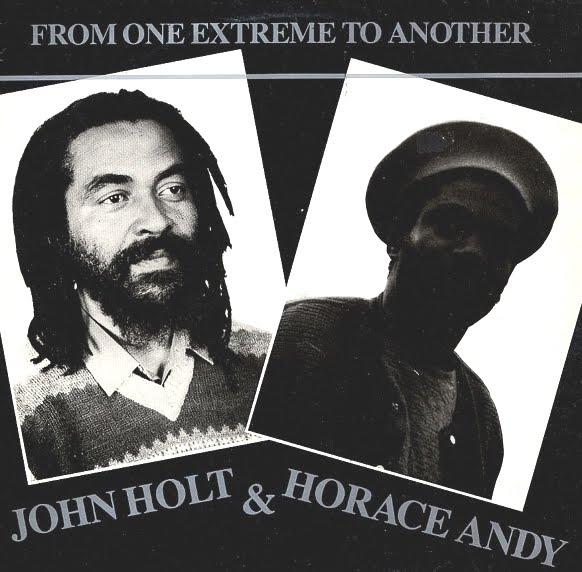
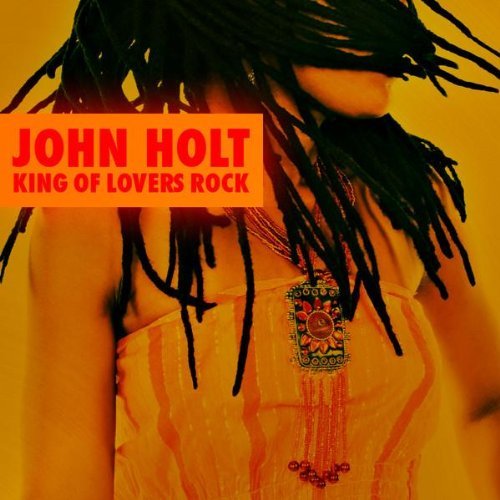
John Holt shaped the Jamaican musical landscape for over fifty years. His interpretation of lovers rock — a register where tenderness prevails over rebellion, characterized by a slower and more romantic voice — paved the way for an entire generation of artists. Dennis Brown, Horace Andy, and Beres Hammond all inherited this vocal code created with the Paragons. Massive Attack incorporated a track by Horace Andy, himself an heir to the romantic tradition that Holt founded.
His compositions extend far beyond the boundaries of reggae: “The Tide Is High” and “Stick By Me” rank among the most covered Jamaican works in history. On November 17, 2014, at the Holy Trinity Cathedral in Kingston, Derrick Harriott, Ken Boothe, U-Roy, and Holt’s sons — Junior and Brian — performed his greatest hits there. He rests in a section reserved for Jamaican music icons, alongside Gregory Isaacs and Alton Ellis. John Holt’s legacy is twofold: as a composer, he gifted immortal songs; as an interpreter, his velvety voice remains an absolute reference in romantic reggae.
Sources and References
- “John Kenneth Holt [CD]”, English Wikipedia, https://en.wikipedia.org/wiki/John_Holt_(singer), accessed November 20, 2026.
- “John Holt obituary”, The Guardian, https://www.theguardian.com/music/2014/oct/20/john-holt, accessed November 20, 2026.
- “John Holt”, Jamaica Information Service, https://jis.gov.jm/jamaica/john-holt/, accessed November 20, 2026.
- “Reggae Icon John Holt Dies”, Ebony, https://www.ebony.com/reggae-icon-john-holt-dies-981/, accessed November 20, 2026.
- “John Holt’s Funeral”, United Reggae by Steve James, https://unitedreggae.com/articles/n1670/112014/john-holt--s-funeral, accessed November 20, 2026.