Biography
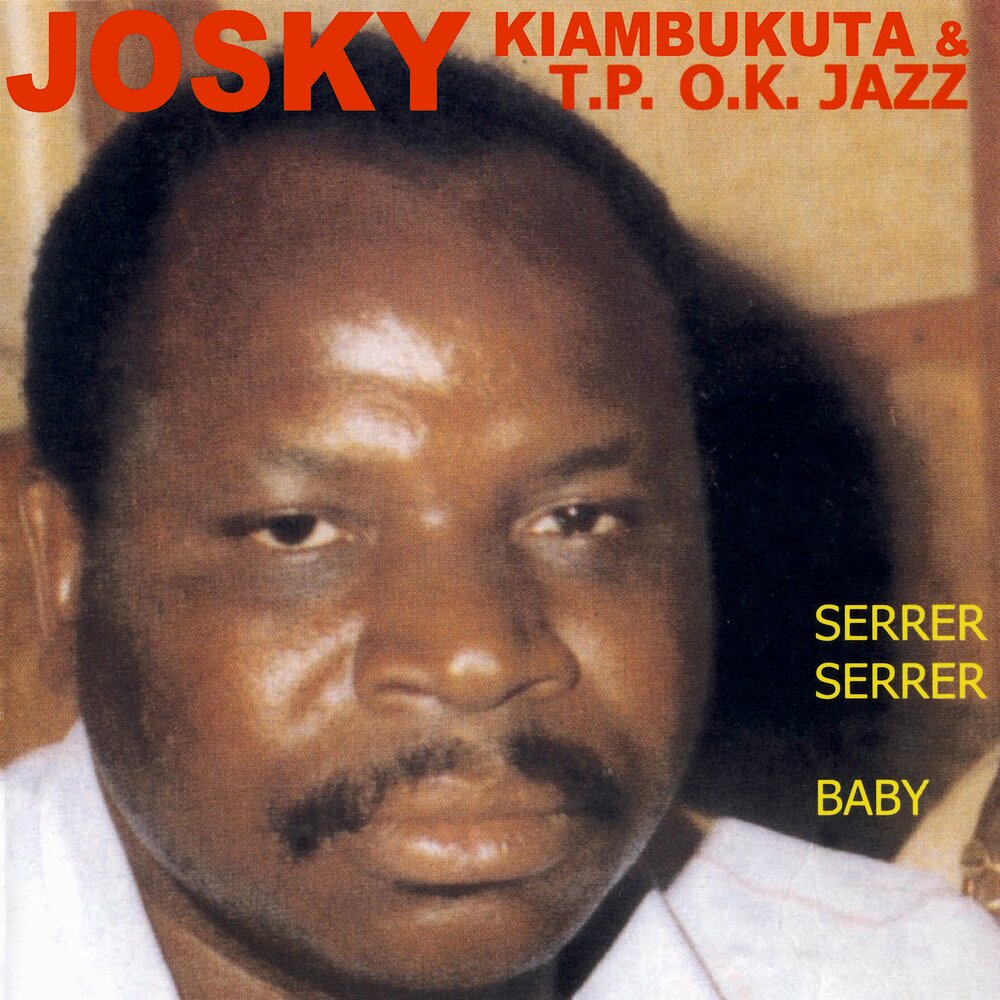
Josky Kiambukuta
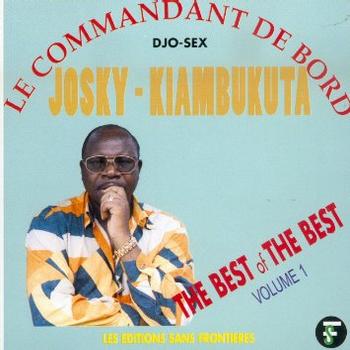
Kinshasa, 1970s. The Un-Deux-Trois dance hall vibrates under the guitars of TP OK Jazz. When Franco Luambo signals to Josky, the audience holds its breath. This young man with a precise timbre — capable of shifting from a luminous tenor to a deep contralto in a few measures — cuts through the cigar smoke and hooks every music lover. Josky is the man who became indispensable through titles that have become heritage.
In brief
| Full name | Joseph Augustin Kiambukuta Londa, known as Josky |
| Birth | February 14, 1949, Gombe-Matadi (Kongo-Central, DRC) |
| Death | March 7, 2021 (age 72), Kinshasa (Ngaliéma clinic) |
| Field | Congolese rumba / soukous — singing, composition |
| Emblematic works | “Propriétaire”, KSK, “Missile”, “Sincérité” |
| Honors | Merit Prize for Culture and Arts (2014) |
Key dates
| Year | Event |
|---|---|
| 1949 | Born on February 14 in Gombe-Matadi, son of Bernard Bakiansuni and Albertine Londa |
| 1965-1969 | Sang in the amateur African Star orchestra of Alexis Mombito in Kinshasa |
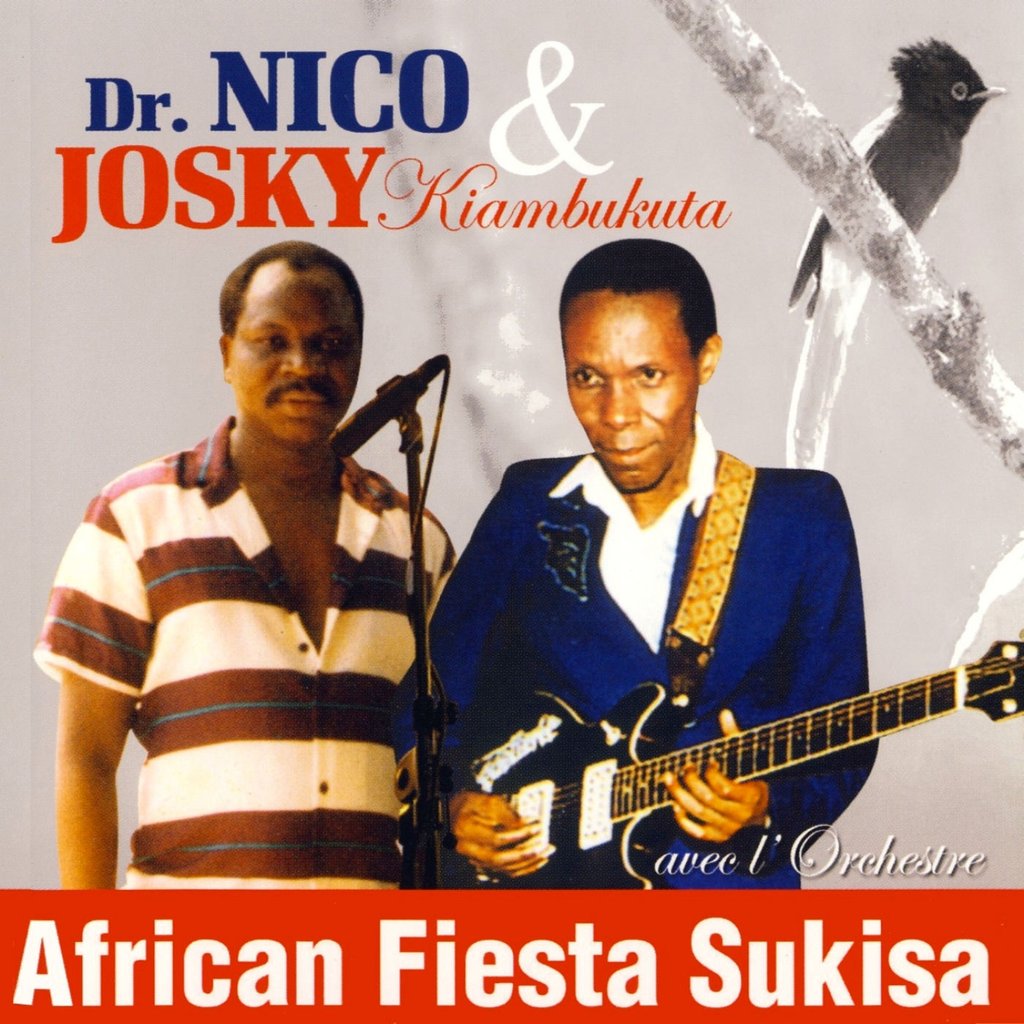
| 1969-1971 | African Fiesta Sukisa by Dr Nico; first hit “Sadi naboyi masumu” |
| 1971-1973 | Continental Orchestra with Wuta Mayi and Bopol Mansiamina; success of “Nakobondela” |
| 1973-1980s | TP OK Jazz by Franco Luambo; consecration with “Propriétaire” (1980) and KSK |
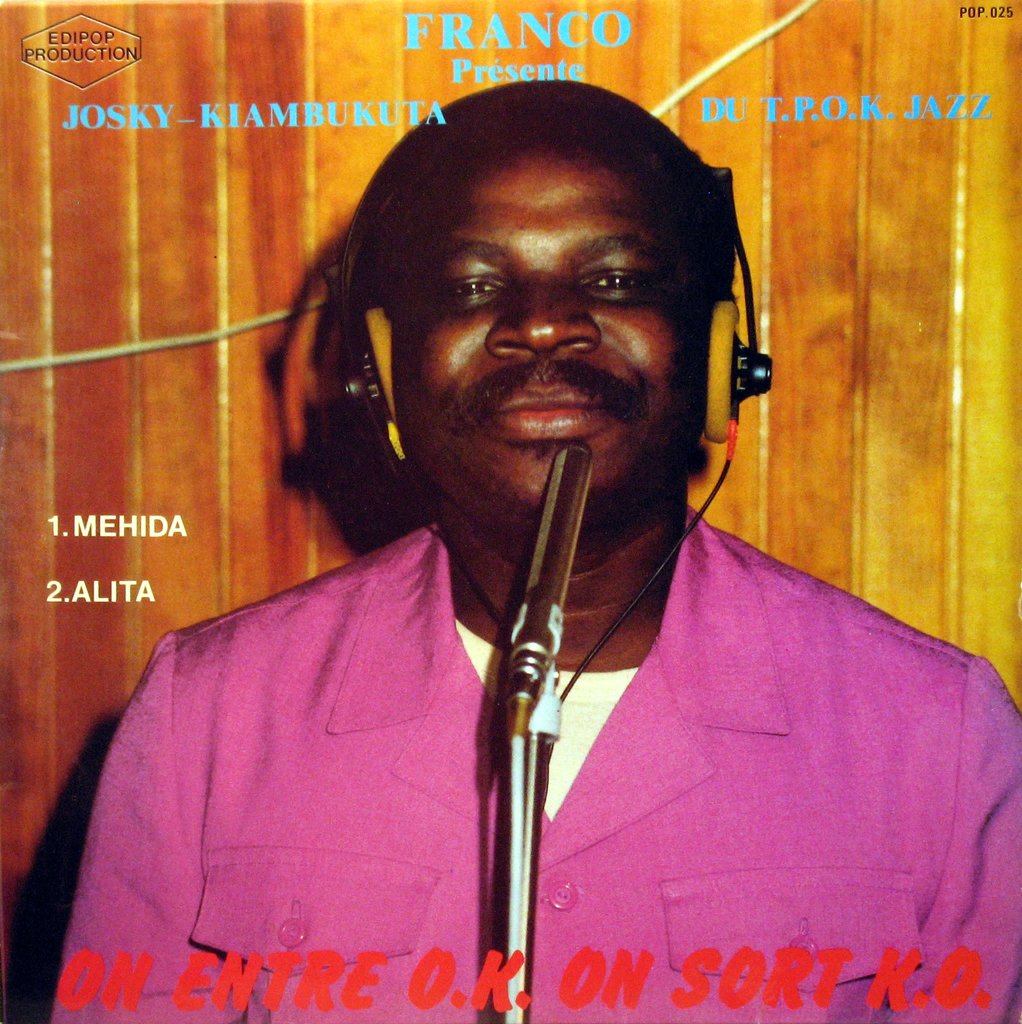
| 1983 | Album Franco présente Josky; Lisanga Ya Banganga sessions (“Missile”, “Chacun pour soi”) |
| 1993-2001 | Bana OK with Simaro Lutumba and Ndombe Opetum; perpetuation of the odemba |
| 2014 | Will receive the Merit Prize for Culture and Arts |
| 2019 | Celebrates 50 years of career in Kinshasa |
| 2021 | Dies on March 7; buried at the Nécropole cemetery in Kinshasa |
From origins to consecration
Born on Valentine’s Day in 1949 in Gombe-Matadi, Joseph Augustin Kiambukuta Londa grew up in the Brussels neighborhood — today Santa Cuba — in Barumbu, Kinshasa. A passionate adolescent, he dreamed of a guitar but the instrument resisted him. Rather than giving up, he shifted his creativity to words and voice, scribbling texts that he adjusted to invented melodies. His first step onto the stage took place in 1965 at African Star, an amateur group where he rubbed shoulders with Lessa Lassan. In 1965, the insistence of his friend Lankis Matondo pushed him to sing in front of Simaro Lutumba, guitarist for TP OK Jazz. The young man acquired a rare tessitura, capable of sliding from a blazing tenor to a contralto.
Josky embraced professionalism in 1969 at African Fiesta Sukisa by Dr Nico. At twenty, he recorded “Sadi naboyi masumu” and composed “Bolingo ya sens unique”. In 1971, he left with Wuta Mayi and Bopol Mansiamina to found Continental. The group, short but fertile (1971-1973), forged its reputation with “Nakobondela”.
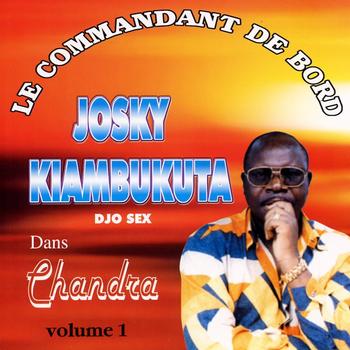
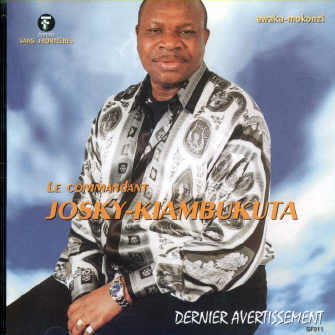
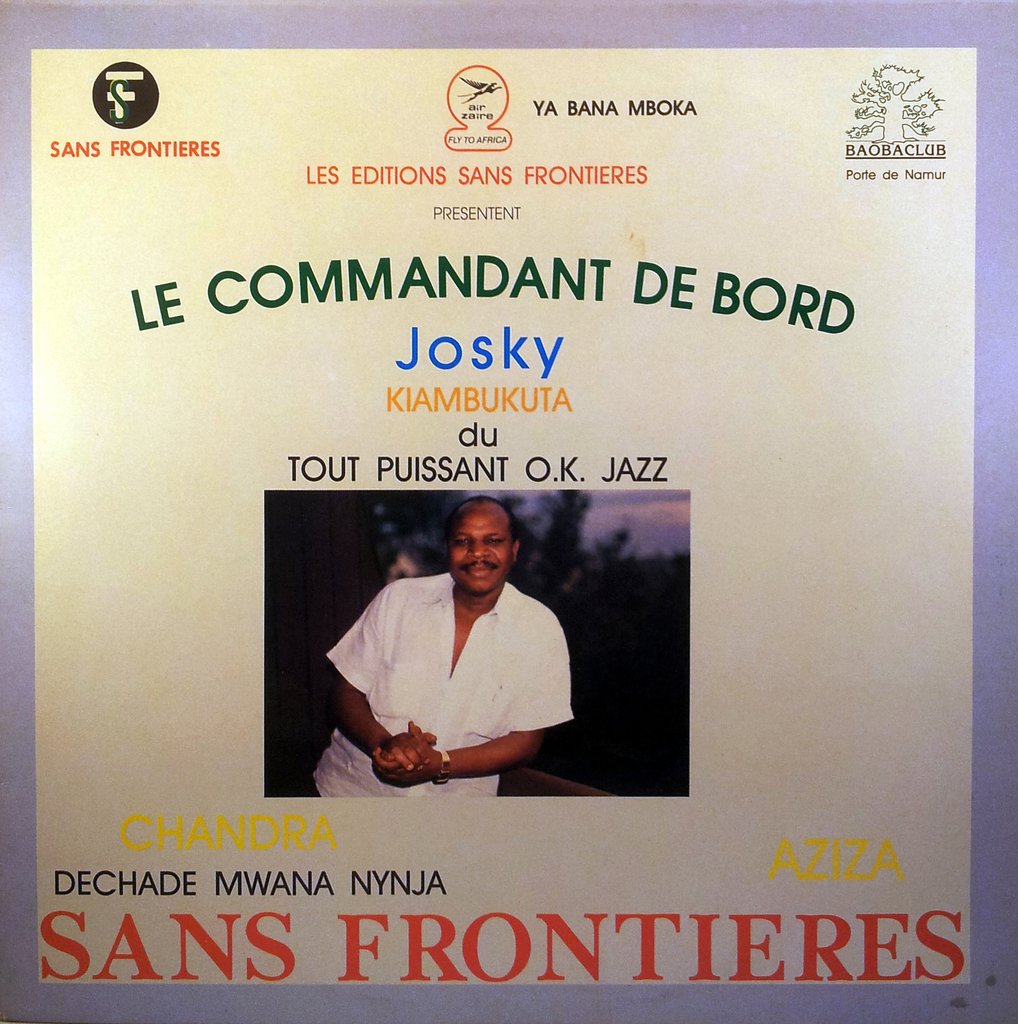
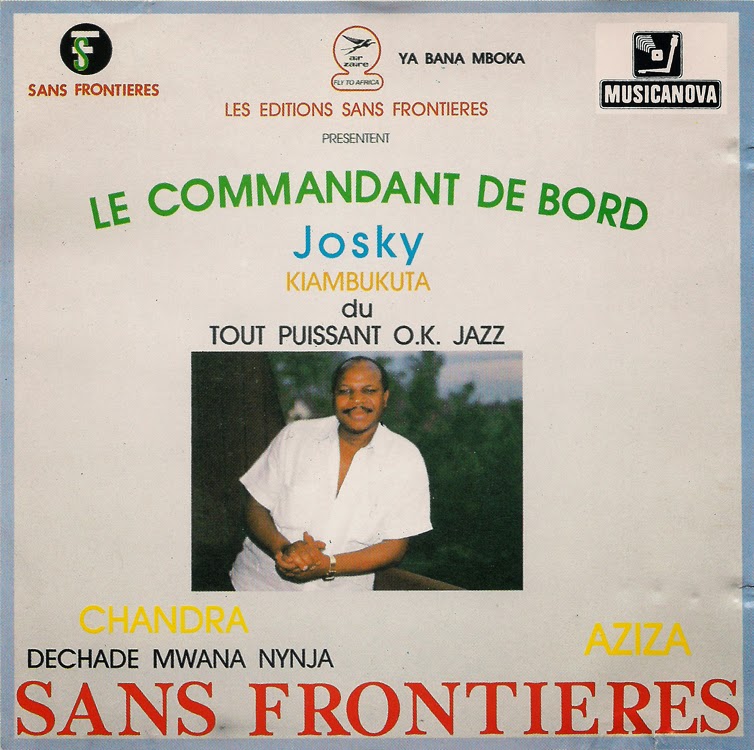
It was in 1973 that Simaro Lutumba facilitated his entry into TP OK Jazz. The first three songs presented by Josky were rejected: his style, steeped in the African Jazz school (lyrical, melodic), clashed with the heavy aesthetic of the odemba. Franco entrusted Simaro with the task of forging Josky in the odemba style. The apprenticeship culminated with “Monzo” and “Kebana”. From then on, Josky forged his own language — the Josky style, a fusion of Manianga folklore and modern rumba, marked by clear phrasing. The music lovers of Un-Deux-Trois adopted him and nicknamed him “Commandant de bord”. Consecration arrived in 1980 with “Propriétaire”, the hit that anchored Josky as the group’s signature voice. KSK, “Fariya”, and “Tu es méchante” were added. In 1983, Franco dedicated the album Franco présente Josky to him with “Limbisa Ngai” and “Alita Tshamala”. The same year, Josky participated in the Lisanga Ya Banganga sessions and recorded “Missile” and “Chacun pour soi”. He was promoted to second vice-president of the orchestra, just after Lutumba.
Major works
| Work | Year | Why it is essential |
|---|---|---|
| “Propriétaire” | 1980 | The hit that anchored Josky as the voice of OK Jazz, an urban ode to melancholy |
| KSK | 1984 | Generational anthem, still played in African clubs |
| “Missile” | 1983 | Romantic lamentation from the Lisanga Ya Banganga sessions |
| “Sincérité” | 1983 | Dreamy melody, written partly in his sleep in Brussels |
Legacy and influence
After Franco’s death in 1989, TP OK Jazz went through troubled years. Josky co-founded Bana OK with Simaro Lutumba and Ndombe Opetum in 1993. He then settled in France (2003), returned to Kinshasa in 2011, and gradually retired around 2009. A stroke had already weakened him, rendering him unable to walk in his final moments. He passed away on March 7, 2021 at Ngaliéma clinic and was buried in the Nécropole cemetery.
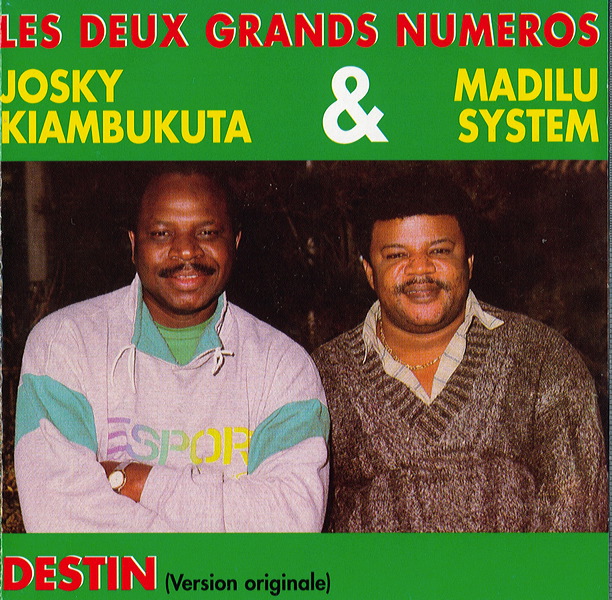
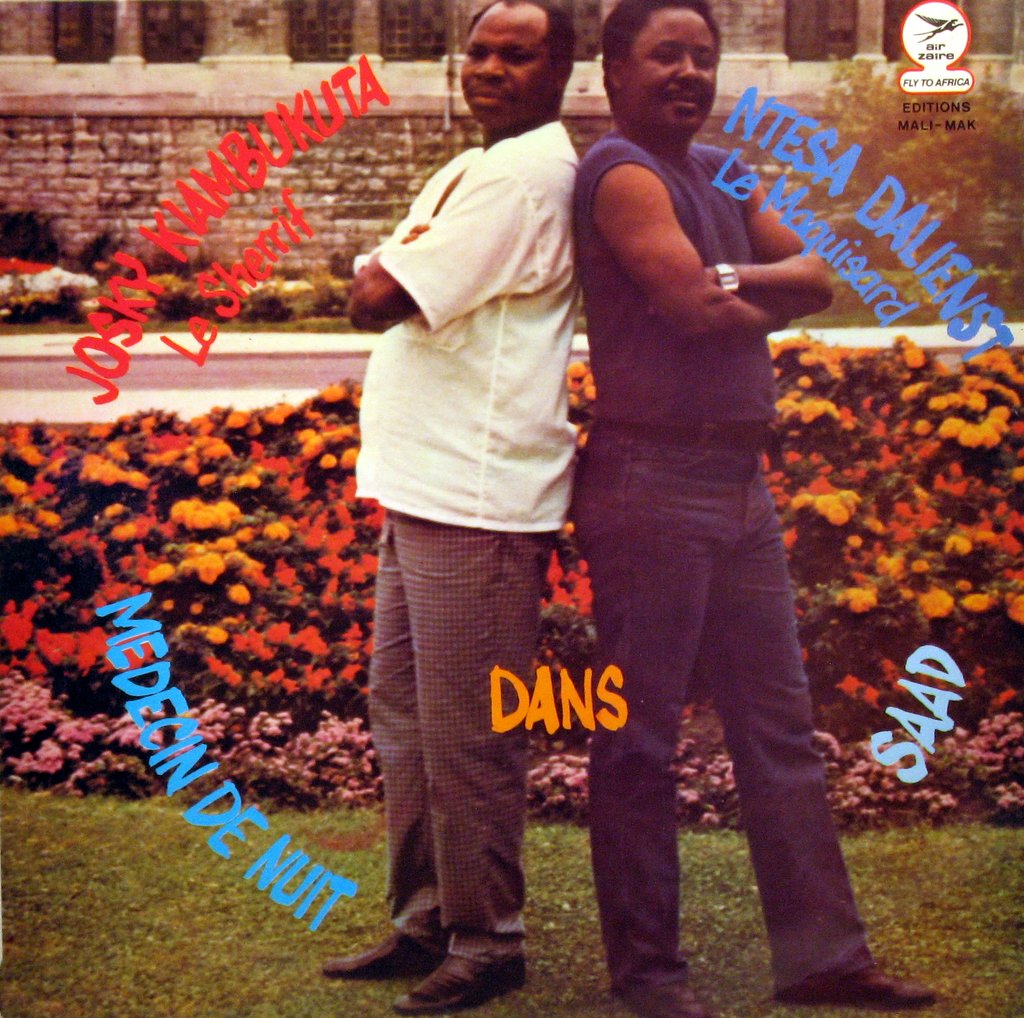
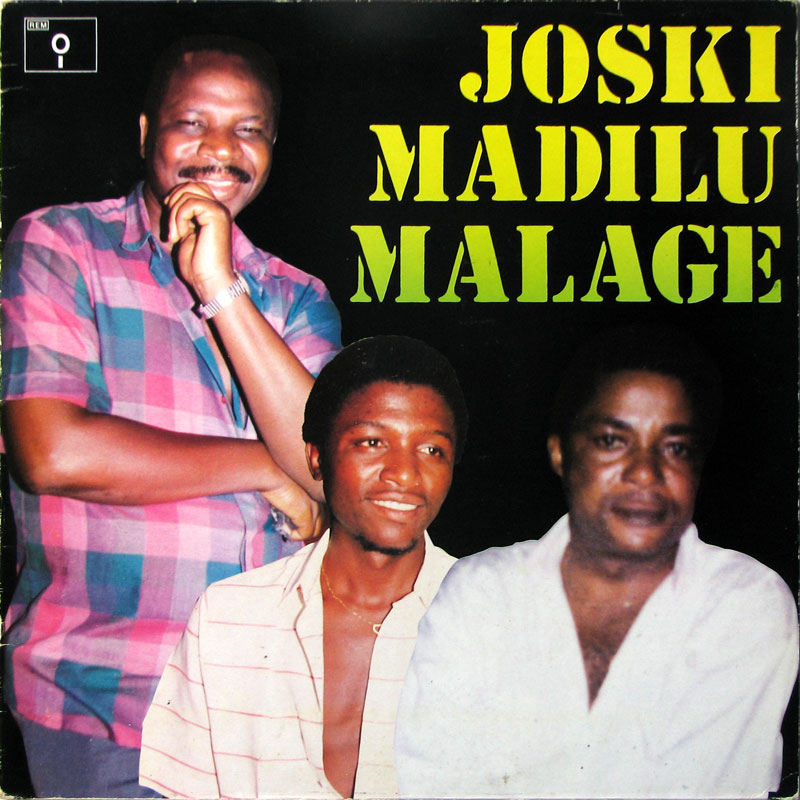
His musical legacy is immense: “Propriétaire” and KSK continue to play on African radios; “Missile”, with its romantic lamentation, is part of the music lovers’ repertoire. Josky — who collaborated with Ntesa Dalienst, Koffi Olomide in his beginnings and Madilu System — remains one of the most prolific composers of Congolese rumba. His ability to adapt without ever renouncing himself, from Dr Nico’s fiesta to Franco’s odemba and then the Bana OK ndombolo, makes him an essential bridge between musical schools.
Sources and references
-
« Josky Kiambukuta », Wikipedia in English, https://en.wikipedia.org/wiki/Josky_Kiambukuta, accessed November 10, 2026.
-
« Joseph Londa Kiambukuta alias Josky (1949-2021) », Univers Rumba Congolaise, https://www.universrumbacongolaise.com/artistes/joseph-londa-kiambukuta/, accessed November 10, 2026.
-
Samuel Malonga, « Josky Kiambukuta, the crooner of OK Jazz », MBOKAMOSIKA, https://www.mbokamosika.com/2021/03/josky-kiambukuta-le-crooner-de-l-ok-jazz.html, March 21, 2021.
-
Jérôme Ogola, « The Indispensable Voice », Jabulani Radio, https://jabulaniradio.com/news/the-indispendable-voice-316, January 28, 2026.
-
« Josky Kiambukuta », Ouragan.cd, http://www.ouragan.cd/2026/06/josky-kiambukuta, 23 June 2026.
-
« Veteran Congolese singer Josky Kiambukuta dies at DRC hospital », Daily Nation (Nairobi), https://nation.africa/kenya/life-and-style/weekend/josky-kiambukuta-one-more-tpok-jazz-voice-goes-silent-3320914, 8 March 2021.
-
« RDC : le musicien Josky Kiambukuta est décédé », Radio Okapi, 7 March 2021.