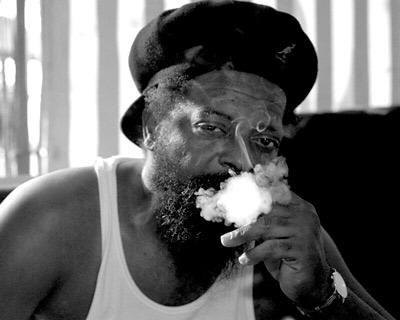
Biography
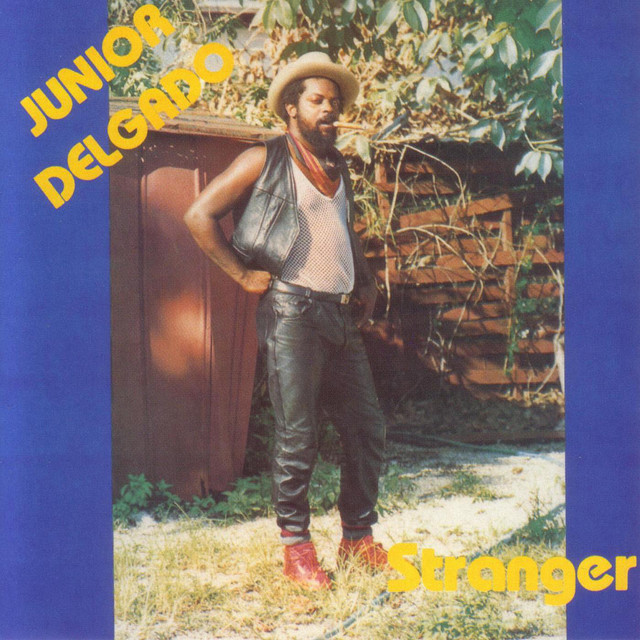
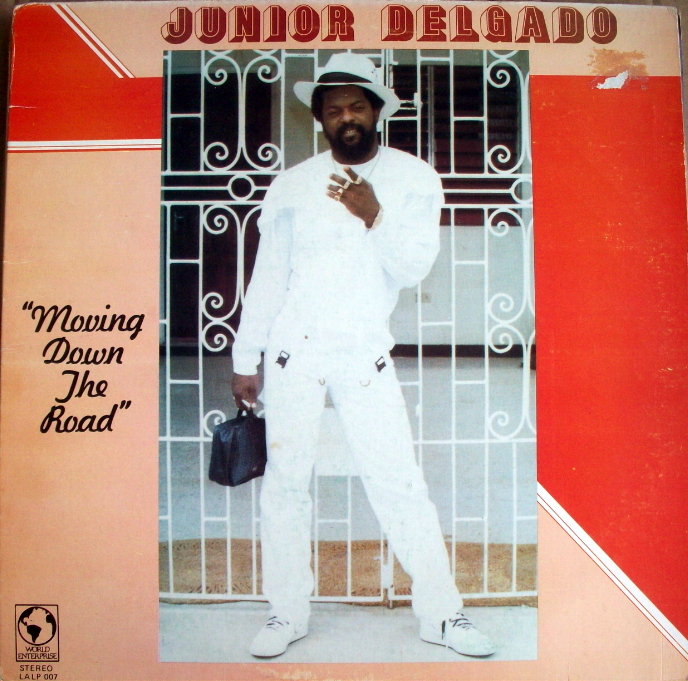
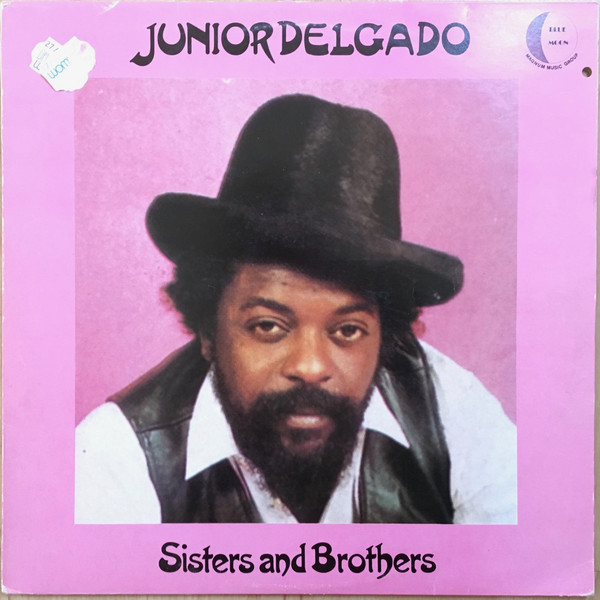
Junior Delgado
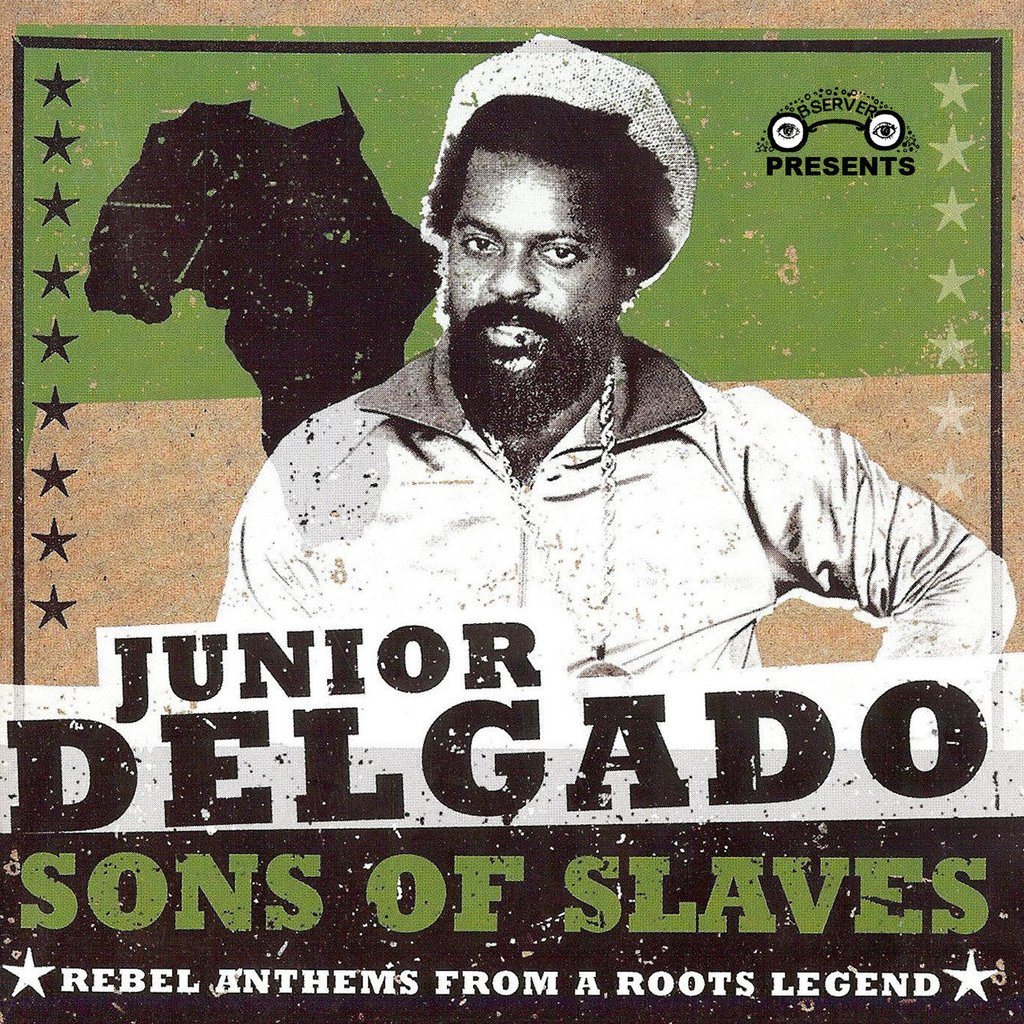
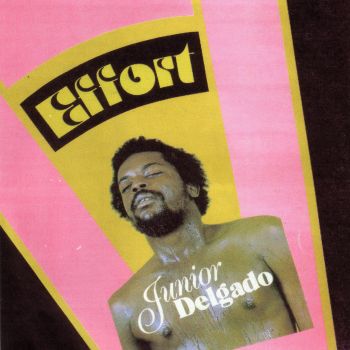
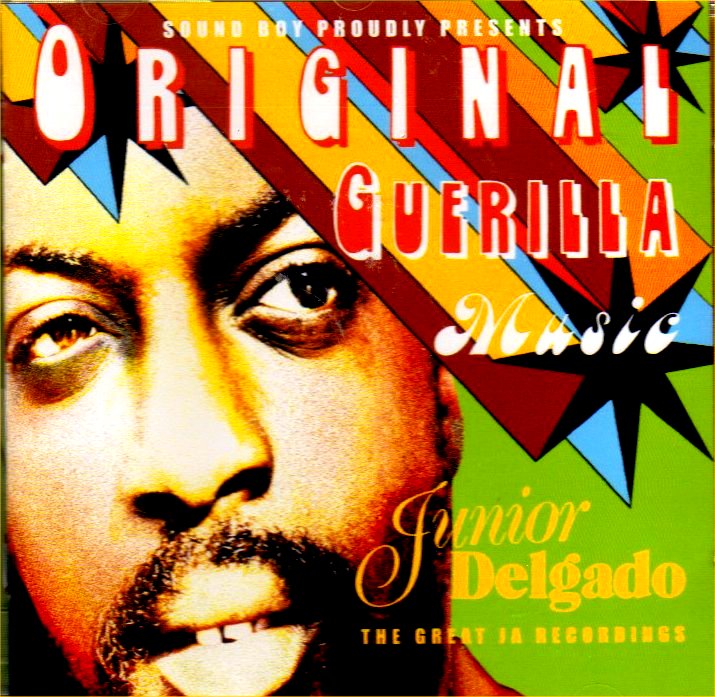
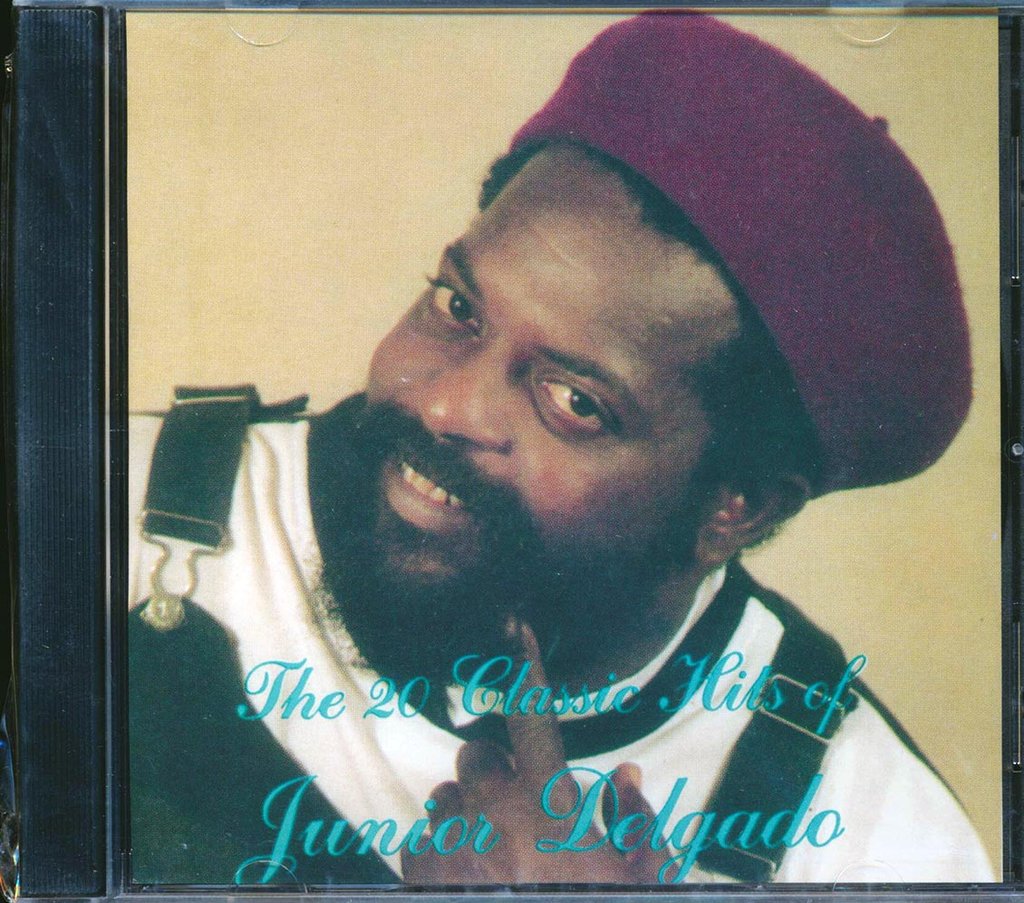
In 1977, at the Black Ark — Lee “Scratch” Perry’s legendary studio in the west Kingston suburbs — a young singer with a deep, rumbling voice performed Sons of Slaves, a reflection on the legacy of slavery that would become an iconic reggae roots track. The man singing, Oscar Hibbert, preferred the name Junior Delgado at the time. He was 19 and didn’t yet know it, but his voice would cross three decades of Jamaican musical transformations — from roots to dancehall, passing through digital raggamuffin — without ever losing his unique timbre that Tim Cooper would describe as a “husky vocal style”1.
In Brief
| Full Name | Oscar Delgado Hibbert |
| Birth | 25 August 1958, Kingston (Jamaica) |
| Death | 10-11 April 2005 (46 years), South London (United Kingdom) |
| Field | Reggae, roots reggae, dancehall, ragga |
| Iconic Works | “Sons of Slaves”, Raggamuffin Year, “Broadwater Farm” |
| Awards | No major awards listed; international critical recognition |
Key Dates
| Year | Event |
|---|---|
| 1958 | Birth of Oscar Hibbert in Kingston, in the Luke Lane neighborhood. His uncle Lennie Hibbert was a vibraphonist and conductor at the Alpha Boys School. |
| 1973 | Formation of the vocal group Time Unlimited with Orville Smith, Junior Marshall and Glasford Manning. Discovered by Lee Perry. |
| 1975 | Departure from the group and start of a solo career under the name Junior Delgado. First local hit with “Tition” on Dennis Brown’s DEB label. |
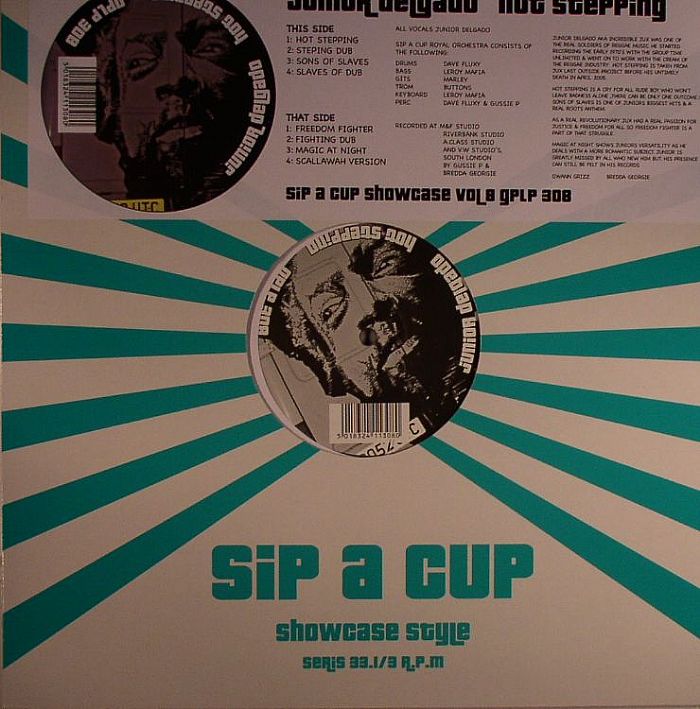
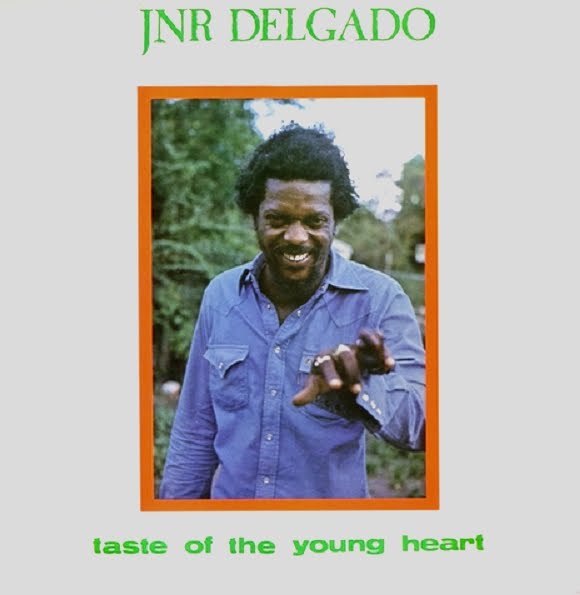
| 1978 | Release of the first album, Taste of the Young Heart, co-produced with Dennis Brown. |
| 1983-1985 | Incarceration for 18 months due to a drug-related offense. |
| 1985 | Return with “Broadwater Farm”, a prophetic track about the London estate of the same name. |
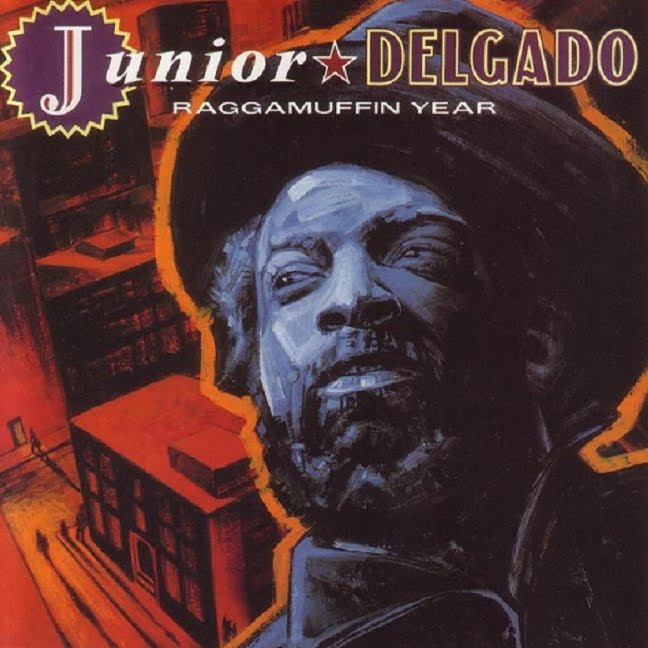
| 1986 | Successful collaboration with Augustus Pablo, Raggamuffin Year, an album that captures the digital sound of the new generation. |
| 1988 | First appearance at Reggae Sunsplash, the flagship festival of the Caribbean scene. |
| 1998-2005 | London period between production, Incredible Music studio and collaborations with the British electronic scene. |
| 2005 | Unexpected death in South London, while asleep. Leaves his wife Janet and seven children. |
From the Streets of Kingston to the Studios of Reggae Giants
Oscar Hibbert grew up in the popular neighborhood of Luke Lane, right in the heart of Kingston. His father was a construction entrepreneur and his mother a seamstress2. The street violence of the 1960s pushed his family to move to the city outskirts, where he met the future members of Time Unlimited. The group caught Lee “Scratch” Perry’s attention, who was then in the midst of creating the Black Ark. Perry immediately recognized the potential of Hibbert’s voice, enough to encourage him to adopt a more honest and Jamaican expression2.
But it was with Dennis Brown — one of the greatest roots singers of his generation and a long-time friend — that Oscar Hibbert’s solo career truly took off. In 1975, Brown welcomed him onto his DEB label and the singer secured his first local hit with “Tition”, a track pointing to the political violence tearing apart Jamaica at the time. The producer Earl Chinna Smith, a key guitarist of the era, traced the strings on it.
After Taste of the Young Heart, Delgado launched his own structure, Incredible Jux, in 1979. He multiplied collaborations with reggae titans — Augustus Pablo for “Blackman’s Heart Cries Out” and “Away With You Fussing and Fighting”, Prince Jammy, Sly & Robbie for “Fort Augustus”3. Delgado’s husky voice quickly established itself as one of the most distinctive in reggae roots.
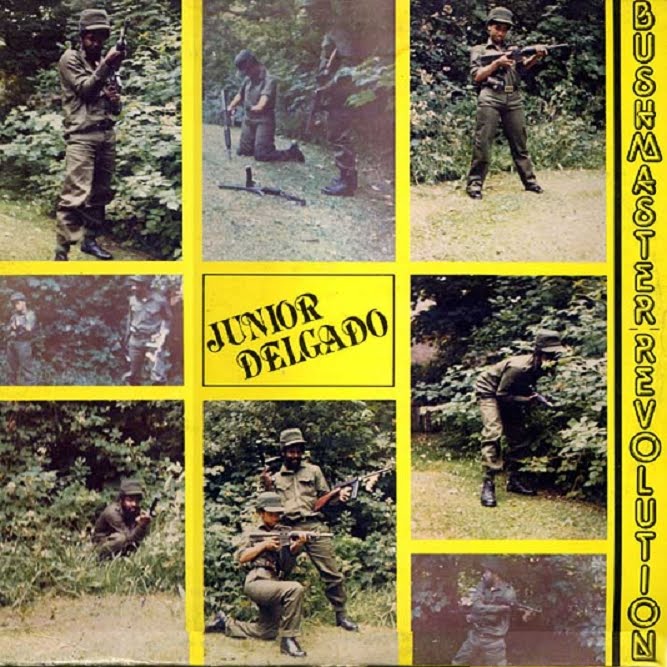
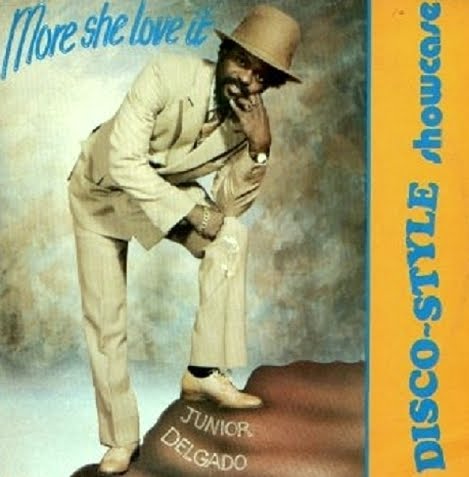
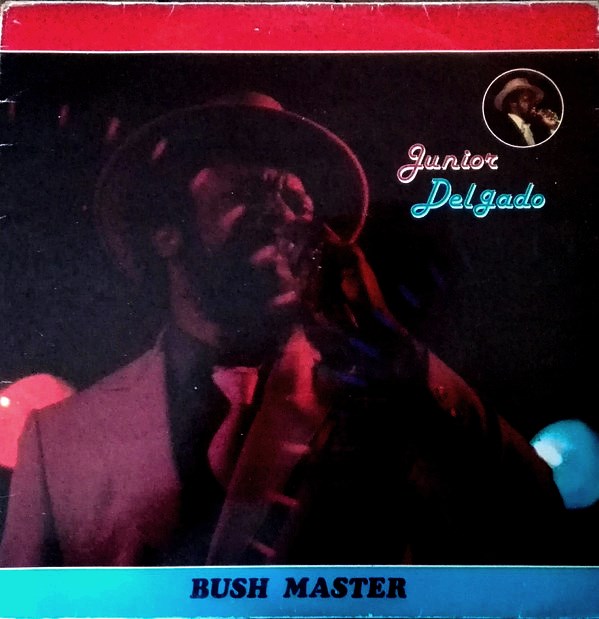
When the scene changed in the 1980s, Delgado resisted as well as he adapted. His albums Bushmaster Revolution (1982) and More She Love It (1981) bear witness to constant curiosity. His prison stay between 1983 and 1985 — eighteen months for a drug-related offense — put his career on hold. But upon release, he bounced back with “Broadwater Farm”, recorded on-site in London and describing the hard life in the north-London estate of the same name. Six months later, the Broadwater Farm riots made headlines in British newspapers4.
The Longevity of a Rare Artist
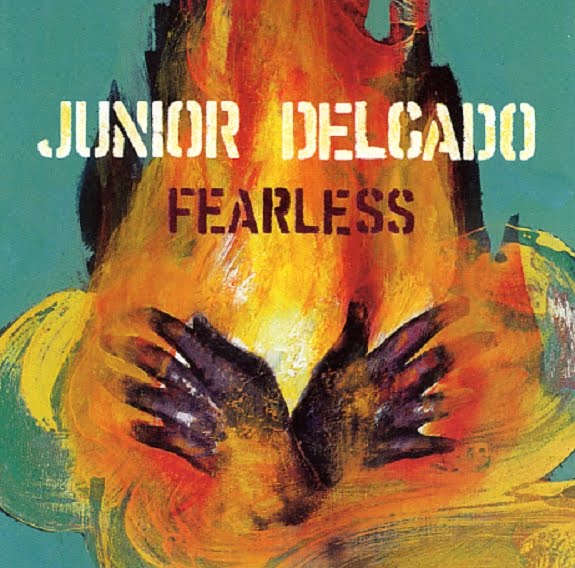
Delgado became one of the few roots voices to maintain success throughout stylistic transitions — from traditional roots to digital ragga, up to modern dancehall5. After a less prolific 1990s decade, he returned with force on the album Fearless (1998), featuring Maxi Jazz from Faithless and Jerry Dammers of the Specials. He shared the stage at Glastonbury and the Roskilde festival in 19996.
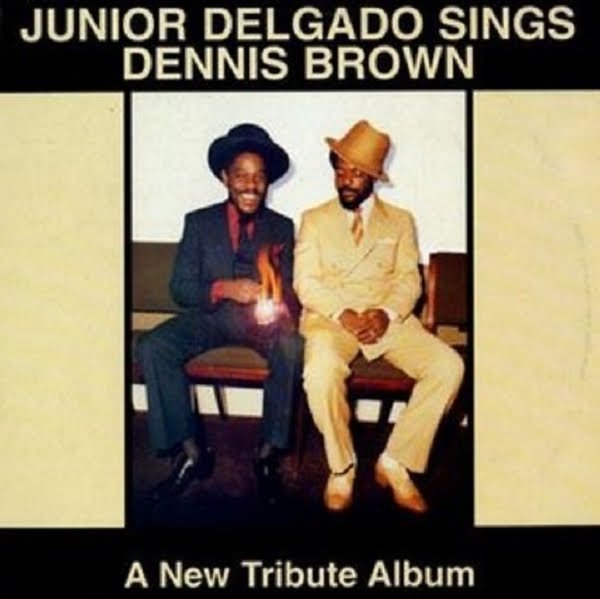
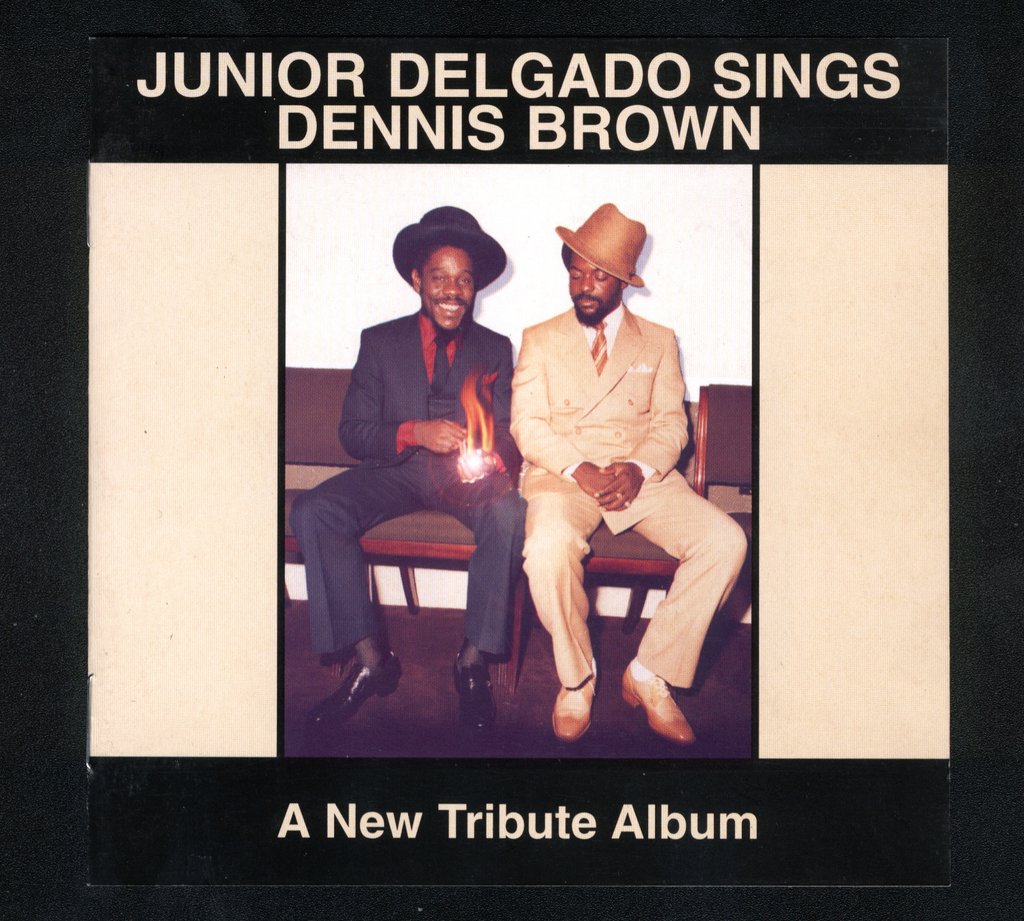
Between Jamaica and London, where he managed a recording studio in Tooting and a record shop7, he continued to nourish the scene. He produced the beginnings of Yami Bolo, a promising young artist who would become one of the pillars of spiritual reggae. He released an homage album to Dennis Brown after his death in 2001, Junior Delgado Sings Dennis Brown, a testament to a friendship that crosses death8.
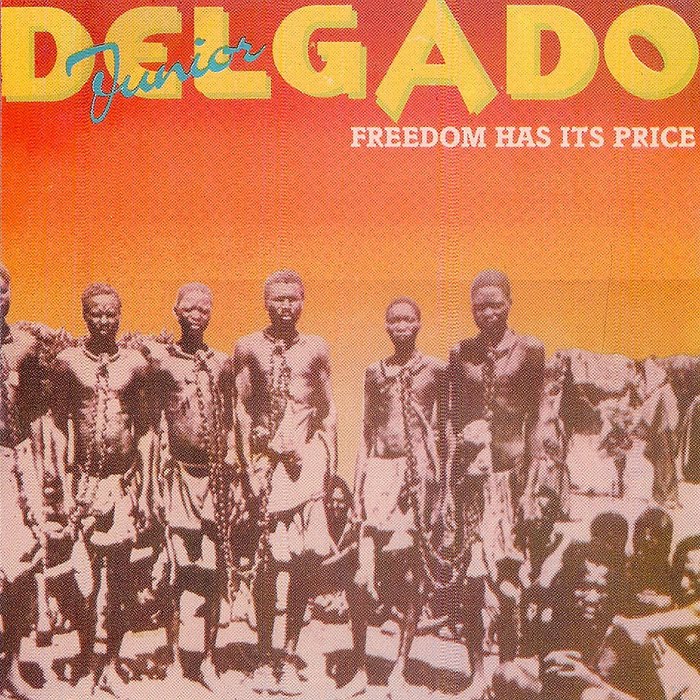
His final albums, Freedom Has Its Price (2003) and Invisible Music (2005, released posthumously), confirm that he had not finished exploring. Junior Delgado passed away on 10 or 11 April 2005, in his sleep in South London9. A spokesperson indicated that the death was unexpected, probably due to natural causes10. Left in mourning: his widow Janet and their seven children.
Major Works
| Work | Year | Why It’s Essential |
|---|---|---|
| “Tition” | 1975 | Delgado’s first hit; a virulent condemnation of Jamaican political violence, produced by Earl Chinna Smith. |
| Taste of the Young Heart | 1978 | First album, co-produced with Dennis Brown; brings together the key singles from the DEB years. |
| “Sons of Slaves” | 1977 | Lee Perry production at the Black Ark; an examination of the legacy of slavery, considered his strongest title. |
| “Broadwater Farm” | 1985 | A prophetic work on the London housing estate; banned following the actual riots at the site. |
| Raggamuffin Year | 1986 | Successful collaboration with Augustus Pablo; captures the transition from roots to digital ragga. |
Legacy and Influence
Junior Delgado demonstrated that a voice does not need to be polished to be powerful. His raspy timbre, devoid of the smooth virtuosity of some compatriots, paved the way for an entire generation of interpreters who preferred authenticity over technical refinement. Dancehall and ragga producers—from King Jammy to Gussie Clarke—all recognized in him a vocal reference. His entire catalogue, from Perry sessions to London collaborations at the end of the 1990s, remains a goldmine for compilations and reissues11. Delgado above all showed that roots reggae is not a genre frozen in the 1970s—it is an attitude that spans decades.
Sources and References
-
Tim Cooper, « Junior Delgado: Sons of Slaves », Eats, Drinks and Leaves, accessed November 22, 2026. ↩︎
-
David Katz, « Junior Delgado », The Independent, May 10, 2005. ↩︎ ↩︎
-
Jo-Ann Greene, « Junior Delgado Biography », AllMusic. ↩︎
-
Dave Thompson, Reggae & Caribbean Music, Backbeat Books, 2002. ↩︎
-
Lloyd Bradley, This Is Reggae Music: The Story of Jamaica’s Music, Grove Press, 2001. ↩︎
-
Nick Talevski, Knocking on Heaven’s Door: Rock Obituaries, Omnibus Press, 2006. ↩︎
-
Steve Barrow & Peter Dalton, The Rough Guide to Reggae, 3rd ed., Rough Guides, 2004. ↩︎
-
BBC News, « Reggae singer Junior Delgado dies », April 14, 2005. ↩︎
-
« Junior Delgado », Wikipedia, accessed November 22, 2026. ↩︎
-
« Junior Delgado 1958-2005 », NME, April 15, 2005. ↩︎
-
W. Kelvin Hughes, This Is Reggae Music: The Story of Jamaica’s Music, 2nd ed., Granadita Books, 1986. ↩︎