Biography
Sory Kandia Kouyaté: The Golden Voice of the Mandinka
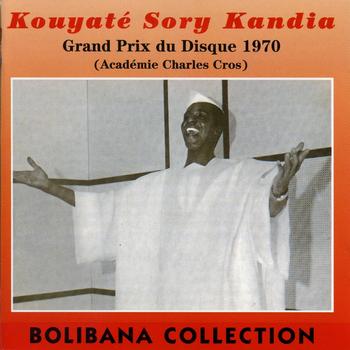
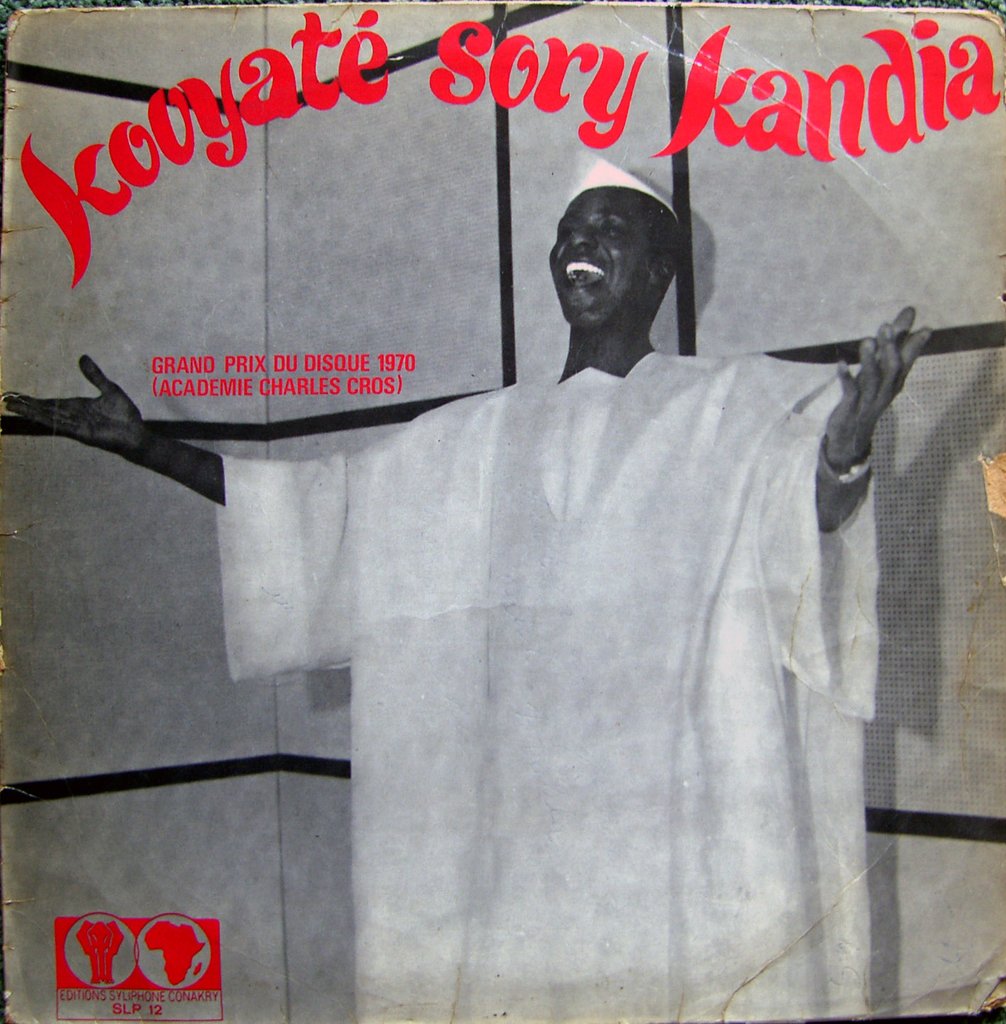
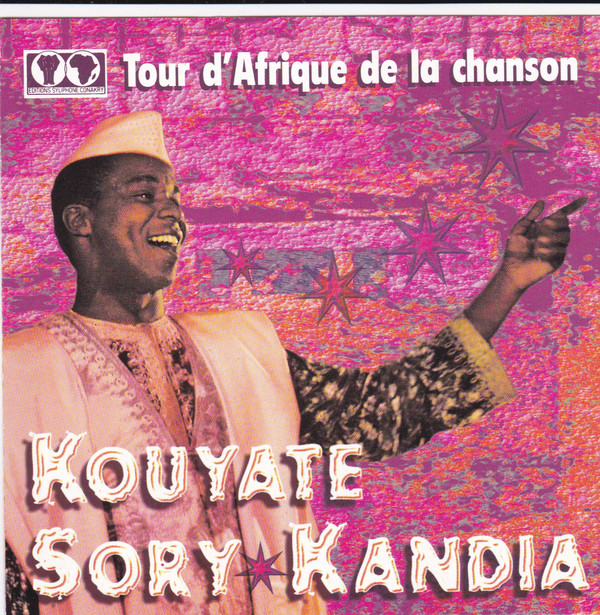
In 1970, in Paris, the Grand Prix du disque de l’Académie Charles-Cros awarded a man whose name was unknown to anyone in France: Sory Kandia Kouyaté, a Guinean griot with an exceptional tenor timbre. Ten years later, at 40, he passed away in Conakry, leaving behind a foundational discography where the Mandinka tradition meets jazz rhythms—long before the world discovered these sounds.
In Brief
| Birth Name | Ibrahima Sory Kouyaté |
| Birth | August 25, 1937 in Manta (Bodié), Dalaba, French Guinea |
| Death | December 25, 1977 in Conakry (40 years old) |
| Field | Mandinka music — griot, storyteller, singer, composer |
| Instruments | Balafon, ngoni (lute), tenor voice |
| Notable Works | L’Épopée du Mandingue, “Tara”, “Nina” |
| Awards | Grand Prix du disque de l’Académie Charles-Cros (1970) |
Key Dates
| Year | Event |
|---|---|
| 1937 | Birth in Manta, Dalaba region, in French Guinea |
| 1950s | Meeting with Sékou Touré during a musical tournament in Labé |
| 1956 | International tour with the Ballets Africains of Fodéba Keïta (Europe, United States, USSR) |
| 1958–60s | Artist at Voix de la Révolution, artistic director of a Guinean ensemble |
| 1960s | Collaboration with Keletigui and Ses Tambourins; recording of Grand Prix du Disque 1970 |
| 1968–73 | Recording of the triptych L’Épopée du Mandingue (Syliphone) |
| 1970 | First prize at the Grand Prix du Disque de l’Académie Charles-Cros in Paris |
| 1970–71 | Tour d’Afrique de la Chanson through several African countries |
| 1975 | Role as cultural mediator between presidents Sangoulé Lamizana (Upper Volta) and Moussa Traoré (Mali) |
| 1977 | Death in Conakry, at the age of 40 |
The Roots of a Griot and the Glory of a Voice
Sory Kandia Kouyaté belongs to the prestigious lineage of the Kouyaté griots, direct descendants of Balla Fasséké Kouyaté—the legendary griot of the Mali Empire in the 13th century. The djeli, in the Mandinka tradition, is a historian, storyteller, and musician: he carries the living memory of a civilization. Very early on, Sory left the royal court of his local chief to join a community of artists, where he met the young Ahmed Sékou Touré.
In 1956, Sory Kandia joined the Ballets Africains of Fodéba Keïta, which went on tour in France, the United Kingdom, the United States, and the USSR. He returned with a confirmed voice—the golden voice of the Manding. After the independence of Guinea in 1958, he became a major cultural figure of the Sékou Touré regime, representing his country at the United Nations and on African and European stages.
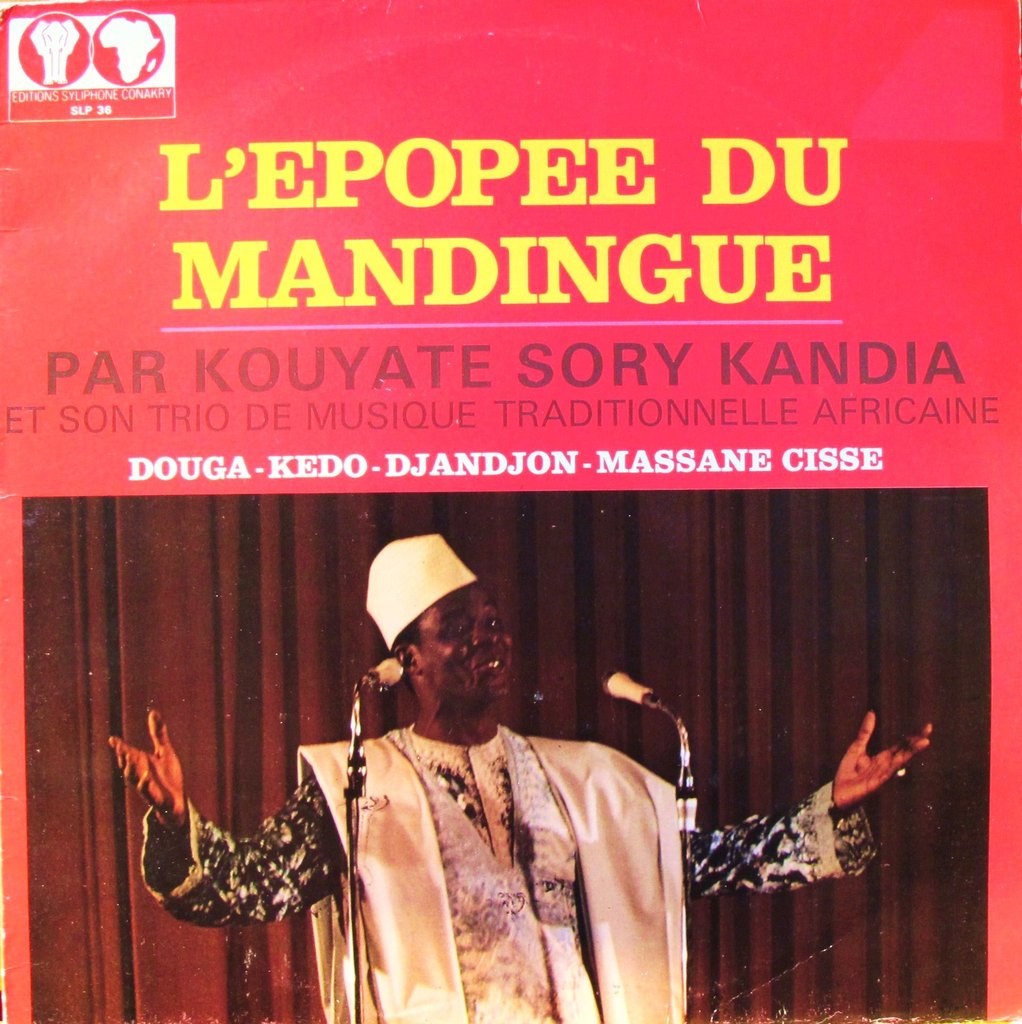
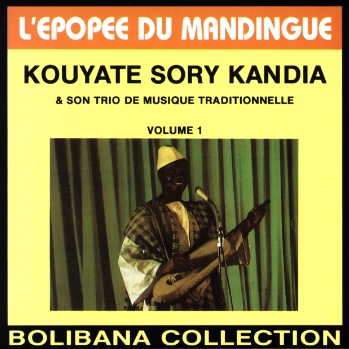
His music fuses Mandinka tradition with jazz sounds and South American rhythms: the ancestral balafon dialogues with modern pulsations. His track “Tara” is the archetype of this fusion—a millennial melody electrified by Latin rhythms. In 1970, the Grand Prix du disque de l’Académie Charles-Cros in Paris crowned this innovative style. Two years later, L’Épopée du Mandingue—a triptych recorded at the Syliphone Studios in Conakry—retraces the medieval history of the Mandinka people in a musical language that crosses borders.
Sory Kandia also distinguished himself as an artist of connection: in 1975, he intervened as a mediator between the presidents of Upper Volta and Mali, easing tensions between heirs of the former Mandinka empire.
A Voice Cut Short Too Soon
Sory Kandia Kouyaté died suddenly in Conakry on December 25, 1977, struck down at forty years old. The world of African music lost a major figure who could have known international fame.
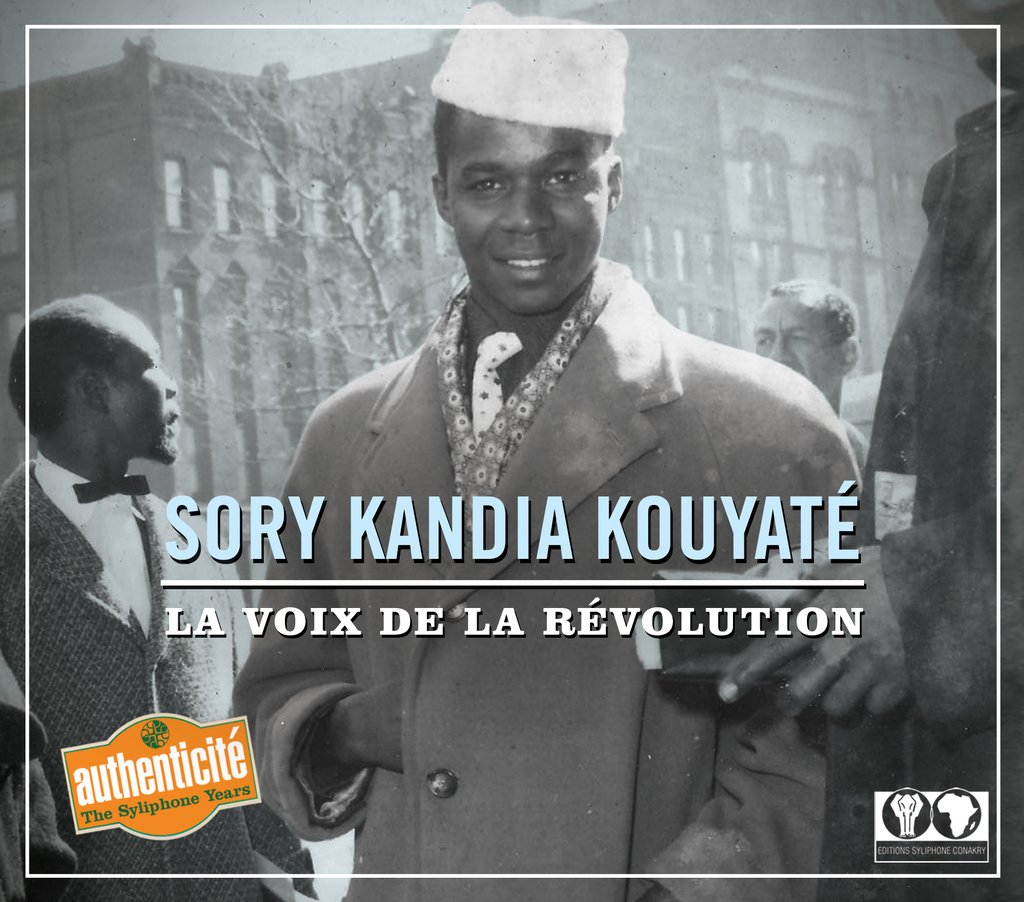
Banning Eyre, a columnist for NPR in 2012, praised his technique, articulation, and exceptional vocal power. His recordings—the track “Nina,” a revolutionary love hymn in a continent of marital arrangements; “Toutou Diarra,” a traditional opera on the balafon and kora—were rediscovered by the Western public thanks to the edition La Voix de la Révolution (2012) by the label Stern’s Music.
The ethnomusicologist Henri Lecomte designated him as “one of the most loved voices of West Africa at his death.” His archives now serve as a reference for musicologists from Mali, Guinea, and beyond.
Major Works
| Work | Year | Why It Is Essential |
|---|---|---|
| Grand Prix du Disque 1970 | 1970 | Award-winning record at the Académie Charles-Cros, flagship of Mandinka sound |
| “Tara” | 1970s | Ancestral Mandinka praise reimagined with Latin rhythms and balafon |
| L’Épopée du Mandingue (vol. 1, 2, 3) | 1970–73 | Epic triptych retracing the medieval history of the Mandinka people |
| “Nina” | 1950s | Revolutionary love song, inspiring generations of West Africans |
Legacy and Influence
Sory Kandia Kouyaté belongs to that rare class of artists whose genius was cut short by death. His Syliphone recordings—reissued long after his passing—constitute a primary source for any researcher in Mandinka music. His style, where the griot tradition dialogues with jazz and Latin pop, has influenced contemporary artists such as Toumani Diabaté or Rokia Traoré.
Sources and References
- “Sory Kandia Kouyaté”, Wikipedia, https://fr.wikipedia.org/wiki/Sory_Kandia_Kouyaté, accessed November 5, 2025.
- Banning Eyre, “Sory Kandia Kouyaté: Guinea’s Voice Of Revolution”, NPR, https://www.npr.org/2012/07/11/156608458/sory-kandia-kouyat-guineas-voice-of-revolution, accessed November 5, 2025.
- “Kouyate Sory Kandia Discography”, Discogs, https://www.discogs.com/artist/780117-Kouyate-Sory-Kandia, accessed November 5, 2025.
- “Sory Kandia Kouyate Discography”, AllMusic, https://www.allmusic.com/artist/sory-kandia-kouyate-mn0001920496, accessed November 5, 2025.
- Ronnie Graham, Stern’s Guide to Contemporary African Music Vol. 1, chapter « Guinea » (pp. 132–143), Zwan Publications, 1988 — entry on Sory Kandia Kouyate.
- « Sory Kandia Kouyaté: Guinea’s Voice Of Revolution », Maine Public / NPR, https://www.mainepublic.org/2012-07-11/sory-kandia-kouyate-guineas-voice-of-revolution, accessed November 5, 2025.
- François Bensignor, Les Musiques du monde, Arthaud, 1998 — chapter « West Africa » (Manding griot, Kouyaté), Larousse, 2002.