Biography
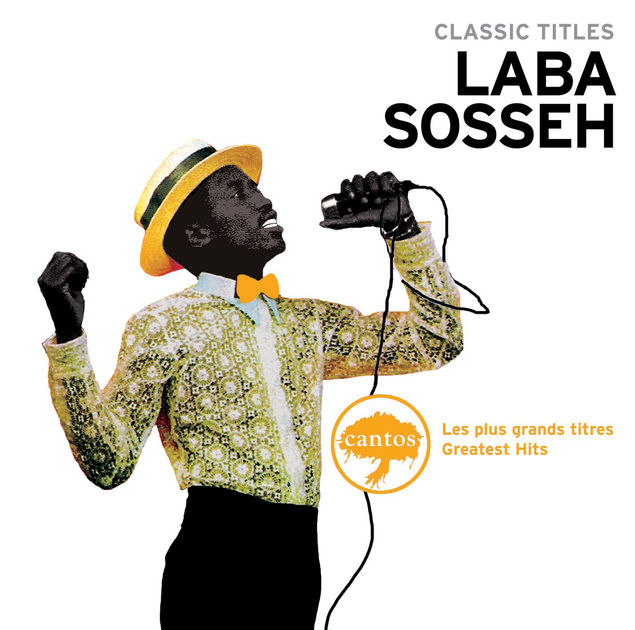
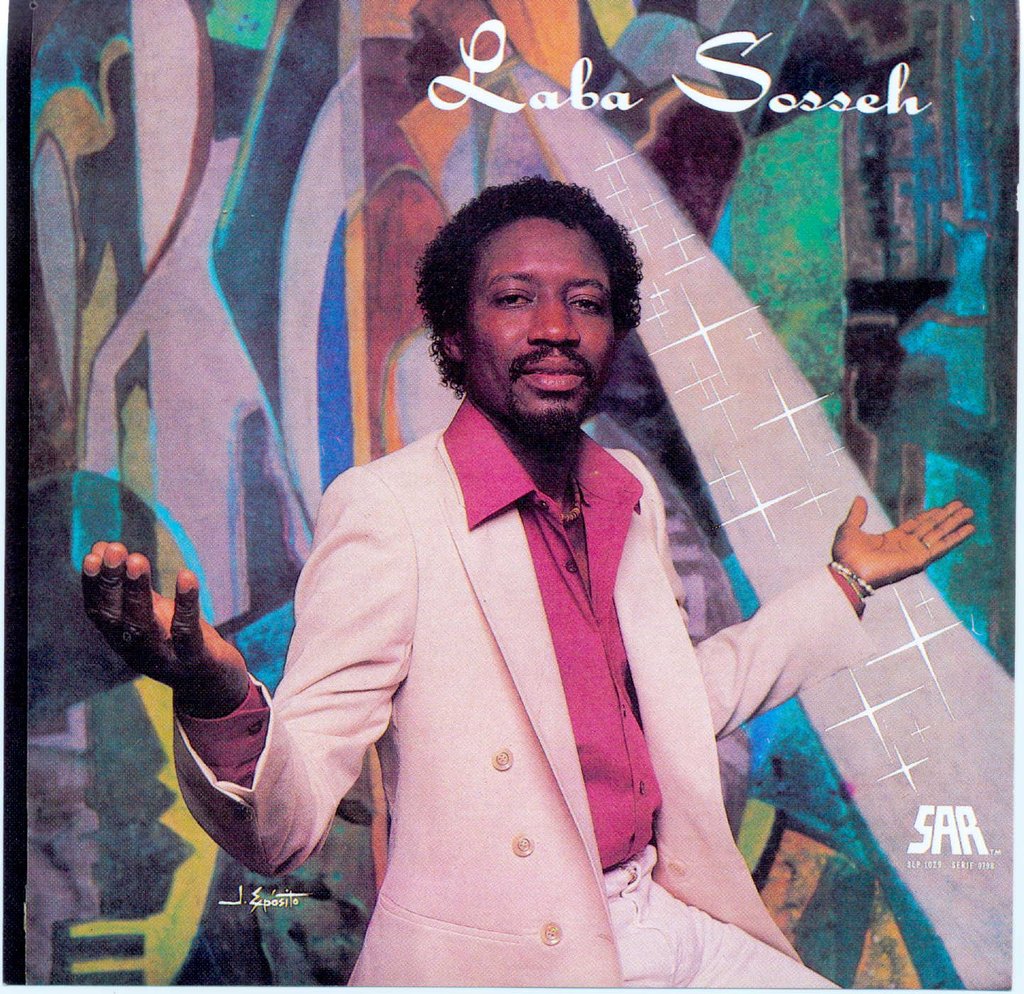
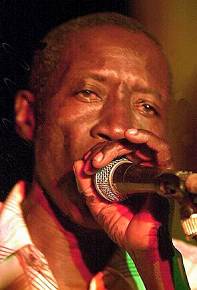
Laba Sosseh: the African voice of salsa
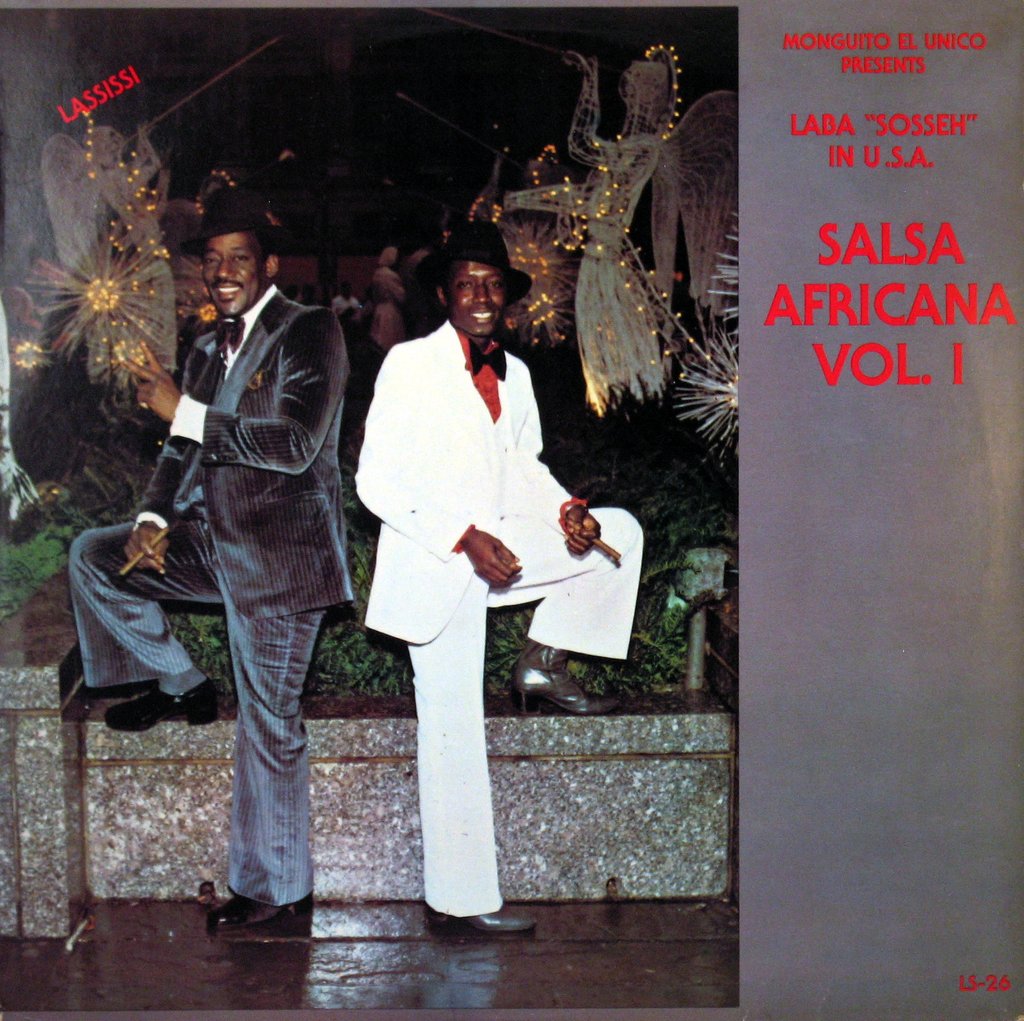
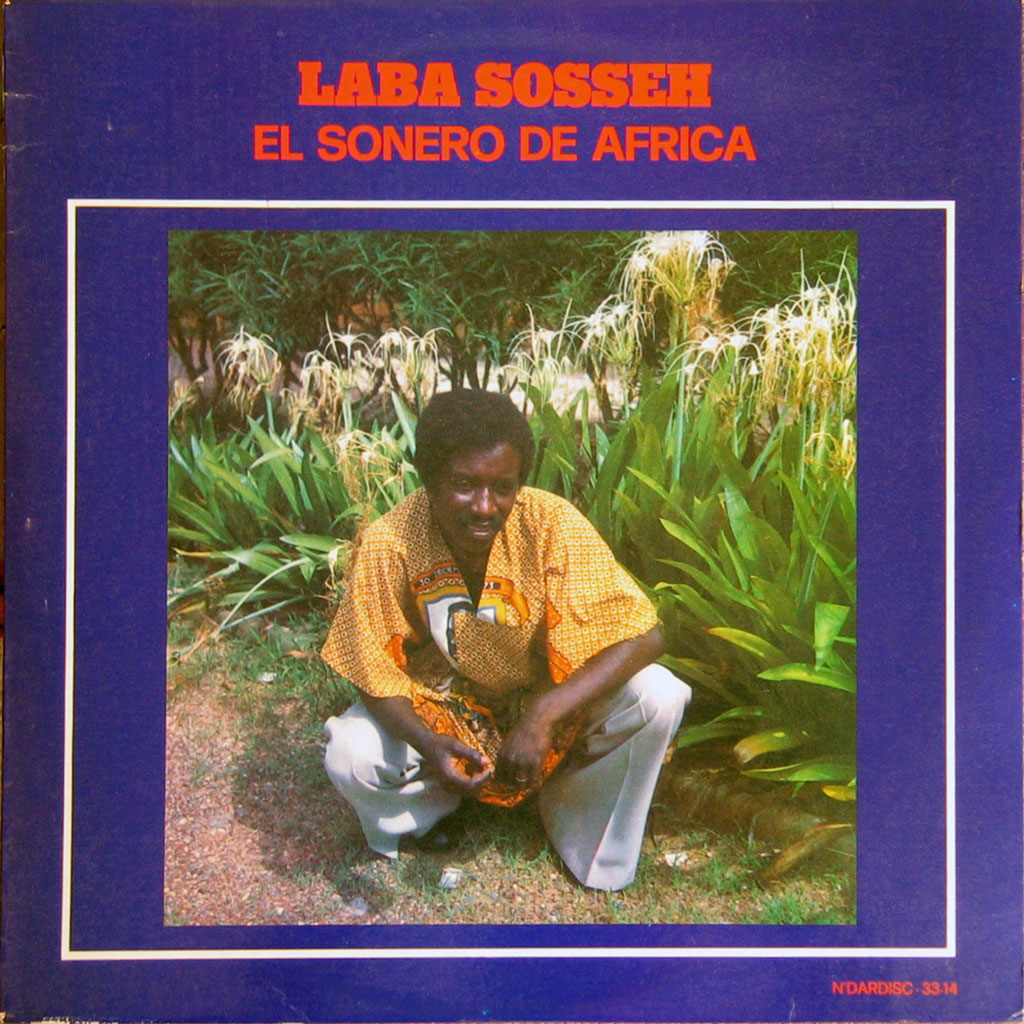
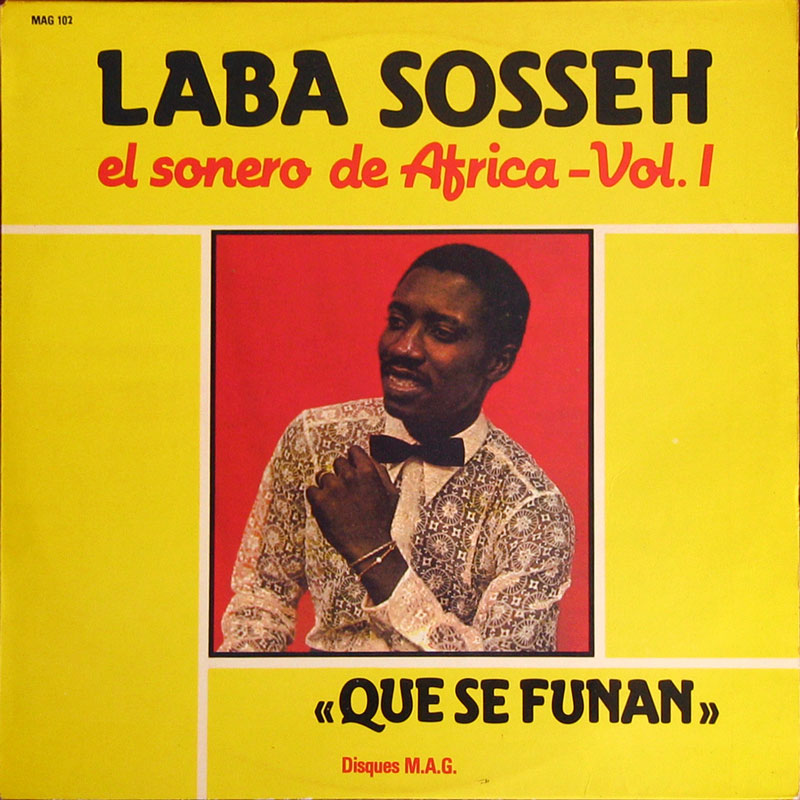
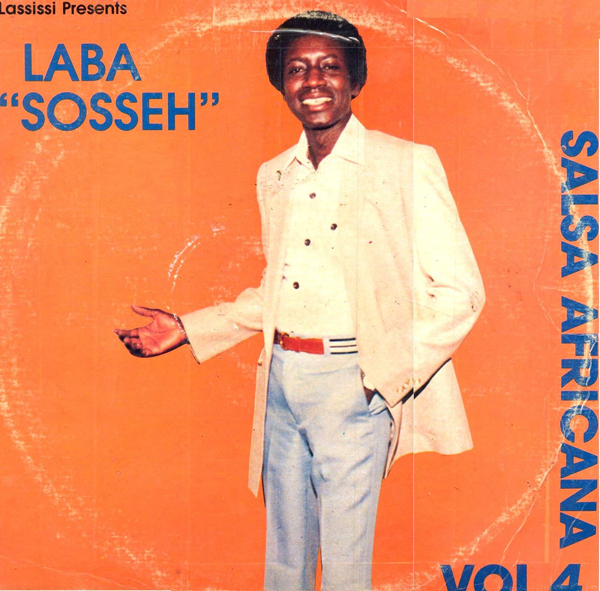
In 1980, in New York, a Gambian singer with a warm voice took the stage alongside Monguito El Unico — legend of son cubano — and recorded four album volumes titled Salsa Africana. The Latin press was ecstatic: Laba Sosseh was nicknamed “La Voz Africana”. This crowned an improbable trajectory: a Serer griot born in colonial Bathurst, who passed through Dakar clubs, Abidjan halls and Manhattan studios, becoming the first African artist to receive a Gold Record for his interpretation of Afro-Cuban salsa.
In brief
| Full name | Laba Badara Sosseh |
| Birth | March 12, 1943, Bathurst (now Banjul), British Gambia |
| Death | September 20, 2007, Dakar, Senegal (at age 64) |
| Field | Son cubano, salsa, afro-cuban |
| Iconic works | “Aminata”, Salsa Africana, “Seyni kay fonema” |
| Honors | First African Gold Record for an Afro-Cuban singer (1982) |
Key dates
| Year | Event |
|---|---|
| 1943 | Birth in Bathurst (now Banjul) in Gambia |
| 1963 | Debut in the African Jazz Band of Bathurst |
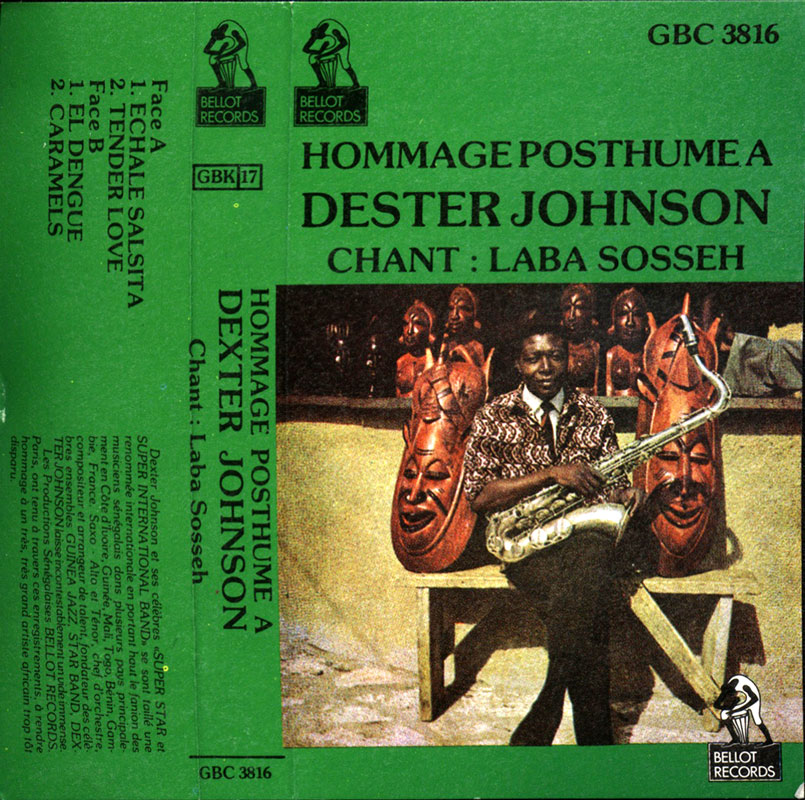
| 1966 | Integration into Dakar’s Star Band with Dexter Johnson |
| 1968 | First success with “Seyni kay fonema” |
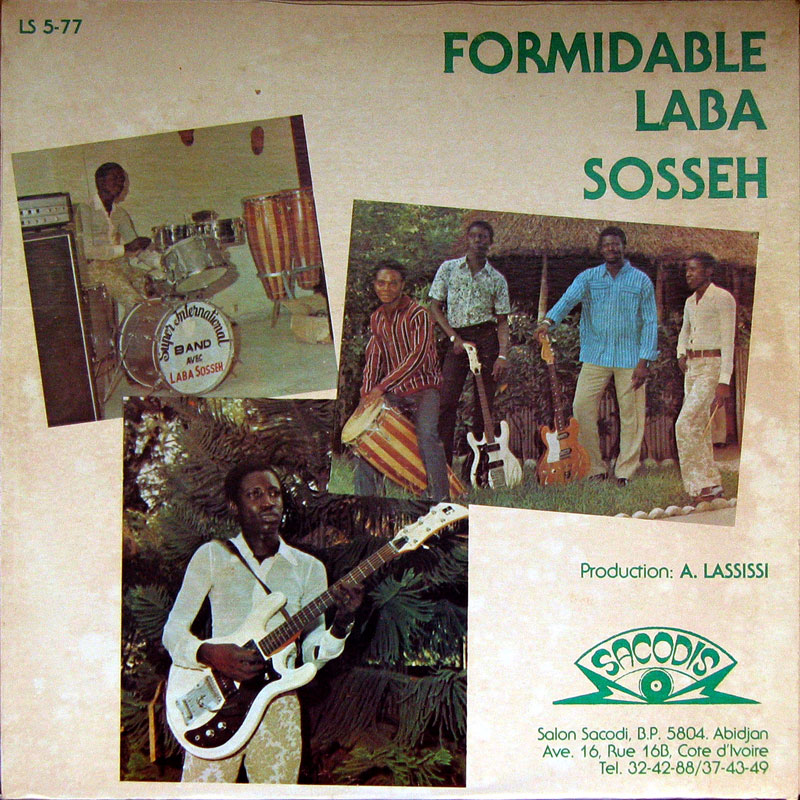
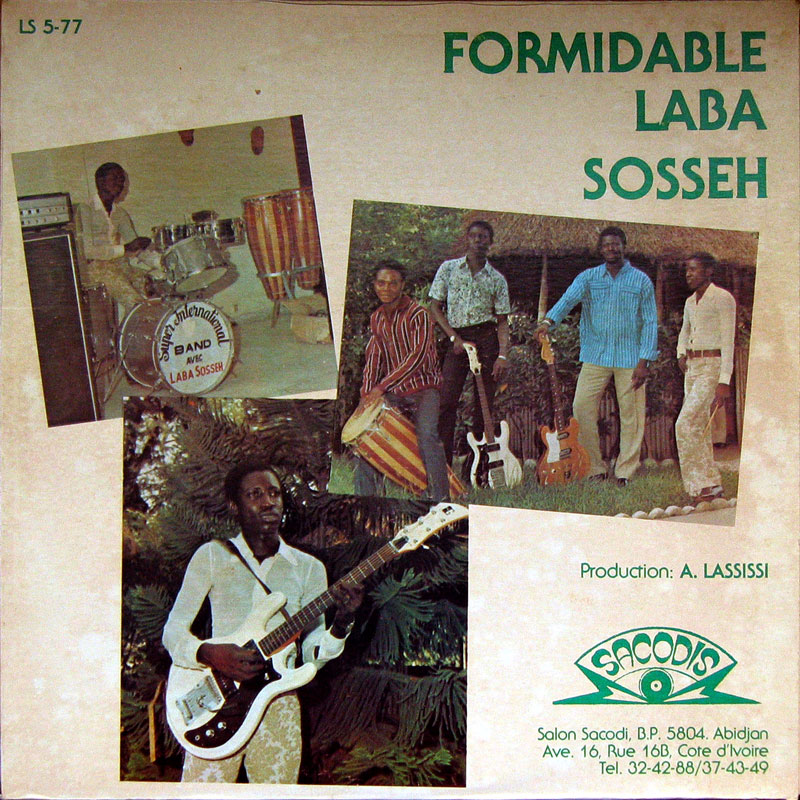
| 1974 | Move to Abidjan with the Super International Band |
| 1980 | Release of Salsa Africana in New York; 100,000 copies |
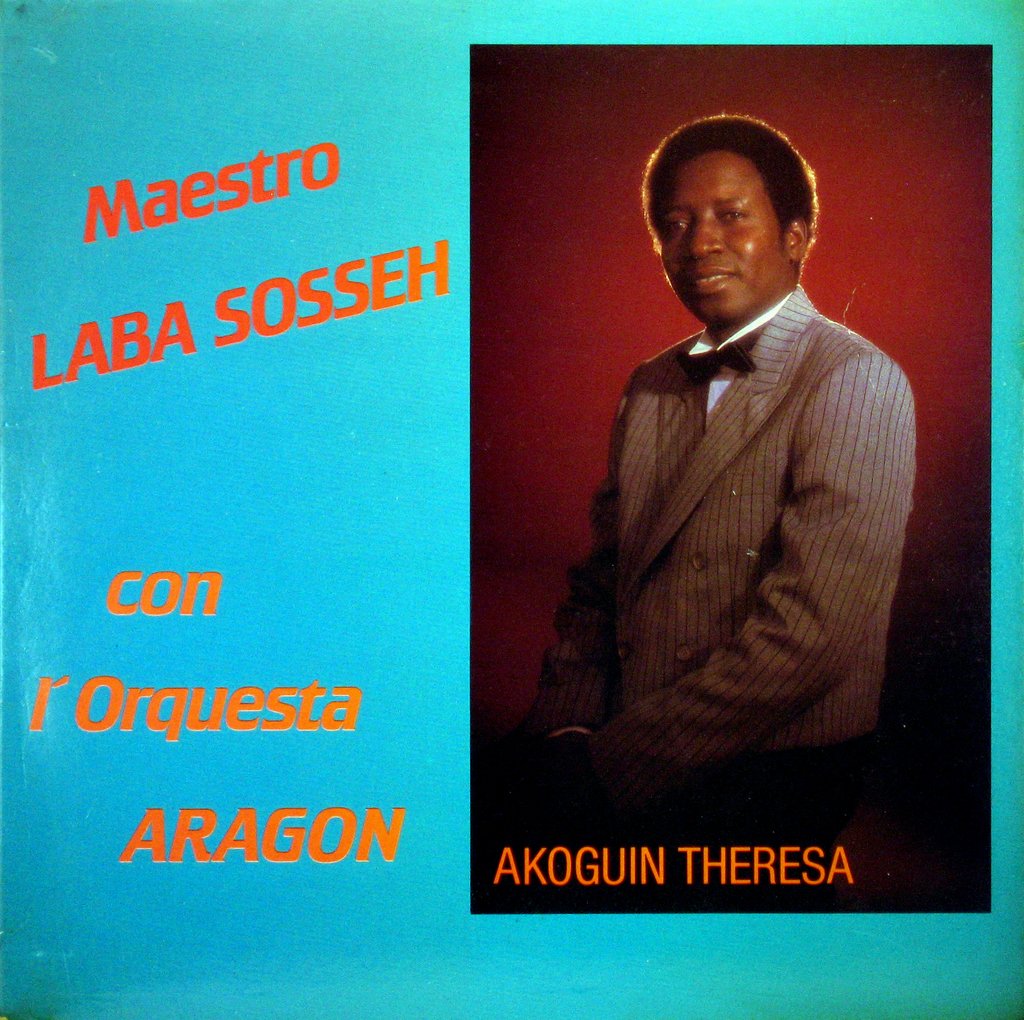
| 1982 | Gold Record; collaboration with Orquesta Aragón in Paris |
| 1998 | Participation on the album Baloba! by Africando |
| 2007 | Death in Dakar after a long illness |
A griot facing Cuban rhythms
Laba Badara Sosseh was born on March 12, 1943 in Bathurst — the former name of Banjul — in British Gambia. Son of a Senegalese father, Dembo Corah Sosseh, signalman for the British Overseas Airways Corporation, and a Gambian mother, Aji Mariama Mbaye, he belonged to the chain of Serer griots, this caste of guardians of oral memory whose ancestors came from the pre-colonial Saloum kingdom. His maternal grandfather, Tafsir Demba Njange Mbaye, was imam of the Half-Die mosque in Banjul.
When Laba was ten years old, his family moved to Dakar. The young boy continued his studies in French and completed his secondary education. This dual culture — Serer by blood, Wolof and French through life — shaped his musical destiny.
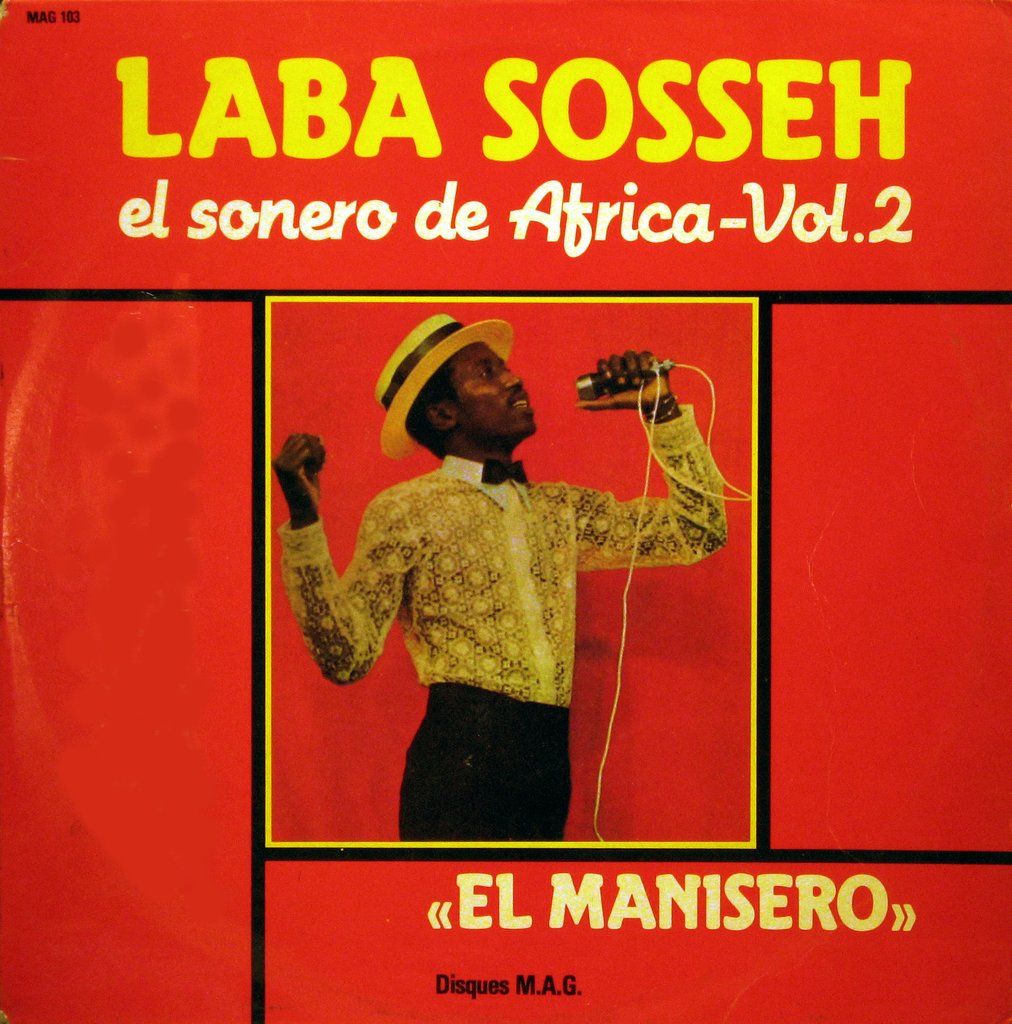
In the sixties, Dakar vibrated under the influence of Cuban rhythms: son, rumba and mambo invaded the nightclubs of the Médina. Laba joined the African Jazz Band of Bathurst in 1963, alongside Badou Diop and Pape Touré, both future founding members of the group Super Eagles. Three years later, he joined Dakar’s Star Band, then formed by Ibra Kassé, where he shared the stage with Nigerian saxophonist Dexter Johnson. The duo released two 45 rpm singles of Cuban standards sung in Spanish — “Guantanamera”, “El manisero”, “La sitiera” — which made a sensation throughout West Africa. Local consecration arrived with “Seyni kay fonema” (“Seyni comes to kiss me”), a song sung in Wolof, and especially “Aminata”, a Senegambian lullaby that would become his most famous hit.
From Dakar to Manhattan: consecration
At the peak of Star Band, Laba and Dexter founded Super Star de Dakar before settling in Abidjan in 1974 with the Super International Band. Abidjan producer Aboudou Lassissi spotted them and took them to New York, where salsa exploded in the 1970s.
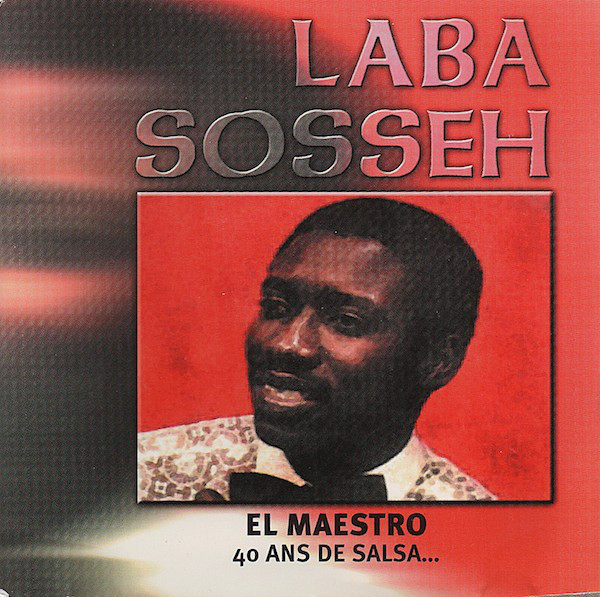
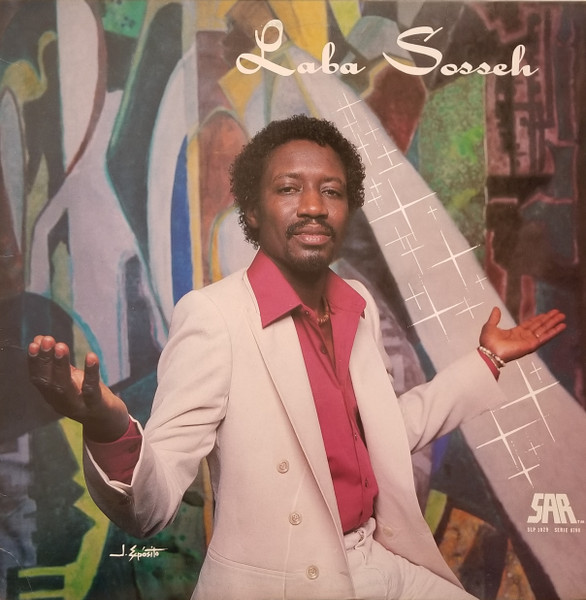
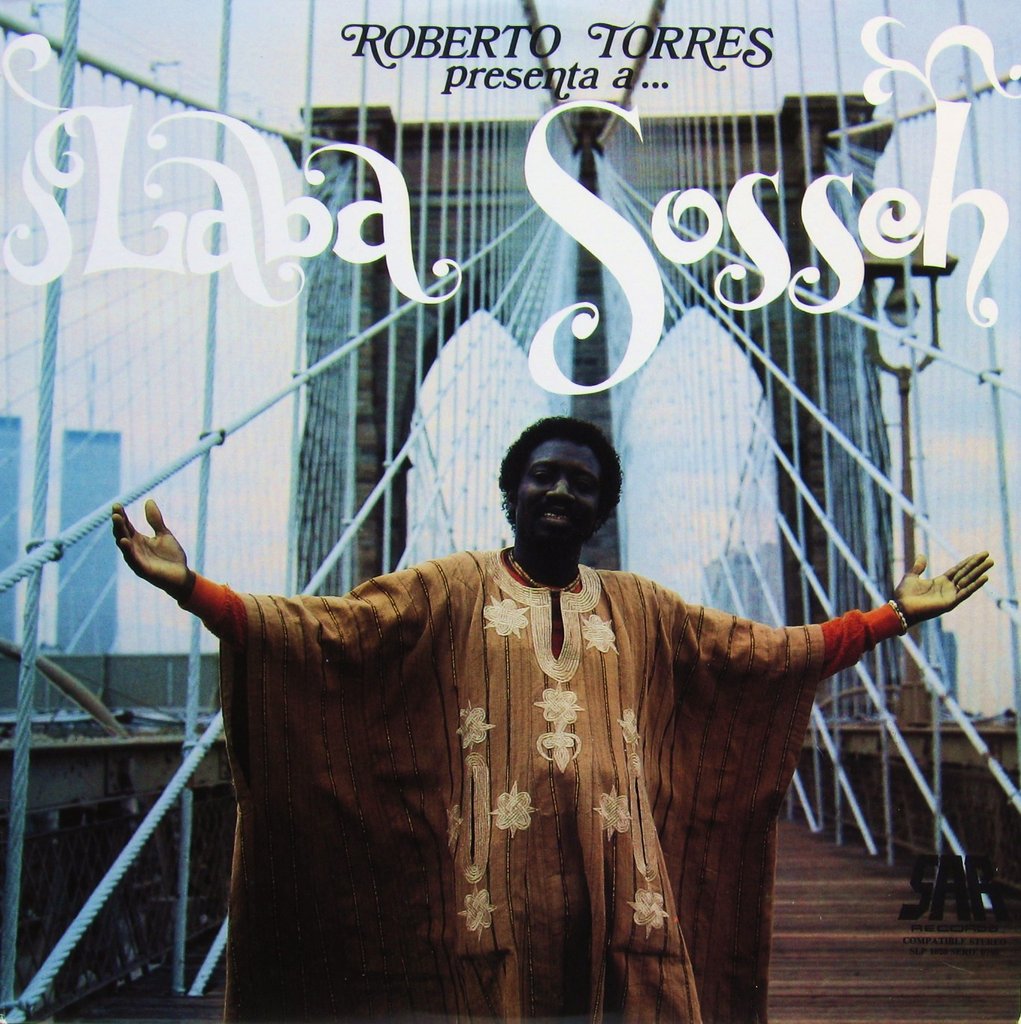
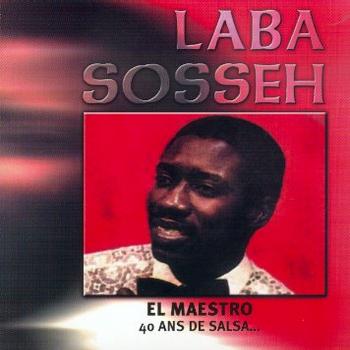
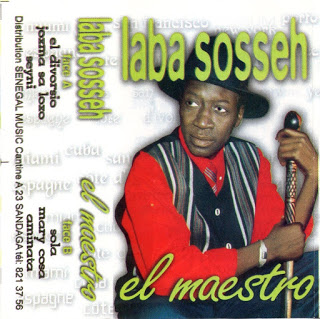
Laba signed a series of legendary recordings there. In 1980, alongside Monguito El Unico — legend of son cubano — he published four volumes of Salsa Africana on the Sacodis label. The sessions gathered top-tier Cuban musicians: Alfredito Valdes, Mario Rivera, Pupi Legarretta. The Latin press embraced Laba: Cubans nicknamed him with deference “El Maestro” and “La Voz Africana”. The album sold over 100,000 copies, making Laba the first artist from the African continent to receive a Gold Record for an Afro-Cuban album. Two eponymous albums followed on Roberto Torres’s SAR Productions label (1981–1982), collaborations with Orquesta Aragón in Paris and a cover by Joe Arroyo — the great Colombian salsero — of “Diamoule Mawo”, sung in Wolof.
In 1998, the pan-African ensemble Africando asked him to lend his voice to “Ayo Nene” and resurrect “Aminata” in a salsa version for the album Baloba!. He participated in the “Afro-salseros de Senegal” project alongside Pape Fall, James Gadiaga and Issa Cissokho.
Major works
| Work | Year | Why it’s essential |
|---|---|---|
| “Aminata” | 1968–2007 | Senegambian lullaby that became his biggest hit, recorded in multiple versions over the decades. |
| Salsa Africana (4 volumes) | 1980 | Laba’s first album recorded in New York with Monguito El Unico; 100,000 copies, Gold Record. |
| “Seyni kay fonema” | 1968 | First success in Wolof, which propelled Laba Sosseh to the forefront of West African music. |
| Collaboration with Orquesta Aragón | 1980–1982 | Parisian recordings with the reference Cuban orchestra; Wolof title “Akoguin Theresa”. |
| “Ayo Nene” (with Africando) | 1998 | Laba’s return to the international stage for Ibrahim Sylla’s album Baloba!. |
Heritage and influence
Laba Sosseh leaves behind an impressive discography and a trajectory that opened the door to generations of Senegambian artists. His children — Denzy Sosseh, artist and singer-songwriter, Demba Said, and Koumba — continue his artistic lineage. In 2021, the documentary El Maestro Laba Sosseh (The story of Africa’s greatest salsero), co-directed by Maky Madiba Sylla and Lionel Bourqui, pays cinematic tribute to his life and work. His music still resonates in compilations such as Putumayo: Congo to Cuba and Africa Boogaloo: The Latinization of West Africa, testifying to the lasting influence of this artist who transplanted Cuban rhythms onto Senegambian soil and carried them to the stages of Manhattan.
Sources and references
- « Laba Sosseh », Wikipedia (French version), https://fr.wikipedia.org/wiki/Laba_Sosseh, accessed 9 November 2026.
- « Laba Sosseh », Wikipedia (English), https://en.wikipedia.org/wiki/Laba_Sosseh, accessed 9 November 2026.
- Frank Bessem, « Laba Sosseh (1943–2007) — The Gambia/Senegal », Musiques d’Afrique, https://www.musiques-afrique.net/restofafrica/art-sosseh-laba.html, accessed 9 November 2026.
- Nago Seck, « Laba Sosseh », Afrisson, https://www.afrisson.com/laba-sosseh-5610/, accessed 9 November 2026.
- « Laba Sosseh — Person Fiche », Africultures, https://africultures.com/personnes/?no=47978, accessed 9 November 2026.
- « Laba Sosseh », Rate Your Music, https://rateyourmusic.com/artist/laba-sosseh, accessed 9 November 2026.
- Abdoulaye S. Saine, Culture and Customs of Gambia, ABC-CLIO, 2012, p. 165.