The land of the kora and Mandinka traditions
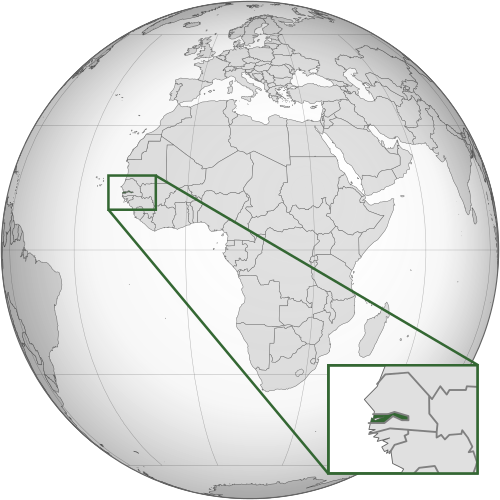
The Gambia, the smallest country in continental Africa, is a cultural crossroads between the Mandinka, Wolof, Fula (Peul), Jola, and Serere peoples. Each of these ethnic groups possesses its own musical tradition, which blends into contemporary Gambian popular music.
The Mandinka tradition: kora and tam-sheba
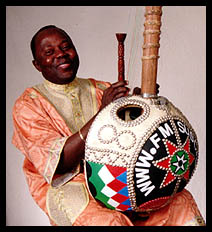
The Mandinka, who form the majority in The Gambia, maintain a musical tradition centered on the kora (21-25 string harp-lute), an emblematic instrument of the Mandinka griots (jalis). The kora accompanies praise songs, historical narratives, and community ceremonies. The Gambia is particularly famous for its kora tradition, with master players such as Daba Massachi (Mandinka griot) and Vil Saisay. The Mandinka also play the balafon (Mande xylophone) and barrel-shaped drums to accompany dances and ceremonies.
The Wolof tradition: tama and epic songs
The Wolofs of The Gambia (mainly in the north of the country) maintain a musical tradition centered on the tama (or ndar), an hourglass-shaped talking drum used to imitate the human voice. The tama is used for long-distance communication, to accompany epic songs, and to rhythm dances. The Wolofs of The Gambia also play the xalam (monochord violin) to accompany their traditional songs.
Peul and Jola traditions: xalam and percussion
The Peuls/Foulani, present throughout the country, maintain a tradition of epic songs accompanied by the xalam (or alhaya), a monochord violin played by Peul griots. The Jolas of southern The Gambia use barrel-shaped drums and complex percussion to accompany community dances.
Contemporary Gambian popular music
The modern Gambian musical scene is vibrant and creative. The gombey (or goombay) is a dance music genre that blends Mandinka, Wolof, and Caribbean influences. Artists such as Fatoumata Diawara (internationally renowned singer and guitarist) have popularized Gambian music on the international stage. The Gambian kora is also used in international collaborations, notably with artists from Mali (such as Toumani Diabaté).
Traditional Gambian instruments
- Mandinka kora — 21-25 string harp-lute, emblematic instrument of Mandinka griots
- Xalam / Alhaya — monochord violin used by Mandinka and Peul griots
- Tama / Ndar — Wolof hourglass talking drum
- Balafon — Mande xylophone played during community ceremonies
- Djembé — goblet-shaped drum, used in Gambian musical and social ceremonies
- Barrel-shaped drums — used in Mandinka and Jola traditional ensembles
References
[1] « Music of the Gambia », Wikipedia, https://en.wikipedia.org/wiki/Music_of_The_Gambia. [2] « Gambia Music », Afropop Worldwide, https://www.afropop.org/explore/country_info/ID/13/Gambia/.