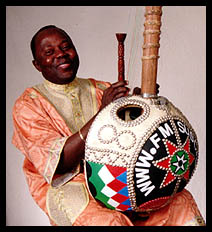
Biography
Foday Musa Suso: the griot who made the kora sing on the world stage
In 1977, Foday Musa Suso arrived in Chicago with a 21-string calabash and the conviction that his village’s music could resonate everywhere on the planet1. Fifty years later, his name is inscribed among the pioneers who revealed the kora — an ancestral mandinka instrument — to the world.
In brief
| Full name | Foday Musa Suso |
| Birth | February 18, 1950, Sarre Hamadi, Wuli District, Gambia |
| Death | May 25, 2025 (75 years), Gambia |
| Field | Traditional West African music and world music |
| Main instrument | Kora (ancestral 21-string instrument) |
| Notable works | Kora Music from Gambia, Village Life (with Herbie Hancock) |
| Distinctions | Autobiography A Village Griot Boy and the World (2019) |
Key dates
| Year | Event |
|---|---|
| 1950 | Birth into a mandinka griot family in the Wuli District, Gambia |
| 1956 | Beginning of kora apprenticeship at the age of six |
| 1959 | Training with his uncle Sekou Suso in Pasamasi (griot tradition: a father does not teach his son) |
| 1968 | Confirmation as griot; teaching at the University of Ghana |
| 1976 | Discovered by ethnomusicologist Verna Gillis, recording for Smithsonian Folkways |
| 1977 | Emigration to Chicago, first griot to settle in North America |
| 1979 | Formation of the Mandingo Griot Society, jazz-tradition fusion |
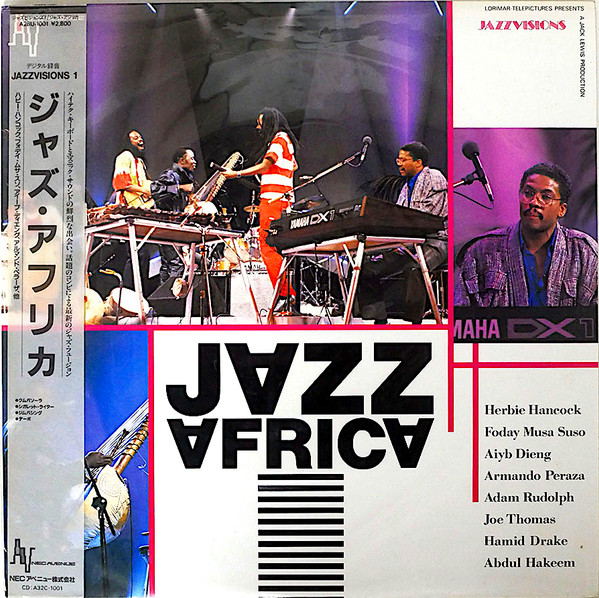
| 1984 | Collaboration with Herbie Hancock on the Olympic piece Junku |
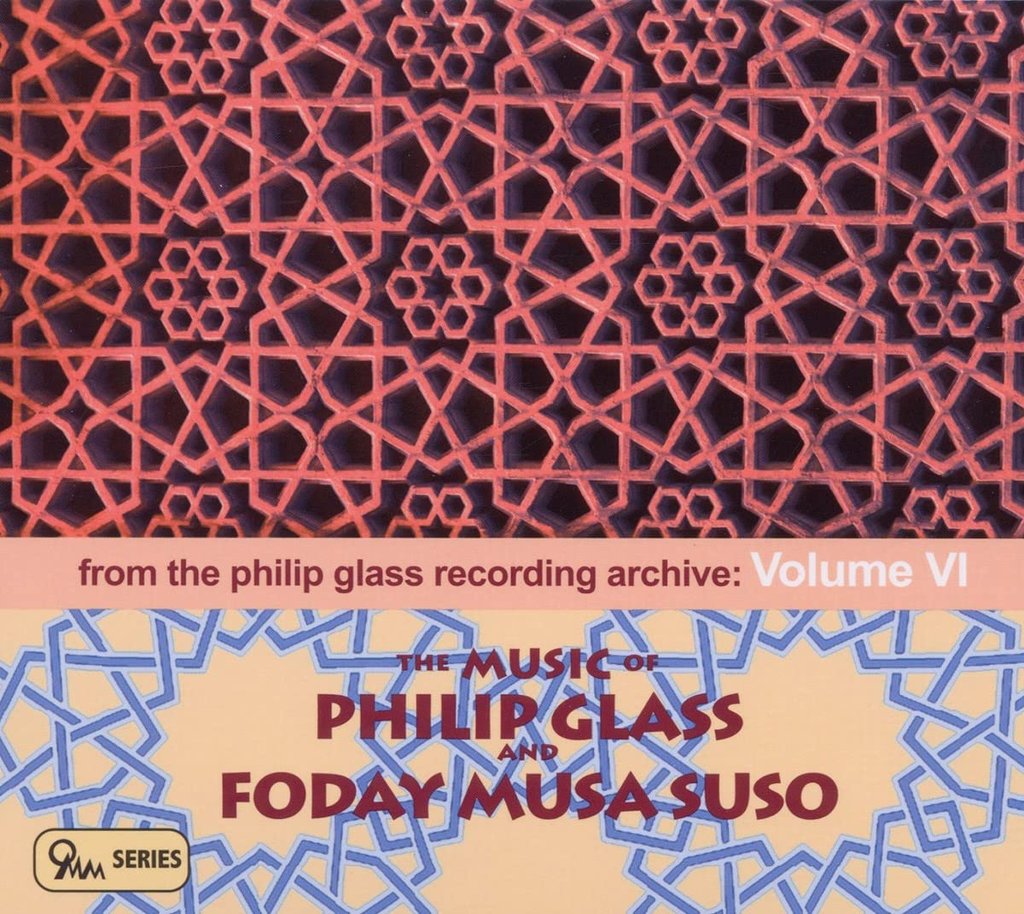
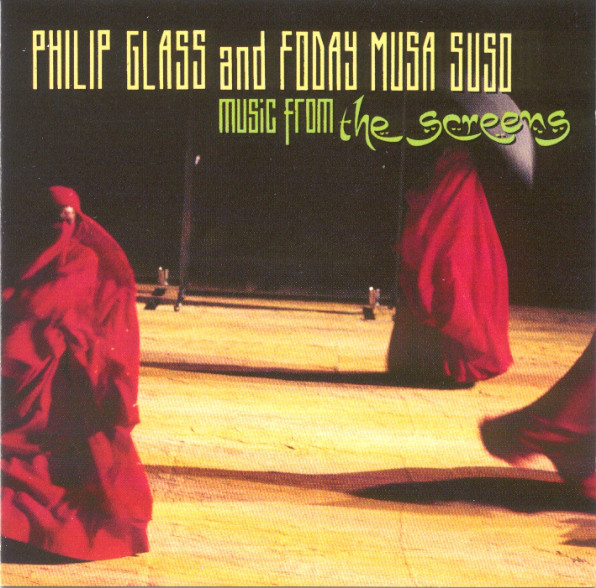
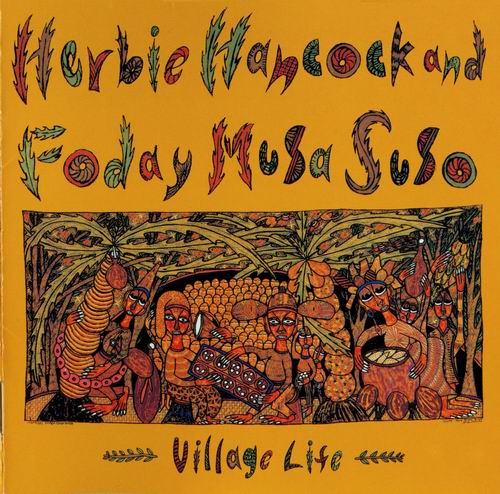
| 1985 | Album Village Life with Hancock; co-writing of Powaqqatsi with Philip Glass |
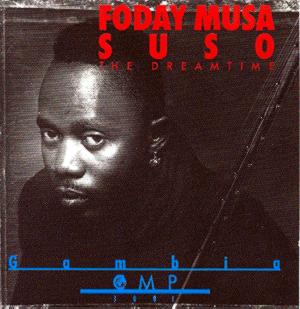
| 1988 | The Dreamtime, solo album produced by Bill Laswell |
| 2004 | Composition of Orion for the Athens Cultural Olympiad |
| 2019 | Publication of autobiography A Village Griot Boy and the World |
| 2021 | Definitive return to Gambia after more than forty years abroad |
Origins and training: an heir of the kora inventor
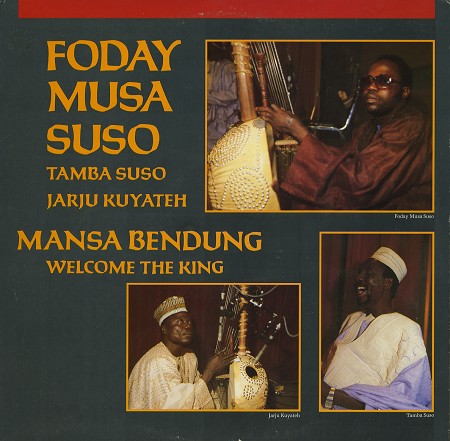
Jali Foday Musa Suso2 was born in 1950 into a mandinka family of griots — oral historians and musicians charged with preserving the memory of West African empires. His genealogy links him to Jali Madi Wlen Suso, one of those ancestors who, more than four centuries ago, would have been the first to string twenty-one strings onto a leather calabash. His father, Saikou Suso, and his mother, Sarjo Jobarteh, are both griots. Foday began the kora at six years old, but Mandinka tradition forbids a father from teaching his son. At nine, he was entrusted to uncle Sekou Suso, a recognized master kora player, for complete training until eighteen.
Revelation and consecration: from Gambia to the world
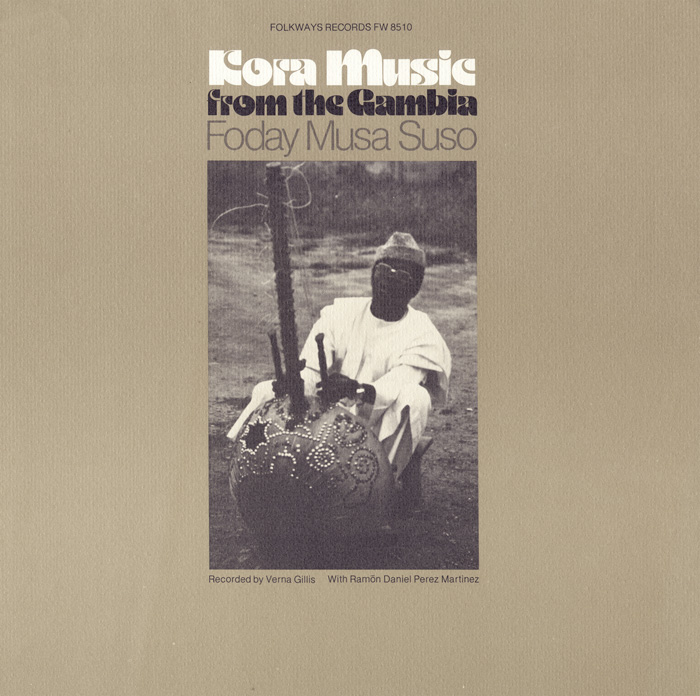
In 1976, American ethnomusicologist Verna Gillis, visiting Gambia, recorded him. The sessions constitute Kora Music from Gambia, released in 1978 on the Smithsonian Folkways label3. Immediately afterward, Foday emigrated to Chicago and formed the Mandingo Griot Society with percussionists Hamid Drake, Adam Rudolph, and bassist Joseph Thomas.
He explained his approach to the Los Angeles Times in 1993: he was listening to Jimi Hendrix, James Brown, and Howlin’ Wolf on the radio in Gambia, and he thought that if he too produced music crossing borders, the whole world would hear his music. In 1984, Herbie Hancock invited him to Sound-System; the two musicians signed the Olympic piece Junku and recorded Village Life (1985)1.
Evolutions and legacy
Foday Musa Suso wove an unparalleled network of collaborations: Philip Glass, the Kronos Quartet, Pharoah Sanders, Jack DeJohnette, Ginger Baker, Paul Simon4.
Legacy
Foday Musa Suso added three low strings to the traditional kora, expanding its harmonic range2. As the first griot to establish himself durably in North America, he paved the way for West African artists who followed him.
Major works
| Work | Year | Why it is essential |
|---|---|---|
| Kora Music from Gambia | 1978 | First documentary recording, Smithsonian Folkways |
| Village Life (with Herbie Hancock) | 1985 | Full kora/synthesizer duet, jazz fusion record |
| The Dreamtime | 1988 | Solo album produced by Bill Laswell |
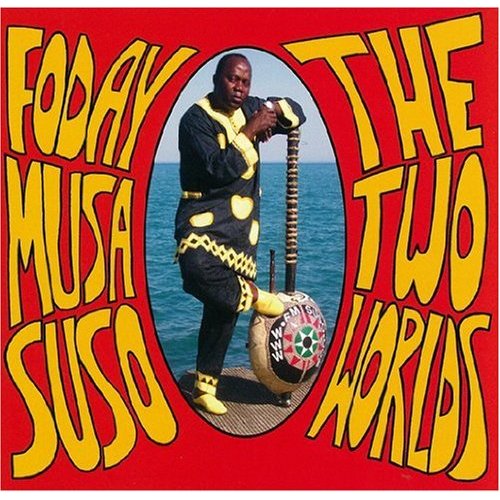
| The Two Worlds | 2008 | Retrospective African traditions / contemporary |
| A Village Griot Boy and the World | 2019 | Autobiography, testimony of a griot over five decades |