Biography
Lakou Mizik
In November 2010, Port-au-Prince rose from a devastating earthquake. In an improvised studio in the neighborhood, guitarist Steeve Valcourt, singer Jonas Attis, and producer Zach Niles decided to make Haitian music an antidote to the media’s narrative of despair. That night, Lakou Mizik was born: a multigenerational collective that would become one of the most vibrant voices on the international Caribbean scene.
In Brief
| Band Name | Lakou Mizik (from Kreyòl lakou, yard/sacred place, and mizik, music) |
| Formation | 2010, Port-au-Prince (Haiti) |
| Genre | Mizik rasin — Vodou and rara traditions, twoubadou |
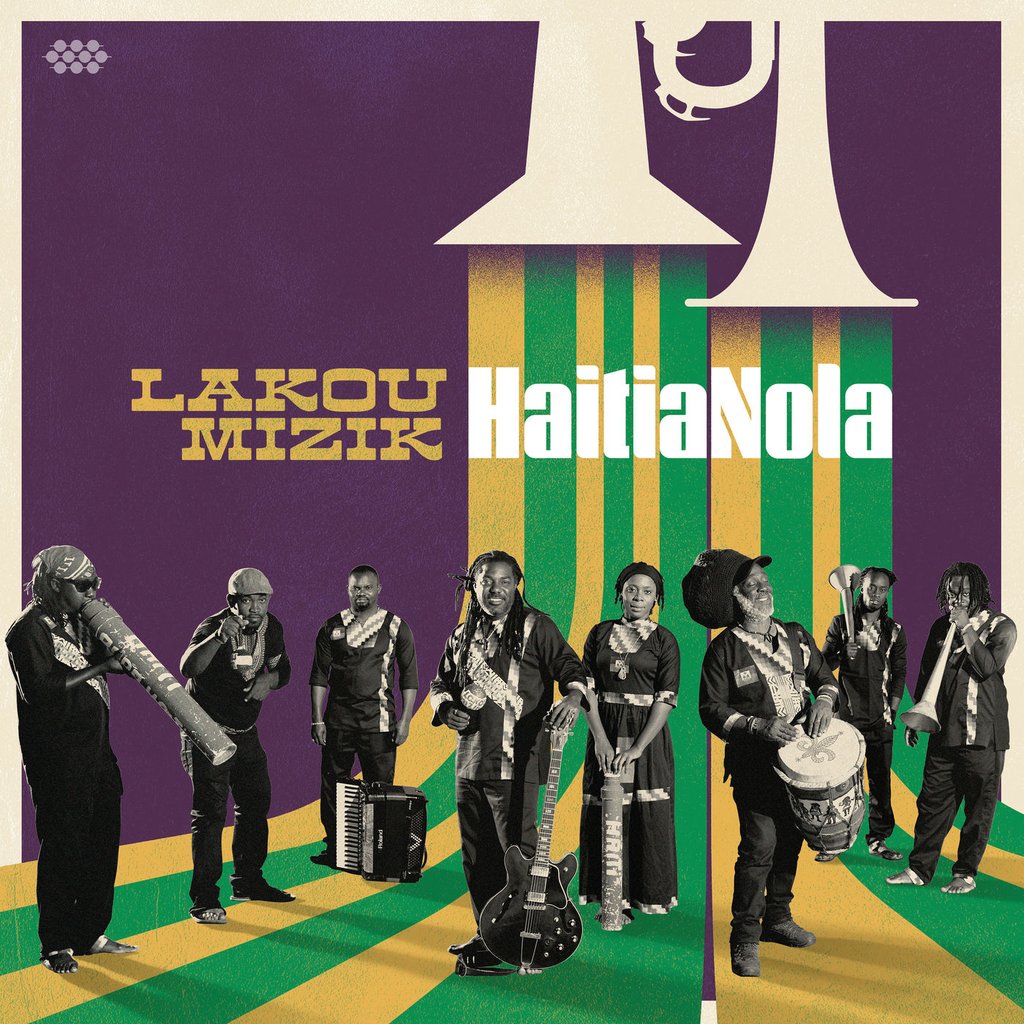
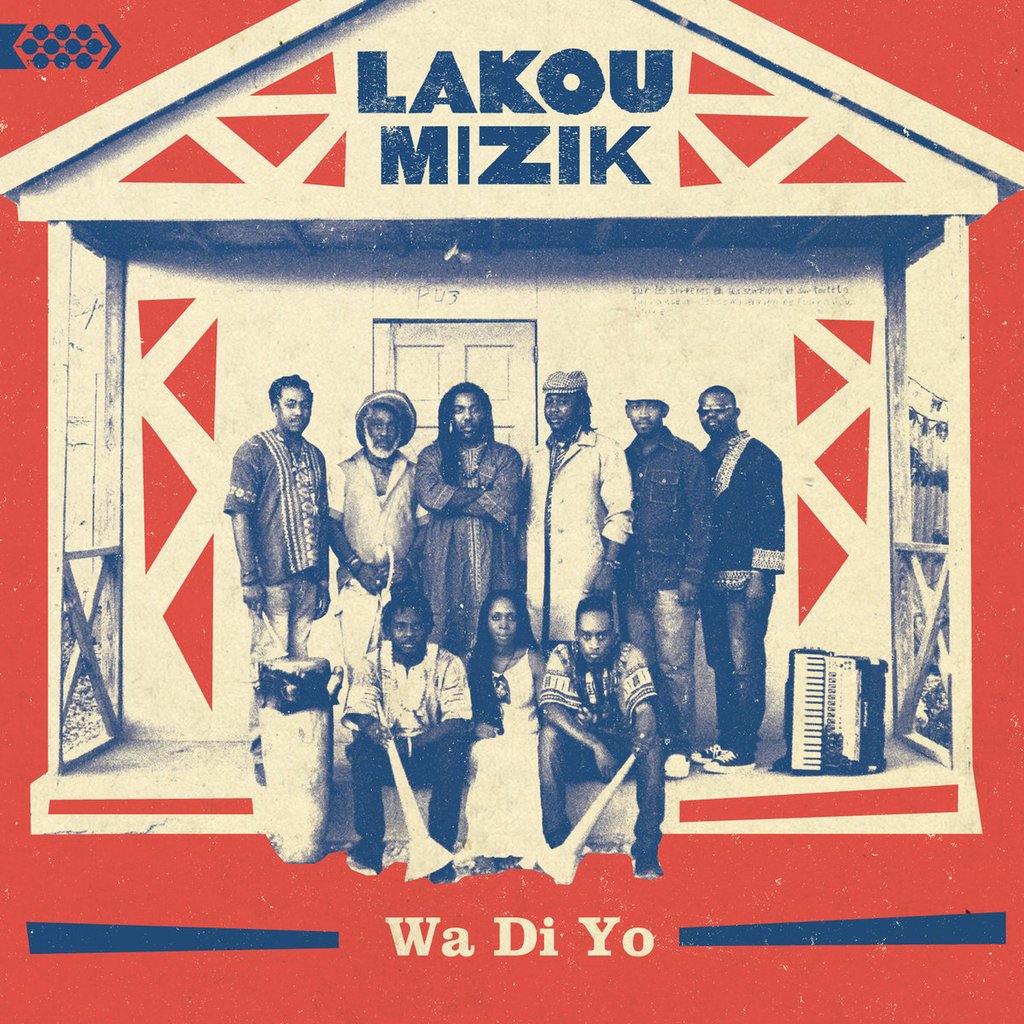
| Signature Albums | Wa Di Yo (2016), HaitiaNola (2019) |
| Awards | Songlines Music Award Nominations (2017, 2020) |
Key Dates
| Year | Event |
|---|---|
| 2010 | Founded in Port-au-Prince by Steeve Valcourt, Jonas Attis, and producer Zach Niles following the earthquake |
| 2016 | Release of first album Wa Di Yo on label Cumbancha, produced by Chris Velan and Iestyn Polson |
| 2017 | First appearance at the New Orleans Jazz & Heritage Festival; Songlines Music Award nomination |
| 2019 | Release of HaitiaNola, collaborative album recorded in Haiti and New Orleans |
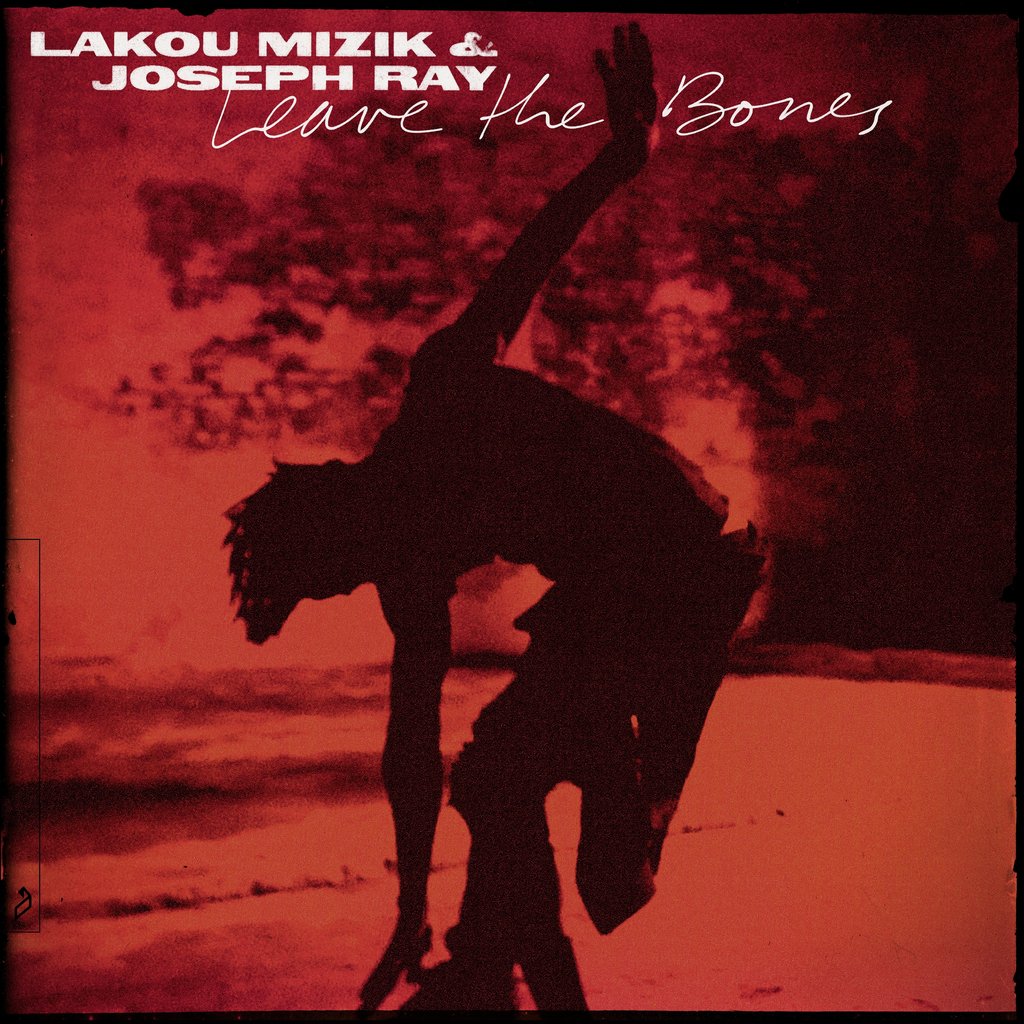
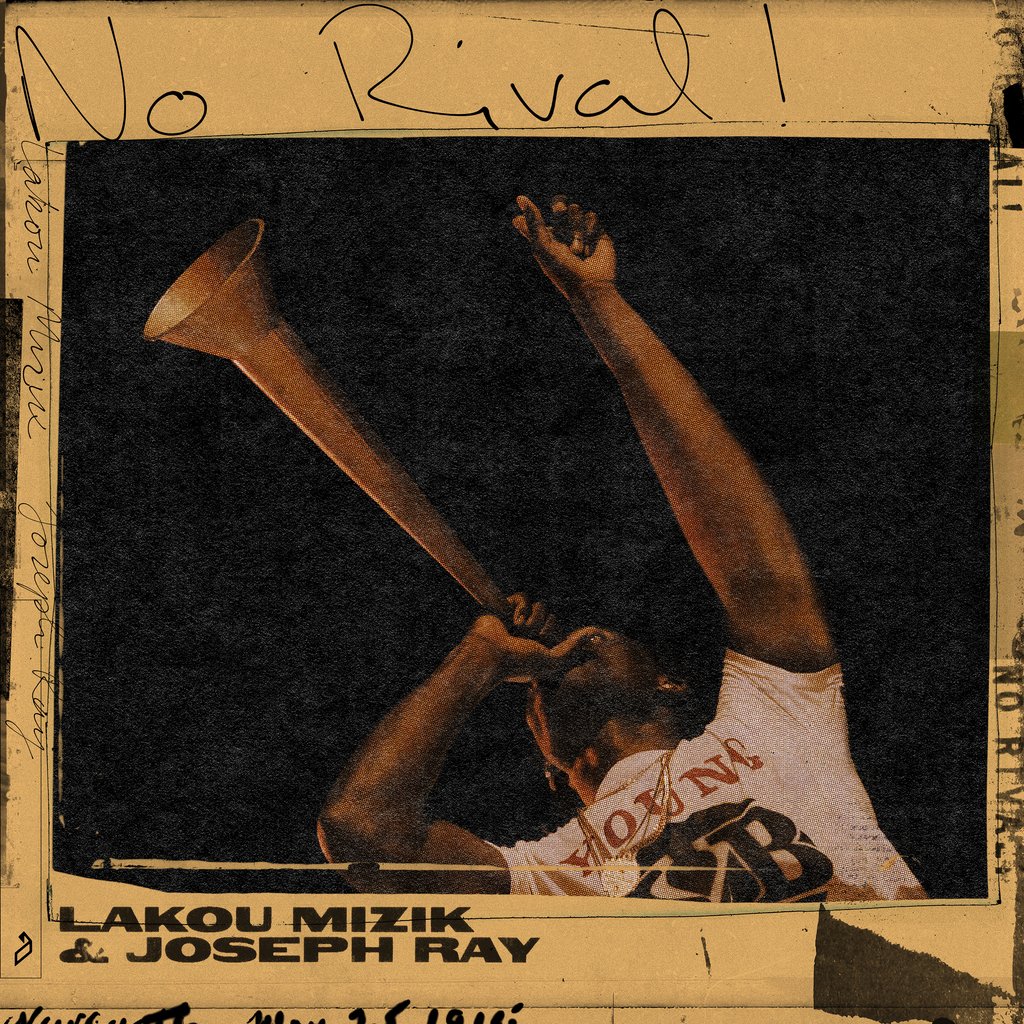
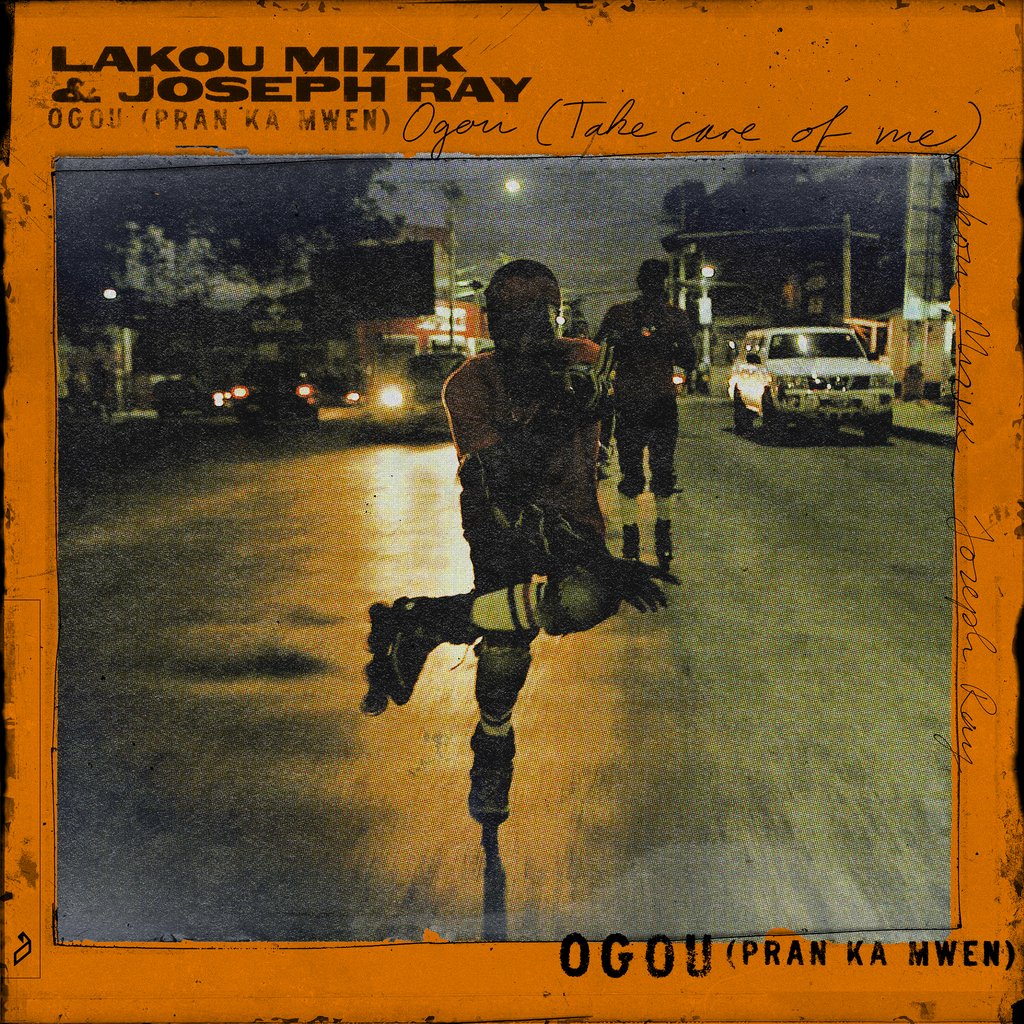
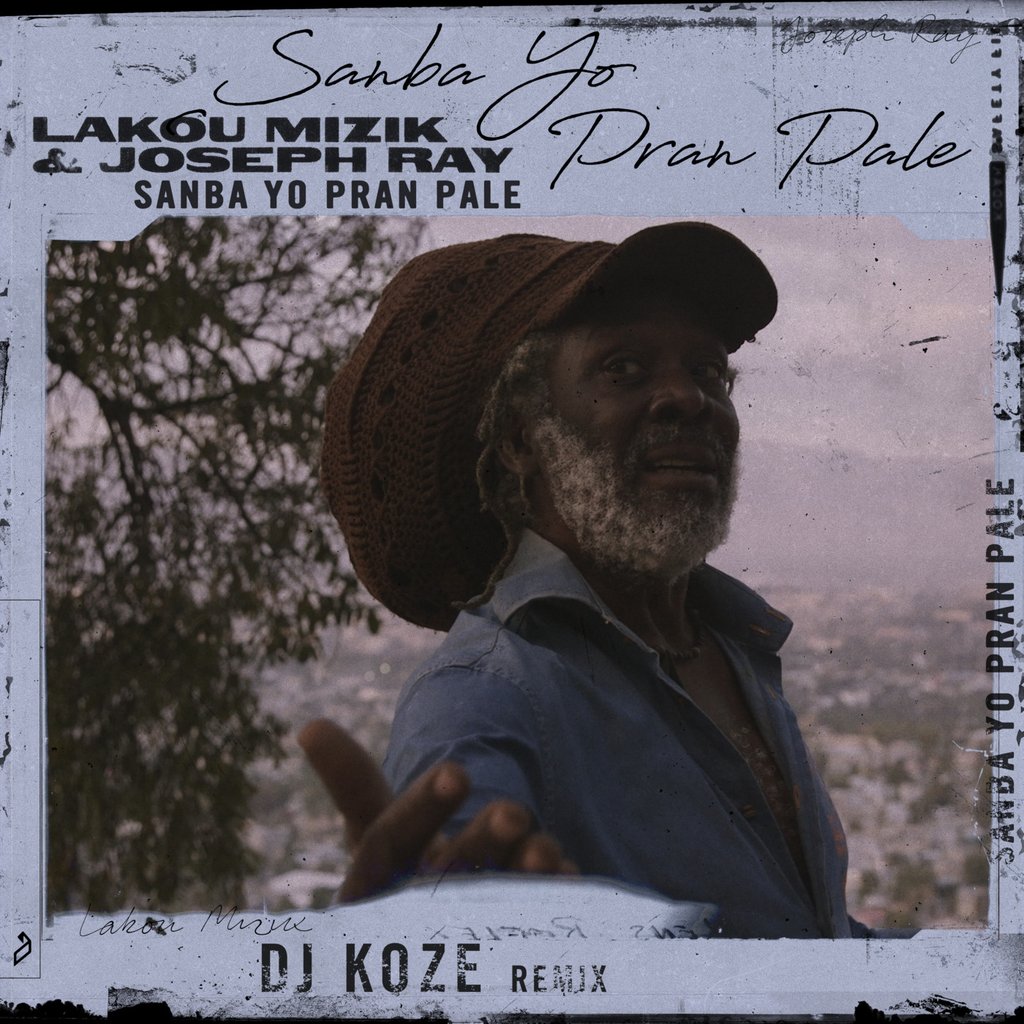
| 2021 | Leave the Bones, album with electronic artist Joseph Ray on Anjunadeep, followed by remixes from DJ Koze |
From Port-au-Prince to the World: The Genesis and Impact of a Unique Collective
Lakou Mizik was born out of urgency. In November 2010, as the capital rose from an earthquake that claimed over 200,000 lives, guitarist Steeve Valcourt — whose father Boulo Valcourt is among the iconic names of the Haitian scene — and Jonas Attis performed in displacement camps with only a guitar and conga. Producer Zach Niles, who had previously accompanied the Sierra Leone’s Refugee All Stars on the world stage, envisioned a project designed as a counter-narrative. Niles explained that he « wanted to serve the musicians’ history to create a deeper connection with the country than simplistic media narratives or these distorted inspirational stories » (translated from English). Their ambition: to gather nine musicians spanning a geographical, generational, and spiritual spectrum.
The name itself embodies this spirit of gathering. In Haitian Kreyòl, lakou means the courtyard of a house and the Vodou place of worship under the shade of a sacred tree. The music residing there is not a memory, but a living practice. The lineup brings together figures with contrasting backgrounds: Sanba Zao (Louis Lesly Marcelin), the group’s elder, master drum player and pioneer of the root movement in the 1980s who holds more than 300 traditional rhythms in memory; Jonas Attis, from Jérémie — the City of Poets — and survivor of the Neptune ferry disaster in 1993; Nadine Rémy, from an evangelical Christian family whose powerful voice has become a driving force; the rare cornettists Ti Piti Joseph and James Carrier, from the popular neighborhood of Jalousie in Port-au-Prince; Lamarre Junior on bass, Belony Beniste on accordion — a link to vintage twoubadou — and Woulele Marcelin on percussion.
The first album, Wa Di Yo, was released on April 1, 2016, via Cumbancha, a British world music label. Recorded at the Artists Institute in Jacmel under the direction of Chris Velan and Iestyn Polson, the record fuses Vodou, rara, and twoubadou. It received warm critical acclaim: The Guardian highlighted carnival sounds attempting to resurrect a damaged Haiti, PopMatters saw in the project a world band that could legitimately make headlines, while Songlines described a joyful and vital revival of roots. The group secured its first Songlines Music Award nomination (Americas category) and embarked on an international tour.
Its first invitation to the New Orleans Jazz & Heritage Festival in 2017 revealed an immediate connection between Mardi Gras parade rhythms and Haitian spirituality. The musicians conceived the idea of HaitiaNola — a fusion of the syllables Haiti, NOLA, and Hispaniola. This album, published in October 2019 on Cumbancha and produced by Grammy winner Eric Heigle, was recorded in Haiti and Louisiana. It brought together Preservation Hall Jazz Band, Trombone Shorty, Jon Cleary, Tank (Tank & The Bangas), Leyla McCalla, and the Soul Rebels. Neil Spencer of The Guardian summarized the result as a Caribbean-Creole melting pot that fuses the rhythms and sounds of both places, blending raw energy, indelible mysticism, and a joyful proclamation of let the good times roll that persists in both countries. HaitiaNola earned a new Songlines nomination and was designated an exceptional album by Songlines.
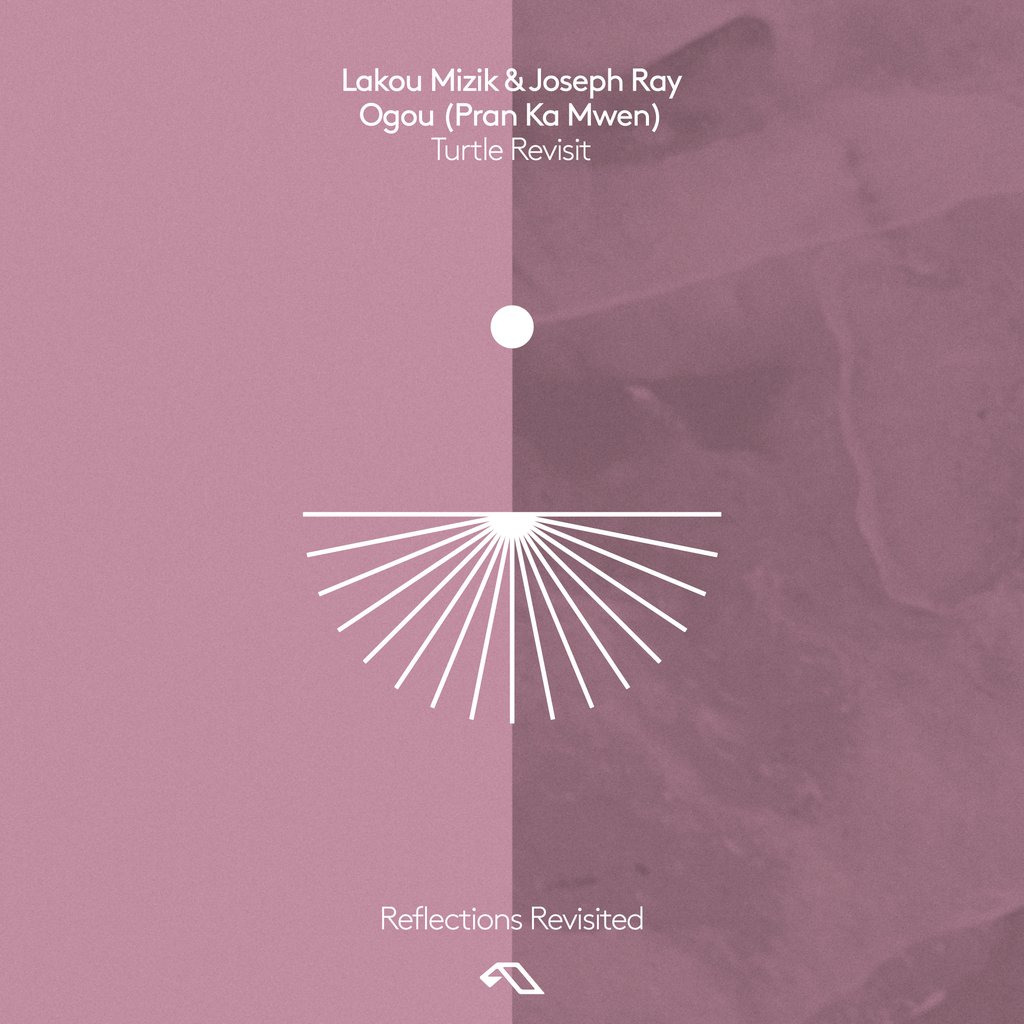
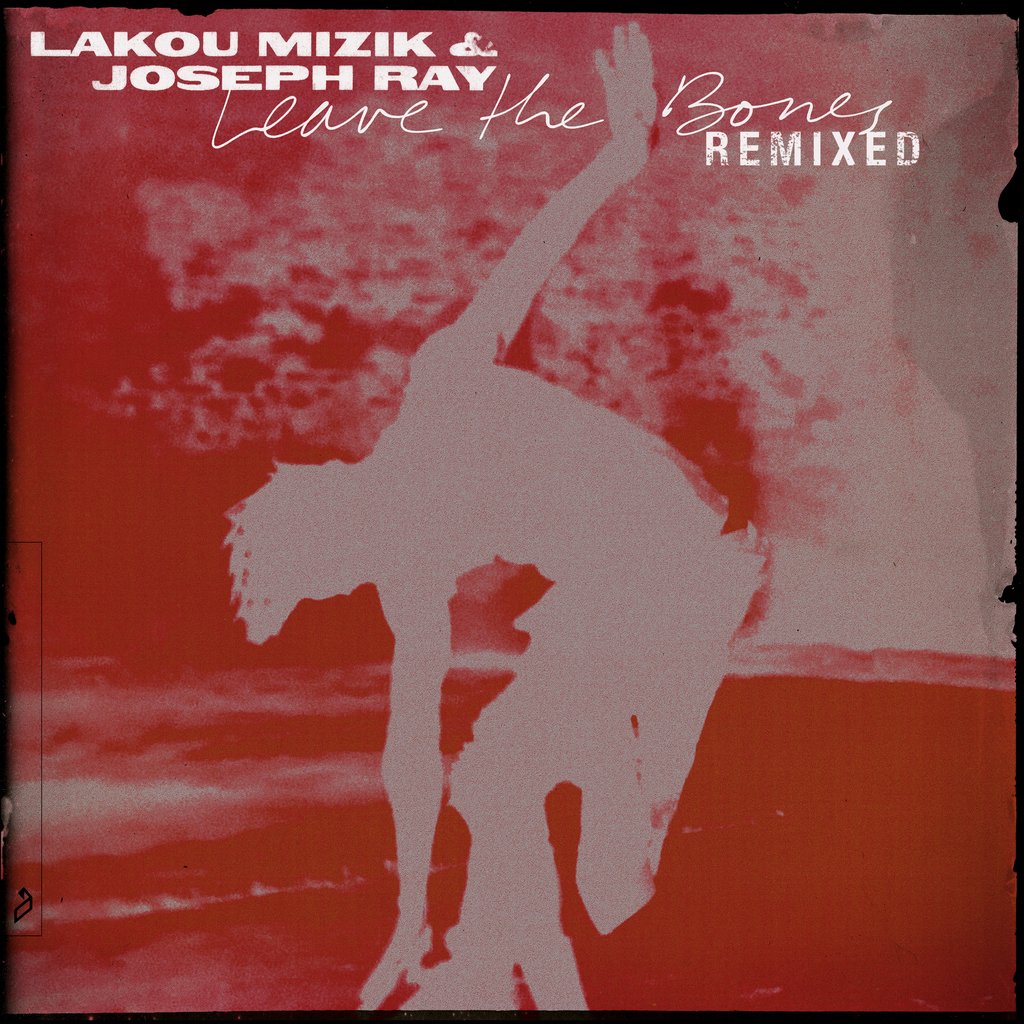
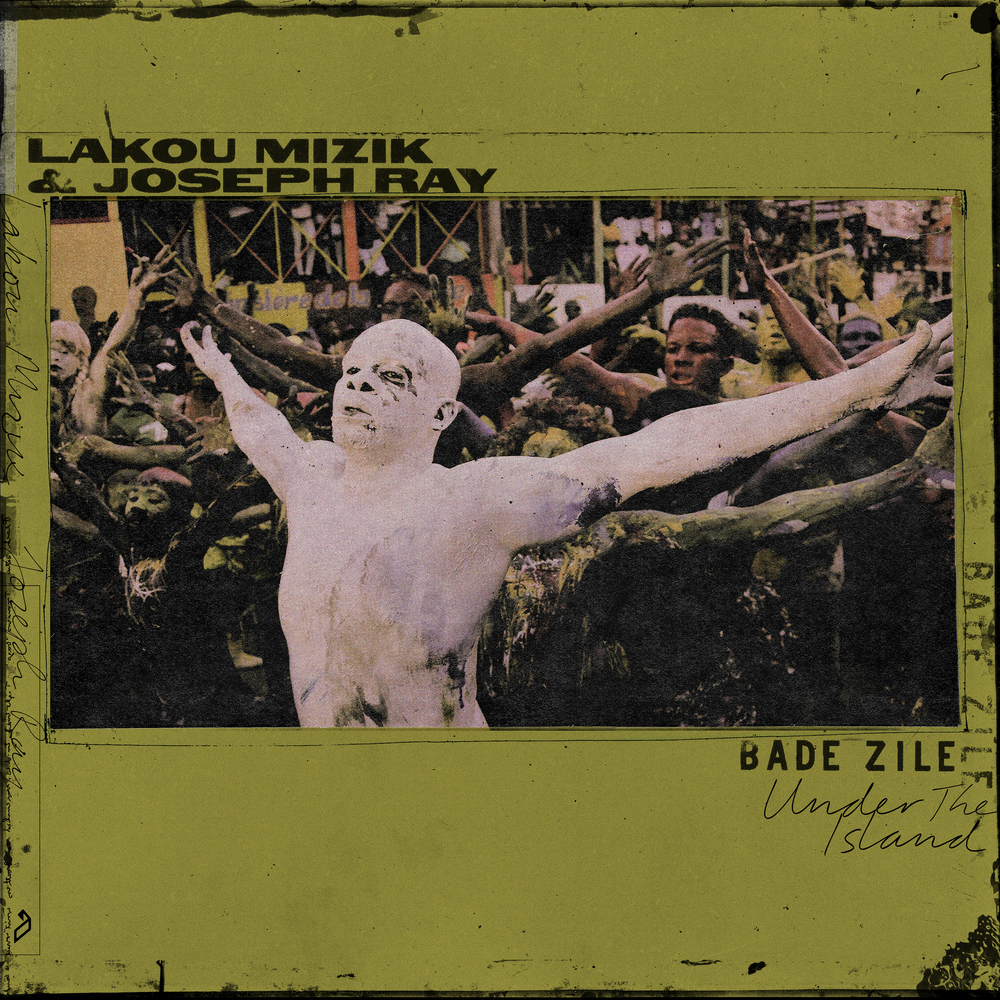
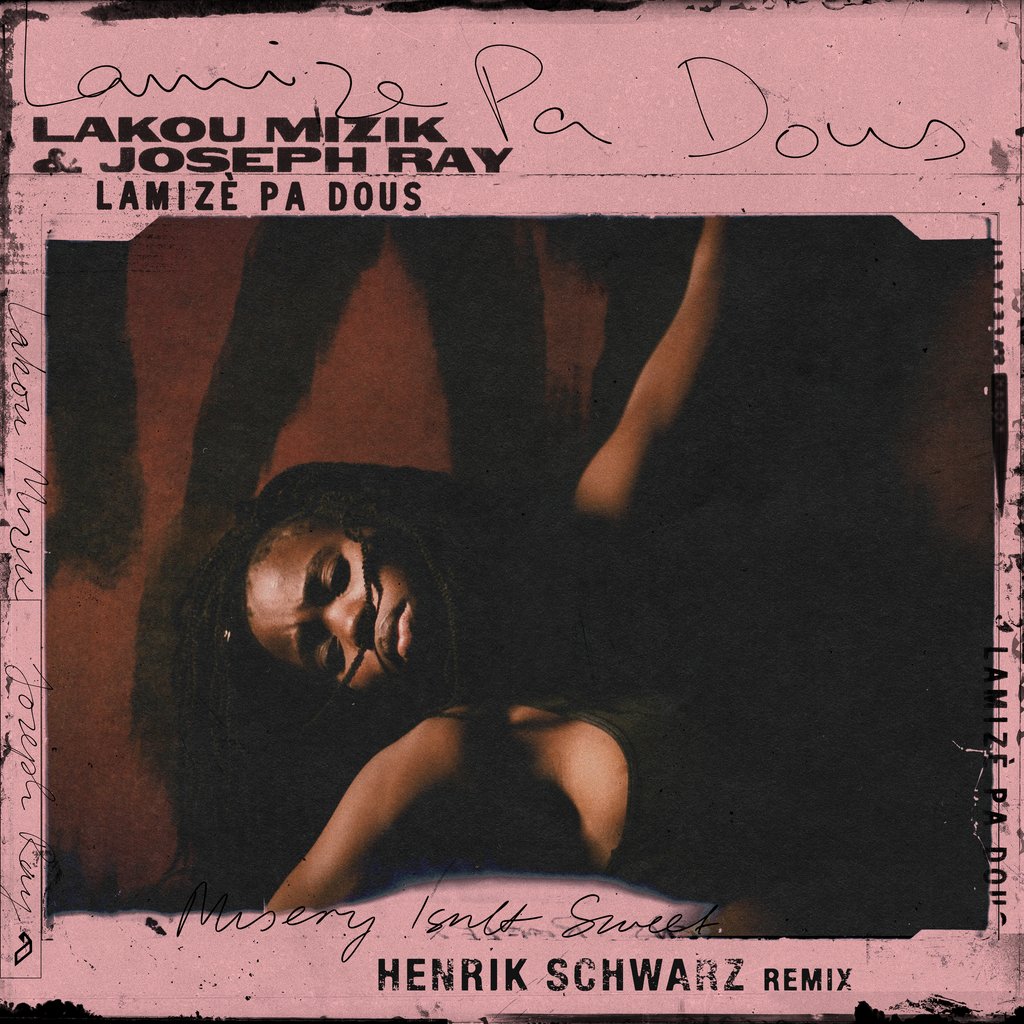
The collective did not limit itself to traditional rasin: in August 2021, it released Leave the Bones alongside electronic artist Joseph Ray (ex-Nero) on label Anjunadeep. Born from a fortuitous meeting in Jacmel in 2015, the collaboration transposes Vodou chants and rara rhythms into a deep house framework. Remixes by DJ Koze, Henrik Schwarz, and Michael Brun demonstrate that ancestral sounds cross the boundaries of the electronic world without hindrance.
Major Works
| Work | Year | Why It’s Essential |
|---|---|---|
| Wa Di Yo | 2016 | First album by the collective; Vodou-rara-twoubadou fusion, Songlines nomination, and comparisons to Buena Vista Social Club |
| HaitiaNola | 2019 | Cultural bridge between Haiti and New Orleans; massive collaboration with Preservation Hall Jazz Band and Trombone Shorty |
| Leave the Bones (with Joseph Ray) | 2021 | Innovative transposition of Vodou chants into electronic world-house; remixes by DJ Koze and Henrik Schwarz |
Heritage and influence
Lakou Mizik has proven that Haitian music, far from being merely a post-catastrophe memory, constitutes a living and evolving voice. By placing former Sanba poets — one of the last active Sanba poets — alongside musicians in their twenties, the collective ensures intergenerational transmission without freezing tradition in a museum. Wa Di Yo and HaitiaNola have opened international doors for the Haitian scene, reminding us that Vodou roots, rara, and rasin music remain dynamic practices. Their collaboration with Joseph Ray introduced Vodou chants to a substantial electronic audience. The group continues to work as a Haitian cultural ambassador, showing the world that Haiti is infinitely more than its catastrophes.
Sources and references
- « About — Lakou Mizik », lakoumizik.com, https://lakoumizik.com/about, accessed November 10, 2026.
- « Lakou Mizik », Wikipedia, https://en.wikipedia.org/wiki/Lakou_Mizik, accessed November 10, 2026.
- « Biography », Jazzapedia, https://jazzapedia.com/artists/lakou-mizik, accessed November 10, 2026.
- Robin Denselow, « Lakou Mizik: Wa Di Yo review – carnival sounds that try to revive battered Haiti », The Guardian, March 31, 2016, https://www.theguardian.com/music/2016/mar/31/lakou-mizik-wa-di-yo-review-haiti.
- Jonathan Frahm, « Lakou Mizik: Wa Di Yo », PopMatters, March 29, 2016, https://www.popmatters.com/lakou-mizik-wa-di-yo-2495450471.html.
- Ben Richmond, « Wa Di Yo | Afropop Worldwide », Afropop, April 2016, https://www.afropop.org/articles/wa-di-yo.
- Neil Spencer, « Lakou Mizik: HaitiaNola review – a Caribbean-Creole melting pot », The Observer, October 27, 2019, https://www.theguardian.com/music/2019/oct/27/lakou-mizik-haitianola-album-review-neil-spencer.
- « Lakou Mizik », Kennedy Center, https://kennedy-center.org/artist/B305408.
- « Lakou Mizik & Joseph Ray », Anjunadeep, https://anjunadeep.com/artists/158877-lakou-mizik-joseph-ray.
- « HaitiaNola », Lakou Mizik Bandcamp, https://lakoumizik.bandcamp.com/album/haitianola.
- Jane Cornwell, « Lakou Mizik – Wa Di Yo », Songlines, no 117 (May 2016), p. 50.
- Jane Cornwell, « Lakou Mizik – HaitaNola », Songlines, no 153 (December 2019), p. 51.