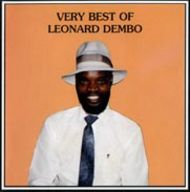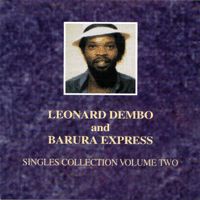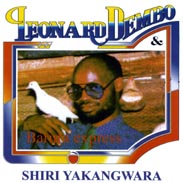

Biography
Leonard Dembo: the electric mbira magician
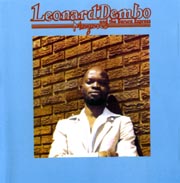
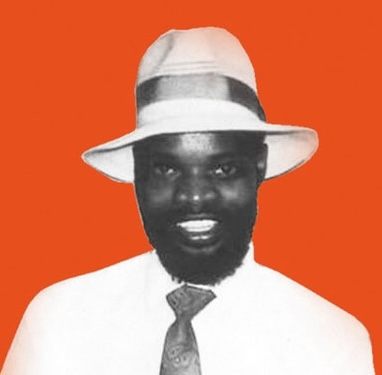
One evening in 1985 in Harare, Leonard Dembo took the stage with his group Barura Express without sheet music, without writing a single one of his lyrics. The twelve thousand spectators did not yet know it, but they were witnessing the beginning of a golden era of Zimbabwean music. His guitar playing imitated the enchanting arpeggios of the mbira — this ancestral Shona instrument whose metal strings he made vibrate through electric amplifiers. That evening, like so many others, he composed melodies live that would become the eternal classics of sungura.
In brief
| Birth name | Kwangwarai Gwaindepi (alias Leonard Tazvivinga Dembo) |
| Nickname | Musoro WeNyoka (« serpent head ») |
| Birth | 6 February 1959, Chirumhanzu (Masvingo province), Zimbabwe |
| Death | 9 April 1996, Harare, Zimbabwe (37 years old) |
| Genre | Sungura — electric guitar imitating the mbira |
| Iconic works | “Chitekete”, “Venenzia”, “Ruva Rashe” |
| Honours | Album of the decade (Miss World 1996), posthumous Lifetime Achievement award Masvingo Music Awards 2018 |
Key dates
| Year | Event |
|---|---|
| 1959 | Birth in Chirumhanzu, Masvingo province |
| 1970s | First chords at the age of seven on the guitar |
| 1979 | Meeting with Cosmas Nyathi, guitarist who pushed him towards professional music |
| 1982 | Joined the Outsiders, first success with “Venenzia” |
| 1984 | Formed Barura Express, released his first album Amai Nevana Vavo |
| 1985-1994 | Most fertile creative period: ten major albums |
| 1991 | Release of Chitekete, the album that reached one hundred thousand copies sold |
| 1996 | “Chitekete” becomes the only Zimbabwean song played at the Miss World Contest in Windhoek, Namibia |
| 9 April 1996 | Death in Harare, at the age of 37 |
From shepherd to stage: a musical childhood
Kwangwarai Gwaindepi, who would later be known as Leonard Dembo, was born on 6 February 1959 in the Chirumhanzu region, Masvingo province. An orphan of his father since the age of five, he grew up under the care of his mother Sukai. Very early on, music imposed itself as an irresistible vocation: at seven years old, he would caress a guitar. From Buhera to Bulawayo, then to Harare where he finished his primary education at Chembira College, the strings accompanied him everywhere — to the point that leaving school for financial reasons did not distract him from his passion.
In Bulawayo, in 1979, the decisive meeting occurred: Cosmas Nyathi, an accomplished guitarist, convinced him to approach music on a professional level. Dembo joined the Spiders Band in Zvimba, and then, after leaving the group, he moved to Harare in 1982. There, he joined the Outsiders and exploded on the local scene with “Venenzia”, a title that climbed to the top of the hit-parades and remained number one for several months. Followed by “Dambudzo” and “Amalume”, which confirmed the young guitarist as a promising artist.
But Dembo aspired to more. In 1984, he founded his own orchestra — the Barura Express — and recorded Amai Nevana Vavo. The record met with great success. The following decade would be his.
The golden age of Barura Express and the triumph of “Chitekete”
From 1985 to 1994, Dembo produced an uninterrupted series of albums that serve as milestones in the history of sungura — this musical style born in Zimbabwe, where the electric guitar reproduces the arpeggios of the Shona mbira and carries lyrics rooted in daily life, proverbs, and the wisdom of the Shona people. Nhamo Moto (1985-86), Kuziva Mbuya Huudzwa (1987), Sharai (1987), Kukura Kwedu (1988) and Ruva Rashe (1989) established Dembo as one of the greatest singer-songwriters in the country.
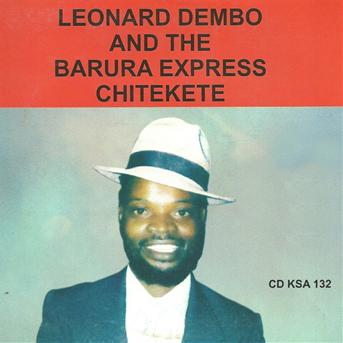
However, it was with Chitekete (1991) that the musician exploded onto the public stage. The eponymous title, which means “small” or “insignificant” in Shona (and also a cleaning tool), became a disguised national anthem: legend has it that Dembo almost abandoned the track when several group members walked out. Noting that the tenacious riff of his guitar should not sink, Dembo and the intrepid Innocent Mjintu relaunched the project. “Chitekete” became a cultural phenomenon, selling more than one hundred thousand copies. It was then selected as the key track for the 1996 Miss World parade in Windhoek (Namibia) — the only Zimbabwean song in history to receive this international recognition.
At his peak, Dembo shared the stage with continental figures like Kanda Bongo Man and was compared — rightly or wrongly — to the legendary John Chibadura, another sungura giant. The two artists categorically refused to perform in the same place, fueling a myth still very much alive in Zimbabwe.
Dembo was fiercely shy in front of cameras — only two video clips were officially produced during his entire career. Most images of his concerts circulate in clandestine copies, taken on the sly during mythical shows at Stodart Hall (Mbare), Arena Rusununguko (Chitungwiza), and the Mkoba stadium in Gweru. The songs, he himself told Fred Zindi in 1993, were born in his dreams: he would wake up at night with ready melodies, which he recorded on his tape recorder so as not to forget them. None of his lyrics was ever written down on paper.
After a severe nasal hemorrhage that occurred during a concert in the Makoni region in 1995, his health declined. He sought treatment at the shrine of Madzibaba Nzira in Chitungwiza, before passing away on 9 April 1996 in Harare, at the age of 37.
Major Works
| Work | Year | Why It’s Essential |
|---|---|---|
| Mai neVana Vavo | 1984 | Foundational album of the Barura Express that launched Dembo on the national stage |
| Ruva Rashe | 1989 | Masterpiece of Shona poetry: Dembo weaves a tale of love and fidelity that still makes dancers vibrate |
| Chitekete | 1991 | The album-hymn: over one hundred thousand sales, the only Zimbabwean title at Miss World 1996 |
| Nzungu Ndamenya | 1994 | Twelve-minute feature-length musical, an ambitious exploration of singing and guitar in duo |
Legacy and Influence
Thirty years after his passing, Leonard Dembo remains the absolute reference for sungura guitarists. No Zimbabwean musician has matched his arpeggio precision, nor the poetic density of his lyrics. The Barura Express — revived by his sons Morgan and Tendai in the early 2010s with the album Kutsika Matsimba — ensures the transmission of his repertoire. In 2018, the Masvingo Music Awards bestowed a posthumous Lifetime Achievement Award upon him. The “born-free” generations, born after independence, continue to discover his songs and fill their playlists with them. Dembo remains the voice of a nation that sought to tell itself its own story in its own language, and that voice continues to resonate.
Sources and References
- “Leonard Dembo”, Wikipedia (English), https://en.wikipedia.org/wiki/Leonard_Dembo, accessed November 5, 2026.
- “About Leonard Dembo”, Pindula (local Zimbabwean encyclopedia), https://www.pindula.co.zw/Leonard_Dembo, accessed November 5, 2026.
- Tapfumaneyi Chirikure, “The man who inspired Tongai Moyo was media shy, but talented – Leonard Dembo”, Intimacy With Zim Musicians (Fred Zindi blog), published October 17, 2011, https://intimatemomentswithzimmusicians.blogspot.com/2011/10/man-who-inspired-tongai-moyo-was-media.html
- Talent Chimutambgi, “How I met, dated Leonard Dembo”, The Herald Zimbabwe, published in 2024 (28th anniversary commemoration), https://www.heraldonline.co.zw/how-i-met-dated-leonard-dembo/
- “ZN: Remembering Leonard Dembo Story by Patience Nyagato”, ZBC News (X/Twitter), https://x.com/ZBCNewsonline/status/1777778854603432327
- Fred Zindi, “Zimbabwe: Even Leonard Dembo was heckled”, Music In Africa, published November 22, 2017, https://www.musicinafrica.net/magazine/zimbabwe-even-leonard-dembo-was-heckled
- “Leonard Dembo Lyrics, Songs, and Albums”, Genius, https://genius.com/artists/Leonard-dembo