Biography
Linton Kwesi Johnson
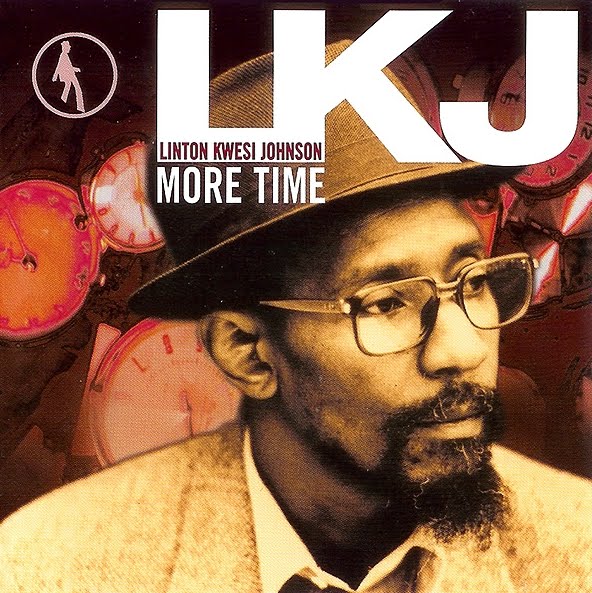
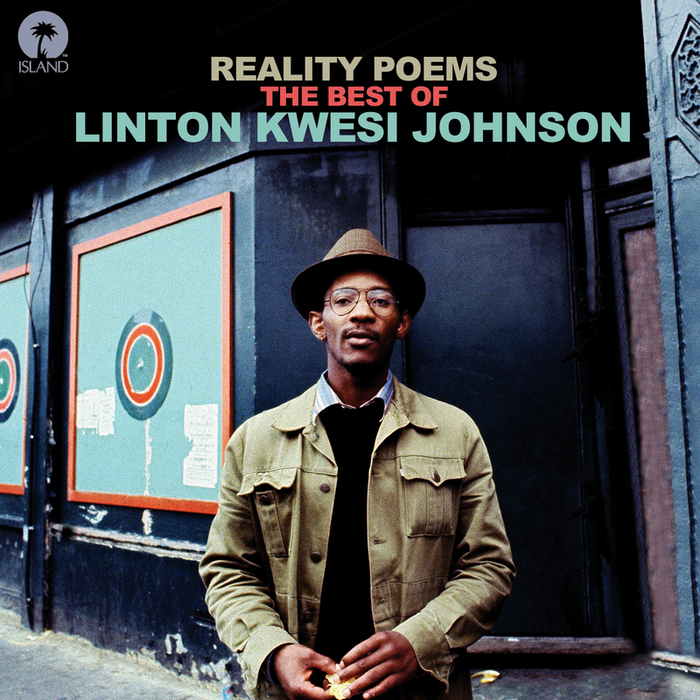
1978, Brixton. On a reggae rhythm laid down by a frenetic bassist, a man in a hat and tie steps onto the stage and begins reciting in phonetically transcribed Jamaican patois. His name: Linton Kwesi Johnson, known as LKJ. The first notes of “Sonny’s Lettah” — a letter from a young Black man hunted by the Sus Law, the British anti-vandalism police — strike the audience’s ear like blows of a truncheon. That evening, a new genre was born: dub poetry. More than forty years later, his words on police violence and Black anger resonate with the same urgency.
In brief
| Full name | Linton Kwesi Johnson |
| Birth | 24 August 1952, Chapelton (parish of Clarendon), Jamaica |
| Field | Dub poetry — spoken-word poetry on reggae/dub rhythms, political activism |
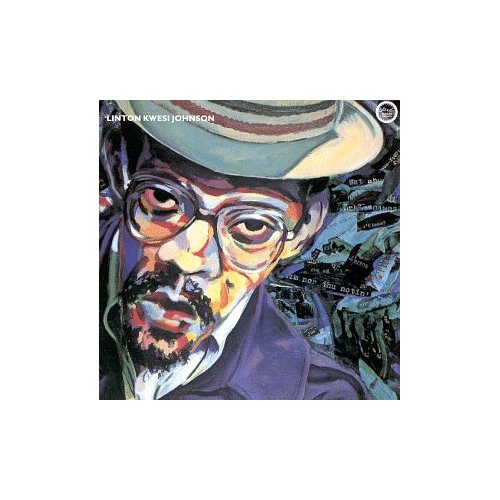
| Iconic works | “Sonny’s Lettah”, Forces of Victory, Mi Revalueshanary Fren, Bass Culture |
| Honours | Order of Distinction (Jamaica), PEN Pinter Prize, Penguin Modern Classics, Grammy nomination |
Key dates
| Year | Event |
|---|---|
| 1952 | Birth in Chapelton, Jamaica; “Kwesi” is a Ghanaian name for Sunday in Akan tradition |
| 1963 | Arrival in London (Brixton) with his father, to join his mother who had come a few years earlier in the wake of Windrush |
| 1970 | Membership in the British Black Panthers at Tulse Hill high school; poetry workshop with the group Rasta Love |
| 1973 | Sociology degree from Goldsmiths College, University of London; mission officer at Keskidee Centre |
| 1974 | First collection published by the magazine Race Today, Voices of the Living and the Dead |
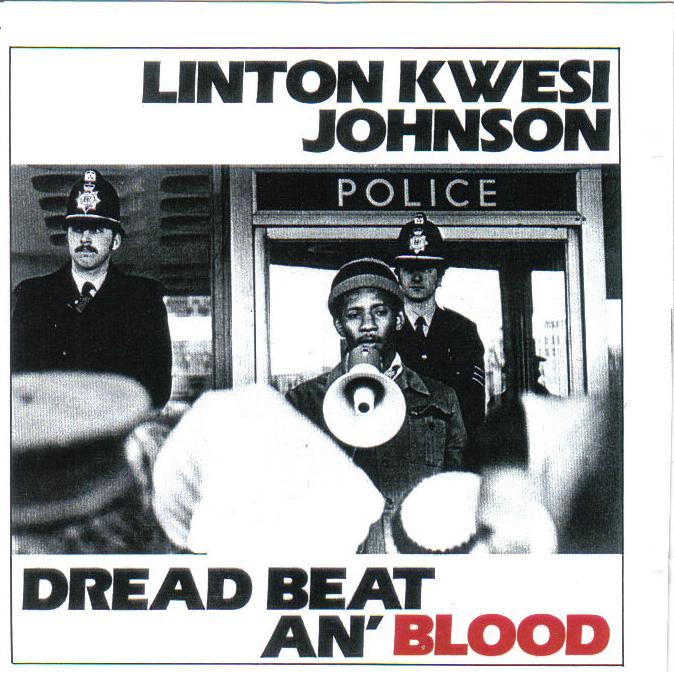
| 1978 | First album Dread Beat an’ Blood on Virgin Records; eponymous documentary film by Franco Rosso |
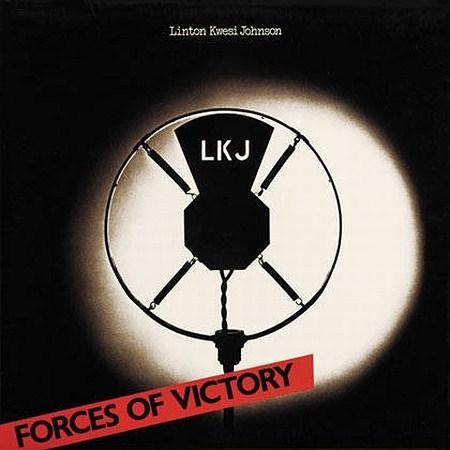
| 1979 | Forces of Victory (Island Records); first dub poetry album in the UK reggae Top 20 |
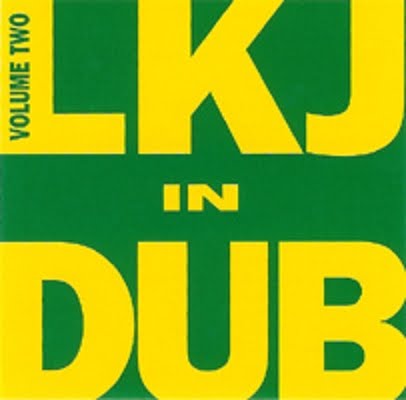
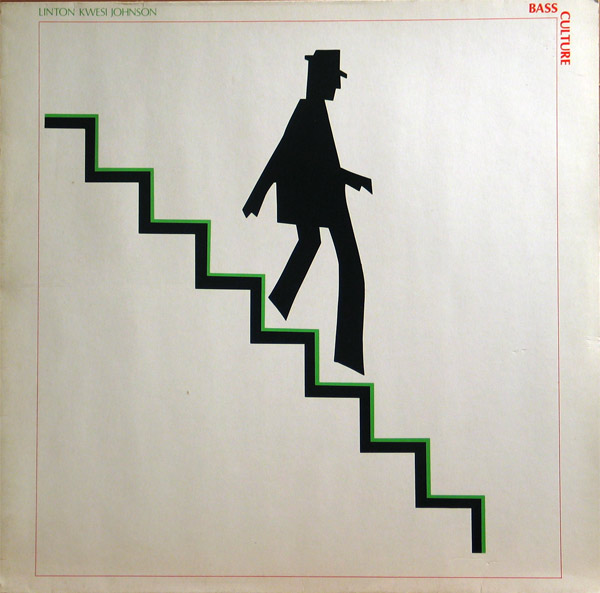
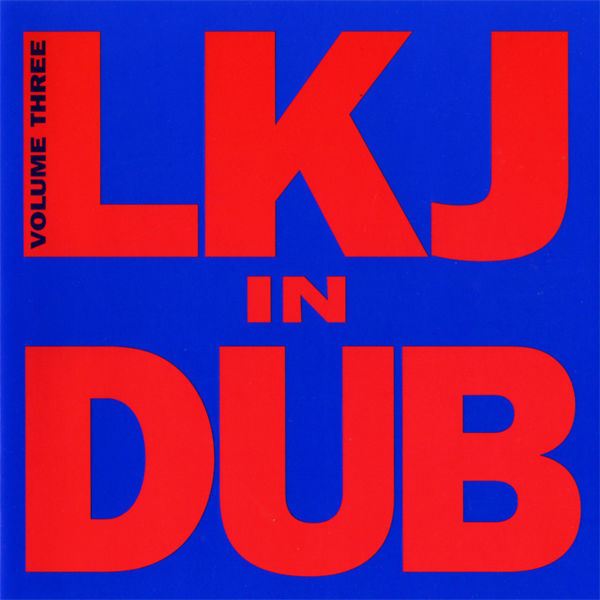
| 1980 | Bass Culture and LKJ in Dub (Island); the founding works of the LKJ-Dennis Bovell duo |
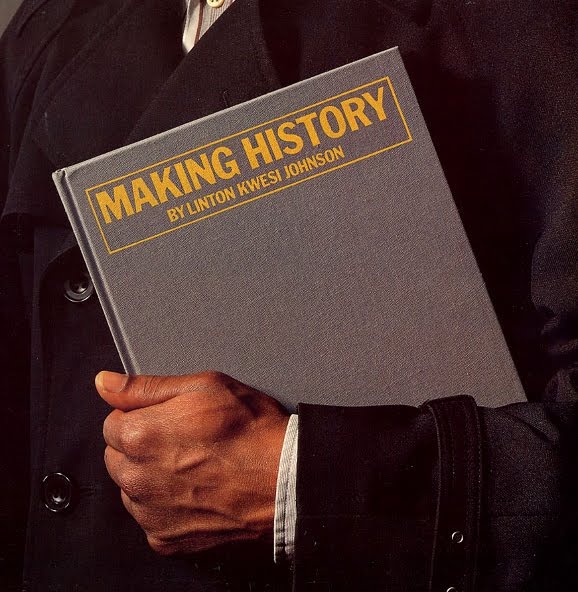
| 1983 | Making History (Island); the most explicitly political album, facing Thatcherism |
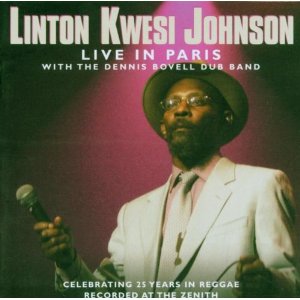
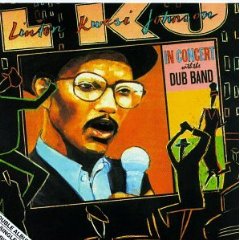
| 1985 | In Concert with the Dub Band (independent); Grammy nomination |
| 1987 | Nominated for Grammy Award Best Reggae Recording for In Concert with The Dub Band (29th ceremony) |
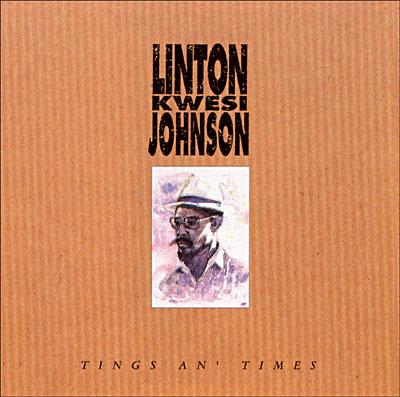
| 1991 | Tings An’ Times on his label LKJ Records; Selected Poems at Bloodaxe Books |
| 2002 | First edition Penguin Modern Classics under the title Mi Revalueshanary Fren, second living poet of the collection, first Black person |
| 2005 | Musgrave Silver Medal from the Jamaica Institute for exceptional poetic contribution |
| 2008 | PEN Pinter Prize in recognition of his civic and poetic commitment |
| 2017-23 | Time Come (Picador, essays); poem commissioned by Steve McQueen for the series Uprising (BBC) |
Trajectory and revelation: a poet in the storm of the 1970s-80s
Linton Kwesi Johnson is born on 24 August 1952 in Chapelton, in the rural parish of Clarendon in Jamaica. His nickname “Kwesi” is an Akan name, traditionally given to a child born on Sunday. In 1963, at the age of eleven, he arrives in Brixton (south of London) with his father to join his mother, who had come in the wake of Windrush. “I come from Jamaican peasantry,” he tells the Guardian. “My family were subsistence farmers, so we ate what we grew. Sometimes a few eggs or sugar cane at the market. That’s how we lived.”
He attends Tulse Hill School and joins the British Black Panthers from his adolescence. “I learned my politics, my history and my culture there,” he recalls. He participates in poetry workshops with Rasta Love, a group of drummers and poets. His sociology at Goldsmiths College (graduated in 1973) nourishes his political consciousness. He becomes the first educational librarian at Keskidee Centre, the first British Black theatre. “Writing was a political act and poetry a cultural weapon,” he confesses in 2008. “I did not see myself as an angry young Black poet, but as someone trying to articulate in verse the experiences of my generation.”
His poetry is published for the first time in Race Today in 1974 (Voices of the Living and the Dead), then Dread Beat An’ Blood (Bogle-L’Ouverture, 1975). In 1978, the first album Dread Beat an’ Blood comes out on Virgin Records: his baritone voice leans on the dub rhythms of reggae thanks to Dennis Bovell, producer and guitarist who will become his permanent collaborator. In 1979, Forces of Victory (Island Records) marks a turning point — it is the first dub poetry album to enter the UK reggae Top 20. The enthusiasm is such that Dennis Bovell forms “The Dennis Bovell Dub Band” to ensure the concerts, and the duo signs Bass Culture (1980), LKJ in Dub (1980) and the thunderous album Making History (1983), entirely dedicated to the fight against racism and police violence of the Thatcher era. In the 1980s, Johnson immerses himself in journalism within the collective Race Today, produces radio projects and launches his own label, LKJ Records. “I never saw my poetry as a call,” he explains to the Guardian. “It was more like a visceral need to express what I was living through in a formative period of my life.”
Major works
| Work | Year | Why it is essential |
|---|---|---|
| Voices of the Living and the Dead | 1974 | First collection published, foundation of a Jamaican voice in England |
| Dread Beat An’ Blood (album) | 1978 | First dub poetry album, the voice on dub that will define an entire genre |
| Forces of Victory | 1979 | First dub poetry album in the UK reggae Top 20, public consecration |
| Bass Culture | 1980 | Masterpiece homage to Big Youth, triumph of an Afro-British aesthetic |
| Making History | 1983 | Most radical album (Thatcherism, police and oppression) |
Heritage and influence
Dub poetry remains the undisputed signature of LKJ. His phonetically transcribed Jamaican patois writing paved the way for an entire generation of spoken-word poets, notably Oku Onuora and the Black British scene. His long collaboration with Dennis Bovell established a lasting model: poet + reggae musician, stage and studio. Critics have compared him to Allen Ginsberg for his frankness and to Noam Chomsky for the precision of his analyses. Steve McQueen exploited his poetry in Small Axe; “The truth is his fire,” McQueen specifies. “It is dangerous, but he knows how to wield it. There is a clarity in him that vibrates through his words.” His work remains a pillar of British Black literature and an international reference for all militant poetry.
Sources and references
- “Linton Kwesi Johnson”, Wikipedia, https://en.wikipedia.org/wiki/Linton_Kwesi_Johnson, accessed 8 November 2026.
- “Linton Kwesi Johnson — Biography, Discography & Expert Reviews”, AllMusic, https://www.allmusic.com/artist/linton-kwesi-johnson-mn0000289629, accessed 8 November 2026.
- “Linton Kwesi Johnson”, Poetry Archive, https://poetryarchive.org/poet/linton-kwesi-johnson/, accessed 8 November 2026.
- Sean O’Hagan, “Linton Kwesi Johnson: ‘I certainly did not see myself as an angry young black poet’”, The Guardian, 31 July 2022, https://www.theguardian.com/books/2022/jul/31/linton-kwesi-johnson-selected-poems-interview, accessed 8 November 2026.
- Jason Gross, “LINTON KWESI JOHNSON”, Perfect Sound Forever (Furious.com), January 1997, https://www.furious.com/perfect/lkj.html, accessed 8 November 2026.
- “Exploring the Impact of Linton Kwesi Johnson’s Poetry”, Official Site, https://lintonkwesijohnson.co.uk/about-lkj/, accessed 8 November 2026.
- “Linton Kwesi Johnson — Grammy Awards and Nominations”, Grammy.com, https://www.grammy.com/artists/linton-kwesi-johnson/13662/, accessed 8 November 2026.