Biography
Little John
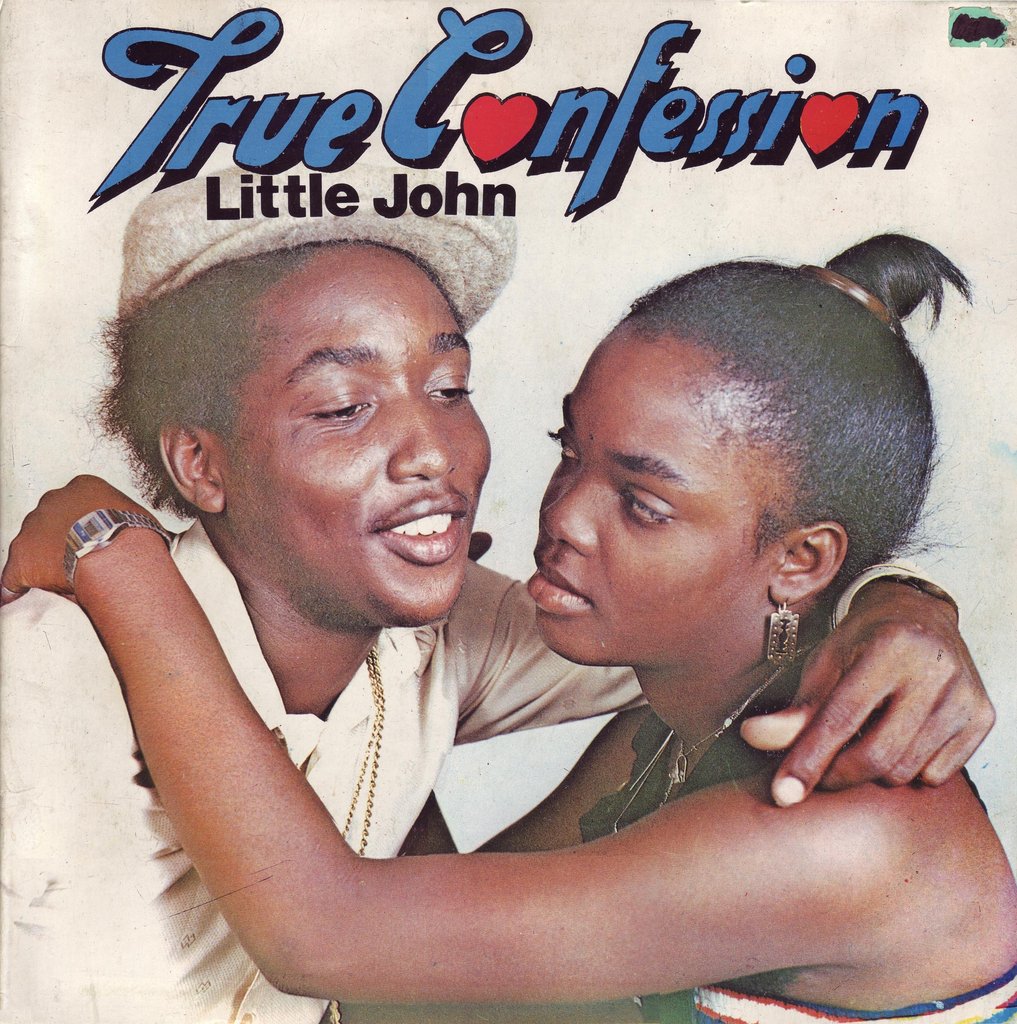
In 1984, within the smoky confines of Channel One in Kingston, Little John improvised the lyrics to “True Confession” over an existing riddim in a single take. Overnight, Jamaican producers and deejays realized he possessed a rare gift: transforming any backing track into a hit. This ability to perform without a second chance, without preparation, would make him a dancehall legend.
In Brief
| Full Name | John McMorris |
| Birth | March 30, 1965, Kingston, Jamaica |
| Genre | Dancehall, reggae roots, dub, digital |
| Notable Works | “True Confession”, “Clarks Booty”, “River to the Bank” |
| Honors | Founder of the 1980s dancehall scene; label Romantic (1986-1990) |
Key Dates
| Year | Event |
|---|---|
| ~1974 | At nine years old, first appearance on Captain Sinbad’s single “51 Storm” (label Youth in Progress) |
| ~1975 | Records “Robe” with the future Roots Radics (Don Mais label) |
| 1975-1980 | Training on sound systems: Romantic Hi Fi, Killimanjaro, Gemini |
| 1980-1984 | Volcano Hi Power by Junjo Lawes; tours in the United Kingdom and the United States |
| 1983-1986 | Golden period: Junjo Lawes, George Phang, Jah Thomas, King Jammy, Steely & Clevie |
| 1984 | “True Confession” — dancehall manifesto (Phang, Sly and Robbie) |
| 1985-1986 | “Clarks Booty”, work with King Tubby (Firehouse label) |
| 1986 | Launch of Romantic label; production with Frankie Paul, Early B |
| 1990 | Album Boombastic (Niney the Observer, return to reggae roots) |
| 2019 | Biographical article in Jamaica Observer; Portland Sound Splash concert |
| 2025 | Retrospective compilation of the Romantic label (1986-1990) |
From Child Prodigy to Dancehall Master — The Journey of a Pioneer
Born John McMorris in Kingston on March 30, 1965, Little John entered the music world very early: barely nine years old when he laid his voice on Captain Sinbad’s single “51 Storm” for Sugar Minott’s Youth in Progress label. The child is not credited in the liner notes, but his vocal interjections impressed producers enough to open the studio doors for him. The Rough Guide to Reggae presents him alongside Sammy Dread as the embodiment of the dancehall singer, a figure capable of placing fresh lyrics on any vintage riddim with raw energy. Before adolescence, he was already a phenomenon of the sound systems.
Don Mais entrusted him with sessions where musicians who would become the Roots Radics accompanied him; the results include “Robe”, “What Is Catty” and “Gun Fever”. As the Rough Guide notes, he was still an adolescent when recording for Mais. It is also on the stages of Romantic Hi Fi, Killimanjaro and Gemini that he perfected his craft. As he would later say in an interview, the scene was a natural school for him. The turning point came with Henry Junjo Lawes’ Volcano Hi Power: international tours in the company of Yellowman and Barrington Levy. He recalls that Volcano propelled him to another level — he called it the mother of all sound systems. Great Britain and the United States discovered him.
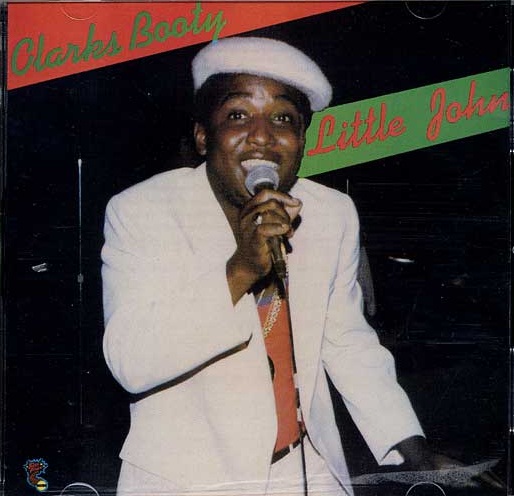
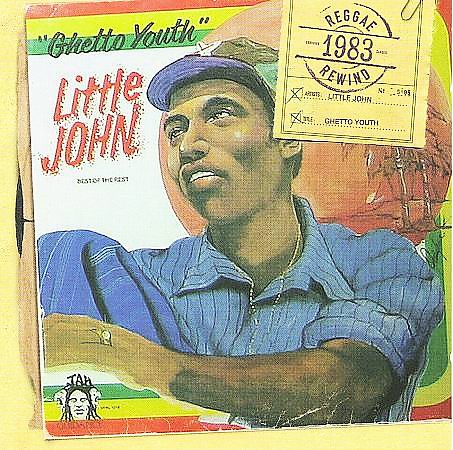
In the early 1980s, Little John was a recording machine. Junjo Lawes entrusted him with the album Ghetto Youth (1983), George Phang worked on tracks that became classics, and Jah Thomas, King Jammy, Steely & Clevie successively welcomed him into the studio. His technique — improvising lyrics over an existing riddim in a single take — became legendary. AllMusic reports that his ability to perform without a second chance was unique in the business. “True Confession” (1984), on Phang’s Powerhouse label, recycles the Heavenless riddim (originally recorded by Vin Gordon at Studio One in 1968) with Sly and Robbie on rhythm: it is the dancehall manifesto. “River to the Bank” and “Clarks Booty” (1985) mark the apex of dancehall roots. He also recorded for King Tubby on the Firehouse label, with “Tickle Me” and “Fade Away”.
When digital reggae exploded in 1985, Little John adapted: “Block Traffic” and “Gimme No Bun” for King Jammy, a version of the Real Rock riddim with Steely & Clevie. His voice profoundly influenced London jungle music of the 1990s. In 1986, he launched his Romantic label — a dozen tracks with artists like Frankie Paul and Early B. The album Boombastic (1990, produced by Niney the Observer) marked a return to reggae roots. He withdrew from frequent recordings but remains present: album Build Back Yard (2006), Portland Sound Splash concert in 2019. In June 2025, he published a major retrospective compilation of the Romantic label (1986-1990) — an archival approach that crowns more than four decades of career.
Major Works
| Work | Year | Why It Is Essential |
|---|---|---|
| “True Confession” | 1984 | The dancehall manifesto: Sly and Robbie, the Heavenless riddim, a foundational track |
| “Clarks Booty” | 1985 | Peak of dancehall roots, an timeless hit |
| Ghetto Youth (Junjo Lawes) | 1983 | First landmark album, the Time Longer Than Rope riddim |
| “River to the Bank” | 1985 | Dancehall reinterpretation of a traditional track |
| Boombastic (Niney the Observer) | 1990 | Return to reggae roots, proof of versatility |
Legacy and Influence
Little John shares with Tenor Saw and Nitty Gritty the merit of having founded the singjay style — this bridge between singing and deejaying that dominated Jamaican dancehall. British artists like Maxi Priest, trained on London sound systems, pay direct homage to this trio of pioneers. His scattered discography — hundreds of 45s documented by the Rough Guide — constitutes a heritage that the 2025 Romantic label compilation begins to gather. His work with Sly and Robbie, the Roots Radics and King Tubby ranks among the sonic foundations of 1980s dancehall.
Sources and references
- « Little John (musician) », Wikipedia, https://en.wikipedia.org/wiki/Little_John_(musician), accessed 10 November 2026.
- « Little John — Biography », AllMusic, https://allmusic.com/artist/little-john-mn0000263916/biography, accessed 10 November 2026.
- « Little John », World of Jamaican Music, https://worldofjamaicanmusic.com/little-john, accessed 10 November 2026.
- « Little John grew up on sound systems », Jamaica Observer, 6 May 2019, https://www.jamaicaobserver.com/2019/05/06/little-john-grew-up-on-sound-systems/, accessed 10 November 2026.
- « Perfect Sound Forever: Little John, reggae dancehall », Furious.com, by Eric Doumerc (October 2020), https://www.furious.com/perfect/littlejohn.html, accessed 10 November 2026.
- « Reggae Interviews talks with Little John », Reggae Vibes, https://www.reggae-vibes.com/articles/2025/09/reggae-interviews-talks-with-little-john/, accessed 10 November 2026.
- Steve Barrow and Peter Dalton, The Rough Guide to Reggae, 3rd ed., London : Rough Guides, 2004.