Biography
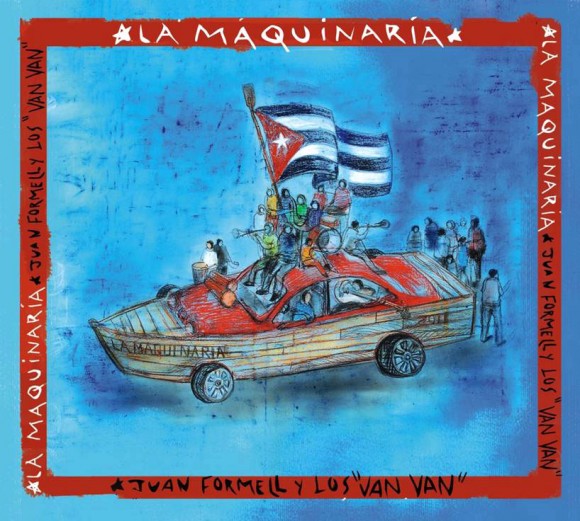
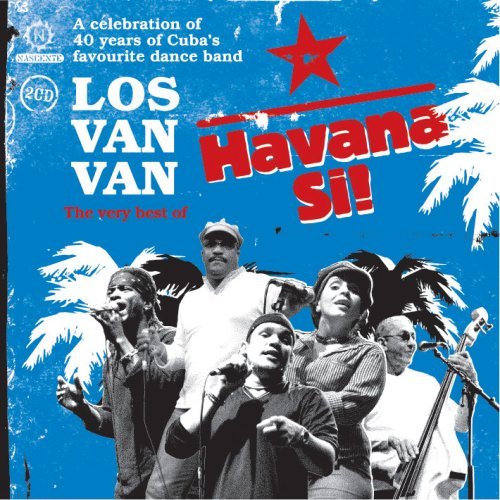
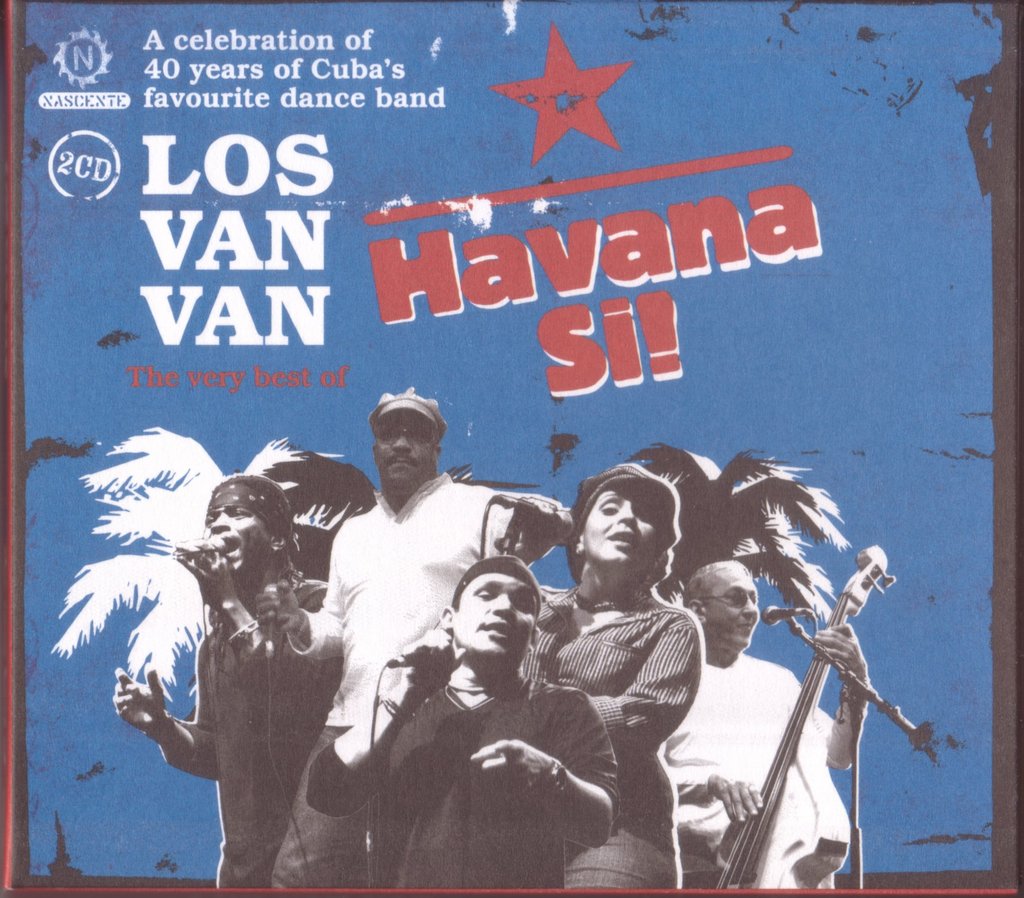
Los Van Van
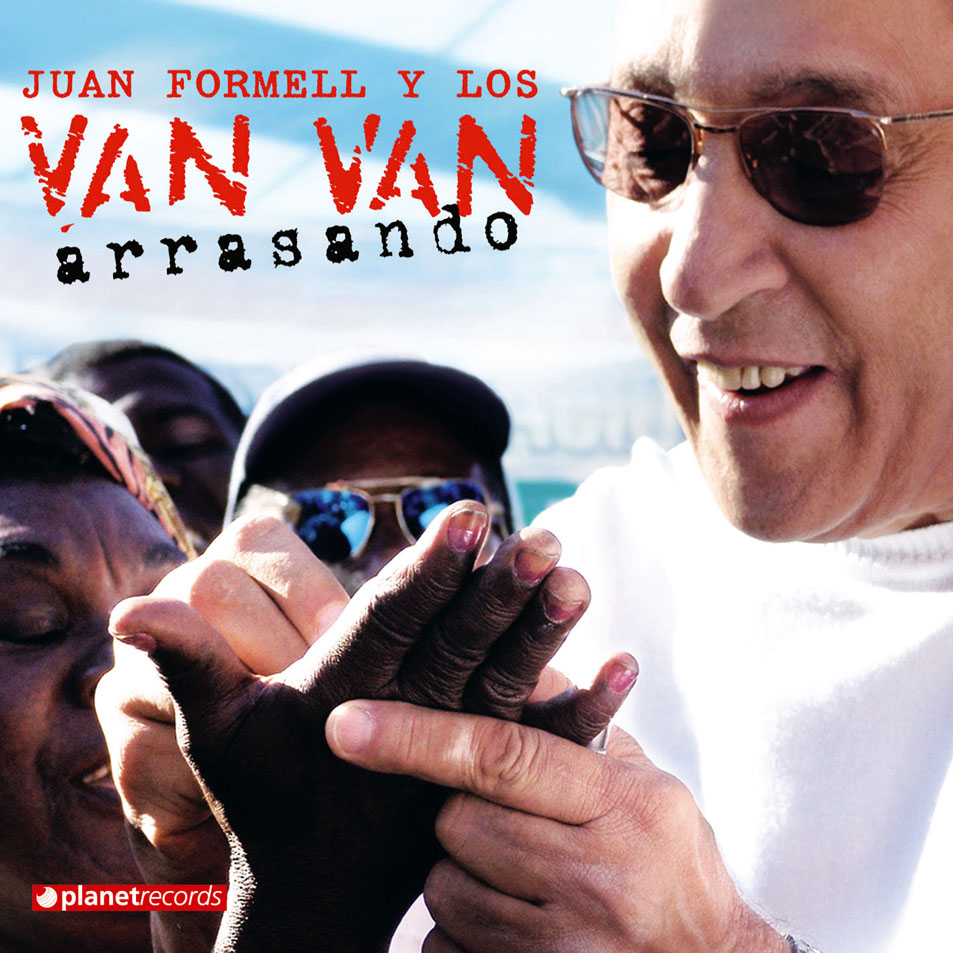
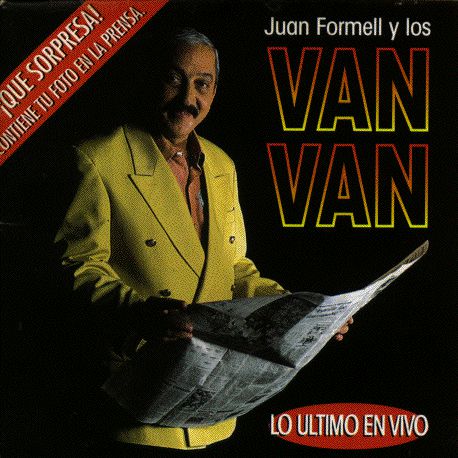
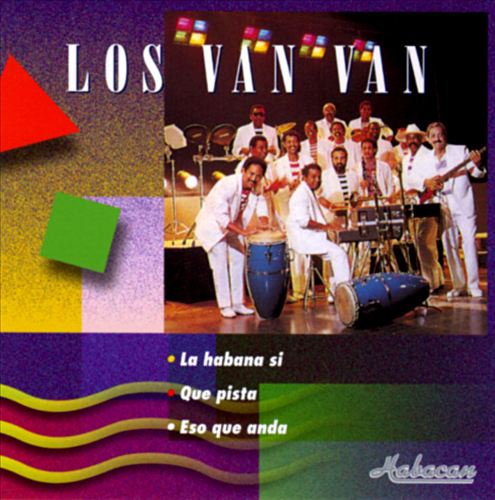
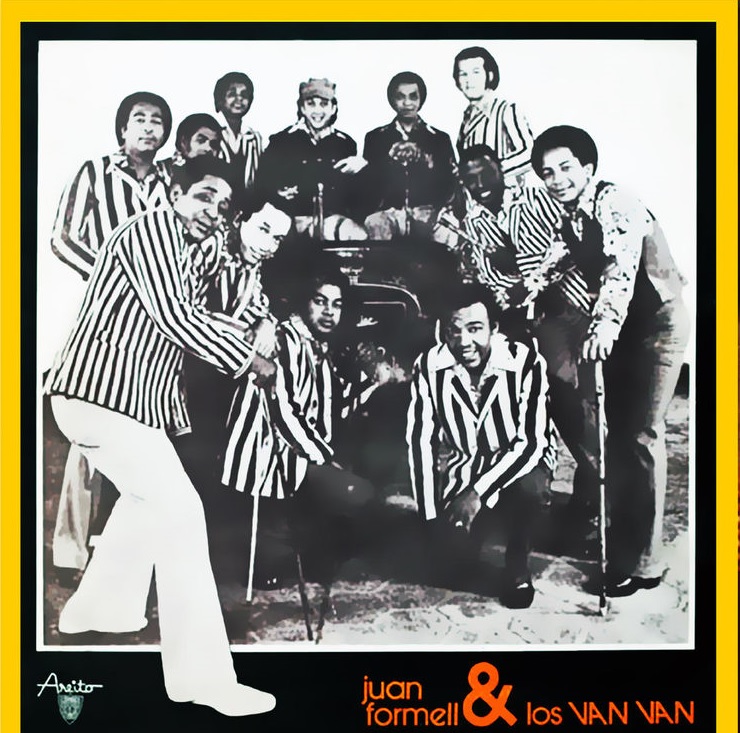
In 1969, in Havana, Juan Formell—a twenty-seven-year-old bassist—decided to quit everything. He left behind Orquesta Revé, the orchestra he had brilliantly transformed. He set off with musicians who shared his vision: to create modern Cuban music, plugged into North American rock and funk but deeply rooted in the island’s traditions. On December 4, Los Van Van was born. It would become the longest-lasting and most influential post-revolutionary formation in Cuba, lasting nearly half a century.
In Brief
| Band Name | Los Van Van |
| Founder | Juan Formell Cortina (bass, vocals) |
| Place of Formation | Havana, Cuba |
| Founded | December 4, 1969 |
| Genre(s) | songo, timba, salsa, son montuno |
| Signature Works | “Sandunguera”, “La Habana No Aguanta Más”, “Marilu” |
| Awards | Grammy Award 2000, Womex Prize 2013 |
Key Dates
| Year | Event |
|---|---|
| 1942 | Birth of Juan Formell Cortina in Havana (Cayo Hueso) on August 2 |
| 1967 | Formell becomes musical director of Orquesta Revé and invents the changüí 68 |
| 1969 | Creation of Los Van Van on December 4, with Pupy Pedroso and Changuito |
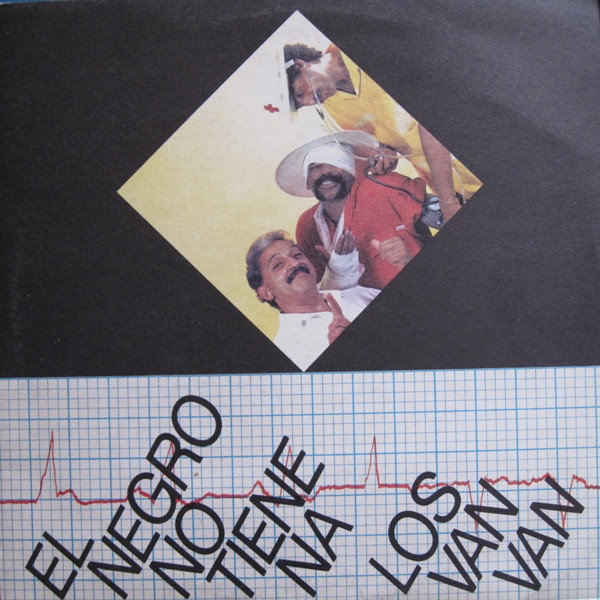
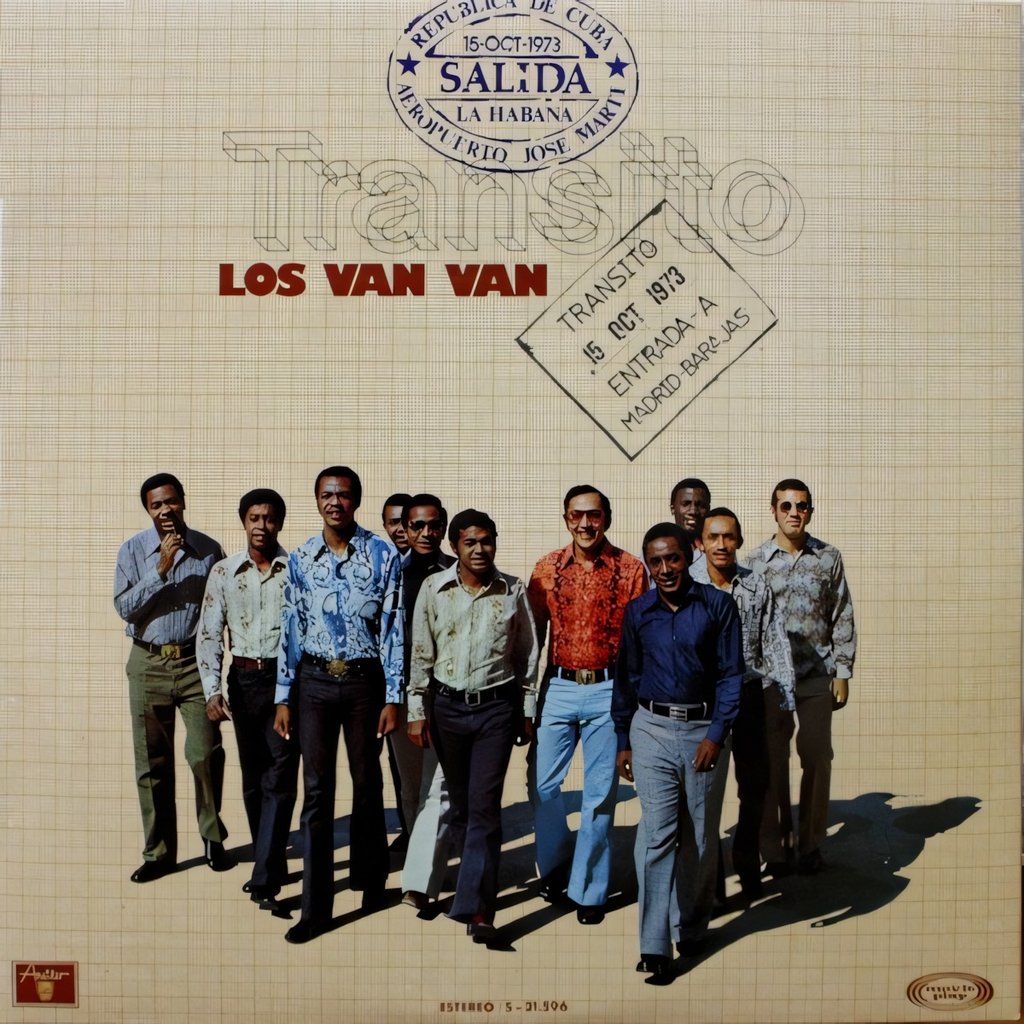
| 1974 | Release of Tránsito (vol. III), a landmark album; Pedro Calvo joins the orchestra |
| 1980 | Addition of trombones to the traditional charanga format for the first time |
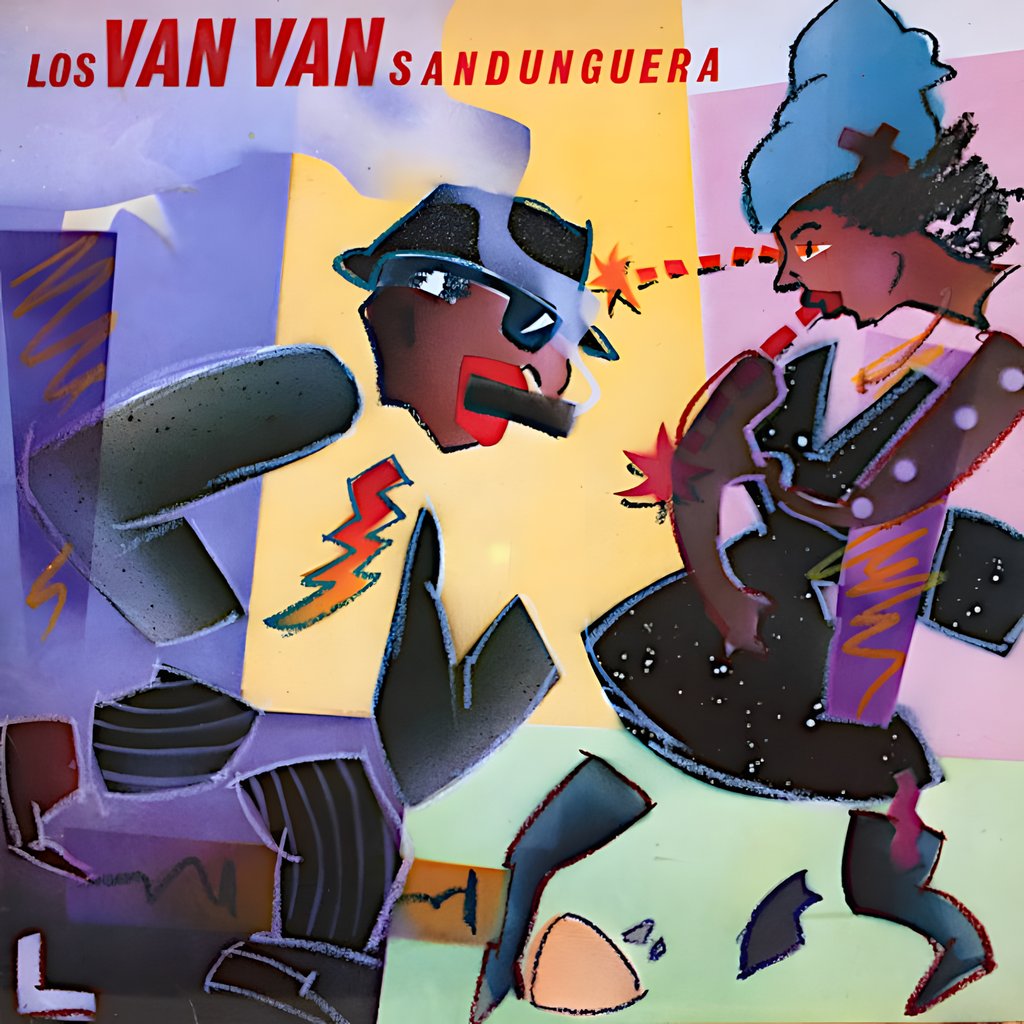
| 1986 | “Sandunguera”—the greatest international hit, the hymn of timba |
| 1987 | “La Habana No Aguanta Más”—an urban social chronicle on the congestion of Havana |
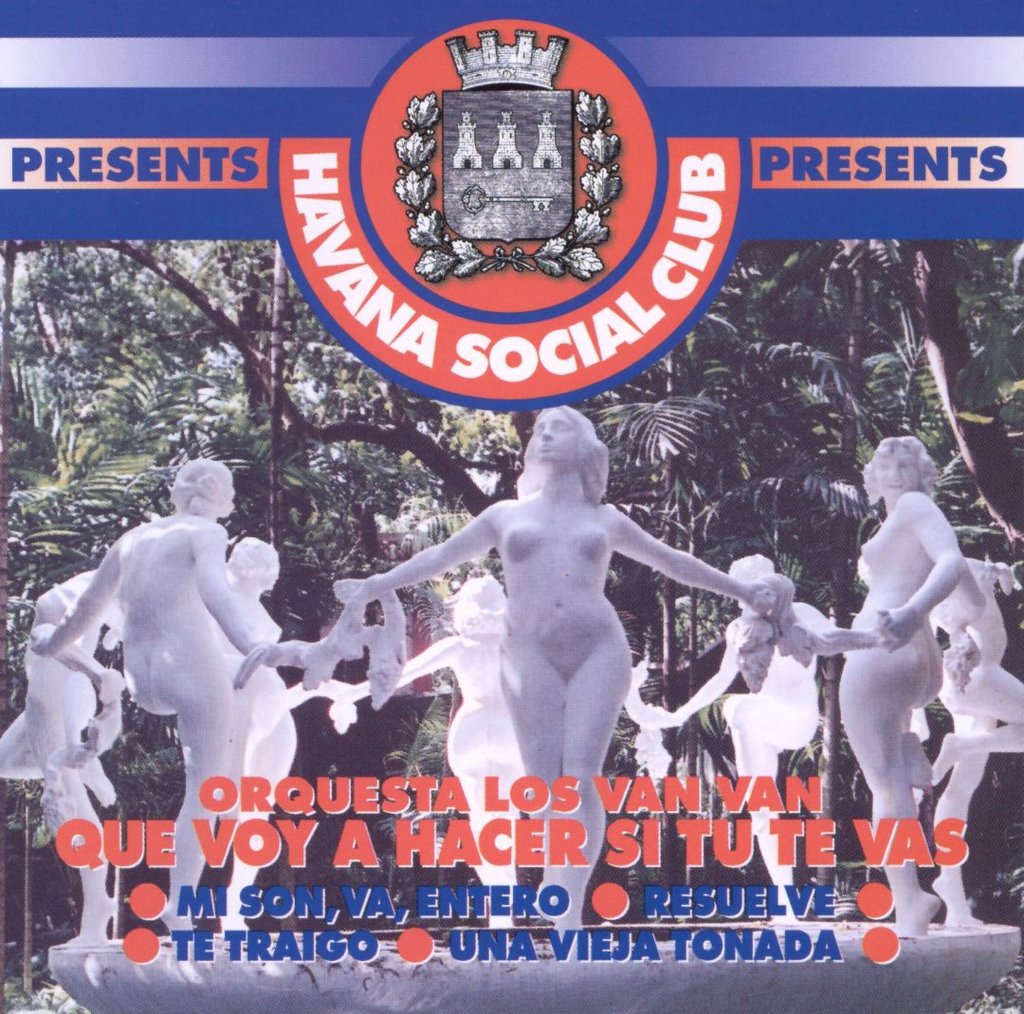
| 1997 | First tour in the United States, album Esto te Pone la Cabeza Mala |
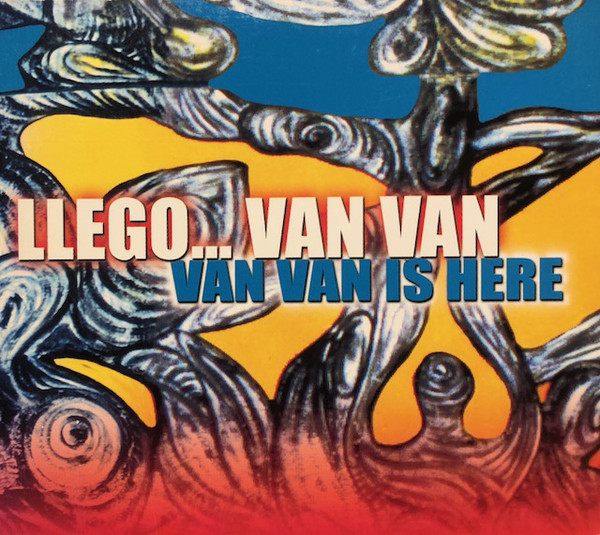
| 2000 | Grammy Award for Best Salsa Album for Llegó Van Van; Pupy leaves the group |
| 2013 | Womex Artist Award; Formell receives a Latin Grammy Lifetime Achievement Award |
| 2014 | Death of Juan Formell on May 1; Samuel Formell takes over the orchestra |
Formation and Invention of Songo
Juan Formell was born on August 2, 1942, in a neighborhood of Havana where music flows freely. His father, Francisco Formell Madariaga, was a musician and professional copyist—a rigorous discipline that shaped young Juan, who was subjected to strict musical dictations whenever he didn’t keep his sheet music. Formell studied with Orestes López and Odilio Urfé, two pillars of Cuban music. But he also listened to Elvis Presley and the Beatles, sound nourishments then forbidden by the revolution. His musical approach—an amalgam of Cuban traditions and North American influences—would forever transform the soundscape of the island.
In 1967, Formell became musical director of Orquesta Revé. There he invented the changüí 68, an unprecedented mix of Cuban son and rock. But in December 1969, he provoked the great Revé secession: accompanied by the majority of the musicians—including César “Pupy” Pedroso on piano and José Luis “Changuito” Quintana on percussion—he founded Los Van Van. The name? A nod to the fashionable North American go-go, evoking energy of continual movement.
From the very beginning, the orchestra disrupted the traditional charanga format (violins, flute, percussion). Formell replaced the flute with singers, introduced electric bass, piano, and electric guitars. The percussion, revolutionized by Changuito—considered by AllMusic as the most influential Cuban percussionist of the late 20th century—integrated American drum rudiments into Afro-Cuban rhythms. The result was a new genre, which Formell called songo.
Revelation and Chronicles of Cuba
The 1970s saw Los Van Van launch a cycle of six albums that laid the foundations for songo and paved the way for what would later become timba. In 1974, Tránsito marked a turning point; Pedro Calvo joined the group and sang for twenty years, becoming the orchestra’s emblematic voice. In 1980, trombones were added to the charanga format. In 1984, “Anda, ven y muévete” attracted international attention. In 1986, “Sandunguera” became the timba hymn.
Formell always composed the music before the lyrics, then sought in street conversations the text that would make sense. He explains in Eso que anda, Ian Padrón’s documentary dedicated to the group’s forty years, that the bakery queue is ideal for capturing popular language. His songs are sharp and humorous chronicles of Cuban life—urban anger, despair during the Special Period of the 1990s—mixed with social satire and sexual innuendo, in the Cuban tradition.
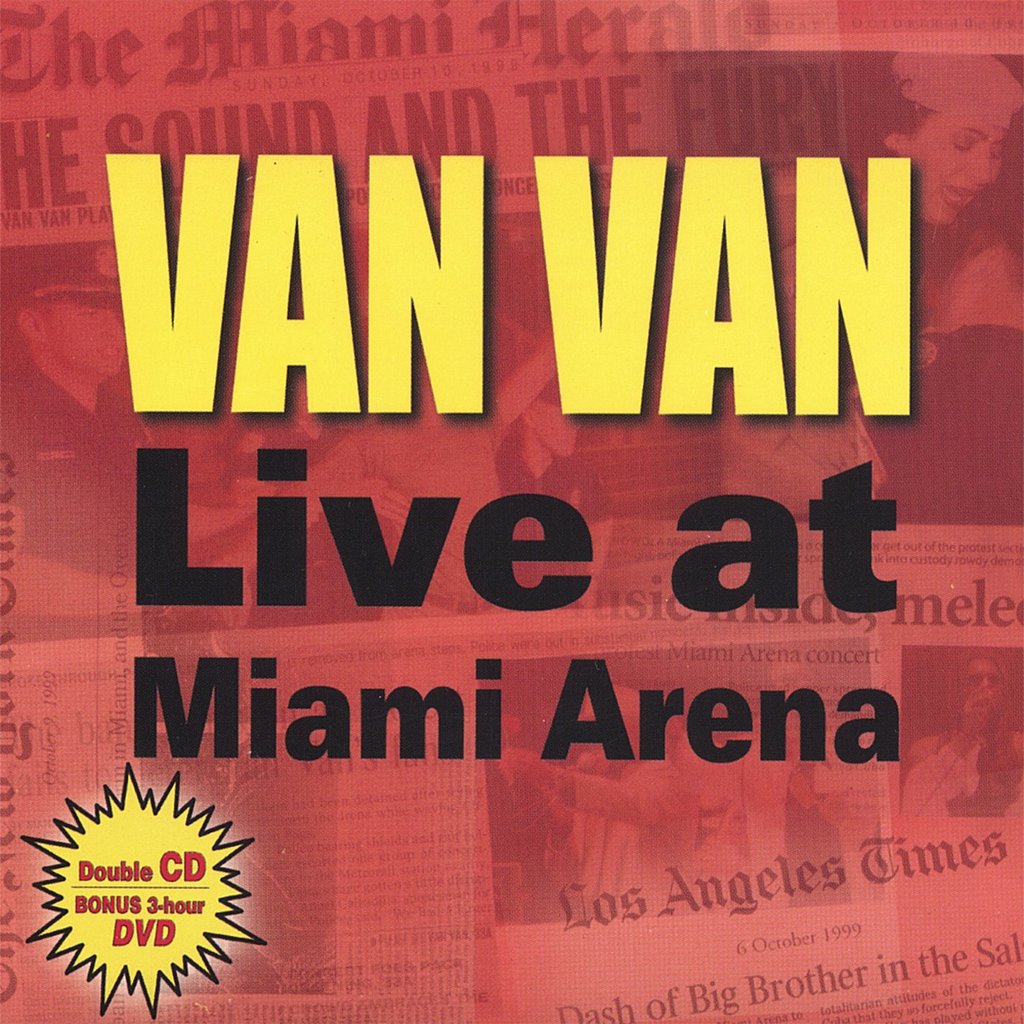
In 1997, Los Van Van undertook its first American tour with Esto te Pone la Cabeza Mala. Miami was hostile: Cuban exiles protested, some calling him a Castro agent, but Formell did not bend. In 2000, the reward arrived: a Grammy Award for Best Salsa Album for Llegó Van Van. Formell saw it as collective consecration: popular dance music had finally reached, after the triumph of the Cuban Revolution, the summit of global recognition.
Major Works
| Work | Year | Why It’s Essential |
|---|---|---|
| Tránsito (vol. III) | 1974 | Landmark album, Pedro Calvo joins the orchestra and songo crystallizes |
| “Sandunguera” | 1986 | Universal timba hymn, irresistible invitation to movement |
| “La Habana No Aguanta Más” | 1987 | Urban social chronicle on the congestion of Havana during the Special Period |
| Llegó Van Van | 1999 | Album awarded a Grammy in 2000, international consecration of the group |
Heritage and influence
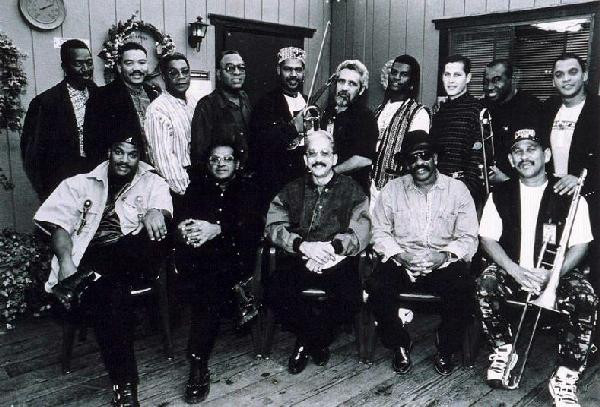
With forty-two recorded albums, Los Van Van was a school for the best Cuban musicians: Changuito and Pupy led notable solo careers, José Luis “El Tosco” Cortés founded NG La Banda, the first timba group, and Pedro Calvo became an icon. The orchestra continued under the direction of Samuel Formell, son and successor of Juan, following the founder’s death in 2014. Cuban press reported at the time in Granma the sense of belonging that the Van Van embodied for the entire island.
The songo invented by Formell was exported throughout the world of Latin jazz and Latin pop. The timba, which stems directly from it, influenced subsequent generations of Cuban and Latino American orchestras. The Womex organizers paid tribute to the group in 2013 for its imaginative approach that infused new sounds and ideas into Cuban dance music. Los Van Van remains, after nearly five decades, a train that takes the audience on an eruption of collective dance.
Sources and references
- “Los Van Van”, English Wikipedia, https://en.wikipedia.org/wiki/Los_Van_Van, accessed November 21, 2026.
- Evan C. Gutierrez, “Los Van Van Biography”, AllMusic, https://www.allmusic.com/artist/los-van-van-mn0000217487, accessed November 21, 2026.
- “Juan Formell’s musical legacy and 50 Years of Los Van Van”, Cuba50.org, https://cuba50.org/2019/07/25/50-years-of-los-van-van/, accessed November 21, 2026.
- Judy Cantor-Navas, “Juan Formell: Remembering Cuba’s Musical Nonconformist”, NPR, May 7, 2014, https://www.npr.org/2014/05/07/310154191/juan-formell-remembering-cubas-musical-nonconformist, accessed November 21, 2026.
- “Oye, somos Van Van, y a morirnos aquí”: Formell en entrevista con Amaury Pérez", Cubadebate, May 2, 2014, http://www.cubadebate.cu/noticias/2014/05/02/oye-somos-van-van-y-a-morirnos-aqui-formell-en-entrevista-con-amaury-perez, accessed November 21, 2026.
- Mariko Itagaki, “[Special Interview] Los Van Van / Samuel Formell”, MCCF OTOJIRO, August 25, 2023, https://mccf.jp/en/articles/interview/17, accessed November 21, 2026.