Biography
Biography
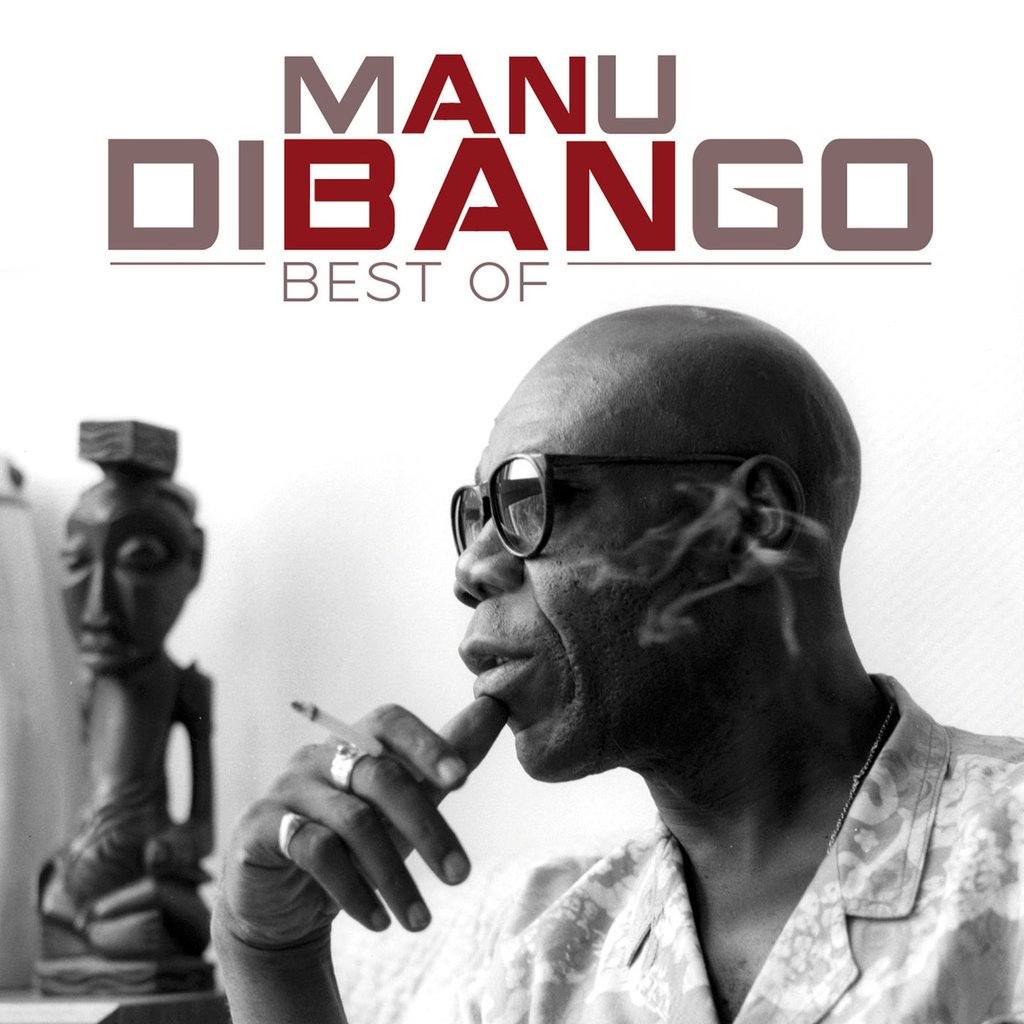
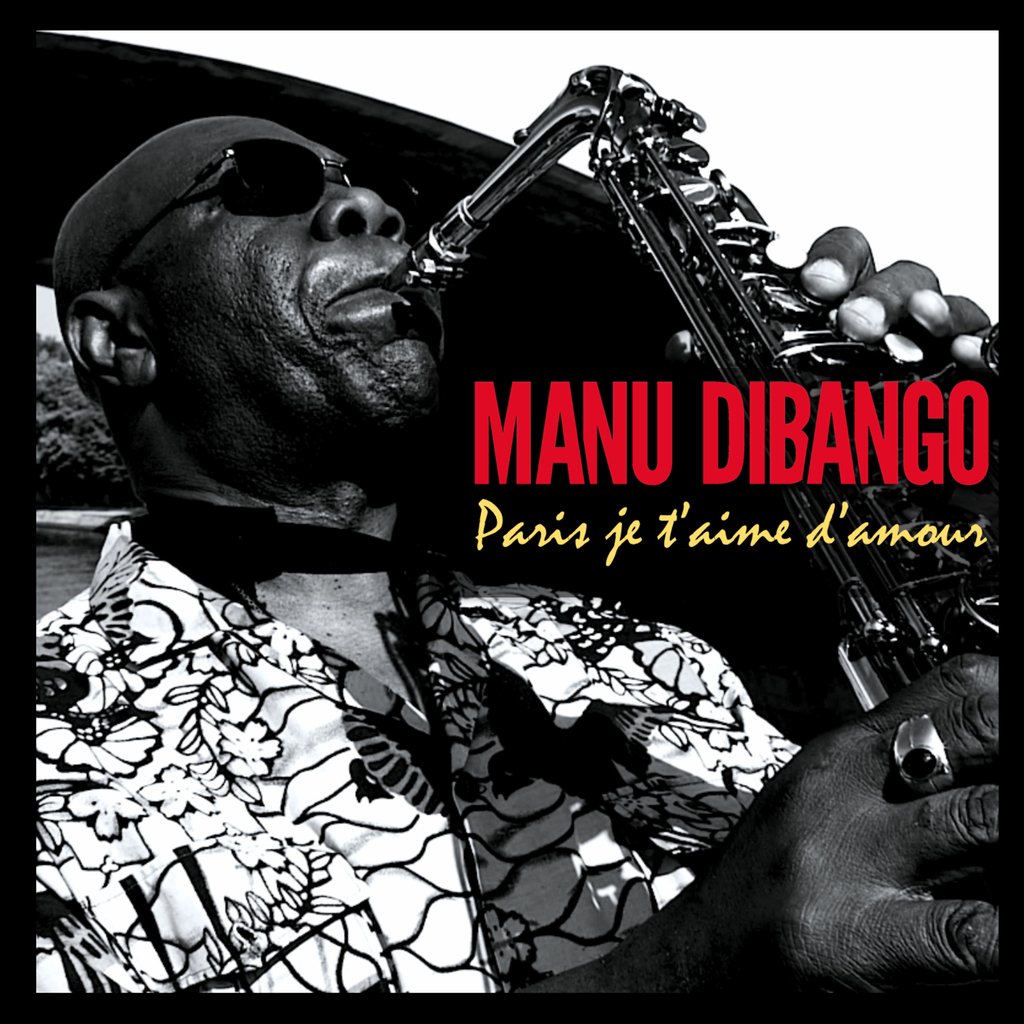
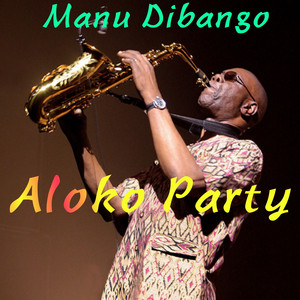
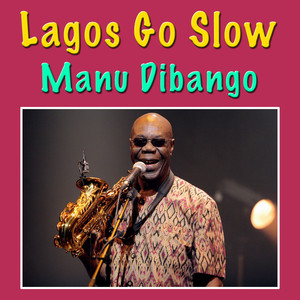
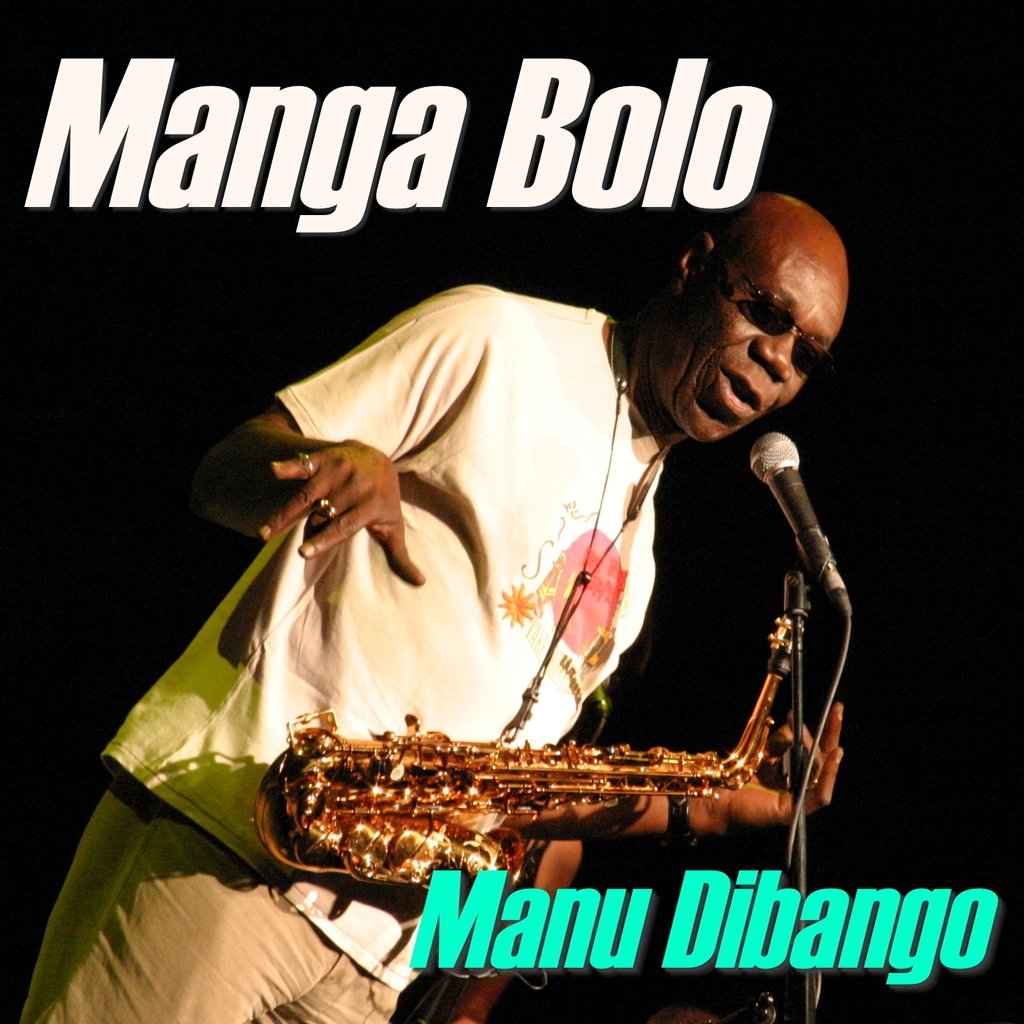
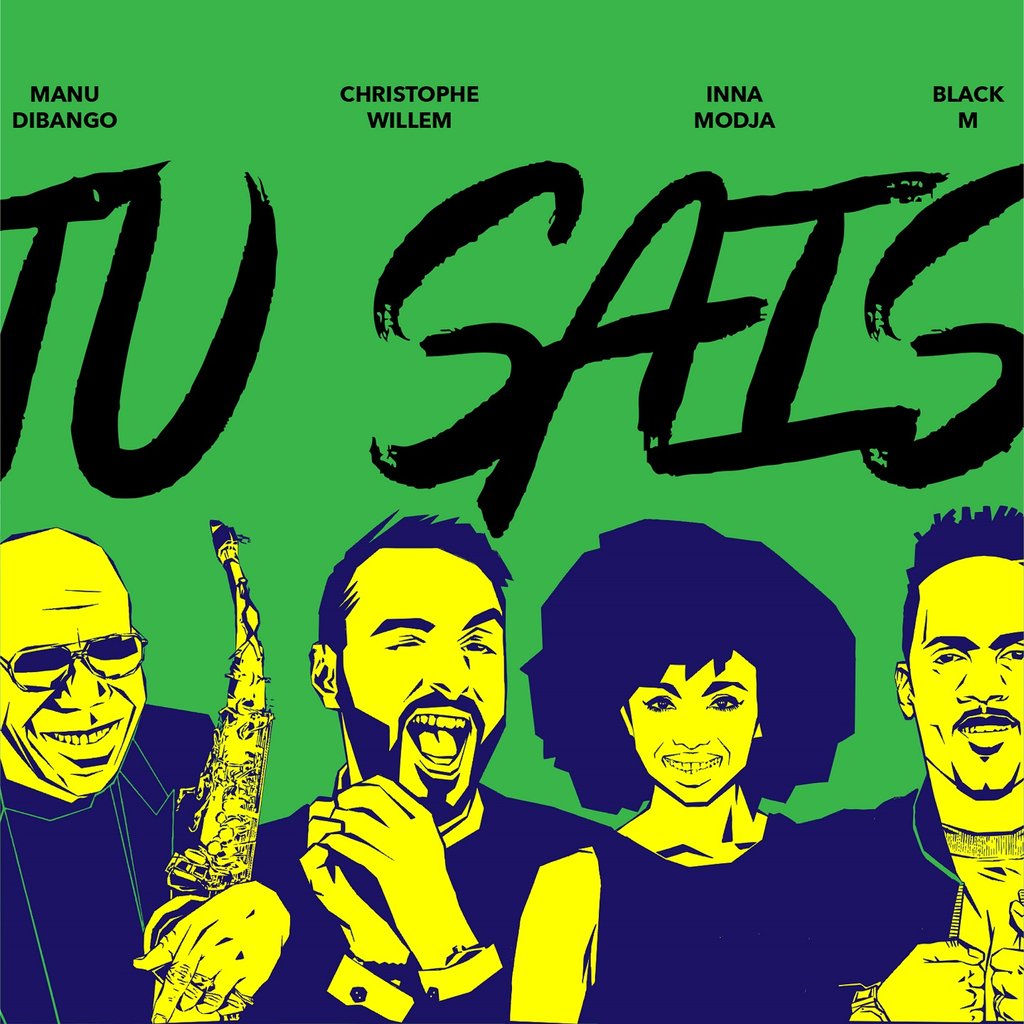
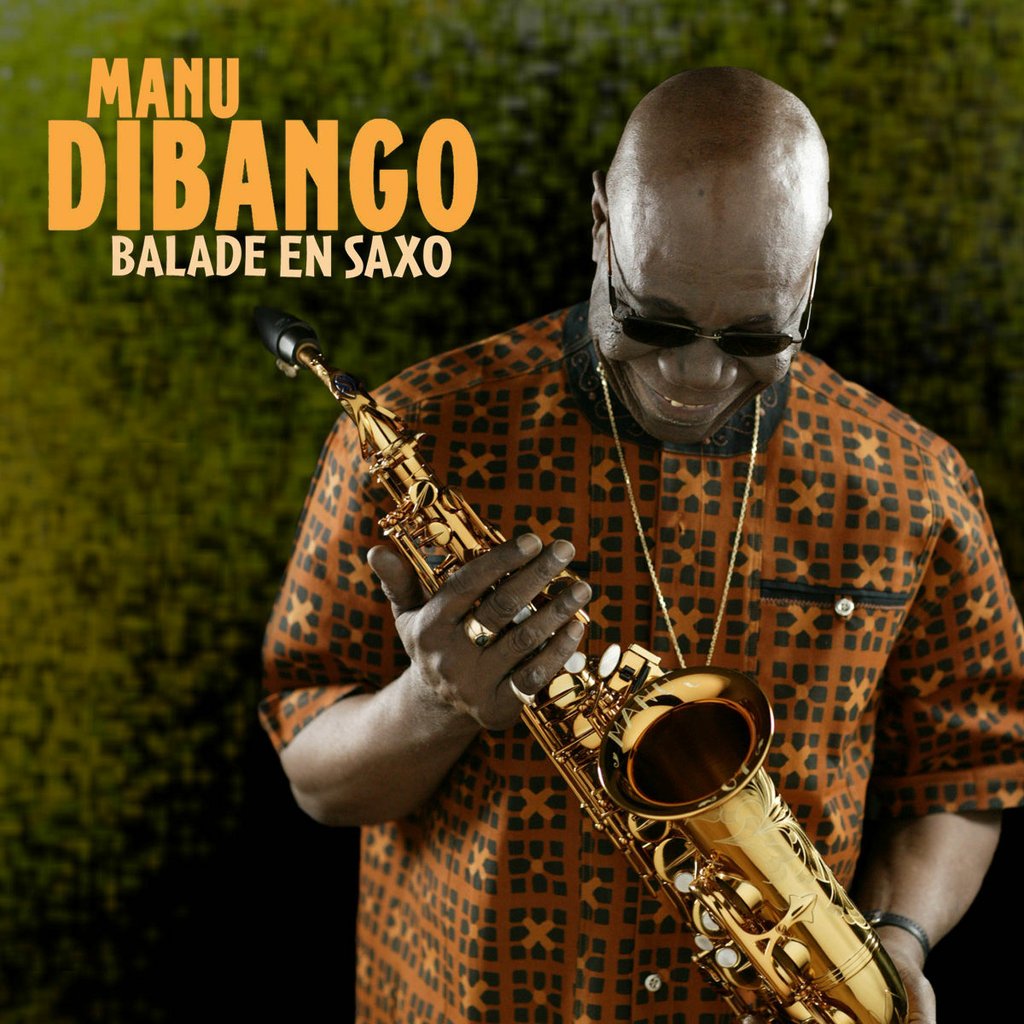
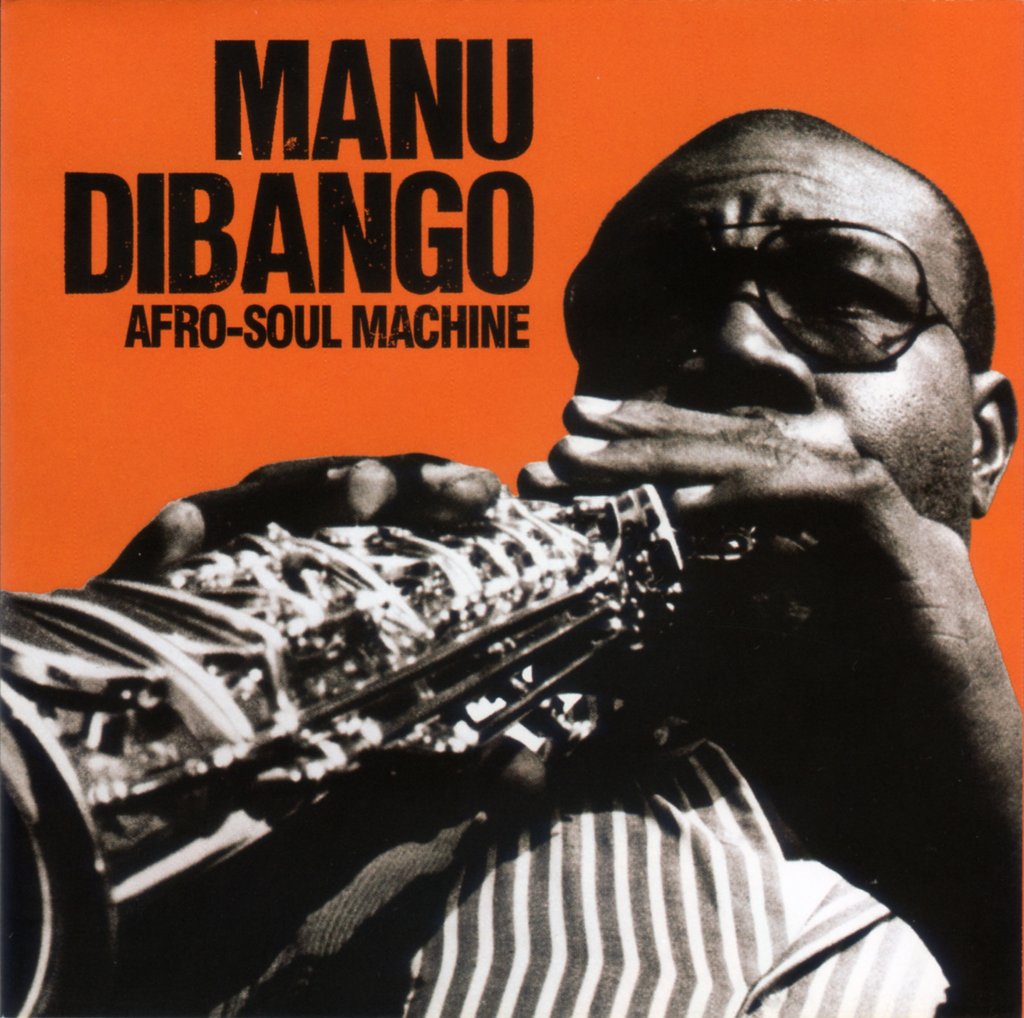
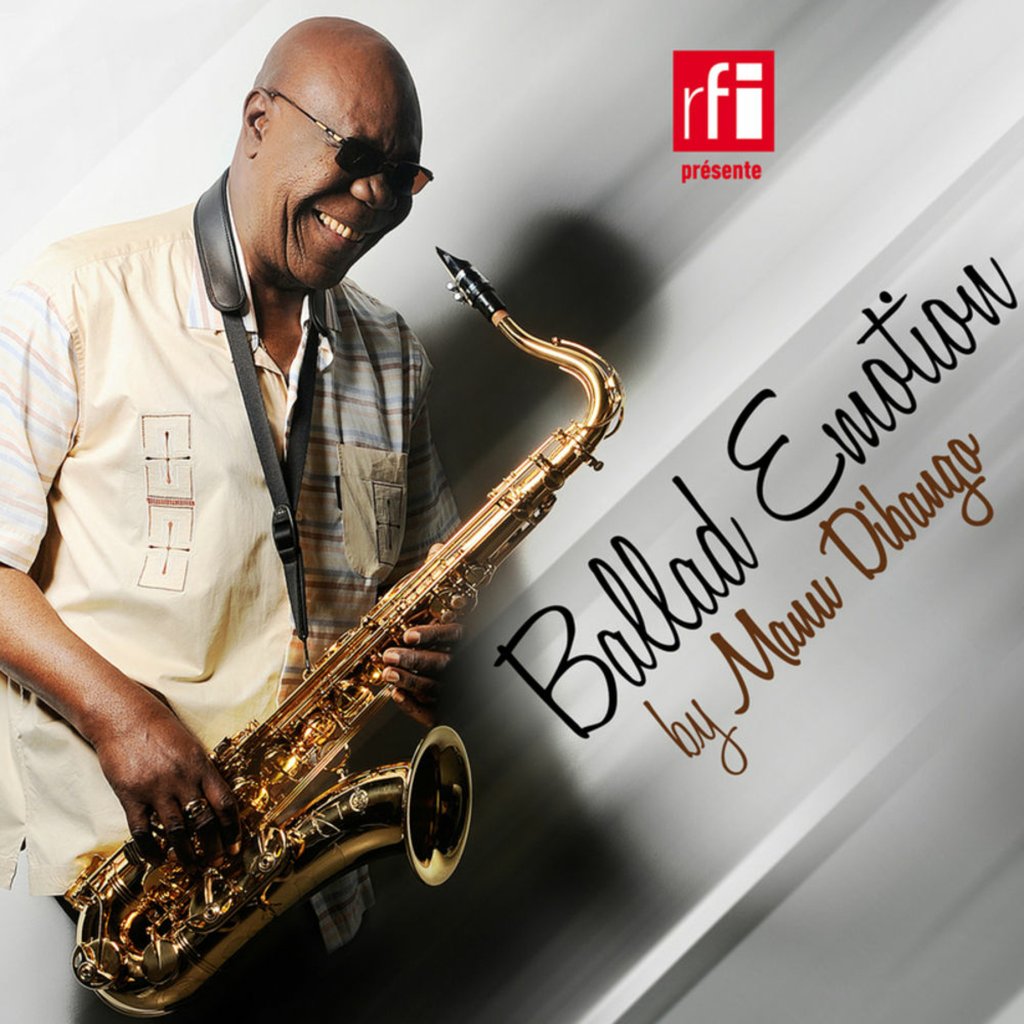
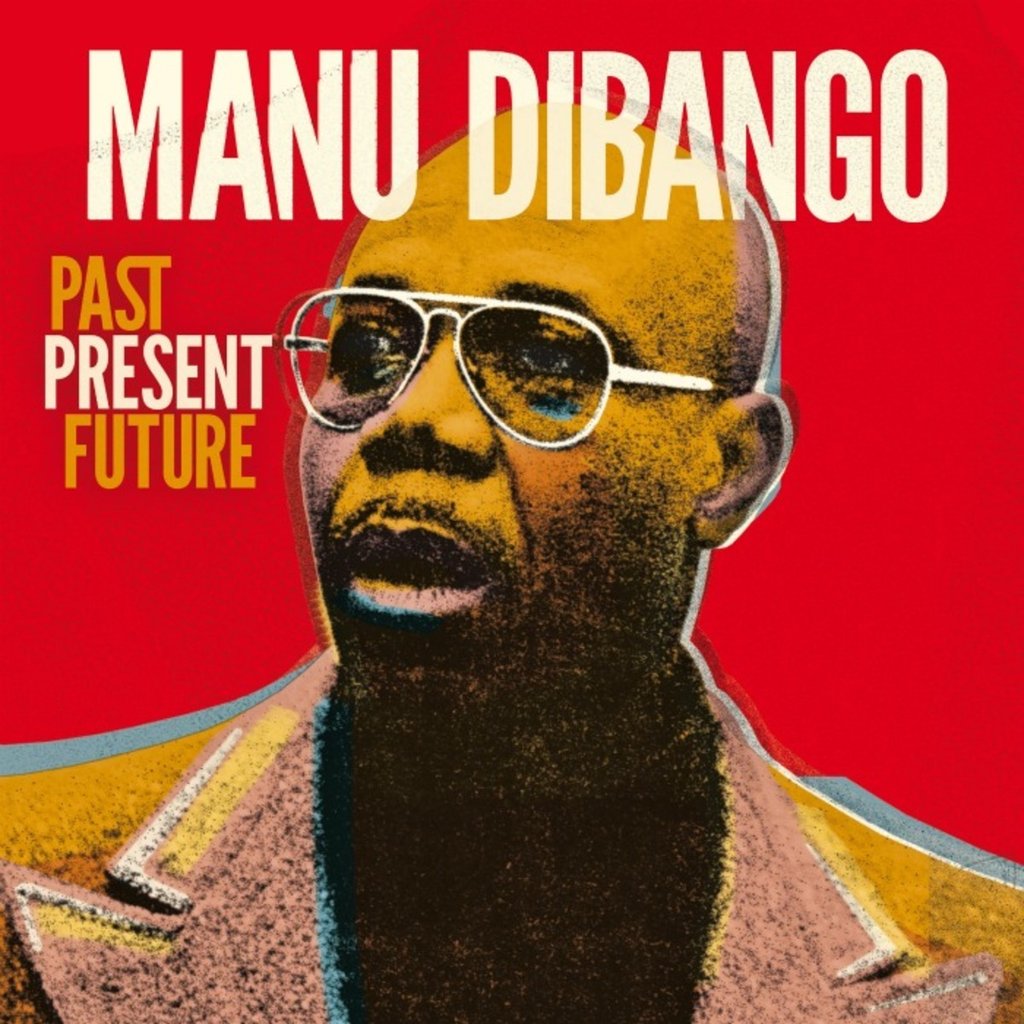
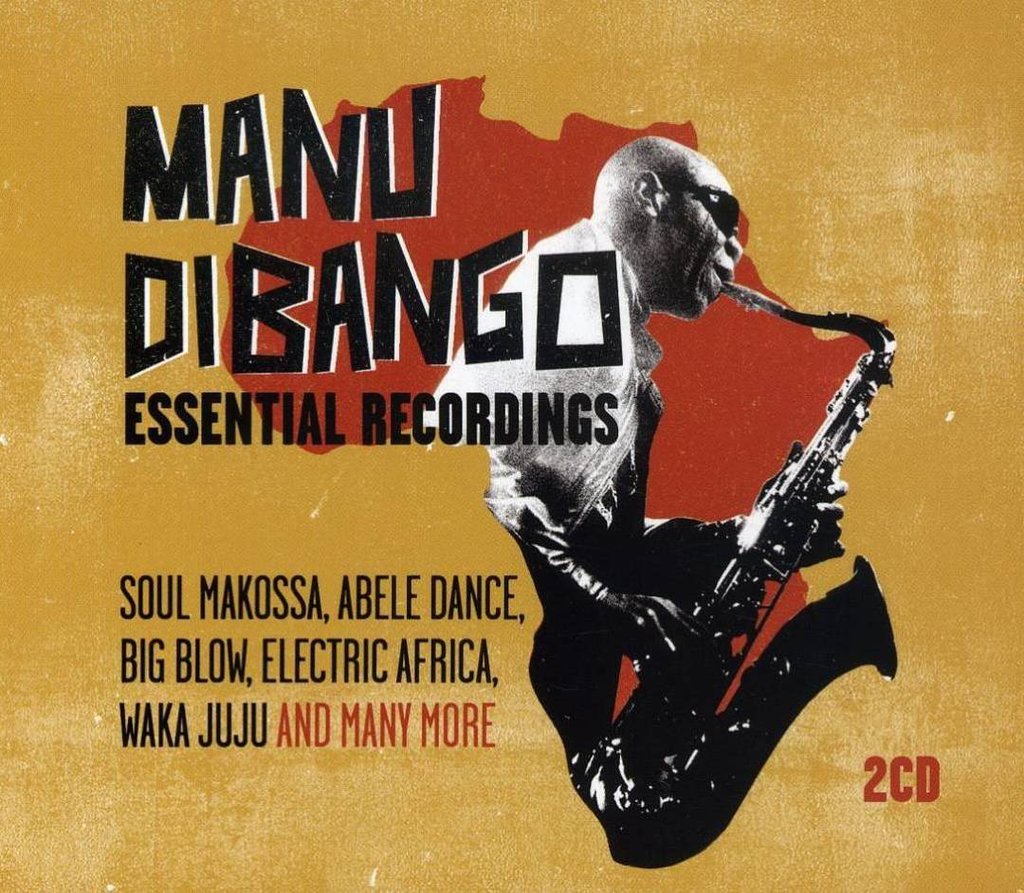
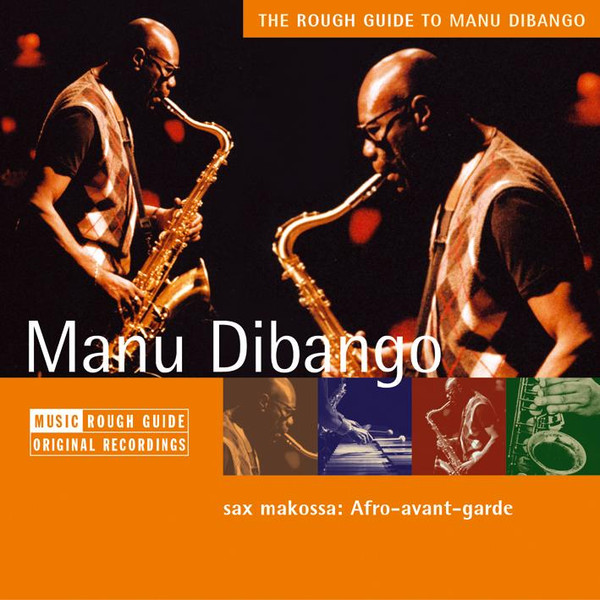
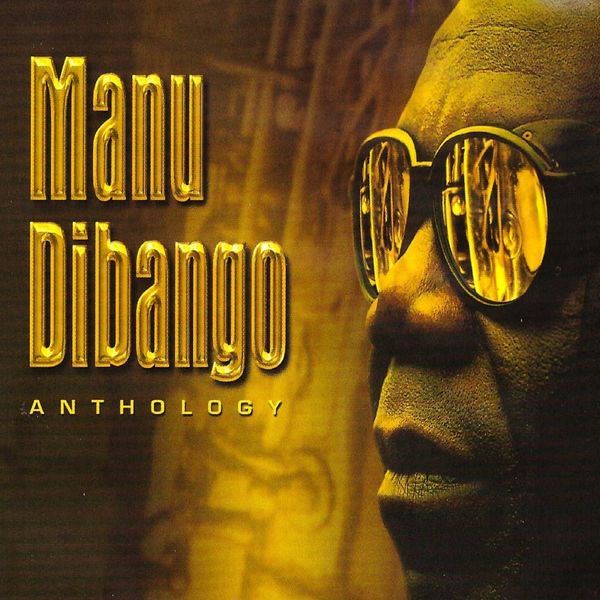
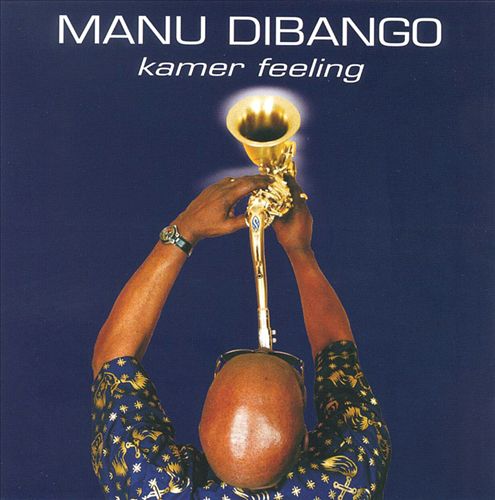
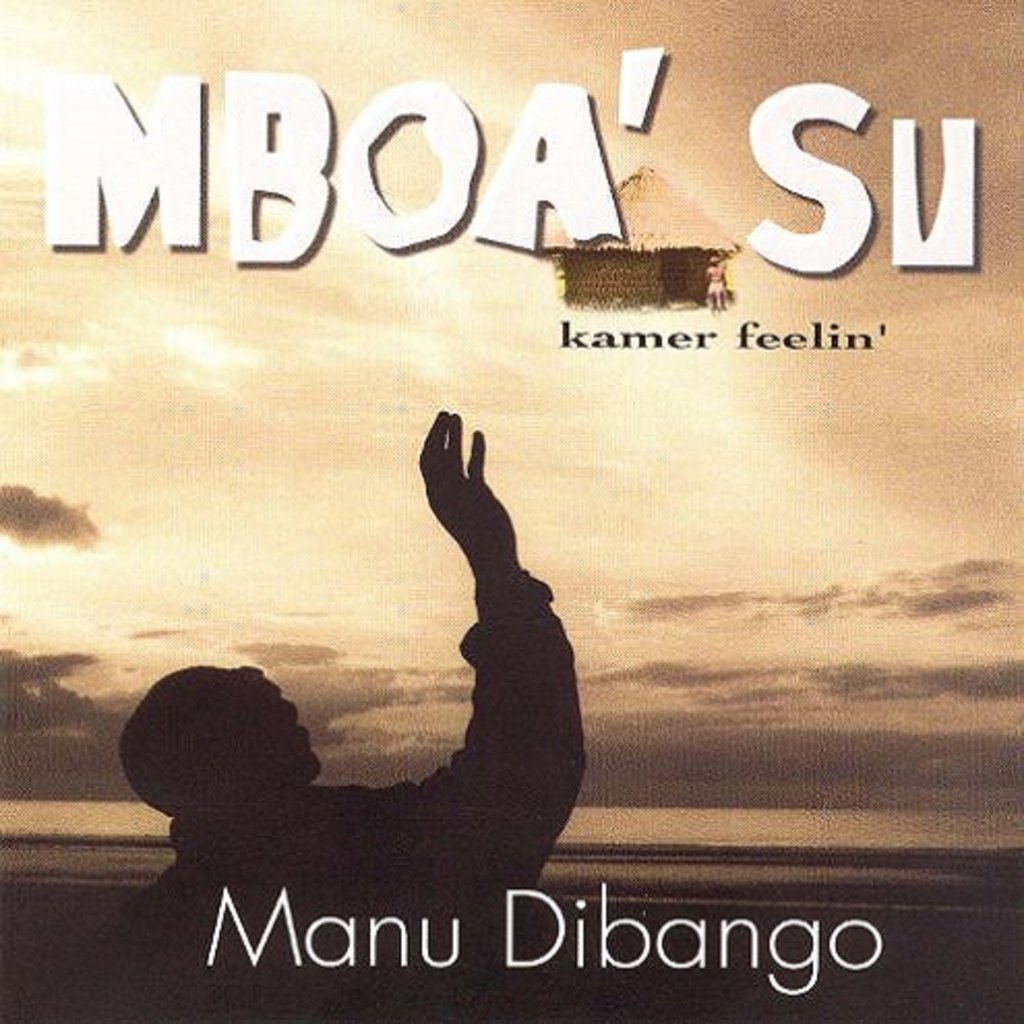
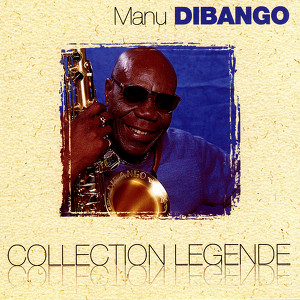
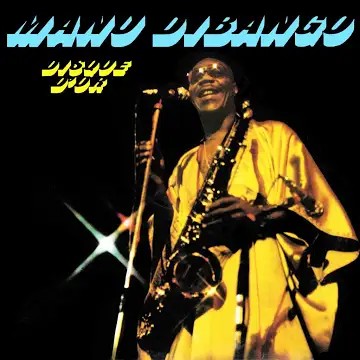
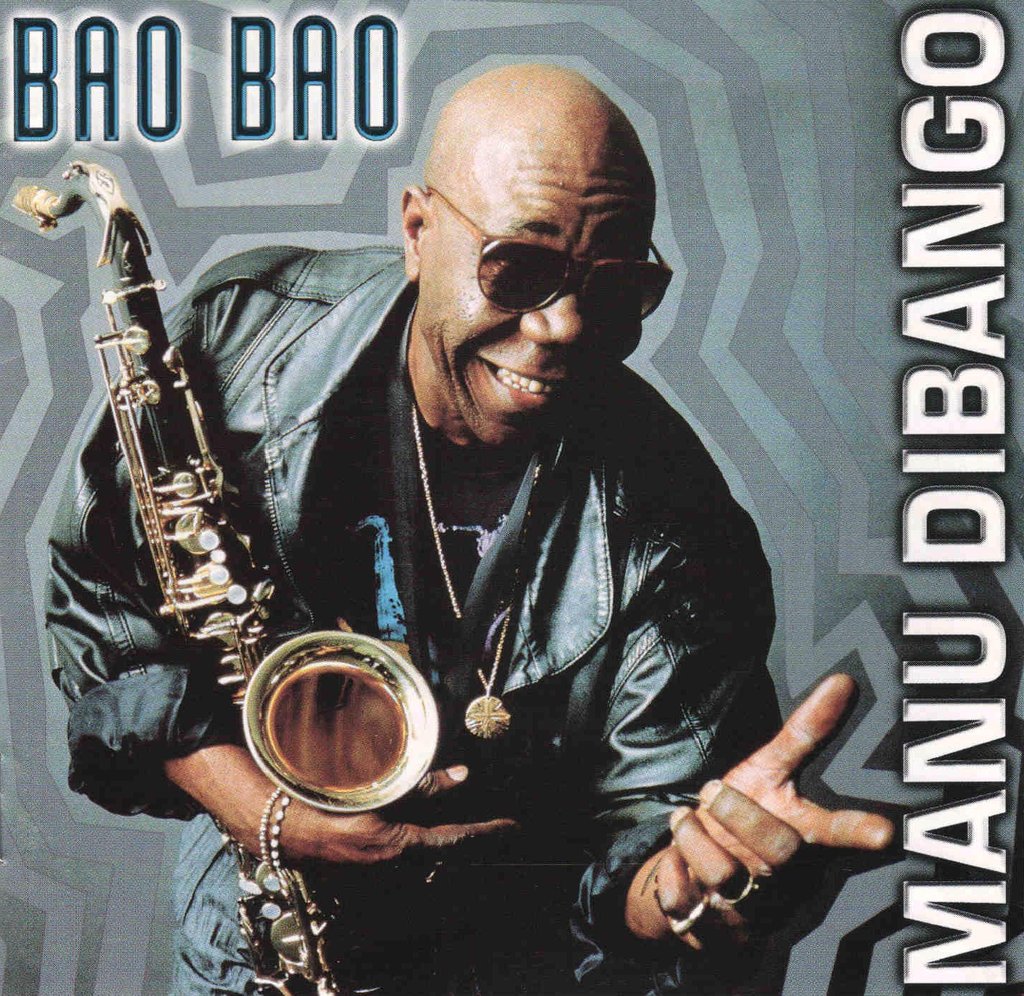
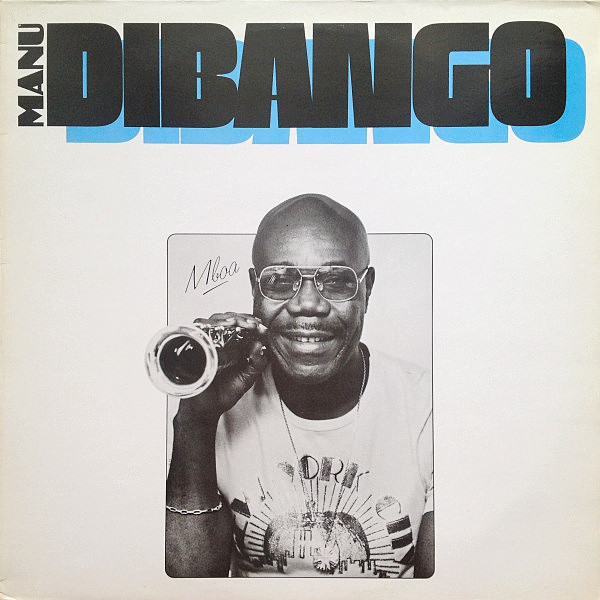
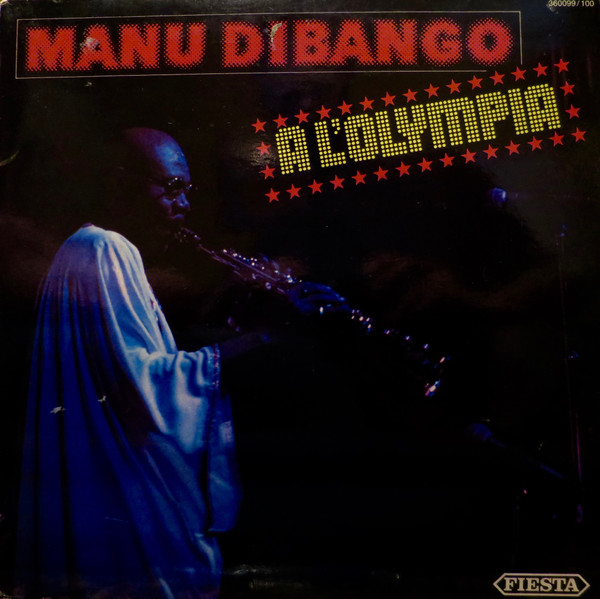
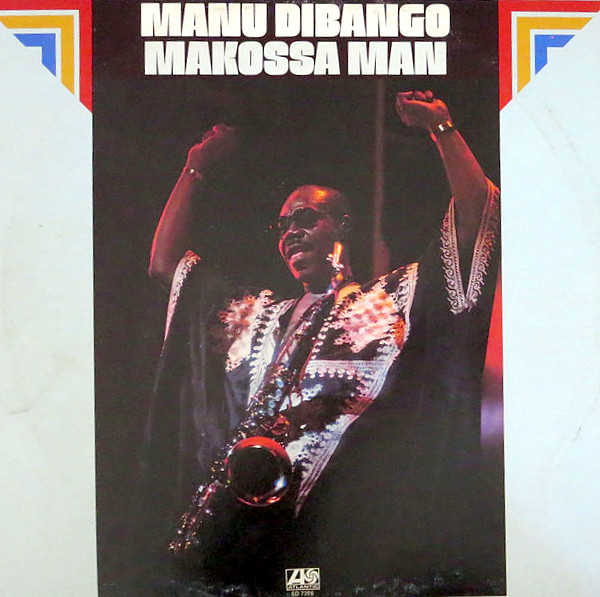
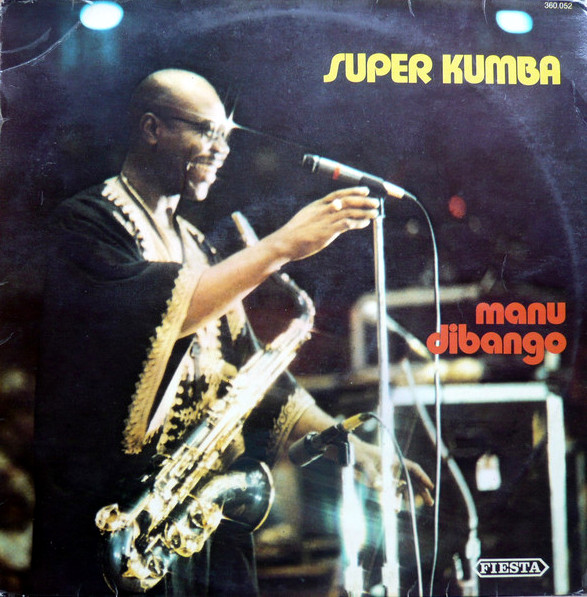
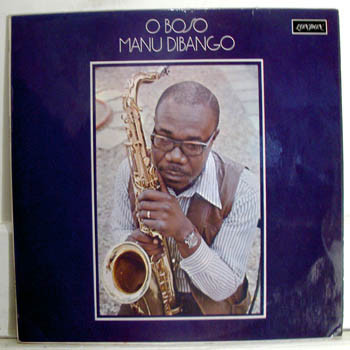
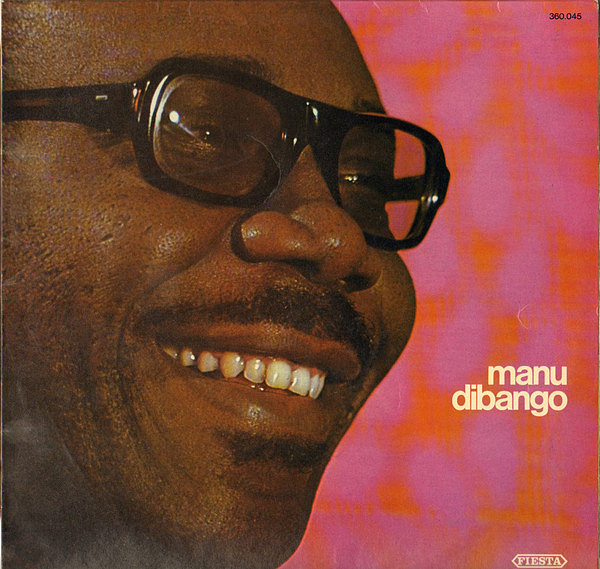
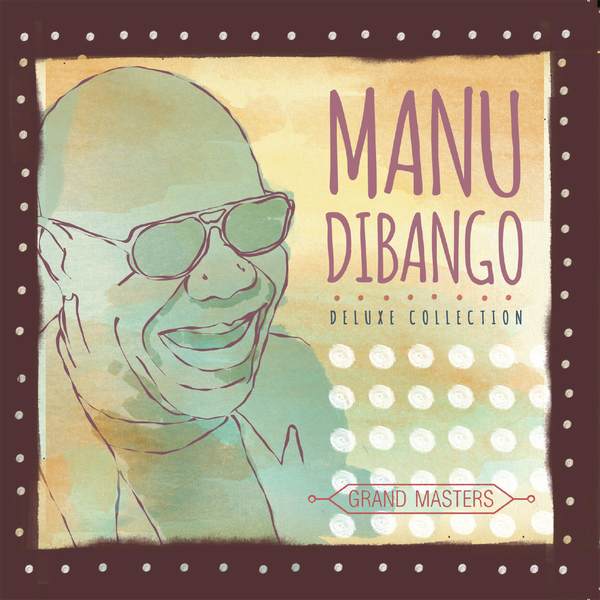
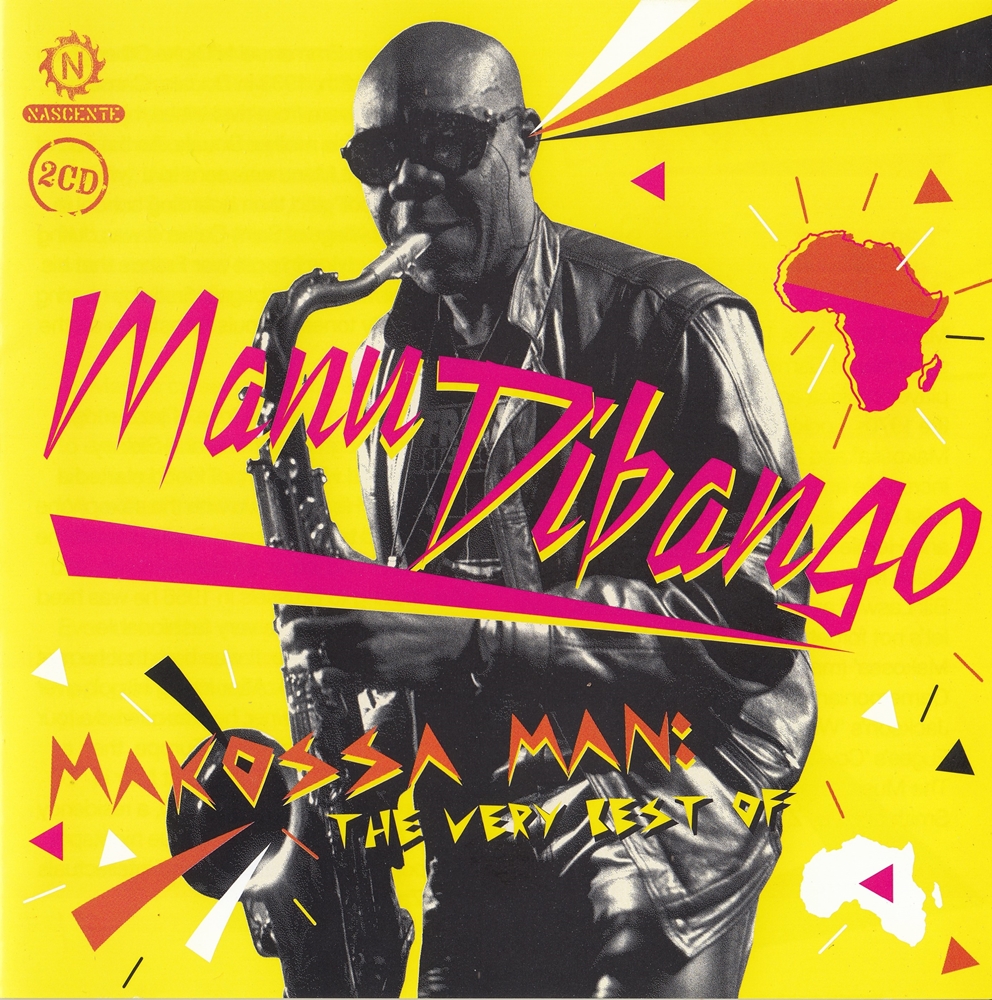
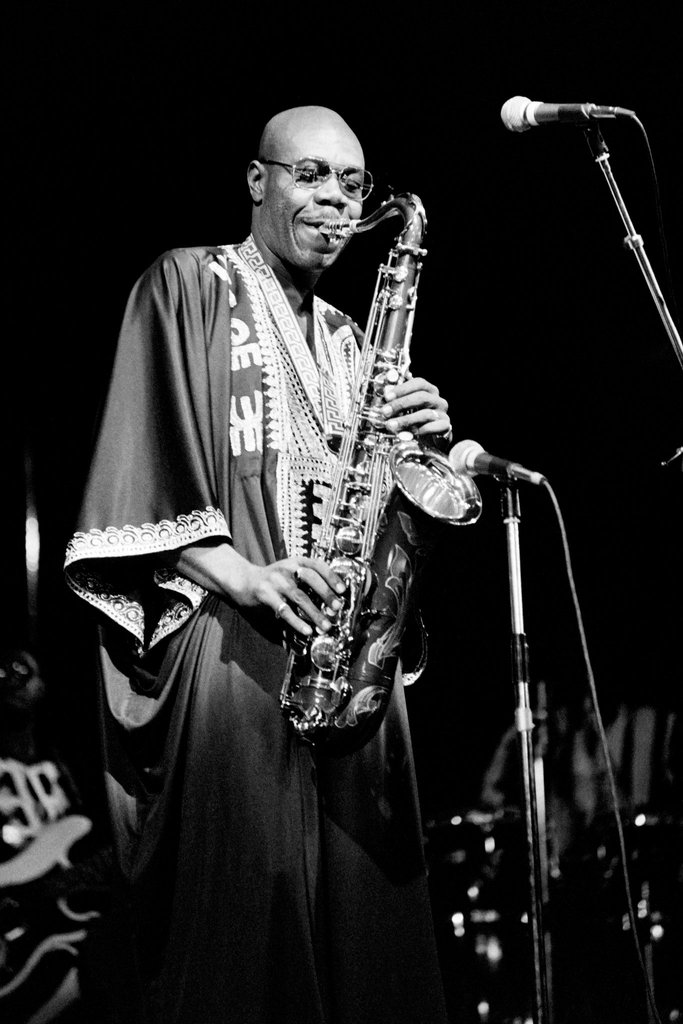
Emmanuel N’Djoké « Manu » Dibango (December 12, 1933 – March 24, 2020) was a Cameroonian saxophonist, pianist, vibraphonist and composer. He is one of the most important figures in 20th-century African music and a pioneer of African jazz-funk and makossa.
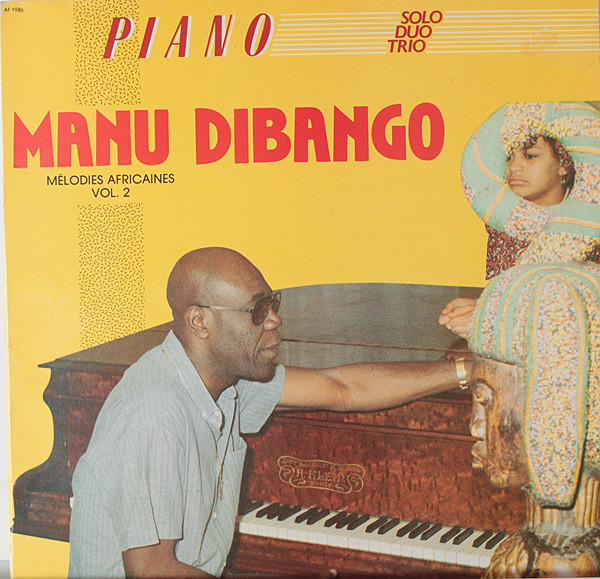
Born in Douala, Cameroon (then French Cameroun), Manu Dibango comes from two historically rival Cameroonian ethnic groups: his mother was Douala and his father Yabassi. From childhood, he showed exceptional musical talent by singing in the church choir. In 1949, at age 15, he went to study in France, where he learned classical piano at the high schools of Saint-Calais and Chartres.
It was in Paris that he discovered jazz and became passionate about saxophonists such as Duke Ellington, Sidney Bechet and Louis Armstrong. He joined jazz groups with the Cameroonian guitarist and composer Francis Bebey.
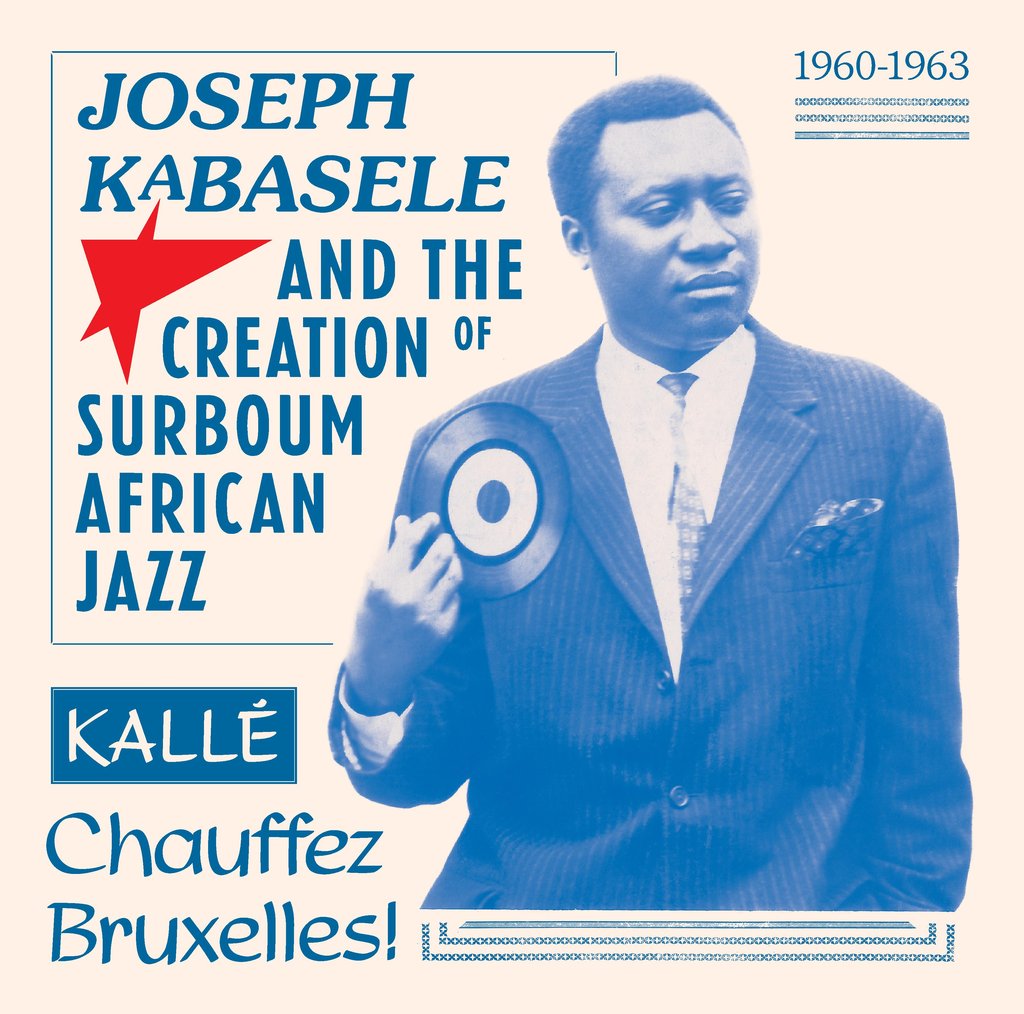
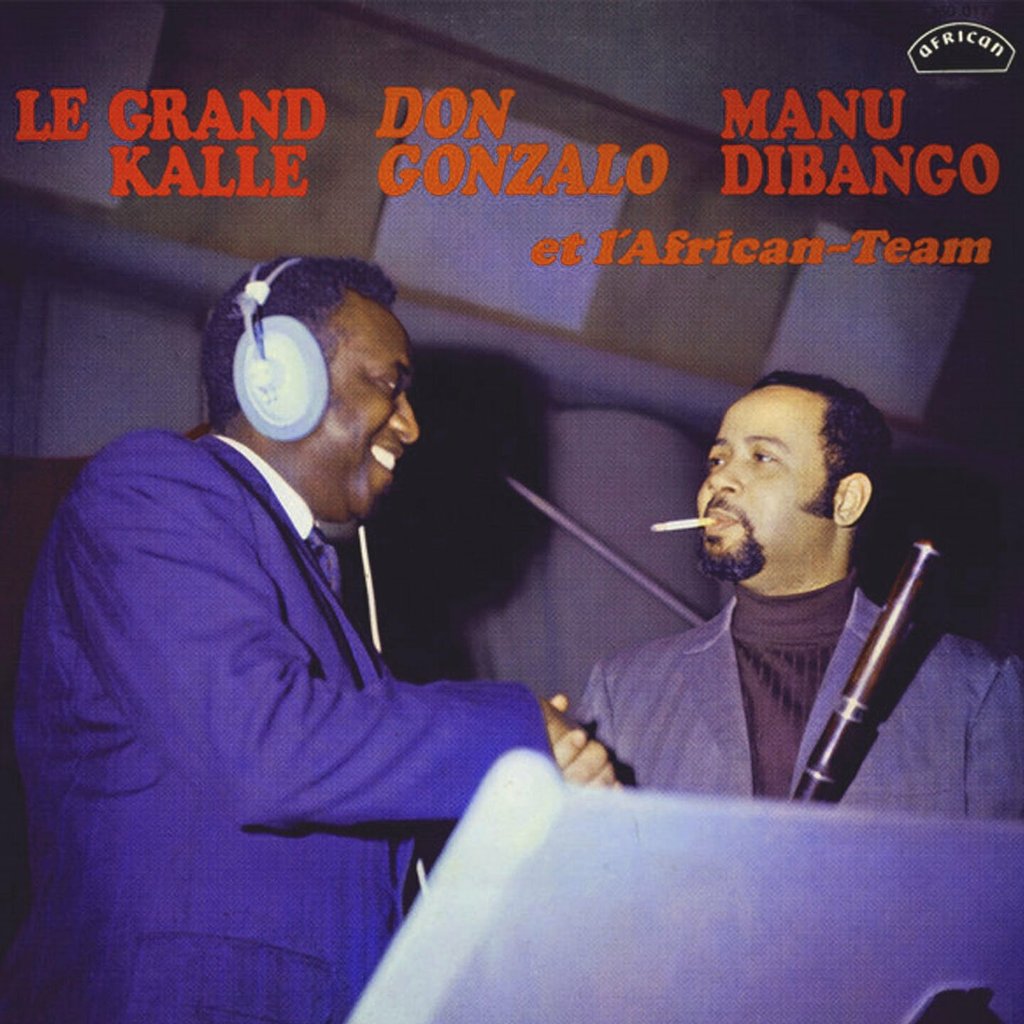
In 1956, Dibango settled in Brussels, where he broadened his musical horizons. He met the Congolese composer Joseph Kabasele (alias Grand Kallé) and began to fuse jazz with African music, notably the makossa, a genre born in Douala. He then joined Kabasele’s orchestra African Jazz and went on tour in Europe.
He subsequently accompanied Kabasele to the Congo (then Zaire) from 1960 to 1963, before returning to Cameroon where he founded his own orchestra and continued to explore African sounds.
In 1965, Dibango settled definitively in Paris. He worked as a studio musician, accompanying numerous American and African artists at a time when Europe was passionate about soul and funk. He recorded hits in France and Africa: « Djamba Fa Iko », « Africa Mambo », « Mbe a n’monna ».
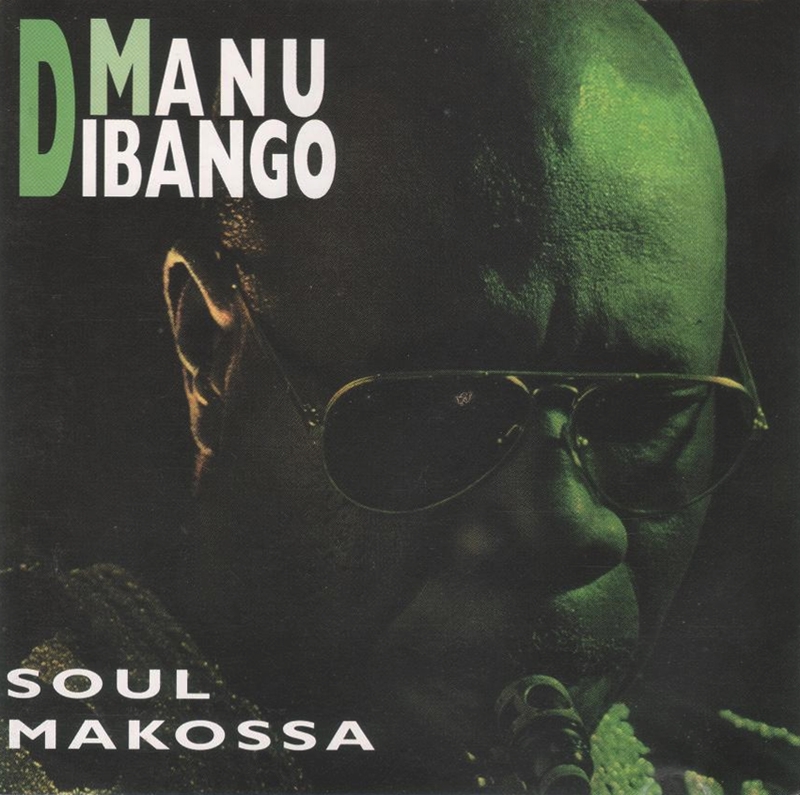
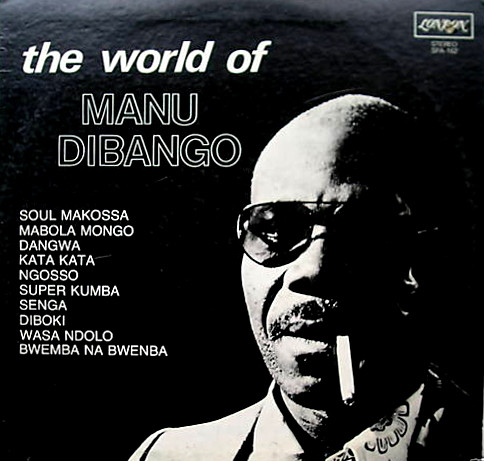
In 1972, he composed a song for the African Nations Cup. The B-side of this single is « Soul Makossa », an explosive fusion of jazz, funk and makossa. This song became a worldwide hit:
- N°1 in the United States in 1973 (the first African to reach this summit)
- N°1 in the United Kingdom
- N°1 in France and many European countries
- The song is considered the most sampled in the history of African music
« Soul Makossa » was famously parodied by Michael Jackson in « Wanna Be Startin’ Somethin’ » (1982), which repeats the phrase « ma-ma say, ma-ma sa, ma ma-coo-sa ». Dibango sued and won the case, which allowed him to receive royalties from Jackson’s hit.
In the following years, Dibango multiplied experiences and collaborations:
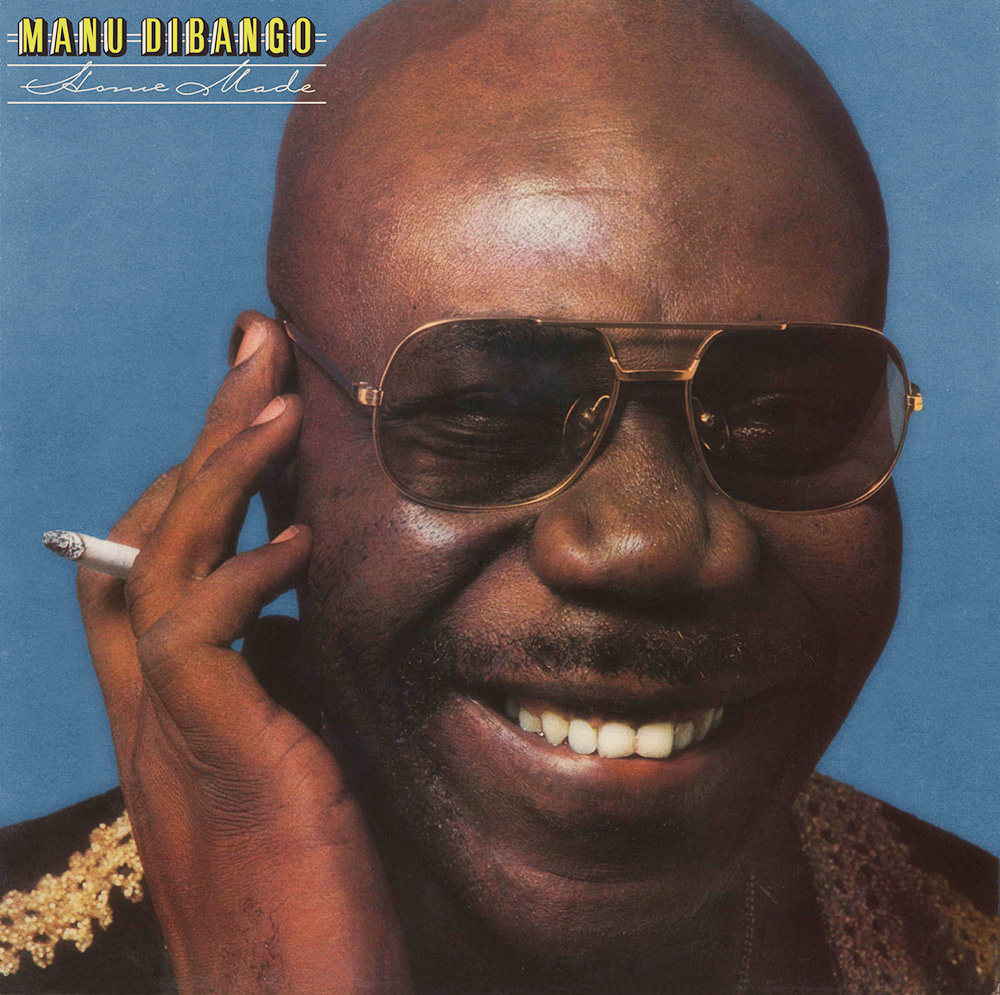
- Home Made (1978) — with Nigerian and Ghanaian musicians
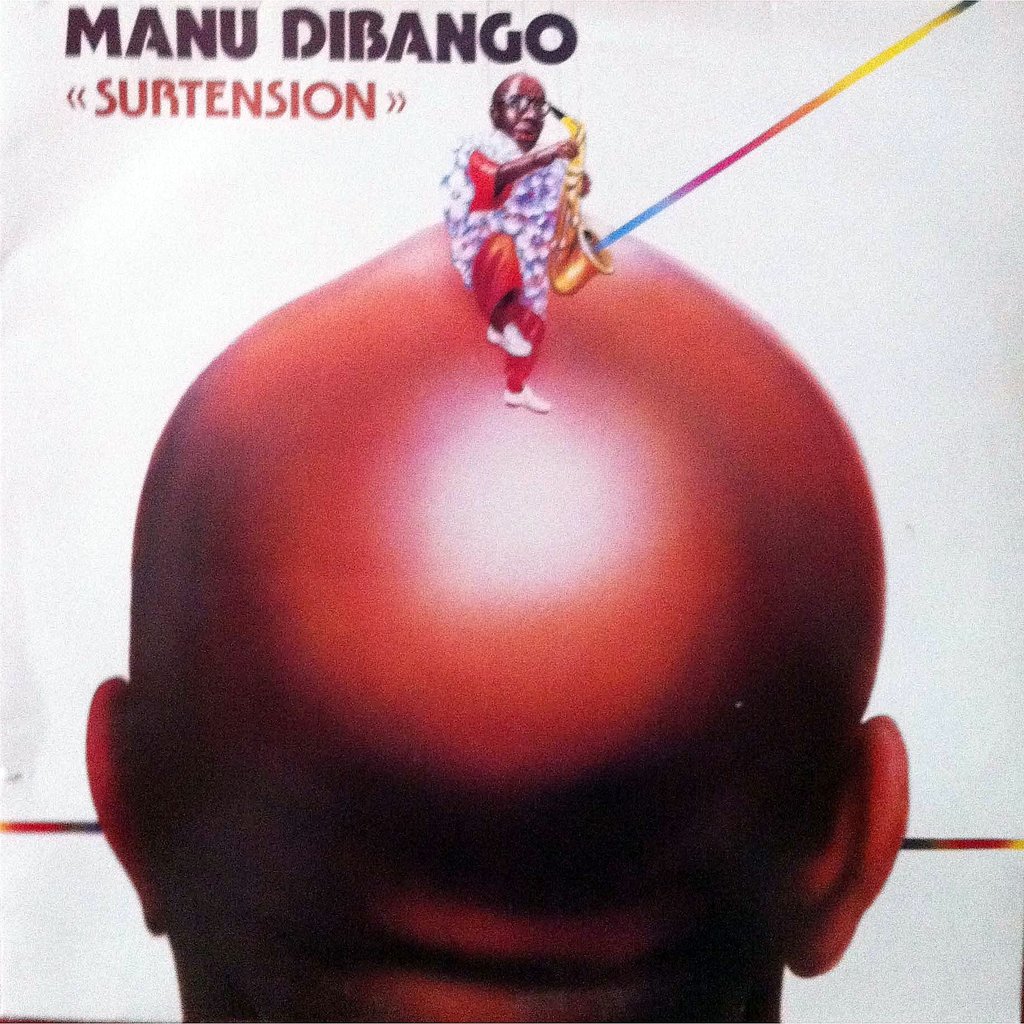
- Surtension (1982) — funk
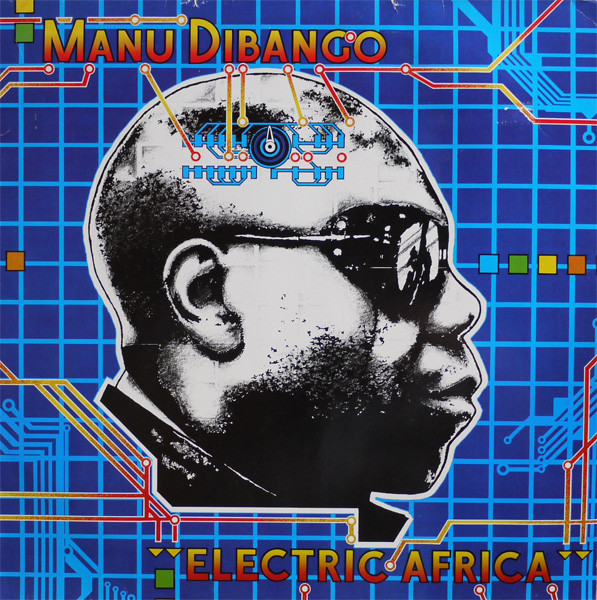
- Electric Africa (1985) — with American pianist Herbie Hancock
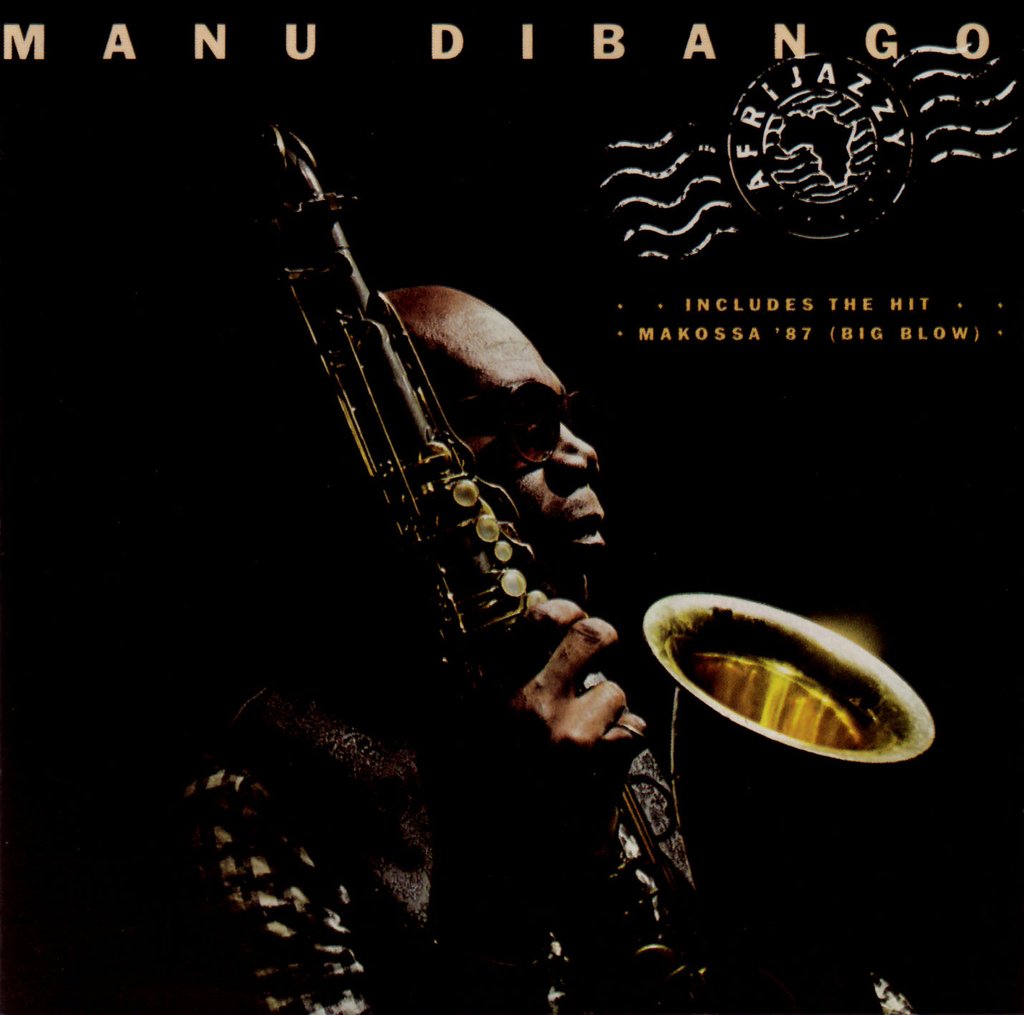
- Afrijazzy (1986) — with South African trumpeter Hugh Masekela
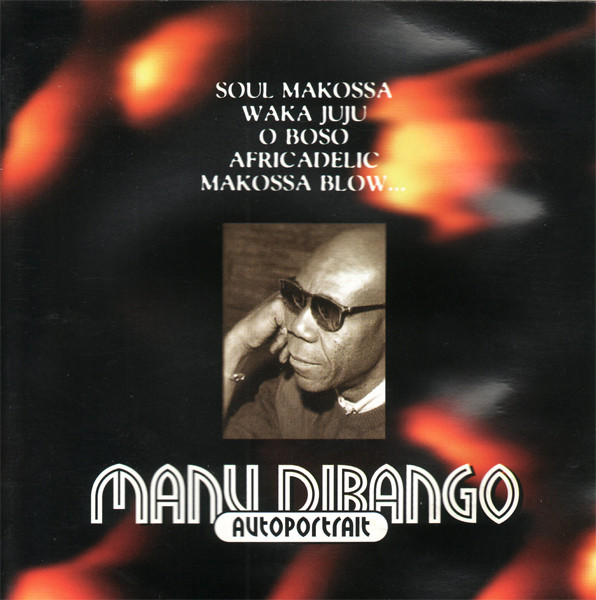
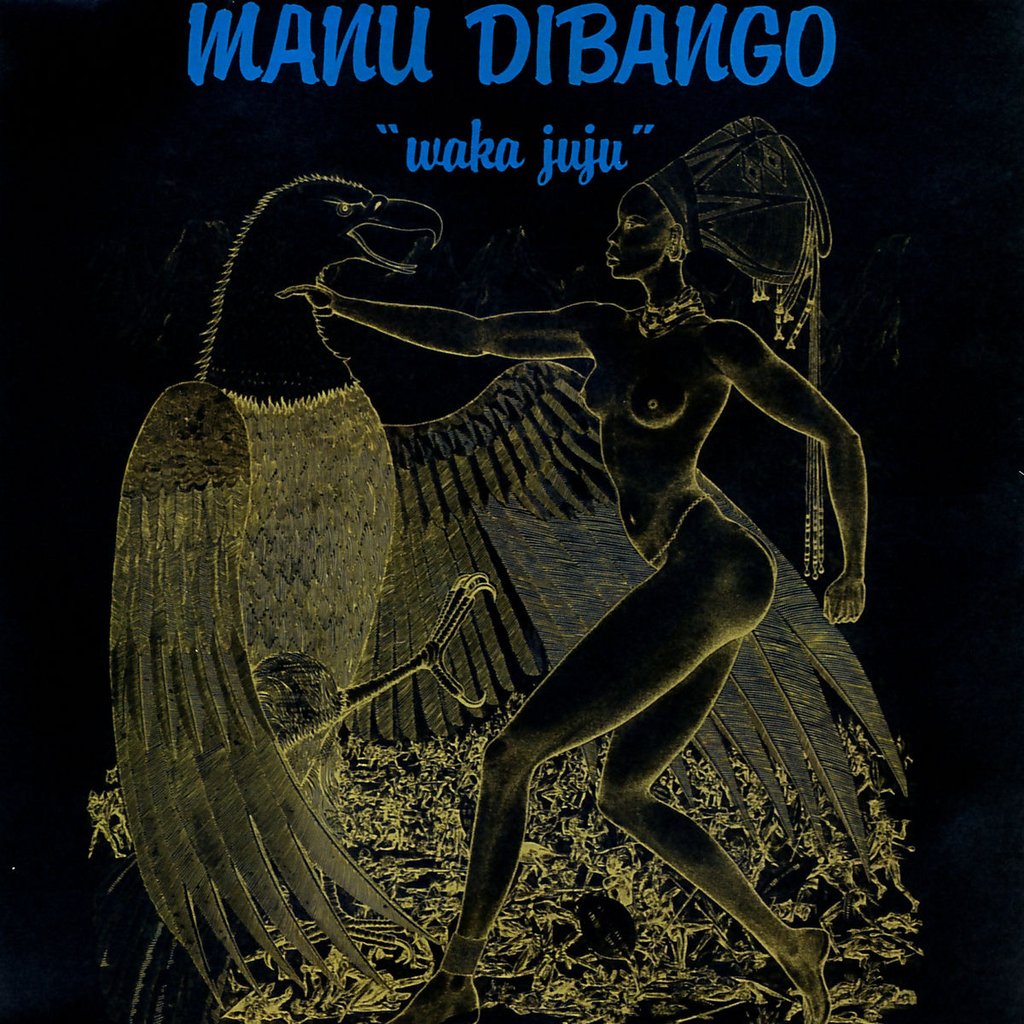
- Waka Juju (1982) — fusion of African styles
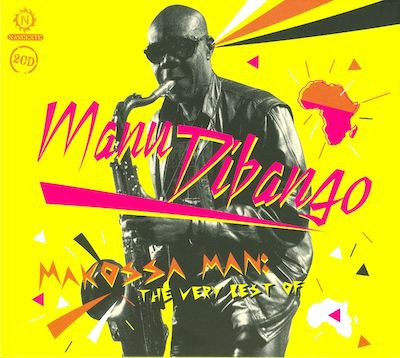
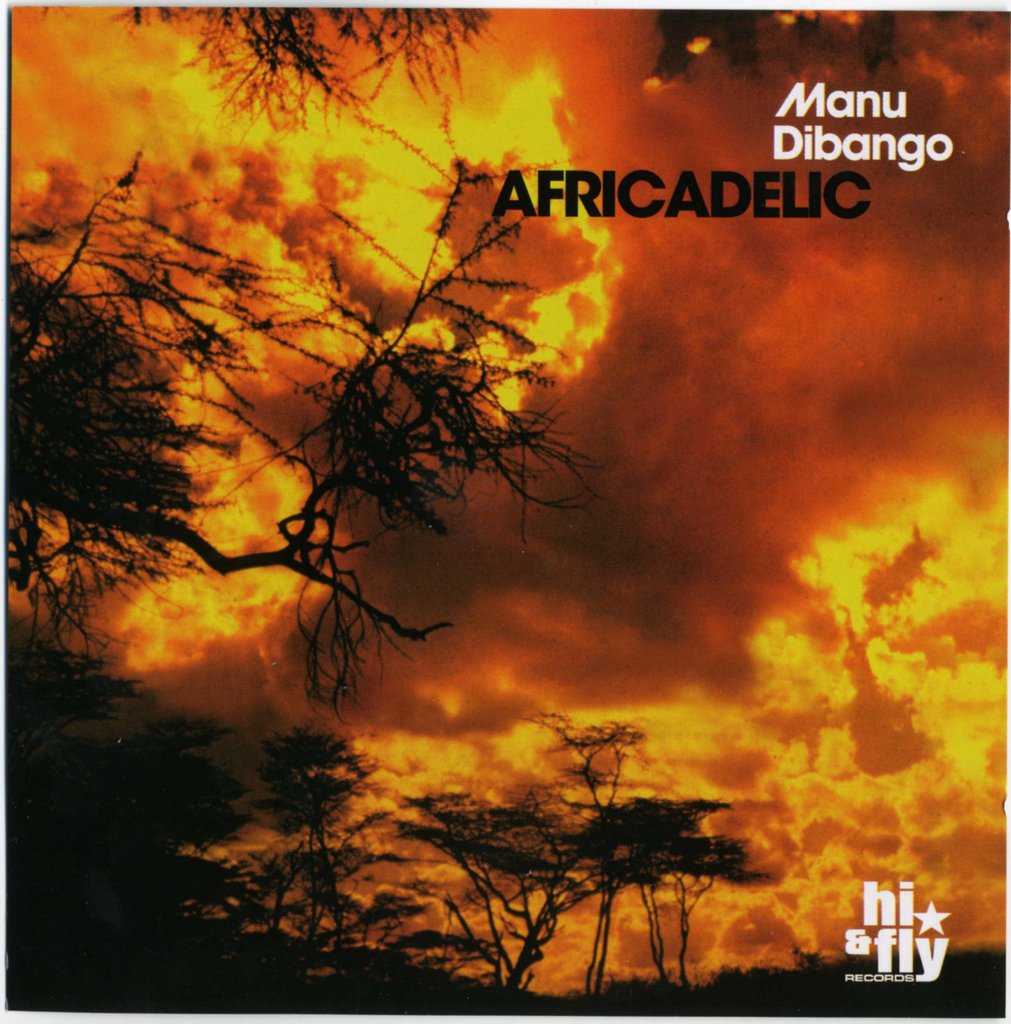
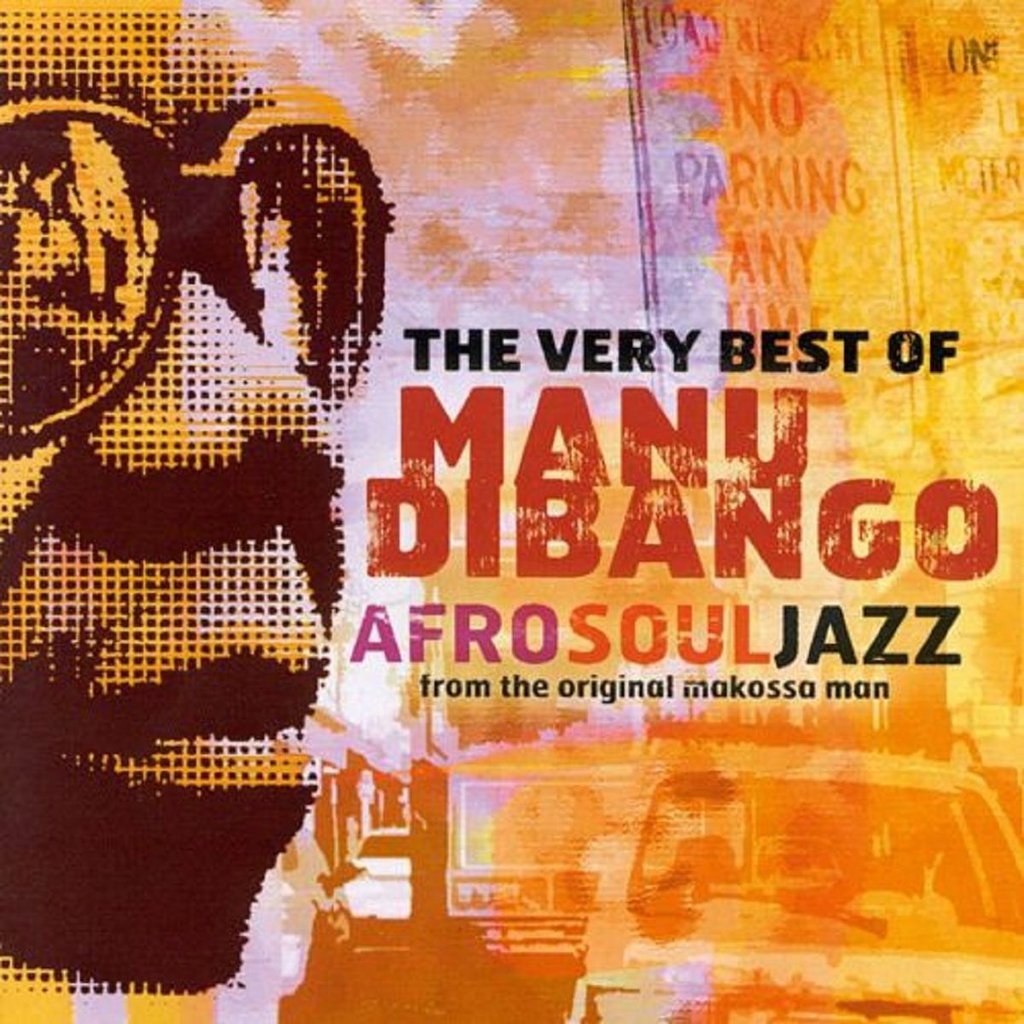
- Africadelic (2003) — compilation of his greatest hits
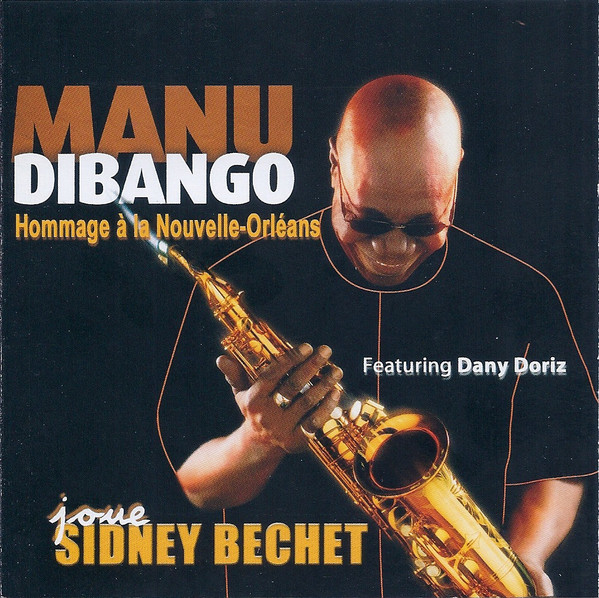
- Manu Dibango joue Sidney Bechet (2007) — tribute to the saxophonist
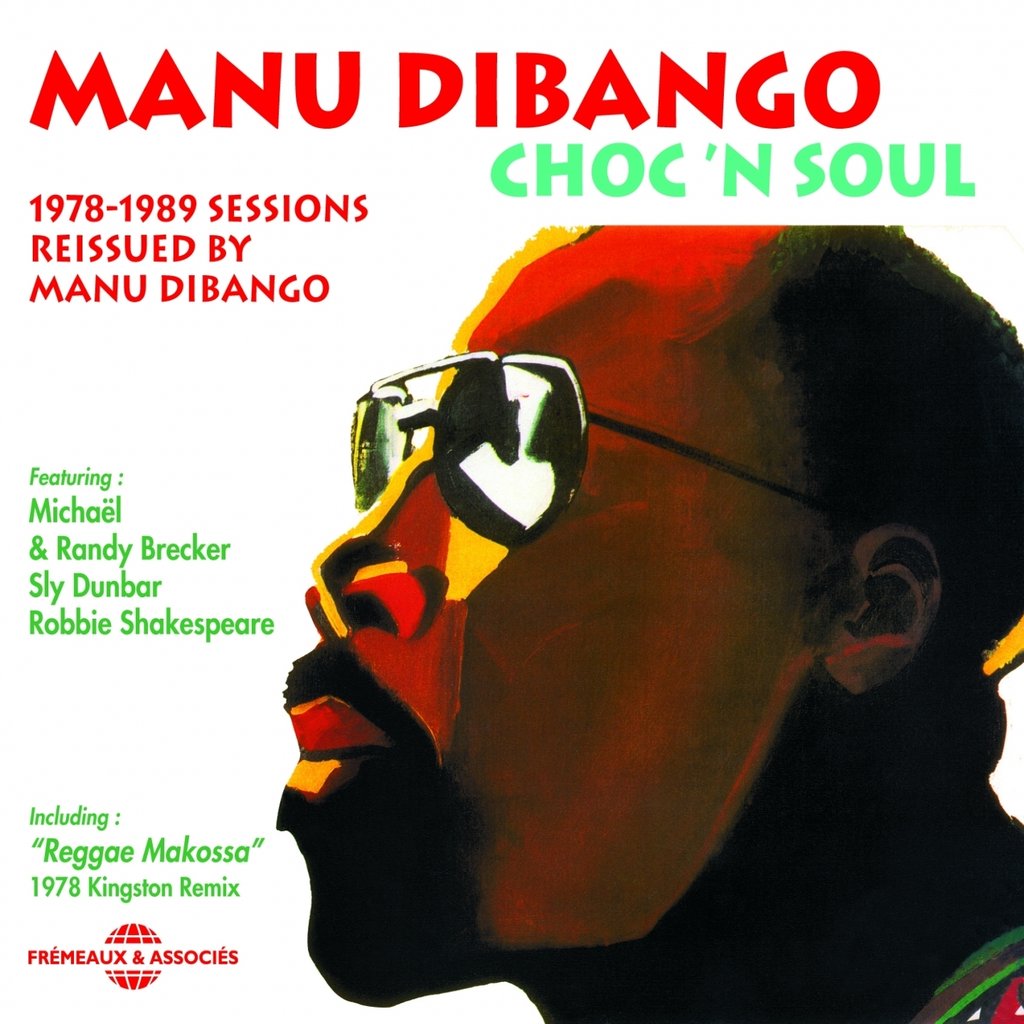
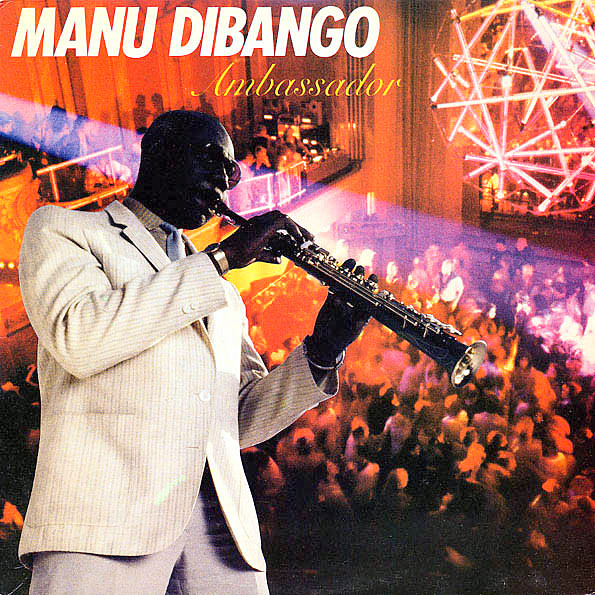
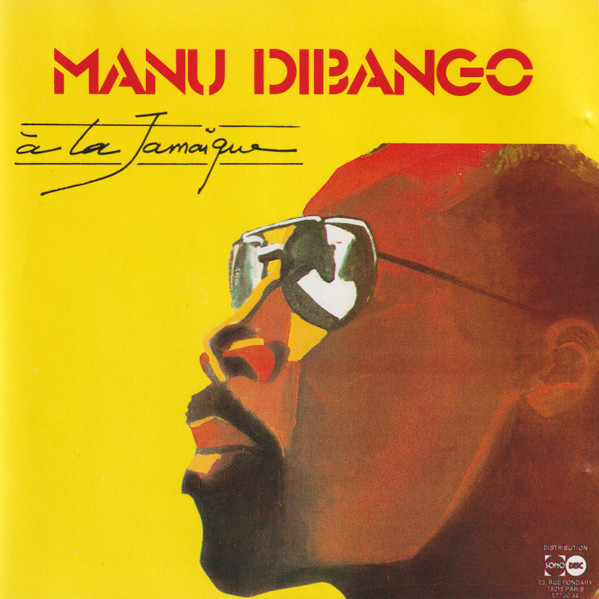
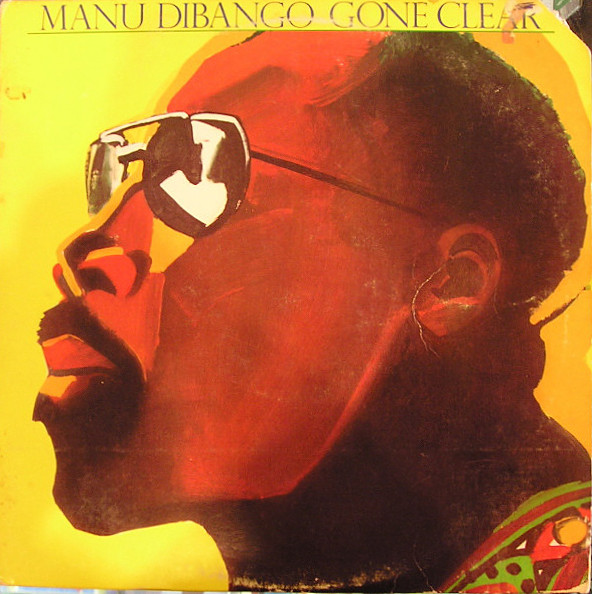
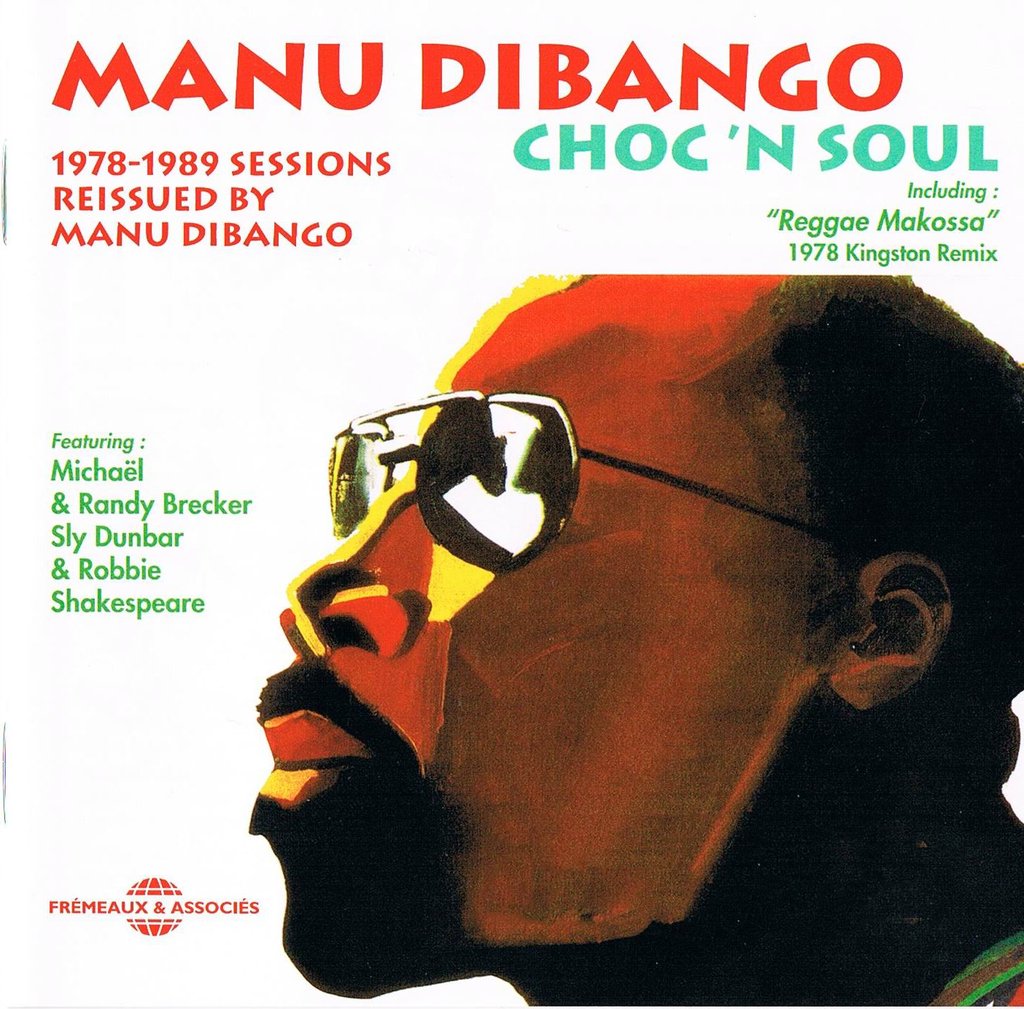
He also collaborated with Jamaican reggae artists on albums Gone Clear and Ambassador (1980), and with the Fania All Stars during a 1973 tour.
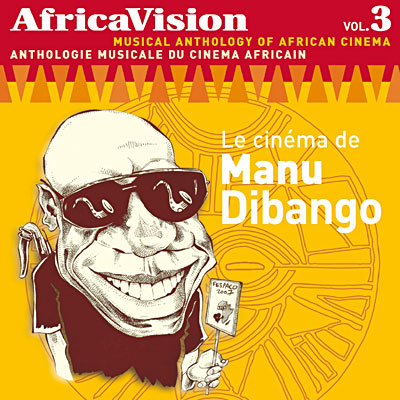
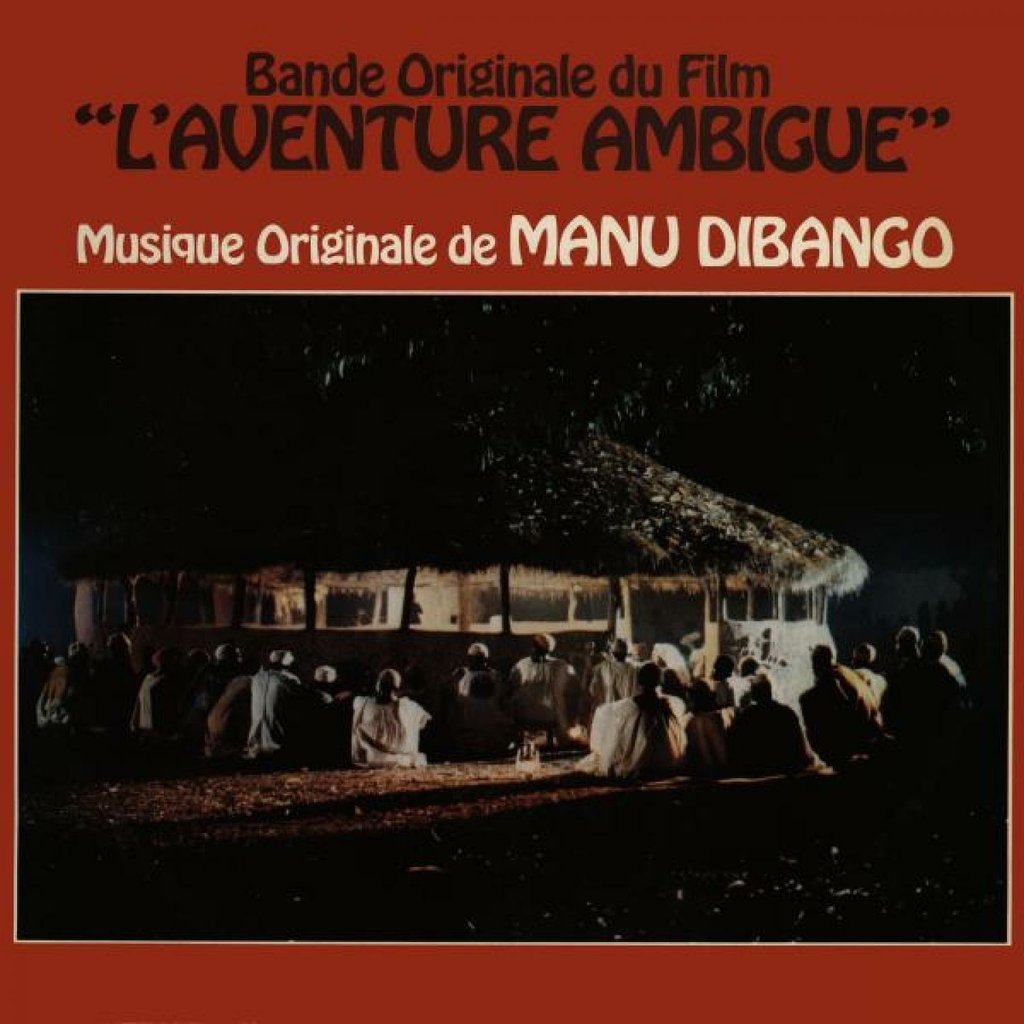
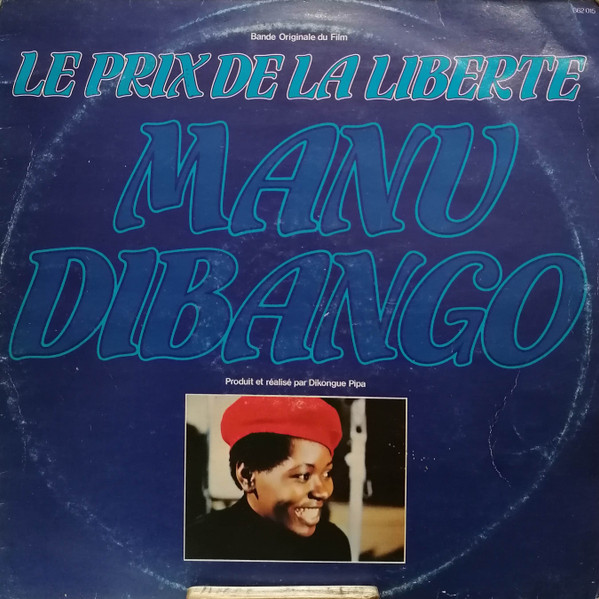
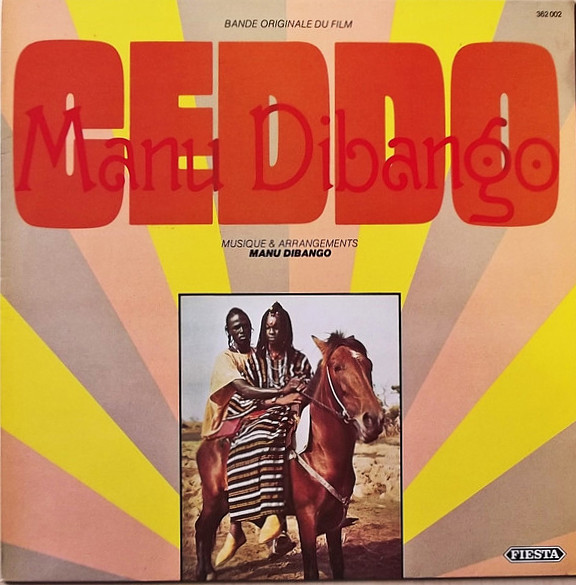
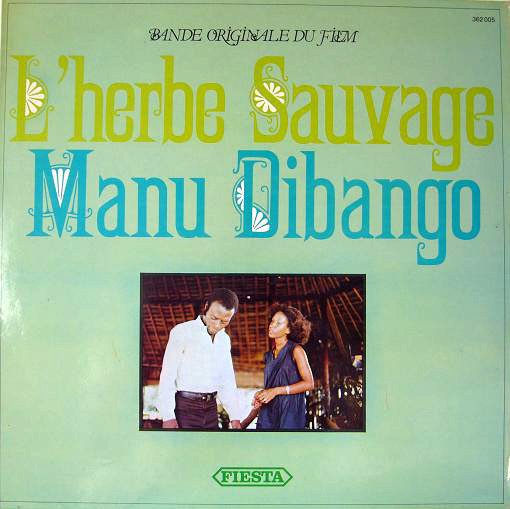
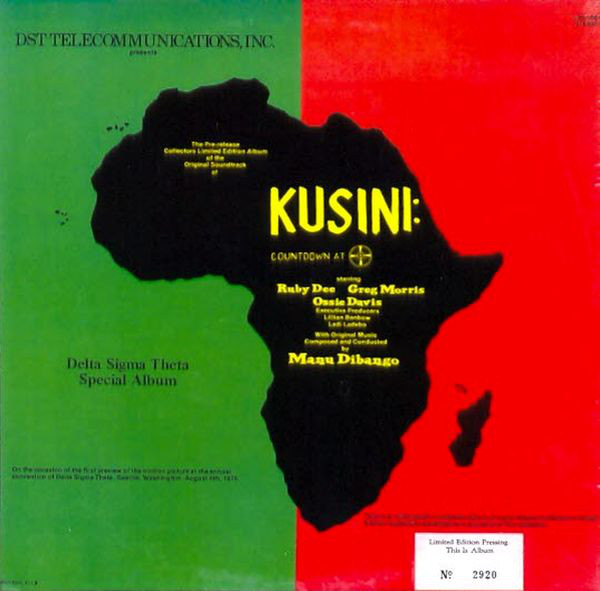
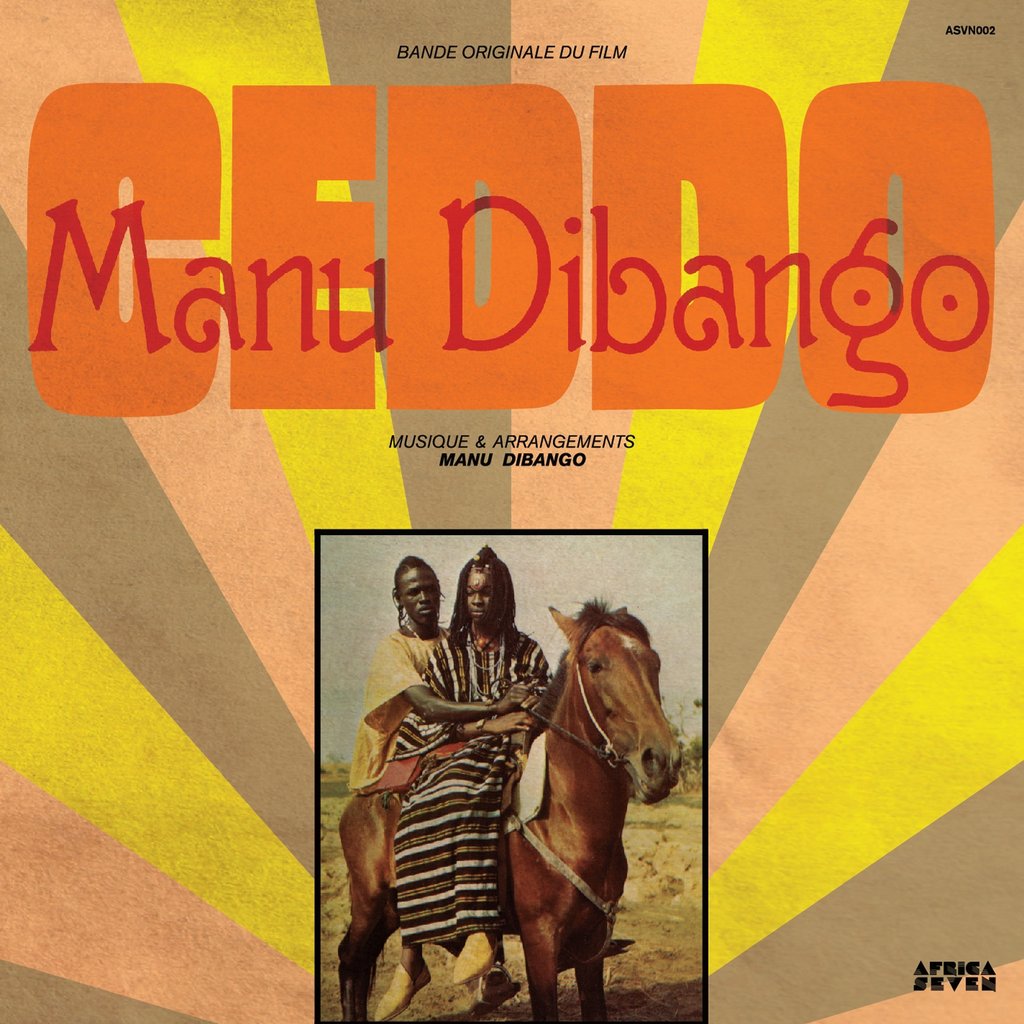
Dibango also composed for cinema and television. In 1990, he published his autobiography, Trois kilos de café.
In recognition of his contributions to music and intercultural dialogue between Europe, Africa and North America, he was named UNESCO Ambassador for Peace in 2004.
Manu Dibango died on March 24, 2020 in Melun, France, from complications of COVID-19, at the age of 86.
Select Discography
Notable Albums
- Soul Makossa (1972) — worldwide hit
- Djamba Fa Iko (1969)
- Home Made (1978)
- Surtension (1982)
- Waka Juju (1982)
- Gone Clear (1980) — reggae collaboration
- Ambassador (1980) — reggae collaboration
- Electric Africa (1985) — with Herbie Hancock
- Afrijazzy (1986) — with Hugh Masekela
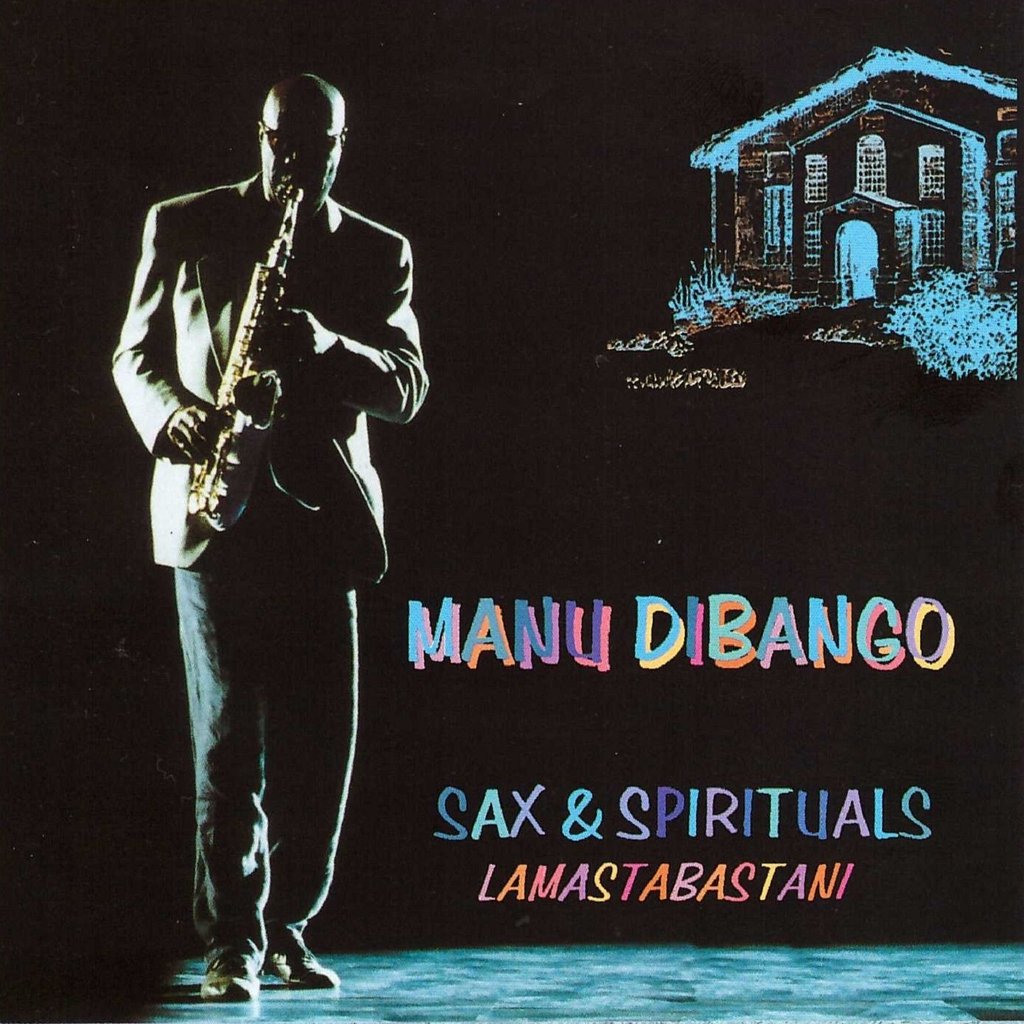
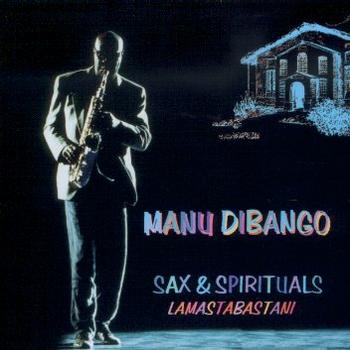
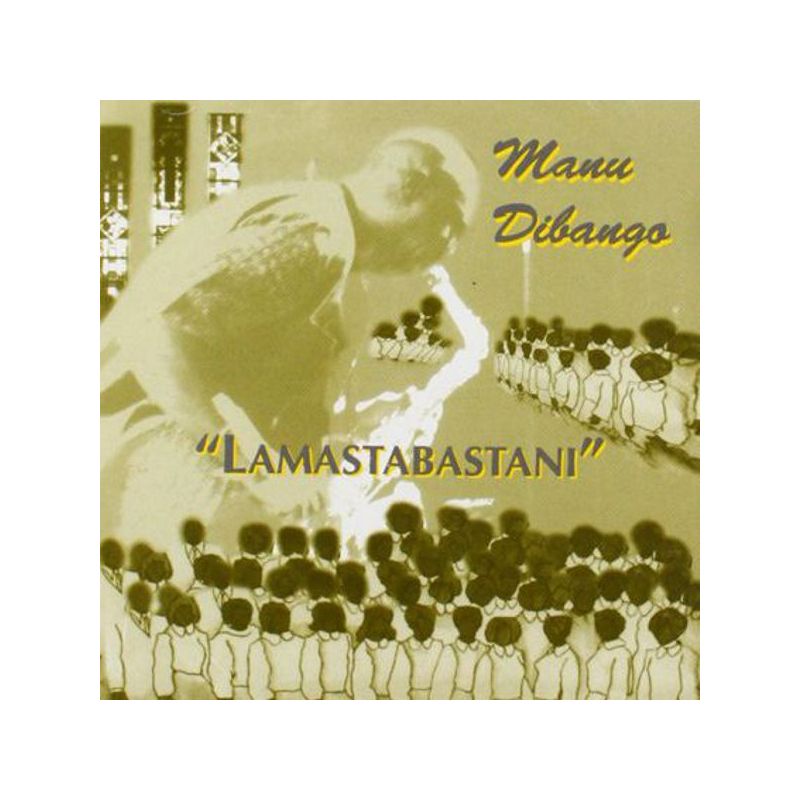
- Lamastabastani (1995)
- Africadelic (2003) — greatest hits
- Manu Dibango joue Sidney Bechet (2007)
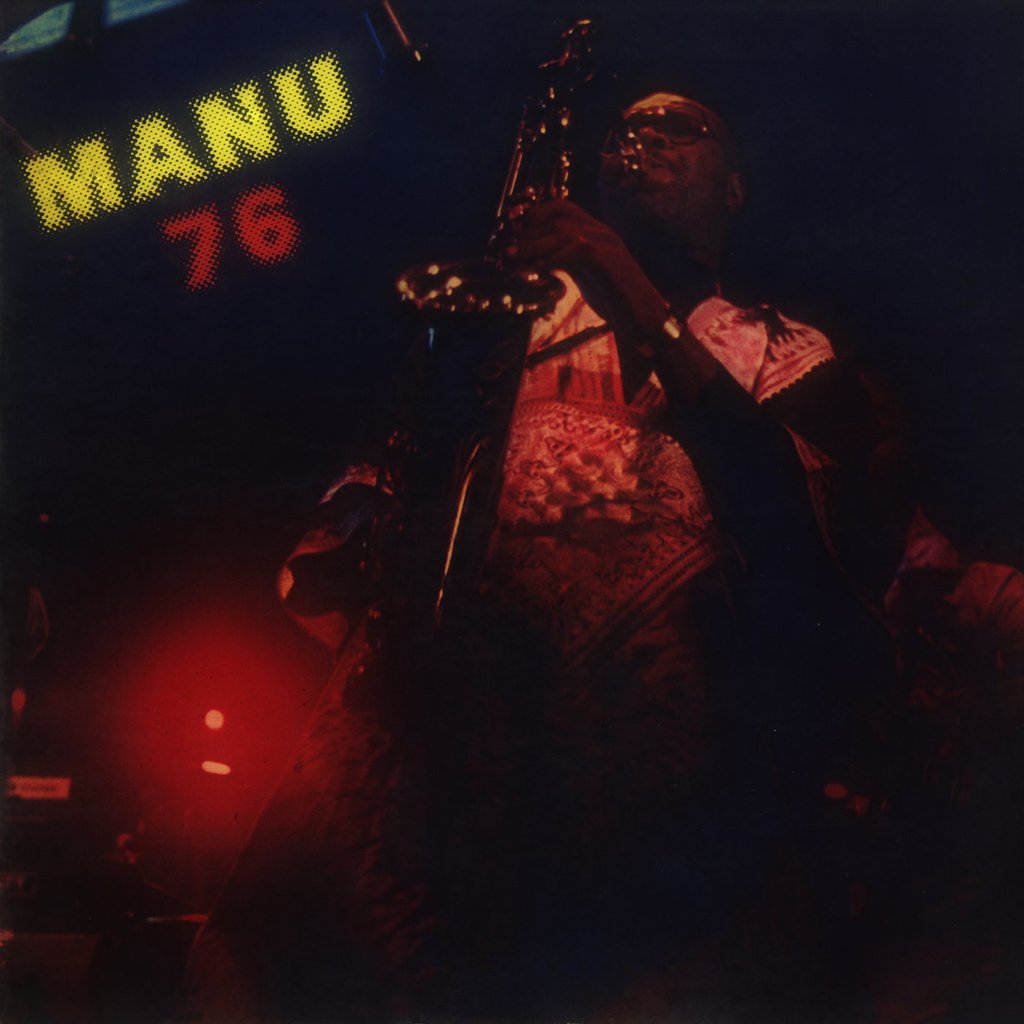
- Manu 76 (2010)
Major Collaborations
- Herbie Hancock — Electric Africa (1985)
- Hugh Masekela — Afrijazzy (1986)
- Fania All Stars — tour (1973)
- Jamaican musicians — Gone Clear (1980), Ambassador (1980)