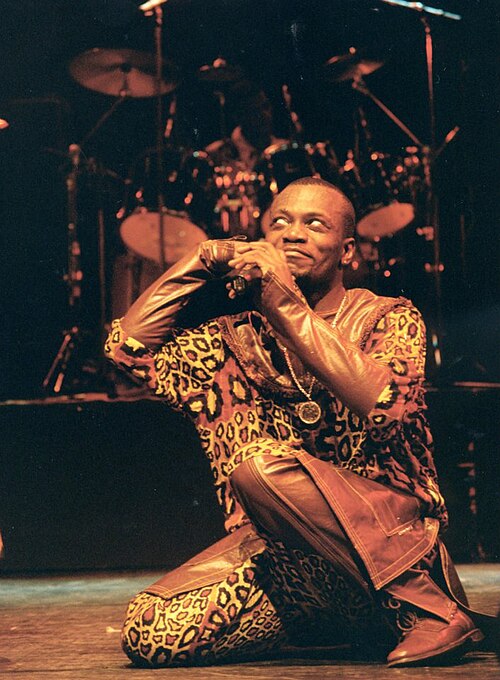
Biography
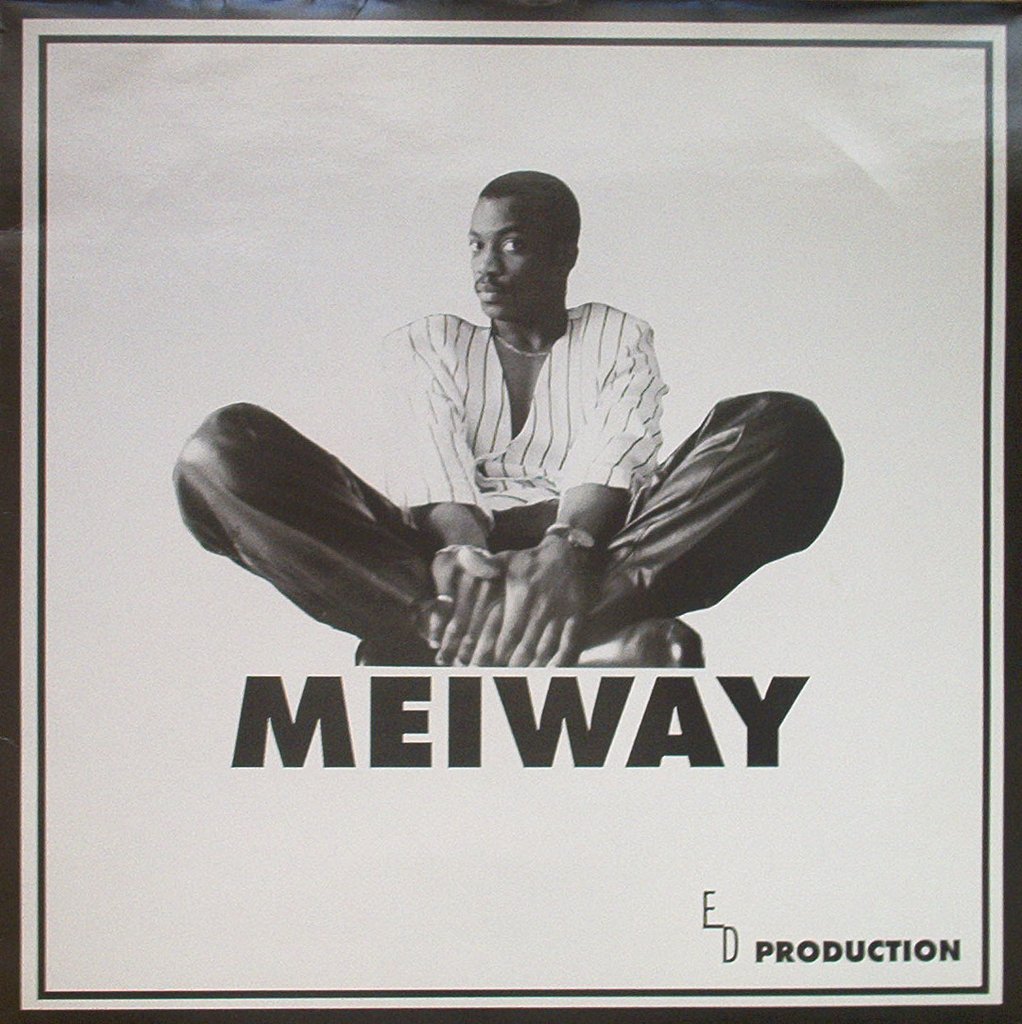
Meiway: Professor Awôlôwôh, Architect of Zoblazo
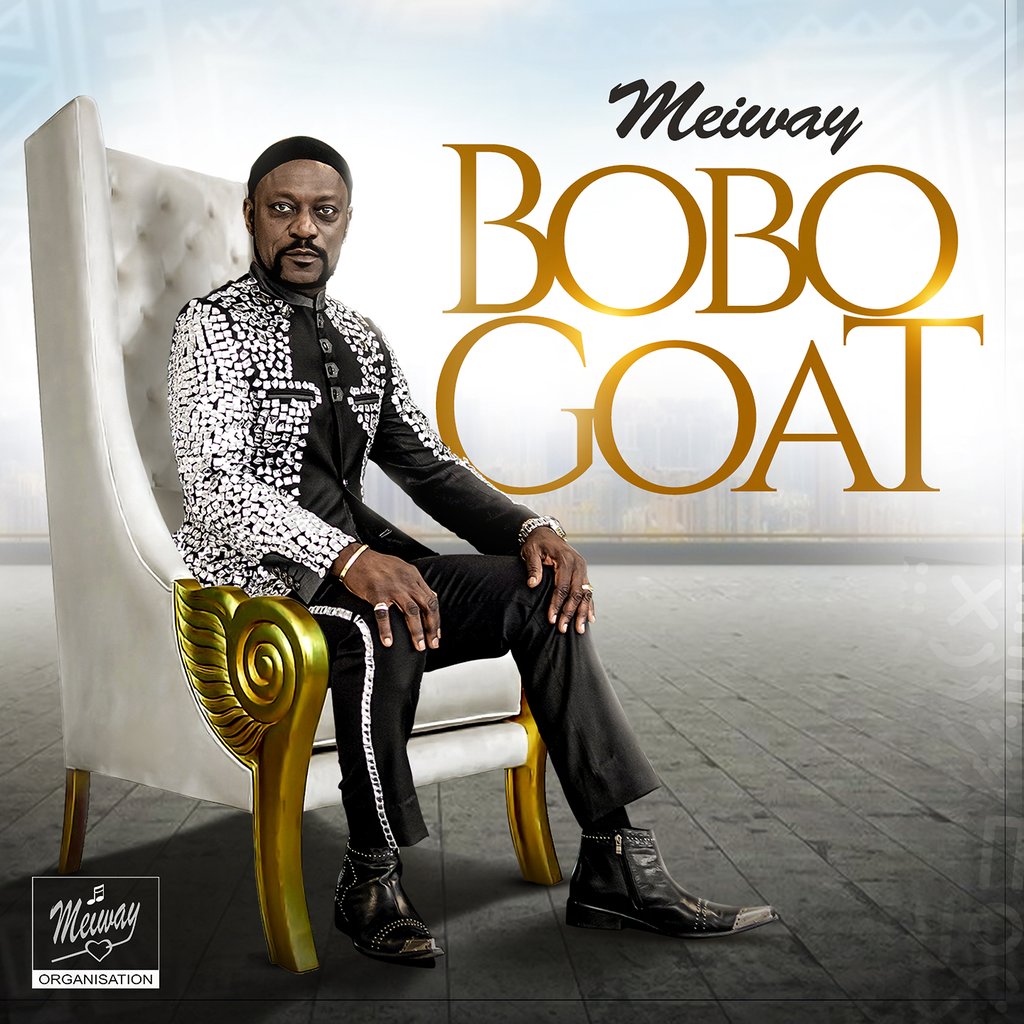
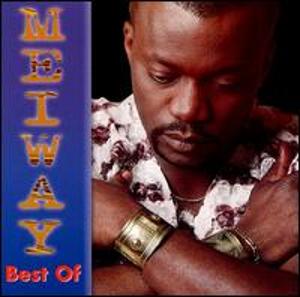
On June 16, 2024, at the Abidjan Exhibition Park, Meiway celebrated thirty-five years of career before a crowd waving white handkerchiefs, his choreographic signature on stage. For thirty-five years, the singer has dedicated himself to forging a style unlike any other in Africa: zoblazo. A word invented from “so blazo” — to jump, then jump again — meaning that music is lived standing up, in concert, with the body irresistibly driven forward.
In Brief
| Full Name | Frédéric Désiré Patrice Ehui |
| Stage Name | Meiway (means “my path”, in zima, his mother tongue) |
| Birth | March 17, 1962, Grand-Bassam, Côte d’Ivoire |
| Genre | Zoblazo — dance music inspired by the Akan folk rhythms of the south |
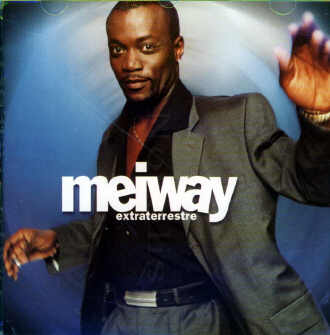
| Emblematic Works | “200% Zoblazo”, “Appolo 95”, “Godeba”, “DJ Tassouman” |
| Awards | Officer of the National Order of Côte d’Ivoire, several Kora Awards |
Key Dates
| Year | Event |
|---|---|
| 1962 | Birth in Grand-Bassam, Côte d’Ivoire |
| 1985 | Move to France; studio debut |
| 1989 | Release of Ayibebou, first album, n° 1 in Côte d’Ivoire |
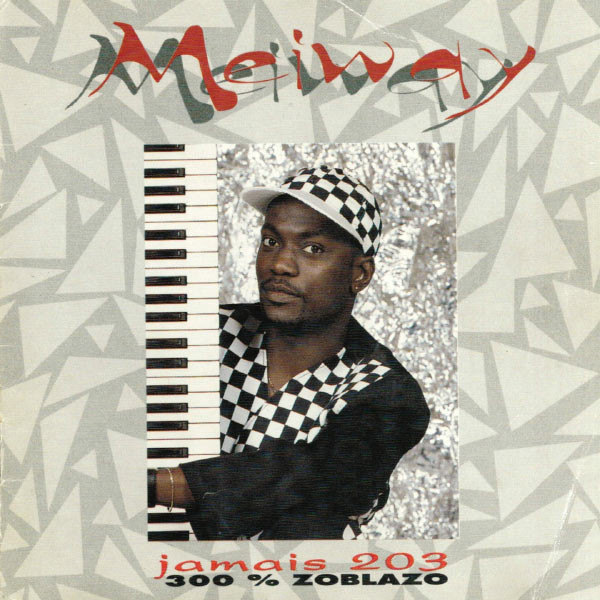
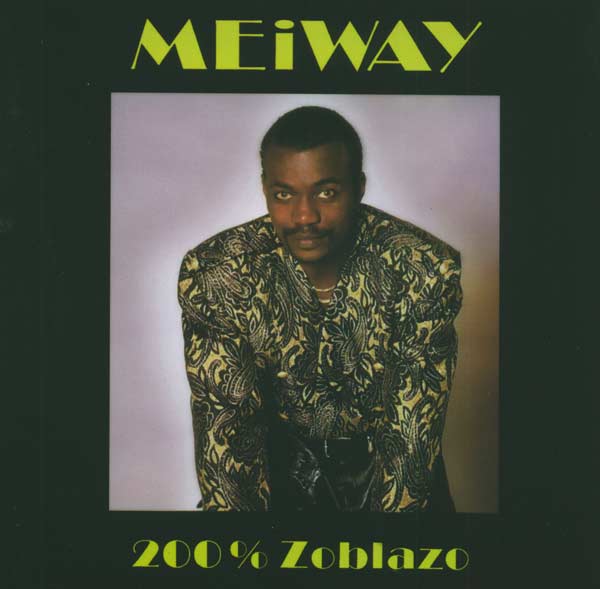
| 1991 | 200% Zoblazo; beginning of numbering with increasing percentages |
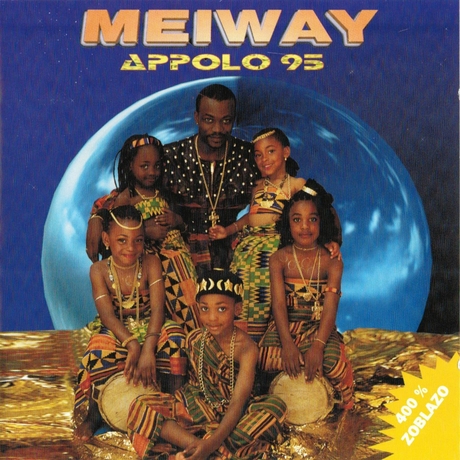
| 1995 | Appolo 95: consecration of the zoblazo style |
| 1996 | First Kora Award, Best Artist of West Africa |
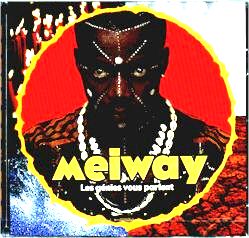
| 1997 | Les génies vous parlent; triple Kora Award (artist, arranger, video clip) |
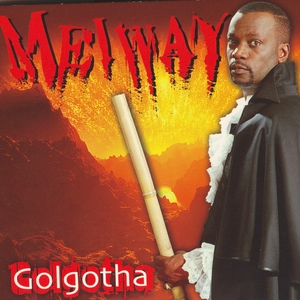
| 2004 | Golgotha and single “DJ Tassouman”, homage to coupé-décalé |
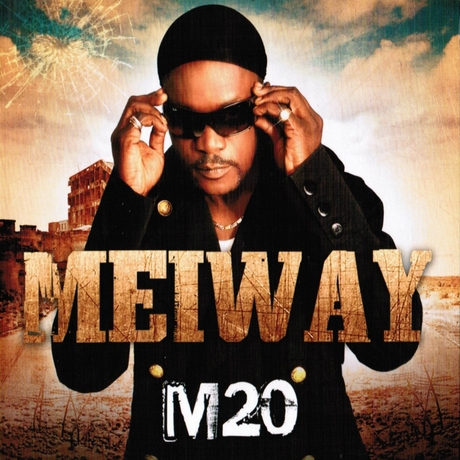
| 2009 | M20 (1000% Zoblazo), first album with international guests |
| 2014 | Officer of the National Order of Côte d’Ivoire |
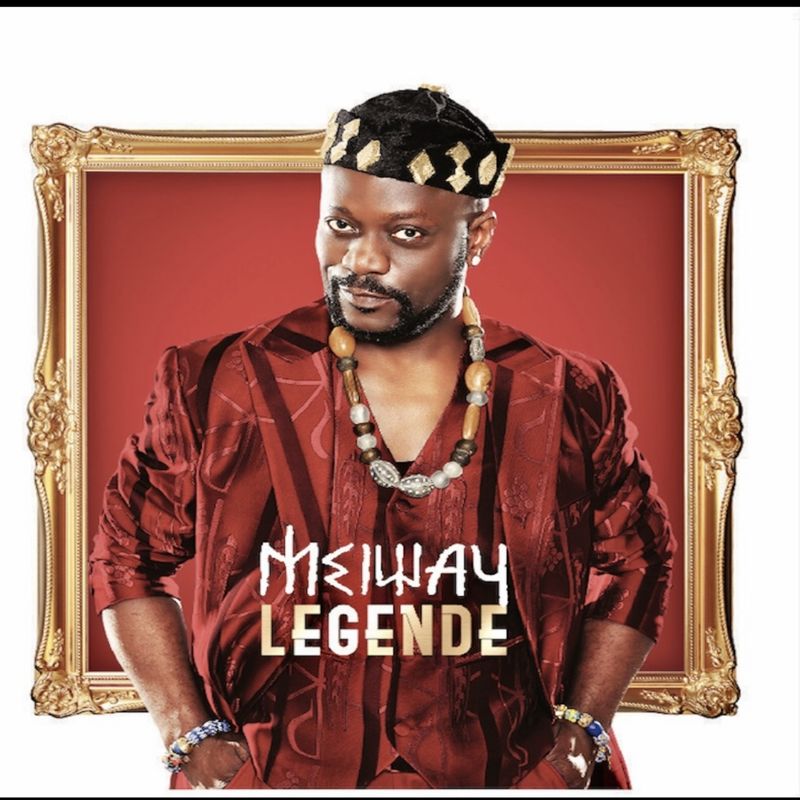
| 2019 | Légende: thirteenth album, celebrates the 30th anniversary of the first record |
| 2024 | Special 35-year concert at Abidjan Exhibition Park |
From Grand-Bassam to Pan-African Zoblazo
Frédéric Désiré Patrice Ehui grew up in Grand-Bassam, a small coastal town in southeastern Côte d’Ivoire. From adolescence, music occupied him: drums at church, guitar and drums within choirs. His wish to become a musician was not unanimous in his family — at the time, people thought music prevented success. Faced with this reluctance, young Frédéric left Côte d’Ivoire to settle in France in 1985, where he worked and prepared his first studio session. The day he recorded Ayibebou (1989, at Sonodisc), he took his baptismal first name and created the stage name Meiway, “my path” in zima, his mother tongue. The record immediately became n° 1 in Côte d’Ivoire.
Influenced by Ernesto Djédjé, king of ziglibithé, Meiway decided to do for the south of Côte d’Ivoire what Djédjé did for the west: transform folklore into contemporary dance music. He combined the talking drums of abissa, ancestral dance of the Nzima-Kôtôkô, with saturated guitars, brass instruments and synthesizers, grafting on them Ghanaian high life, Cameroonian makossa, zouk and Congolese ndombolo. “I took from the south, I went to the center, I took the music of the center, I mixed it in my zoblazo,” he explains to Afropop. “That is what makes my 36-year career. I am still here because I managed to gather all of Côte d’Ivoire behind me.”
From 1991 to 2019, this approach produced thirteen albums numbered with increasing percentages — from 200% to 1,000% in 2009 with M20, the first record to welcome international guests. His lyrics mix lightness and commitment: “Miss Lolo”, an ironic critique of the string, and “Godeba” calling for caution during the Ivorian crisis. On stage, the white handkerchief waved in rhythm became his emblem — the public, from Abidjan to Montreal, took it up in unison.
Major Works
| Work | Year | Why It Is Essential |
|---|---|---|
| Ayibebou | 1989 | First album, n° 1 in Côte d’Ivoire; lays the foundations of zoblazo |
| 200% Zoblazo | 1991 | Official baptism of the genre; beginning of the percentage series |
| Appolo 95 | 1995 | Consecration of the style; iconic title that marks a generation |
| Les génies vous parlent | 1997 | Triple Kora Award, RTI gold video clip; peak of the 90s |
| Golgotha | 2004 | Sound overhaul, opening to coupé-décalé |
| Légende | 2019 | Thirteenth album, symbolic closure of thirty years of career |
Legacy and Influence
Zoblazo paved the way for an entire generation of Ivorian urban artists. Coupé-décalé, which dominated the African scene around the turn of the 2000s, is directly inspired by this dance dynamic invented by Meiway: he publicly acknowledges that the “faroteurs” and other DJs of the crisis are “descendants” of his own music. Meiway remains faithful to his formula as a unifier — goodwill ambassador for the NGO Well Africa since 2015, honorary citizen of Grand-Bassam in 2019 — and continues to tour, notably at the Montreal Nuits d’Afrique Festival, where his public, from all backgrounds, remains present.
Sources and References
-
“Meiway”, Wikipedia (French version), https://fr.wikipedia.org/wiki/Meiway, accessed October 21, 2025.
-
“Meiway”, Wikipedia (English version), https://en.wikipedia.org/wiki/Meiway, accessed October 21, 2025.
-
“Meiway, Ivorian musician: I dreamed of being a star…”, RFI, https://www.rfi.fr/fr/emission/20150103-meiway-musicien-ivoirien-je-revais-etre-une-star, accessed October 21, 2025.
-
“20 years of zoblazo with Meiway”, RFI Musique, https://musique.rfi.fr/musique/20100216-20-ans-zoblazo-meiway.html, accessed October 21, 2025.
-
“Biography / Meiway, a path of Africa”, Abidjan.net News, https://news.abidjan.net/articles/368466/biographie-meiway-une-voie-dafrique-un-homme-une-musique-une-carriere, accessed October 21, 2025.
-
“Meiway: King of Zoblazo!”, Afropop Worldwide, https://afropop.org/articles/meiway-king-of-zoblazo, accessed October 21, 2025.
-
“About – MEIWAY OFFICIEL”, meiwayofficiel.com, https://www.meiwayofficiel.com/bio/, accessed 21 October 2025.
-
“Meiway Discography”, Discogs, https://www.discogs.com/artist/401412-Meiway, accessed 21 October 2025.