Biography
Michel Alibo: the bassist at the crossroads of worlds
In Paris, in 1975, on an African stage far from his Martinican homeland, a sixteen-year-old teenager undertook his first true professional tour as a bassist. His name is Michel Alibo, and that evening he did not yet know that he would spend the next forty-five years crossing genres — jazz, zouk, funk, afro-soul, Caribbean music — with a bass he would soon baptize the “Alibo-Bass Machine,” creating sound bridges between worlds that the music industry struggled to categorize.
In brief
| Full name | Michel Alibo |
| Birth | 14 April 1959, Paris (France); Martinican origin |
| Field | Jazz fusion, Caribbean music (zouk, beguine), funk, afro-soul |
| Instrument | Electric bass (and double bass) |
| Notable groups | Sixun, Sakiyo, Sakésho |
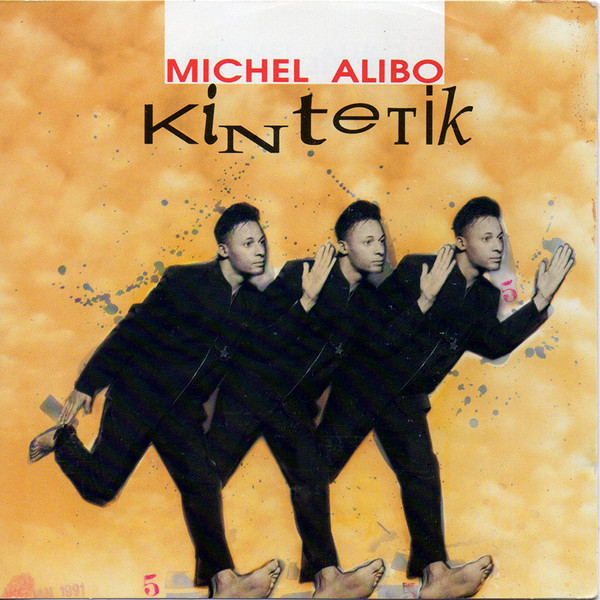
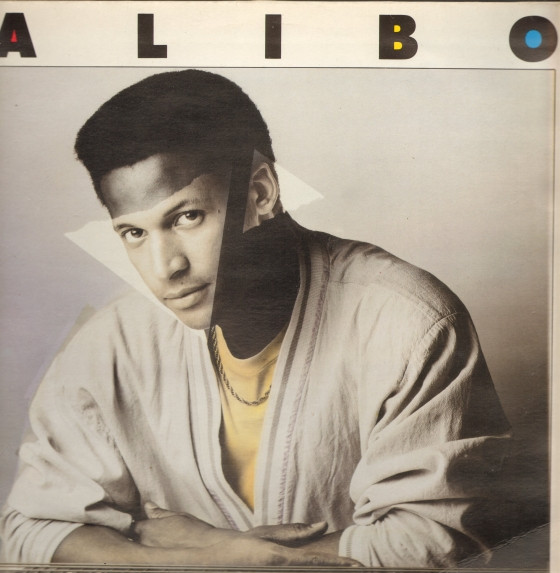
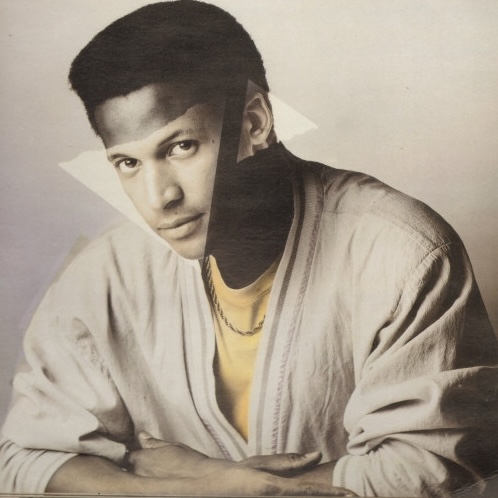
| Emblematic works | Alibo (1986), Kintetik (1991) |
| Notable collaborations | Salif Keïta, Angélique Kidjo, Youssou N’Dour, Kassav, Michel Jonasz |
Key dates
| Year | Event |
|---|---|
| 1959 | Birth in Paris, Martinican origin |
| ~1975 | Tour in Africa with Manu Dibango at sixteen years old |
| 1983 | Meeting Mario Canonge in Paris; beginning of a lasting collaboration |
| 1985 | Co-founding of the group Sixun with Paco Sery and Louis Winsberg |
| 1988 | Co-founding of Sakiyo with Mario Canonge, pioneer of zouk fusion |
| 1986 | First solo album Alibo (Blue Silver) |
| ~1998-2002 | Co-founding of the group Sakésho with Mario Canonge, Andy Narell and Jean-Philippe Fanfant |
| 2025-2026 | Release of Poets of Forest and concert at the New Morning for 50 years of career |
From Martinican origins to the Parisian stage
Michel Alibo was born in Paris on 14 April 1959 into a family of Martinican origin. Growing up in the Latin Quarter of the capital, he discovered very early on the music crossing Paris: zouk, jazz, funk and African music. He learned bass as a self-taught musician with the help of guitarist Frank Curier, an apprenticeship that would later give him remarkable fluidity across styles — jazz, latino, Caribbean, African.
His passion propelled him out of Paris very early: at sixteen, he embarked on a tour in Africa with the Cameroonian saxophonist Manu Dibango. This African experience deeply marked his listening and instrumental practice, opening the door to the studio through small studios. The 1980s followed one after another, his studio sessions multiplied, and he rubbed shoulders with the greatest Parisian stages.
In 1983, his musical life turned: he met Mario Canonge in Paris. The two Martiniquais shared the same passion for Caribbean rhythms, jazz and fusion. This meeting would found decades of common collaboration, between the two artists as well as within multiple projects.
Sixun and the Caribbean-jazz revolution
In 1985, Michel Alibo co-founded the group Sixun with drummer Paco Sery and guitarist Louis Winsberg, alongside Italian pianist Jean-Pierre Como. The group quickly became the most striking European jazz-fusion formation of its generation, touring festivals around the world (with the exception of the United States) for fourteen years and nine albums. Alibo’s influence was decisive in this sound: his bass, both rhythmic and melodic, along with his athletic thumb technique and slap that he called “Alibass,” created a hypnotic groove that fascinated music lovers.
It was also the period when he introduced his funky and jazzy style into African grooves and new Antillean zouk. In 1988, he co-founded with Mario Canonge the group Sakiyo, which innovated on the zouk stage by integrating a jazz fusion dimension, and paved the way for a new generation of Antillean musicians.
After the breakup of Sixun in 1998, Alibo multiplied collaborations and projects. He is one of the most sought-after studio bassists in Paris, with more than 549 Discogs credits — appearances with Salif Keïta, Angélique Kidjo, Youssou N’Dour, Toure Kunda, Cheb Mami and many others. In 2002, he co-founded Sakésho with Mario Canonge, North American steel-pan player Andy Narell and drummer Jean-Philippe Fanfant, publishing two albums with Heads Up International.
Major works
| Album | Year | Why it is essential |
|---|---|---|
| Alibo | 1986 | First signatures of the “Alibass”: funk-Caribbean groove that prefigures his career |
| Kintetik | 1991 | Afro-latino-Caribbean fusion — a pivotal album in his solo trajectory |
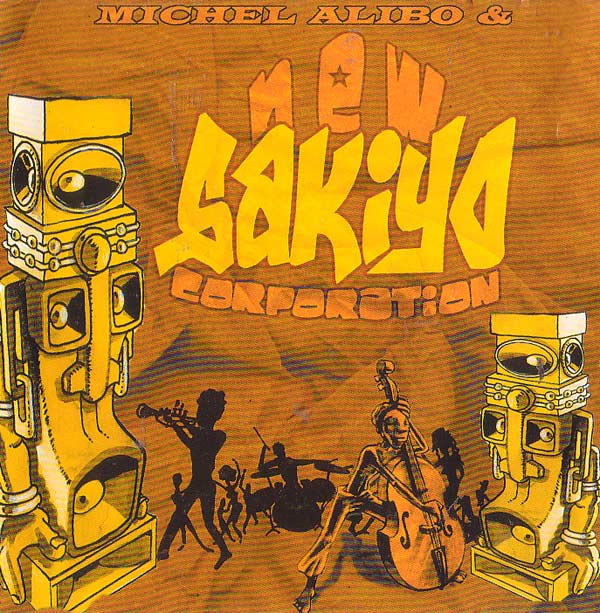
| Michel Alibo & New Sakiyo Corporation | 1996 | The maturity of the zouk-jazz sound, between Sakiyo and Sixun |
| Sakésho (Sakesho) | 2002 | The marriage of beguine with jazz and steel pan — two albums with Heads Up |
Legacy and influence
Michel Alibo remains one of the most influential but also most underestimated bassists in jazz and world music. Specialized press cites his techniques in the evolution of electric bass, and entire generations of bassists play his grooves without necessarily knowing his name. In 2026, on the occasion of his fifty years of professional career, Le Monde highlights his atypical path between jazz, Afro-Caribbean music and variety, while he continues to impose himself on European festival stages — his album Poets of Forest with Arnaud Dolmen (2025) and his recent discography attest to a musician always in motion, moving from North African rhythms to the styles of his native Martinique with insatiable curiosity.
Sources and references
- “Bassist Michel Alibo celebrates 50 years of career at the New Morning”, Le Monde, https://www.lemonde.fr/culture/article/2026/10/07/le-bassiste-michel-alibo-fete-ses-50-ans-de-carriere-au-new-morning_6789588_3246.html, accessed 31 October 2026.
- « Michel Alibo — The Bassic Personification of World Fusion », All About Jazz, https://www.allaboutjazz.com/michel-alibo-the-bassic-personification-of-world-fusion-by-phil-dipietro, accessed October 31, 2026.
- « Michel Alibo », Wikipedia, https://fr.wikipedia.org/wiki/Michel_Alibo, accessed October 31, 2026.
- « Michel Alibo », Kribbean, https://www.kribbean.com/en/artists/michel-alibo, accessed October 31, 2026.
- « Michel Alibo Artist », Discogs, https://discogs.com/artist/190453-Michel-Alibo, accessed October 31, 2026.
- « Michel Alibo », Apple Music, https://music.apple.com/fr/artist/michel-alibo/55436722, accessed October 31, 2026.